Biohacking has evolved from a niche interest into a broader movement focused on improving health, energy, mental performance, and longevity. In 2026, advances in wearable technology, artificial intelligence, personalized nutrition, and preventive healthcare are changing how people understand and manage their well-being.
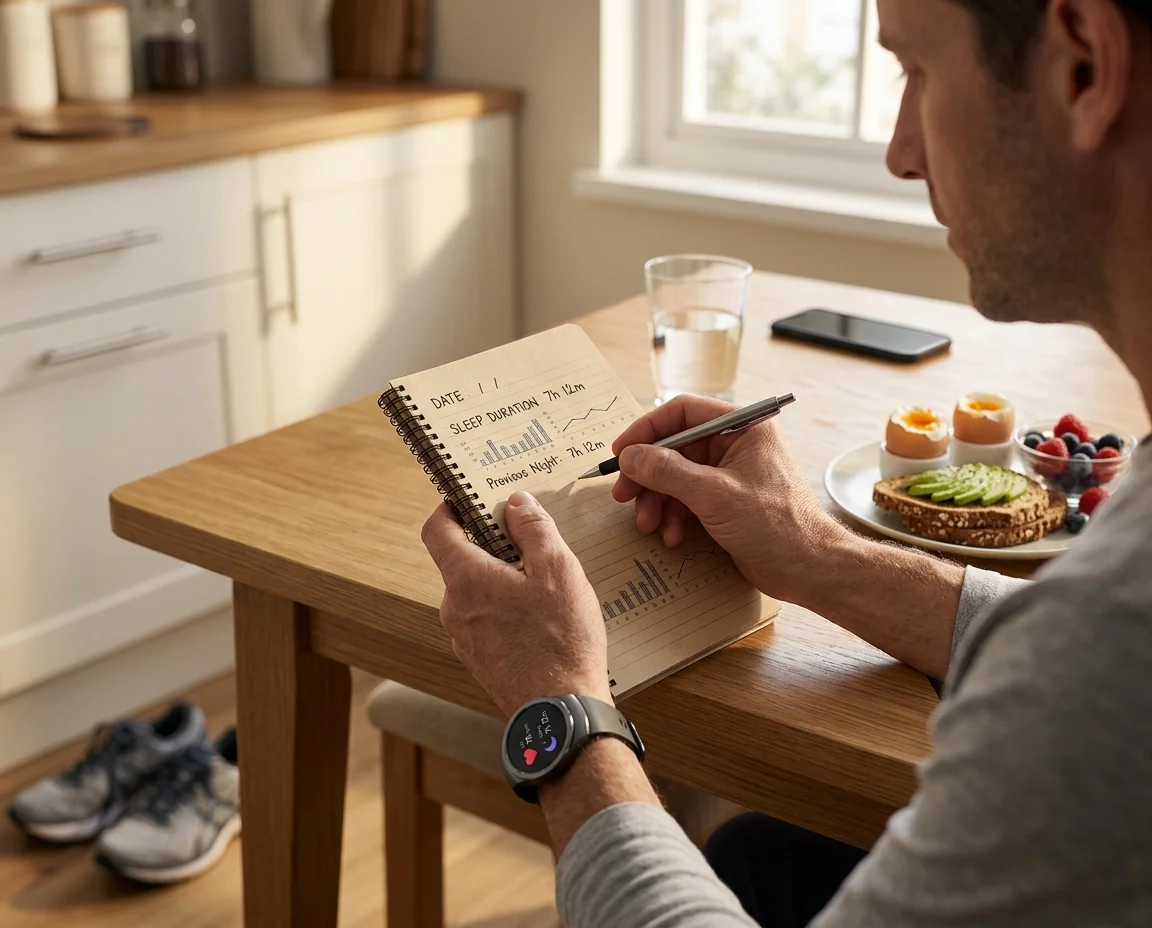
Biohacking is the practice of making deliberate changes to lifestyle, behavior, environment, or technology use in an effort to improve physical health, mental performance, or overall well-being.
The term covers a wide range of activities. Some are simple and supported by substantial evidence, such as maintaining consistent sleep schedules, following a balanced diet, and exercising regularly. Others involve experimental supplements, restrictive diets, unproven anti-aging treatments, or devices whose long-term benefits remain uncertain.
Biohacking is sometimes described as do-it-yourself biology because some enthusiasts experiment with their own bodies and track the results. However, not every biohacking practice involves advanced technology or experimentation.
For most people, the most useful approach is straightforward: identify a health-related goal, make a manageable change, monitor the results, and adjust the routine based on reliable evidence.
For example, someone who regularly feels tired might start tracking sleep duration, reduce late-night screen use, maintain a consistent bedtime, and discuss persistent fatigue with a healthcare professional. This is a more responsible approach than immediately purchasing expensive supplements or assuming that a single wearable measurement reveals the cause of the problem.
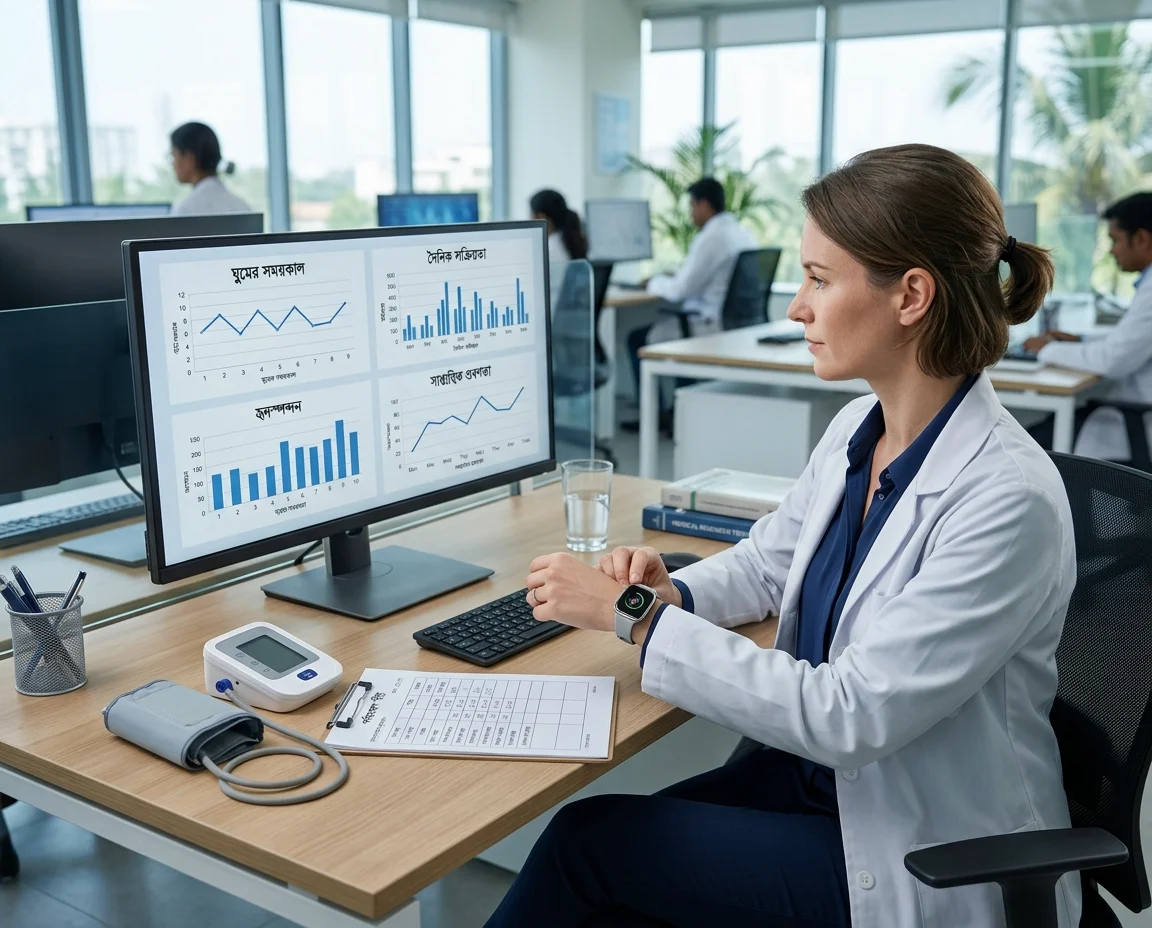
Biohacking is increasingly relevant because people have access to more personal health information than ever before. Smartwatches, fitness trackers, sleep-monitoring devices, digital health applications, and AI-powered tools can help users recognize patterns in their daily habits.
At the same time, chronic diseases, sedentary lifestyles, poor sleep, stress, and inconsistent nutrition remain important public health concerns. Many of these factors are influenced by everyday behaviors, making prevention and sustainable lifestyle improvements essential.
Biohacking can help people pay closer attention to those behaviors. Instead of relying entirely on motivation or guesswork, they can develop routines, measure progress where appropriate, and make changes that fit their individual circumstances.
Its importance in 2026 can be understood through several major developments.
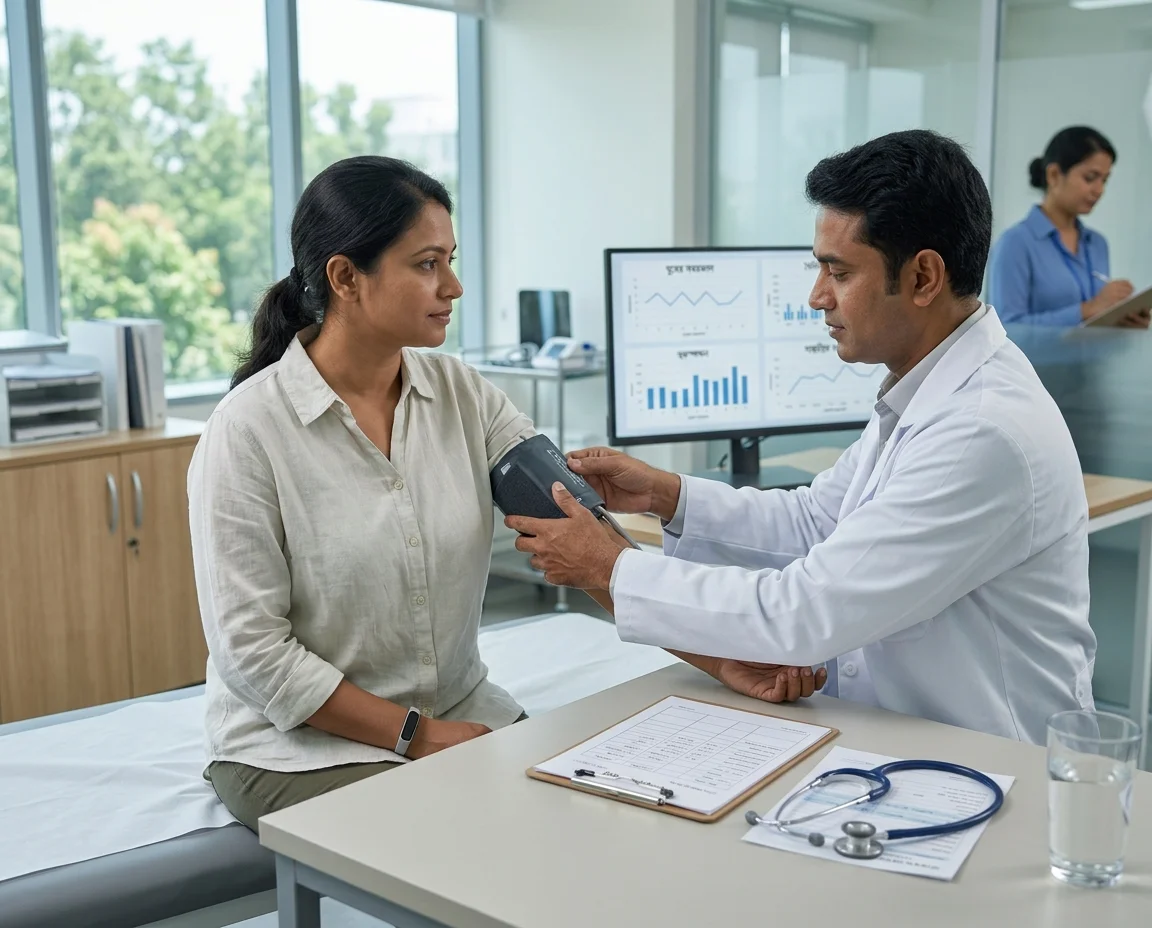
Traditional healthcare often focuses on diagnosing and treating illness after symptoms appear. Preventive healthcare, by contrast, aims to reduce disease risk, identify potential problems early, and support health before serious complications develop.
Biohacking aligns with this preventive approach when it encourages people to pay attention to sleep, nutrition, physical activity, blood pressure, and other meaningful health indicators.
For example, regular physical activity can improve cardiovascular health, support metabolic function, and help maintain muscle strength. A balanced diet can provide essential nutrients and support healthy body weight. Consistent sleep habits can improve daytime functioning and contribute to overall well-being.
These practices are not new, but biohacking places additional emphasis on making them deliberate and measurable.
Someone might use a fitness tracker to monitor daily movement, schedule regular exercise, and review progress over several weeks. Another person might prepare meals in advance to reduce reliance on highly processed convenience foods.
The goal is not to eliminate every possible health risk. Rather, it is to establish habits that can improve long-term health and make preventive care a regular part of life.
Importantly, lifestyle tracking does not replace medical screening or professional advice. A wearable device cannot reliably rule out disease, and a lack of symptoms does not guarantee that a person is healthy.
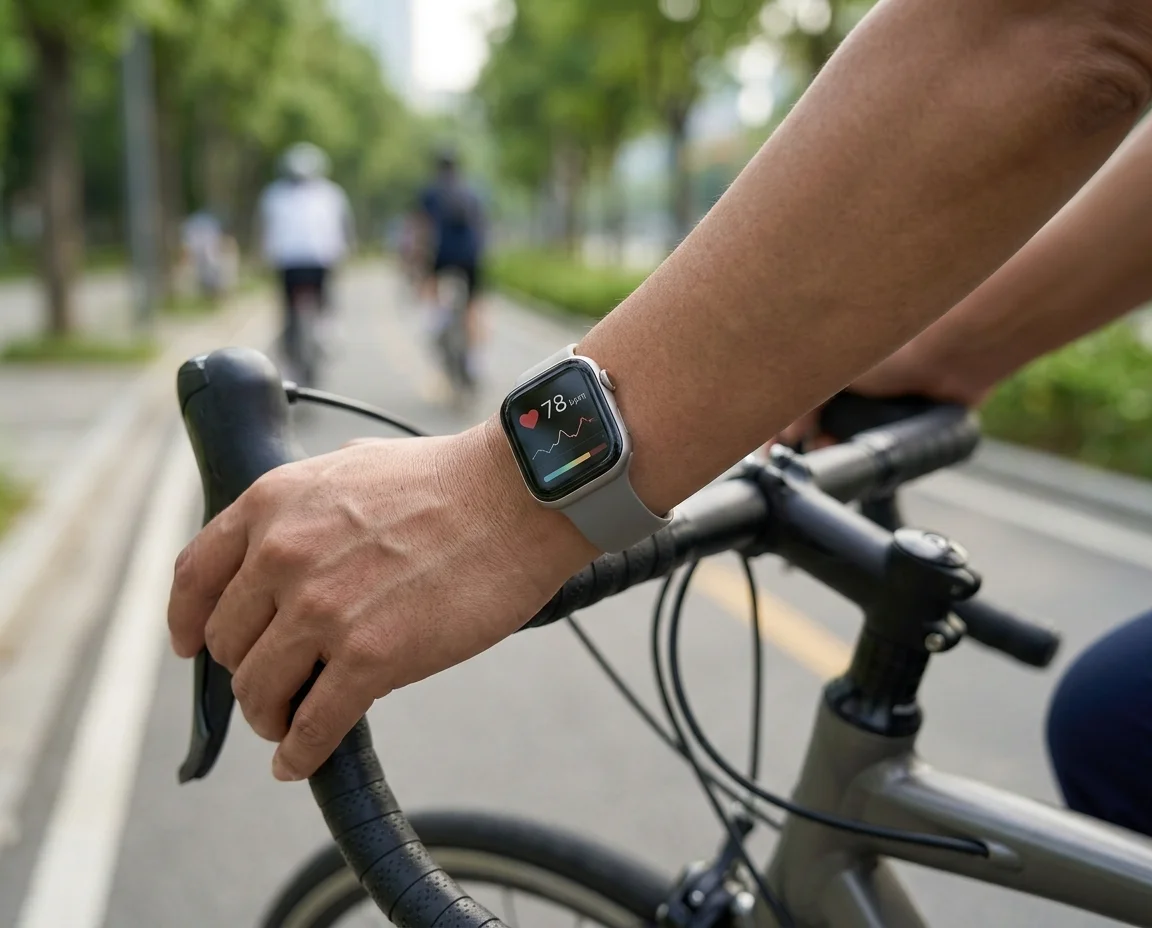
Wearable technology is one of the most visible developments in modern biohacking.
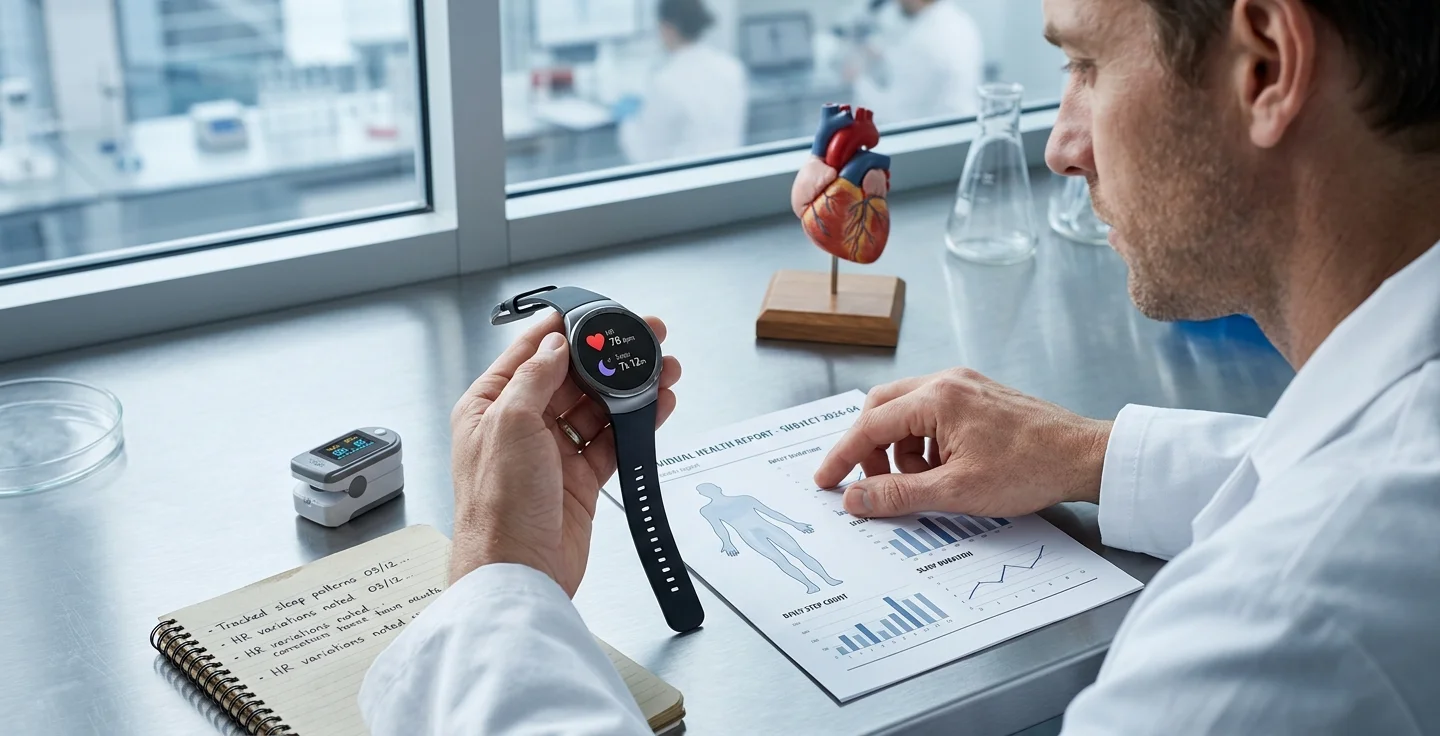
Smartwatches, fitness bands, and other consumer devices can track measurements such as steps, heart rate, estimated sleep duration, and exercise activity. Some devices also provide estimates of blood oxygen levels, heart rhythm information, or other physiological measurements, depending on the model and applicable regulatory status.
These tools can make it easier to recognize patterns that might otherwise go unnoticed.
For example, a person may discover that their sleep schedule becomes inconsistent on workdays or that their physical activity drops when they spend long periods sitting. Seeing these patterns can encourage practical changes.
However, wearable measurements must be interpreted carefully. Consumer devices vary in accuracy, and many measurements are estimates rather than direct clinical assessments. Sleep-stage estimates, calorie-burn calculations, and recovery scores should not be treated as definitive medical results.
The US Government Accountability Office has discussed both the potential benefits and the challenges of wearable technologies in clinical decision-making. Such devices may support health monitoring, but their usefulness depends on data quality, appropriate interpretation, and how the information is applied.
The most effective strategy is to focus on trends rather than reacting to every daily fluctuation. If a device repeatedly records an unusual pattern or a person experiences concerning symptoms, professional medical assessment may be appropriate.
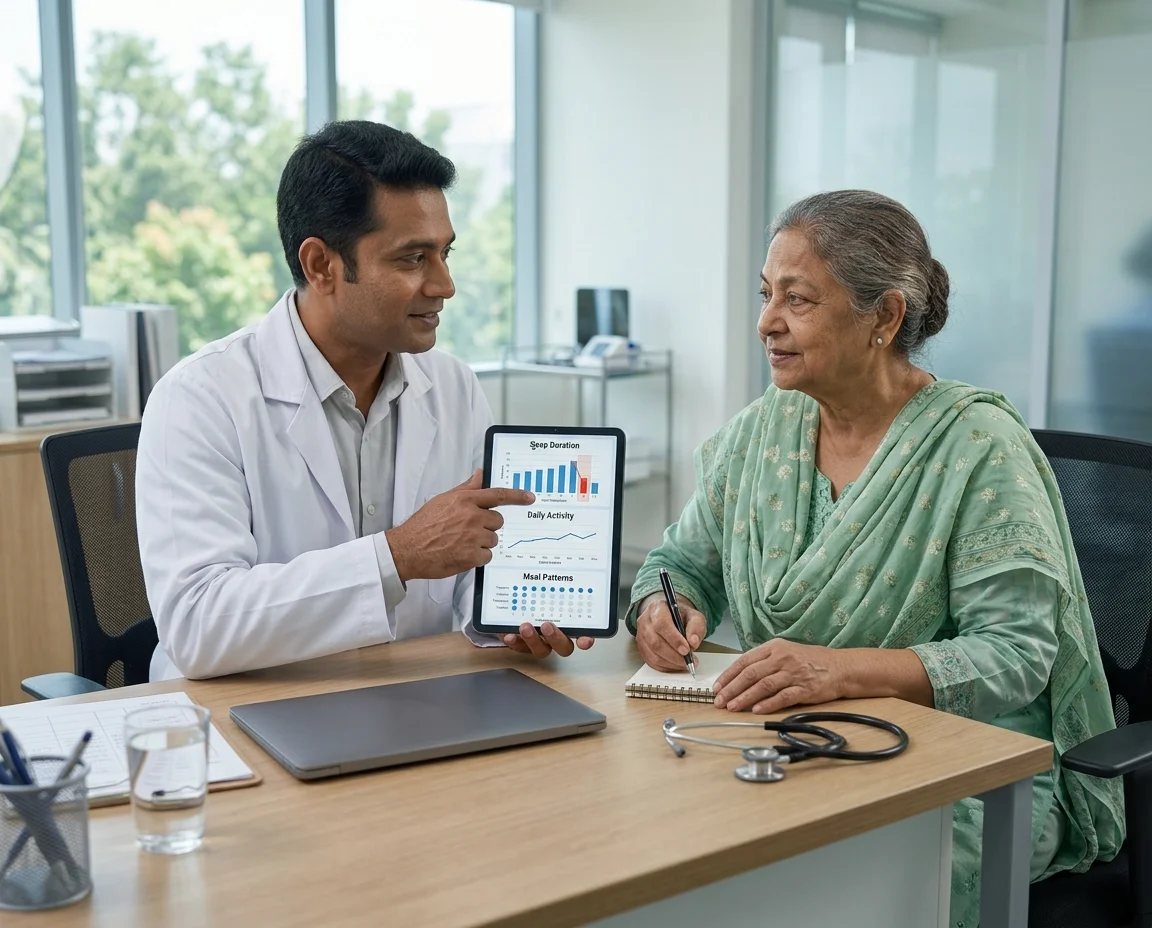
Artificial intelligence is becoming an important part of digital health. AI-powered applications can analyze large amounts of information, identify patterns, and help users organize health-related data.
In biohacking, these tools may be used to summarize activity trends, organize meal records, identify changes in sleep routines, or help users prepare questions for healthcare professionals.
For example, someone who records bedtime, exercise, caffeine consumption, and daytime energy may use a digital tool to organize the information and look for recurring patterns. This can help them develop more informed questions about their habits.
AI may also support healthcare professionals in specific tasks, including medical-image analysis, clinical decision support, and risk prediction. The US Food and Drug Administration maintains information about AI-enabled medical devices, reflecting the growing role of this technology in healthcare.
Nevertheless, AI is not a substitute for clinical judgment. An application may misunderstand a symptom, generate an inaccurate explanation, or offer a recommendation that does not account for a person’s medical history.
Health-related AI tools should therefore be used with appropriate caution. Users should verify important claims, protect their personal information, and consult qualified professionals before making significant medical decisions.
In 2026, the real value of AI-assisted biohacking lies in helping people organize information and support better decisions—not in allowing an algorithm to independently diagnose or treat disease.
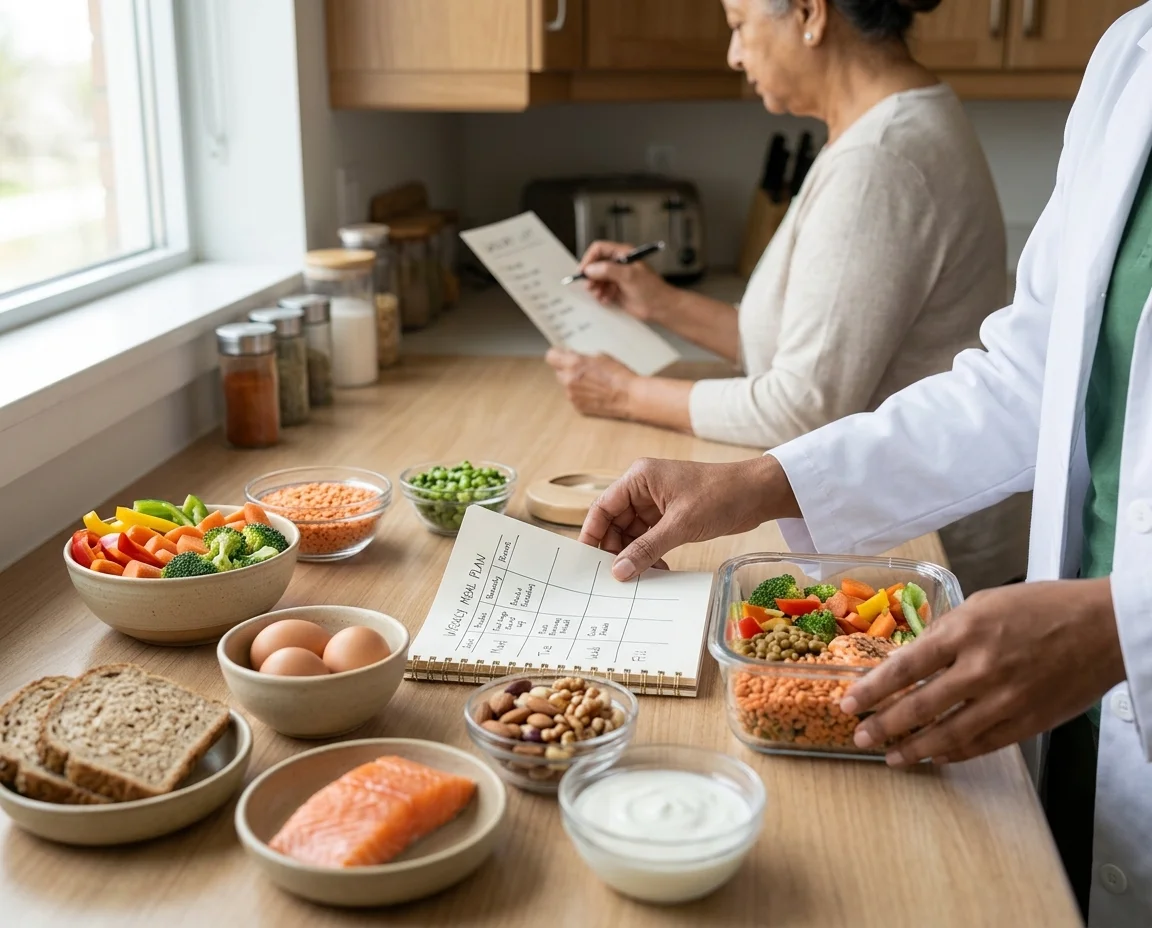
Nutrition is a central component of biohacking because food affects energy availability, digestive health, metabolic function, and the body’s ability to obtain essential nutrients.
Yet people differ in their dietary needs, food preferences, activity levels, health conditions, and cultural practices. A diet that works well for one individual may be unsuitable for another.
Personalized nutrition attempts to account for these differences. It may consider factors such as age, activity, food intake, medical history, allergies, and specific nutritional requirements.
Some approaches also use continuous glucose monitors or laboratory tests to explore metabolic responses. However, not every person needs these tools, and the evidence supporting their use for general wellness in otherwise healthy individuals remains an evolving area.
For most people, effective nutrition begins with established fundamentals:
Personalization should make healthy eating more practical, not more complicated.
For example, a person who struggles to prepare elaborate meals may benefit more from a simple weekly meal plan than from an expensive testing package. Someone with diabetes, kidney disease, food allergies, or another medical condition may need individualized advice from a qualified healthcare professional.
The most valuable nutrition strategy is one that is nutritionally adequate, sustainable, affordable, and appropriate for the person’s circumstances.
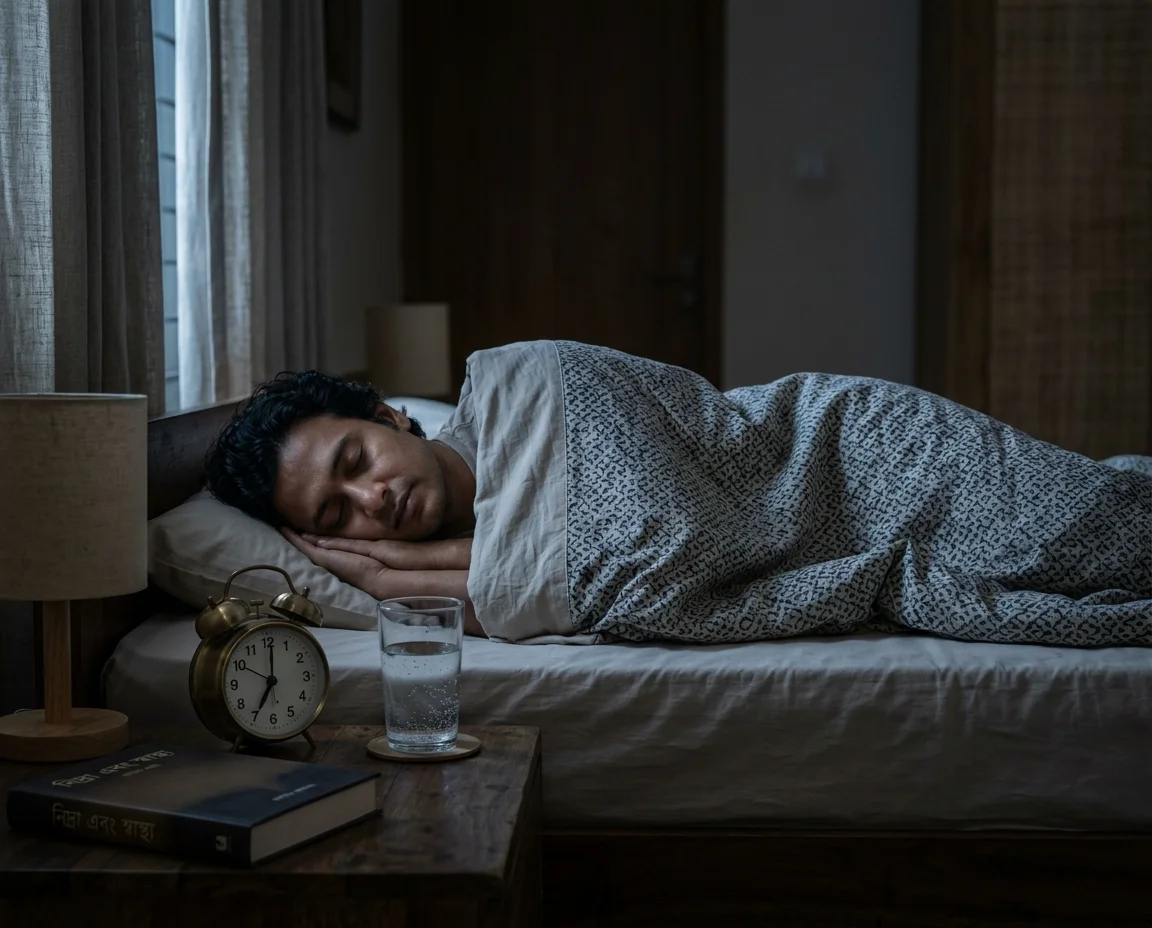
Sleep is sometimes overlooked in conversations about productivity and longevity, yet it plays an important role in physical recovery, learning, emotional regulation, and daily functioning.
Inadequate or irregular sleep can affect concentration, mood, reaction time, and the ability to manage daily responsibilities. Persistent sleep problems may also be associated with broader health risks.
Biohacking encourages people to treat sleep as a foundational health behavior rather than an activity that can always be sacrificed for work or entertainment.
Useful strategies include maintaining a consistent sleep schedule, creating a comfortable sleeping environment, reducing disruptive noise and light, and limiting caffeine late in the day when it affects sleep.
A relaxing pre-sleep routine may also help. This could include reading, gentle stretching, or setting aside time to prepare for the following day.
Sleep trackers can provide estimates of sleep duration and patterns, but they do not measure every aspect of sleep accurately. A high sleep score does not necessarily mean that someone is well-rested, and a low score does not automatically indicate a medical disorder.
It is usually more useful to consider how consistently a person sleeps, how they feel during the day, and whether they experience ongoing difficulties.
People who regularly have trouble sleeping, experience significant daytime sleepiness, or have symptoms such as loud snoring and interrupted breathing should consider medical evaluation rather than relying exclusively on a tracking device.
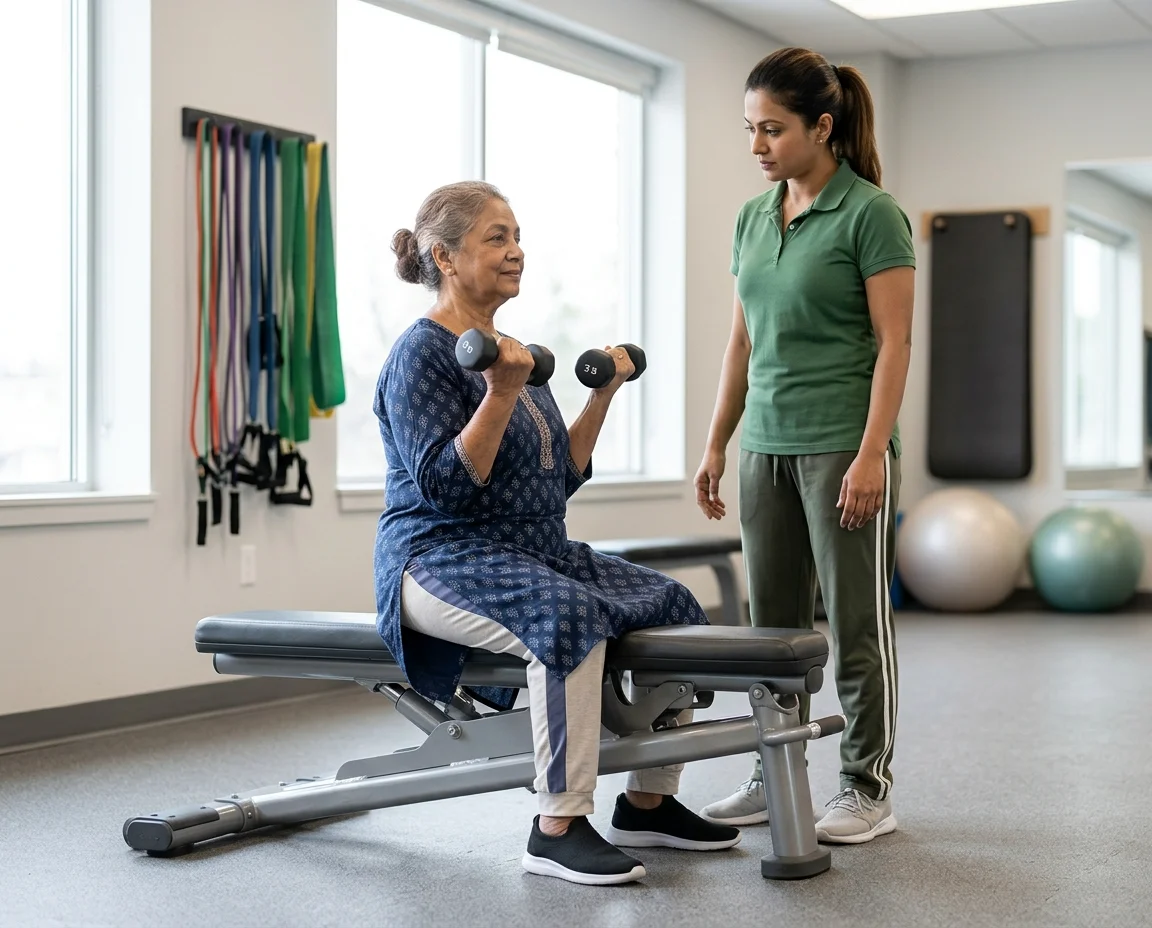
Movement is one of the most evidence-supported areas of biohacking. Regular physical activity can improve cardiovascular fitness, strengthen muscles and bones, support metabolic health, and help maintain independence as people age.
The World Health Organization recommends that adults aim for 150–300 minutes of moderate-intensity aerobic physical activity per week, or an equivalent amount of vigorous activity, alongside muscle-strengthening activities on at least two days per week. Individual needs may vary, and people with medical limitations may require tailored guidance.
These recommendations do not mean that everyone must immediately begin intense workouts.
A beginner can start with short walks, gradually increase daily movement, and introduce strength exercises appropriate to their ability. People who sit for long periods can also benefit from taking regular movement breaks.
A balanced activity routine may include:
The objective is consistency rather than perfection.
For example, a person who walks for 20 minutes on most days may establish a more sustainable habit than someone who begins an intense training program and abandons it after two weeks.
Exercise programs should be adapted to fitness levels, existing injuries, and medical conditions. Anyone experiencing chest pain, fainting, severe breathlessness, or other concerning symptoms during activity should stop and seek appropriate medical assessment.

Stress is a normal response to challenging circumstances, but prolonged or poorly managed stress can affect sleep, mood, concentration, relationships, and daily functioning.
Biohacking often includes techniques intended to improve stress management and emotional regulation. These may include mindfulness, breathing exercises, physical activity, time outdoors, social connection, and better work-rest boundaries.
A practical starting point is to identify the situations that repeatedly contribute to stress. Someone might notice that checking work messages late at night interferes with relaxation or that skipping lunch makes the afternoon more difficult.
Once a pattern is identified, a small adjustment may help. Setting a regular stopping time for work, taking short breaks, or practicing a few minutes of slow breathing can create opportunities for recovery.
However, stress management should not be reduced to a demand that individuals optimize themselves constantly. Work conditions, financial pressures, caregiving responsibilities, and other external circumstances can strongly influence well-being.
Mindfulness and relaxation exercises may be useful, but they do not replace appropriate support for severe anxiety, depression, trauma, or other mental health concerns.
A responsible approach to biohacking recognizes both personal habits and the wider circumstances that shape health.

Interest in longevity has expanded as researchers investigate how lifestyle, genetics, environment, and medical care influence health across the lifespan.
The aim of healthy aging is not simply to live longer. It is also to preserve physical function, cognitive ability, independence, and quality of life for as long as possible.
Biohacking communities often discuss biological age, cellular health, inflammation, metabolic function, and other potential indicators of aging. These areas are scientifically interesting, but commercial claims about reversing biological age or dramatically extending human lifespan often go beyond established evidence.
A biological-age estimate from a commercial test should not be treated as a definitive measure of a person’s health or future lifespan. Different tests may use different methods, and their clinical significance can vary.
More established approaches to healthy aging include maintaining physical activity, eating a balanced diet, getting adequate sleep, avoiding tobacco, limiting harmful alcohol consumption, staying socially connected, and following recommended preventive healthcare.
Blood pressure management, appropriate screening, vaccinations, and timely treatment of medical conditions also contribute to long-term health.
Researchers continue to investigate interventions that may influence the biological processes of aging. However, findings from laboratory studies or animal research do not automatically establish that an intervention is safe or effective in humans.
In 2026, a sensible longevity strategy prioritizes healthspan—the period of life spent in good health—rather than relying on unproven promises of extreme lifespan extension.

One challenge in improving health is that people often rely on memory to judge their behavior. They may believe they exercise frequently, sleep consistently, or eat balanced meals without having a clear picture of their actual routines.
Tracking can help make these patterns more visible.
For example, recording daily walks for a few weeks may reveal that activity decreases during busy work periods. A meal diary may show that someone regularly skips breakfast or consumes little fiber. A sleep log may reveal a consistent difference between weekday and weekend bedtimes.
The purpose of tracking is to support useful decisions, not to collect data for its own sake.
A simple system can be enough. Someone might record sleep duration, physical activity, energy levels, and one or two other indicators related to a specific goal. Reviewing the information weekly may reveal trends without creating unnecessary work.
It is also important to understand the limitations of self-tracking. Correlation does not establish causation. If energy improves after a dietary change, other factors—such as better sleep or reduced stress—may also explain the improvement.
People should avoid changing many habits simultaneously if they want to understand which changes are helping. Small, deliberate adjustments make it easier to assess results.
Tracking should remain flexible. If measuring every meal or monitoring every bodily sensation creates anxiety or interferes with daily life, simplifying the process may be healthier.

Health literacy is the ability to find, understand, evaluate, and use health information when making decisions.
It is especially important in 2026, when social media, online communities, wellness influencers, and AI-generated content can spread health claims quickly.
Some claims are based on credible research. Others rely on anecdotes, exaggerated marketing, or selective interpretations of scientific studies.
Biohacking can encourage curiosity about health, but curiosity must be accompanied by critical thinking.
Before adopting a new practice, users should ask several questions:
These questions are particularly important when evaluating supplements, hormone-related products, extreme diets, unregulated devices, and expensive longevity programs.
A scientific-sounding explanation does not guarantee that a product works. Nor does the use of terms such as detoxification, cellular optimization, or anti-aging establish that a treatment has proven clinical benefits.
Good biohacking depends on the ability to distinguish between promising research, established recommendations, and speculation.

Many people become interested in biohacking because they want more consistent energy, improved concentration, and better performance at work or school.
Lifestyle habits can influence these outcomes. Adequate sleep, regular movement, balanced meals, hydration, and effective stress management all contribute to daily functioning.
For example, a person who regularly works long hours at a computer may benefit from scheduled movement breaks, a consistent sleep routine, and a more structured approach to meals.
Someone who experiences an afternoon energy slump might review sleep quality, meal patterns, caffeine intake, and physical activity before purchasing a productivity supplement.
However, productivity should not become the only measure of health. Rest, relationships, recreation, and recovery are valuable even when they do not directly increase work output.
Biohacking is most useful when it helps people function well while maintaining a sustainable quality of life—not when it encourages endless self-monitoring or the belief that every minute must be optimized.

Although some biohacking products are expensive, many beneficial practices require little or no money.
Walking, maintaining a consistent sleep schedule, preparing simple balanced meals, taking movement breaks, and practicing relaxation techniques can all be part of a low-cost health routine.
A notebook or basic smartphone application may be sufficient for tracking progress. A sophisticated wearable device is not essential for everyone.
This matters because the commercialization of wellness can create the impression that better health requires premium subscriptions, genetic testing, specialized supplements, or costly procedures.
In reality, the basics often provide the most practical starting point.
People should consider their budgets and priorities before purchasing health-related products. Spending more does not automatically produce better results, and a device is only useful if its information leads to sensible action.
Access to safe housing, nutritious food, healthcare, time for exercise, and adequate rest also influences a person’s ability to maintain healthy habits. Biohacking should not imply that individual effort alone determines health outcomes.
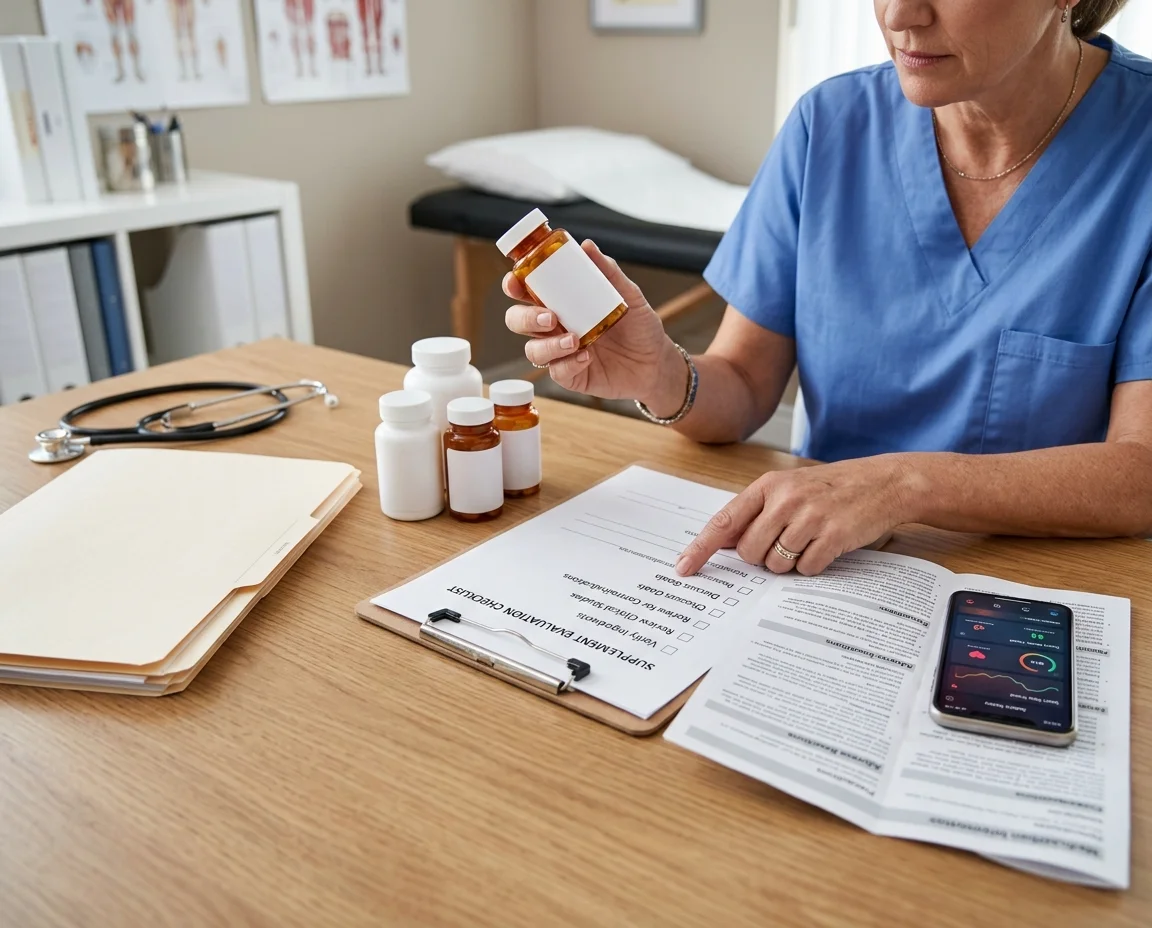
Despite its potential benefits, biohacking can create risks when people experiment without adequate evidence or medical guidance.
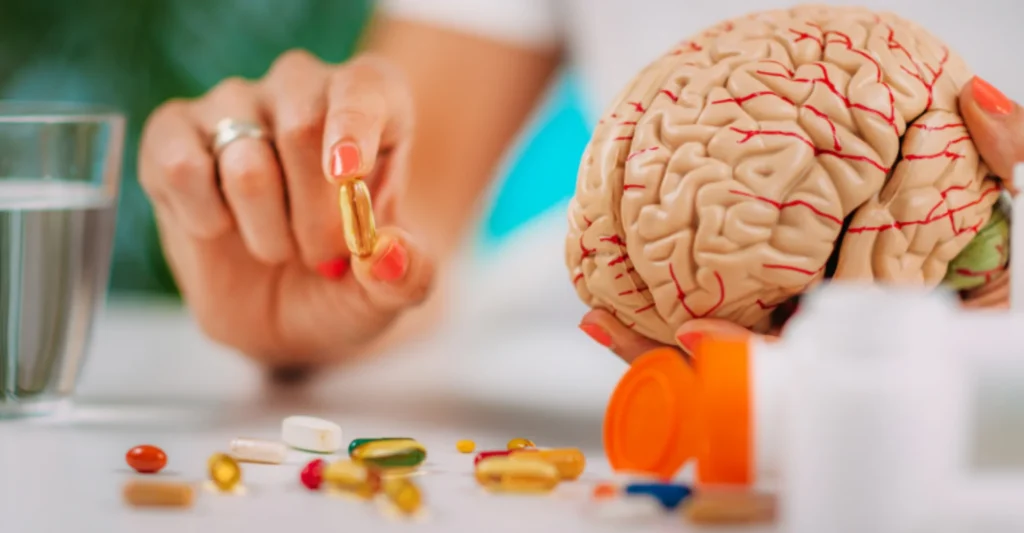
Supplements may be promoted as ways to improve energy, build muscle, enhance cognition, or slow aging. However, evidence varies considerably between products, and some may cause side effects or interact with medications.
The US National Center for Complementary and Integrative Health provides guidance on evaluating dietary and herbal supplements. Consumers should remember that marketing claims are not equivalent to proof of safety or effectiveness.
People who take prescription medication, have chronic medical conditions, are pregnant or breastfeeding, or are considering supplements for children should seek appropriate professional advice before using them.
Severe calorie restriction, prolonged fasting, or highly restrictive diets may create nutritional deficiencies or other complications in some people.
Such approaches are not suitable for everyone, particularly people with certain medical conditions, a history of eating disorders, or increased nutritional needs.
A balanced and sustainable dietary pattern is generally a safer starting point than extreme experimentation.
Using prescription medicines, hormones, injectable products, or experimental substances for enhancement without medical supervision can be dangerous.
Potential risks include adverse reactions, drug interactions, hormonal disturbances, and delayed diagnosis of underlying conditions.
Prescription treatments should be used for appropriate medical indications under qualified supervision, rather than adopted solely because they are popular in longevity communities.
Continuous tracking can become counterproductive when ordinary fluctuations are interpreted as signs of disease or failure.
A single unusual reading may reflect measurement error, temporary changes, or normal biological variation. Repeatedly checking metrics can also increase worry for some people.
The solution is to track only information that supports a clear goal and to seek professional advice when symptoms or persistent abnormalities warrant evaluation.
Health applications and connected devices may collect sensitive information, including activity patterns, sleep data, and other personal measurements.
Before using a platform, review its privacy policy, data-sharing practices, account-security features, and options for deleting personal information.
Users should be cautious about uploading sensitive health data to services without understanding how the information may be stored or used.

Starting a biohacking routine does not require changing every part of life at once. A simple seven-day plan can help establish a foundation and identify which habits are realistic.
Record your usual bedtime, wake-up time, daily movement, meal patterns, and general energy level. Avoid judging yourself or attempting to change everything immediately.
The purpose is to understand your starting point.
Choose a realistic bedtime and wake-up time. Reduce distractions before bed and create a comfortable sleeping environment.
Pay attention to how you feel the following day rather than focusing entirely on a sleep score.
Add a walk or another suitable form of physical activity to your routine. If you spend long periods sitting, take short movement breaks.
Choose an activity that fits your current fitness level.
Look at your usual meals and identify one achievable improvement. You might add a serving of vegetables, include a source of protein, or replace a frequently consumed sugary drink with water.
Avoid unnecessary restriction.
Set aside five to ten minutes for a relaxing activity, such as slow breathing, mindfulness, gentle stretching, or spending time outdoors.
Notice whether the activity helps you feel calmer or more focused.
If you have been recording habits, review the information. Look for simple patterns rather than treating every measurement as meaningful.
If you are not using a tracking device, a notebook is sufficient.
Review the previous six days. Identify which changes were easy to maintain and which created unnecessary difficulty.
Choose two or three habits to continue for the next few weeks. Consistency matters more than completing a perfect seven-day challenge.
This plan is a general wellness framework, not a medical treatment. People with specific health conditions should adapt their activities and seek professional advice when necessary.
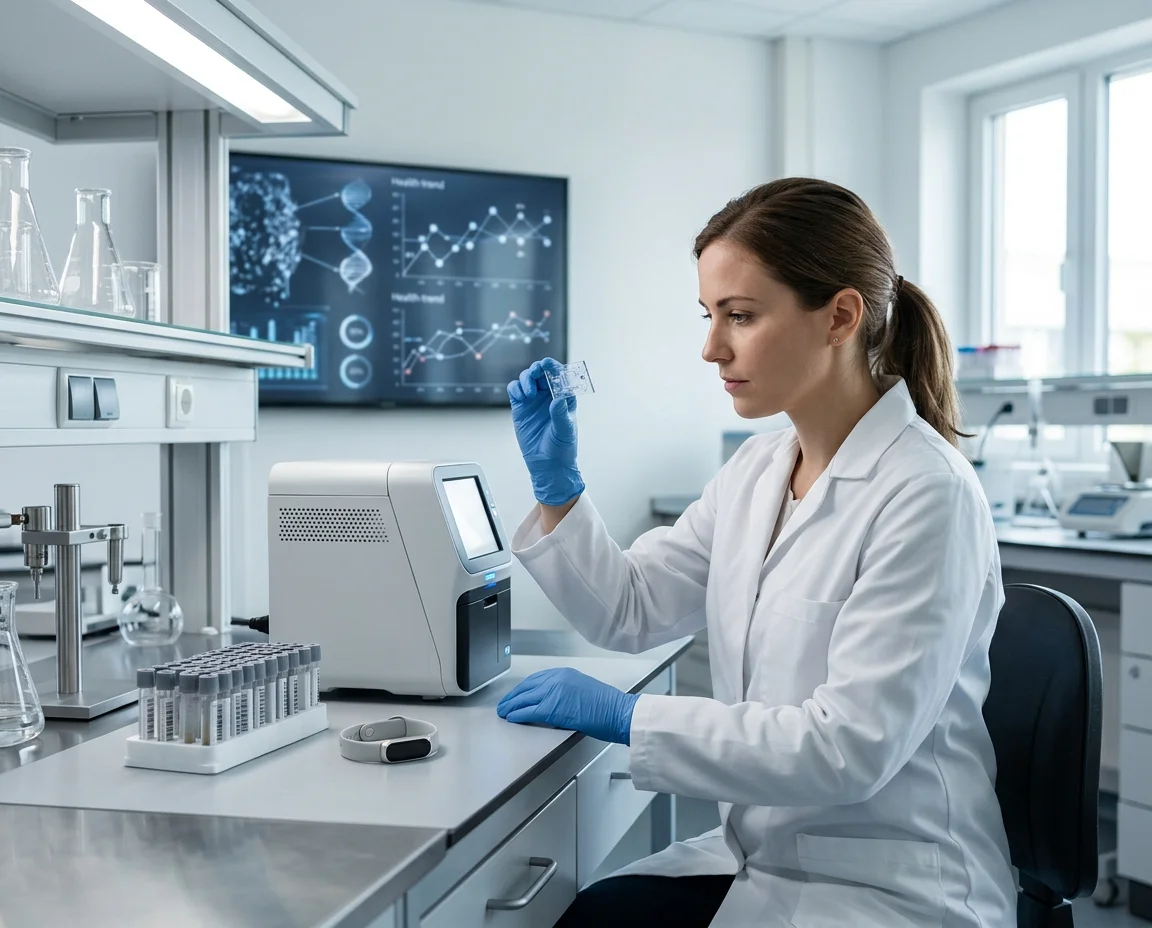
Biohacking is likely to continue evolving as digital health technology, biological research, and preventive medicine develop.
Future health platforms may combine information from wearable devices, medical records, laboratory testing, and lifestyle logs. Better integration could help users and healthcare professionals understand patterns across different sources.
However, the usefulness of such systems will depend on data accuracy, interoperability, privacy safeguards, and the quality of the recommendations they generate.
Advances in genetics, biomarkers, and computational analysis may help researchers understand why individuals respond differently to certain interventions.
Over time, some tools may support more tailored approaches to disease prevention and treatment. Nevertheless, genetic or biomarker information must be interpreted carefully, and not every commercially available test provides clinically useful guidance.
AI systems may become more capable of organizing health information, assisting with clinical workflows, and identifying patterns that require further assessment.
Their implementation will need appropriate validation, oversight, transparency, and protections against bias.
Research into healthy aging will likely continue to explore the relationships between physical activity, nutrition, sleep, metabolic health, and age-related disease.
This may produce new approaches to prevention and treatment. But promising laboratory findings should not be confused with proven interventions that extend human lifespan.
As health technology expands, consumers and healthcare professionals will need clearer information about product performance, privacy, clinical evidence, and potential risks.
The future of biohacking will depend not only on technological innovation but also on responsible use and reliable scientific evaluation.
The best biohacking routine is one that fits into everyday life and can be maintained over time.
Begin with a specific goal. Instead of trying to optimize everything, decide whether you want to improve sleep consistency, increase physical activity, prepare healthier meals, or manage stress more effectively.
Next, choose one measurable behavior. For example, you might schedule a daily walk or establish a consistent wake-up time.
Monitor progress using the simplest method that meets your needs. A notebook, calendar, or basic application may be enough.
Give the change sufficient time to evaluate whether it is practical and helpful. Avoid drawing strong conclusions from a single day or an isolated measurement.
Finally, review the evidence before adding more complicated interventions. If a strategy involves medication, supplements, restrictive diets, or medical procedures, consider the potential risks and discuss relevant concerns with a qualified healthcare professional.
The aim is not to follow every new trend. It is to build a reliable system of habits that supports long-term health.
Biohacking is important in 2026 because it reflects a growing interest in preventive health, personalized information, and more active participation in everyday well-being.
Wearable devices and AI tools can make health information easier to access, while evidence-based lifestyle habits provide a practical foundation for better physical and mental health.
Yet technology alone cannot guarantee better outcomes. Data can be inaccurate, commercial claims can be exaggerated, and experimental interventions may carry meaningful risks.
The most responsible approach is to combine curiosity with scientific skepticism. Prioritize adequate sleep, balanced nutrition, regular physical activity, stress management, preventive healthcare, and habits that can be sustained over time.
Use technology when it provides meaningful information, but do not mistake more data for better health. Avoid expensive or risky interventions when their benefits remain uncertain, and seek professional guidance for medical concerns.
Ultimately, successful biohacking is not about becoming a perfect version of yourself or controlling every biological process. It is about making informed decisions, learning from experience, and creating conditions that support a healthier and more fulfilling life.
Biohacking is important because it encourages people to take a more active role in preventive health, track relevant lifestyle habits, and use emerging technologies thoughtfully. Its greatest value comes from sustainable, evidence-based practices rather than unproven enhancement methods.
Some practices commonly described as biohacking—such as regular exercise, adequate sleep, balanced nutrition, and effective stress management—are supported by substantial scientific evidence. Other approaches, including many commercial anti-aging interventions and experimental supplements, have limited or uncertain evidence.
Yes. Beginners can start by improving sleep routines, walking regularly, preparing balanced meals, taking movement breaks, and recording simple habits. Wearables and specialized testing are optional, not essential.
Safety depends on the method. Evidence-based lifestyle changes are generally appropriate for many people, although individual needs vary. Unsupervised medication use, extreme diets, experimental substances, and poorly evaluated supplements may be harmful.
AI tools can organize health information, summarize patterns, and help users monitor habits. However, AI-generated health advice can be inaccurate and should not replace professional medical assessment or validated clinical tools.
Healthy lifestyle habits can support healthy aging and reduce certain health risks. However, claims that a specific supplement, device, or protocol reverses aging or dramatically extends human lifespan require strong evidence and should be evaluated cautiously.
There is no single best habit for everyone. Consistent sleep, regular physical activity, balanced nutrition, and stress management are strong starting points. Choose the area that is most relevant to your needs and easiest to improve sustainably.
No. A smartwatch can help track certain measurements, but many useful habits can be monitored with a notebook or basic application. The value comes from making sensible changes, not from owning a particular device.