Conor McGregor has never approached fighting as just a matter of stepping into a cage and throwing punches.
From his rise out of Dublin to becoming the UFC’s first simultaneous two-division champion, McGregor built his career around preparation, conditioning, recovery and an unusually meticulous approach to training. His famous routine has involved multiple daily training sessions, carefully structured meals and a strong emphasis on recovery.
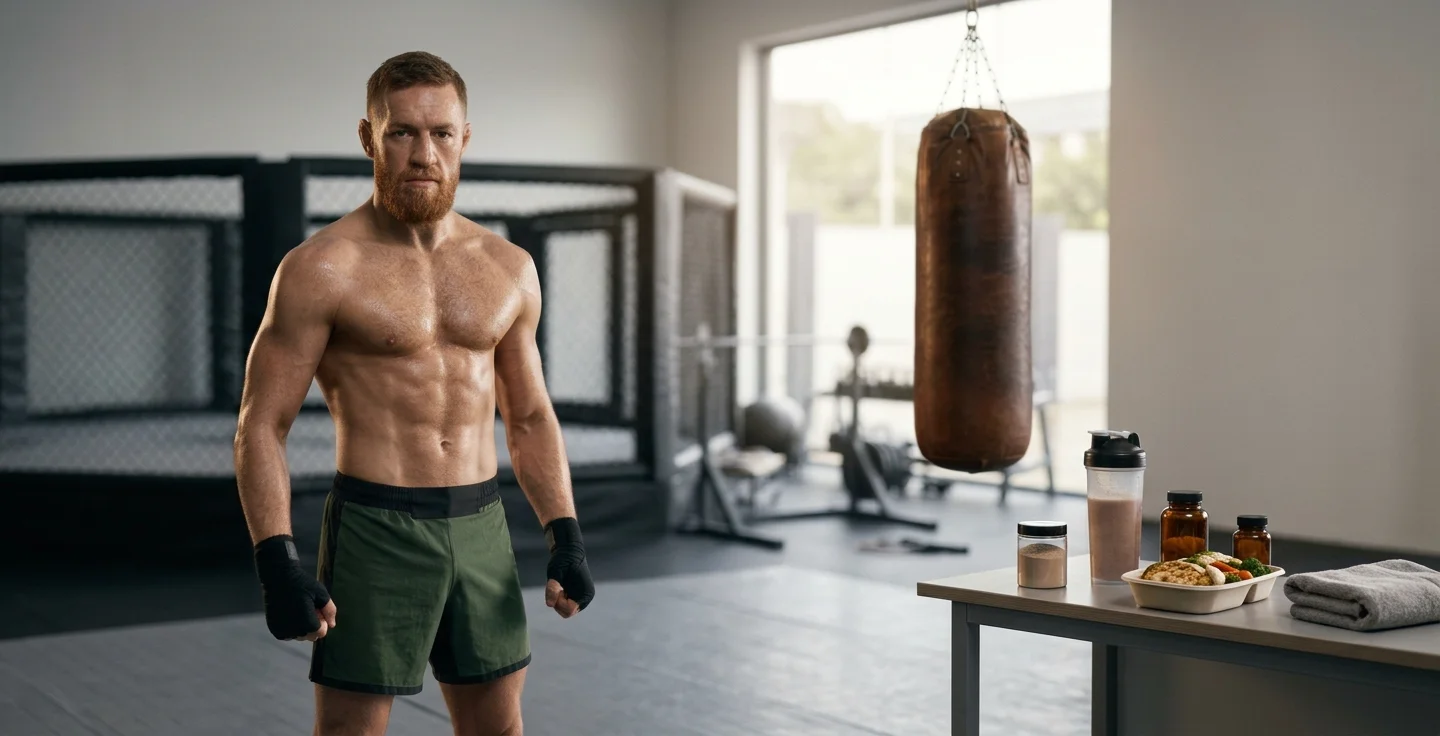

Conor McGregor is one of the most recognizable fighters in MMA history.
Born in Crumlin, Dublin, McGregor began training in combat sports as a teenager and eventually left his job as a plumber to pursue professional fighting. He made his UFC debut in 2013 and rapidly became one of the promotion’s biggest stars.
His breakthrough came at UFC 194 in December 2015, when he knocked out José Aldo in just 13 seconds to become the undisputed UFC featherweight champion.
Less than a year later, McGregor defeated Eddie Alvarez at UFC 205 to capture the lightweight championship.
That victory made history.
McGregor became the first fighter in UFC history to hold two UFC championship belts simultaneously. The UFC continues to list that achievement among the defining moments of his career.
His professional career also included a blockbuster 2017 boxing match against Floyd Mayweather Jr., one of the most commercially significant combat-sports events ever staged.
The UFC’s official profile records McGregor as having 19 knockout victories and one submission victory, while his MMA record following the 2026 UFC 329 bout stands at 22-7.
But McGregor’s influence extends beyond his fight record.
He has built businesses in fitness, sports recovery, beverages, apparel and entertainment. His involvement in products such as TIDL Sport and MAC Energy means that understanding his current supplement and performance-product ecosystem requires looking beyond the traditional protein-powder model.
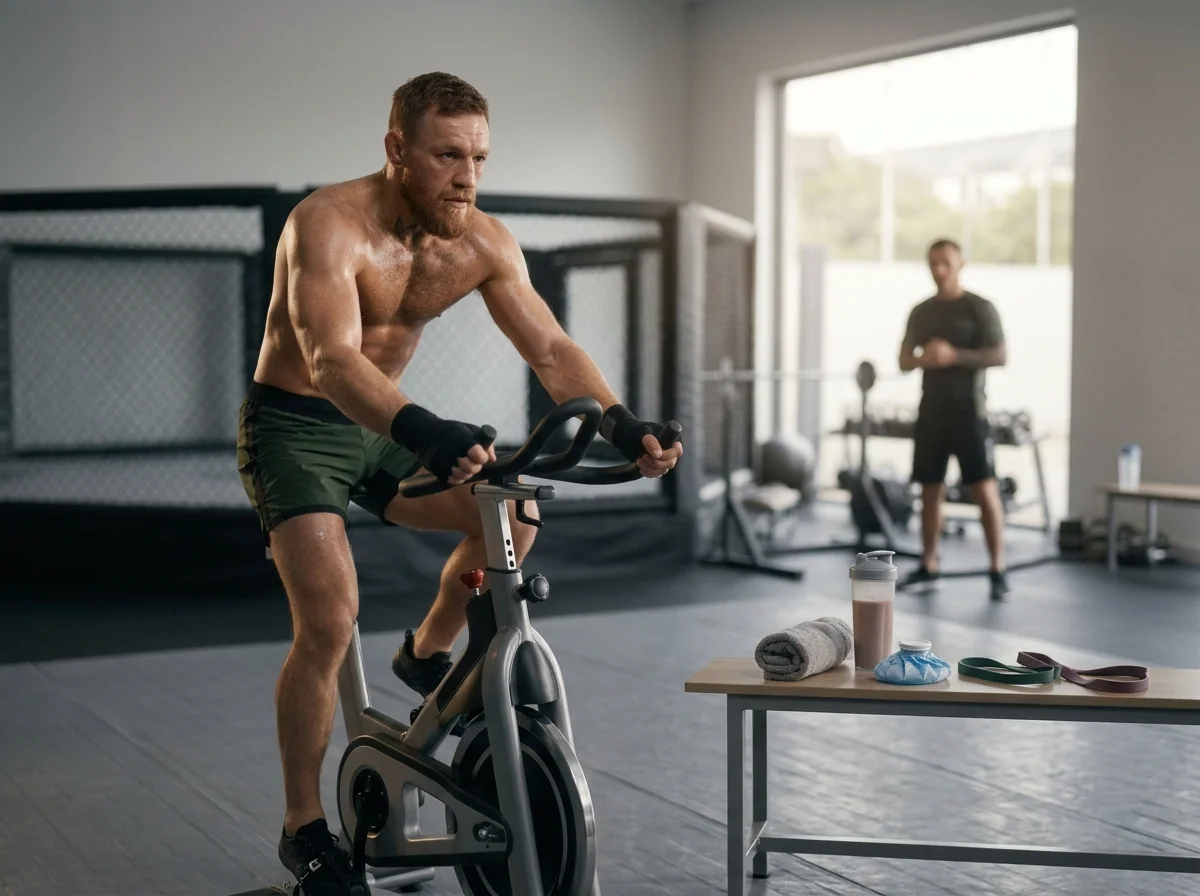
Yes—but it was a long and complicated comeback.
McGregor’s most significant physical setback came at UFC 264 in July 2021, when he suffered a serious leg injury against Dustin Poirier.
He did not fight again for almost five years.
During that period, McGregor repeatedly discussed returning to the UFC. A scheduled 2024 comeback against Michael Chandler was ultimately cancelled after McGregor suffered a broken toe. BBC Sport reported that the injury forced him to withdraw from UFC 303.
In January 2026, McGregor again publicly stated that he was in training camp. ESPN reported that he had been posting training footage with longtime coach John Kavanagh and describing his preparation as a serious return to competition.
The comeback eventually became official.
The UFC announced that McGregor would return against Max Holloway at UFC 329 in Las Vegas on July 11, 2026. It was his first UFC appearance since the Poirier injury.
The comeback fight, however, ended almost immediately.
Holloway defeated McGregor by TKO at 1:09 of the first round after McGregor injured his leg. UFC’s official results record the stoppage, while Reuters reported that McGregor had returned after more than five years away from competition.
That matters when discussing his supplements.
McGregor’s nutrition and recovery products should not be presented as the reason he returned to competition. His comeback involved rehabilitation, coaching, conditioning, training and medical management. Supplements are only one small component of an elite athlete’s preparation.

One of the more useful pieces of evidence about McGregor’s routine comes from his own discussion of his daily structure.
In a 2022 interview connected to McGregor F.A.S.T., McGregor described a day built around hydration, meals and multiple training sessions. His morning began with water and stretching, followed by a breakfast built around foods such as eggs, potatoes, vegetables and fruit.
He then described taking a pre-workout before training, followed by another meal and another training session later in the day.
That is an important detail because it shows that supplements were never the entire foundation of his routine.
The basic structure was:
McGregor himself summarized the philosophy around his routine as structure being central to success.
That principle is more relevant to everyday fitness than any individual powder or capsule.
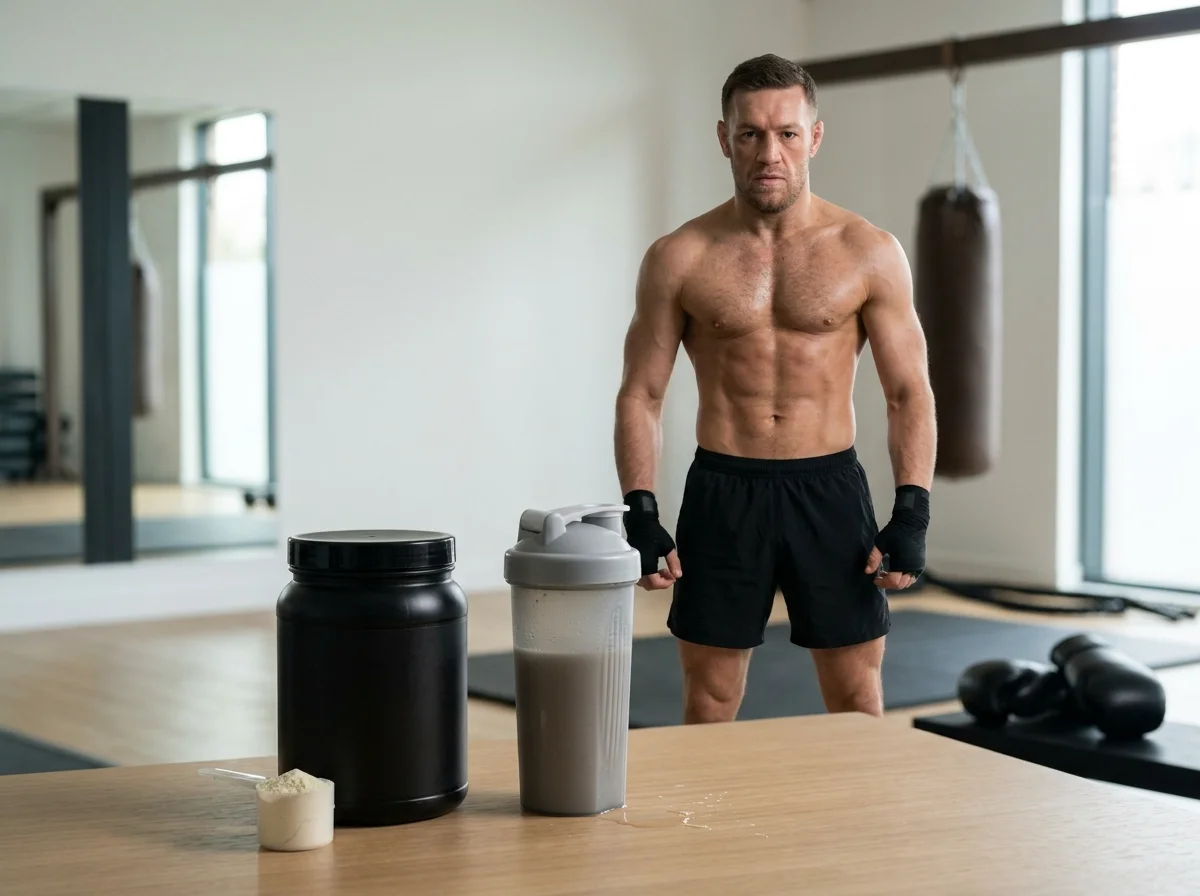
BSN N.O.-XPLODE is a pre-workout supplement designed around energy, focus and training performance.
BSN’s relationship with McGregor is one of the best-documented parts of his supplement history.
In December 2015, BSN announced a partnership with McGregor, specifically describing the relationship as supporting his training, recovery and performance. The announcement named N.O.-XPLODE, SYNTHA-6 and AMINOX among BSN’s major products.
Muscle & Fitness later published a “Fighting Fit Stack” specifically centered on McGregor and BSN products. The article identified N.O.-XPLODE as the pre-workout component of the stack.
Pre-workout formulas typically combine stimulants and performance-oriented ingredients.
The exact formulation of N.O.-XPLODE has changed over time, so consumers should not assume that the current product has exactly the same ingredients McGregor used during the original BSN partnership.
Historically, versions of N.O.-XPLODE have included caffeine alongside ingredients intended to support nitric-oxide production, focus and exercise performance.
Caffeine is one of the better-supported ingredients in sports nutrition.
The NIH’s Office of Dietary Supplements reports that caffeine can reduce perceived fatigue and may improve endurance and certain types of high-intensity athletic performance. Research commonly examines doses around 2–6 mg per kilogram of body weight before exercise.
For someone exercising early in the morning, a caffeinated pre-workout can make a training session feel easier to start.
The most noticeable effect is usually not muscle growth. It is alertness and reduced perception of fatigue.
However, more caffeine is not necessarily better.
NIH notes that heavy caffeine intake can disturb sleep, increase restlessness and cause other side effects. For healthy adults, roughly 400 mg per day is generally considered an upper level that does not usually cause dangerous effects, although individual tolerance varies.
For ordinary gym-goers, therefore, a pre-workout should be viewed as an optional performance tool—not a substitute for sleep.
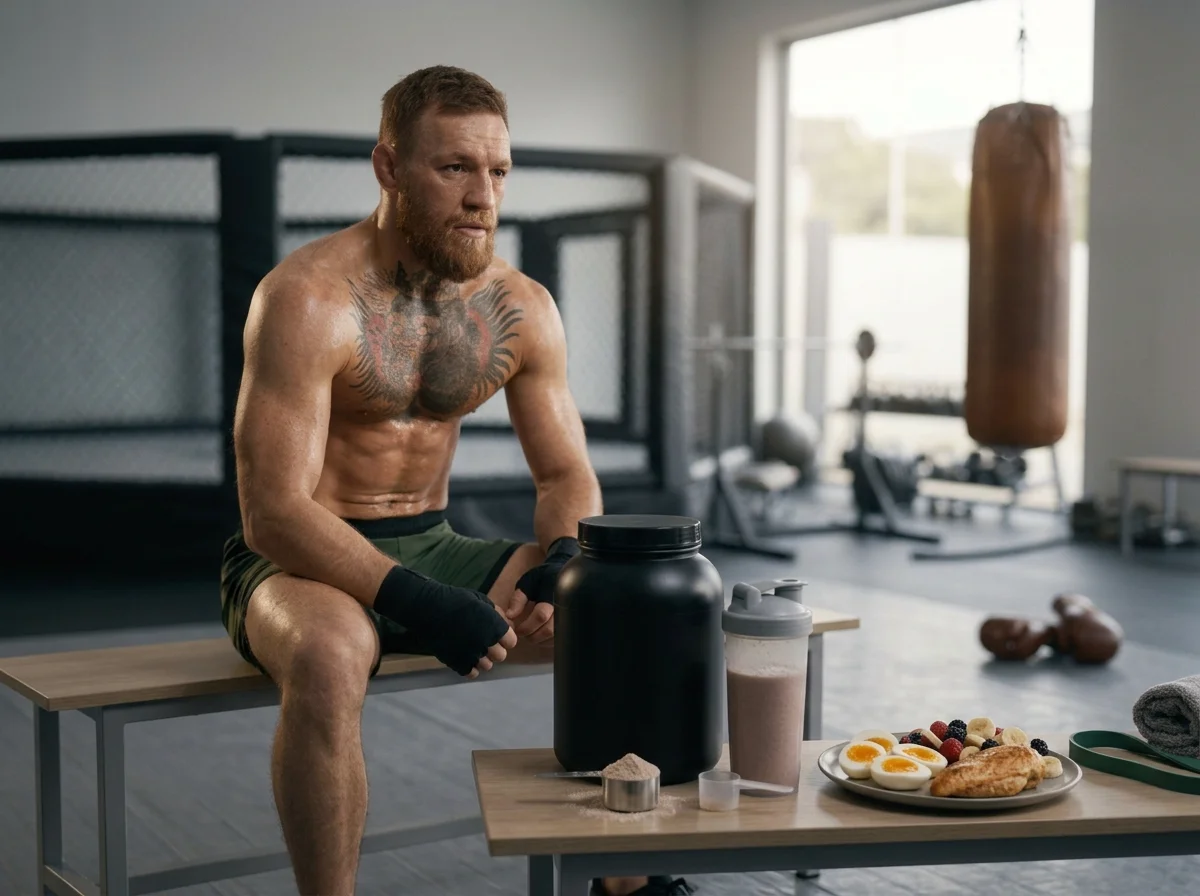
SYNTHA-6 is BSN’s protein supplement and one of the products most closely associated with McGregor’s historical BSN partnership.
Muscle & Fitness specifically included SYNTHA-6 EDGE in the McGregor “Fighting Fit Stack,” describing it as a protein formula designed to provide protein for recovery. The product listed 24 grams of protein per serving in the version featured by the publication.
Protein makes intuitive sense in the context of MMA.
A professional fighter can spend hours training striking, wrestling, grappling, strength and conditioning. Those sessions create a substantial demand for dietary protein.
BSN stands for Bio-Engineered Supplements and Nutrition.
The company has operated in sports nutrition since 2001 and built its reputation around products such as protein powders, pre-workouts and amino-acid formulas. Its partnership with McGregor began in 2015, before his historic fight with José Aldo.
The partnership was therefore not a random celebrity endorsement. McGregor was actively competing at the highest level when BSN announced him as an athlete partner.
Protein provides amino acids required for muscle protein synthesis and tissue repair.
For athletes, protein powder can be particularly convenient because it allows them to consume a substantial amount of protein without preparing another complete meal.
That convenience is arguably its biggest real-world advantage.
A protein shake after training can be easier than cooking chicken, fish or eggs when someone is leaving the gym and heading into work or another training session.
For ordinary people, protein powder may help with:
But protein powder is not inherently superior to food.
A person who already gets enough protein from eggs, dairy, fish, poultry, meat, legumes or other foods may gain little from adding multiple shakes.
In other words, SYNTHA-6 makes more sense as a convenience product than as a magical muscle-building supplement.
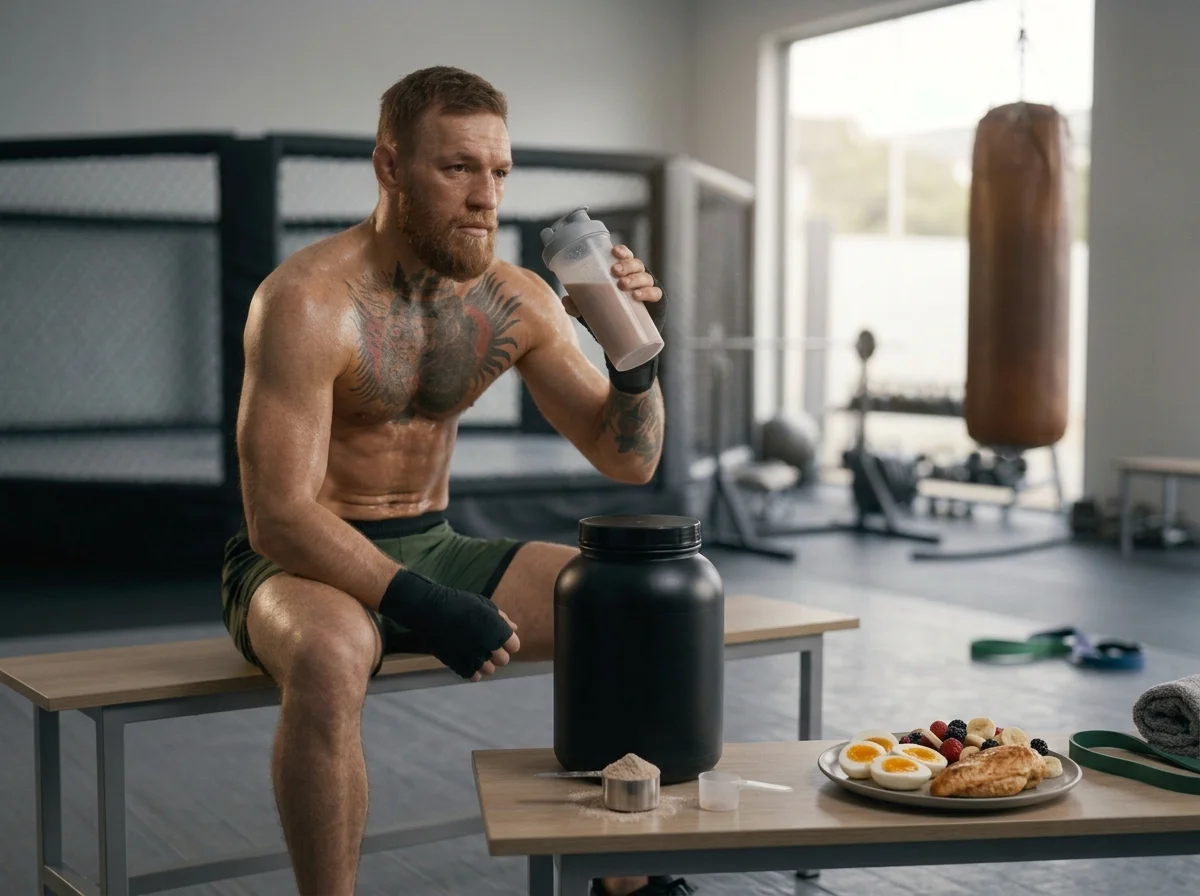
AMINOX is an amino-acid supplement from BSN.
The product was another part of the BSN ecosystem surrounding McGregor. BSN’s original partnership announcement named AMINOX alongside N.O.-XPLODE and SYNTHA-6, while Muscle & Fitness subsequently included AMINO X in its McGregor-focused stack.
The version featured by Muscle & Fitness contained a blend of branched-chain amino acids and other amino acids, including leucine, isoleucine and valine.
BCAAs—branched-chain amino acids—are:
These amino acids occur naturally in protein-rich foods.
Leucine is particularly important because it plays a role in signaling muscle protein synthesis.
But there is a major difference between understanding what amino acids do biologically and assuming that a BCAA supplement will automatically improve athletic performance.
The NIH’s review of exercise supplements concludes that evidence for isolated BCAA supplements improving performance, muscle growth or recovery is limited and inconsistent. Complete protein foods and protein powders already provide BCAAs.
Convenience.
Amino-acid drinks can be consumed during or around training without the heaviness of a full meal.
For an athlete doing multiple sessions in a day, that may be practical.
But the broader lesson from the research is that total protein intake matters more than simply adding BCAA powder to an already adequate diet.
Someone who struggles to eat around workouts may find an amino-acid drink convenient.
Someone already eating enough complete protein may not notice much difference.
That distinction is important because McGregor’s professional training volume was vastly different from that of an average office worker who trains three times a week.
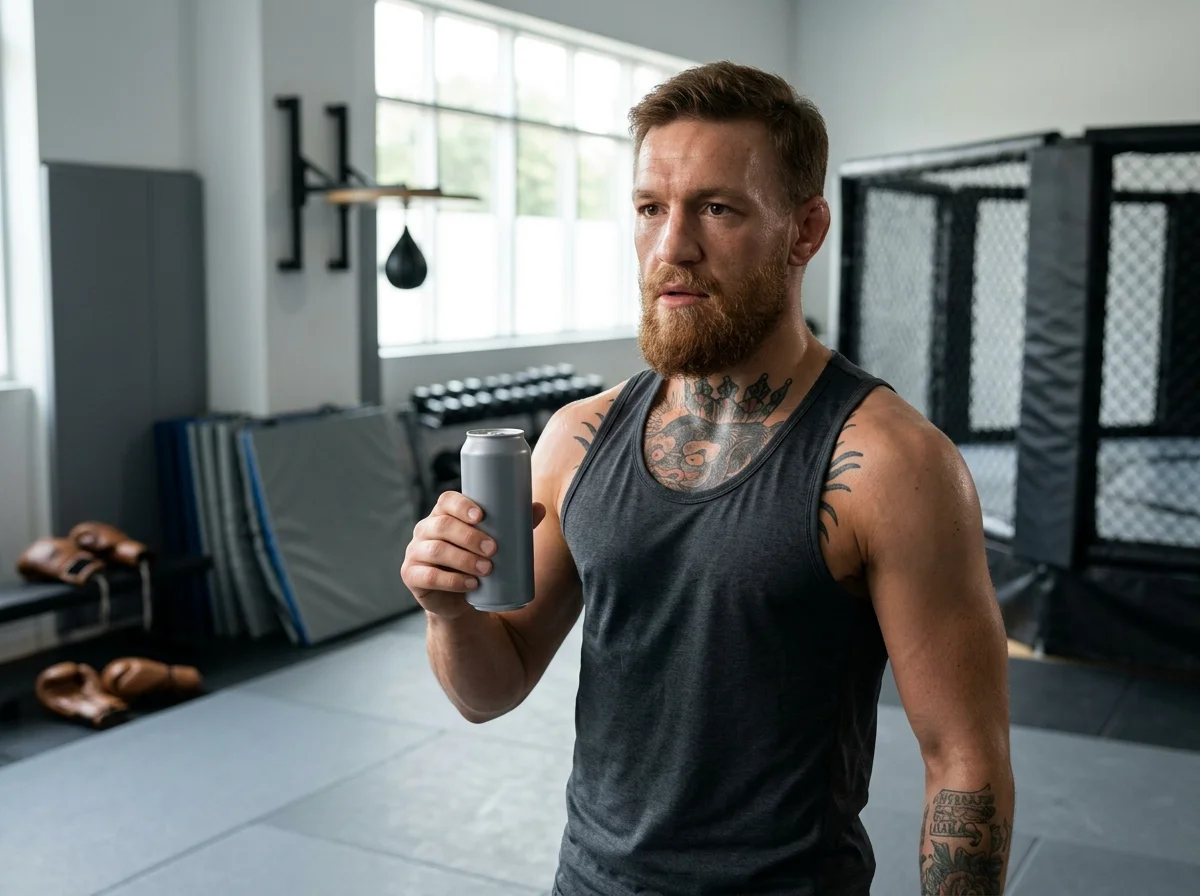
If the BSN products represent an important chapter in McGregor’s earlier supplement history, MAC Energy represents something different: McGregor becoming a founder and active participant in the product itself.
MAC’s official website describes McGregor as the founder and active brand partner behind the product.
MAC Energy is not a conventional dietary supplement capsule or powder. It is a functional energy drink built around:
The company markets it as sugar-free, dye-free and gluten-free.
The easiest ingredient to evaluate scientifically is caffeine.
As discussed earlier, caffeine has relatively strong evidence for reducing perceived fatigue and improving certain forms of exercise performance.
Citicoline is marketed for cognitive support and focus, while exogenous ketones are intended to provide an alternative energy substrate.
However, consumers should not automatically transfer marketing claims from an energy drink to proven improvements in combat-sport performance.
The evidence for caffeine is considerably more established than evidence that a particular ketone formulation will transform athletic performance.
The practical effect is straightforward: stimulation.
A 200 mg caffeine serving can provide a noticeable boost in alertness for many adults.
That can be useful before a demanding workout or during a long workday.
But timing matters.
Taking caffeine late in the day can interfere with sleep. And sleep is one of the most important parts of recovery for anyone training seriously.
So an energy drink that helps someone train at 7 p.m. but keeps them awake until 2 a.m. can ultimately undermine the very recovery they are trying to improve.
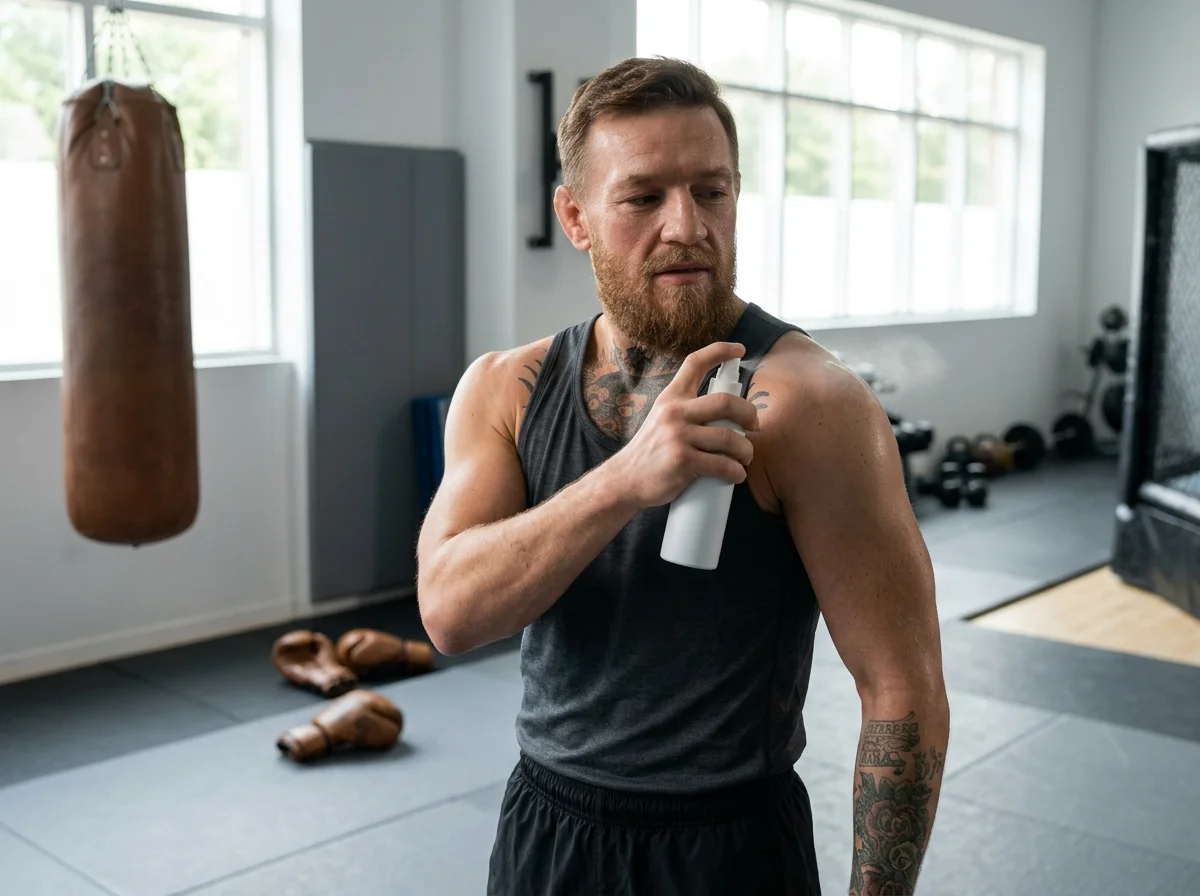
TIDL Sport does not belong in the same category as protein powder or amino acids.
It is a topical recovery and pain-relief brand, and McGregor’s official website lists TIDL Sport among his performance-related businesses. The site describes TIDL as offering cryotherapy sprays and creams for sports recovery and performance.
That makes TIDL particularly relevant to McGregor’s training philosophy because recovery becomes increasingly important when an athlete trains repeatedly.
One documented TIDL Sport Plant Powered Spray contains 10.5% menthol as its active ingredient.
DailyMed classifies it as a topical analgesic intended for temporary relief of minor aches and pains involving muscles and joints associated with conditions such as strains and sprains.
TIDL also has a cryotherapy joint and muscle cream containing 2% menthol, with other ingredients including methyl salicylate, eucalyptus oil, camphor oil and capsaicin.
Menthol creates a cooling sensation on the skin and can temporarily alter the perception of pain.
That does not mean the product repairs a torn ligament or heals a fracture.
This distinction is critical.
A topical analgesic may help an athlete feel more comfortable after training, but pain relief and tissue healing are not the same thing.
For an active person, a topical recovery product can be useful after:
But persistent or worsening pain should not simply be masked with a topical product.
DailyMed specifically advises stopping use and consulting a doctor if the condition worsens or symptoms persist.
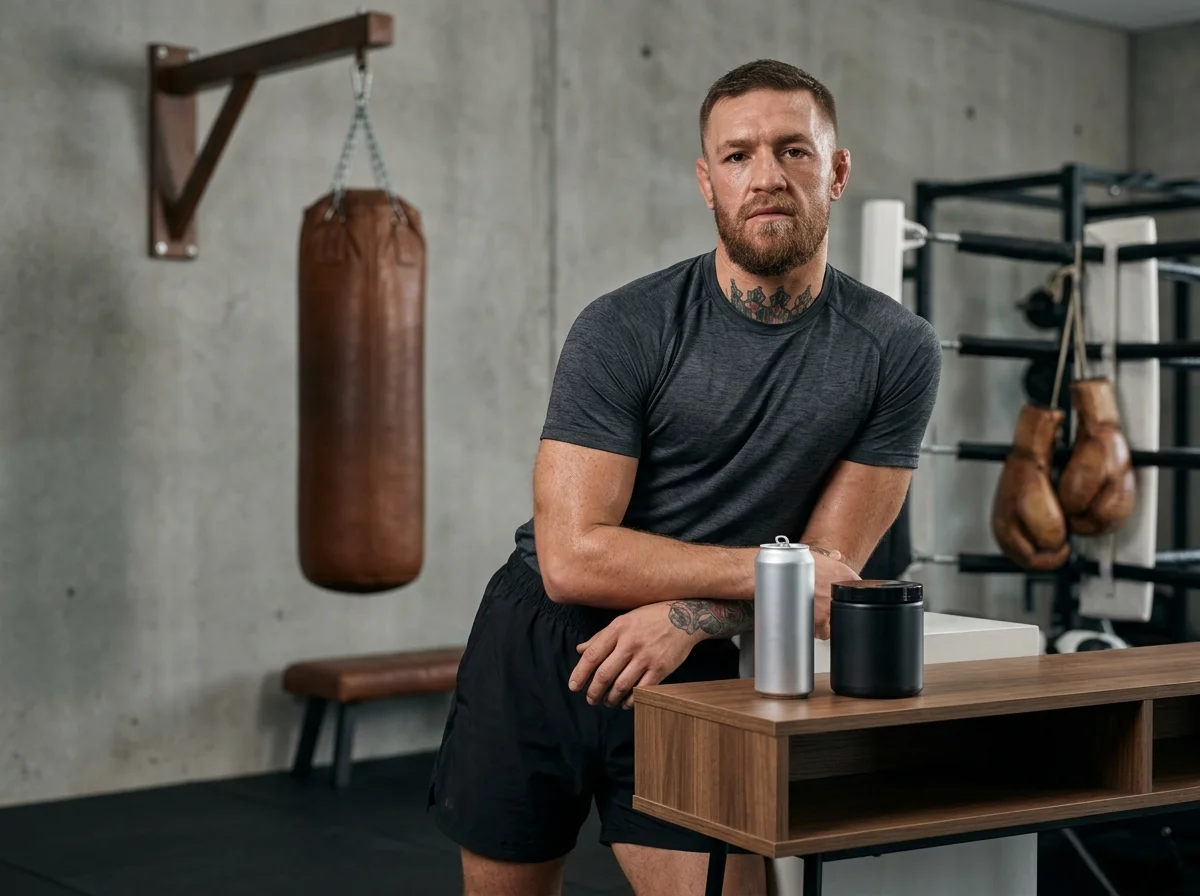
McGregor’s more recent supplement-industry partnership is with Bucked Up, a sports nutrition and lifestyle company.
In October 2024, Bucked Up announced McGregor as a new brand ambassador and said the partnership would include the “Notorious Buck” line of energy drinks, supplements and apparel.
The initial collaboration centered on Irish Apple and Orange energy-drink flavors, with workout supplements planned as part of the broader partnership. Sports Illustrated also reported that the collaboration was expected to expand into workout supplements and apparel.
Bucked Up sells a broad sports-nutrition portfolio, including:
Its current flagship Bucked Up Pre-Workout, for example, contains 200 mg caffeine per serving alongside ingredients including citrulline malate, beta-alanine and Alpha-GPC.
Caffeine can increase alertness and reduce perceived fatigue.
Citrulline is used because it can increase arginine availability and nitric-oxide production, potentially improving blood flow during exercise. NIH’s exercise-performance review discusses citrulline as a potential ergogenic ingredient, although research results vary by protocol and product.
Beta-alanine is another common pre-workout ingredient. It contributes to muscle carnosine levels, which can help buffer acidity during certain high-intensity efforts.
But again, a supplement formula is not the same thing as proof that an athlete personally benefited from every ingredient in it.
The important point is the relationship.
Bucked Up is a documented commercial partner of McGregor. That makes its products relevant when researching Conor McGregor’s current supplement and performance-product associations.
It does not prove that McGregor personally consumes every Bucked Up product currently sold.
That distinction is especially important in celebrity nutrition articles.
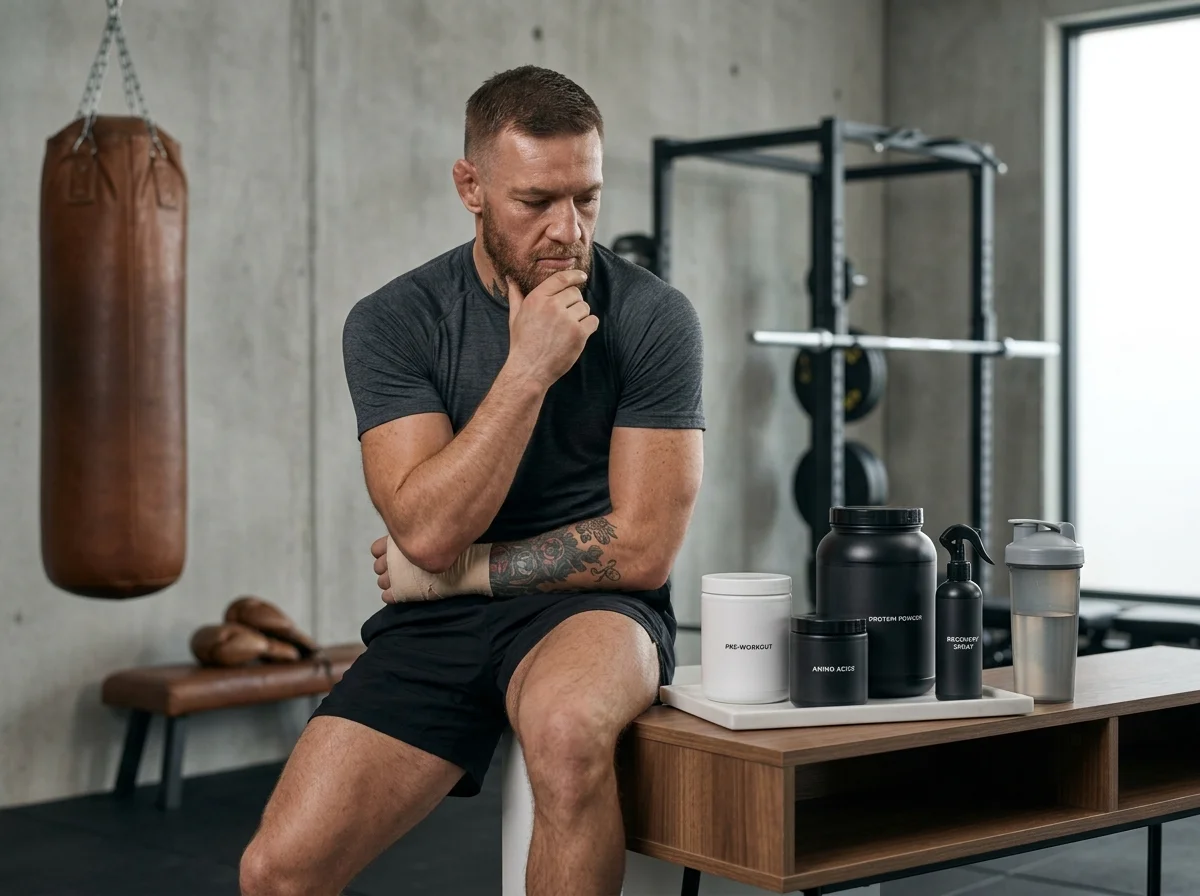
The biggest lesson from researching McGregor’s supplements is that not every ingredient deserves equal confidence.
Some have substantial scientific support.
Others have limited evidence.
And some claims depend heavily on the exact formula and dose.
Caffeine is one of the most extensively studied performance ingredients.
NIH notes that it may improve endurance and certain high-intensity, intermittent activities while reducing perceived fatigue.
But individual response varies, and excessive intake can cause insomnia, anxiety, restlessness and cardiovascular symptoms.
Protein is not really a “performance hack.”
It is a basic macronutrient.
A protein powder simply makes it easier to consume enough.
That makes a product like SYNTHA-6 potentially useful, but its usefulness depends on whether the person actually needs additional protein.
BCAA supplements are popular, but the NIH review finds limited evidence that they independently improve exercise performance, muscle growth or recovery when adequate protein is already being consumed.
That makes AMINOX interesting historically because of McGregor’s documented association with the product—but it should not be presented as a scientifically necessary supplement.
Citrulline is commonly included in pre-workouts because of its relationship to nitric oxide and blood flow.
But the effects depend on dose, formulation and type of exercise.
Menthol-based products can provide temporary relief from minor aches and pains.
They should not be confused with treatments that repair damaged tissue.
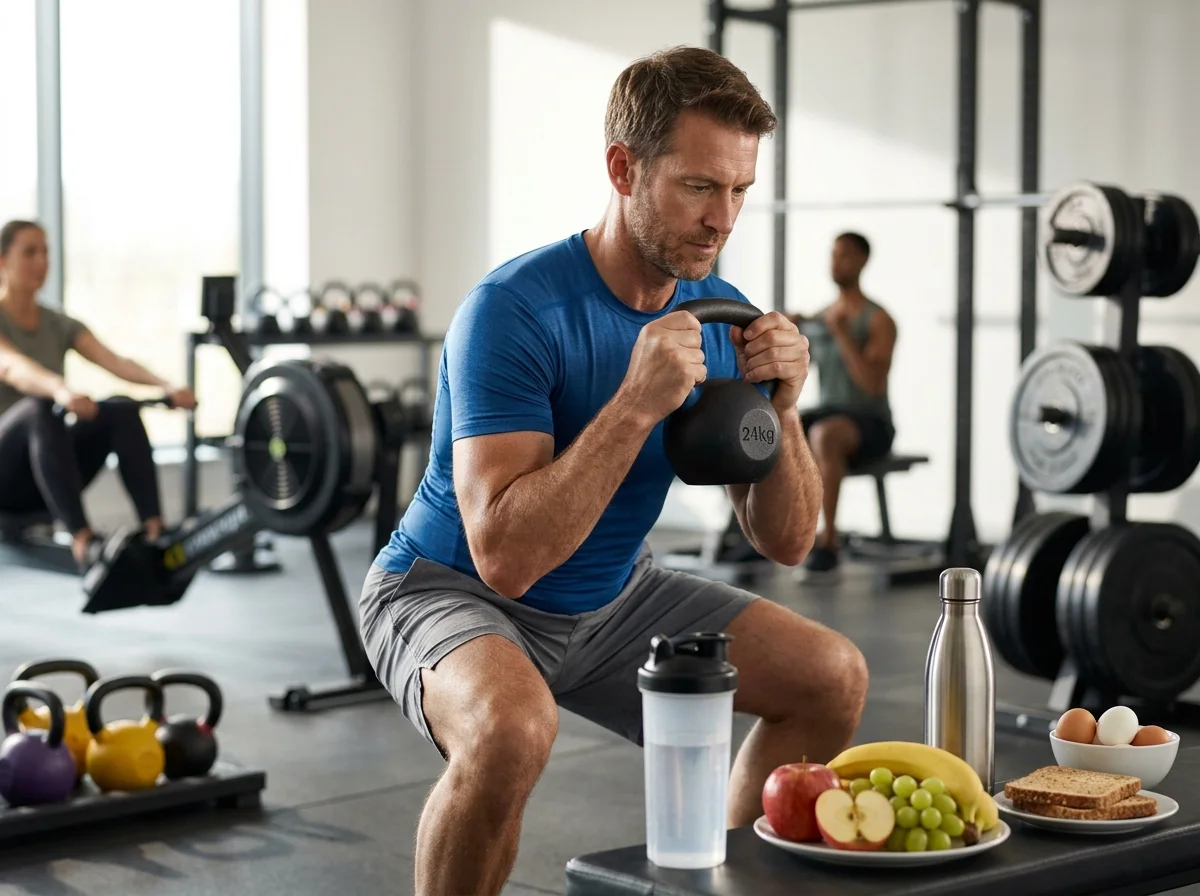
This is where the McGregor story needs to be put into perspective.
A professional fighter may train twice a day, manage body weight, undergo physical therapy and spend hours working on conditioning and technical skills.
Most people do not.
For an average person, the priorities should remain:
A pre-workout may help someone feel more alert.
Protein powder may make hitting protein targets easier.
Creatine can be useful for strength and high-intensity training.
Caffeine can improve perceived energy.
But no supplement recreates the training environment of an elite MMA camp.
McGregor’s results came from years of technical practice, conditioning, coaching, nutrition, recovery and competition—not from a scoop of powder.
There is another issue that is especially important in McGregor’s case because he competes under an anti-doping program.
Athletes cannot assume that a product is safe simply because it is sold legally.
The U.S. Anti-Doping Agency warns that dietary supplements are regulated post-market and that contaminated products can contain prohibited substances that are not accurately disclosed on the label.
USADA recommends that athletes who choose to use supplements reduce risk by using products certified through an appropriate third-party program and verifying the exact product and certification status. It also emphasizes that even third-party certification does not eliminate risk completely.
That is not a minor issue for combat athletes.
A supplement that is harmless from a general-health perspective can still create a career problem if it contains a prohibited substance.
This is why professional fighters should involve qualified sports-medicine and sports-nutrition professionals when building a supplement protocol.
It probably isn’t any single supplement.
McGregor’s own description of his daily routine points toward something much less glamorous: structure.
He described beginning the day with water and stretching, eating a substantial breakfast, training, eating again and completing another session.
His historical training camps have also involved multiple daily sessions and active recovery. ESPN reported that his 2020 preparation included twice-daily skill and conditioning work, organized into training and recovery cycles.
That is a useful lesson for people who search for the “Conor McGregor diet” or “Conor McGregor supplements.”
The supplement is a small part of the system.
The system itself is the important part.
The phrase “6 best supplements recommended by Conor McGregor” makes for a strong search query, but the underlying evidence is more nuanced.
The three clearest historically documented supplements are the BSN products associated with McGregor’s athlete partnership:
The more recent McGregor performance ecosystem includes:
The distinction matters because sponsorship, ownership, endorsement and personal consumption are not interchangeable.
McGregor has publicly been associated with these products and brands, but that does not mean every product is a personal daily recommendation from him, nor does it mean the products caused his athletic achievements.
His career demonstrates something much more ordinary—and much more difficult.
Training has to be consistent.
Food has to support the workload.
Recovery has to be taken seriously.
And supplements, when used, should fill specific gaps rather than replace the fundamentals.
That is perhaps the most useful way to understand Conor McGregor’s supplement stack: not as a secret formula for becoming a champion, but as one small part of a much larger performance system built around training, nutrition, recovery and discipline.
The strongest public documentation connects McGregor with BSN products including N.O.-XPLODE, SYNTHA-6 and AMINOX during his BSN athlete partnership. More recent commercial associations include TIDL Sport, Bucked Up and McGregor’s own MAC Energy brand. Exact current personal daily doses for all these products have not been publicly established.
McGregor was publicly associated with BSN’s SYNTHA-6 protein through the company’s athlete partnership and a Muscle Fitness feature on his BSN supplement stack.
Public material associated with his BSN partnership and Muscle Fitness’s “Fighting Fit Stack” links him with N.O.-XPLODE, a pre-workout product. McGregor has also discussed having a pre-workout before training in an interview about his daily routine.
McGregor is the founder and active brand partner behind MAC Energy. The current formula contains 200 mg natural caffeine, 2,000 mg goBHB active ketones and 250 mg Cognizin citicoline.
TIDL Sport is a recovery and performance brand associated with McGregor. Its products include topical sprays and creams. One documented TIDL spray contains 10.5% menthol and is labeled for temporary relief of minor muscle and joint aches and pains.
No supplement stack should automatically be copied from a professional fighter. Individual nutritional requirements, medications, caffeine tolerance, medical conditions, training volume and competition rules all matter. Competitive athletes should also consider third-party certification because contaminated supplements can create anti-doping risks.