Medicine has always advanced through moments when an observation, experiment or unexpected result changed what doctors believed was possible. Some discoveries gave physicians the ability to prevent diseases that had killed millions. Others made surgery dramatically safer.
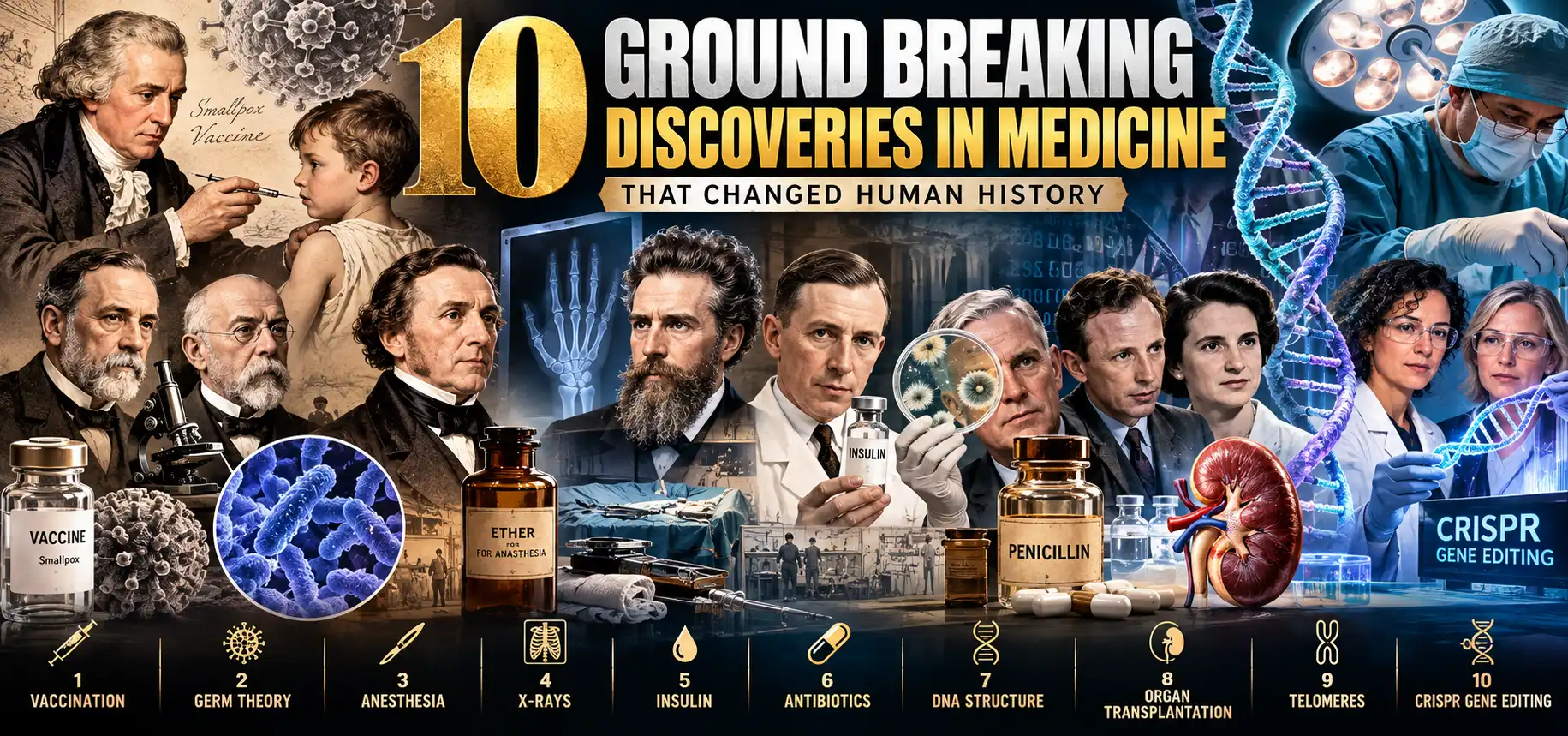
Some revealed what was happening inside the human body, while more recent breakthroughs have begun allowing scientists to manipulate the biological machinery responsible for disease.The history of medicine is therefore not simply a story of new medicines. It is a story of vaccines, anesthesia, antibiotics, genetics, imaging, transplantation, hormones and gene editing—each building on discoveries that came before.
From Edward Jenner’s smallpox vaccine to CRISPR gene editing, these breakthroughs changed the boundaries of medical science and, in many cases, transformed life expectancy and quality of life around the world.
Here are 10 groundbreaking discoveries in medicine that reshaped modern healthcare.
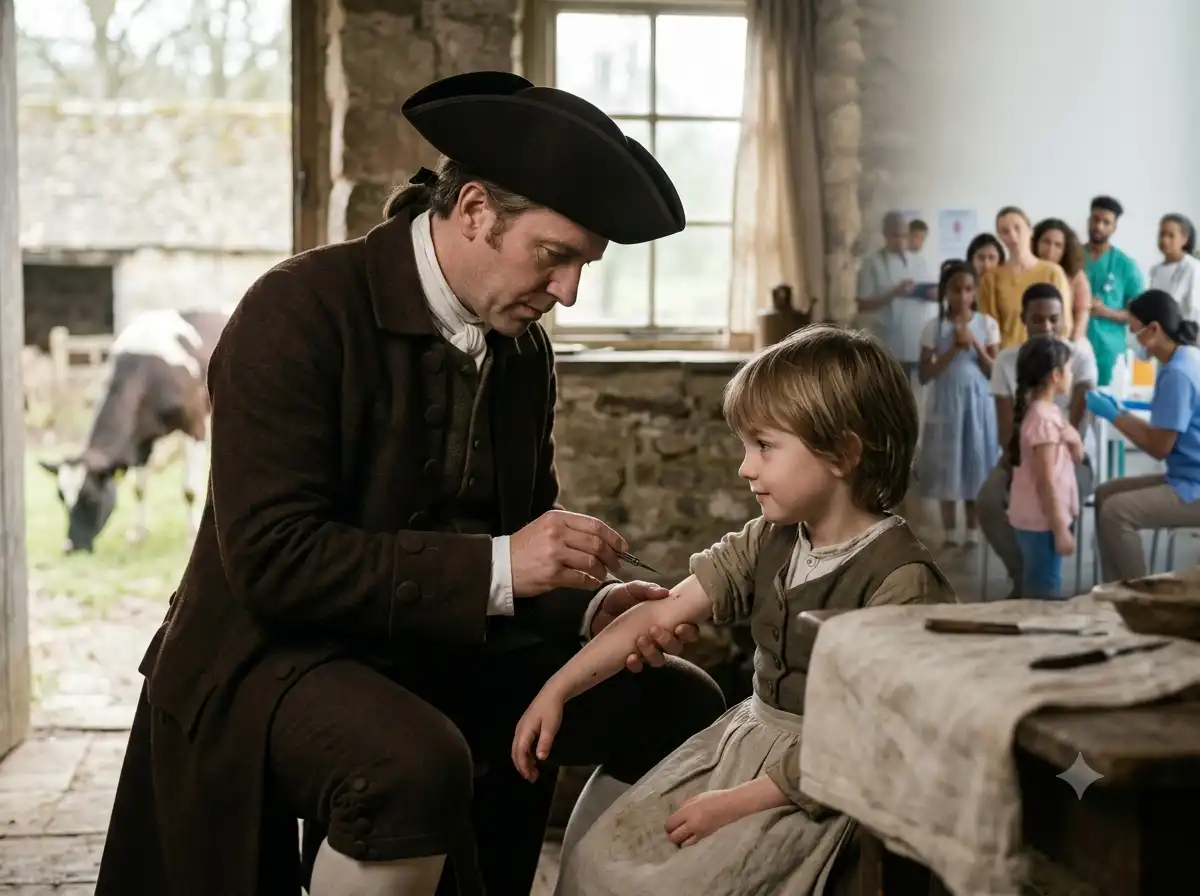
Few medical discoveries have had an impact as profound as vaccination.
Before vaccines became available, infectious diseases could spread rapidly through communities, with little physicians could do beyond treating symptoms and attempting to isolate patients.
Smallpox was among the most feared.
The disease had existed for thousands of years and killed millions of people. Smallpox could kill around 30% of those infected and could leave survivors with blindness and permanent scarring.
The breakthrough came in the late 18th century.
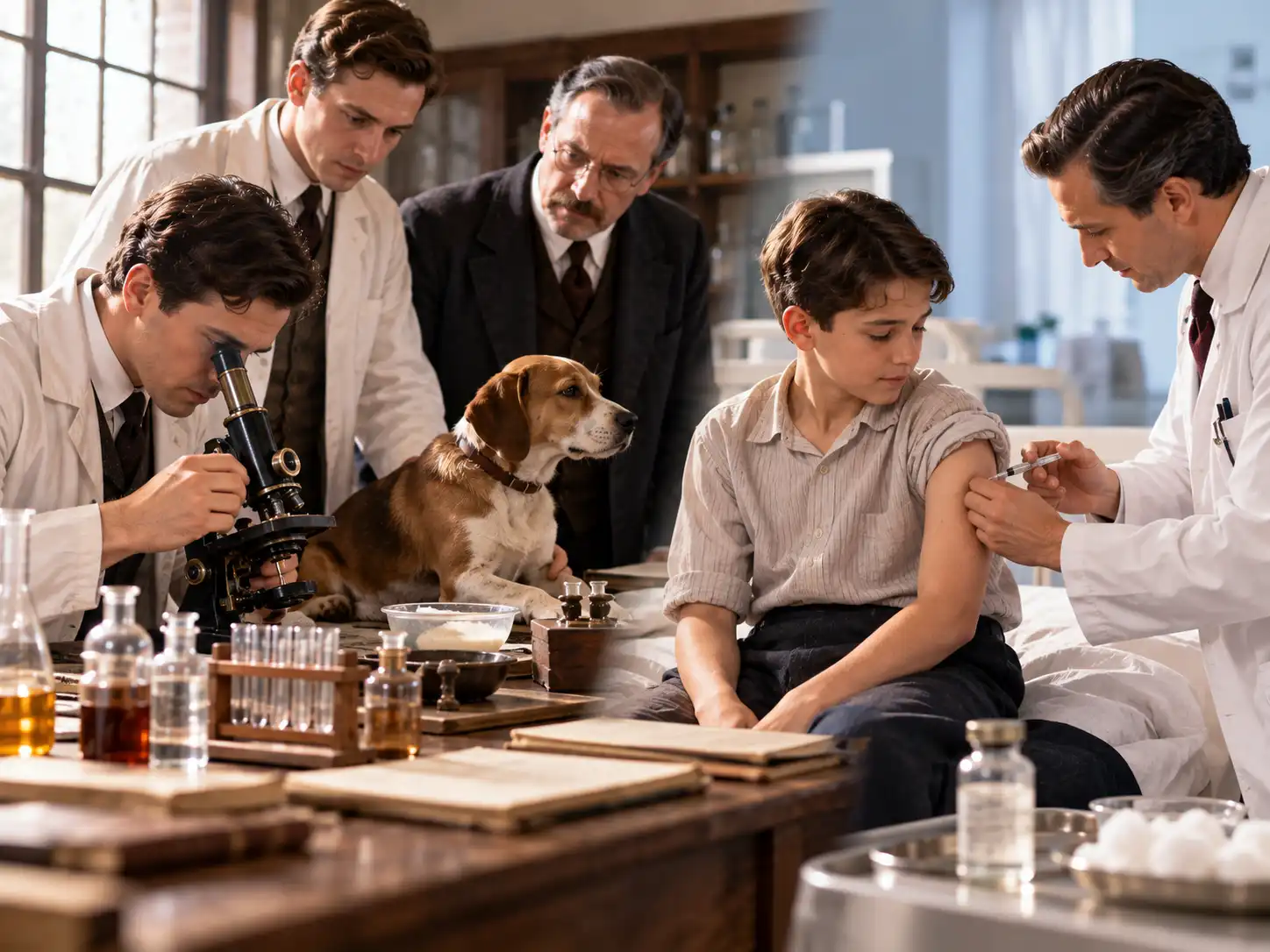
In 1796, English physician Edward Jenner investigated an observation that had circulated among milkmaids: people who had contracted cowpox appeared to be protected from smallpox.
Jenner tested the idea by inoculating eight-year-old James Phipps with material from a cowpox lesion.
Two months later, Jenner exposed Phipps to material from a smallpox sore.
Phipps did not develop smallpox.
The experiment helped establish the principle behind vaccination.
The word vaccine itself comes from vacca, the Latin word for cow.
The significance of the discovery went far beyond smallpox.
Vaccination created a new way of thinking about infectious disease: instead of waiting for people to become sick, medicine could prepare the immune system to fight a pathogen before serious disease occurred.
Over the following centuries, vaccination became one of the most important tools in public health.
The ultimate demonstration of its power came with the global smallpox eradication campaign. The World Health Organization launched an intensified eradication programme in 1967. The last naturally occurring case was recorded in Somalia in 1977, and in 1980 WHO officially declared smallpox eradicated.
Smallpox remains the only human infectious disease to have been eradicated worldwide.
Why it changed medicine: Vaccination transformed disease prevention from an individual medical problem into a population-level strategy.
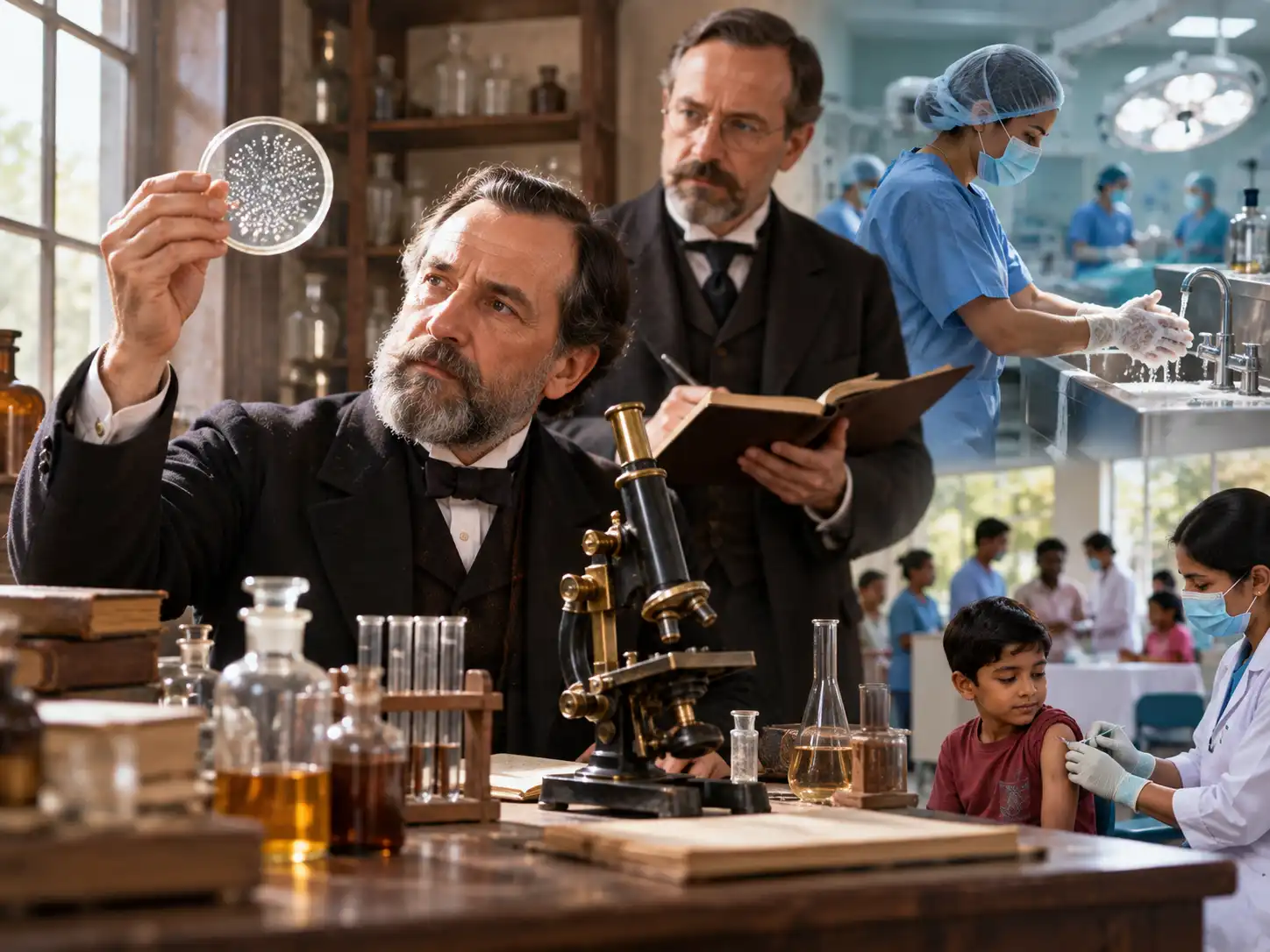
Today, it seems obvious that microorganisms can cause disease. Historically, however, doctors did not understand infection in anything close to the modern sense.
For centuries, disease was attributed to ideas such as bad air, environmental imbalance and other explanations that could not identify a specific biological cause.
The emergence of germ theory changed medicine.
Scientists including Louis Pasteur and Robert Koch helped establish the relationship between microorganisms and infectious disease during the 19th century.
Pasteur’s experiments challenged the idea of spontaneous generation and demonstrated that microorganisms were responsible for fermentation and contamination under appropriate conditions.
His work helped establish the concept that microscopic organisms could have biological consequences.
Robert Koch took the investigation further.
Koch developed experimental methods for connecting particular microorganisms with particular diseases. His work on anthrax helped demonstrate that a specific bacterium could cause a specific disease.
Koch later identified the bacteria responsible for tuberculosis and cholera.
The implications for medicine were enormous.
Once physicians accepted that microorganisms could cause infection, it became possible to develop systematic approaches to:
Germ theory also helped change hospitals. Instead of treating infection as an unavoidable complication of injury or surgery, doctors increasingly recognized that contamination could be prevented.
Why it changed medicine: Germ theory transformed infection from an unexplained phenomenon into something scientists could investigate, identify and prevent.
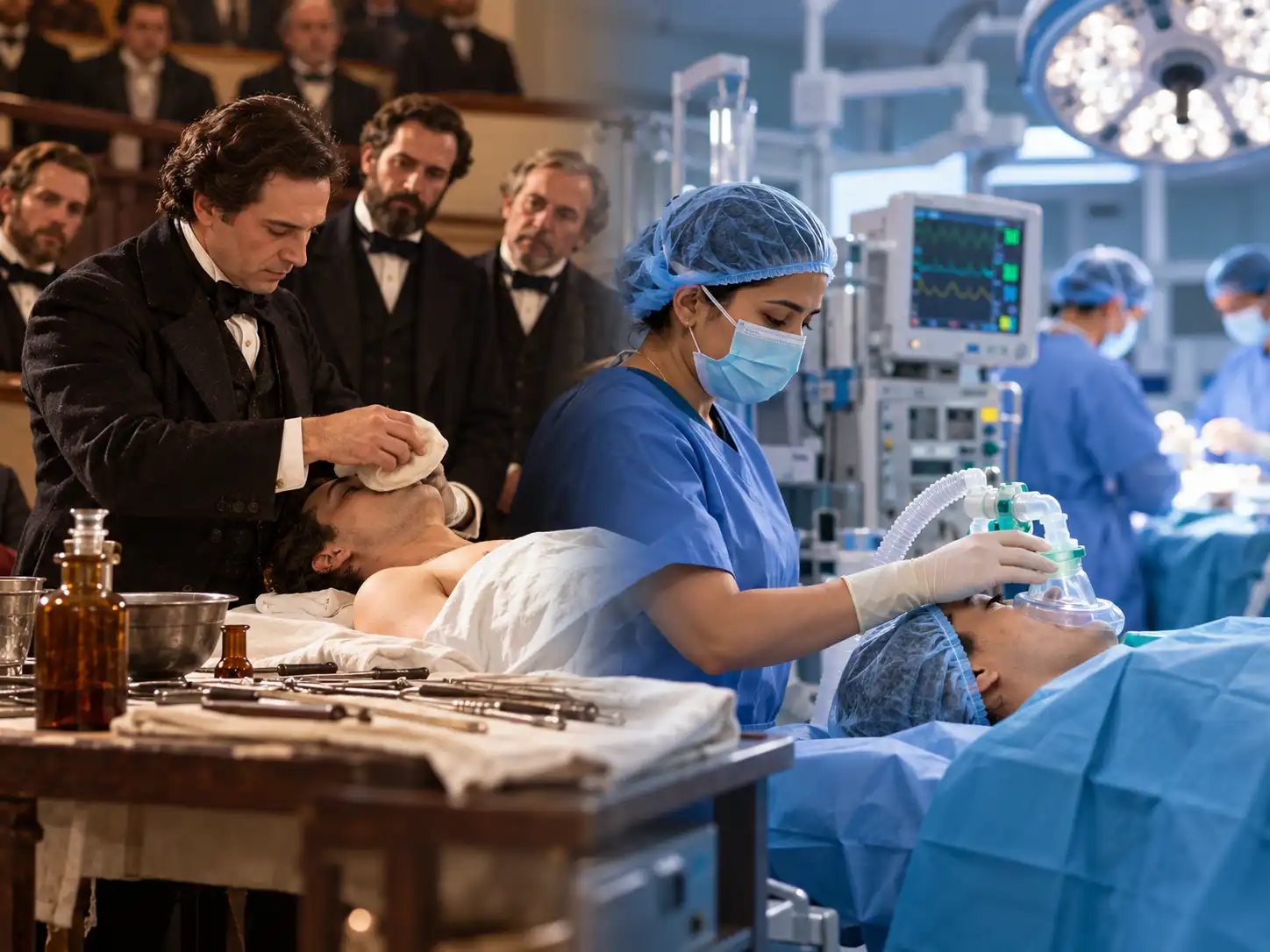
Imagine undergoing major surgery while fully conscious.
Before modern anesthesia, that was a reality.
Surgeons had to work quickly because severe pain limited how long a patient could tolerate an operation. Procedures that are routine today could be extremely difficult or impossible.
The development of surgical anesthesia changed that.
On October 16, 1846, dentist William T. G. Morton publicly demonstrated ether anesthesia at Massachusetts General Hospital in Boston.
During the procedure, surgeon John Collins Warren removed a tumor from a patient’s neck while the patient was anesthetized.
The demonstration became one of the defining moments in surgical history.
There is an important historical qualification: Morton was not the first person ever to experiment with anesthesia. Physician Crawford Long had performed recorded ether anesthesia procedures earlier, beginning in 1842, but he did not publish his discovery until later.
Anesthesia did more than reduce pain.
It changed what surgeons could attempt.
With patients unconscious and relatively immobile, operations could become longer, more precise and more complex.
Over time, anesthesiology developed into its own medical specialty.
Modern anesthesia now involves sophisticated monitoring, airway management, intravenous drugs, inhaled anesthetics and carefully controlled combinations of medications.
Why it changed medicine: Anesthesia turned surgery from a race against unbearable pain into a field capable of increasingly complex procedures.
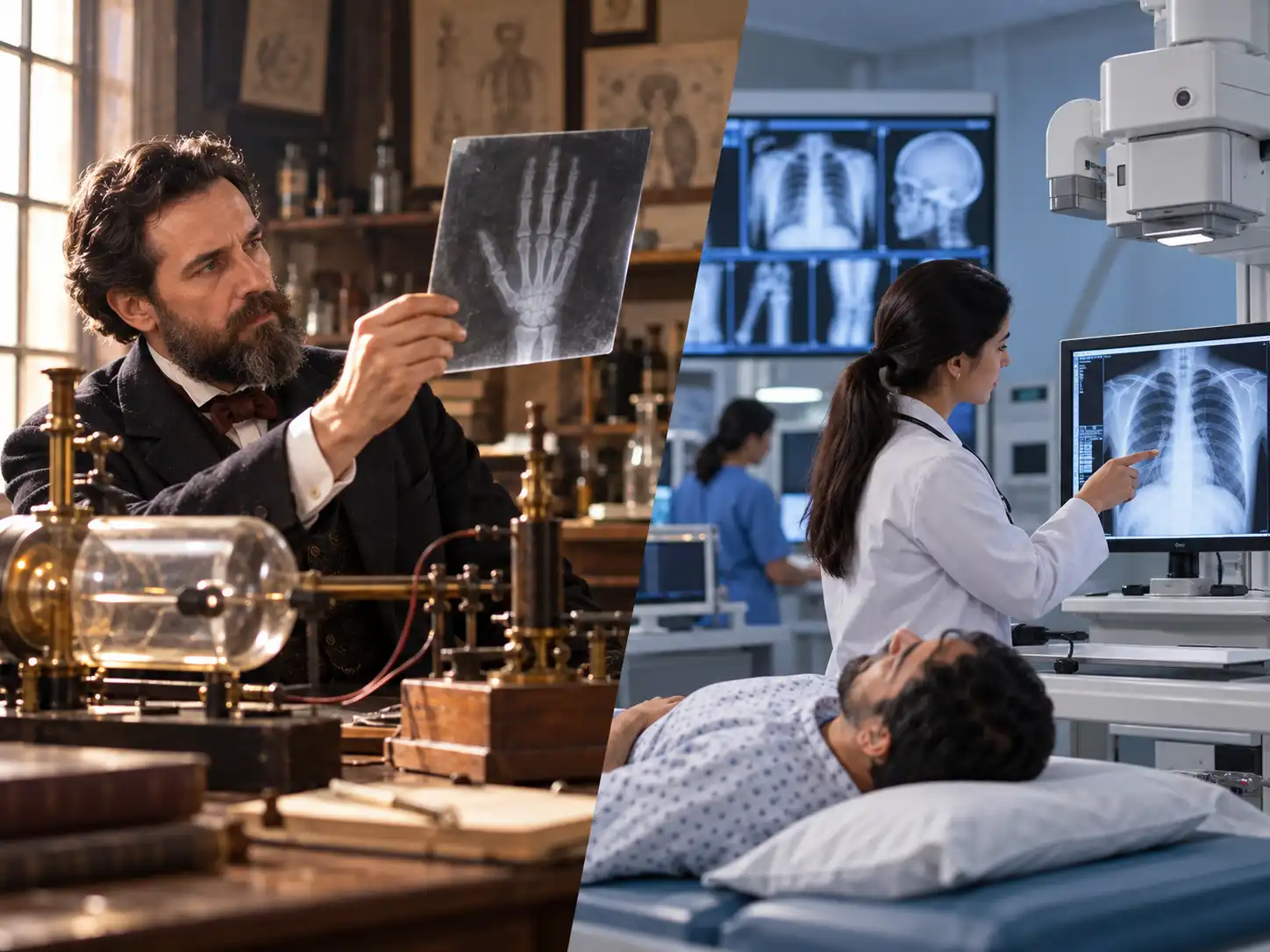
One of medicine’s most extraordinary breakthroughs arrived almost by accident.
In 1895, German physicist Wilhelm Conrad Röntgen was experimenting with electrical currents and cathode-ray tubes when he noticed an unusual fluorescent effect from a nearby screen.
He realized that a previously unknown form of radiation was passing through materials.
He called the phenomenon X-rays.
Soon, he discovered something extraordinary: X-rays could pass through soft tissue while being absorbed more strongly by bones.
For the first time, physicians could obtain images of structures inside the human body without cutting the patient open.
Early X-rays were relatively crude compared with today’s imaging systems.
Nevertheless, doctors quickly recognized their value.
By 1896, X-rays were already being used medically, including to locate foreign objects such as bullets.
Over the following decades, radiology expanded dramatically.
X-ray technology eventually contributed to the development of increasingly sophisticated forms of imaging, including:
The basic idea remained the same: use physical signals to obtain information about structures that cannot be seen directly.
Why it changed medicine: X-rays introduced non-invasive internal imaging and became the foundation for modern diagnostic radiology.
Few discoveries illustrate the life-saving power of modern medicine more dramatically than insulin.
Before insulin therapy, severe diabetes—particularly what we now recognize as type 1 diabetes—could lead to profound metabolic failure and death.
In the early 1920s, researchers in Toronto began a series of experiments that would change diabetes treatment forever.
Frederick Banting developed an idea involving pancreatic tissue and diabetes and brought it to physiologist John Macleod at the University of Toronto.
Macleod provided laboratory resources, and medical student Charles Best worked with Banting.
Their experiments in diabetic animals showed that pancreatic extracts could lower blood glucose.
Biochemist James Collip later played a critical role in improving the purification of the extract so that it could be used clinically.
In January 1922, 14-year-old Leonard Thompson became one of the first people with diabetes to receive insulin treatment.
After purification was improved, treatment produced a dramatic clinical response.
The discovery quickly moved from laboratory research toward widespread medical use.
The Nobel Prize was awarded to Banting and Macleod in 1923 for the discovery of insulin. Banting and Macleod subsequently shared their prize money with Best and Collip respectively.
Why it changed medicine: Insulin demonstrated that replacing a missing biological hormone could fundamentally alter the course of a previously devastating disease.
Few discoveries changed infectious disease treatment more dramatically than antibiotics.
Before effective antibiotics, bacterial infections could become deadly even after seemingly minor injuries.
Pneumonia, wound infections, bloodstream infections and postoperative infections posed enormous risks.
Then came penicillin.
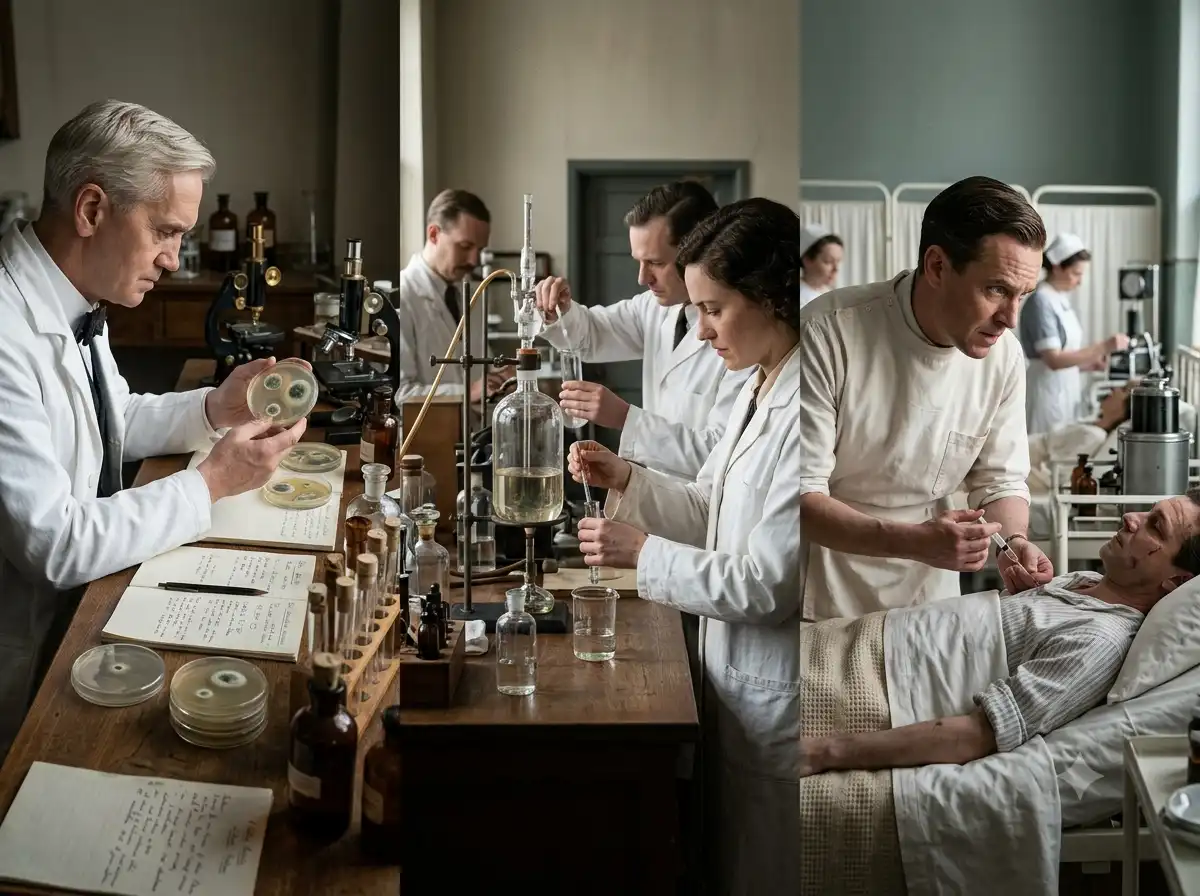
In 1928, Alexander Fleming noticed that a mold contaminating one of his bacterial culture plates appeared to inhibit bacterial growth around it.
He identified the antibacterial substance as penicillin.
But discovering penicillin and turning it into a usable medicine were two different challenges.
Fleming’s initial discovery did not immediately produce a mass-market antibiotic.
The substance was difficult to isolate and unstable.
During the late 1930s and early 1940s, Ernst Boris Chain, Howard Florey and colleagues systematically investigated penicillin and developed methods that helped produce it in useful quantities.
Penicillin’s medical potential became increasingly clear during World War II.
Its ability to treat serious bacterial infections helped establish the antibiotic era.
In 1945, Fleming, Chain and Florey received the Nobel Prize in Physiology or Medicine for the discovery of penicillin and its curative effect in infectious diseases.
Penicillin opened the door to a much broader class of medicines.
However, medicine is now confronting an important consequence of this success: antimicrobial resistance.
Bacteria can evolve resistance when exposed to antibiotics, particularly when medicines are misused or overused.
Why it changed medicine: Antibiotics gave doctors a powerful way to directly treat many bacterial infections that previously had limited therapeutic options.
Medicine could not become truly molecular until scientists understood the molecule carrying hereditary information.
DNA had already been recognized as biologically important before the 1950s. But determining its structure provided an extraordinary conceptual breakthrough.
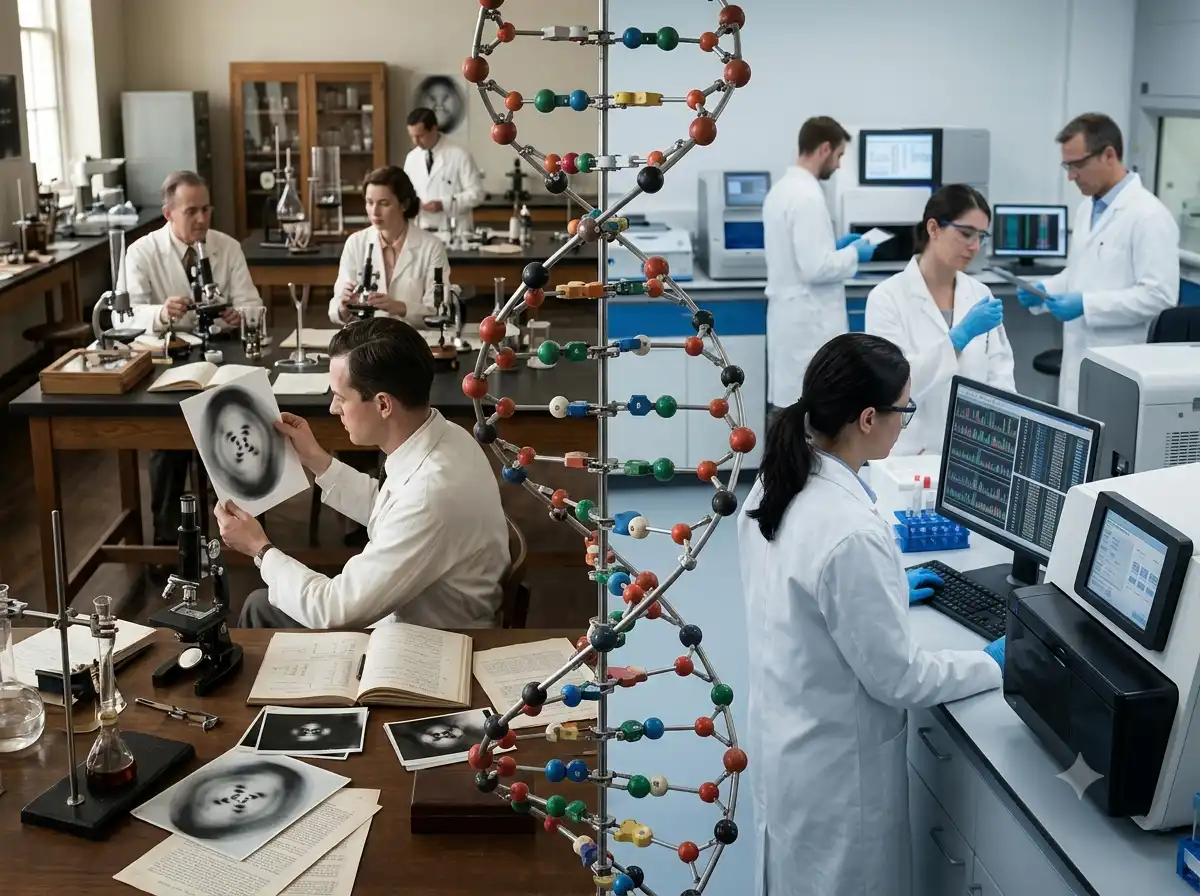
In 1953, James Watson and Francis Crick proposed the double-helix model of DNA, drawing on experimental evidence including X-ray diffraction work associated with Rosalind Franklin and Maurice Wilkins.
The structure suggested how genetic information could be copied.
DNA consists of two complementary strands. The relationship between the bases provided a mechanism by which information could be replicated.
That insight became one of the foundations of molecular biology.
It eventually contributed to advances in:
Researchers could now begin asking not simply which organ is diseased? They could ask: Which gene, mutation or molecular pathway is responsible?
Why it changed medicine: Understanding DNA’s structure provided a molecular framework for studying heredity, genetic disease and the biological mechanisms underlying many illnesses.
For centuries, replacing a damaged human organ sounded closer to mythology than medicine.
The development of organ transplantation changed that.
Early experimental attempts frequently failed because transplanted organs were rejected or did not function for long enough.
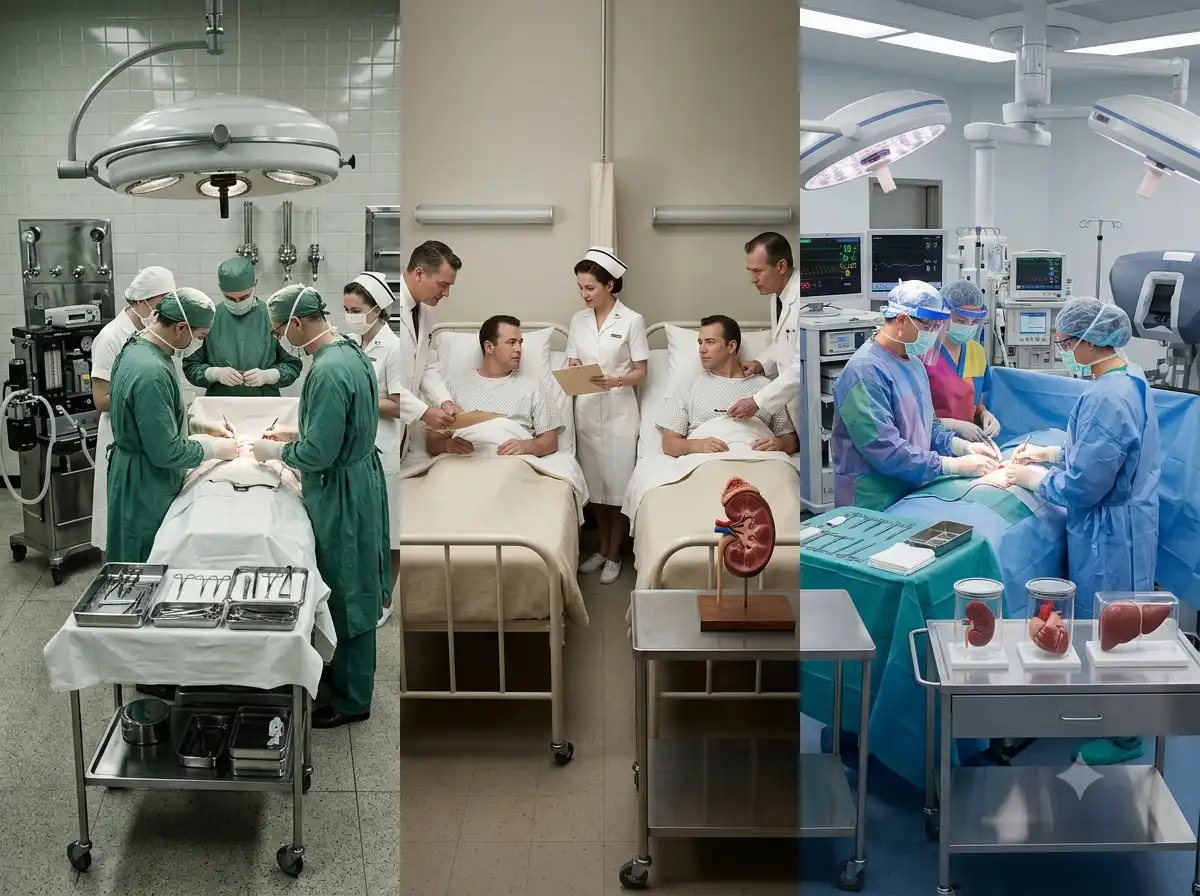
The first successful human kidney transplant occurred in 1954.
The procedure involved identical twins, Richard and Ronald Herrick, which helped overcome the problem of immune rejection because their tissues were genetically extremely similar.
The achievement was more than a surgical triumph.
It demonstrated that a human organ could be removed from one person and successfully function inside another under the right conditions.
The greatest obstacle to transplantation was not simply surgery.
It was biology.
The immune system is designed to recognize foreign material.
A transplanted organ can therefore be attacked as foreign tissue.
The development of immunosuppressive drugs helped make transplantation increasingly practical.
Over subsequent decades, transplantation expanded to include:
Why it changed medicine: Transplantation transformed organ failure from an almost universally irreversible problem into a condition that can sometimes be treated by replacing the failing organ.
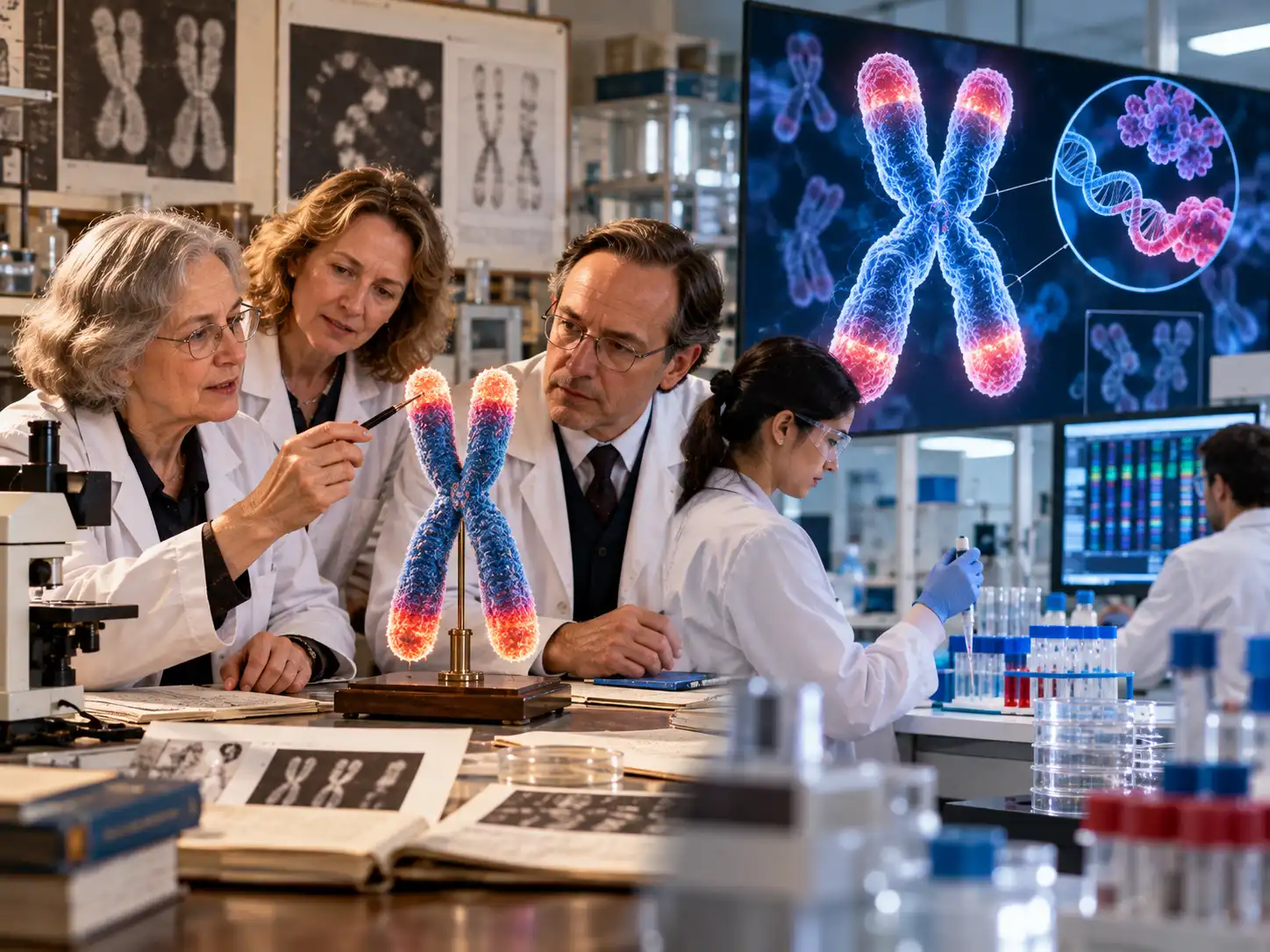
Some medical discoveries don’t immediately produce a new drug or surgical procedure. Instead, they reveal how cells work.
The discovery of telomeres and telomerase is one such example.
Chromosomes contain protective structures at their ends called telomeres.
Scientists eventually discovered that telomeres help protect chromosomes from degradation and inappropriate fusion.
In 2009, Elizabeth Blackburn, Carol Greider and Jack Szostak received the Nobel Prize in Physiology or Medicine for discovering how chromosomes are protected by telomeres and the enzyme telomerase.
Every time many types of cells divide, their chromosomes face a replication problem.
The ends of chromosomes cannot simply be copied indefinitely in the same way as the rest of the DNA.
Telomeres provide a protective solution.
Telomerase can rebuild telomeric DNA.
This system has important implications for biology.
Research has connected telomere maintenance to:
Many cancer cells, for example, maintain telomeres in ways that help them continue dividing.
However, telomeres should not be reduced to the simplistic idea that “longer telomeres equal longer life.” Human aging is vastly more complicated.
Why it changed medicine: Telomere research revealed a fundamental mechanism controlling chromosome stability and opened new avenues for studying cancer, aging and inherited disease.
The newest discovery on this list may ultimately prove to be one of the most consequential.
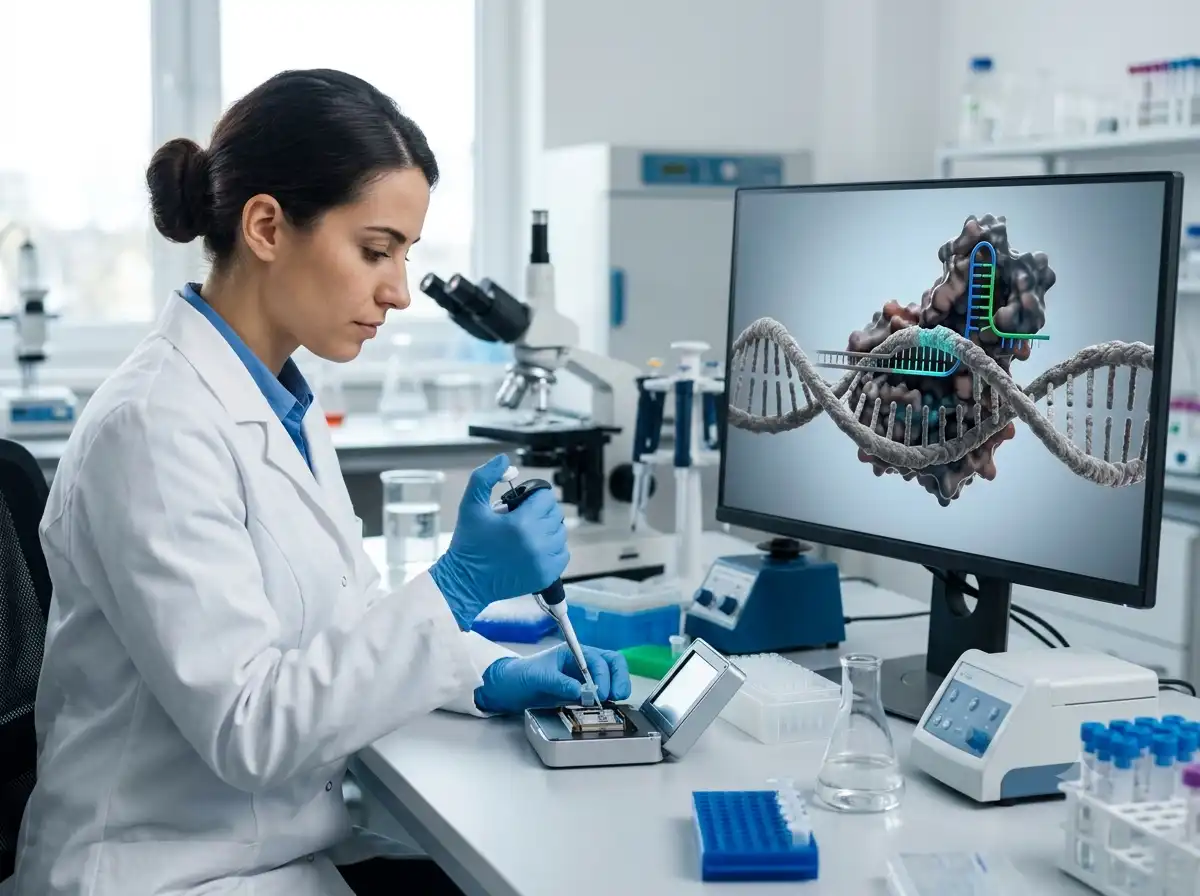
CRISPR-Cas9 gave scientists a remarkably precise tool for modifying DNA.
The technology grew out of research into how bacteria defend themselves against viruses.
Emmanuelle Charpentier identified an important RNA molecule involved in the bacterial CRISPR system, while Jennifer Doudna brought extensive expertise in RNA biology to their collaboration.
In 2012, they demonstrated that the system could be simplified and programmed to cut DNA at specific locations.
The work earned Charpentier and Doudna the 2020 Nobel Prize in Chemistry for the development of a method for genome editing.
Earlier gene-editing technologies existed.
CRISPR’s breakthrough was its combination of flexibility, precision and relative simplicity.
Instead of merely observing DNA, scientists could potentially change it.
That opened possibilities for studying and treating genetic disease.
Researchers began investigating CRISPR-based approaches for conditions involving mutations in specific genes.
The technology has also been studied in cancer research and other areas of medicine.
The transition from gene-editing research to clinical medicine is complex.
Changing DNA inside laboratory cells is one thing. Safely editing cells inside a human being is another.
Scientists have had to address questions involving:
Nevertheless, CRISPR has already moved beyond purely theoretical science. Clinical research has investigated CRISPR-based approaches for inherited blood disorders and other diseases.
Why it changed medicine: CRISPR transformed genetic engineering into a more accessible and precise technology, creating new possibilities for treating inherited disease and cancer.
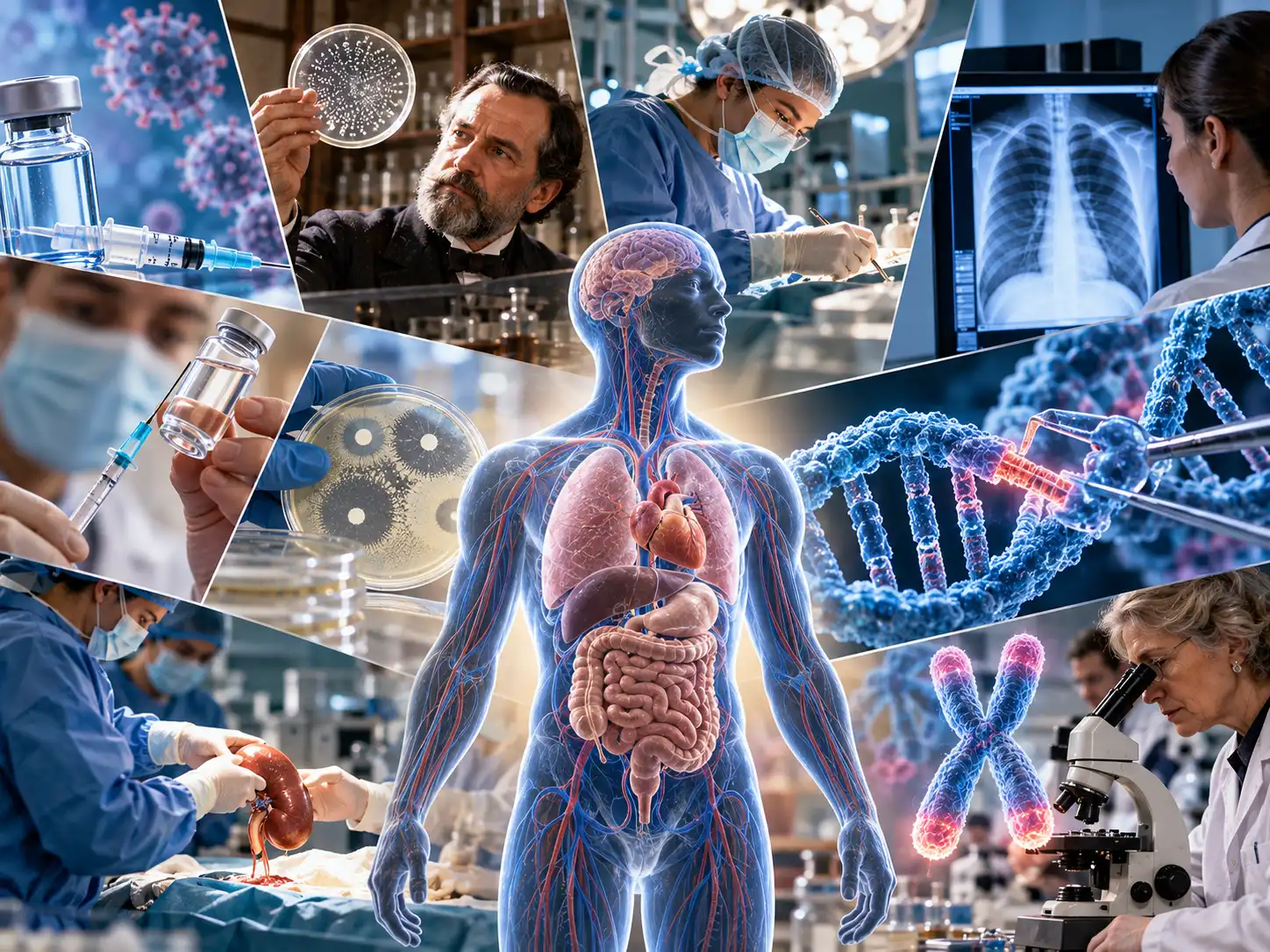
At first glance, vaccination, X-rays, insulin, antibiotics and CRISPR appear unrelated.
They are not.
Each represents a different way of understanding or manipulating the human body.
Vaccines showed that medicine could prevent infection before disease developed.
Germ theory revealed that microorganisms could cause disease.
DNA research moved understanding even deeper, toward molecular mechanisms.
X-rays allowed physicians to see inside the body without surgery.
Modern medical imaging expanded this concept enormously.
Anesthesia made complex surgery possible.
Antibiotics attacked bacterial infections.
Insulin replaced a critical hormone.
Transplantation replaced organs that could no longer function.
CRISPR takes the next step.
Rather than simply treating symptoms or replacing biological components, researchers can attempt to modify the underlying genetic instructions.
That represents a profound change in the philosophy of medicine.
Medical history is often taught as a series of finished discoveries. But many of the biggest developments are still evolving.
CRISPR is being refined. Gene therapies are expanding. Artificial intelligence is increasingly being studied for medical imaging, drug discovery and clinical decision support.
mRNA technology, which received the 2023 Nobel Prize in Physiology or Medicine, has also opened new possibilities beyond the COVID-19 vaccines that brought the technology to worldwide attention.
This illustrates an important point about scientific discovery.
The breakthrough itself is often only the beginning.
It can take decades for an observation in a laboratory to become a practical treatment used by millions of patients.
The history of medicine is ultimately a history of changing assumptions.
For centuries, doctors had limited explanations for infection. Then germ theory provided a biological framework.
Surgery was once constrained by unbearable pain. Anesthesia changed that.
Doctors could not see inside the body. X-rays opened a new diagnostic window.
Diabetes could become rapidly fatal. Insulin transformed its treatment.
Bacterial infections that once killed patients became treatable with antibiotics.
Organ failure became potentially reversible through transplantation.
DNA research revealed the molecular foundation of heredity.
Telomere research exposed another layer of cellular biology.
And CRISPR has given scientists an increasingly powerful way to alter genetic information itself.
These discoveries did not arrive independently. They form a chain.
Vaccines taught medicine how to prevent disease. Germ theory taught medicine what could cause it. Imaging taught doctors how to see it. Anesthesia made surgery possible at a new scale. Antibiotics provided powerful weapons against infection. Insulin showed how replacing a missing biological signal could save lives. DNA revealed the molecular code behind heredity. Transplantation demonstrated that failing organs could be replaced. Telomere research exposed mechanisms governing chromosome stability. And CRISPR opened the possibility of editing the genetic instructions underlying disease.
The next great medical breakthrough may therefore not look like a traditional medicine at all.
It could be a gene edit, a personalized cell therapy, an engineered organ, a new vaccine platform or a technology that has not yet been invented.
That is what makes the history of medicine so unusual: many of yesterday’s impossible ideas eventually become today’s standard treatment.