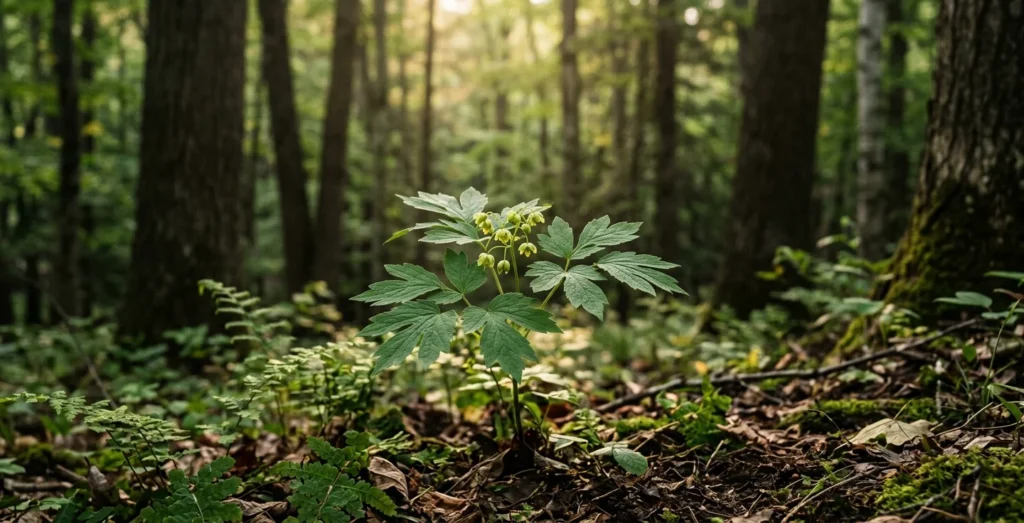
Antarctica was not always a frozen wilderness. Millions of years ago, the continent supported forests of ancient seed plants, ferns, mosses, and other vegetation. Discover five remarkable extinct Antarctic plant groups, explore their fossil locations and ecological significance, and discover why their real history is more extraordinary than claims about mythical brain-enhancing plants.
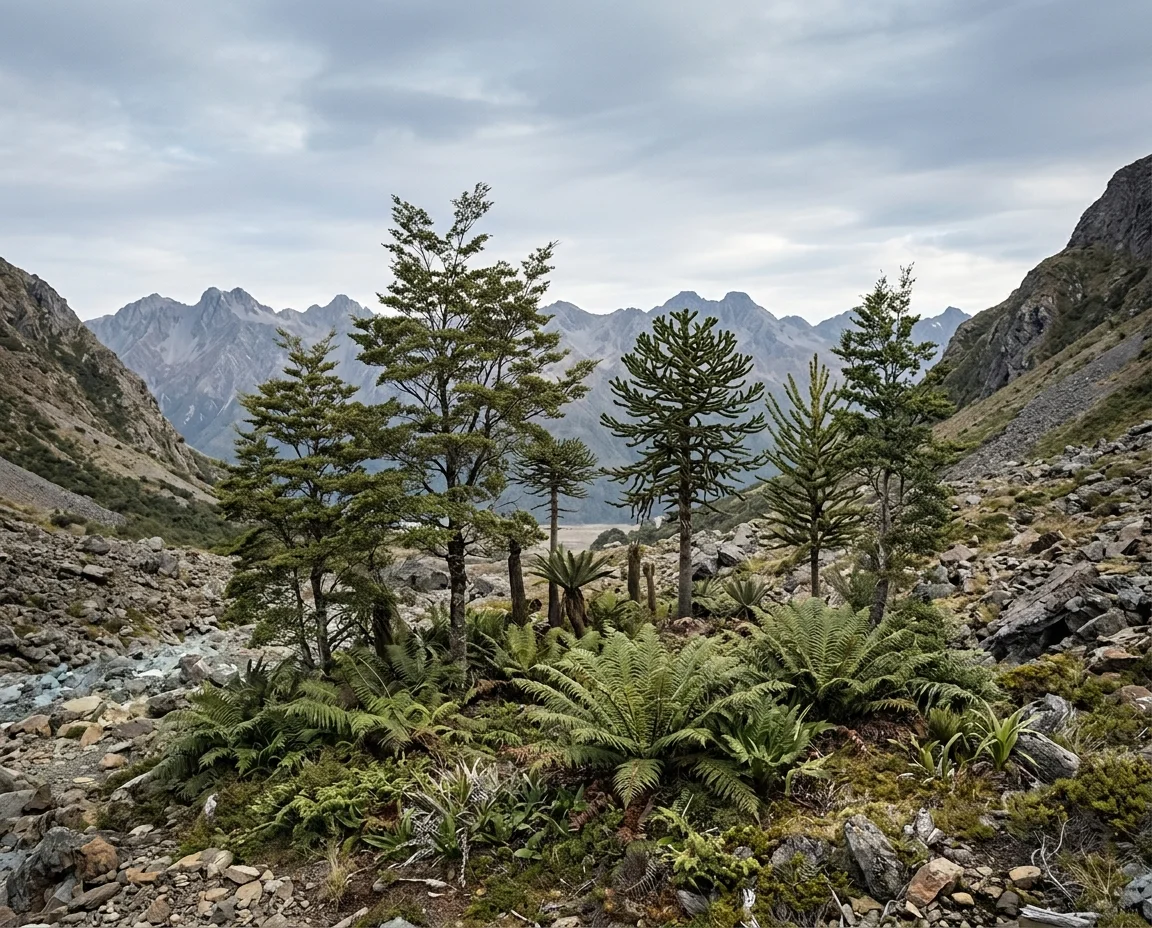
Imagine Antarctica without its immense ice sheet: a landscape of ancient forests, dense vegetation, winding rivers, and trees growing beneath a sky that experienced extraordinary seasonal changes in daylight.
It may sound like an imaginary world, but the fossil record shows that Antarctica once supported ecosystems radically different from those found there today. The continent was part of Gondwana, an ancient southern supercontinent that also included landmasses now known as Africa, South America, Australia, India, and parts of other regions.
Over millions of years, plants evolved and spread across these connected landscapes. Some developed into dominant components of ancient forests, while others belonged to evolutionary lineages that eventually disappeared. Their remains are preserved in fossilized wood, leaves, seeds, pollen, and sedimentary deposits.
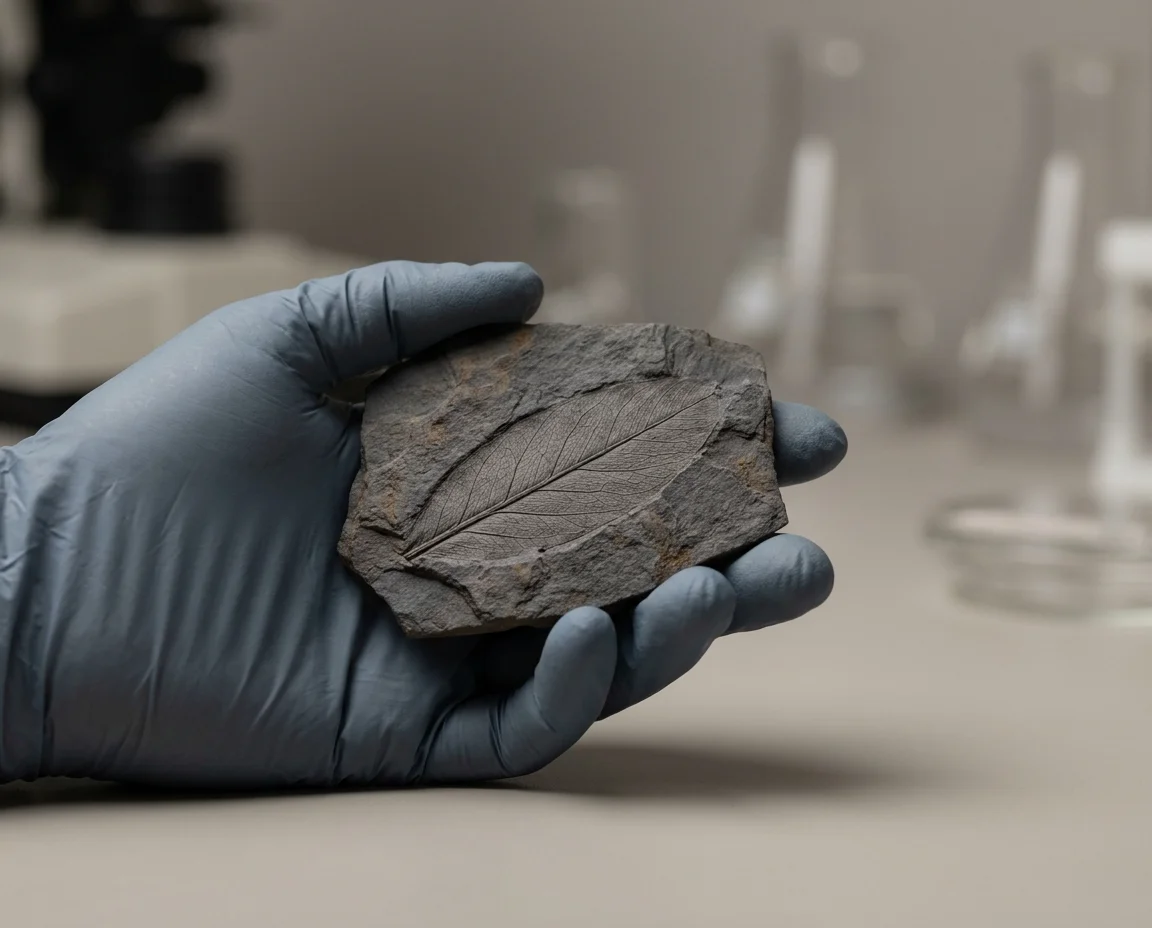
Modern palaeobotany—the study of fossil plants—allows scientists to reconstruct these lost environments. Fossils from Antarctica have helped researchers understand ancient climates, plant evolution, continental drift, and the long-term environmental changes that contributed to the continent’s transformation.
The subject also raises an intriguing question: could any of these vanished plants have been the legendary nootropics described in ancient mythology?
The scientific answer requires an important distinction. There is no credible evidence that the extinct Antarctic plants discussed here were cognitive enhancers or featured in human mythology. Many disappeared millions of years before humans existed. Antarctica has no documented ancient human civilization that cultivated these prehistoric plants for spiritual or medicinal purposes.
Nevertheless, five ancient plant groups provide a fascinating account of lost botanical diversity: Glossopteris, Dicroidium, prehistoric ginkgo relatives, ancient Antarctic conifers, and fossil southern beeches.
Their stories demonstrate why the real history of ancient plants deserves attention without confusing scientific evidence with speculation.
Nootropics are substances associated with supporting particular aspects of cognition, such as memory, attention, learning, or mental performance. Modern discussions include caffeine, certain prescription medicines, and compounds investigated for neurological effects.
However, the word should not be applied indiscriminately to every ancient plant with unusual chemistry or an interesting evolutionary history.
A plant is not a nootropic simply because it survived extreme environmental conditions. Nor does an extinct species automatically possess medicinal properties that modern science has yet to discover.
To establish that a prehistoric plant had cognitive-enhancing effects, researchers would need evidence about its chemical composition, biological activity, and potential effects on the brain. For an extinct species known only from fossils, such evidence is generally unavailable.
The problem is even greater when discussing mythology. A mythological reference requires a cultural tradition, historical account, or other credible record connecting a plant to a particular story. Antarctic fossil plants existed millions of years before humans could have recorded stories about them.
The most scientifically responsible approach is therefore to investigate the plants as extinct botanical lineages, explain their ancient environments, and distinguish established findings from unsupported claims.
Scientific name: Glossopteris — an extinct genus of seed plants
Geological period: Primarily Permian
Approximate age of Antarctic fossils: Around 280–300 million years for some famous specimens
Important fossil locations: Beardmore Glacier region, Prince Charles Mountains, Allan Hills, and other Gondwanan fossil-bearing formations
Extinction status: Extinct
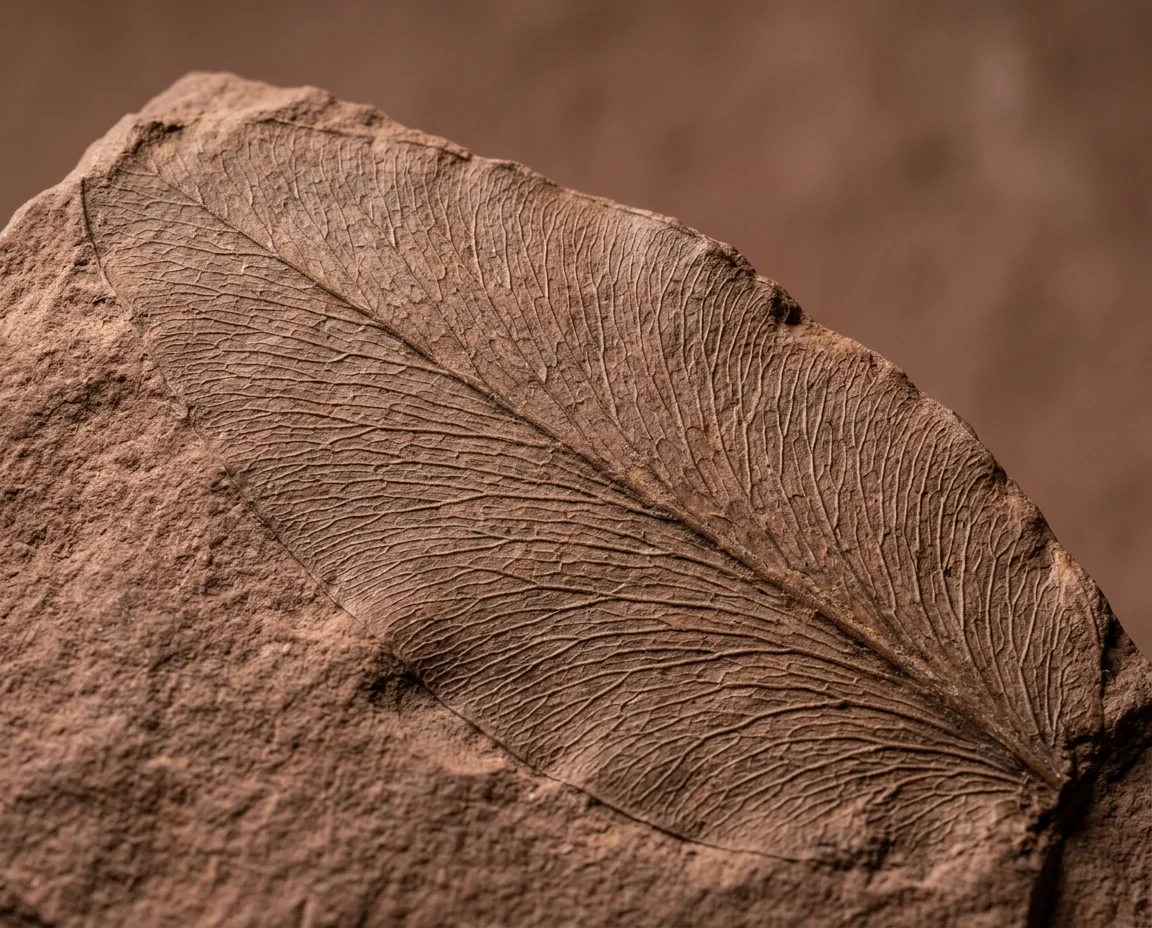
Glossopteris was one of the most recognizable components of ancient Gondwanan vegetation. It belonged to a group of extinct seed plants commonly associated with the Permian forests of the Southern Hemisphere.
Its best-known fossils are broad, tongue-shaped leaves with prominent central veins and branching vein networks. These leaves were unlike the fine, needle-like foliage of many modern conifers.
Glossopteris plants are often reconstructed as woody trees or shrubs, although the complete appearance and growth habits of particular species remain subjects of palaeobotanical research. Their reproductive structures were different from those of modern flowering plants, and the group is generally discussed among extinct seed plants rather than flowering trees.
The leaves are especially important because their distinctive shape and venation make them recognizable in fossil-bearing sedimentary rocks.
Glossopteris fossils have been recovered from several regions of Antarctica, including the Transantarctic Mountains and the Prince Charles Mountains.
One historically important discovery occurred in the Beardmore Glacier region during Robert Falcon Scott’s ill-fated Terra Nova expedition. Fossil plant specimens were found among the belongings of Scott and his companions after their deaths during the return journey from the South Pole in 1912.
The specimens were extraordinary because similar fossil plants were already known from distant regions of the former Gondwana supercontinent.
Fossilized Glossopteris wood has also been documented at Pagodroma Gorge in the northern Prince Charles Mountains, approximately 320 kilometres southeast of Mawson Station. The material dates to the Permian, roughly 251–298 million years ago.
These discoveries provided evidence that Antarctica had once supported extensive vegetation and was connected to other southern continents through geological history.
Reference: National Museum of Australia — Fossilised Glossopteris Wood.
Glossopteris was important as a component of ancient terrestrial ecosystems.
Its leaves would have contributed organic matter to soils and sediments, while the plants themselves formed part of the vegetation that supported ancient food webs. Their growth and eventual burial contributed to the geological record of ancient forests.
Permian Glossopteris vegetation is also associated with coal-bearing sedimentary formations. Plant material accumulated in suitable environments, was buried, and underwent geological changes over millions of years.
The genus therefore provides information about ancient plant communities, carbon storage, and the environmental history of Gondwana.
However, there is no evidence that Glossopteris was consumed by humans, used as a medicine, or employed as a cognitive enhancer. Its extinction long preceded human history.
No verified human mythological tradition is known to describe Glossopteris as a sacred brain-enhancing plant.
The genus existed hundreds of millions of years ago, long before humans appeared. Its significance today comes from geological and botanical evidence rather than mythology.
The scientific story is compelling in its own right: a fossil leaf helped researchers understand that continents now separated by vast oceans were once connected.
There is no documented mythological event involving Glossopteris.
Its historical importance is instead connected to one of the major scientific developments of the twentieth century: the growing recognition that continents move over geological time.
The distribution of Glossopteris fossils across widely separated southern landmasses helped support the idea that these regions had once formed part of Gondwana.
Key takeaway: Glossopteris is a genuine example of an extinct Antarctic plant lineage. Its importance lies in its role in ancient ecosystems and the evidence it provides for continental drift—not in any proven medicinal or nootropic properties.
Scientific name: Dicroidium — an extinct genus of seed plants
Geological period: Primarily Triassic
Historical distribution: Gondwana, including parts of Antarctica, Australia, South America, and other southern regions
Extinction status: Extinct
Traditional or medicinal use: None documented
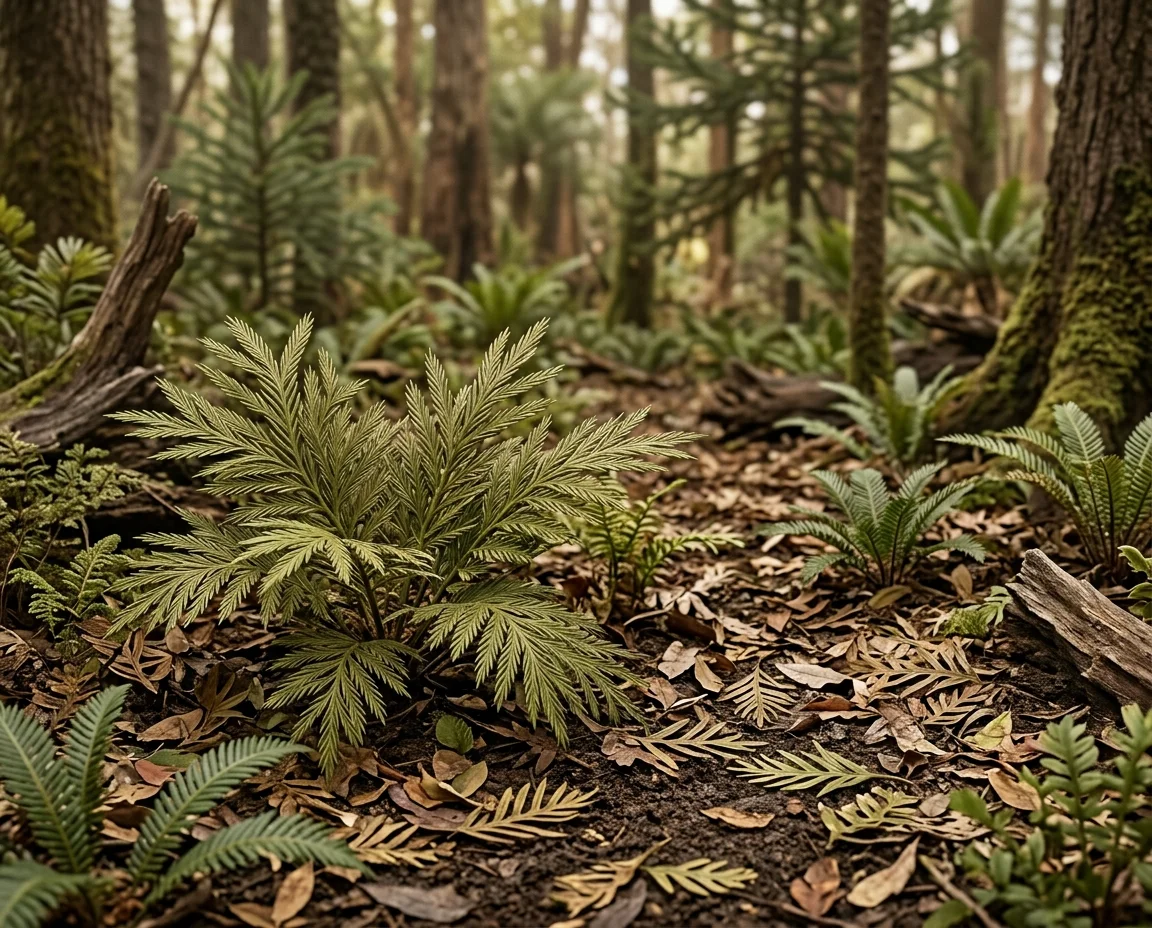
Dicroidium was a distinctive fossil seed-plant group known for its characteristic branching leaf structure.
Its leaves commonly divided into two major branches, giving them a forked or bifurcating appearance. The individual leaf segments could resemble those of certain ferns, which explains why early fossil interpretations sometimes required careful examination of the reproductive structures.
Despite their fern-like foliage, Dicroidium plants belonged to a seed-plant lineage rather than being true ferns.
The group is especially important in reconstructions of Triassic Gondwanan vegetation. Its fossils demonstrate that the dominant plant communities changed substantially after the Permian, when Glossopteris and other earlier plant groups flourished.
Dicroidium fossils are associated with Triassic sedimentary formations in Antarctica, including fossil-bearing rocks in the Transantarctic Mountains and other parts of the former Gondwanan landscape.
These mountains preserve extensive geological sequences that record changes in climate, vegetation, and sedimentation over hundreds of millions of years.
Scientists study fossil leaves alongside wood, pollen, and other plant remains to reconstruct the vegetation that occupied these regions. The presence of related plant groups across multiple southern continents also helps researchers understand historical connections between ecosystems.
The British Antarctic Survey’s fossil collections and research describe the diversity of ancient Antarctic vegetation and the evidence used to reconstruct vanished forests.
Reference: British Antarctic Survey — Fossils from the Antarctic.
Dicroidium was part of the vegetation that shaped terrestrial ecosystems during the Triassic.
As a seed plant, it contributed to the structure and productivity of ancient plant communities. Its foliage provided plant material that entered the food web, while fallen leaves and other organic matter contributed to sedimentary deposits.
Its distribution across Gondwana also makes it valuable to palaeobotanists studying how plant communities responded to changing climates and continental geography.
The transition from Permian Glossopteris-dominated vegetation to later Triassic floras reflects major changes in plant communities following the end-Permian mass extinction, one of the most significant extinction events in Earth’s history.
However, its ecological importance should not be confused with a demonstrated benefit to human cognition.
No credible human mythology has been identified that specifically features Dicroidium.
Its existence predates human civilization by hundreds of millions of years. Any claim that an ancient human culture used it in a spiritual ceremony would therefore require extraordinary evidence that is not available.
Its story belongs to the history of life on Earth rather than to documented mythology.
No known mythological event can be attributed to Dicroidium.
Its significance lies in the geological record, which shows that Antarctica was once part of a diverse southern ecosystem. Its fossils help scientists trace changes in vegetation across the Triassic and understand the broader history of plant evolution.
Key takeaway: Dicroidium was an extinct seed-plant group with distinctive forked leaves. It is valuable to palaeobotany because it reveals how Gondwanan forests changed after a major global extinction event.
Plant group: Fossil ginkgo relatives, including extinct forms associated with Mesozoic Antarctic vegetation
Geological period: Particularly the Mesozoic
Important fossil region: Antarctic Peninsula, including fossil-bearing formations on Alexander Island and the South Shetland Islands
Extinction status: The prehistoric species are extinct; the broader ginkgo lineage has living representatives
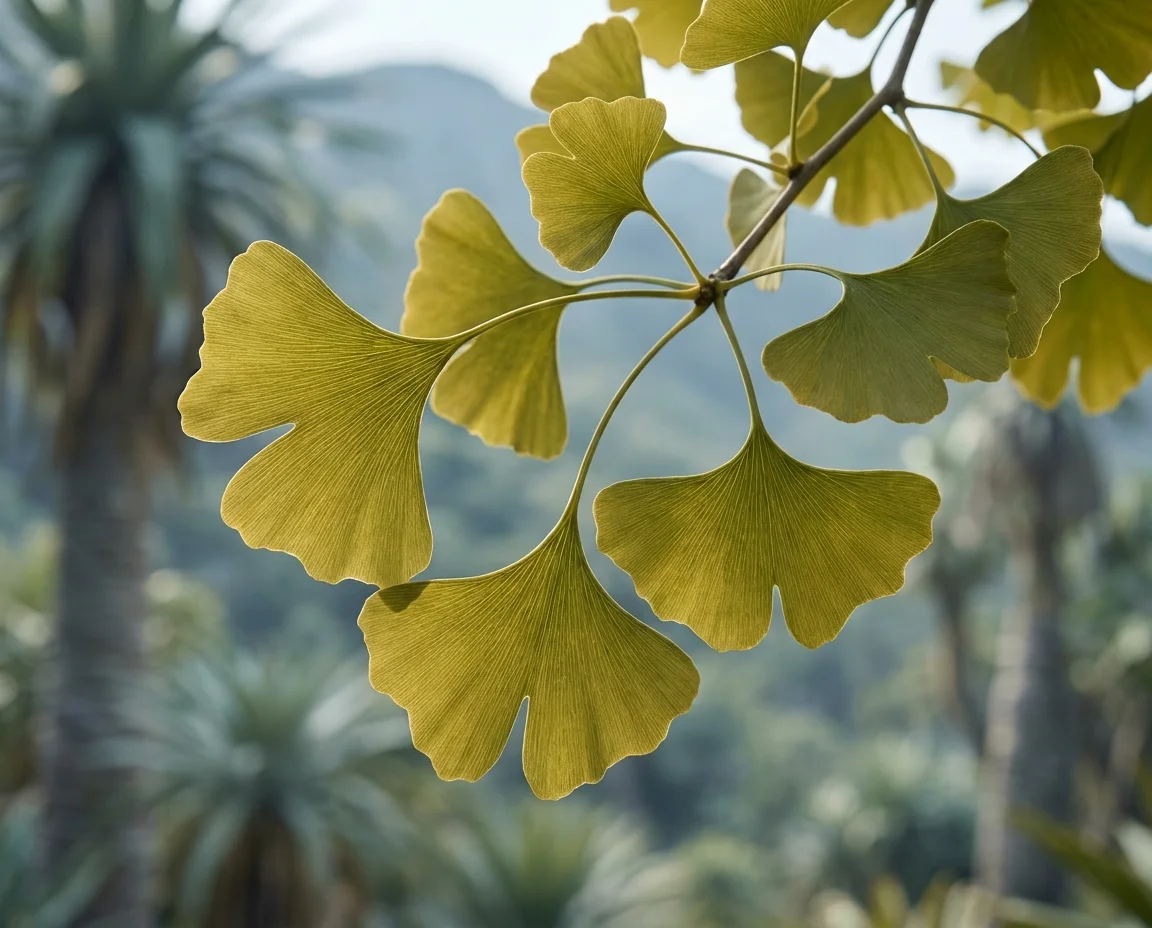
Ginkgo-related plants are notable for their distinctive fan-shaped leaves, often divided into lobes and marked by branching veins.
Modern Ginkgo biloba is the only surviving species of its broader living lineage, but the fossil record contains a much greater diversity of ancient ginkgo relatives.
Fossils from Antarctica contribute to the history of these plants, although it is important to distinguish a fossil ginkgo-like leaf from a securely identified member of the genus Ginkgo. Similar leaf shapes can occur among different extinct plant groups.
Ancient ginkgo relatives formed part of Mesozoic ecosystems that included conifers, ferns, and other seed plants. Their fossils show that the continent once supported plant communities that would look very different from the sparse vegetation found there today.
Fossils of ginkgo-related plants have been documented in Antarctic fossil assemblages, especially in the Antarctic Peninsula region.
The British Antarctic Survey describes abundant plant fossils preserved in sandstone and mudstone formations on Alexander Island and the South Shetland Islands. These assemblages include conifers, ferns, mosses, and ginkgo-related plants.
The fossil-bearing formations help scientists reconstruct forests that existed during warmer geological intervals, when parts of Antarctica supported temperate vegetation.
Reference: British Antarctic Survey — Antarctic Plant Fossils.
Ginkgo relatives contributed to ancient plant diversity and the structure of Mesozoic forests.
Their leaves captured sunlight through photosynthesis, while their growth and eventual decomposition contributed to ecosystem nutrient cycles. As members of ancient plant communities, they formed part of the broader biological systems that sustained other organisms.
Their fossils are also useful for reconstructing ancient environments. Leaf shape, preservation, and association with other plant remains can help researchers infer aspects of past vegetation and climate.
However, the presence of a prehistoric ginkgo relative in Antarctica does not establish that it possessed the same chemical composition or medicinal properties as modern Ginkgo biloba.
This is a crucial scientific distinction. Modern research on a living species cannot automatically be applied to an extinct relative that may have differed substantially in its biology.
No reliable evidence connects the Antarctic fossil plants discussed here to a specific human myth.
Modern ginkgo has cultural and historical associations in parts of Asia, but those traditions cannot be transferred to ancient Antarctic fossil species without evidence.
The plants represented by Antarctic fossils lived in ecosystems millions of years before human societies could have developed stories about them.
No documented mythological event involving the fossil ginkgo relatives of Antarctica is known.
Their importance is scientific: they demonstrate that the history of a plant lineage can extend across immense periods of geological time, with many ancient forms disappearing while a small number of relatives survive.
Key takeaway: Fossil ginkgo relatives reveal the diversity of ancient Antarctic forests. Their history is relevant to plant evolution, but the properties of modern ginkgo should not be used to make unsupported claims about extinct Antarctic species.
Plant group: Extinct prehistoric conifers, including fossil members of lineages related to modern southern conifers
Geological period: Particularly the Cretaceous and Cenozoic
Important fossil region: Antarctic Peninsula, including Alexander Island and the South Shetland Islands
Extinction status: Some prehistoric species and lineages are extinct; related conifer groups survive elsewhere
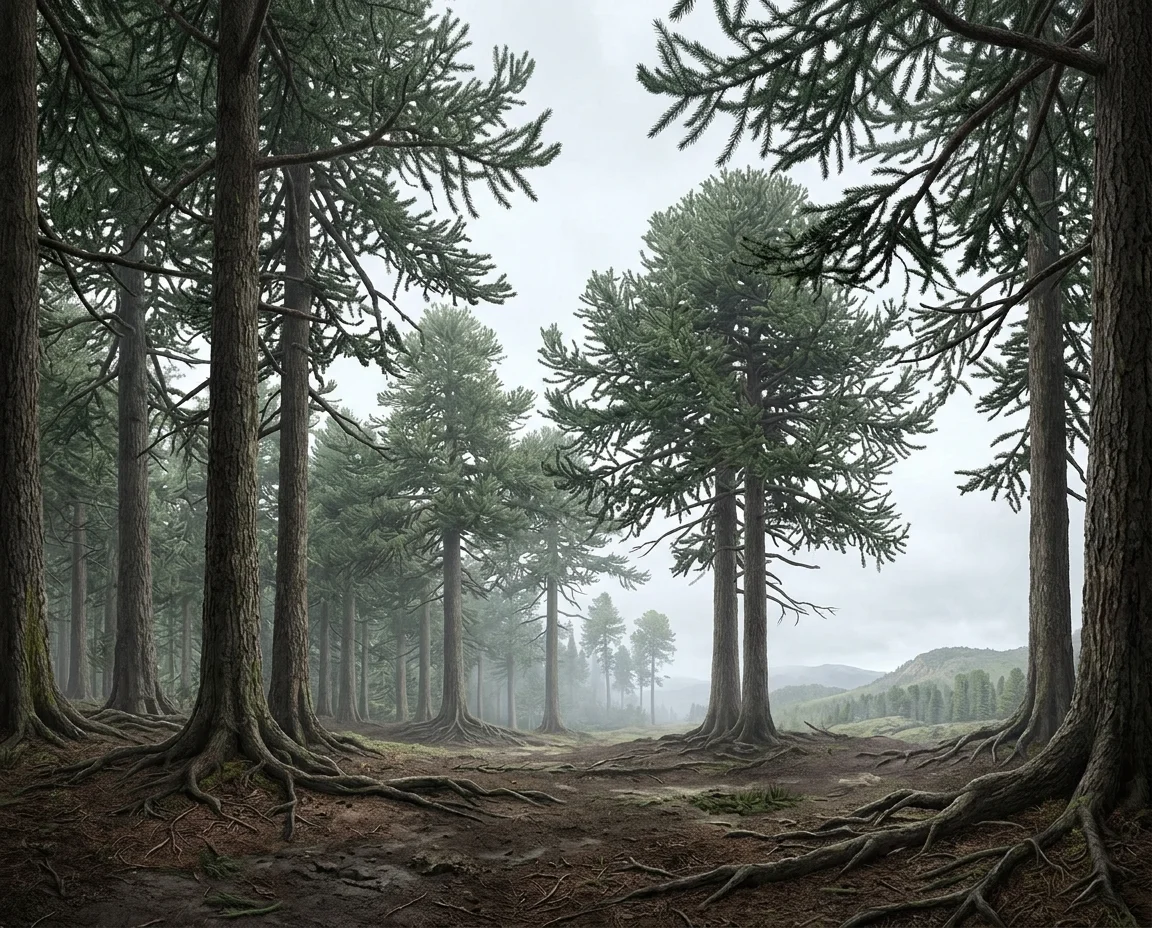
Conifers are seed-producing plants that commonly develop woody trunks and branches bearing needle-like or scale-like leaves. Many produce cones that contain reproductive structures.
The ancient Antarctic conifers represented in the fossil record belonged to several different groups. Some were related to lineages represented today by southern conifers, including members of the broader Araucariaceae and Podocarpaceae families.
Their exact appearance varied by species. Some likely resembled trees with branches and relatively narrow leaves, while others had foliage and reproductive structures that differ from those of modern conifers.
Fossil wood, leaves, pollen, and cone structures help researchers identify these plants and reconstruct the forests in which they grew.
Conifer fossils occur in multiple Antarctic regions, especially in sedimentary rocks of the Antarctic Peninsula.
The British Antarctic Survey documents fossil assemblages from Alexander Island and the South Shetland Islands that contain conifers alongside ferns, mosses, ginkgoes, and flowering plants.
The fossils demonstrate that parts of Antarctica supported forest vegetation during periods when the climate was much warmer than it is today.
The National Museum of Australia also documents the remarkable fossil record of ancient Antarctic vegetation, including evidence of Gondwanan forests and the geological history that eventually led to modern Antarctic conditions.
Reference: National Museum of Australia — Antarctica.
Ancient conifers were important components of forest ecosystems.
Their woody trunks and branches provided structural habitat, while their foliage contributed to primary productivity. Their fallen leaves and wood supplied organic matter to the soil and sediments, and their reproductive structures helped sustain plant populations over generations.
Some ancient conifer forests contributed to the accumulation of plant material that later became preserved in sedimentary deposits.
These forests also influenced the water and carbon cycles of their environments. Through photosynthesis, trees absorbed carbon dioxide and stored carbon in their tissues. When vegetation was buried under suitable geological conditions, some of that carbon could remain stored for long periods.
These are ecological functions rather than evidence of a medicinal or cognitive-enhancing use.
No verified mythological tradition is known to describe the extinct Antarctic conifer species discussed here.
Conifers feature prominently in the folklore and cultural traditions of many societies, but such traditions concern particular living plants and cultural settings. They do not establish that ancient Antarctic conifers were regarded as sacred or used as supernatural substances.
The distinction between a modern cultural association and a prehistoric fossil record is essential.
There is no documented mythological event involving these extinct Antarctic conifers.
Their importance is rooted in environmental history. The forests they formed part of demonstrate that Antarctica’s past climate could sustain substantial woody vegetation, even at high southern latitudes.
Their fossils help researchers investigate when Antarctic forests declined and how the continent became increasingly dominated by ice.
Key takeaway: Ancient Antarctic conifers demonstrate that the continent once supported forests of woody seed plants. Their ecological importance was substantial, but there is no evidence that they were prehistoric nootropics or mythological medicines.
Scientific name of living relatives: Nothofagus
Common name: Southern beech
Geological period of Antarctic fossils: Cretaceous through parts of the Cenozoic
Important fossil region: Antarctic Peninsula and parts of West Antarctica
Extinction status: Many Antarctic fossil species are extinct locally or globally; living southern beech species survive in other Southern Hemisphere regions
Southern beeches belong to the genus Nothofagus, a group of trees associated today with parts of South America, Australia, New Zealand, and nearby regions.
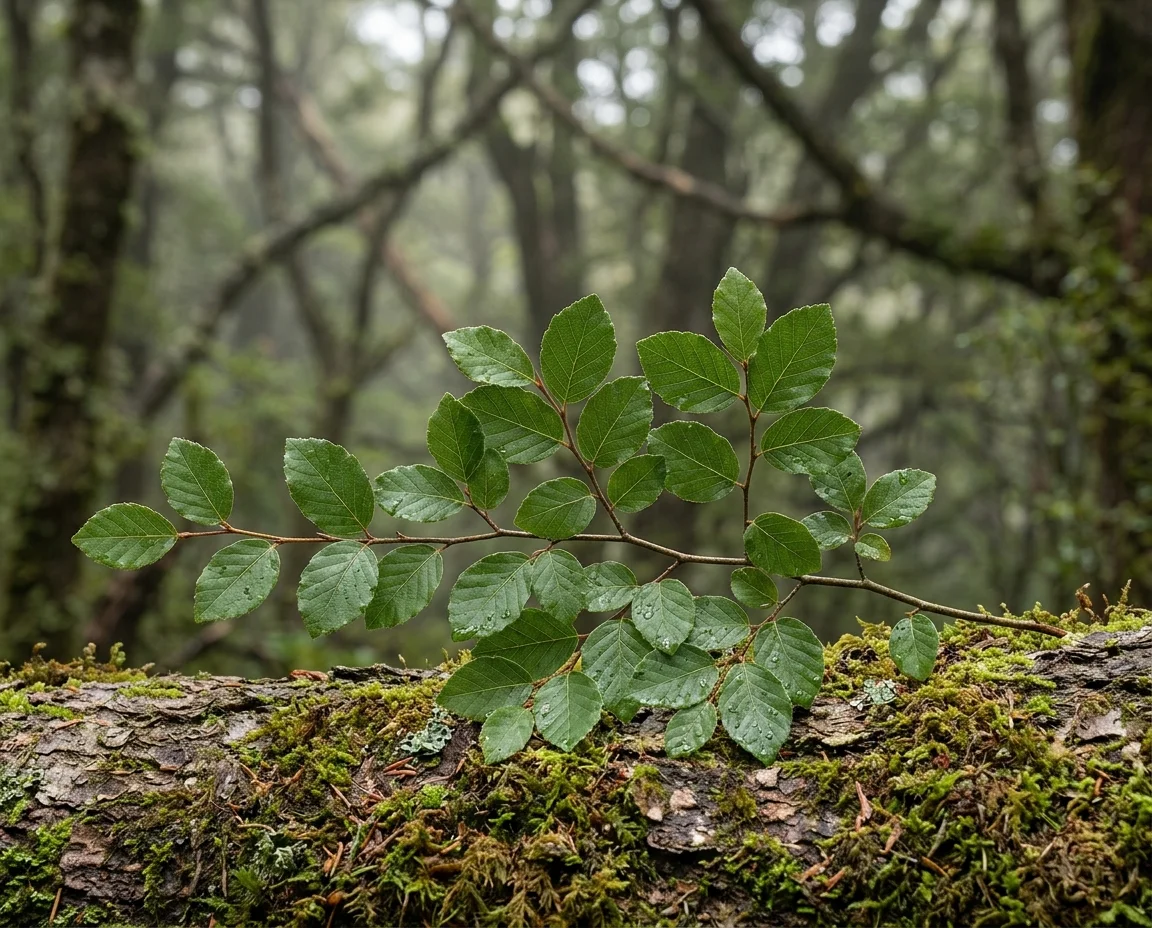
Their leaves vary by species but commonly have recognizable branching veins and toothed or relatively smooth margins. Modern southern beeches range from trees of temperate rainforests to species adapted to cooler mountain environments.
Fossil leaves attributed to Nothofagus provide evidence that related trees once grew in Antarctica. These fossils help establish the presence of woody flowering plants in ancient Antarctic landscapes.
It is important to distinguish between the modern genus and individual fossil species. A fossil leaf identified as Nothofagus does not necessarily belong to a species still living today.
Fossils of Nothofagus have been documented in Antarctic sedimentary deposits, including areas of the Antarctic Peninsula and West Antarctica.
Research published in 2025 reported early Miocene Nothofagus leaves from West Antarctica. The fossils indicate that tundra-like vegetation persisted in the region around 22–20 million years ago, considerably later than the disappearance of the earlier Permian Glossopteris forests.
This research provides new evidence for the timing of the decline of woody vegetation in West Antarctica and helps refine the history of the continent’s changing climate.
Southern beeches were part of ancient forest ecosystems that contributed to carbon storage, habitat formation, and nutrient cycling.
Their leaves supported photosynthesis and added organic material to the environment. Their trunks and branches provided structure for forest habitats, while their roots helped anchor plants in the soil.
The fossil record also makes southern beeches useful for understanding plant migration and the evolution of Southern Hemisphere ecosystems.
Because related living species occur across several southern landmasses, their distribution contributes to research into the long-term biological connections created by Gondwana and the later isolation of its component continents.
There is no verified mythological account that identifies the extinct Antarctic fossil species of southern beech as a nootropic or supernatural plant.
Living trees can hold important cultural meanings in the societies where they grow, but these traditions must be associated with their actual cultural and historical contexts.
It would be misleading to take a modern story about a living southern beech and claim that it describes a prehistoric Antarctic species that disappeared millions of years earlier.
No specific mythological event can be attributed to the Antarctic fossil species on the evidence discussed here.
Their significance lies in the scientific record. The survival of Nothofagus relatives in other parts of the Southern Hemisphere, combined with their fossil presence in Antarctica, helps researchers reconstruct the history of ancient forests and changing continental environments.
Key takeaway: Fossil southern beeches show that woody flowering plants persisted in parts of Antarctica long after the ancient Glossopteris forests disappeared. Their story reveals a changing continent rather than a lost mythological medicine.
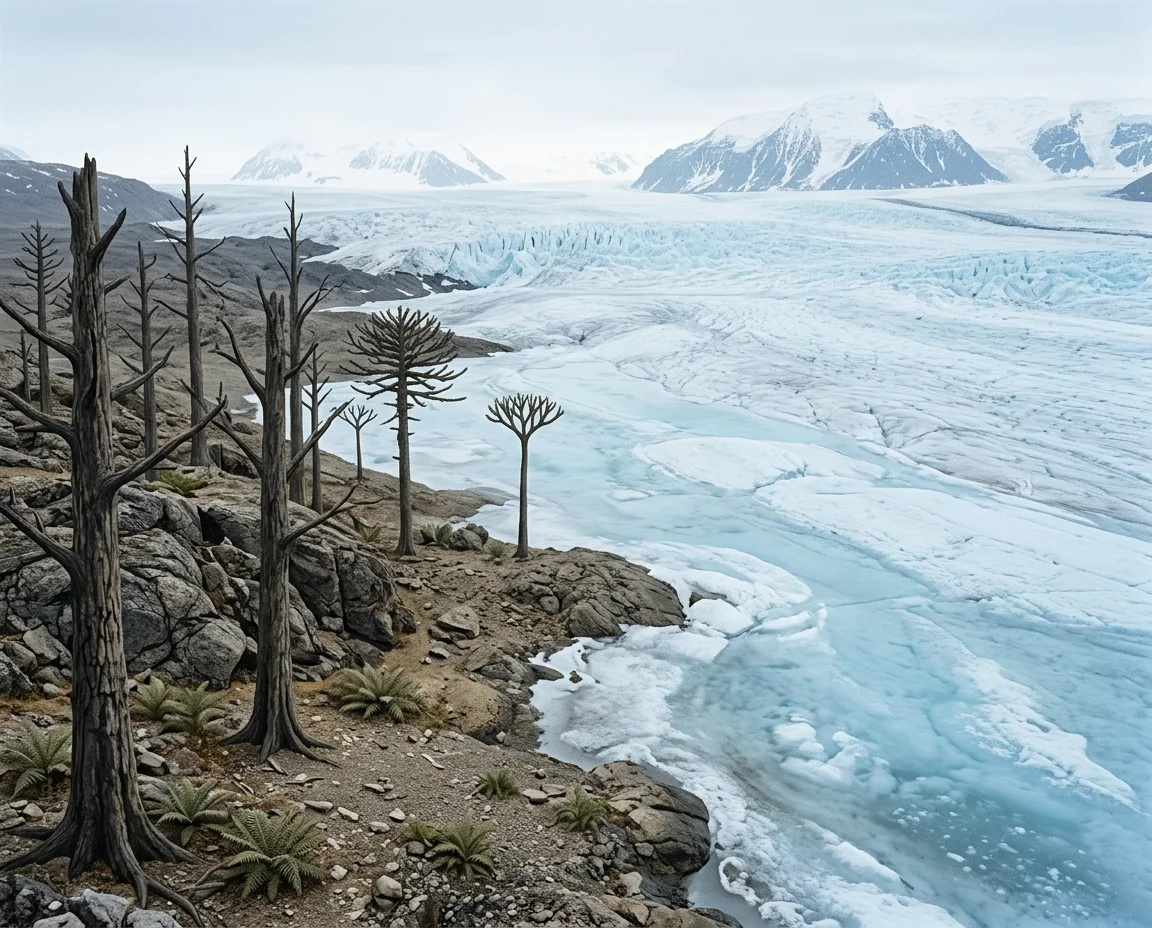
The disappearance of ancient Antarctic vegetation was not caused by a single event.
Over geological time, the breakup of Gondwana changed the positions of continents and the connections between their ecosystems. Australia and Antarctica eventually separated, while the development of ocean circulation around Antarctica contributed to the continent’s climatic isolation.
As temperatures declined and glaciation intensified, the environments that had supported extensive forests changed dramatically. Plant communities became less diverse, and woody vegetation disappeared from most of the continent.
The history was complex. Different plant groups declined at different times, and the fossil record is incomplete. Some lineages disappeared globally, while others survived in related forms elsewhere in the Southern Hemisphere.
Research on Antarctic plant fossils continues to refine the timing and causes of these changes. Studies of Permian vegetation, Mesozoic forests, and younger fossil leaves provide complementary evidence about the continent’s long environmental history.
Reference: The Gondwanan Floras of the Antarctic Fossil Record.
There is no reliable evidence that the five plant groups described here were used as cognitive enhancers.
The reasons are straightforward:
Some ancient plants may have contained biologically active compounds. Yet the presence of a chemical compound, even if it could be identified, would not establish that a plant improved cognition.
The same principle applies to claims about medicinal benefits. A fossil tree that contributed to an ancient forest cannot automatically be treated as a source of modern therapeutic compounds.
Future research may reveal additional information about the chemistry and evolutionary relationships of ancient plants, but claims about their use as nootropics require evidence that is currently unavailable.
Antarctica’s ancient plant history reveals a continent that once supported diverse forests and complex terrestrial ecosystems.
Glossopteris helped establish the importance of Antarctic fossils in understanding continental drift. Dicroidium records the transformation of Gondwanan vegetation after the end-Permian extinction. Ancient ginkgo relatives reveal the diversity of Mesozoic plant communities. Fossil conifers demonstrate the ecological importance of ancient forest trees, while southern beech fossils provide evidence that woody vegetation persisted in parts of Antarctica into the Cenozoic.
These plants were not documented mythological nootropics. Their real importance is found in their role in Earth’s evolutionary history and in the clues they provide about a continent that changed dramatically over millions of years.
The scientific record offers a compelling alternative to unsupported claims about lost brain-enhancing plants. It shows that Antarctica was once a living, green landscape and that its fossils continue to reveal the history of climate, biodiversity, and plant evolution.
Understanding this history requires separating what is known from what is imagined. That distinction makes the story of Antarctica’s lost forests more scientifically credible, more informative, and ultimately more fascinating.
There is no reliable evidence for five extinct Antarctic plants that were both mythological and nootropic. This article instead examines five extinct ancient plant groups documented by palaeobotanical research. Their significance comes from their fossil records and ecological history.
Glossopteris is among the best-known extinct plants associated with Antarctica. Its fossils were discovered across several former Gondwanan landmasses, helping scientists understand the geological connections between continents.
Important fossil-bearing regions include the Transantarctic Mountains, the Prince Charles Mountains, the Antarctic Peninsula, Alexander Island, the South Shetland Islands, and parts of West Antarctica. The location and age of each fossil depend on the particular plant group and geological formation.
Their ecological roles can be reconstructed from fossils, but there is insufficient evidence to establish that the extinct plant species discussed here had medicinal benefits for humans. They existed long before humans and cannot be treated as proven sources of modern medicines.
No. Glossopteris existed hundreds of millions of years before humans appeared. Its significance is scientific and geological, not mythological.
Some modern plant groups have relatives that once grew in Antarctica. For example, southern beeches survive in parts of South America, Australia, and New Zealand. However, the existence of living relatives does not mean that the exact fossil species survived unchanged.
Scientists can investigate fossil structures, evolutionary relationships, and certain preserved organic molecules. Such research may improve understanding of ancient plant biology. However, a discovery about fossil chemistry would not automatically establish that a plant was a nootropic or that it could safely be used as a medicine.