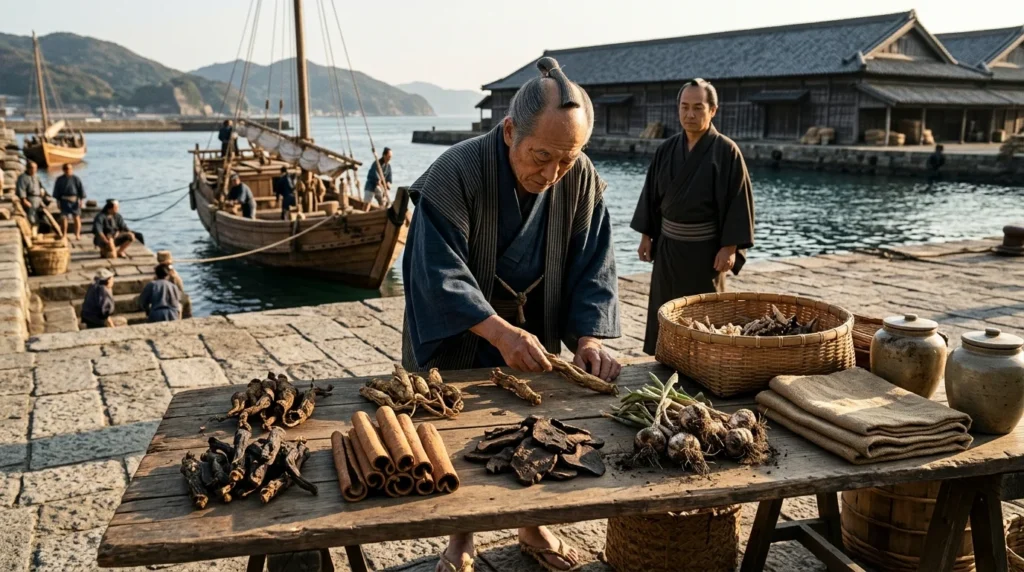
Shugendo, Japan’s ancient mountain-ascetic tradition, is known for its sacred peaks, demanding spiritual practices, and close relationship with the natural world. Less widely known is its historical connection to herbal medicine. From the bitter bark-based remedy Daranisuke to the traditional digestive medicine Hyakuso, explore five remedies and medicinal plants associated with Japan’s mountain communities, the legends surrounding their origins, their traditional benefits, and what modern research says about their potential.
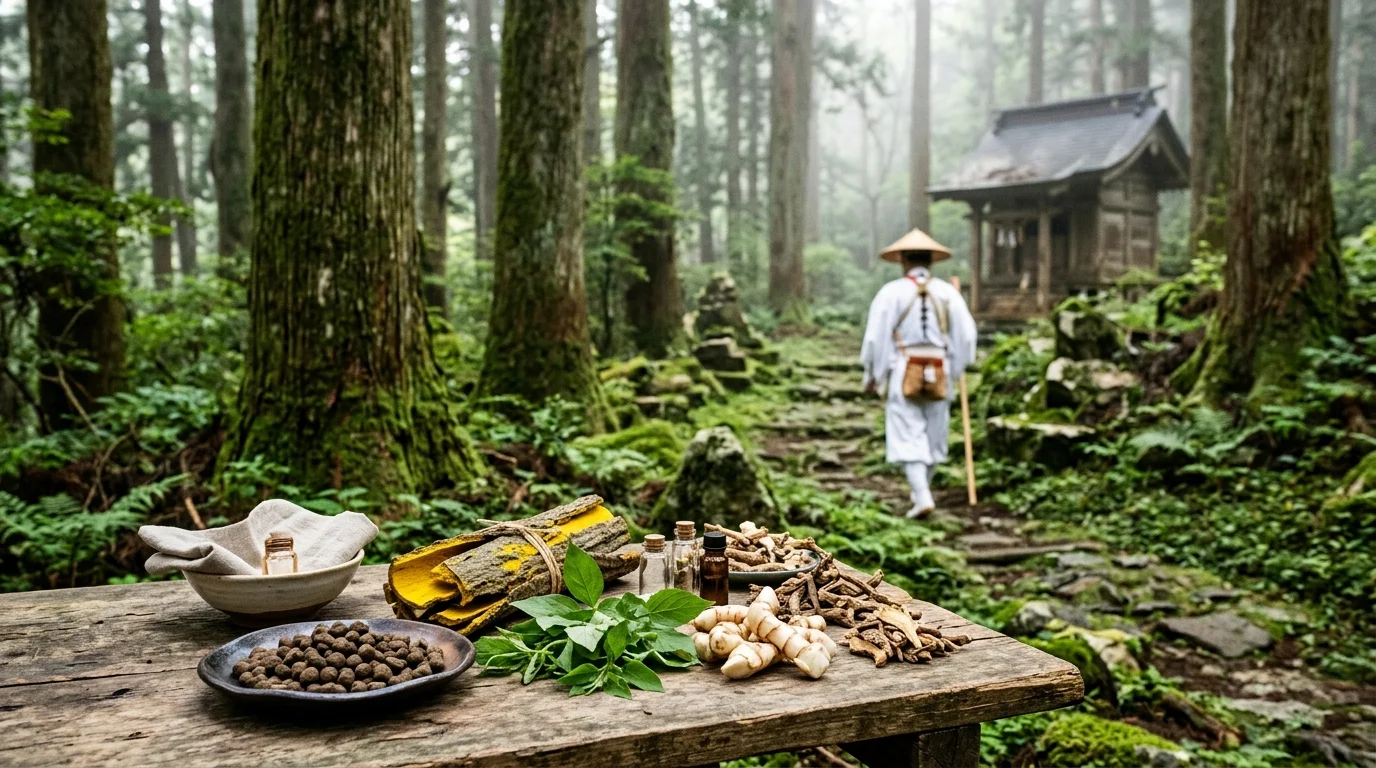
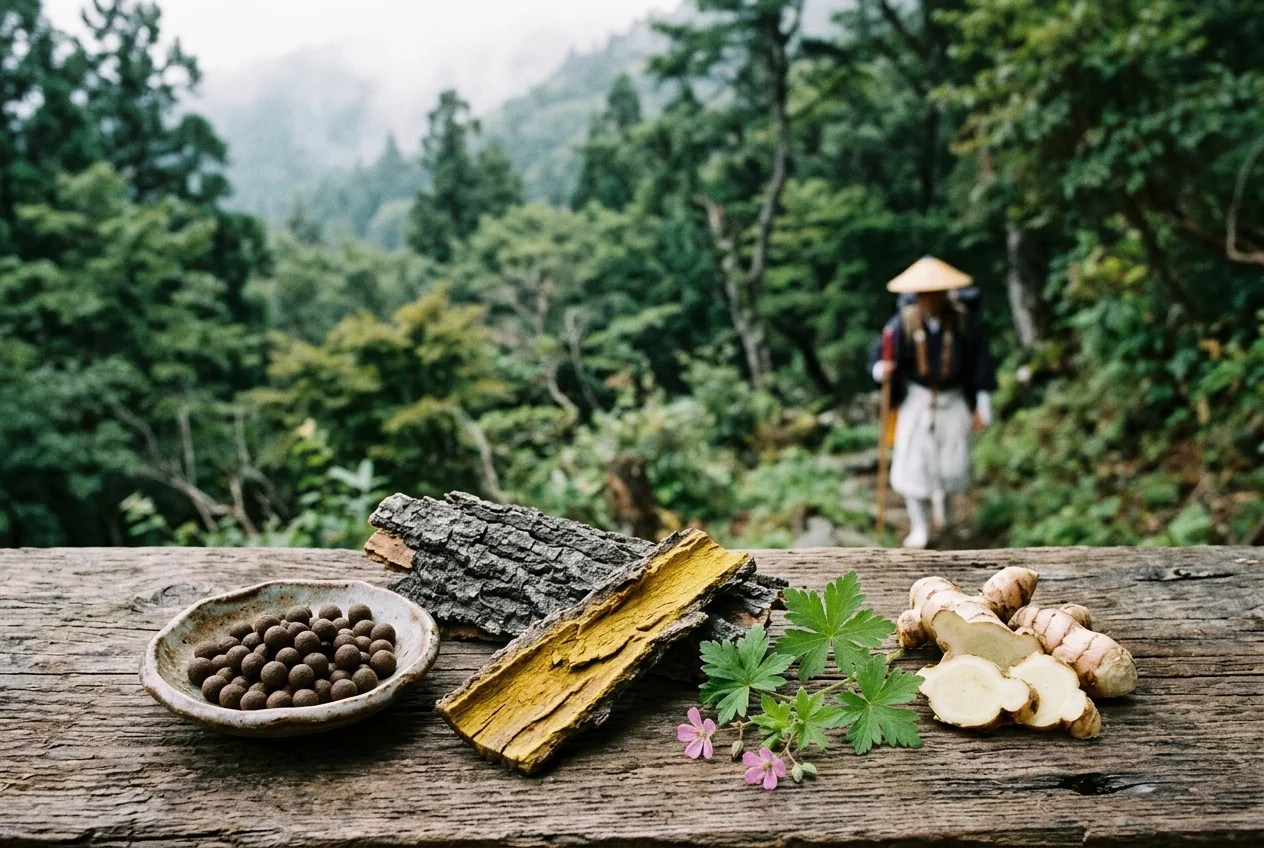
Japan’s traditional wellness culture extends far beyond green tea, ginseng, and familiar herbal supplements. For centuries, communities living around sacred mountains developed ways to use local plants, tree bark, and roots for everyday health concerns. Some of these remedies became associated with religious practitioners who travelled through remote forests, performed spiritual austerities, and served as healers within local communities.
One tradition particularly connected with this history is Shugendo (修験道), a Japanese religious path that combines mountain worship, esoteric Buddhist practices, elements of Shinto, and other influences. Its practitioners are known as yamabushi or shugenja. Their training can include extended mountain journeys, fasting, meditation, ritual chanting, and exposure to cold water and difficult terrain.
The mountains were not merely places for spiritual development. They were also sources of food, shelter, medicinal plants, and practical knowledge. In some regions, yamabushi became known for their familiarity with local remedies and their role in providing religious and medical assistance.
The connection between Shugendo and herbal medicine is particularly visible in traditional preparations such as Daranisuke, associated with the sacred mountains of Yoshino and Omine, and Hyakuso, which developed around the religious culture of Mount Ontake.
However, an important distinction is necessary. Shugendo is not a formal system of dietary supplementation, and there is no single authoritative list of five supplements prescribed to all yamabushi. Some remedies are closely associated with Shugendo through regional histories and traditional accounts, while others are ingredients used in related Japanese herbal preparations. Religious legends also need to be distinguished from independently verified historical events.
This article examines five examples through that lens: Daranisuke, kihada bark, Hyakuso, Gennoshoko, and Gajutsu. Together, they illustrate how mountain traditions helped preserve knowledge of Japanese medicinal plants—and why that history continues to attract interest in 2026.
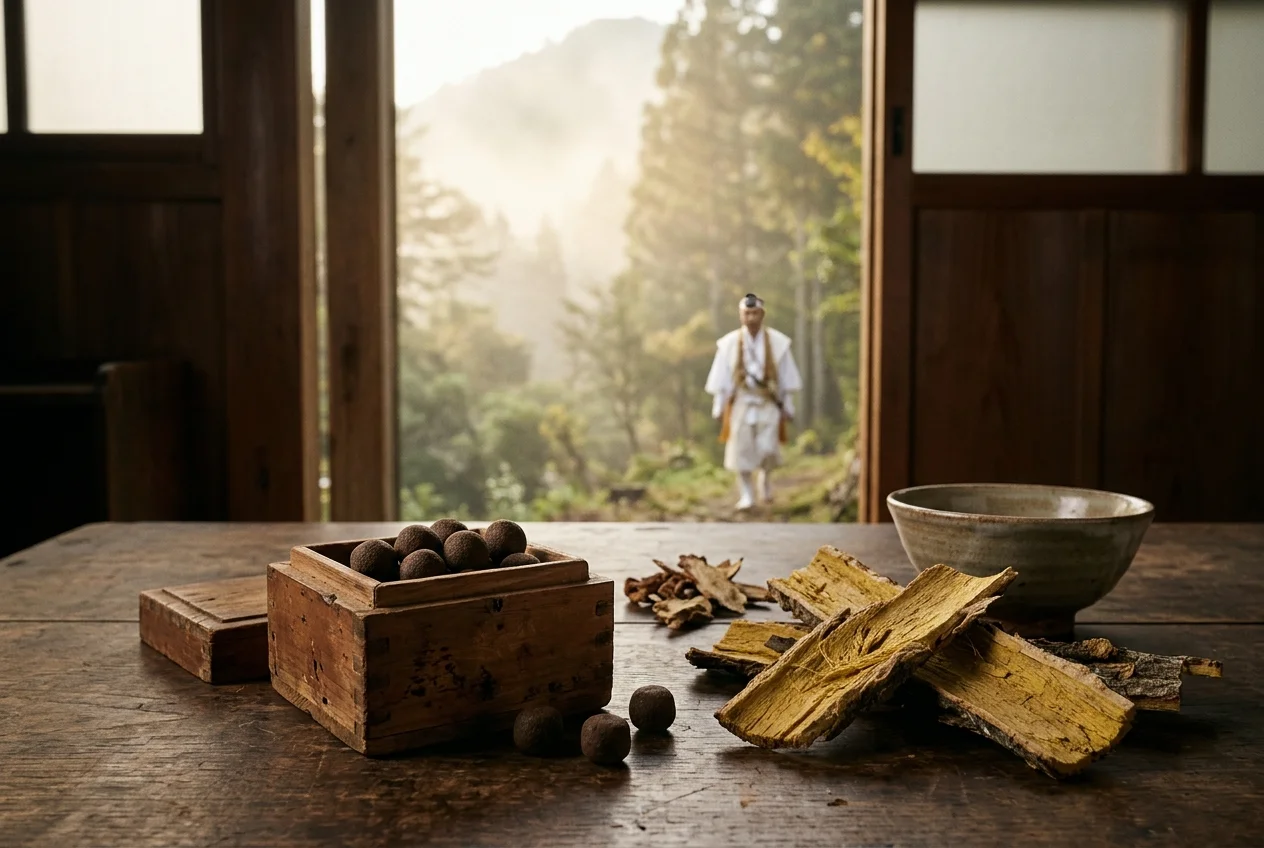
Daranisuke is a traditional Japanese herbal medicine associated particularly with the Dorogawa area near Mount Omine in Nara Prefecture. The region has a long relationship with Shugendo and remains an important destination for people interested in Japanese mountain spirituality.
Unlike a modern nutritional supplement designed to provide vitamins or minerals, Daranisuke is traditionally used as a medicinal preparation, especially for digestive complaints. Its principal ingredient is generally kihada bark, known in Japanese herbal medicine as obaku. Depending on the product and formulation, additional botanical ingredients may be included.
The medicine is famous for its exceptionally bitter taste. Historically, preparations were made by extracting plant material and concentrating it into a form that could be carried and used when needed. Modern versions are commonly sold as pills.
The Tenkawa Village tourism authority’s overview of Daranisuke describes its regional history, bitter taste, and traditional use for digestive complaints.
Daranisuke’s origin is closely connected to En no Gyoja, also known as En no Ozunu, the legendary ascetic traditionally regarded as the founder of Shugendo.
Accounts preserved by traditional medicine makers and regional sources describe En no Gyoja preparing a remedy from the bark of the kihada tree during his mountain activities. The preparation is said to have helped people suffering from illness, and the practice subsequently became associated with the mountain ascetics who followed his path.
Some versions of the story connect the medicine with an epidemic in the seventh century. According to these accounts, En no Gyoja prepared medicinal herbs in a large cauldron and distributed the resulting preparation to sick people.
This story is significant in Japanese religious and medical folklore because it links spiritual authority with practical service to the community. The ascetic is remembered not only as a figure of religious power but also as someone who used knowledge of the natural environment to help others.
Nevertheless, the epidemic narrative should be understood as a traditional account rather than a medically verified historical report. It does not establish that Daranisuke cured an epidemic or that its historical preparation was identical to products sold today.
Daranisuke has traditionally been used for digestive complaints, including stomach discomfort and diarrhoea. Some regional descriptions also mention its use for hangovers.
Its principal botanical ingredient, kihada bark, contains berberine and other plant compounds. Berberine has attracted scientific attention for its biological activity, but findings about isolated compounds cannot automatically be applied to every traditional preparation containing them.
The effects of a finished herbal medicine depend on its ingredients, extraction method, concentration, dosage, and quality control. It would therefore be inaccurate to conclude that every Daranisuke product has clinically proven benefits simply because its main ingredient contains biologically active compounds.
For readers interested in the product’s traditional origins, the history published by a Daranisuke manufacturer provides additional information about its association with En no Gyoja and the Omine mountain region. As a manufacturer’s historical account, it is best read alongside independent historical and scientific sources.
Daranisuke represents an alternative model of traditional wellness: a specific preparation developed around local materials and passed through a regional community, rather than a mass-market supplement built around a single fashionable ingredient.
Its story is relevant to contemporary interest in digestive health, botanical medicines, and the history of Japanese Kampo and folk medicine. But cultural longevity should not be confused with proof of efficacy. Anyone considering Daranisuke for persistent stomach pain, diarrhoea, or another medical problem should seek appropriate medical advice instead of relying on a traditional remedy alone.
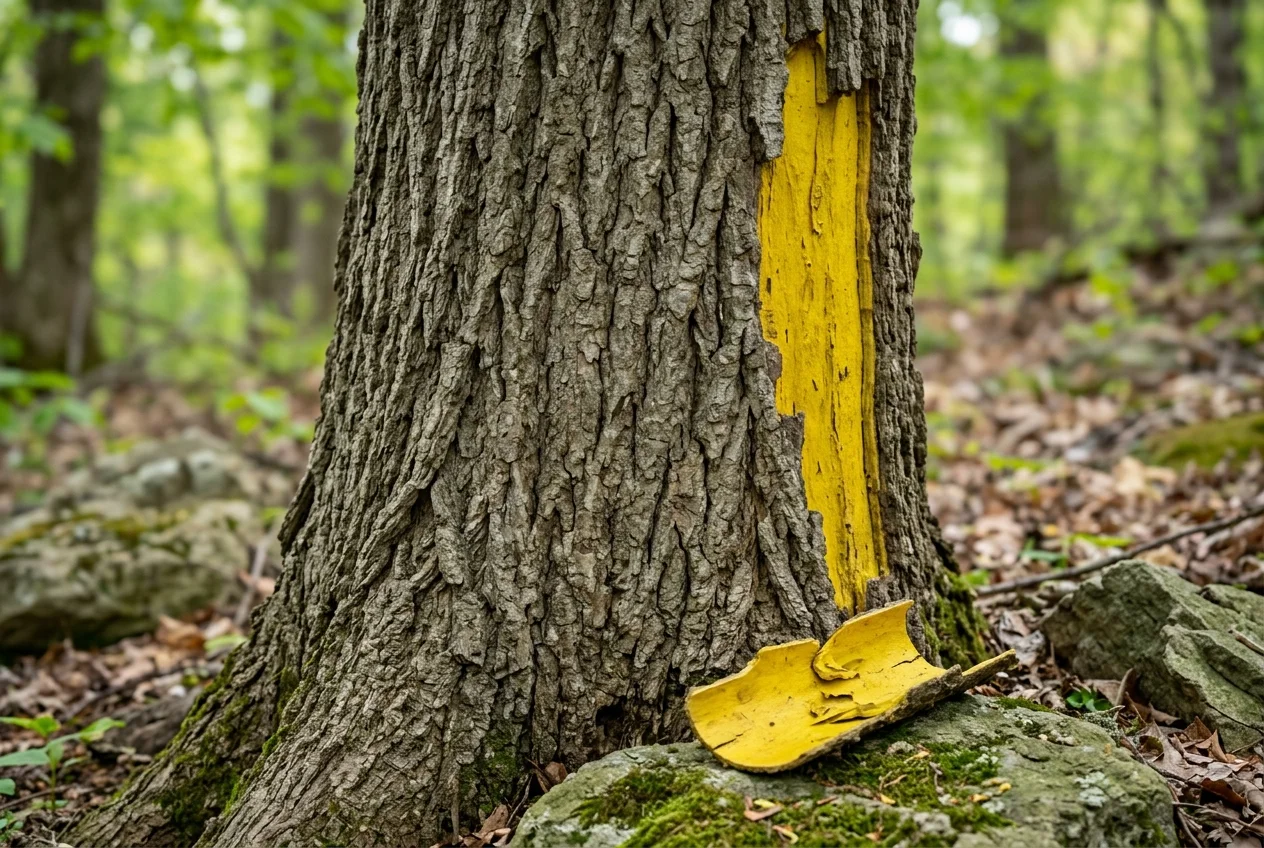
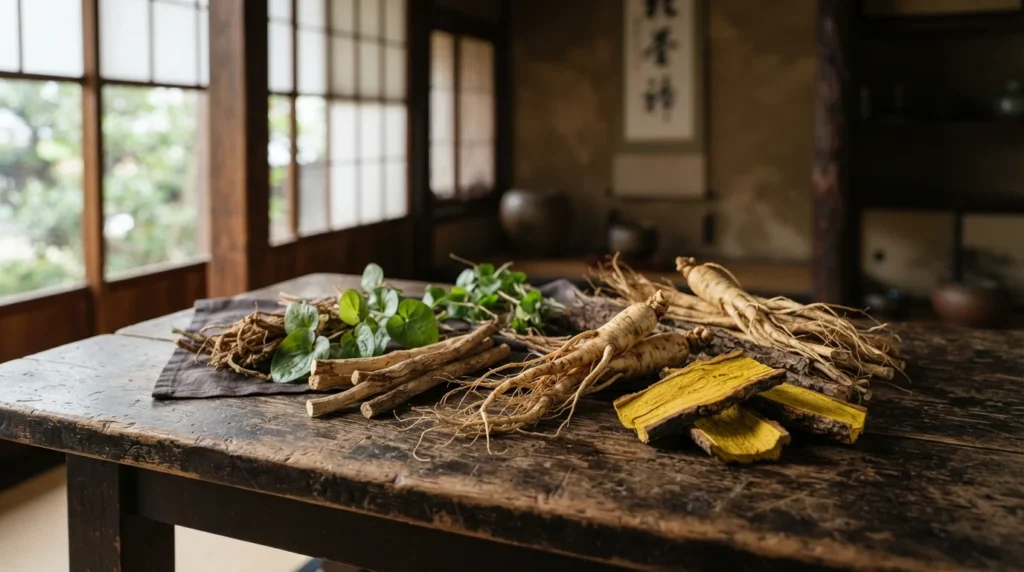
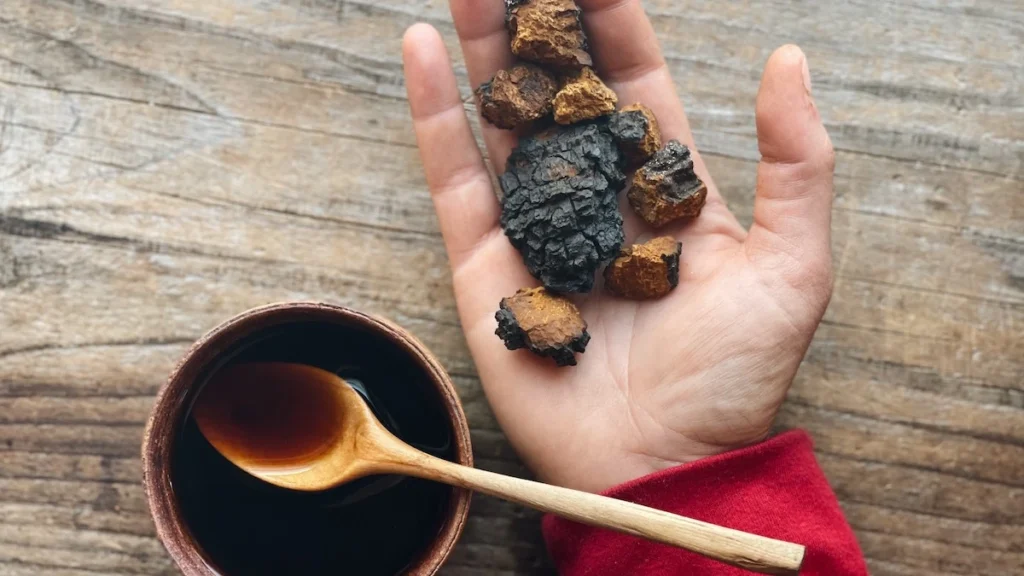
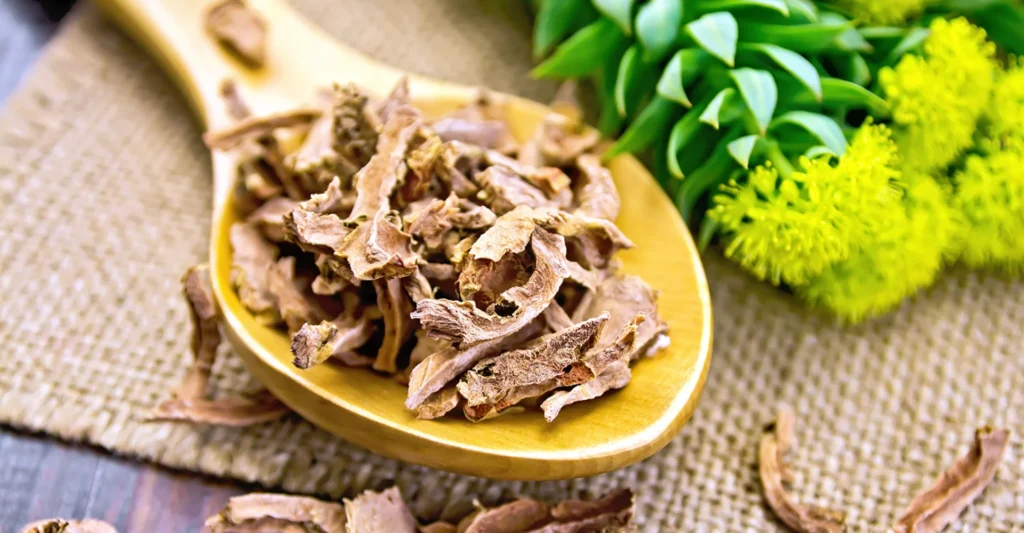
Kihada, commonly identified as the Amur cork tree (Phellodendron amurense), is a deciduous tree native to parts of East Asia. In Japanese herbal medicine, its medicinal bark is known as obaku or ōbaku.
The tree is especially relevant to the history of Shugendo because it provides the principal botanical ingredient in traditional Daranisuke. The inner bark has a distinctive yellow colour, a characteristic reflected in the Japanese name kihada.
The use of kihada illustrates an important feature of traditional mountain medicine. Practitioners and local communities did not necessarily depend on rare imported plants. They could also develop remedies from trees and other vegetation available in their own environments.
Regional traditions associate the use of kihada bark with En no Gyoja and the development of early Japanese remedies around the Omine mountains. Stories describe him extracting the bark’s medicinal properties and passing knowledge of its preparation to later ascetics.
One recurring theme is the idea that medicinal knowledge was transmitted through spiritual lineages. In traditional accounts, the founder’s knowledge was not simply an individual discovery; it became part of a community’s continuing responsibility to care for pilgrims and local residents.
These stories are important cultural records, but they should not be mistaken for laboratory documentation. The precise date at which a particular preparation originated, and whether its original ingredients were identical to those used today, cannot be established solely from a religious legend.
The historical association is nevertheless supported by regional records describing kihada-based preparations as part of Nara’s traditional medicine culture. The Nara Prefecture history of traditional medicine discusses En no Gyoja’s association with medicines made from Amur cork tree bark and mountain herbs.
Kihada bark contains several plant chemicals, including berberine and related alkaloids. These compounds have been investigated for a range of biological effects, including antimicrobial and metabolic activity.
However, three different questions must be kept separate:
Evidence at one level does not automatically establish evidence at the next. Laboratory activity, for example, does not prove that drinking a bark preparation will treat an infection or improve metabolic health.
There is also no basis for assuming that all products containing kihada have the same chemical composition or effects. Species identification, harvesting conditions, extraction procedures, and manufacturing standards can all affect the finished product.
Kihada offers an example of how a traditional plant can become part of a broader scientific conversation without losing its historical identity. It is relevant to researchers studying botanical compounds, Japanese folk medicine, and the development of traditional digestive remedies.
For supplement consumers in 2026, its history provides a useful reminder: an ingredient’s traditional reputation may justify further investigation, but it does not replace evidence from well-designed human studies.
Concentrated botanical products may also cause adverse effects or interact with medicines. Kihada bark and berberine-containing preparations should not be treated as automatically safe because they are plant-derived.
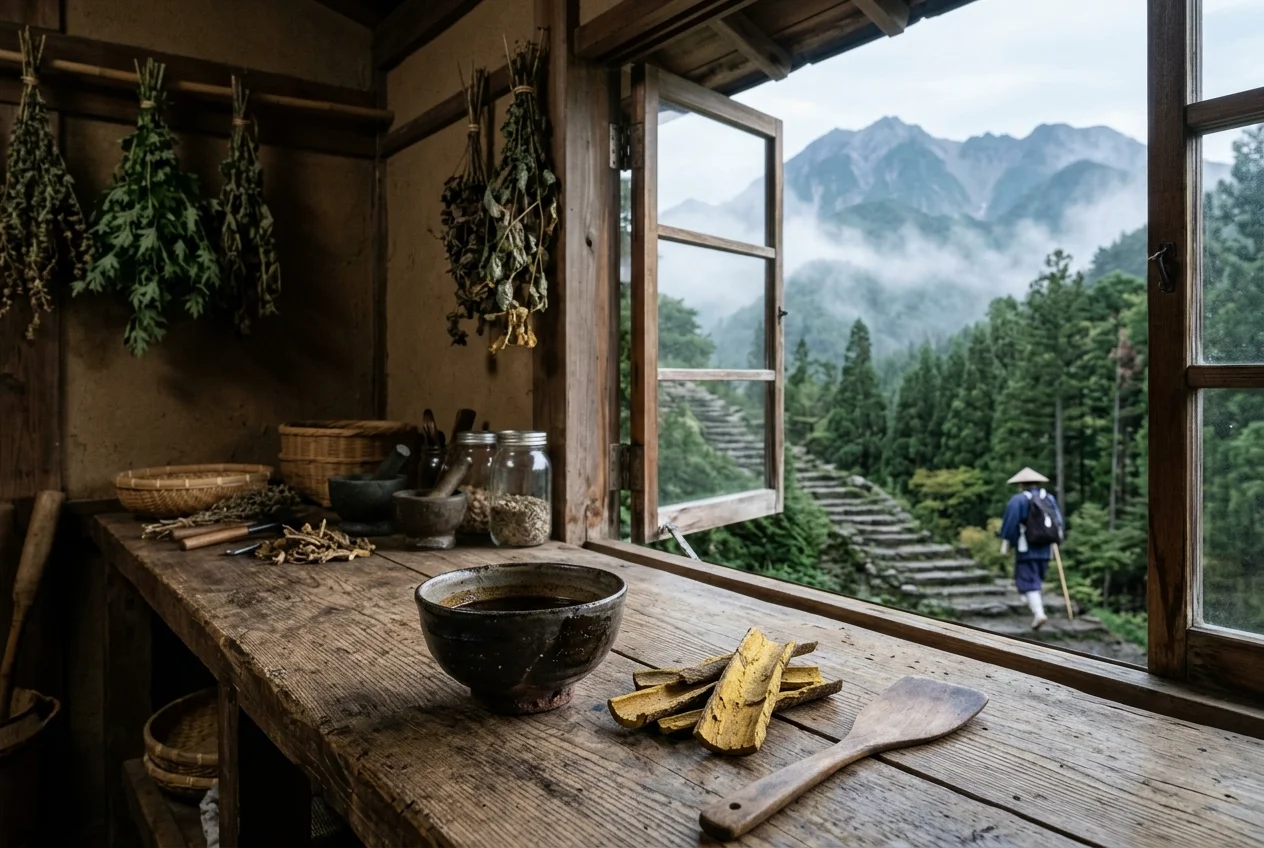
Hyakuso is a traditional Japanese medicinal preparation associated with the Kiso region at the foot of Mount Ontake, a sacred mountain with a long history of religious devotion and ascetic practice.
The name is often interpreted through the idea of many medicinal herbs. Traditional explanations vary: some connect it with the use of multiple plants, while others associate the name with the potency attributed to the remedy.
A key ingredient in the traditional preparation is kihada extract. Hyakuso is also linked to the wider culture of Ontake worship, in which mountain pilgrimage, religious devotion, and practical knowledge of the local environment developed together.
The modern digestive medicine Hyakuso-maru is associated with this tradition, although historical Hyakuso preparations and current commercial formulations should not automatically be considered identical.
The religious history of Mount Ontake includes practitioners who undertook ascetic training and promoted forms of mountain worship. Knowledge of local plants was part of the broader practical world in which pilgrims, religious specialists, and village communities operated.
The history of Hyakuso shows how a traditional medicine could become linked to a particular sacred landscape. The identity of the remedy was shaped not only by its ingredients but also by the mountain, the people who prepared it, and the religious networks through which its reputation spread.
According to the history published by Nagano Pharmaceutical, Hyakuso developed around the Kiso region and its relationship with Mount Ontake. The company describes kihada extract as its principal ingredient and traces the preparation’s traditional reputation to mountain ascetics and regional medicinal knowledge.
Unlike a story about a supernatural herb granted by a deity, Hyakuso’s history is better understood through a combination of regional tradition, religious folklore, and accounts of medicinal practice.
One explanation for the wider name Hyakuso invokes the ancient Chinese legend of Shennong, a legendary ruler and culture hero associated with testing medicinal plants. In this story, Shennong tastes numerous plants to discover their properties.
That legend belongs to the broader history of East Asian herbal medicine; it should not be presented as a specifically Japanese Shugendo myth or proof that Shennong invented the Mount Ontake preparation.
Similarly, the historical connection between Hyakuso and yamabushi does not establish that the medicine played a documented role in a major mythological battle, supernatural event, or ancient Japanese epic.
Its cultural importance lies in a more grounded story: a traditional remedy became associated with a sacred mountain and the communities that gathered around it.
Hyakuso has traditionally been used as a digestive remedy. Its association with kihada means that some of the scientific questions relevant to its principal ingredient also apply to this preparation.
However, it is not scientifically sound to attribute every potential effect of kihada or berberine to Hyakuso without evaluating the finished product. The full formulation, concentration, and dosage matter.
The available historical accounts establish a cultural and medicinal tradition, not definitive proof that Hyakuso prevents or treats a particular disease. Claims about treating chronic gastrointestinal conditions, infections, or metabolic disorders require evidence specific to the preparation and the condition being treated.
Hyakuso illustrates the role of regional identity in Japan’s traditional medicine culture. The remedy’s story connects a mountain pilgrimage tradition with botanical knowledge, local manufacturing, and the preservation of historical practices.
In a modern wellness market often dominated by internationally popular ingredients, Hyakuso offers a different perspective: the history of a remedy can be deeply local, even when its principal botanical ingredient is part of a much wider East Asian medical tradition.
Its continuing commercial presence also provides an opportunity to examine how traditional preparations are standardized, regulated, and evaluated as consumer health products.
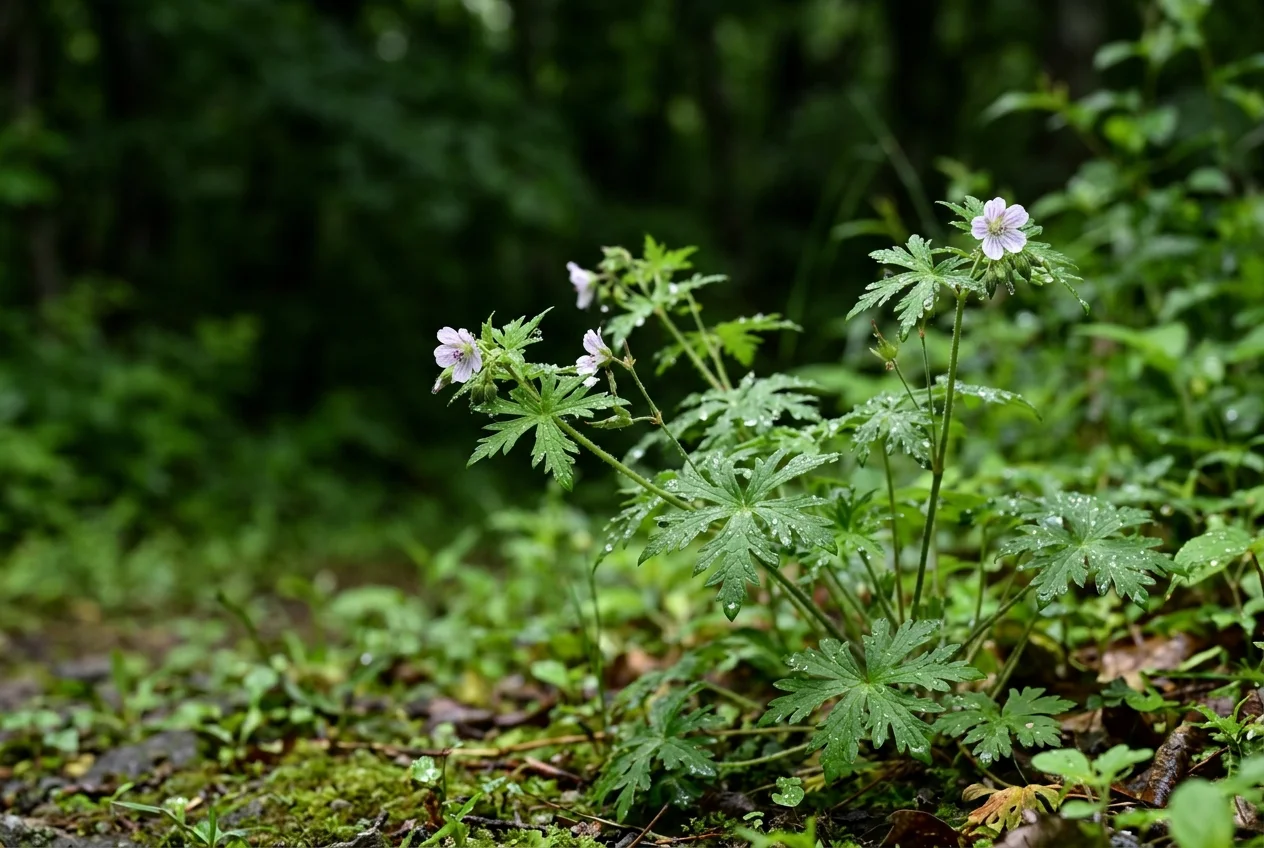
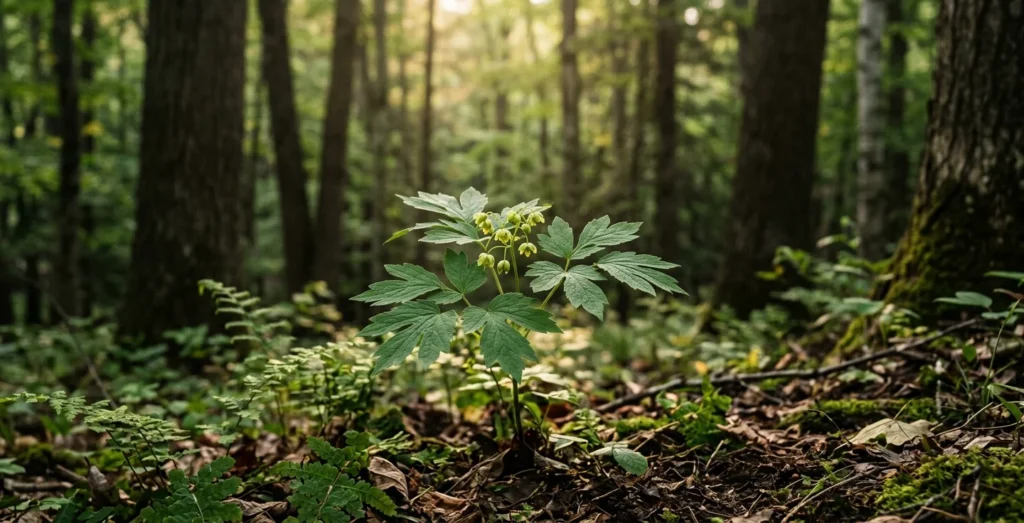
Gennoshoko is the Japanese name for a group of medicinal plants commonly identified with Geranium thunbergii. The herb has a long history in Japanese folk medicine, particularly in preparations used for digestive complaints.
Its name is often explained through a traditional expression meaning, approximately, “the evidence of its effect.” Such explanations reflect the plant’s reputation in folk medicine, rather than a scientific conclusion that it works for every condition for which it has been used.
Gennoshoko is relevant to this article because it appears as an additional botanical ingredient in some formulations of Daranisuke. Its connection to Shugendo is therefore primarily through traditional remedies associated with mountain communities, rather than evidence that every yamabushi used it in a standard supplement.
Japanese folk medicine developed through a combination of local plant knowledge, imported East Asian medical traditions, and the practical needs of rural communities.
Plants used for everyday complaints could become incorporated into established remedies and passed from one generation to the next. In mountainous areas, the knowledge of local vegetation was especially valuable to people who travelled long distances or lived far from major settlements.
Gennoshoko’s traditional role in digestive preparations reflects this practical side of Japanese herbal history. It also demonstrates that traditional remedies often rely on combinations of ingredients rather than on a single plant marketed for one headline benefit.
There is no reliable basis for claiming that Gennoshoko was singled out in a major Shugendo creation myth or that a named deity bestowed it on En no Gyoja. Its relevance is botanical and medicinal, supported by its presence in certain traditional formulations.
Gennoshoko has traditionally been used for digestive symptoms, including diarrhoea. But traditional use alone does not establish that a preparation containing the herb is effective for all gastrointestinal problems.
Scientific assessment requires attention to the specific plant material, preparation, dose, and health outcome. Evidence from one extract cannot automatically be transferred to a different preparation, and results from laboratory experiments do not establish clinical effectiveness.
For this reason, Gennoshoko is best described as a traditional medicinal herb with a history of digestive use, rather than as a proven treatment for intestinal disease.
Persistent diarrhoea can lead to dehydration and may be caused by infections or other conditions that require medical assessment. A traditional herb should not delay appropriate care, especially in young children, older adults, or people who are already dehydrated.
Gennoshoko is relevant to modern interest in traditional Japanese botanicals because it illustrates how individual plants can be incorporated into broader herbal formulations.
It also raises a useful question for contemporary supplement research: does a combination work better than its individual ingredients, or does one ingredient account for most of the observed effect?
Answering that question requires controlled research on the complete formulation and its components. The historical use of a plant can guide research, but it cannot settle the question on its own.
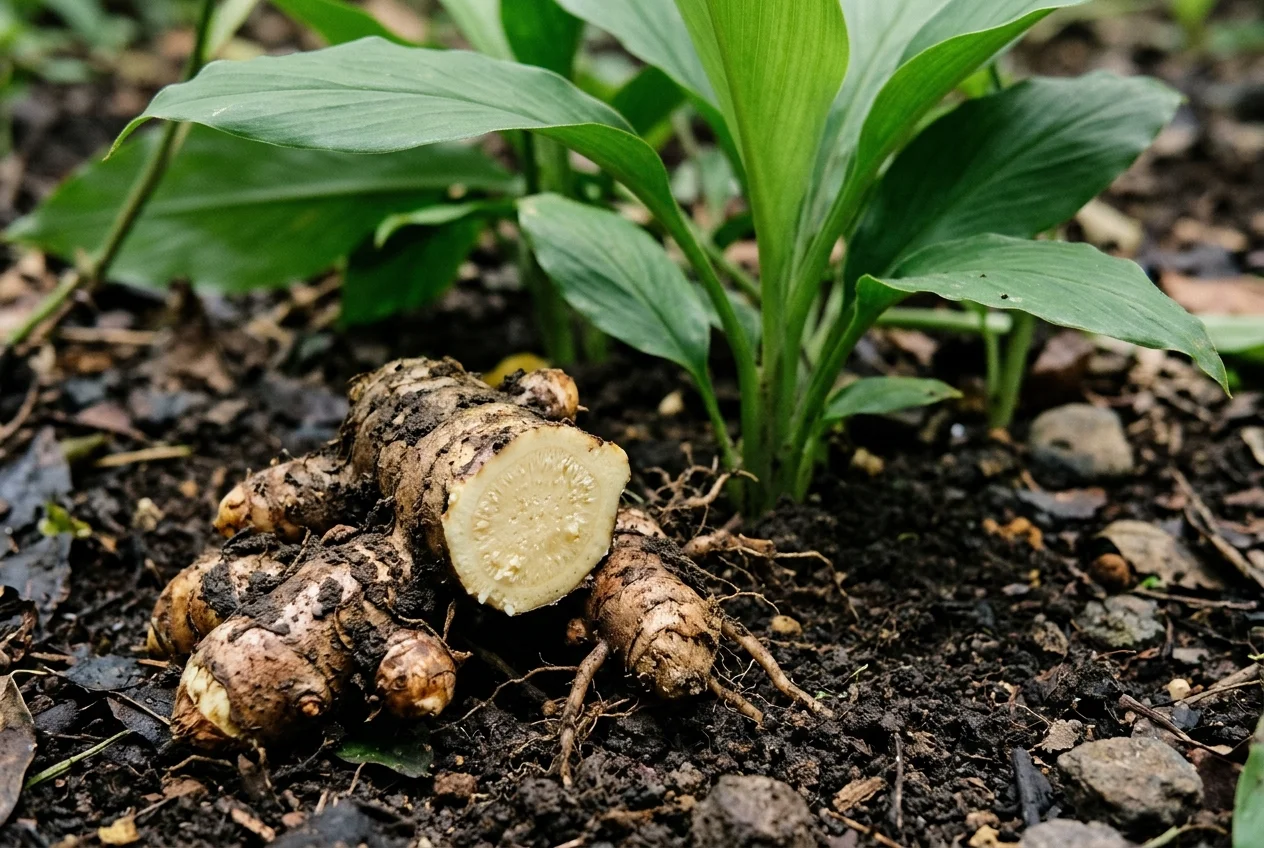
Gajutsu is a Japanese herbal-medicine name associated with Curcuma zedoaria, a rhizomatous plant related to turmeric and ginger. Its underground stem is used in traditional East Asian herbal practices.
Although it is not as widely recognized by general consumers as turmeric, gajutsu has a place in Japanese herbal formulations, including certain preparations of Daranisuke.
The plant is a useful example of the botanical diversity behind traditional mountain medicines. These remedies were not necessarily based on one celebrated “superfood.” Instead, their formulations could draw on several plants selected according to established preparation methods and inherited medical theories.
There is no strong basis for claiming that gajutsu itself features prominently in a famous Shugendo myth, a creation story, or a major supernatural event involving En no Gyoja.
Its connection to the subject is more limited and precise: it is an ingredient used in some traditional medicinal preparations associated with the regional history of Japanese herbal medicine.
That distinction matters for an article about hidden supplements. A plant can have historical significance without being the subject of a myth, and a remedy can be associated with a religious community without every ingredient having an independent religious story.
Gajutsu has been used in traditional herbal systems for digestive and other complaints. However, the traditional rationale for using an ingredient is not equivalent to a demonstrated clinical benefit.
Modern research into botanical ingredients often begins with chemical analysis and laboratory studies. Researchers then need to establish whether the findings translate into meaningful effects in people, whether the preparation is safe at the intended dose, and whether it interacts with other medicines.
The same standards apply to gajutsu. It would be premature to market it as a proven supplement for weight loss, liver health, inflammation, or another specific condition without appropriate evidence for the actual product and claim.
People with existing medical conditions, those taking prescription medicines, and anyone considering concentrated herbal products should discuss potential risks with a qualified healthcare professional.
Gajutsu demonstrates why traditional medicine deserves careful rather than uncritical attention. Its long history provides a reason to investigate the plant, its chemistry, and its role in multi-ingredient preparations. It does not guarantee that every modern product containing it will be effective or safe.
For readers exploring traditional Japanese wellness, gajutsu is also a reminder that the ingredients behind regional remedies can be unfamiliar even when the remedies themselves have been used for generations.
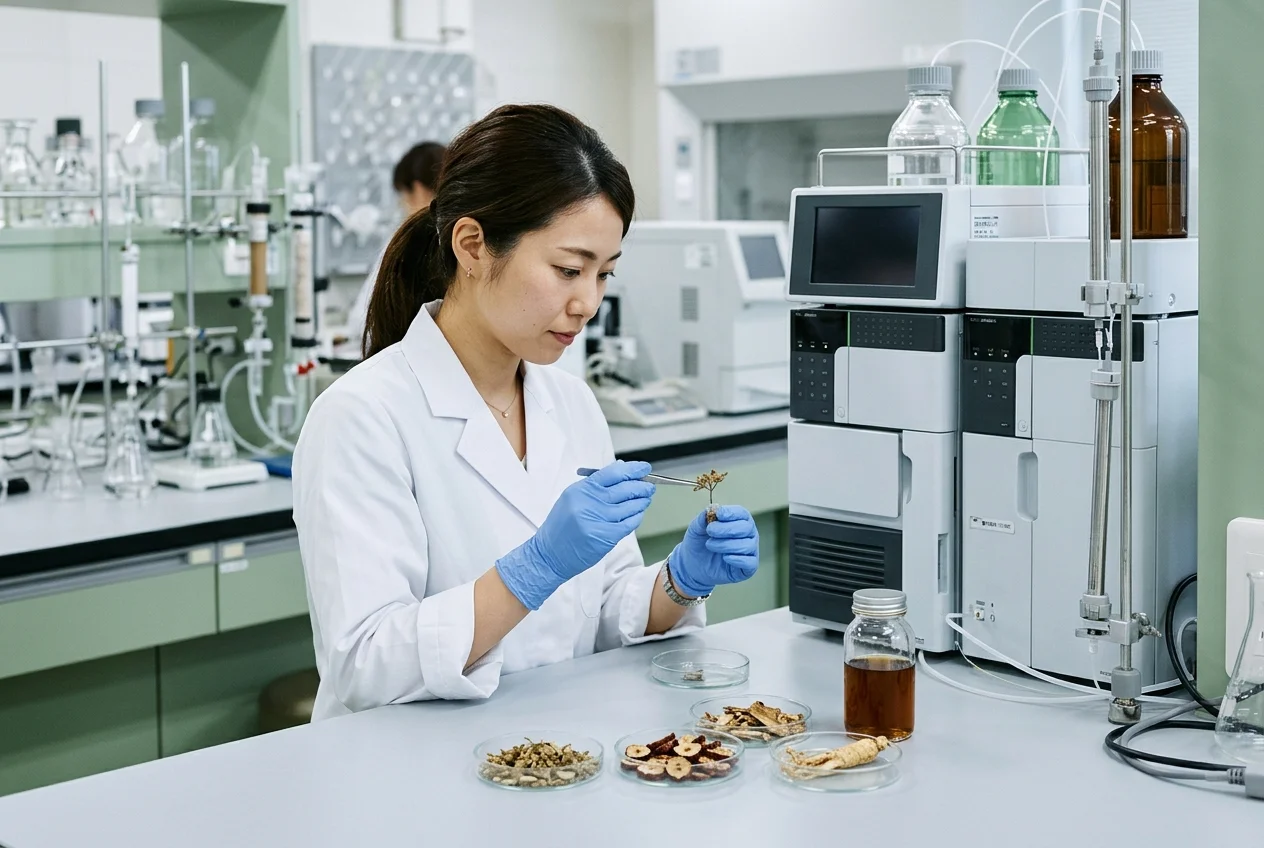
Interest in traditional Japanese medicine continues alongside scientific efforts to understand botanical compounds and multi-ingredient formulations. But the most important modern development is not a blanket endorsement of ancient remedies. It is the growing effort to assess them using defined research methods.
Kampo, Japan’s system of traditional herbal medicine, uses formulations that combine multiple crude drugs. Some Kampo medicines are prescribed in modern clinical settings, and certain formulations are covered by Japan’s health insurance system. Kampo is related to the wider history of East Asian medicine, but it should not be treated as synonymous with Shugendo or with every regional folk remedy.
An April 2026 study in Scientific Reports, titled “Nationwide survey of Japanese Physicians on Kampo medicine use in frailty care”, examined physicians’ use of Kampo in the context of frailty care. It illustrates the continuing medical interest in traditional formulations, particularly as Japan addresses the health needs of an ageing population.
The study does not validate Daranisuke, Hyakuso, or every botanical ingredient described in this article. Its subject is broader Kampo practice and physician perspectives. This is an important distinction when discussing contemporary relevance.
There are several questions that researchers and consumers should ask about any traditional supplement:
1. Is the ingredient correctly identified? Common names can refer to different species, and the chemical composition of plants can vary.
2. Has the finished preparation been tested? Evidence about an isolated compound may not apply to a multi-ingredient product.
3. Are the benefits demonstrated in humans? Laboratory results and traditional accounts are useful starting points, but they do not replace well-designed clinical studies.
4. Is the product manufactured consistently? Dosage, contamination controls, ingredient authentication, and quality standards can influence safety and reliability.
5. Are the risks clearly understood? Natural products can cause adverse effects and interact with prescription or over-the-counter medicines.
These questions are especially important when a product is promoted through spiritual history. A connection with a sacred mountain or a respected religious figure can explain why a remedy matters culturally, but it cannot establish a medical claim.
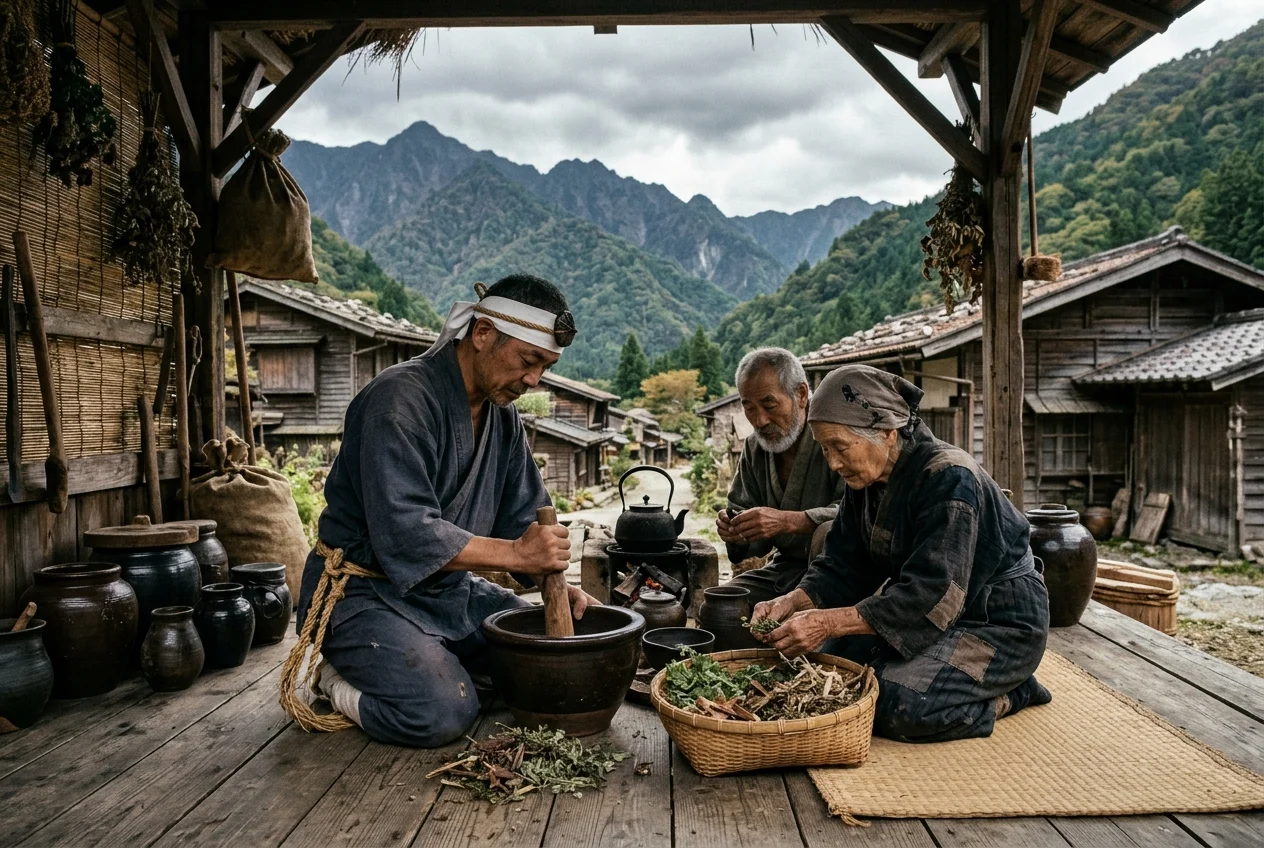
The relationship between Shugendo and Japanese religious storytelling deserves careful treatment. En no Gyoja is surrounded by legends of extraordinary spiritual abilities, communication with supernatural beings, and mastery of the mountains. His traditional status as a founder gives him a central role in Shugendo’s cultural memory.
The accounts associated with Daranisuke are particularly relevant because they portray him using medicinal plants to help people during an outbreak of illness. In some regional versions, the preparation and distribution of medicine are described as acts of community relief.
However, this should not be presented as a proven medical intervention during a fully documented epidemic. The available accounts are traditional histories and religious legends, not modern epidemiological records.
The other remedies discussed here have a more indirect relationship with religious storytelling. Kihada is connected to the origin traditions of Daranisuke; Hyakuso is linked to Mount Ontake and its ascetic culture; and Gennoshoko and gajutsu are associated with certain herbal formulations.
No reliable evidence establishes that all five were used in one major mythological event or that they formed a standardized medicinal kit carried by every yamabushi. Treating them as five legendary supplements with identical origins would obscure the more interesting history: Japanese mountain medicine developed through a mixture of regional knowledge, religious networks, and changing medical practices.
For further historical context, the Japan National Tourism Organization’s overview of Shugendo explains the tradition’s combination of mountain worship, Buddhism, and other influences, including the role of yamabushi in some communities as people familiar with healing herbs.

A traditional remedy’s long history does not make it suitable for everyone. Herbal medicines vary in composition, strength, and quality, and their effects can depend on a person’s health, other medications, and the dose consumed.
Keep the following precautions in mind:
Pregnant or breastfeeding people and individuals with chronic medical conditions should be particularly cautious with concentrated herbal products. A healthcare professional or pharmacist can help assess whether a specific preparation is appropriate.
These precautions do not diminish the historical value of Japanese herbal medicine. They simply separate cultural heritage from the standards required to establish modern safety and effectiveness.
Shugendo’s history reveals a side of Japanese wellness culture that is often overlooked. Alongside mountain asceticism, meditation, ritual practice, and reverence for nature, some regional communities preserved knowledge of medicinal plants and developed remedies that became part of local life.
Daranisuke provides the clearest example of a remedy closely associated with yamabushi and the Omine mountains. Kihada bark is central to its traditional formulation, while Hyakuso reflects the medicinal heritage surrounding Mount Ontake. Gennoshoko and gajutsu demonstrate how additional botanical ingredients became part of certain Japanese herbal preparations.
The stories surrounding these remedies combine practical experience with religious memory. Legends about En no Gyoja portray a figure whose spiritual authority was expressed partly through helping sick people. Yet these accounts must be read as cultural traditions, not as proof of miraculous cures or verified ancient medical trials.
In 2026, the most useful way to understand these remedies is through both historical curiosity and scientific caution. Their origins help explain how Japanese communities connected the natural environment with health and religious life. Modern research can investigate their ingredients, assess their safety, and determine which claims—if any—are supported by clinical evidence.
The enduring lesson of Shugendo’s herbal legacy is not that ancient supplements are automatically superior to modern medicine. It is that traditional knowledge can provide valuable historical insight and promising research questions, provided that its stories are preserved accurately and its health claims are tested rigorously.
Shugendo is a Japanese religious tradition combining mountain asceticism, elements of Shinto, esoteric Buddhism, and other influences. Its practitioners, known as yamabushi or shugenja, undertake spiritual training in sacred natural environments.
Daranisuke is one of the best-known regional remedies associated with Shugendo, particularly the Omine mountain area of Nara Prefecture. It is traditionally used for digestive complaints and is primarily based on kihada bark.
No general conclusion applies to all five. Their traditional uses and historical associations are documented to varying degrees, but the evidence for the safety and effectiveness of each finished preparation must be evaluated separately.
Some traditional preparations associated with Japanese mountain regions continue to be sold, including Daranisuke and products linked to the Hyakuso tradition. Modern formulations and manufacturing methods may differ from historical preparations.
No. Shugendo is a religious tradition centred on mountain practice and spiritual training. Kampo is a system of traditional Japanese herbal medicine. Their histories overlap with broader Japanese and East Asian traditions, but they are not interchangeable terms.
No. En no Gyoja is traditionally associated with the origins of particular mountain remedies, especially Daranisuke, but Japanese and East Asian herbal medicine developed over a much broader historical period. The legendary accounts do not establish that he invented the entire tradition.