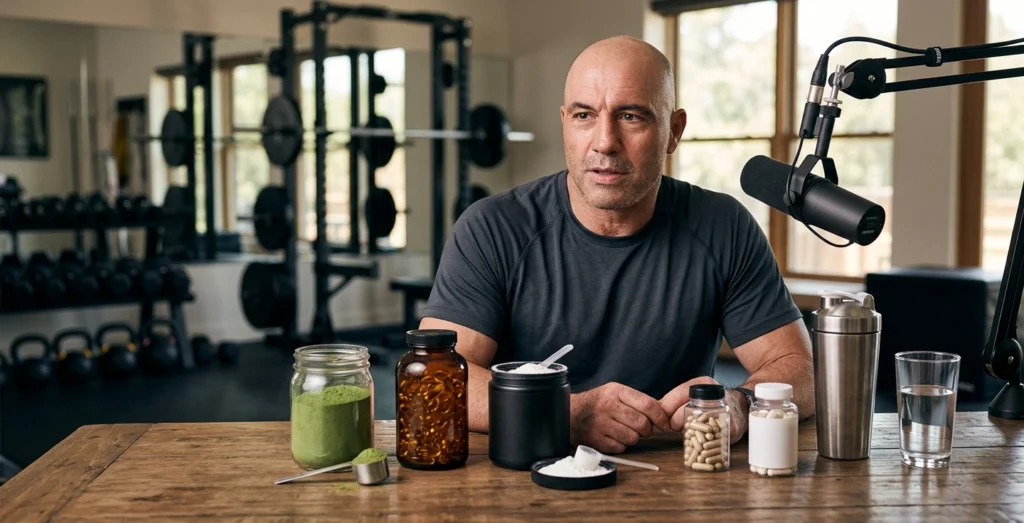
Biohacking is about using science-backed strategies to improve your health, energy, and overall well-being. This guide explores five core principles that support better sleep, balanced nutrition, regular exercise, and mental performance.
Learn how daily habits and lifestyle changes can help your body function more efficiently.
Discover practical ways to support recovery, build resilience, and maintain long-term health.
Explore how evidence-based biohacking can help you feel better, perform at your best, and promote healthy aging and longevity.
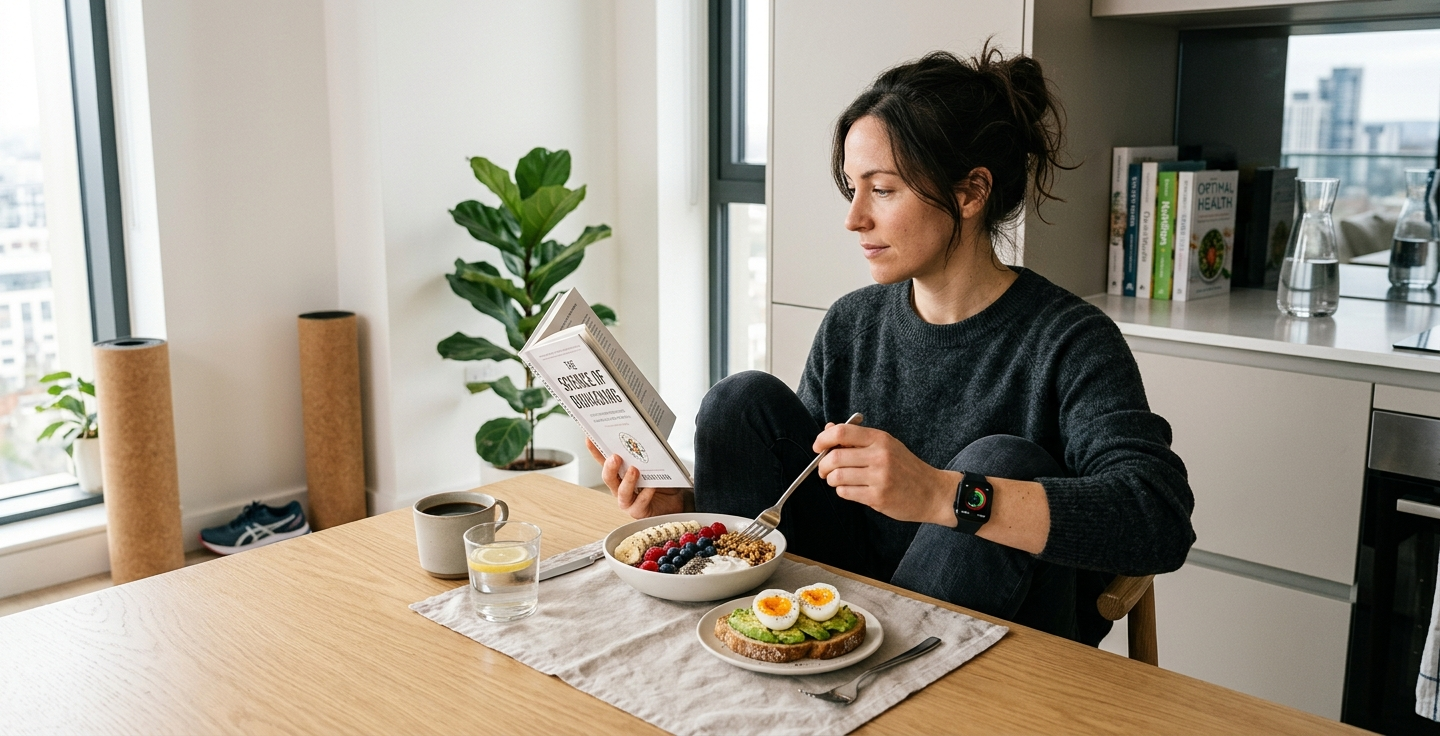
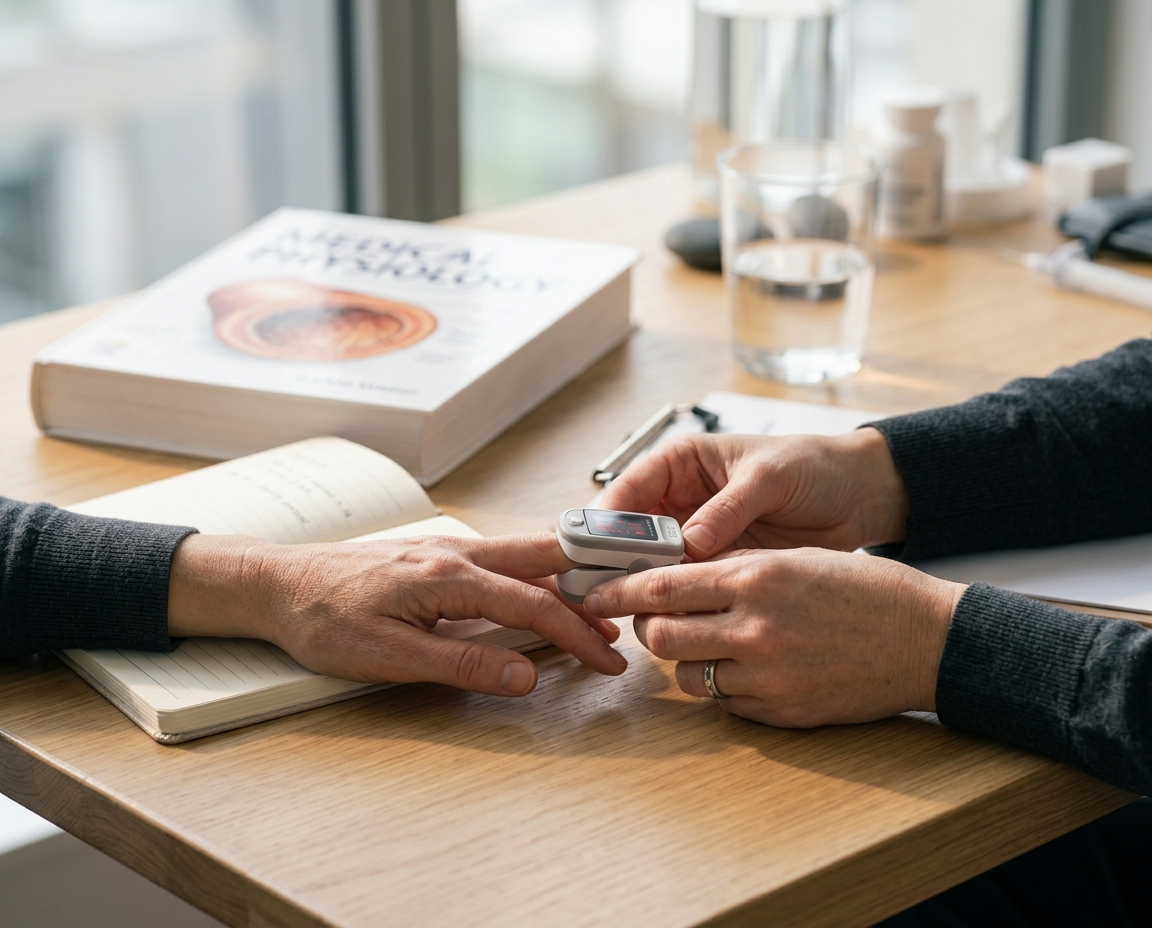
What if improving your health did not require an expensive supplement stack, a complicated morning routine or the latest wearable device? What if the most effective starting point was simply understanding how your body responds to sleep, food, movement, stress and everyday habits?
That is the central idea behind biohacking.
Biohacking is a broad term for making deliberate changes to your lifestyle, environment or health practices to improve physical performance, mental clarity, energy levels and overall well-being. It can involve something as simple as adjusting your bedtime or taking a walk after lunch, as well as more advanced approaches such as continuous glucose monitoring, personalized health assessments and other technology-assisted experiments.
The growing interest in biohacking reflects a broader shift in healthcare and wellness: people increasingly want to understand their individual health patterns rather than rely exclusively on generic advice. Consumer wearables, personalized nutrition platforms and artificial intelligence-powered health tools are making it easier to collect information about everyday behaviors.
However, more information does not automatically mean better health. The Cleveland Clinic and Scripps Health have both highlighted the distinction between relatively low-risk lifestyle changes and experimental biohacking methods that may carry substantial risks.
This distinction matters because the term biohacking covers practices with very different levels of scientific support. Improving sleep consistency is not equivalent to taking unregulated hormones. Monitoring daily activity is not the same as diagnosing a disease with a smartwatch.
The most useful approach begins with five foundational principles: sleep optimization, intelligent nutrition, purposeful movement, stress regulation and evidence-based self-tracking. Together, they provide a practical framework for improving health without confusing technological novelty with medical progress.
These principles are interconnected rather than independent. Poor sleep can influence appetite and exercise motivation. Chronic stress can interfere with sleep. Regular exercise can support mood and sleep quality, while consistent tracking can help identify which routines are sustainable.
The objective is not to optimize every biological measurement. It is to build habits that improve how you function today while supporting your health over the long term.
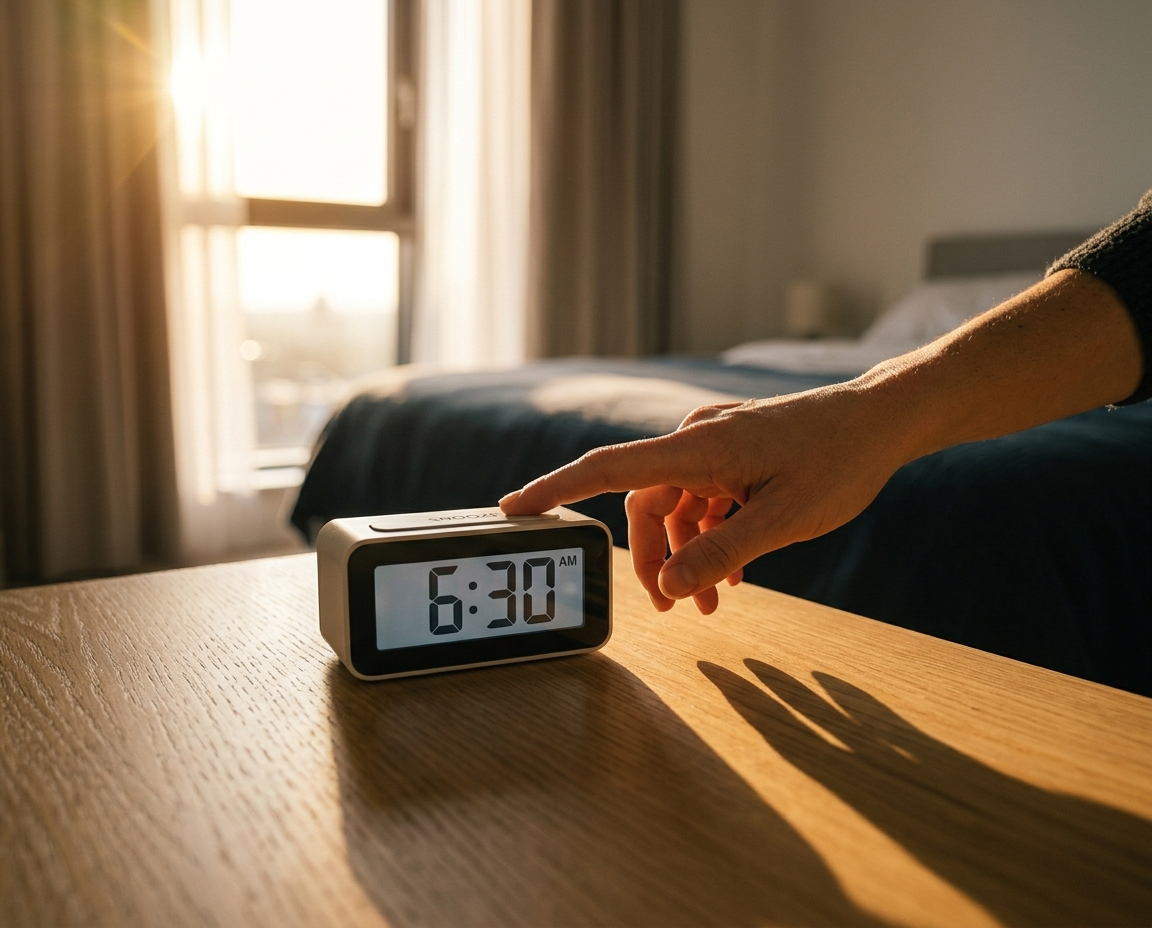
Sleep is one of the most important foundations of health optimization, yet it is frequently overlooked in conversations about productivity and longevity.
In a culture that celebrates early mornings, late-night work and constant availability, sleep can appear to be time taken away from achievement. Human physiology tells a different story. Sleep supports learning, memory, emotional regulation, immune function and normal metabolic processes. It also provides an essential period of recovery after daily physical and mental demands.
For this reason, effective biohacking begins by improving sleep before introducing complicated interventions.
The circadian rhythm is the body’s internal timing system, which coordinates processes such as sleep and wakefulness, hormone secretion and daily fluctuations in alertness. Light exposure, meal timing, physical activity and regular daily routines can influence this system.
One practical strategy is to maintain a reasonably consistent bedtime and wake-up time, including on weekends. Regularity can help reinforce your sleep-wake rhythm, although the ideal schedule depends on your work, responsibilities and individual sleep needs.
Morning daylight can also help signal daytime to the body. Conversely, bright light late at night may delay sleep timing in some people. Reducing unnecessary bright light before bed, particularly when it interferes with your usual routine, can be useful.
The aim is not to follow a rigid schedule at any cost. It is to create predictable cues that help your body distinguish between active hours and recovery time.
Many people focus exclusively on how many hours they spend in bed. Duration matters, but so do regularity, interruptions and how rested you feel during the day.
For most adults aged 18–60, the CDC recommends at least seven hours of sleep per night. Individual requirements vary, and age, health conditions and life circumstances can change sleep needs.
A practical sleep optimization routine includes:
These measures are generally more defensible starting points than relying on expensive sleep supplements or unproven recovery gadgets.
Wearables and sleep-tracking applications can estimate sleep duration, movement, heart rate and, in some cases, other physiological signals. Over time, these measurements may reveal associations between your routine and your sleep.
For example, a person might notice that late caffeine consumption repeatedly coincides with shorter sleep or that a consistent bedtime is associated with feeling more refreshed.
However, consumer sleep trackers estimate sleep using sensors and algorithms. They do not directly measure every aspect of sleep, and their estimates of sleep stages may be inaccurate. A 2024 review in Sleep discussed both the potential of wearable sleep technology and important limitations in its performance and interpretation.
A sleep score should therefore be treated as an approximate indicator, not a medical diagnosis.
Practical biohack: For two weeks, maintain a consistent wake-up time, get outdoor light in the morning and record your bedtime, caffeine intake and daytime energy. Look for patterns before purchasing new equipment.
The larger lesson is straightforward: sleep optimization is not about forcing the body into perfect numbers. It is about creating the conditions for reliable recovery.

Nutrition is another central principle of biohacking because food supplies the energy and nutrients required for movement, tissue maintenance, immune function and normal physiological processes.
The challenge is separating evidence-based nutrition from the increasingly crowded market of restrictive diets, miracle supplements and claims about metabolic optimization.
There is no single diet that works equally well for every person. Food preferences, cultural traditions, budget, activity levels, medical conditions and individual nutritional needs all influence what a sustainable eating pattern looks like.
A sound biohacking strategy starts with dietary quality rather than dietary complexity.
A balanced eating pattern generally emphasizes vegetables, fruits, legumes, whole grains, nuts, appropriate sources of protein and unsaturated fats. It also limits excessive intake of highly processed foods, added sugars, sodium and other ingredients that can displace more nutritious choices.
Protein supports muscle maintenance and repair. Fiber supports digestive health and can help with satiety. Healthy fats provide essential fatty acids and help the body absorb fat-soluble vitamins. Vitamins and minerals support numerous biological processes, although taking more than the body needs does not necessarily provide additional benefits.
Rather than searching for one superfood, focus on dietary variety and consistency.
For someone living in Bangladesh, a practical approach could include rice or whole-grain roti, lentils, seasonal vegetables, eggs, fish and fruit. There is no requirement to adopt expensive imported foods, powders or specialty diets to eat well.
Metabolic health describes how effectively the body manages energy and processes nutrients. Blood glucose regulation is one component of this broader picture, alongside blood pressure, blood lipids and other indicators.
Meals containing fiber-rich carbohydrates, protein and healthy fats can influence how quickly glucose enters the bloodstream. Portion sizes, food preparation, activity, sleep and individual metabolic health also matter.
Some biohackers use continuous glucose monitors (CGMs) to observe glucose patterns. These devices can be valuable for people with diabetes when used appropriately, and clinicians may recommend them for particular medical circumstances.
For otherwise healthy individuals, however, the benefit of wearing a CGM solely to optimize everyday meals is less established. A single glucose rise after eating does not automatically indicate disease, and normal glucose variation should not be confused with a medical problem.
If glucose monitoring is being considered for a health concern, discuss its suitability with a qualified clinician rather than interpreting every reading independently.
Intermittent fasting involves restricting eating to particular hours or days. Some approaches may help people reduce overall calorie intake or establish more structured eating routines. Outcomes depend on the protocol, the individual and what is eaten during the available eating period.
Fasting is not inherently superior to every other sustainable approach to nutrition. Nor is it appropriate for everyone.
People who are pregnant or breastfeeding, those with a history of eating disorders, individuals taking glucose-lowering medication and people with certain medical conditions should seek appropriate professional guidance before attempting restrictive fasting schedules. Children and adolescents also have different nutritional needs from adults.
The same caution applies to supplement stacks. A product marketed for energy, anti-aging or metabolic support may have limited evidence, interact with medication or contain ingredients that are unsuitable for a particular person.
Water supports circulation, temperature regulation, digestion and other physiological functions. Fluid requirements vary with climate, physical activity, body size, diet and health status.
A simple starting point is to drink regularly throughout the day and increase fluid intake when heat or exercise increases losses, unless a healthcare professional has advised fluid restriction.
There is no universal requirement to force excessive quantities of water or to buy specialized electrolyte products for ordinary daily activity.
Practical biohack: Improve one nutritional habit at a time. Add a source of protein to breakfast, increase vegetables at lunch, replace a sugary drink with water or prepare balanced snacks in advance. Evaluate whether the change improves energy, hunger management and consistency over several weeks.
The goal is not perfect eating. It is a nutritional pattern that provides adequate nourishment and remains realistic enough to sustain.
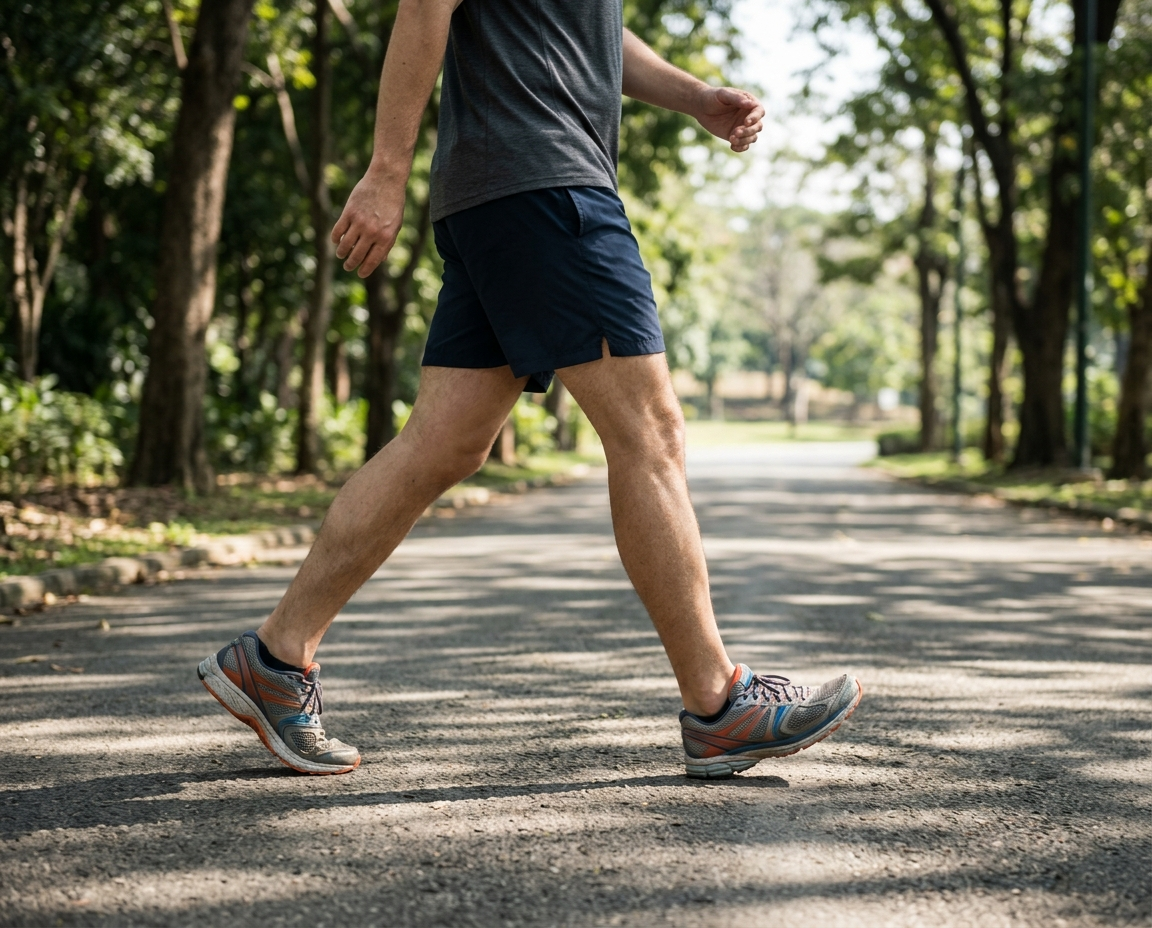
Biohacking is not exclusively about what happens inside the body at rest. Physical activity is one of the most direct ways to influence cardiovascular fitness, muscular strength, mobility, mood and long-term health.
Yet exercise advice often swings between two extremes: doing almost nothing and following demanding routines designed for professional athletes. Neither extreme is necessary for most people seeking better everyday health.
The more useful principle is progressive, consistent movement that matches your current fitness level.
Cardiovascular exercise challenges the heart and lungs. Brisk walking, cycling, swimming and jogging are common examples. Strength training, meanwhile, helps maintain muscle function and supports the physical capacity needed for daily activities.
The World Health Organization recommends that adults generally aim for 150–300 minutes of moderate-intensity aerobic activity each week, or 75–150 minutes of vigorous-intensity activity, or an equivalent combination. It also recommends muscle-strengthening activities involving major muscle groups on at least two days per week.
These targets are useful benchmarks, not a requirement to start exercising intensely on day one.
A beginner might start with a 10-minute walk and gradually increase the duration. Someone who already walks regularly might introduce bodyweight exercises, resistance bands or appropriately supervised weight training.
The principle is to create a manageable challenge, allow recovery and progress gradually.
A common mistake is to treat one workout as compensation for an otherwise inactive day.
For people who spend long hours at a computer, breaking up extended sitting can be a practical improvement. Stand during a phone call, walk briefly between tasks or take a short movement break during the working day.
These actions may appear insignificant, but they make physical activity easier to incorporate into a normal schedule.
Movement also does not have to take place in a gym. Household chores, walking to nearby destinations, gardening and active recreational activities all contribute to daily physical activity.
Progressive overload means gradually increasing the challenge placed on the body as fitness improves. Depending on the activity, this might involve increasing walking duration, adding repetitions, improving technique or using slightly more resistance.
The key word is gradually.
Sudden increases in training volume, inadequate recovery and exercising through significant pain can increase injury risk. Beginners and people returning after illness or injury should adjust their plans to their circumstances.
Advanced methods such as high-intensity interval training can be useful for some people, but they are not a mandatory feature of biohacking.
Exercise creates a stimulus; recovery allows the body to adapt. Sleep, adequate food intake, rest days when needed and appropriate training intensity all contribute to a sustainable routine.
More exercise is not automatically better. Persistent exhaustion, declining performance, recurring injuries or disrupted sleep may indicate that the current training load needs adjustment.
Wearables can help people monitor activity and maintain consistency. A 2026 umbrella review of studies involving wrist-worn wearables found that activity trackers can increase physical activity, although evidence for improvements in several other health outcomes remained inconsistent.
In other words, a device may help you move more, but wearing it is not itself the health intervention. The behavior it encourages is what matters.
Practical biohack: Schedule short walks during your working day, build toward the recommended weekly activity level and add two manageable strength sessions per week if appropriate. Track consistency rather than chasing personal records every day.

Physical health and mental well-being are closely connected. Stress is a normal response to demanding situations, but persistent stress can affect sleep, concentration, mood, relationships and health-related behaviors.
Biohacking often emphasizes measurable physical outcomes, such as resting heart rate or daily steps. Mental recovery deserves equal attention because the ability to concentrate, adapt and recover from pressure influences how well a person can sustain other healthy habits.
The aim is not to eliminate all stress. It is to improve your ability to respond to it without remaining in a constant state of overload.
Short-term stress can be adaptive. It can help a person respond to a deadline, avoid danger or prepare for a challenging event.
Chronic stress is different. When demanding circumstances continue without adequate recovery, stress can become harder to manage and may contribute to worsening health problems. The CDC’s 2026 stress-management guidance recommends practical approaches such as maintaining social connections, spending time outdoors, journaling and engaging in enjoyable relaxing activities.
These strategies may sound ordinary compared with high-tech wellness interventions. Their advantage is that they can be incorporated into everyday life without requiring specialized equipment.
Slow, comfortable breathing can help some people reduce immediate feelings of tension. Mindfulness and meditation may also help people develop greater awareness of thoughts, emotions and habitual reactions.
A beginner can try sitting comfortably for five minutes, breathing gently and returning attention to the breath whenever the mind wanders.
There is no need to force unusually deep breaths, hold the breath for prolonged periods or treat meditation as a performance challenge.
Yoga, prayer, reflective journaling, quiet outdoor walks and other personally meaningful practices can also provide opportunities for mental recovery. The best method is one that fits the individual’s circumstances and can be practiced consistently.
Relaxation techniques are not substitutes for professional treatment when someone experiences severe anxiety, depression, trauma-related symptoms or other persistent mental health difficulties.
Mental performance is influenced by more than motivation. Notifications, interruptions, unclear priorities and excessive multitasking can make demanding work feel more difficult.
Simple environmental changes may help:
These strategies are forms of behavioral optimization. They change the conditions in which attention and decision-making operate rather than relying on willpower alone.
Cold-water immersion, sauna routines, breathwork challenges and other practices receive substantial attention in wellness communities. Some may have specific uses, but the benefits, ideal protocols and risks vary by intervention.
Cold immersion can trigger abrupt cardiovascular responses, and extreme breathing practices can cause dizziness or fainting. Sauna use also requires consideration of hydration, heat tolerance and individual medical circumstances.
A practice does not become essential simply because athletes, influencers or longevity enthusiasts use it.
Practical biohack: Identify the most predictable source of daily stress and change one aspect of it. A five-minute breathing break, a short walk outside or a protected period without notifications may be more useful than adding another demanding task to your schedule.

The fifth principle distinguishes a thoughtful biohacking approach from a collection of wellness trends: measure what matters, test changes systematically and adjust according to the evidence.
Self-tracking can involve a notebook, a spreadsheet, a smartphone application, a smartwatch or clinically appropriate testing. The tool is secondary to the question being investigated.
For example, someone might want to understand whether afternoon caffeine affects sleep, whether a regular walking routine improves energy or whether a consistent bedtime reduces daytime fatigue.
Instead of guessing, they can observe their habits and look for patterns.
A baseline is a record of your usual behavior or condition before introducing an intervention.
Without a baseline, it is difficult to judge whether a new habit has made a meaningful difference. If someone starts a new supplement, changes their diet, increases exercise and begins sleeping earlier in the same week, any improvement becomes difficult to attribute to a specific change.
A more informative method is to document a few relevant measures for a short period, introduce one manageable change and continue recording the same measures.
| Stage | What to Do | Why It Matters |
|---|---|---|
| Baseline | Record bedtime, caffeine intake and daytime energy for 7–14 days. | Establish your usual pattern. |
| Experiment | Move caffeine earlier in the day. | Test one specific change. |
| Observation | Continue recording sleep and energy. | Look for consistent patterns. |
| Review | Compare the new period with the baseline. | Decide whether the change is useful. |
This is a practical personal experiment, not a controlled clinical trial. Other factors can influence the result, so a pattern should not automatically be interpreted as proof of cause and effect.
Useful measures depend on the goal.
For sleep, bedtime consistency and daytime alertness may be more actionable than a proprietary sleep score. For physical activity, weekly movement and strength-training consistency may be more meaningful than calories supposedly burned. For nutrition, meal regularity, dietary variety and relevant clinical measurements may be more useful than attempting to optimize every glucose fluctuation.
Metrics should answer a real question.
A 2026 review of consumer smartwatch technology highlighted an important limitation: many reported health metrics are algorithmic estimates rather than direct physiological measurements, and their accuracy varies by device, measurement and context.
This matters because a highly precise-looking number is not necessarily a highly accurate measurement.
A wearable may estimate heart rate, activity or sleep patterns, but not every feature has been validated for diagnosing or monitoring disease. Even when a device has a medically authorized feature, its intended use and limitations matter.
Blood tests, glucose measurements and other clinical assessments should be selected according to appropriate medical indications. More testing is not always better, particularly when a result is difficult to interpret or does not lead to a useful decision.
The same caution applies to artificial intelligence-powered health applications. They can help organize information or identify patterns, but their outputs should not be treated as a substitute for qualified clinical assessment.
Health tracking creates another consideration: personal data.
Before using an application or wearable, review what information it collects, whether it shares data with third parties and what controls are available for deletion and account privacy.
Also consider your psychological response to tracking. If checking a readiness score makes you anxious, a low score may discourage you from exercising even when you feel well. Constant calorie monitoring can become counterproductive for people vulnerable to disordered eating or compulsive exercise.
A systematic review of self-tracking research identified potential benefits alongside concerns about how people interpret their data and the negative psychosocial effects that tracking can sometimes produce.
Good biohacking should make daily decisions clearer, not turn normal fluctuations into a source of fear.
Practical biohack: Select one goal, one or two relevant measures and a review date. Keep the process simple. If the data do not help you make a better decision, reconsider whether tracking is worth continuing.

The wellness market increasingly combines wearables, AI-driven recommendations, personalized testing, supplements and longevity-focused interventions. Some technologies may be useful, but the growing availability of tools does not mean every tool has demonstrated meaningful health benefits.
A recent 2026 overview from Scripps Health emphasizes that basic lifestyle habits remain among the safer starting points, while certain experimental approaches can introduce significant risks.
A sensible approach follows a simple hierarchy.
Start with established habits: Improve sleep regularity, eat a balanced diet, move regularly, manage stress and avoid smoking. These foundational behaviors are generally more useful starting points than expensive interventions.
Add tools only when they solve a problem: Consider a tracker, journal or appropriate health assessment when it answers a specific question or supports a useful decision.
Seek professional advice for medical interventions: Discuss supplements, fasting, medication changes, hormone treatments or other interventions with an appropriately qualified healthcare professional when relevant.
The US National Center for Complementary and Integrative Health warns that supplements can interact with medications and may contain contaminants or undeclared compounds. Products marketed for weight loss and athletic performance deserve particular scrutiny.
Avoid treating prescription drugs, hormone therapies, unregulated peptides or invasive procedures as casual self-experiments. They may require medical supervision and can carry serious risks.
Also, do not discontinue prescribed treatment because a wearable, online test or wellness influencer suggests a different approach.

You do not need to change every part of your lifestyle at once. A short, structured plan can help you begin applying the five core principles without making wellness another source of stress.
| Day | Focus Area | Action Plan | Complete |
|---|---|---|---|
| Day 1 | Establish Your Baseline | Record your usual sleep schedule, meals, activity, and energy levels. | ☐ |
| Day 2 | Improve Your Sleep Routine | Choose a consistent wake-up time and reduce late-night distractions. | ☐ |
| Day 3 | Improve One Meal | Add vegetables, a suitable protein source, or another nutrient-rich food. | ☐ |
| Day 4 | Move More | Take a manageable walk and interrupt long periods of sitting. | ☐ |
| Day 5 | Create a Recovery Break | Try gentle breathing, mindfulness, or a short outdoor break. | ☐ |
| Day 6 | Review Your Patterns | Review your notes and identify habits associated with better energy or sleep. | ☐ |
| Day 7 | Choose Your Next Experiment | Continue one useful habit and select one measurable improvement for the following week. | ☐ |
Use this first week to develop awareness rather than to achieve perfect results. If you miss a day, resume the next day instead of abandoning the routine.
Biohacking has the potential to make health optimization more practical by encouraging people to observe their habits, understand their bodies and make deliberate changes. But its value depends on distinguishing established health practices from speculative promises.
The five core principles provide a reliable starting framework. Sleep supports recovery. Nutrition supplies essential energy and nutrients. Movement improves physical capacity. Stress regulation supports mental resilience. Self-tracking helps turn observations into informed decisions.
These principles work best when they reinforce one another. A person who sleeps consistently may find it easier to exercise. Regular activity may support better sleep and mood. Balanced meals can support training and recovery. Simple tracking can reveal which routines are sustainable.
The most important lesson is that better health does not necessarily require more technology, stricter routines or expensive interventions. It requires understanding which changes matter, applying them consistently and evaluating their effects honestly.
Start with the fundamentals, change one habit at a time and let credible evidence—not marketing hype—guide your decisions. That is a more sustainable approach to biohacking, and one that places long-term health above short-term optimization.
The five core principles are sleep optimization, personalized nutrition, regular physical activity, stress regulation and evidence-based self-tracking. Together, they help people make informed lifestyle changes and assess whether those changes are beneficial.
Biohacking as a whole is not one scientifically validated treatment. It is an umbrella term covering many different practices. Some underlying habits, such as regular physical activity and adequate sleep, have substantial scientific support. Other approaches, including certain supplements, experimental longevity treatments and unproven devices, have limited or uncertain evidence. The appropriate question is whether a specific practice has demonstrated benefits for a particular outcome and whether its risks are acceptable.
Yes. Many useful biohacking techniques require little or no equipment. Consistent sleep schedules, balanced meals, walking, strength exercises, relaxation practices and simple written habit tracking are accessible starting points. Wearables and laboratory tests can provide additional information in selected circumstances, but they are not prerequisites for improving everyday health.
A practical starting point is to improve sleep consistency while maintaining regular movement and balanced nutrition. These habits support several aspects of health simultaneously and provide a foundation for evaluating more specialized interventions. Rather than adding multiple supplements or following a restrictive routine, choose one realistic change and monitor its effects over time.
No. Safety depends on the specific practice, the individual’s health and the circumstances in which it is used. Lifestyle changes such as gentle walking are generally low risk for many people, whereas extreme fasting, unregulated supplements, hormone manipulation and invasive procedures can cause harm. People who are pregnant or breastfeeding, have chronic medical conditions or take prescription medication should seek appropriate professional guidance before undertaking interventions that may affect their health.
Smartwatches, fitness trackers, sleep applications and selected medical devices can help users observe activity, sleep patterns and other health-related measurements. The most useful applications turn this information into practical decisions. However, device accuracy varies, and consumer wellness metrics should not automatically be treated as clinical measurements. Technology is most valuable when it supports informed behavior rather than replacing medical judgment.
Areas receiving attention include AI-assisted health insights, wearable health monitoring, continuous glucose monitoring, personalized nutrition and longevity-focused interventions. The scientific evidence and safety profile differ substantially across these categories. A trend’s popularity does not establish its effectiveness. Before adopting a new method, evaluate the quality of human research, the potential risks, the cost and whether the intervention addresses a genuine need.