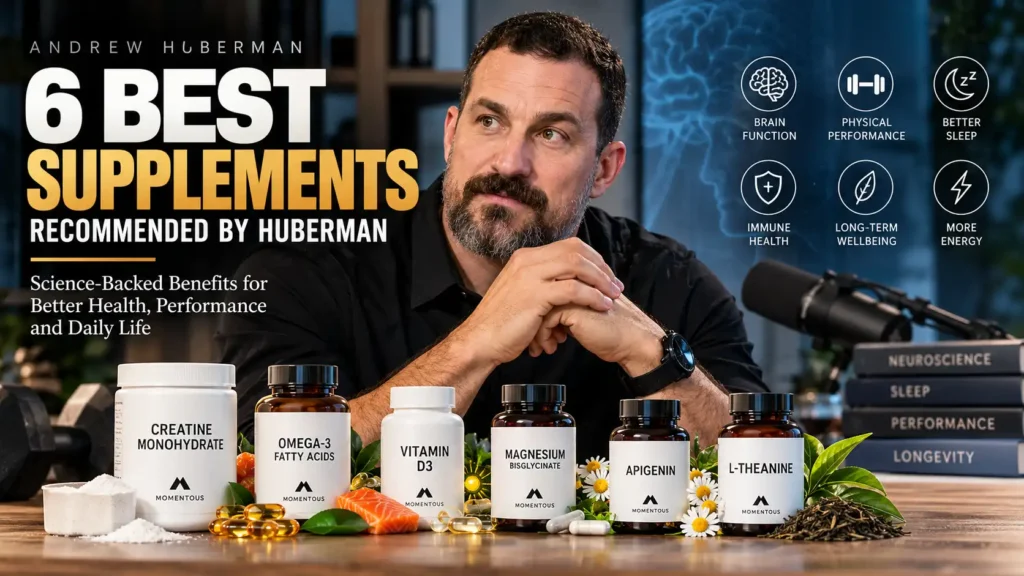
For decades, actors have appeared on magazine covers showing off workout routines, strict diets and carefully managed physiques. But the latest celebrity wellness trend goes beyond endorsement deals. Increasingly, actors are becoming founders, co-founders and equity partners in supplement companies selling protein powders, greens, gummies, vitamins, functional nutrition products and performance formulas.
Founder: Kevin Hart and Ron “Boss” Everline
Category: Protein, superfoods, vitamins, probiotics and functional nutrition
Founded: 2020s
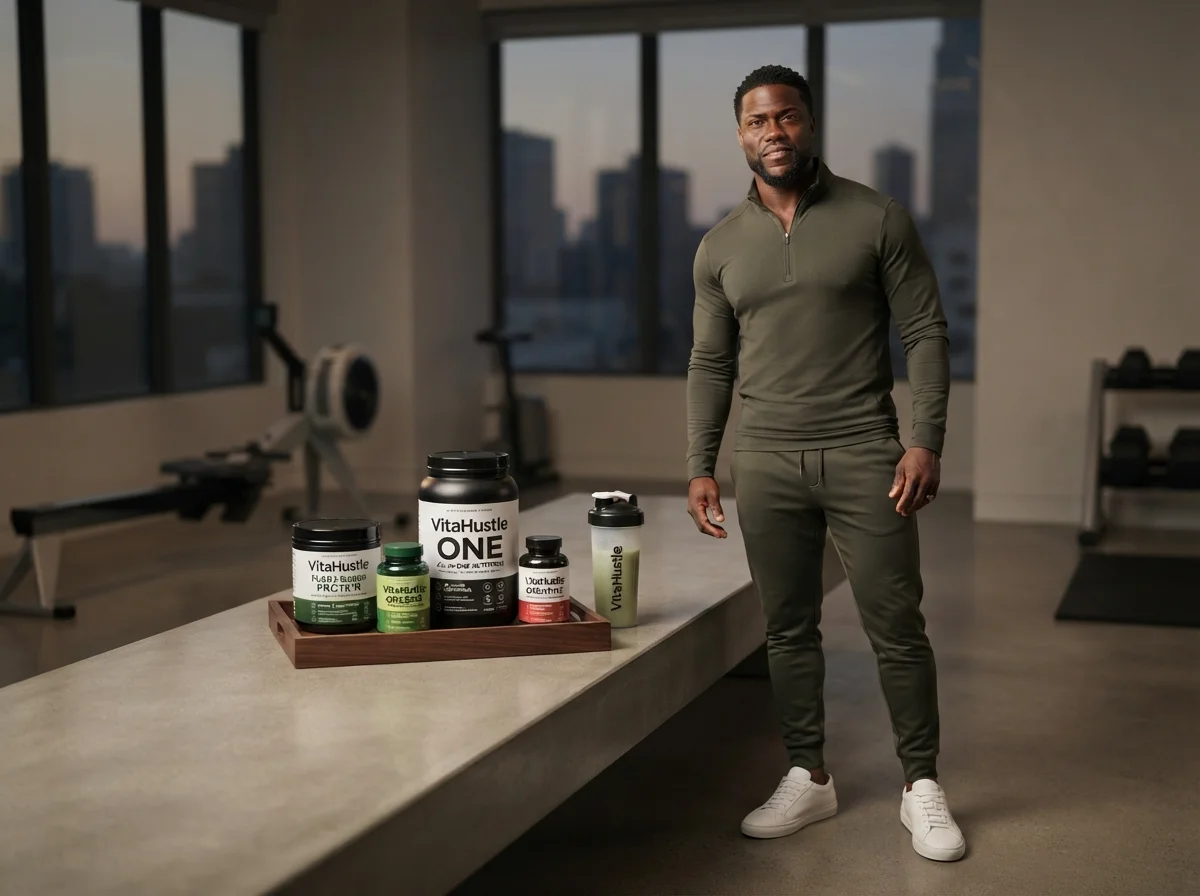
Kevin Hart’s VitaHustle is one of the clearest examples of a Hollywood celebrity turning a personal fitness routine into a consumer nutrition business.
Hart co-founded VitaHustle with his longtime trainer and business partner Ron “Boss” Everline. The original idea was relatively simple: instead of asking consumers to maintain a complicated collection of powders, vitamins, greens and other products, create a convenient daily shake that combines several nutritional components.
The company’s flagship VitaHustle ONE combines plant protein with superfoods, vitamins, minerals, probiotics and adaptogens. The company currently markets ONE as an all-in-one nutrition product rather than a conventional protein powder.
And by 2026, the brand has reached a scale that separates it from many celebrity supplement launches.
VitaHustle currently reports more than 200,000 satisfied customers and more than 5 million shakes sold. The company has also expanded its product portfolio with ONE MAX, which adds creatine and increases the protein content.
The commercial story became even more interesting in 2026 when private-equity firm Axum Capital Partners announced an equity investment in VitaHustle. The investment announcement described the company as a growing nutrition business co-founded by Kevin Hart and Everline.
The brand is built around convenience.
Rather than positioning supplements as individual scientific interventions, VitaHustle attempts to make daily nutrition easier for consumers who do not want to measure multiple powders or swallow a large number of capsules.
Its product range now includes plant-based protein, superfoods, probiotics, adaptogens, vitamins and creatine.
That model fits the broader 2026 trend toward functional nutrition, where consumers increasingly look for products that combine protein, micronutrients and additional ingredients in a single routine.
Founder: Maggie Q and Dr. Frank Lipman
Category: Gut health, wellness drinks, skin nutrition and functional supplements
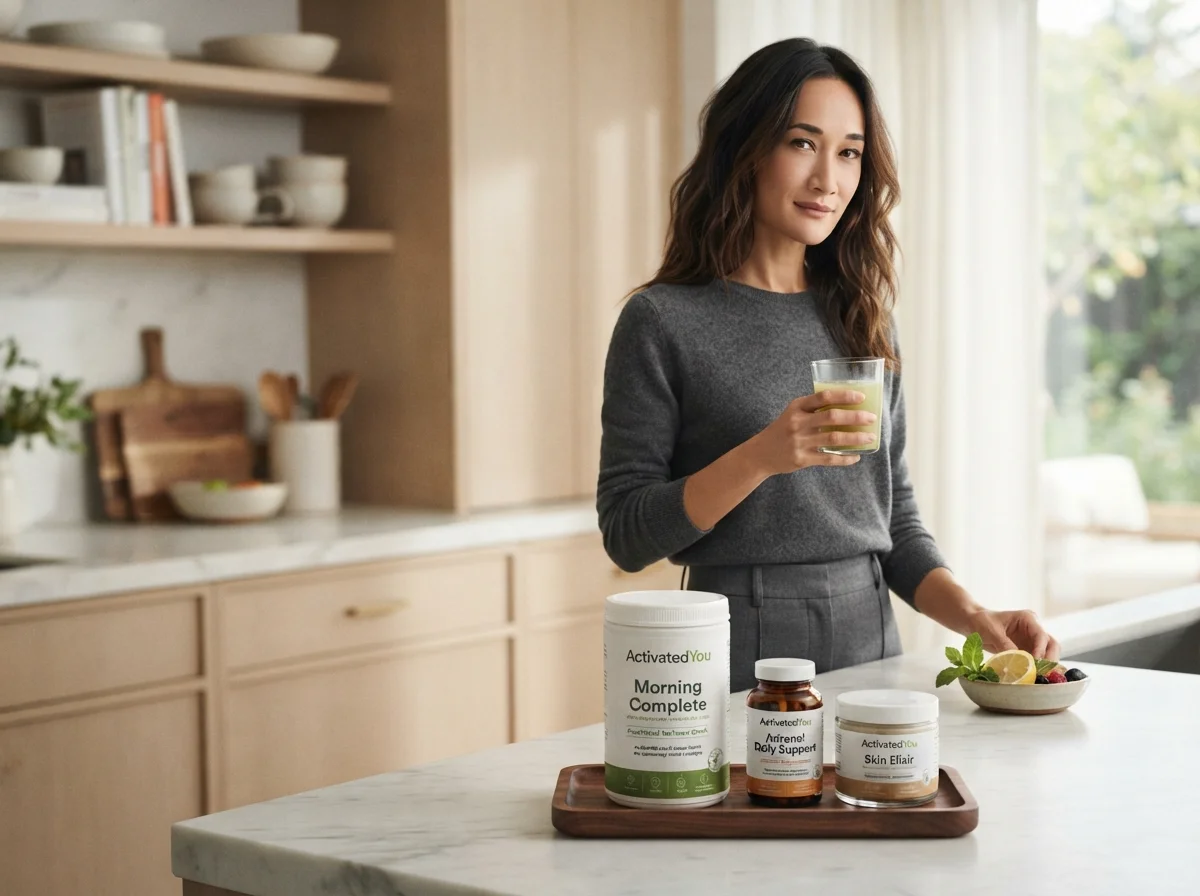
If there is one celebrity supplement brand with particularly strong publicly documented unit-sales numbers, it is ActivatedYou.
Actress Maggie Q co-founded ActivatedYou with integrative-medicine physician Dr. Frank Lipman. The company grew from Maggie Q’s interest in nutrition and wellness into a broader supplement business.
Its flagship product, Morning Complete, became the brand’s commercial engine.
In January 2023, ActivatedYou announced that Morning Complete had passed 3 million units sold. By April 2025, the company reported more than 5 million units sold. In April 2026, the brand announced that Morning Complete had surpassed 6 million units sold.
That gives ActivatedYou one of the clearest publicly reported sales trajectories among celebrity-founded supplement businesses.
The company has also expanded beyond its original gut-health positioning.
Essential Skin Food, a plant-based collagen-support product, surpassed 1 million units sold in 2026, according to a May 2026 company announcement distributed through PR Newswire.
The current ActivatedYou range includes products aimed at gut health, energy, skin nutrition and broader wellness.
Maggie Q’s business illustrates an important change in celebrity wellness.
She isn’t simply appearing in an advertisement for somebody else’s supplement.
Her name is attached to the company’s founding story, product development narrative and consumer community.
That creates a much stronger connection between celebrity identity and product ownership than a traditional endorsement agreement.
Co-founders: Mark Wahlberg and Tom Dowd
Category: Protein, amino acids, pre-workout, vitamins and sports nutrition
Mark Wahlberg’s relationship with fitness is hardly a marketing invention.
The actor has spent years preparing for physically demanding movie roles and has developed a large public profile around training and nutrition.
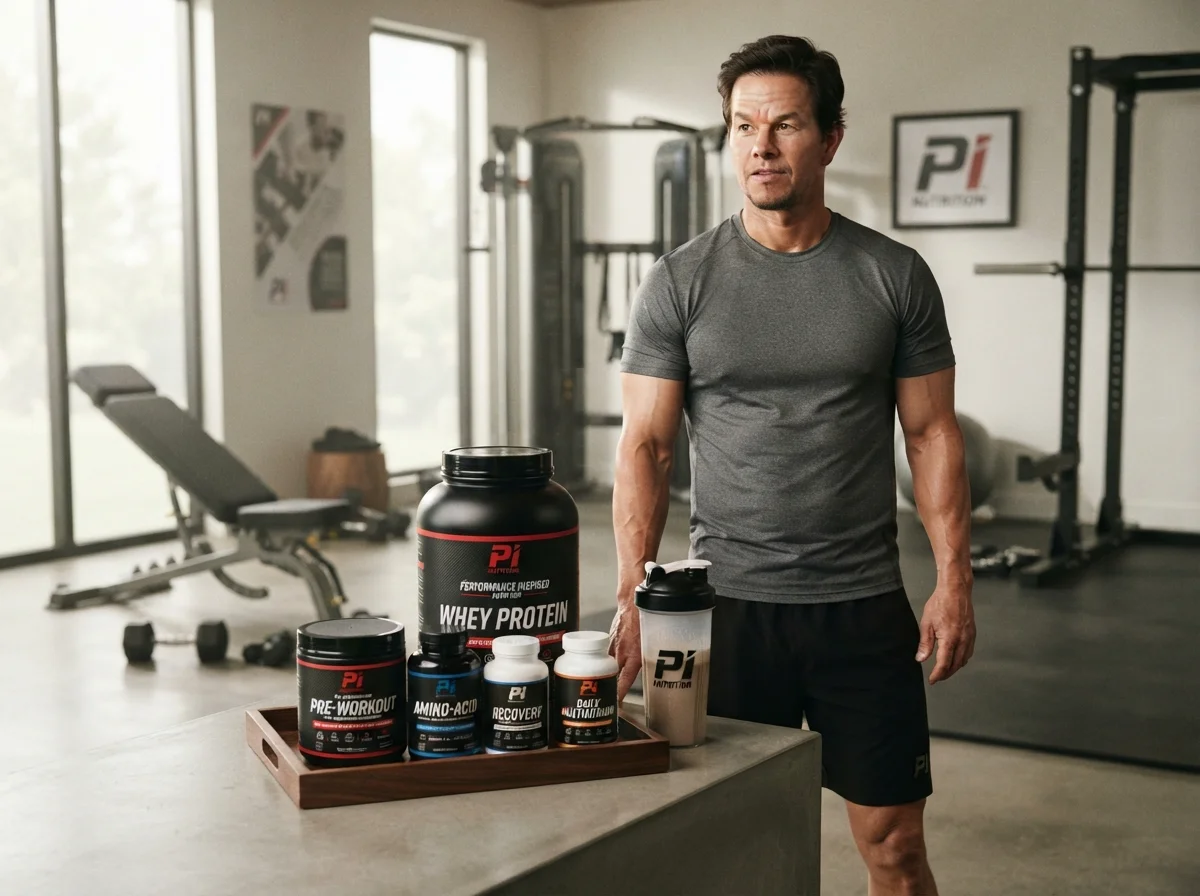
Performance Inspired Nutrition, commonly known as PI Nutrition, grew from that background.
Wahlberg and sports-nutrition executive Tom Dowd created the company to offer high-performance nutrition aimed at both everyday consumers and athletes. The company’s own history describes the goal as providing natural, high-performance products without relying on overcomplicated formulas or exaggerated marketing.
The company has expanded considerably beyond one celebrity-branded protein powder.
By 2026, PI Nutrition’s portfolio includes more than 50 products, according to Olympia Weekend, covering areas such as protein, amino acids and active-lifestyle nutrition.
The business has also developed international manufacturing and distribution arrangements. In 2021, Acenzia announced a 10-year agreement to manufacture and distribute PI Nutrition products in the Middle East. The announcement specifically identified Wahlberg as a co-founder.
PI Nutrition occupies a different part of the celebrity supplement market from VitaHustle.
Instead of trying to put an entire wellness routine into one product, it operates more like a traditional sports-nutrition company, with individual products serving different purposes.
That makes the brand particularly relevant to consumers searching for:
It is one of the more established actor-led supplement businesses still associated with a substantial product portfolio.
Co-founder: Kate Hudson
Category: Plant-based powders, protein, collagen and wellness supplements
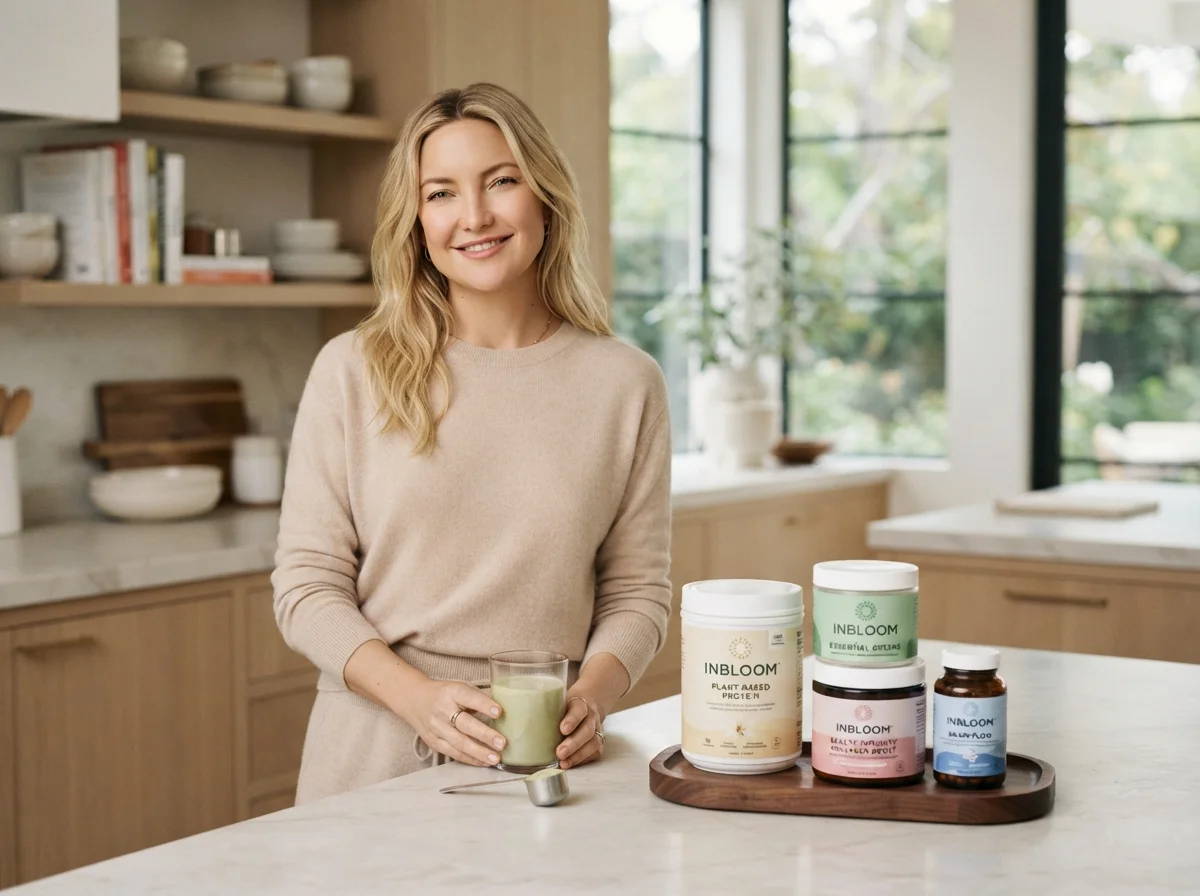
Kate Hudson entered the supplement business through INBLOOM, a nutrition company she co-founded with Syllable.
The concept was to make powdered nutrition easier to incorporate into everyday routines.
The company initially focused on plant-based formulations covering areas such as energy, sleep, immune support and general nutrition. Forbes reported at launch that Hudson co-founded the company as part of a broader interest in nutrition and wellness.
The product portfolio has since expanded to include protein, collagen and greens-style powders.
INBLOOM’s retail expansion has also been significant.
In January 2024, the company announced a nationwide brick-and-mortar collaboration with Whole Foods Market, describing it as its first nationwide retail expansion into select physical stores.
The brand’s marketing has also demonstrated how strongly celebrity visibility can affect digital commerce. A marketing agency involved with INBLOOM reported that a promotional appearance by Hudson on The Drew Barrymore Show was associated with a more than 500% increase in revenue that day.
That figure is company/agency-reported rather than independently audited, but it illustrates the commercial power of a founder who can move seamlessly between entertainment media and consumer wellness.
The brand’s product positioning includes:
Kate Hudson has also publicly discussed using INBLOOM products as part of her own wellness routine, including Beauty Aura.
Founder: Gwyneth Paltrow
Category: Vitamins, nutritional supplements and broader wellness
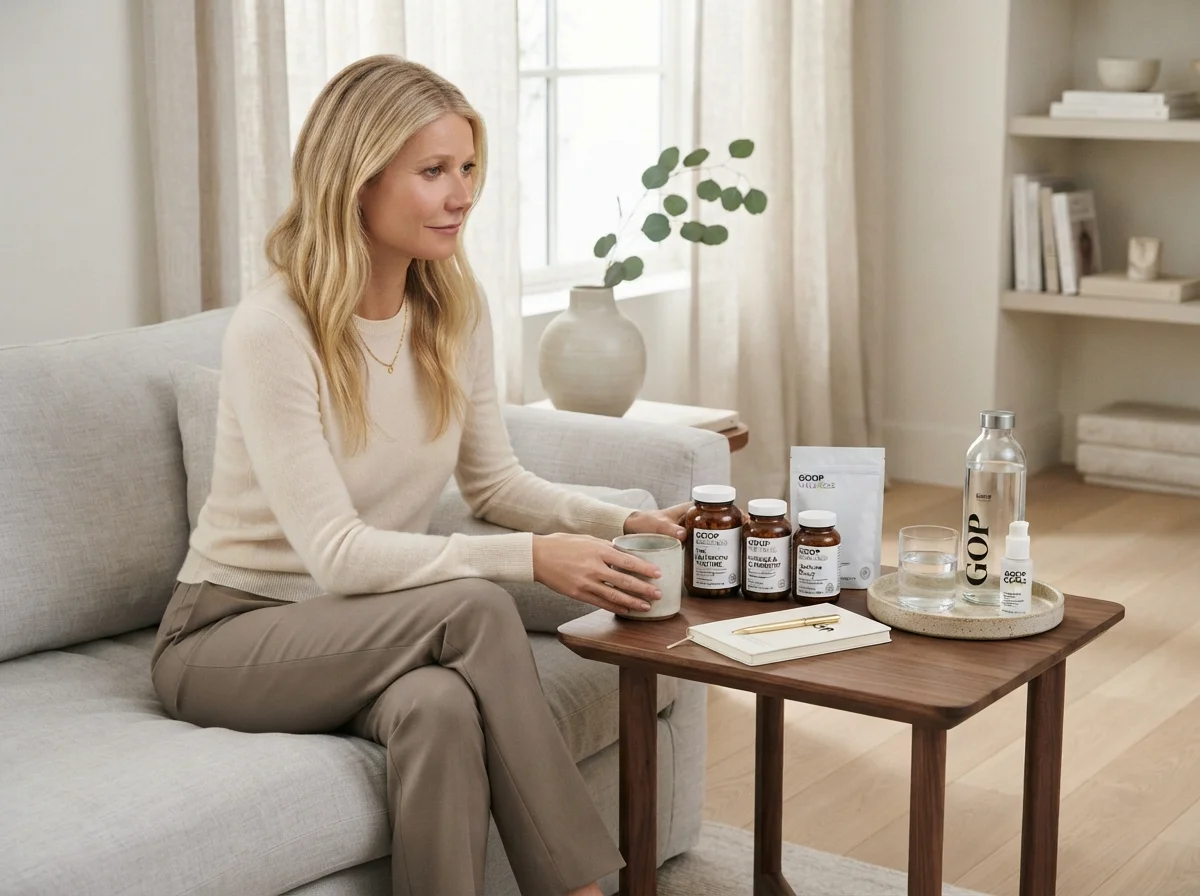
Gwyneth Paltrow helped create the modern celebrity wellness-business model long before Instagram became a major sales channel.
She founded Goop in 2008, initially as a lifestyle newsletter. The business eventually expanded into commerce, beauty, fashion, food, sexual wellness and supplements.
Goop entered the supplement market through Goop Wellness, offering curated vitamin and nutritional regimens.
The business demonstrated early on that celebrity supplements could become a significant commercial category. When Goop Wellness launched, the company said its vitamin regimen generated $100,000 in sales on its first day.
The company subsequently expanded its own product range.
By 2025, Paltrow was still CEO and described Goop as a strong business. Vanity Fair reported that Goop said 2024 was its best year by overall revenue, with revenue up 10% from 2023, although the company does not disclose profitability.
Goop is no longer primarily a supplement company. That distinction is important.
It is a broader lifestyle company whose portfolio has included supplements alongside beauty, fashion, food and wellness products.
Nevertheless, its supplement business helped establish the template followed by many celebrity wellness companies that came later.
The biggest contribution of Goop to the celebrity supplement industry may not be a single vitamin product.
It was the creation of a lifestyle ecosystem.
Paltrow demonstrated that consumers could buy into a complete wellness identity rather than simply purchasing a bottle of vitamins.
That model is now common across celebrity wellness businesses.
Co-founders: Patrick Schwarzenegger and Maria Shriver
Category: Protein bars, functional nutrition and brain-health nutrition
Patrick Schwarzenegger represents a newer generation of Hollywood entrepreneurs.
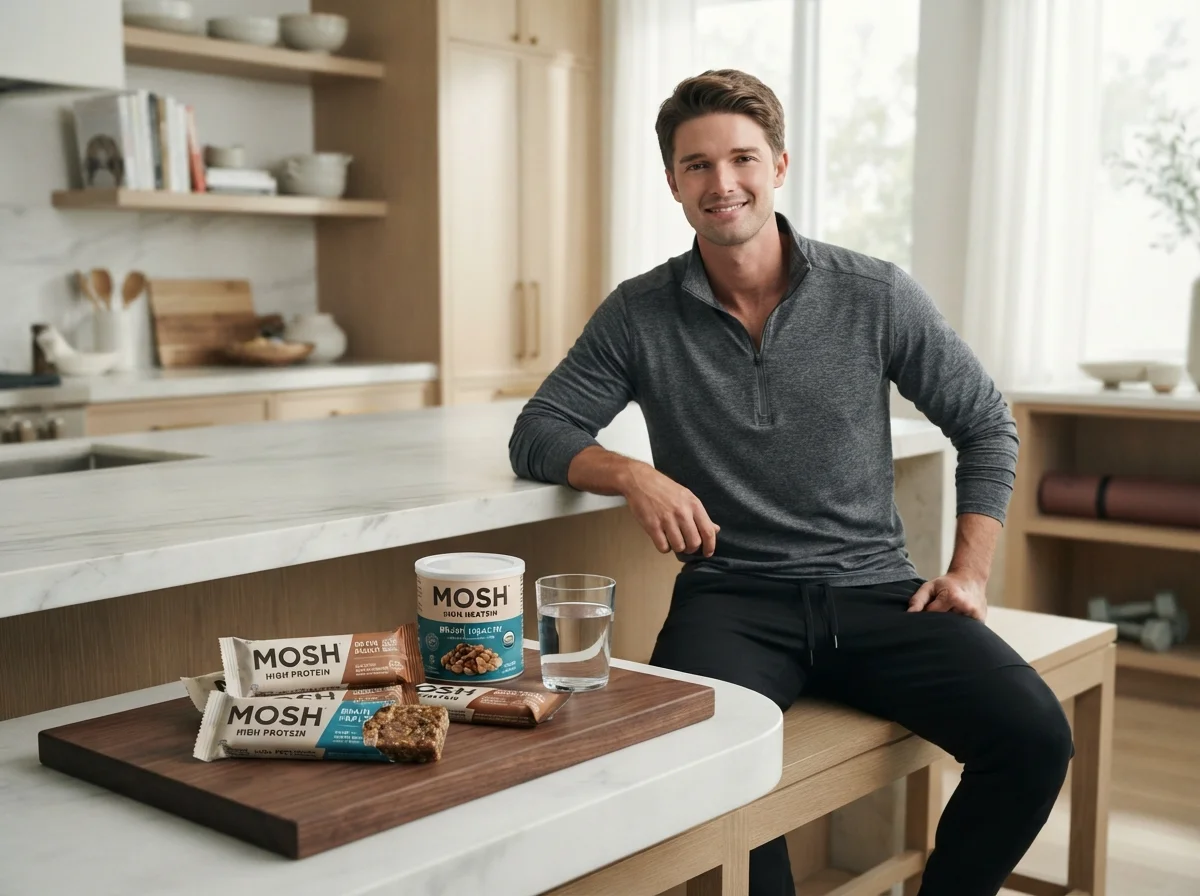
The actor, known for roles including HBO’s The White Lotus, co-founded MOSH with his mother, journalist and brain-health advocate Maria Shriver.
MOSH began as a protein-bar company with a focus on brain health and functional nutrition.
Unlike many celebrity food businesses that depend heavily on name recognition, MOSH has built its story around a specific category: brain-health nutrition.
The numbers are notable.
Forbes reported that MOSH generated $4 million in sales in 2022, $7 million in 2023 and approximately $12 million in 2024. The company expanded into retailers including Erewhon and Sprouts.
The U.S. Chamber of Commerce also reported that MOSH’s sales rose more than 70% in each of the two years leading to 2024, reaching $12 million.
In May 2026, MOSH raised $13 million in Series A funding to support national expansion. The same announcement said the brand had crossed 2,000 U.S. retail doors.
The expansion continued into Target.
MOSH High Protein launched in more than 2,000 Target stores nationwide in 2026. The new product contains 20 grams of protein alongside creatine and the company’s proprietary brain-focused ingredient blend.
MOSH sits at the intersection of three powerful wellness trends:
That combination has helped the brand move beyond the typical celebrity protein bar.
And unlike many celebrity wellness launches, its publicly reported revenue provides a clearer picture of commercial traction.
Founder: Marisa Tomei
Category: Women’s health supplements
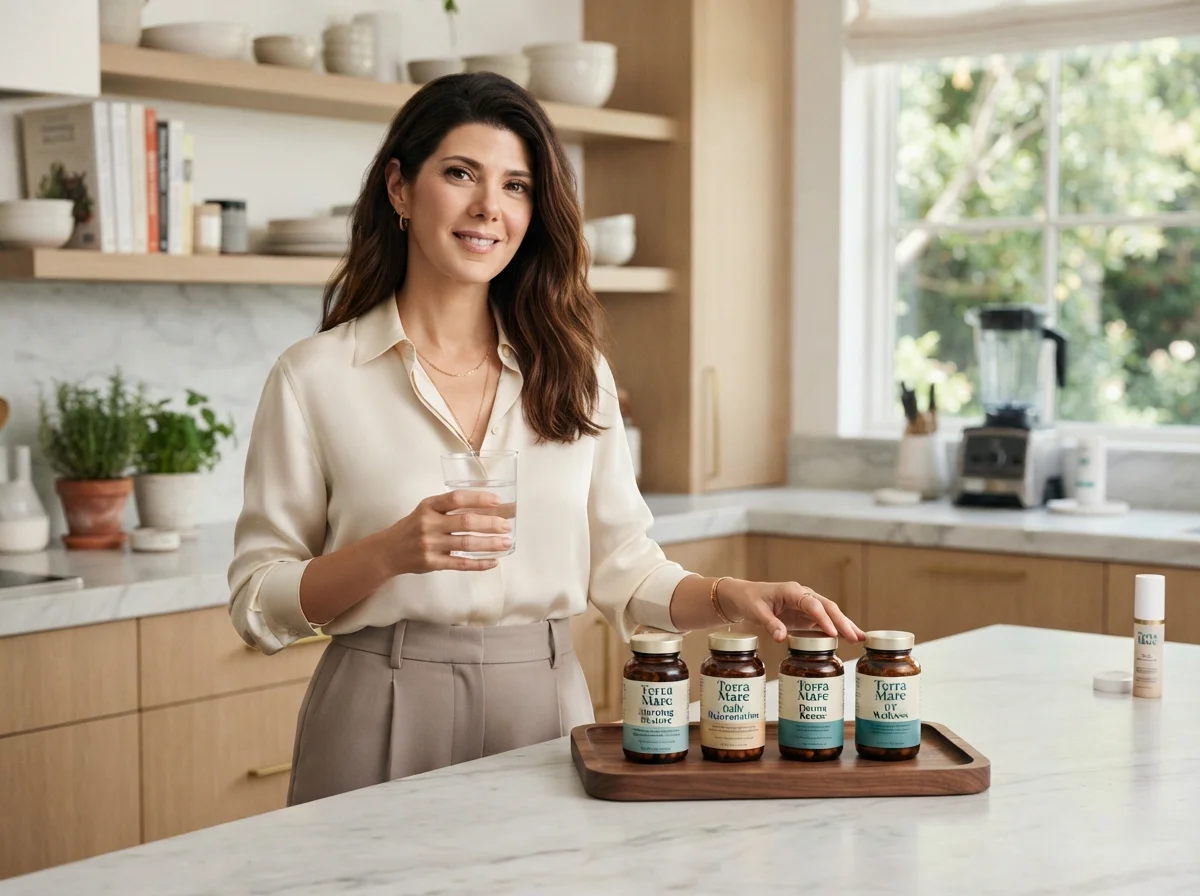
Oscar-winning actress Marisa Tomei entered the supplement market in 2025 with Terra Mare, a wellness company focused specifically on women’s health.
The company was launched around the idea that women’s nutritional needs can differ across life stages and that supplement products should be designed around female biology.
Terra Mare’s product range includes:
The brand positions these products around areas including nutrition, gut health, skin, hormonal health and general wellness.
Terra Mare is considerably newer than Goop or ActivatedYou, so there is not yet a comparable multi-year public sales record.
That is why it would be misleading to place it above older brands based on sales.
But its inclusion in a 2026 list is relevant because it demonstrates where the celebrity supplement market is heading: away from generic multivitamins and toward specific demographic and life-stage positioning.
The brand has also attracted attention from the professional wellness sector. Forbes Vetted identified Terra Mare as a women’s supplement company owned by Tomei in a 2026 supplement-market feature.
Terra Mare is not built around bodybuilding or sports performance.
Its target consumer is primarily women looking for nutritional products positioned around aging, metabolism, digestive health, skin and other aspects of women’s wellness.
That makes it representative of the rapidly expanding women’s-health supplement segment.
Co-owner: Scott Eastwood
Category: Performance, recovery, longevity and daily supplements
Launch: 2026
Scott Eastwood’s NORTH Performance is one of the newest entries on this list and one of the most interesting examples of the changing celebrity ownership model.
Eastwood is not simply the face of NORTH.
He is listed as a founding co-owner.
That distinction is important.
NORTH was built around an athlete-equity model in which athletes and public figures hold ownership positions rather than functioning solely as paid ambassadors.
The company announced its global pre-launch in August 2026, with full product availability scheduled for September.
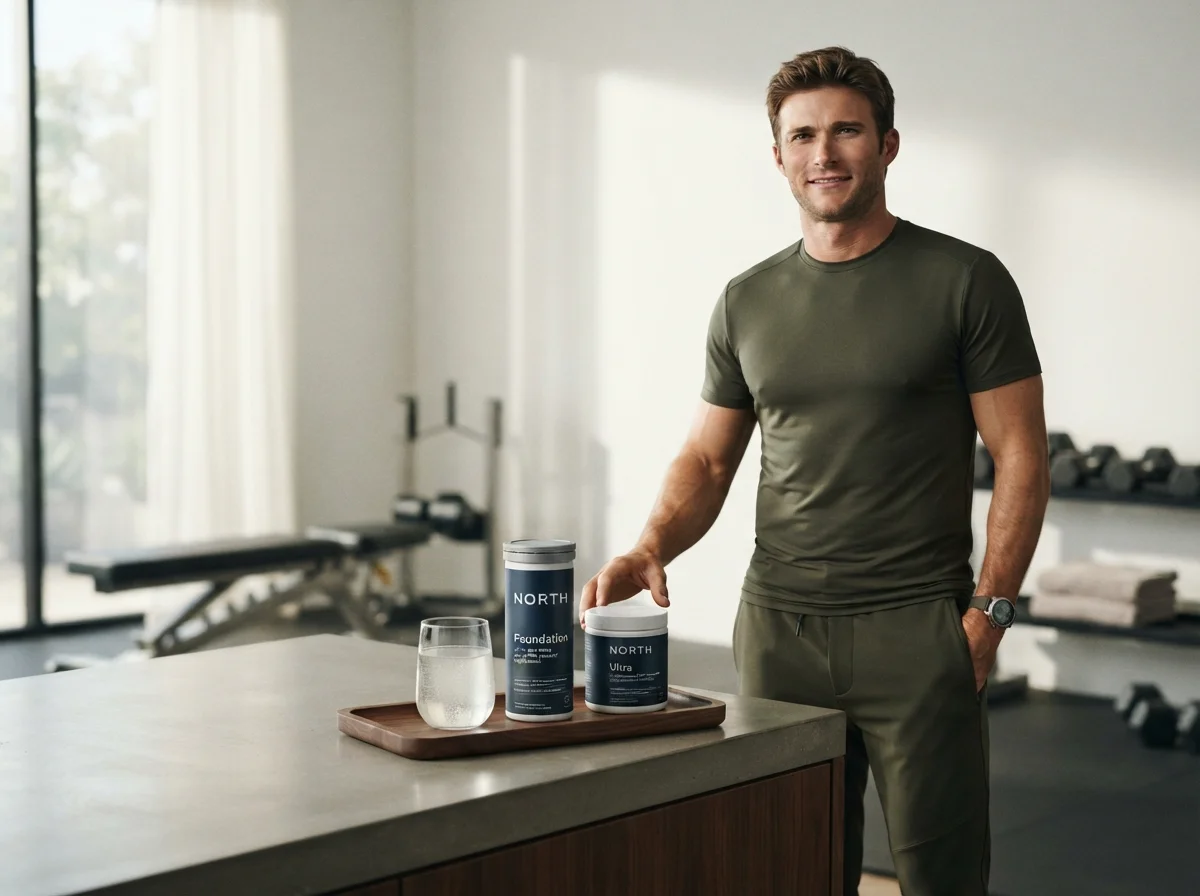
Its initial system consists of two products:
Foundation — an all-in-one daily effervescent supplement.
Ultra — a more comprehensive performance stack.
The formulas are positioned around performance, recovery, gut health, immunity, brain and stress resilience, connective tissue support, hydration and related areas.
Eastwood generated additional attention after discussing the company on The Joe Rogan Experience. The company said the appearance produced a significant increase in traffic and pre-orders.
That claim comes from the company and should not be treated as independently audited sales data.
The company’s model is notable because it reverses the conventional celebrity-marketing relationship.
Instead of:
Brand → pays celebrity → celebrity promotes product
the model becomes:
Athlete/celebrity → owns part of brand → uses product → promotes company
Whether this approach ultimately creates a major supplement company remains to be seen.
But it represents one of the clearest new directions in celebrity-owned performance nutrition.
Founder: Jessica Alba
Category: Vitamins, supplements and family wellness
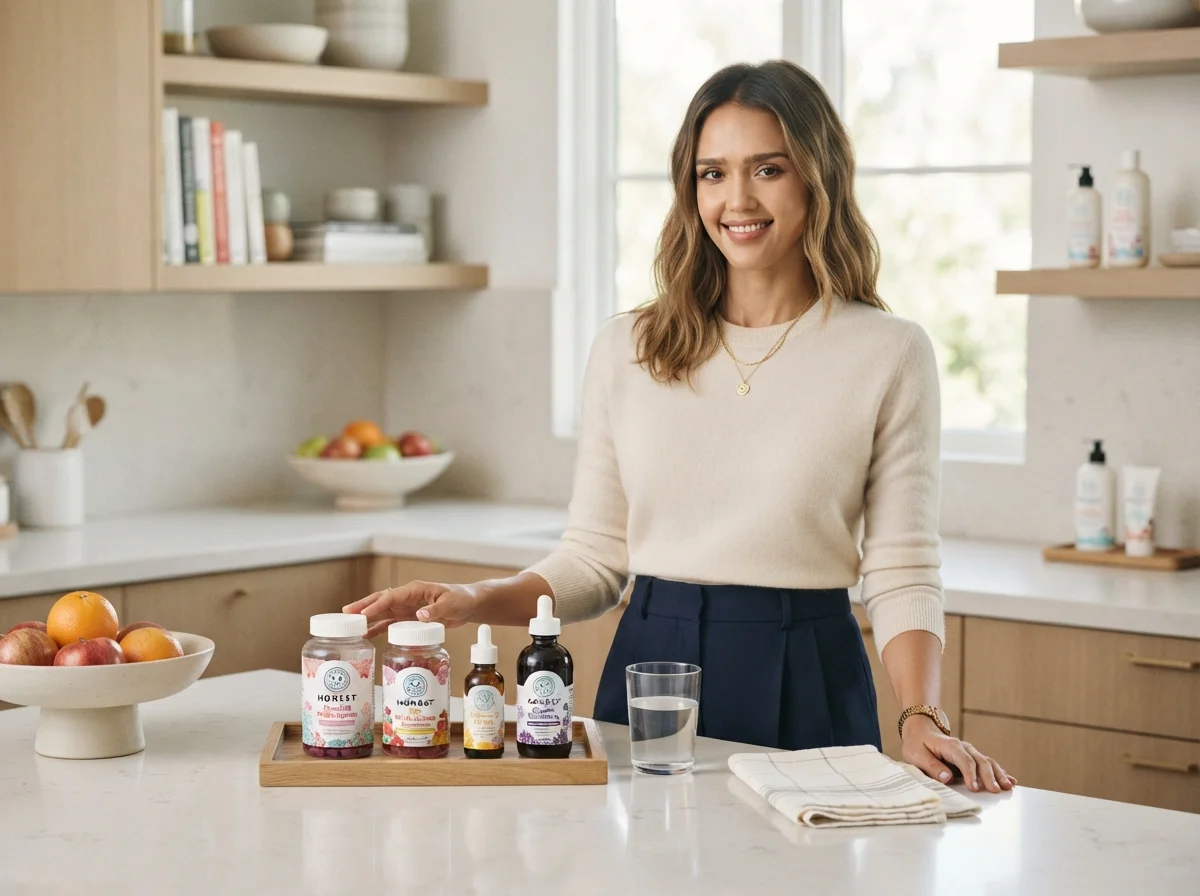
Jessica Alba’s Honest Company is broader than supplements, but its portfolio has historically included vitamins and dietary supplements alongside baby care, personal care, beauty and household products.
Alba co-founded the company in 2012, turning a personal interest in safer consumer products into a large consumer-goods business.
The company has been described as offering products across baby, personal care, home care and vitamins and supplements.
Honest is therefore a useful example of another type of celebrity wellness company: the multi-category consumer brand.
Instead of creating a single supplement line, Alba built a broader lifestyle platform in which nutrition became one component.
The Honest Company became a substantial consumer business long before many of today’s celebrity wellness startups existed. Historical reporting documented rapid growth, including more than $150 million in annual sales during the company’s early expansion period.
Alba remains identified as the company’s founder and serves on its board.
The company demonstrates that celebrity ownership does not have to begin with supplements.
A consumer brand can establish trust in one category and then expand into adjacent health and wellness products.
That strategy is increasingly common across the celebrity consumer-products market.
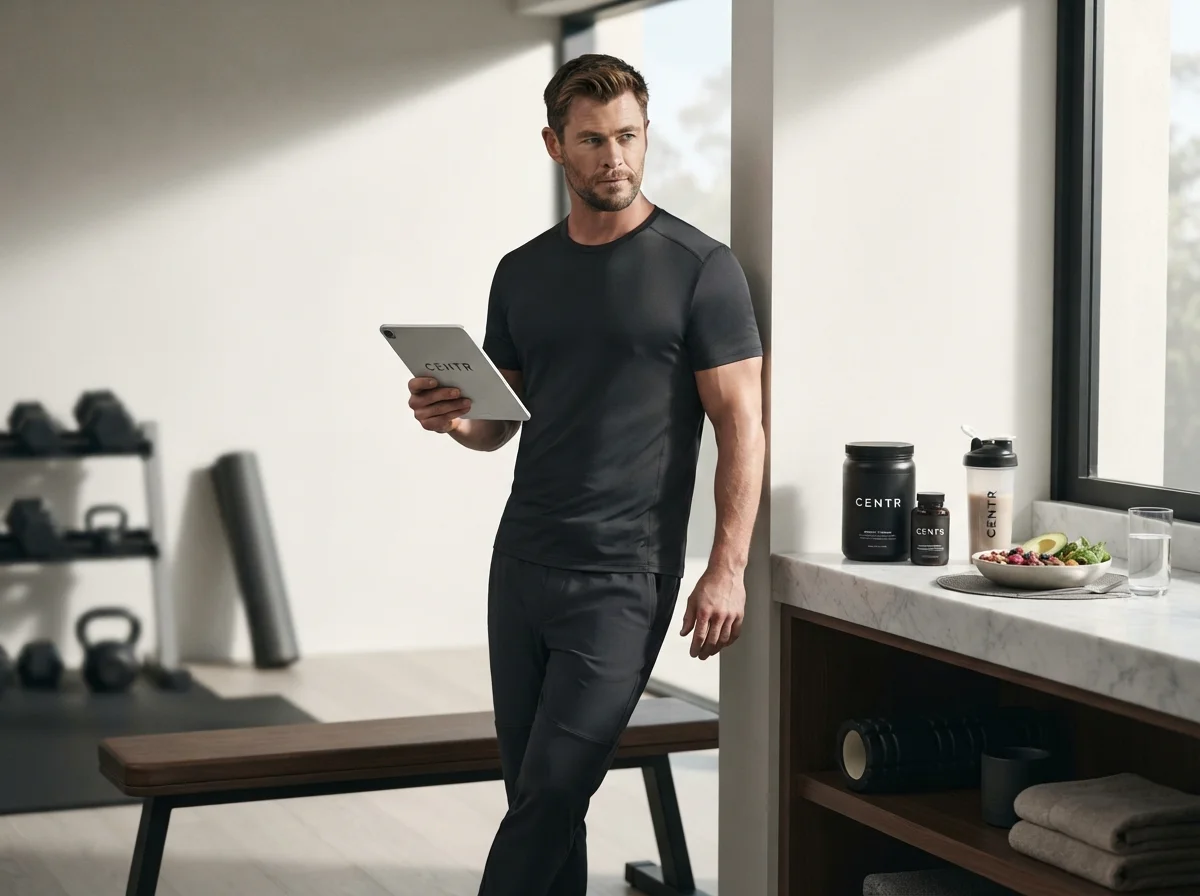
Founder: Chris Hemsworth
Category: Fitness, nutrition and wellness
Chris Hemsworth’s Centr is slightly different from the other companies on this list.
It began primarily as a digital health and fitness platform rather than a conventional supplement company.
Hemsworth created Centr after assembling the trainers, nutritionists and wellness professionals who helped him prepare for physically demanding movie roles.
The company’s own history identifies Hemsworth as its founder.
Centr has covered workouts, meal planning, nutrition, mindfulness and recovery. Historically, its content has also included supplement guidance and products related to nutrition.
That makes it important to the celebrity wellness market even though it should not be described as a pure-play supplement company in the same way as ActivatedYou or Performance Inspired.
The distinction is worth making because search results often lump celebrity fitness apps, supplement companies and wellness brands into the same category.
Centr is primarily an integrated fitness and wellness ecosystem.
The strength of Centr is the connection between entertainment and expertise.
Hemsworth provides the cultural visibility.
The platform supplies trainers, nutritionists and other specialists.
Instead of selling a celebrity’s personal routine as a single product, Centr attempts to turn the broader ecosystem around his training into a consumer service.
That approach has influenced the wider celebrity fitness market.
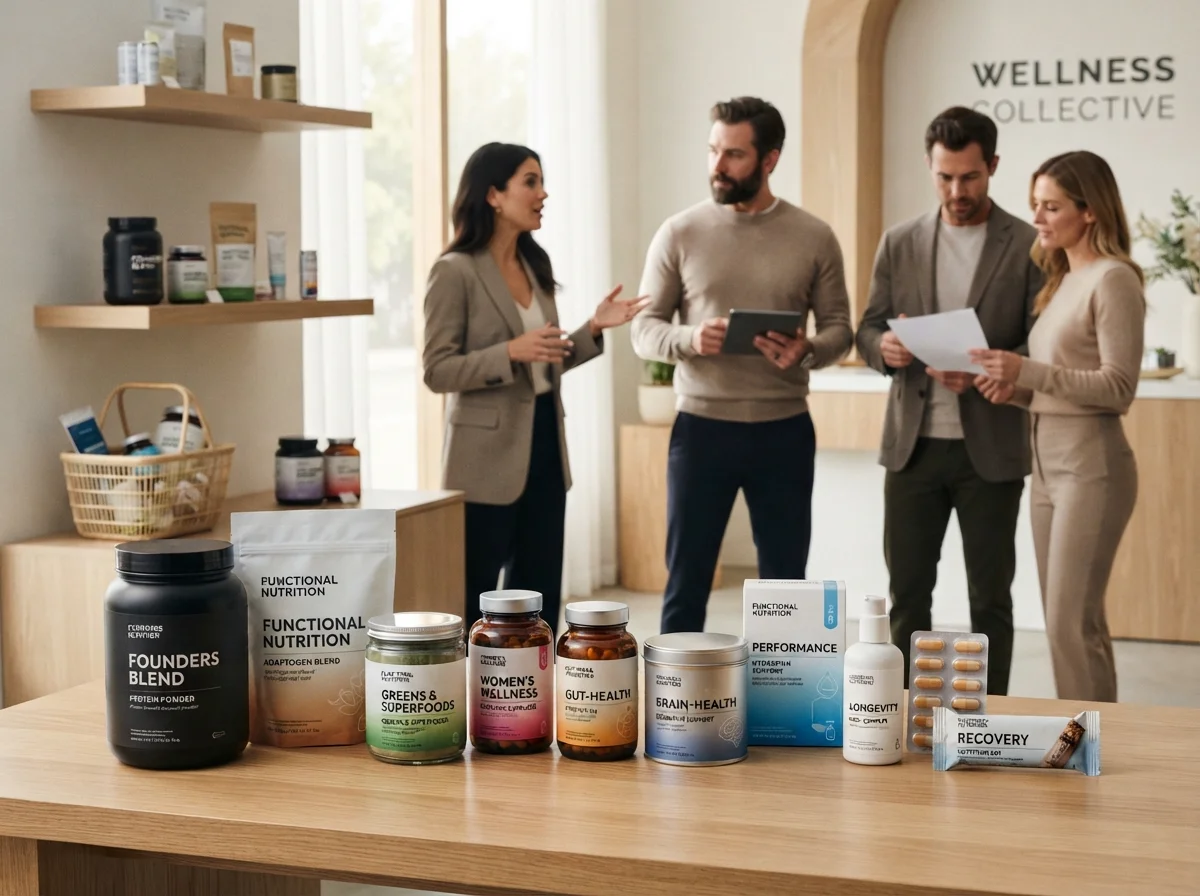
The companies above are not identical.
Some sell protein.
Some focus on women’s health.
Others target gut health, brain health, longevity or general wellness.
But several patterns appear repeatedly.
VitaHustle, MOSH and Performance Inspired all have strong connections to protein.
That reflects the wider consumer shift toward high-protein diets.
Protein is no longer marketed only to bodybuilders. It has moved into mainstream nutrition, breakfast products, snacks, meal replacements and everyday wellness.
MOSH’s 2026 launch of a 20-gram protein product at more than 2,000 Target stores illustrates how mainstream the category has become.
The early celebrity supplement model often involved generic vitamins with a famous face on the bottle.
Today’s companies are more likely to have a defined proposition.
ActivatedYou focuses heavily on gut and whole-body wellness.
Terra Mare targets women’s health.
MOSH focuses on brain-health nutrition.
NORTH focuses on performance and longevity.
That specialization gives consumers a clearer reason to choose one brand over another.
Direct-to-consumer sales remain important, but major celebrity wellness brands increasingly want physical retail distribution.
INBLOOM entered Whole Foods.
MOSH expanded into Target.
PI Nutrition has pursued distribution partnerships.
These moves matter because retail creates visibility outside an actor’s social-media audience.
This may be the biggest change.
The traditional endorsement model is straightforward: a company creates a product, then hires an actor to promote it.
The newer model puts the celebrity much closer to the company itself.
Kevin Hart is a co-founder of VitaHustle.
Maggie Q co-founded ActivatedYou.
Mark Wahlberg co-founded Performance Inspired.
Kate Hudson co-founded INBLOOM.
Patrick Schwarzenegger co-founded MOSH.
Scott Eastwood is a founding co-owner of NORTH.
That gives the celebrity a financial and reputational stake in the business.
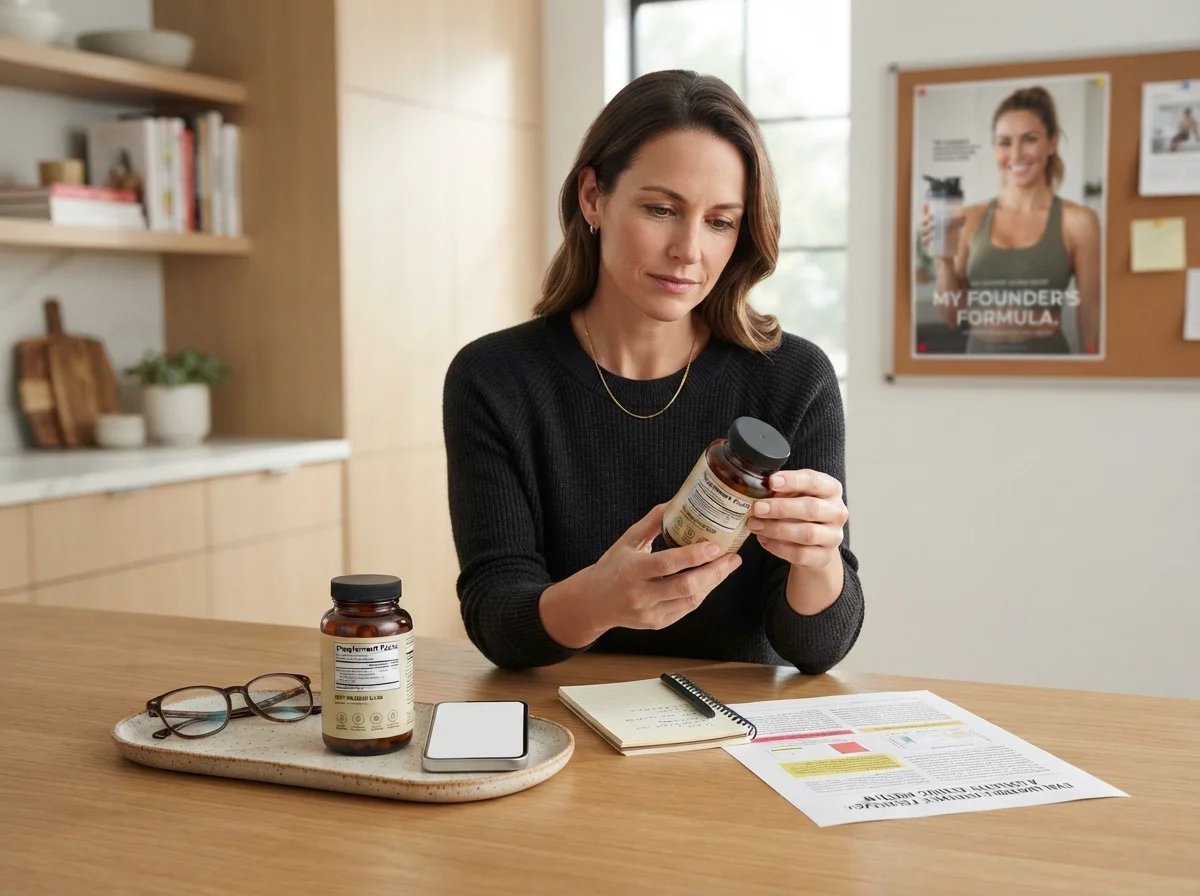
Celebrity ownership alone cannot answer that question.
A famous actor may have extensive experience with fitness, nutrition or athletic preparation. But that does not automatically establish that a particular supplement is effective.
This is particularly important because dietary supplements are regulated differently from prescription medicines.
The FDA states that it does not approve dietary supplements for safety and effectiveness before they are marketed. Manufacturers are responsible for ensuring that their products meet applicable safety and labeling requirements.
The FDA also advises consumers to consult healthcare professionals because supplements can interact with medications and other supplements.
Advertising is another issue.
The Federal Trade Commission regulates advertising for dietary supplements and has brought numerous cases involving unsupported health claims.
So the fact that an actor uses a product, owns part of a company or appears in its marketing should be treated as one piece of information, not proof of efficacy.
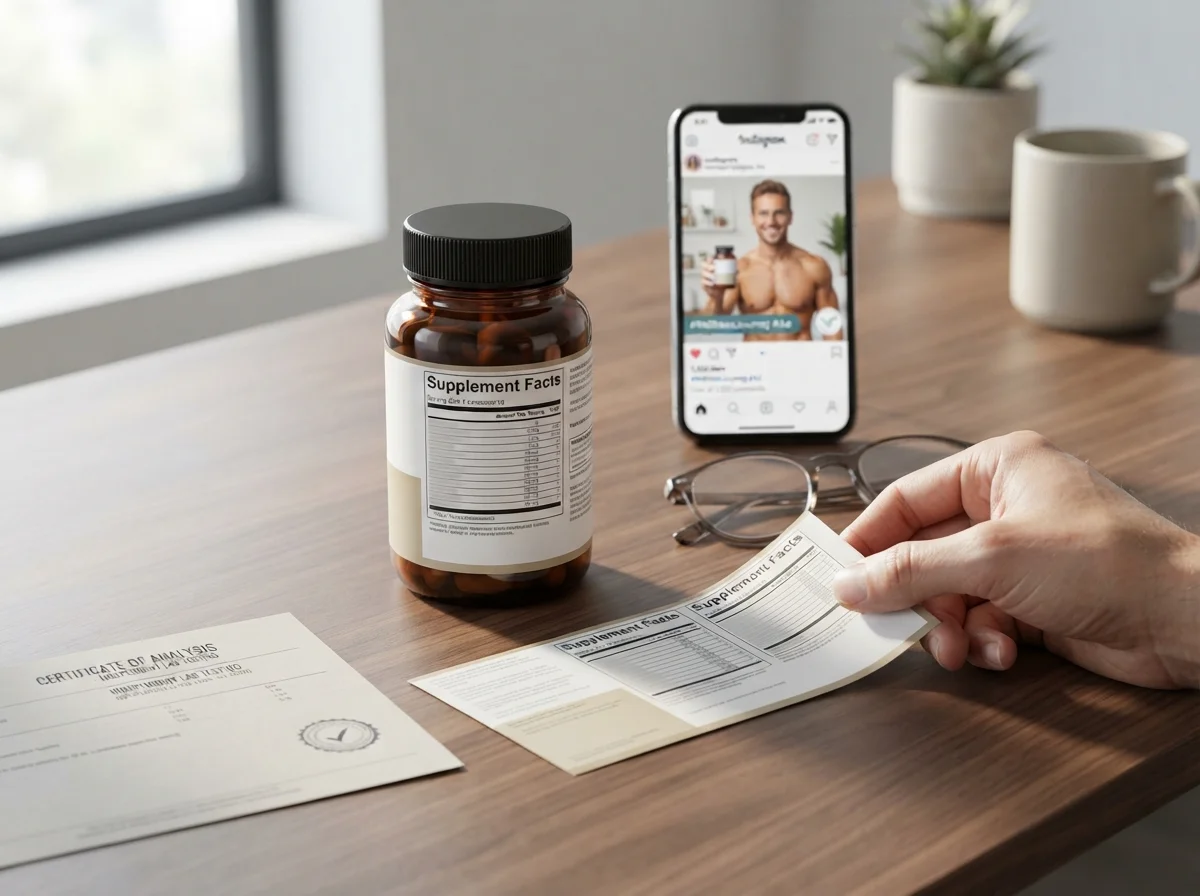
Before buying a celebrity supplement, consumers should look beyond the actor’s name.
Look for exact ingredient amounts rather than vague proprietary blends.
Third-party testing can provide additional information about identity, purity and contamination.
A supplement marketed as supporting normal bodily functions is different from a product claiming to diagnose, treat or cure disease.
A celebrity’s personal preference does not determine whether a particular ingredient is useful for you.
People taking medications, pregnant or breastfeeding consumers, children and people with medical conditions should be especially careful.
Manufacturing standards, testing policies, ingredient transparency and customer-service practices can tell you considerably more than an Instagram endorsement.
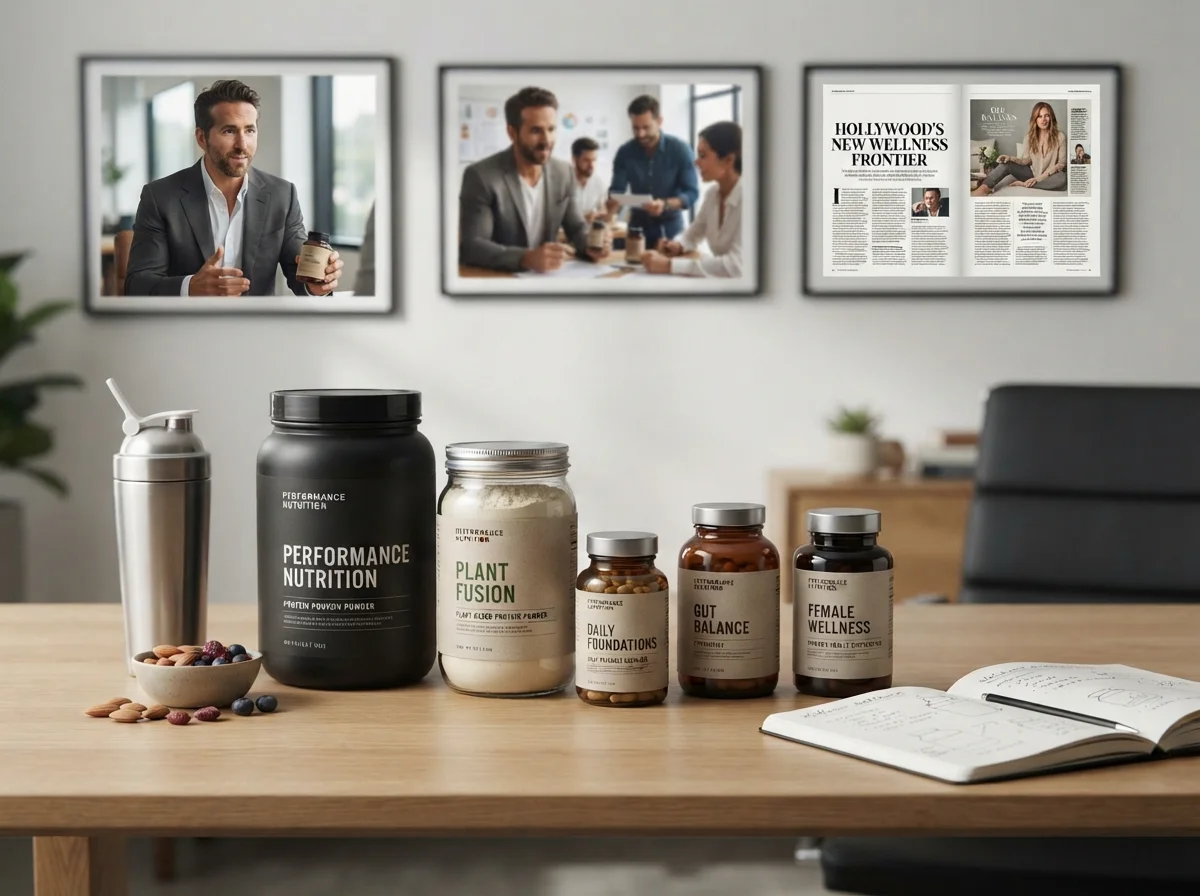
The rise of actor-owned supplement brands reflects a broader change in Hollywood.
Actors increasingly operate as entrepreneurs, investors and brand builders.
The supplement category is particularly attractive because it sits at the intersection of several growing markets:
The companies succeeding in this space are increasingly moving away from the old formula of putting a celebrity’s photograph on a bottle.
Instead, they are building businesses around a specific consumer problem.
Maggie Q’s ActivatedYou built around daily wellness and gut-focused nutrition.
Kevin Hart’s VitaHustle built around convenience and all-in-one nutrition.
Mark Wahlberg’s PI Nutrition built around active-lifestyle sports nutrition.
Kate Hudson’s INBLOOM built around accessible plant-based nutrition.
Patrick Schwarzenegger’s MOSH built around protein and brain-health nutrition.
Marisa Tomei’s Terra Mare built around women’s wellness.
That is a more sophisticated model than celebrity endorsement alone.
The celebrity supplement industry in 2026 is no longer just about famous people putting their names on products.
It has evolved into a serious consumer-business category.
ActivatedYou stands out for its publicly reported multi-million-unit sales history.
VitaHustle has passed 5 million shakes sold and 200,000 customers according to the company.
Performance Inspired Nutrition has developed a substantial sports-nutrition portfolio associated with Mark Wahlberg.
INBLOOM has moved from direct-to-consumer wellness into major retail distribution.
Goop Wellness helped establish the celebrity supplement model years before today’s influencer economy.
MOSH has demonstrated rapid revenue growth and major retail expansion under Patrick Schwarzenegger and Maria Shriver.
Terra Mare represents the new generation of women-focused celebrity wellness businesses.
NORTH Performance demonstrates the emerging co-owner model in which athletes receive equity rather than simply acting as ambassadors.
The Honest Company shows how celebrity-founded consumer brands can expand vitamins and supplements within a much larger household-wellness portfolio.
And Centr, while not a conventional supplement company, illustrates how celebrity fitness brands are becoming complete wellness ecosystems.
The important distinction is that commercial success and health effectiveness are not the same thing.
A company can sell millions of units without every ingredient having strong clinical evidence for every advertised outcome. Conversely, a relatively small supplement company can sell a scientifically sound product.
For consumers, the most useful question is therefore not simply “Which celebrity owns this brand?”
It is:
What is actually in the product, what evidence supports those ingredients, how transparent is the manufacturer, and is the product appropriate for the individual taking it?
That is the standard that will matter as Hollywood’s relationship with the supplement industry becomes increasingly commercial, sophisticated and competitive.