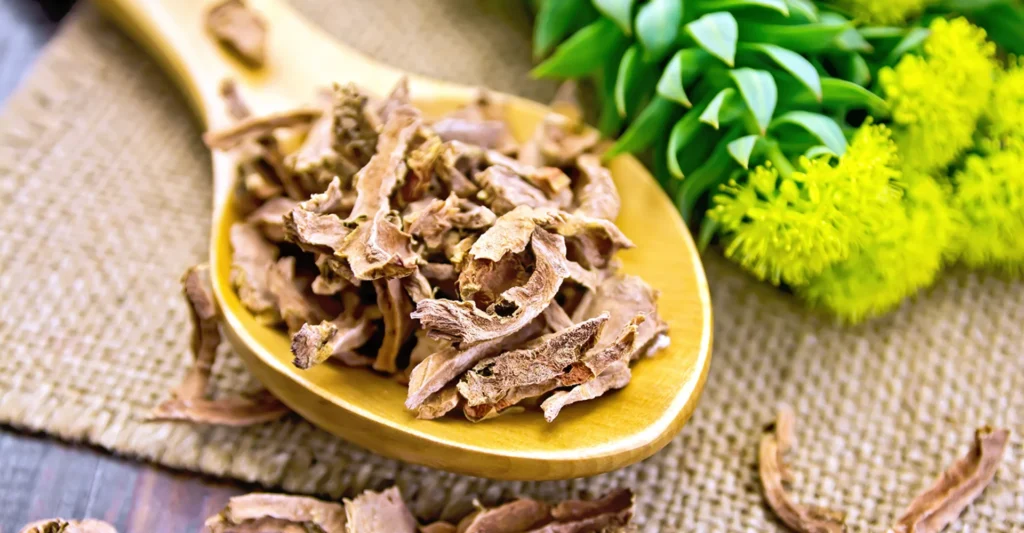
Reishi is one of the most famous medicinal mushrooms in the world. Known as Lingzhi in China and Reishi in Japan, it has been used in East Asian traditional medicine for centuries and is often called the “mushroom of immortality.”
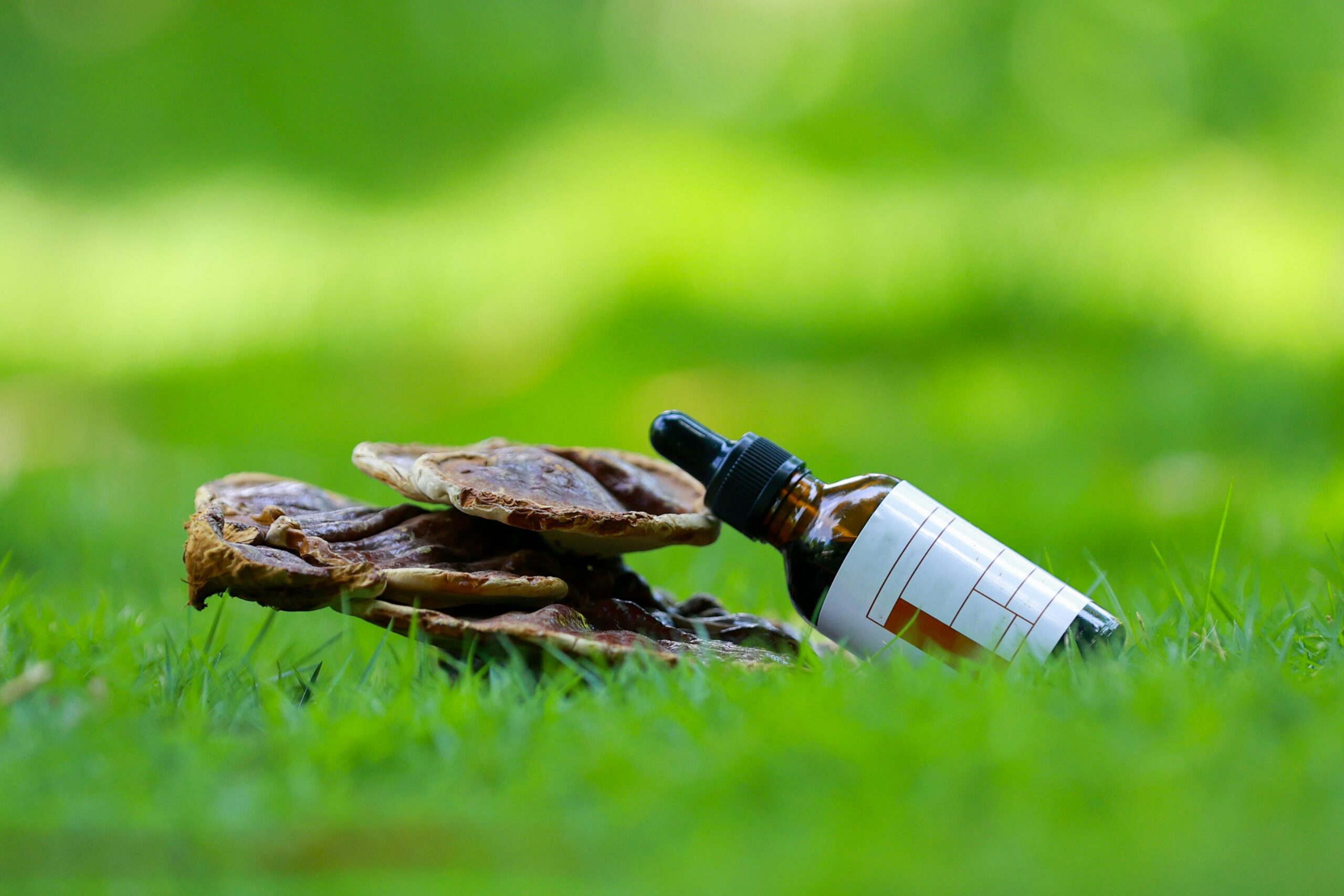
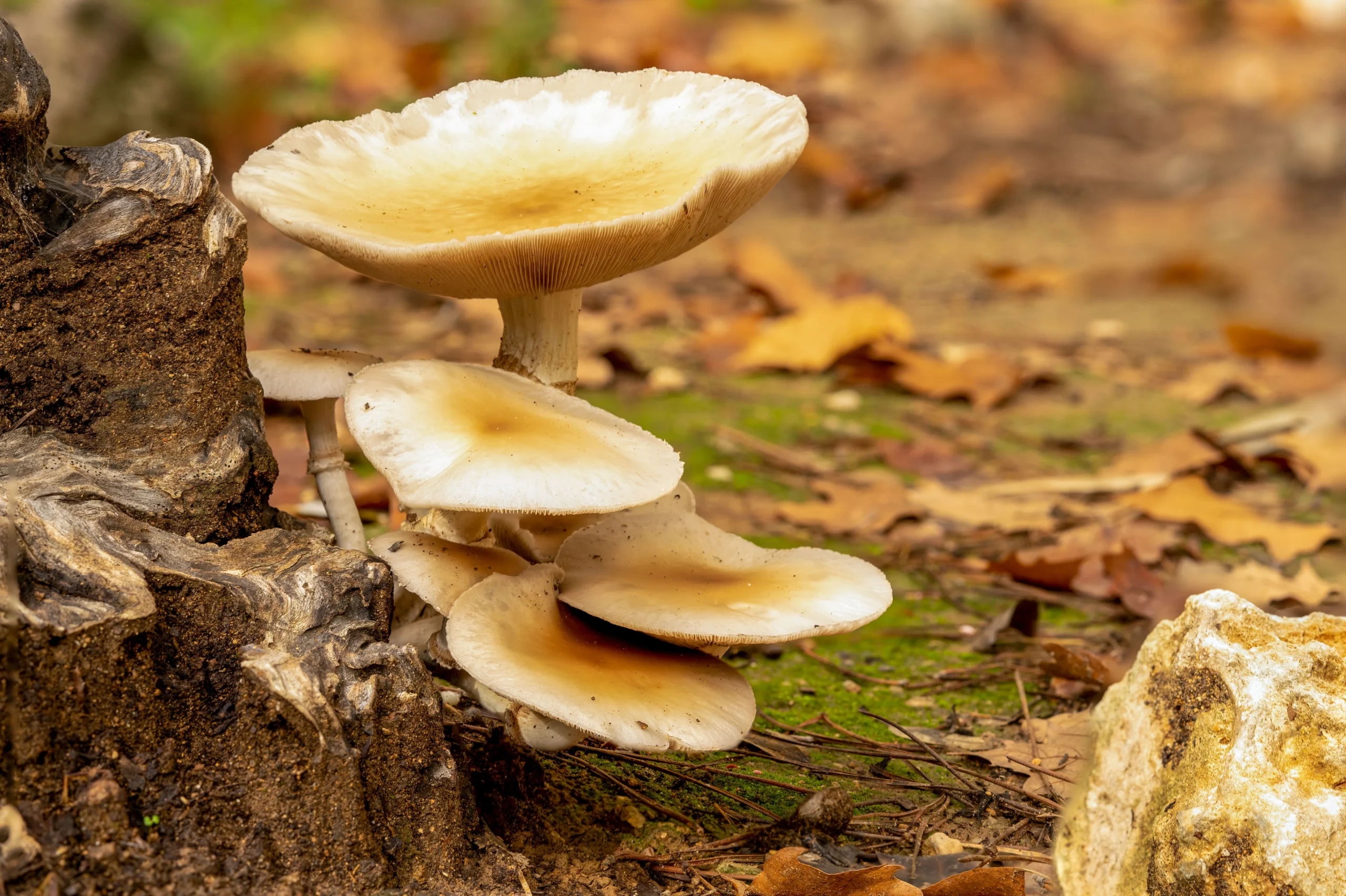
Reishi is a medicinal mushroom from the genus Ganoderma.
The name most commonly used on supplement labels is Ganoderma lucidum. However, there is an important scientific complication here.
Modern DNA-based research has shown that the mushroom traditionally called Lingzhi or Reishi in East Asia is not always the same species as the European mushroom that was formally named Ganoderma lucidum. Some Asian medicinal material is better classified as Ganoderma lingzhi or another member of the broader G. lucidum group.
This isn’t just a technical naming issue.
Different Ganoderma species can have different chemical profiles, including differences in triterpenes. That means two products carrying the words “Ganoderma lucidum” may not necessarily contain chemically identical material.
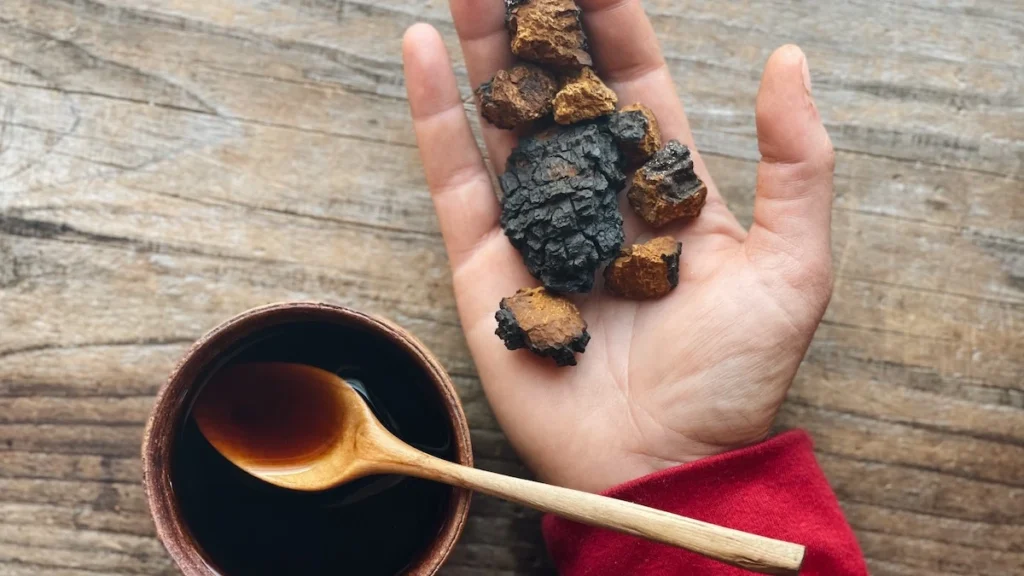
Reishi is a polypore fungus, not a plant. It typically has a shiny, lacquered appearance and grows on wood.
The mushroom contains hundreds of compounds, but two broad groups receive the most attention:
These are complex carbohydrates found in the fungal cell wall. They are particularly interesting because of their relationship with immune-system signaling.
These include compounds such as ganoderic acids and related triterpenoids.
Triterpenes are partly responsible for Reishi’s characteristic bitter taste and have been extensively investigated in laboratory studies.
Other compounds identified in Reishi include sterols, proteins, nucleosides, fatty acids, and various polysaccharides.
This chemical diversity is one reason Reishi attracts researchers. It isn’t a single active ingredient like caffeine. It is a complex biological material containing many compounds that may act through different pathways.
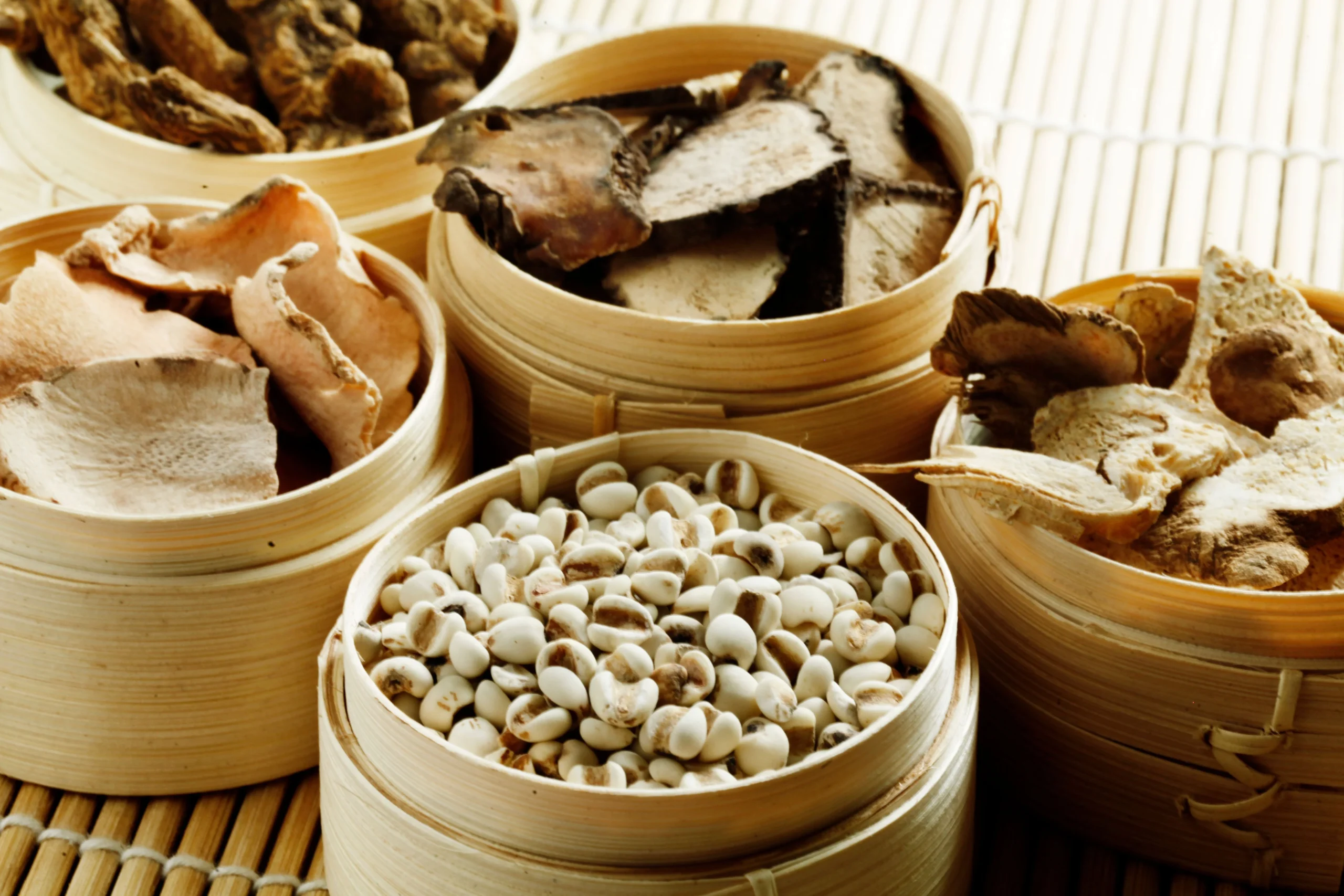
Reishi species occur in different parts of the world, particularly in temperate and subtropical regions.
Traditional Lingzhi cultivation and use are strongly associated with China, Japan, Korea, and other parts of East Asia. The mushroom has also been cultivated commercially in other countries.
Today, much of the world’s medicinal mushroom supply comes from cultivated rather than wild mushrooms.
China is particularly important in Reishi production. Traditional Chinese sources identify cultivation in provinces such as Jiangxi and Zhejiang, while modern commercial mushroom suppliers also source cultivated Reishi from China.
Not automatically.
This is where supplement marketing can become misleading.
A mushroom’s country of origin doesn’t tell you everything about its quality.
A high-quality Chinese-grown Reishi can be excellent. A poorly tested Chinese product can be poor. The same principle applies to products grown in the United States, Japan, Korea, Europe, or India.
For Reishi, quality should be judged by several factors:
There is another reason to be careful.
A 2018 study analyzing commercial Reishi products found substantial problems with species identification and labeling consistency. The researchers used DNA-based testing on products marketed as G. lucidum and demonstrated the broader taxonomic confusion surrounding commercial Reishi.
More recently, ConsumerLab’s 2026 testing of seven Reishi supplements found that two failed its approval criteria for expected beta-glucan levels, while several approved products had relatively low levels of triterpene compounds.
So the best answer is:
There is no single country that automatically produces the world’s best Reishi. The best product is the one with authentic mushroom material, transparent standardization, appropriate extraction, and independent quality testing.

There isn’t one person who “discovered” Reishi.
Humans were using Ganoderma long before modern scientific mycology existed.
Historical records show that Ganoderma was discussed in Chinese herbal literature more than 2,000 years ago. The Shennong Ben Cao Jing, traditionally associated with the legendary Chinese herbal figure Shennong, describes several forms of “zhi,” including different colors of Ganoderma.
So it would be inaccurate to say that one scientist discovered Reishi.
Instead, Reishi’s story has several stages.
Ganoderma became associated with longevity, spiritual vitality, and health. The Chinese term Lingzhi is closely associated with spiritual potency and longevity.
Because wild Reishi was relatively uncommon and difficult to obtain, it developed an almost legendary status.
In Japan, the mushroom became known as Reishi or Mannentake.
Traditional use continued, and cultivation techniques gradually made the mushroom more accessible.
Large-scale cultivation transformed Reishi from an unusual traditional medicine into a commercial product.
Instead of relying exclusively on wild mushrooms, producers learned to cultivate Ganoderma under controlled conditions.
During the 20th century, scientific interest in medicinal mushrooms increased.
Researchers began investigating Reishi’s polysaccharides, triterpenes, immune effects, antioxidant activity, and potential anticancer properties.
The mushroom eventually entered Western herbal medicine and, later, the modern functional-mushroom and nootropics market.
Today, Reishi is sold as:
This global expansion has made Reishi easier to access, but it has also created a new problem: marketing claims have grown faster than the evidence.
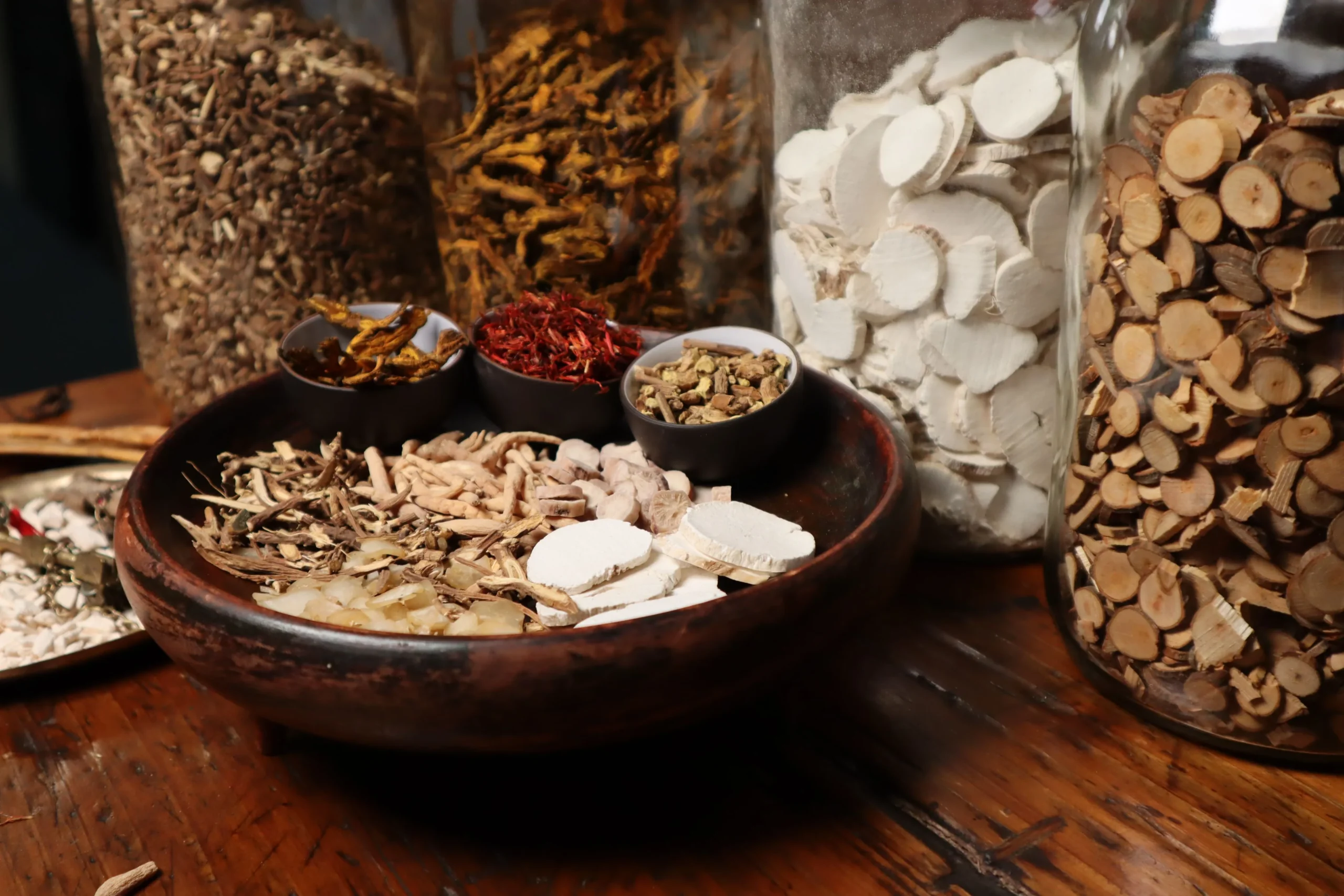
Immune support is probably the most established area of interest surrounding Reishi.
Its beta-glucans and other polysaccharides can interact with components of the immune system. Laboratory and early clinical research suggests that Reishi compounds can influence immune-cell activity.
That does not mean Reishi “boosts immunity” in a simple way.
The immune system is not like a battery that is always better when turned up.
A better description is that Reishi may modulate certain immune responses.
This distinction is important, particularly for people with autoimmune diseases or those taking immunosuppressive medications.
Reishi is frequently described as an adaptogenic mushroom.
Many users take it in the evening because they associate it with relaxation and a calmer feeling.
There is some scientific interest in this area, but the human evidence is not strong enough to say that Reishi reliably treats anxiety or chronic stress.
Laboratory research has identified possible effects involving inflammatory and neurological pathways, while traditional use has long associated Reishi with calmness and vitality. However, high-quality clinical evidence remains limited.
So if a supplement company says Reishi “reduces stress,” treat that as a potential wellness effect rather than a guaranteed medical outcome.
Sleep is another reason Reishi appears in modern nootropic and wellness formulas.
Some people report that Reishi helps them relax before bed.
There is biological interest in the mushroom’s possible effects on stress and nervous-system signaling, but there is not yet enough high-quality evidence to say Reishi is a proven treatment for insomnia.
If you struggle with persistent insomnia, the cause matters.
Sleep apnea, anxiety, depression, medications, alcohol, caffeine, restless legs syndrome, and other health conditions can all interfere with sleep.
Reishi shouldn’t be used to mask an underlying sleep disorder.
Reishi contains multiple compounds with antioxidant and anti-inflammatory activity in laboratory experiments.
Researchers have studied triterpenoids and polysaccharides for their effects on oxidative stress and inflammatory pathways.
But again, laboratory activity doesn’t automatically translate into a clinically meaningful benefit in humans.
This is one of the most common mistakes in supplement marketing.
A compound can reduce a particular inflammatory marker in a cell culture while having little or no meaningful effect on disease outcomes in humans.
Therefore, Reishi’s antioxidant and anti-inflammatory properties are scientifically interesting, but they should not be presented as proof that the mushroom prevents chronic disease.
Reishi has been investigated for possible effects on blood pressure, blood lipids, glucose metabolism, and vascular health.
These effects are biologically plausible because Reishi contains several compounds that influence metabolic and inflammatory pathways.
However, clinical evidence is not strong enough to recommend Reishi as a treatment for high blood pressure, high cholesterol, or heart disease.
If you have cardiovascular disease, Reishi should be considered a supplement, not a replacement for prescribed treatment.
Laboratory and animal research has examined Reishi’s potential effects on glucose metabolism and insulin-related pathways.
Some early human research is also available, but the evidence remains inconsistent.
This is another area where supplement marketing can get ahead of science.
Reishi should not be used as a substitute for diabetes medication, dietary changes, exercise, or medical monitoring.
Reishi is sometimes marketed as a “longevity mushroom.”
There is a reasonable biological basis for studying it because researchers have identified antioxidant, immune-modulating, metabolic, and inflammatory effects.
But there is currently no reliable human evidence showing that Reishi extends human lifespan.
The phrase “mushroom of immortality” comes from its cultural history, not proof that consuming Reishi makes humans live longer.
That distinction makes for better health journalism and better consumer decisions.
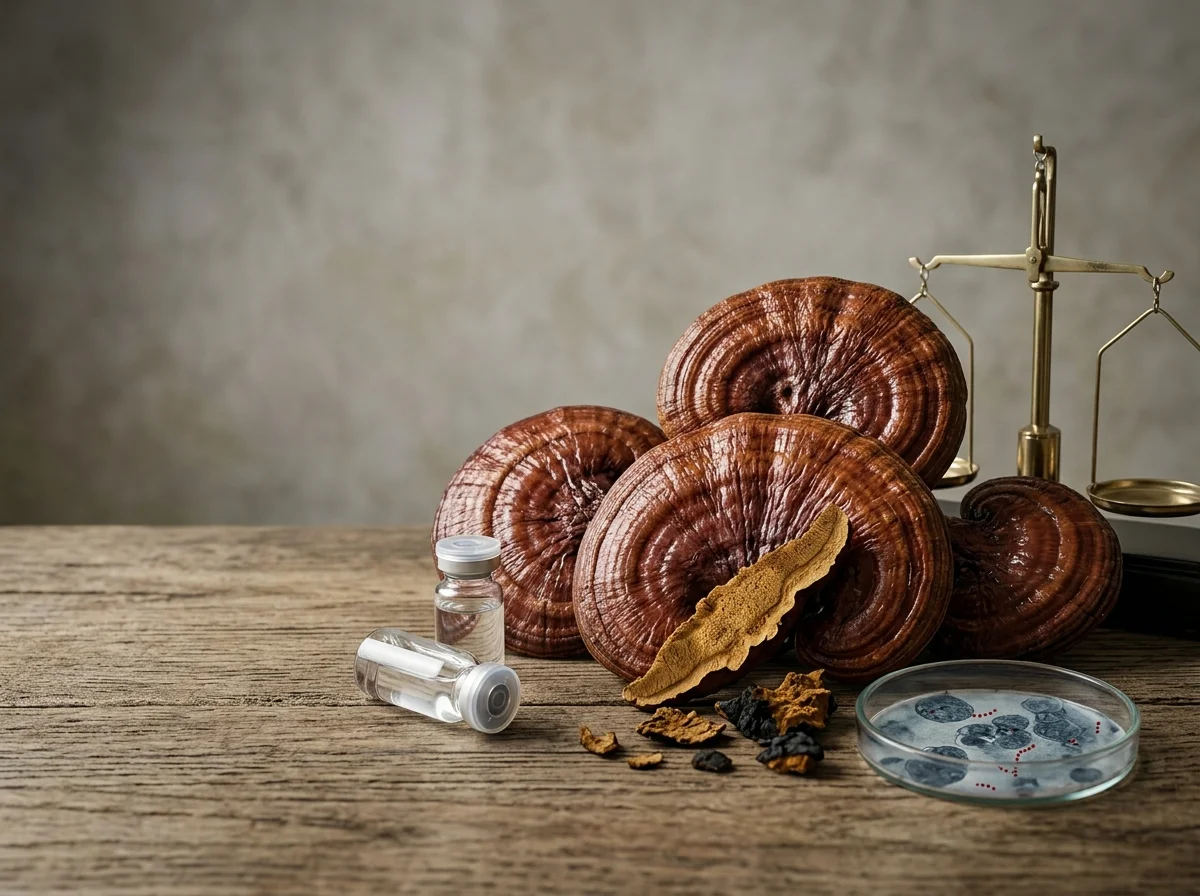
Reishi is natural, but natural does not mean risk-free.
Memorial Sloan Kettering Cancer Center lists possible side effects including:
It also warns about potential interactions with blood thinners and immunosuppressants.
This deserves particular attention.
Although serious reactions appear uncommon, liver injury has been reported with Reishi products.
Anyone who develops symptoms such as unusual fatigue, dark urine, yellowing of the skin or eyes, or significant abdominal discomfort after starting a supplement should seek medical evaluation.
Reishi may increase bleeding risk, which matters if you take blood-thinning medication such as warfarin.
Don’t assume that because a mushroom is sold over the counter it is automatically compatible with prescription drugs.
Reishi’s immune-modulating effects can be a concern for people taking immunosuppressive medications.
This includes some people who have undergone organ transplantation or are being treated for certain autoimmune conditions.
Some people experience stomach upset or nausea.
This may be more noticeable with concentrated extracts than with ordinary culinary mushroom consumption.
Interestingly, although Reishi is often marketed for relaxation and sleep, Memorial Sloan Kettering lists insomnia among possible side effects.
This is a useful reminder that supplements don’t affect everyone in the same way.
There isn’t enough reliable safety information to recommend Reishi routinely during pregnancy or breastfeeding.
Professional guidance is appropriate before use.
There is no universally recognized “best Reishi supplement.”
The following products are examples worth considering based on their stated formulation, availability, and quality information, rather than medical endorsements.
One important lesson from current independent testing is that buyers should pay attention to the actual mushroom material and active-compound testing rather than simply buying a product with the biggest number on the front of the bottle. ConsumerLab’s 2026 review found meaningful differences among products tested.
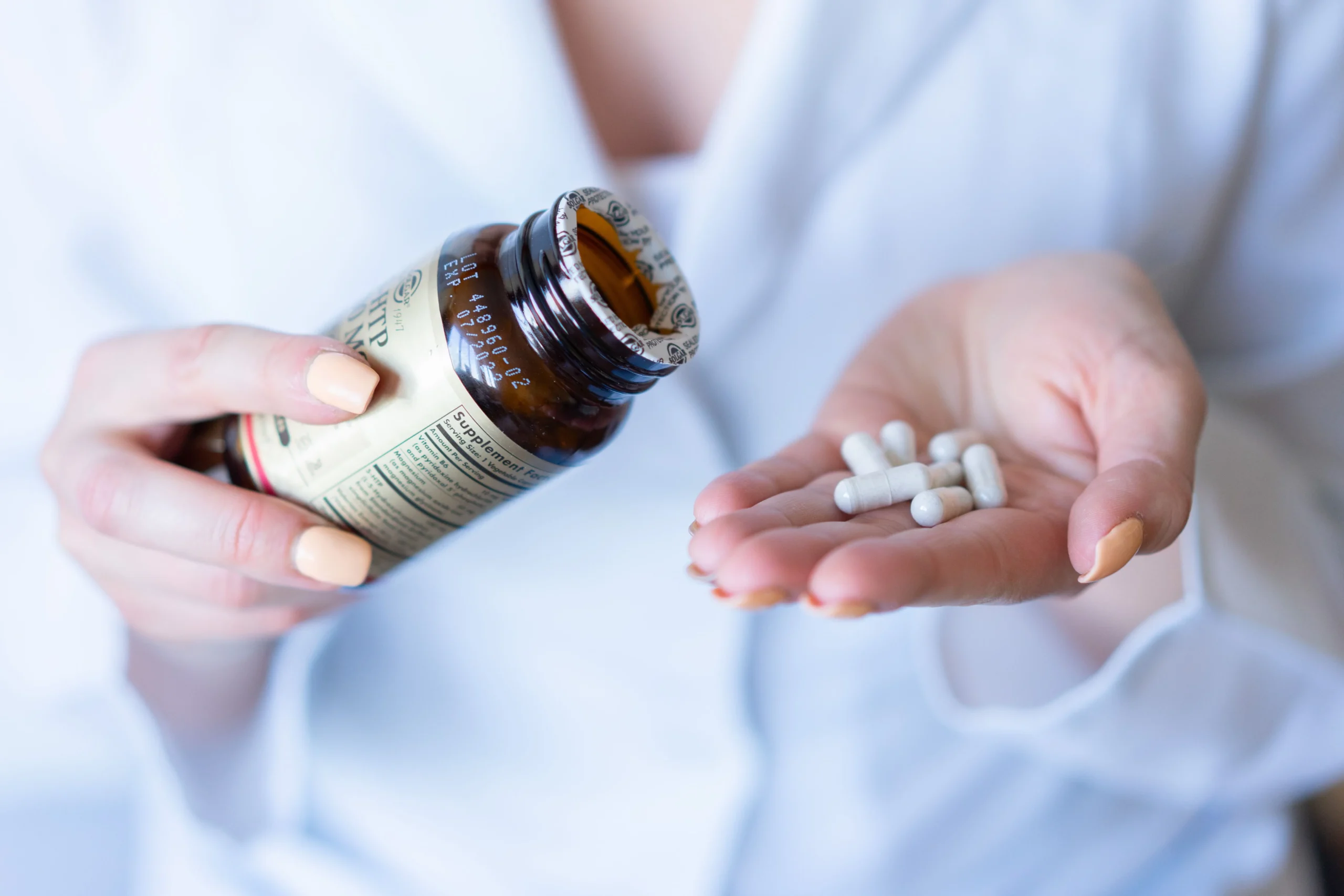
Real Mushrooms’ Organic Reishi is one of the more transparent U.S. options.
The company states that the product uses 100% mushroom fruiting bodies rather than mycelium fermented on grain, and its current product information reports greater than 25% beta-glucans and 4% triterpenes. It also states that products undergo third-party testing and Purity-IQ authenticity testing.
This product is particularly interesting for consumers who want to know how much of the final product is actual mushroom material.
The company also says its extracts are made using hot-water and alcohol extraction, which makes sense chemically because different Reishi compounds have different solubility characteristics.
Host Defense is another established U.S. mushroom supplement company.
Its Reishi product uses mushroom mycelium grown on a fermented rice substrate, rather than following the fruiting-body-only approach used by Real Mushrooms. The company explains this formulation openly and states that it considers both the mycelium and fermented substrate part of its research and formulation.
That transparency is important.
It also demonstrates why consumers should not assume that every high-quality Reishi supplement must use the exact same part of the mushroom.
If your preference is fruiting body and quantified beta-glucans, Real Mushrooms may be more aligned with that goal. If you specifically prefer Host Defense’s mycelial formulation and research approach, its product is a different option.
Singapore has a large market for Lingzhi, partly because of its strong connection with Chinese herbal traditions.
RED SUN’s Japan LingZhi is currently available through its official store on Shopee Singapore.
The product is marketed as containing Ganoderma lucidum/Reishi, and the Singapore listing offers 60- and 150-capsule versions.
This is a practical option for Singapore consumers who prefer a traditional Lingzhi product rather than a Western functional-mushroom powder.
Royce LingZhi+ is another Singapore-market option.
Current Singapore listings describe it as a Reishi/LingZhi extract and identify the product as GMP quality made in Singapore.
For Singapore buyers, the important point is to check the actual Supplement Facts panel before purchasing. Products sold under the broad term “Lingzhi” can contain different preparations, concentrations, and mushroom parts.
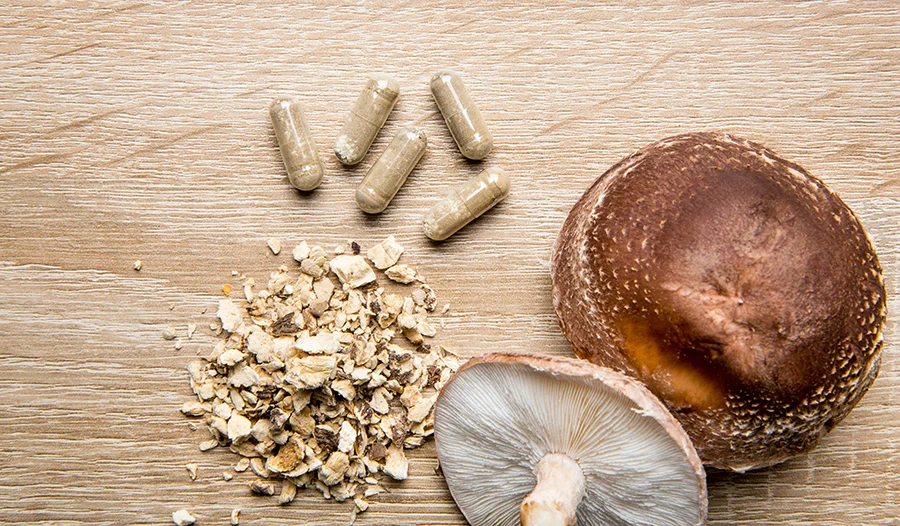
Sevenhills Wholefoods sells an Organic Reishi Mushroom Powder in the UK.
The company states that it uses 100% organic Reishi mushroom powder made from fruiting bodies and suggests adding it to hot drinks or food.
This is a relatively simple option because there isn’t a complicated multi-ingredient formula.
However, it is important to recognize that a basic powder is not necessarily equivalent to a concentrated extract used in clinical research.
Cannaray Reishi Capsules are currently listed by Holland & Barrett in the UK, making them another accessible European-market option.
The product is marketed as a concentrated Reishi preparation, but consumers should check the current label for the exact amount, extract ratio, and whether active compounds are quantified.
That last point matters because “10,000 mg equivalent” or similar marketing numbers can make a product sound much stronger than a straightforward milligram figure actually indicates.
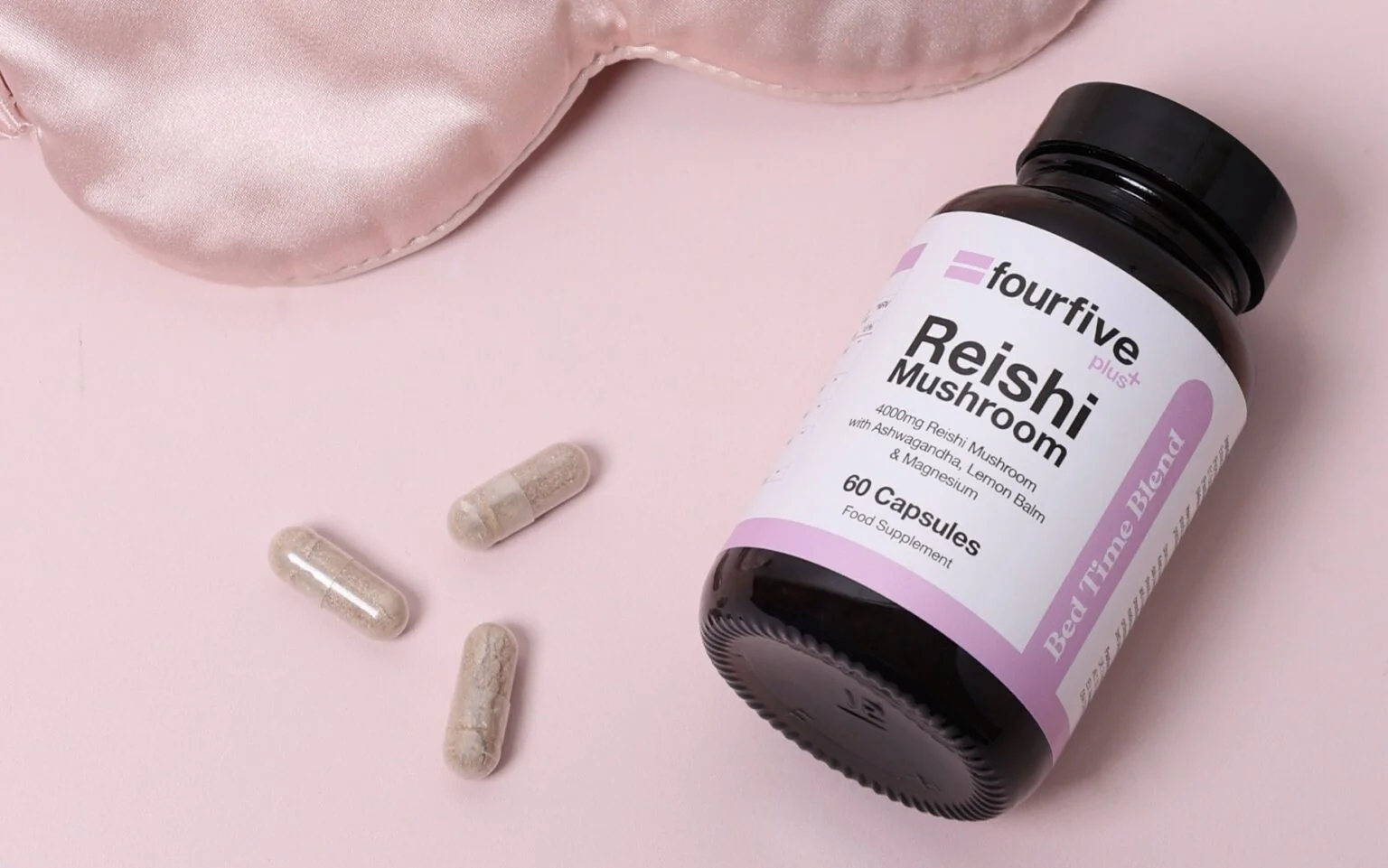
Rooted Active Naturals’ Reishi Organic Mushroom Extract is currently listed by HealthKart in India.
The product is available in capsule and powder formats, and HealthKart states that its products are tested during development and production.
For Indian buyers, this is an accessible domestic-market option.
However, I would still recommend checking the current label for beta-glucans, triterpenes, extraction ratio, and third-party testing before making a final decision.

This is the section that separates Reishi from typical supplement marketing.
Reishi has generated significant interest in cancer research, but this is also where consumers need to be most careful.
A Cochrane review examined randomized controlled trials involving Reishi in cancer treatment and included five trials with 373 participants. It found some evidence suggesting that Reishi used alongside conventional chemotherapy or radiotherapy might improve some measures, but the researchers emphasized that the trials were small and generally had methodological limitations. There was not enough evidence to justify Reishi as a first-line cancer treatment, and long-term survival effects remained uncertain.
The National Cancer Institute states clearly that the FDA has not approved Reishi as a treatment for cancer or any other medical condition.
So Reishi should never replace chemotherapy, radiation, surgery, immunotherapy, or another evidence-based cancer treatment.
The NCCIH similarly warns against using unproven complementary products instead of conventional cancer treatment.
This is more promising.
Research suggests Reishi polysaccharides can influence immune-cell activity, and some clinical studies have observed changes in immune markers.
But a change in an immune marker isn’t automatically the same thing as preventing infections or extending lifespan.
That distinction is often lost in supplement advertising.
There is a plausible biological basis and a long traditional history, but clinical evidence remains relatively limited.
There are not enough large, high-quality randomized trials to say that Reishi reliably treats anxiety, chronic stress, or insomnia.
This is mostly a hypothesis.
Reishi contains compounds with antioxidant and anti-inflammatory activity, and those pathways are relevant to healthy aging.
But no good evidence currently proves that Reishi makes humans live longer.
The term “mushroom of immortality” is cultural heritage, not a clinical claim.
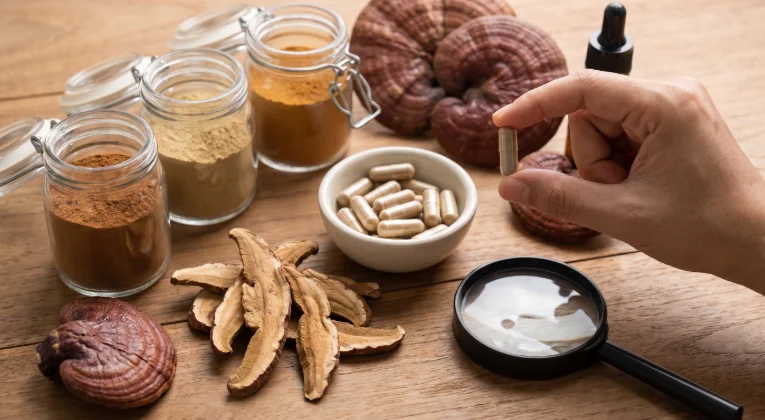
If you are buying Reishi, don’t choose based only on the number of milligrams printed on the front.
Instead, check these points.
Look for Ganoderma and, ideally, clear information about the species.
Both approaches exist, but they are not interchangeable.
This is one of the more useful indicators of mushroom material.
ConsumerLab specifically recommends paying attention to whether the label identifies mushroom or fruiting body and whether meaningful beta-glucan levels are present.
This is useful, especially when the product is marketed for its triterpene content.
Reishi has compounds with different solubility characteristics, so extraction can matter.
Look for testing for:
A transparent supply chain is a good sign.
Daily Reishi use may be reasonable for some healthy adults, but there is no scientific requirement that everyone should take it every day.
This is an important distinction.
Reishi is a supplement, not an essential nutrient.
You don’t become deficient in Reishi.
If you enjoy it, tolerate it well, and have a reasonable wellness goal, daily use may be appropriate according to the product’s directions.
But long-term continuous use has not been studied as thoroughly as supplement marketing sometimes implies.
A 2021 critical review specifically highlighted gaps in research concerning long-term safety, chronic use, and several other safety questions.
So I would approach daily use like this:
Try it for a defined period, monitor how you respond, and reassess whether you are getting a meaningful benefit.
There is no reason to keep taking a supplement indefinitely simply because the label says “daily.”
Speak with a healthcare professional before taking Reishi if you:
Memorial Sloan Kettering specifically highlights bleeding risk with warfarin and concerns about immunosuppressant use.
Reishi is one of the world’s oldest and most recognizable medicinal mushrooms.
Known as Lingzhi in China and Reishi in Japan, it has been used in East Asian traditional medicine for more than two thousand years. Historical Chinese texts describe several forms of Ganoderma, while modern scientific research has investigated the mushroom’s polysaccharides, beta-glucans, triterpenes, sterols, and other compounds.
Its modern appeal comes from the possibility that these compounds may influence
immune function, inflammation, stress responses, metabolic health, and other biological pathways.
But Reishi is a perfect example of why supplement claims need to be separated from scientific evidence.
Laboratory research is extensive.
Animal research is promising.
Human research is much more limited.
The evidence is particularly interesting around immune-related effects, but it is not strong enough to say that Reishi prevents disease in healthy people. Cancer research has produced some encouraging findings when Reishi is used alongside conventional treatment, but the evidence is not sufficient to make it a first-line treatment or a cure.
There is also a surprisingly important quality issue.
Not every Reishi supplement is the same.
Some products use fruiting bodies. Others use mycelium. Some disclose beta-glucans. Others do not. Some quantify triterpenes. Others provide only a large “mushroom equivalent” number.
Independent testing in 2026 found meaningful differences between commercial Reishi supplements, reinforcing the need to look beyond the front of the bottle.
For someone choosing a Reishi supplement, the most useful checklist is therefore:
Authentic mushroom + transparent species information + clearly identified mushroom material + meaningful beta-glucan/triterpene information + appropriate extraction + contaminant testing + reputable manufacturing.
As for the country of origin, China has enormous importance in Reishi cultivation and traditional use, but country alone does not determine quality. A well-tested product is a better choice than one that relies on geography or extravagant health claims.
And should you take Reishi every day?
For some healthy adults, daily use according to a product’s directions may be reasonable. But there is no scientific requirement for everyone to supplement with Reishi, and long-term safety data are not as comprehensive as the supplement industry sometimes makes them sound.
The bottom line: Reishi is a fascinating medicinal mushroom with a remarkable history and promising biological research, but it is not a miracle cure.
If you use it, choose the product carefully, keep your expectations realistic, and remember that a supplement should complement a healthy lifestyle and appropriate medical care, not replace either one.
Reishi can be included in a nootropic routine, but it is not a classic cognitive enhancer. Unlike caffeine or certain compounds specifically studied for attention and memory, Reishi’s strongest scientific interest is around immune modulation, stress-related pathways, inflammation, and general wellness. Evidence that it directly improves memory or intelligence in healthy people is limited.
Not always. “Reishi” is a common name covering medicinal Ganoderma mushrooms, while Ganoderma lucidum has historically been used broadly on commercial labels. Modern molecular research has shown considerable taxonomic confusion, and many East Asian medicinal mushrooms historically called G. lucidum may actually belong to species such as Ganoderma lingzhi.
No. Reishi has been investigated as a possible adjunct to conventional cancer treatment, but there is not sufficient evidence that it cures cancer. The FDA has not approved Reishi as a cancer treatment, and the National Cancer Institute warns consumers not to confuse dietary supplements with approved cancer therapies.
It can be tolerated by many people, but long-term daily safety is not fully established. Reishi can cause side effects and may interact with medications. Liver injury, nausea, and insomnia have been reported, and particular caution is needed with blood thinners and immunosuppressants.
There isn’t a universal answer, but you should know which one you are buying. Fruiting-body products are often easier to evaluate when they disclose beta-glucan and triterpene content. Some companies intentionally use mycelium-based preparations and provide their own research rationale. The key is transparency rather than assuming that one word on the label automatically makes a product superior. Independent testing has shown that Reishi products can vary substantially in composition.