Explore five political figures from the Middle East linked to major drug trafficking allegations and investigations. Discover the legal cases involving former Moroccan politicians and the alleged connections between Syria’s former regime and the illicit Captagon trade. Learn what court verdicts, official sanctions, and investigative reports reveal about these cases. This article also examines the history of cannabis, its botanical characteristics, traditional uses, and possible connections to ancient Iranian religious traditions. Understand the difference between proven legal outcomes and unverified allegations while exploring the wider relationship between political power, organized crime, and the illegal drug trade in the Middle East in 2026.

The illegal drug trade in the Middle East is more than a public-health problem. In several countries, investigations have exposed alleged links between narcotics trafficking, influential businesspeople, political networks and former government institutions. The scale of these operations has raised difficult questions about corruption, border security, organized crime and the use of illicit profits to sustain political power.
Two cases illustrate the issue particularly clearly. In Morocco, a major trafficking and corruption trial produced prison sentences for prominent former political figures in June 2026. In Syria, the Captagon trade became an international concern during Bashar al-Assad’s rule, with investigations and government sanctions alleging that people connected to the former regime helped facilitate or profit from the industry.
However, these cases require careful interpretation. Being accused of drug trafficking is not the same as being convicted, and involvement in an alleged trafficking network does not automatically mean that someone personally used illegal drugs. The cases discussed here concern alleged trafficking, facilitation or financial connections—not simply recreational drug use.
This article examines five people whose political positions or connections have placed them in the public record surrounding major drug-related investigations. It distinguishes court outcomes from sanctions and investigative allegations, and considers what the cases reveal about the relationship between political power and organized crime.
The article also examines cannabis, a plant associated with the production of hashish, and explains its appearance, geographic origins, historical uses and debated links to ancient spiritual traditions. This botanical history provides context for the wider drug trade; it does not establish that the plant was involved in every case discussed below.
Research note: This article reflects reporting and official records available as of October 15, 2026. Legal decisions may be appealed, and allegations that have not been established in court should not be treated as proven facts.
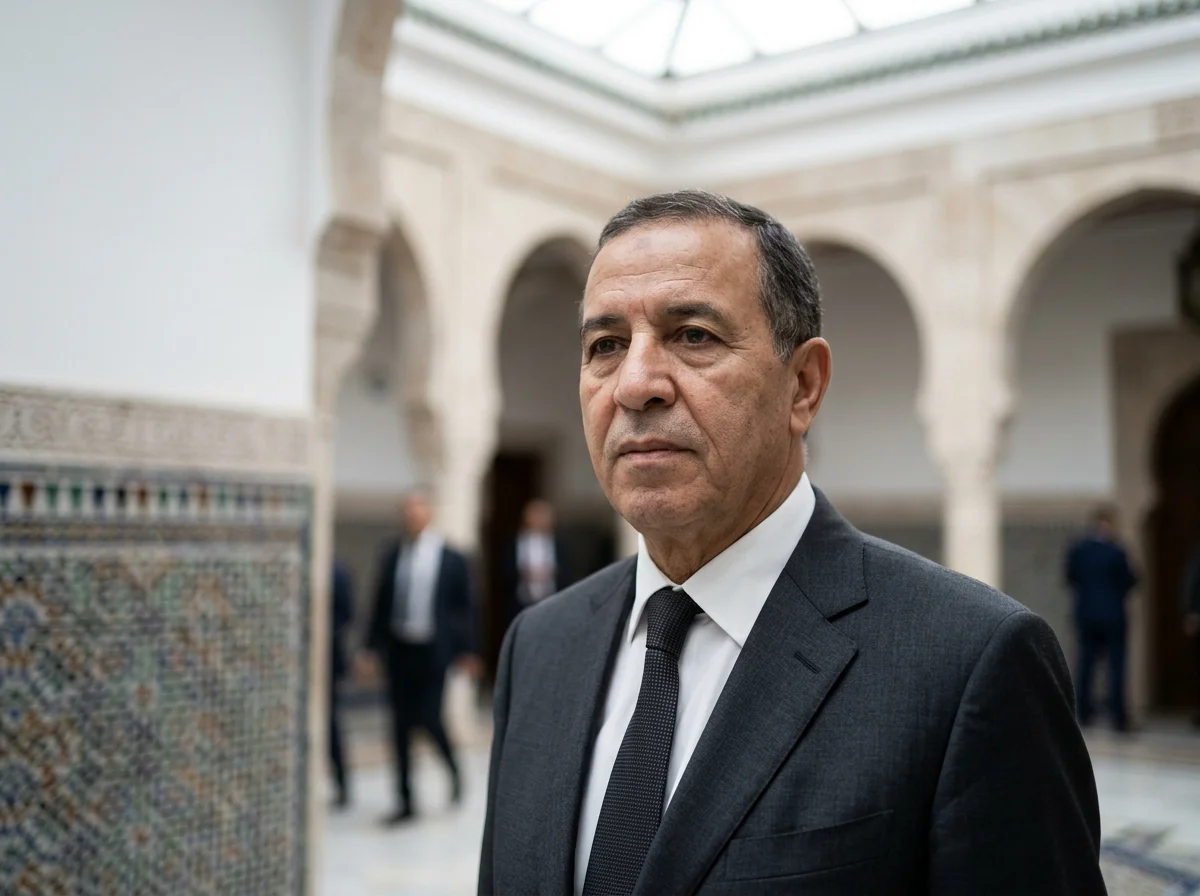
Country: Morocco
Public role: Businessman and former regional political leader
Case status: Sentenced in June 2026; the defence indicated an intention to appeal
Abdennebi Bioui became one of the most prominent names in Morocco’s major drug-trafficking and corruption case, which culminated in a series of prison sentences in June 2026.
Bioui was a construction entrepreneur and former lawmaker associated with Morocco’s Authenticity and Modernity Party, commonly known as PAM. He also held a regional leadership position within the party. His career placed him at the intersection of business and politics, a relationship that attracted particular attention as the criminal proceedings developed.
According to the Associated Press, the case followed allegations made by an imprisoned Malian drug trafficker known in media coverage as “Sahara’s Pablo Escobar.” The allegations concerned an international network involving drug trafficking, business relationships and the seizure of assets. Those accused denied wrongdoing.
After a trial lasting more than two years, a Moroccan court handed Bioui a 12-year prison sentence in June 2026. The case included charges relating to international drug trafficking and other alleged financial and documentary offences. The court also ordered financial penalties and the seizure of assets.
The ruling marked a significant development because the defendant was not merely a private businessman. His political connections made the proceedings relevant to a wider debate about accountability among influential figures.
Sources: Associated Press report on the Moroccan verdict and Le Monde’s coverage of the case.
The Bioui case demonstrates why investigations into organized crime often extend beyond the people physically transporting narcotics. Large trafficking networks can involve companies, financial arrangements, property transactions and relationships between individuals with different levels of influence.
Investigators must establish which activities were criminal, who participated in them and what evidence supports each charge. Political status can make a case more consequential, but it does not replace the need for evidence.
The sentence was a court outcome, not merely an online allegation. Nevertheless, the appeal process matters: a first-instance judgment should be described accurately alongside any subsequent legal developments.
It is also important not to confuse the charges in the case with claims that Bioui personally consumed illegal drugs. The public reporting concerns alleged trafficking and associated offences, not proof of personal drug use.
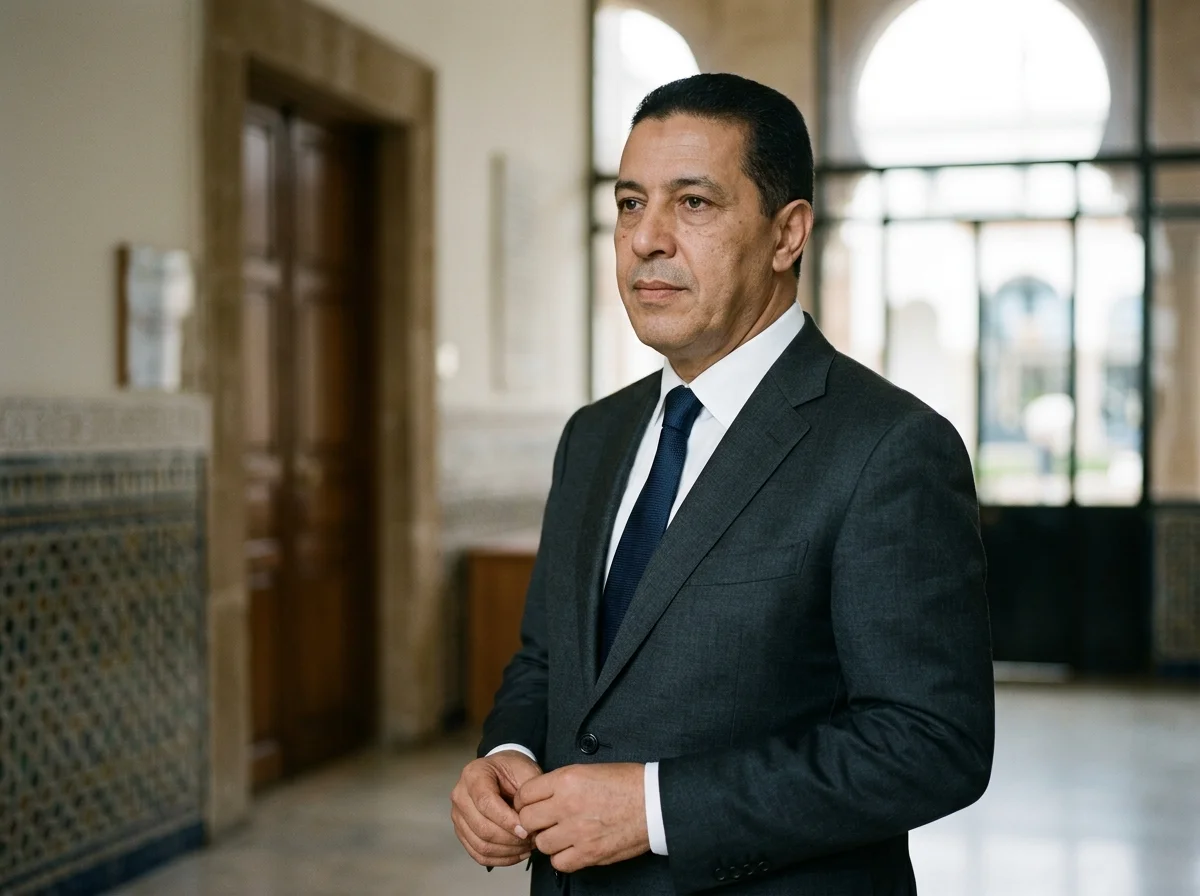
Country: Morocco
Public role: Former lawmaker and political leader in Casablanca
Case status: Sentenced in June 2026; appeal reported by the defence
Saïd Naciri was another prominent figure sentenced in Morocco’s high-profile trafficking and corruption case. He had been associated with PAM and held an influential position in Casablanca’s local political life. He was also known for his leadership role at Wydad Athletic Club, one of Morocco’s best-known football teams.
His public profile made the case especially visible. The proceedings placed political influence, commercial interests and sporting leadership in the same public conversation, although those roles should not themselves be interpreted as evidence of criminal conduct.
In June 2026, the Moroccan court sentenced Naciri to 10 years in prison in the case. The charges covered a range of alleged offences, including participation in international narcotics trafficking and financial or documentary crimes. The defence indicated that it intended to appeal the judgment.
The verdict was part of a wider prosecution involving numerous defendants, rather than an isolated case against one politician. According to the Associated Press, 29 prominent people, including politicians, business figures and sports figures, received prison sentences in the broader case.
Naciri’s position in political and sporting circles illustrates how public prominence can magnify the impact of criminal proceedings. When a well-known figure faces serious charges, the story often becomes a symbol of broader concerns about corruption and institutional trust.
But a responsible account must remain focused on the evidence and the court’s findings. His football connections do not establish wrongdoing, and the existence of a major trafficking investigation does not mean every person in the defendants’ wider professional network was involved.
The appropriate description is that Naciri was sentenced in the Moroccan case, with the defence reportedly preparing an appeal. Readers should consult subsequent court reporting before assuming the ruling has become final.
Cases involving influential defendants can test whether criminal law is applied consistently across society. The central questions are whether investigators can build an evidentiary record, whether courts can assess it independently and whether defendants receive a fair opportunity to challenge the prosecution.
The same standards should apply regardless of whether a defendant is a politician, business executive, athlete or private citizen.
Country: Morocco
Public role: Former lawmaker and football-club president
Case status: Sentenced in June 2026
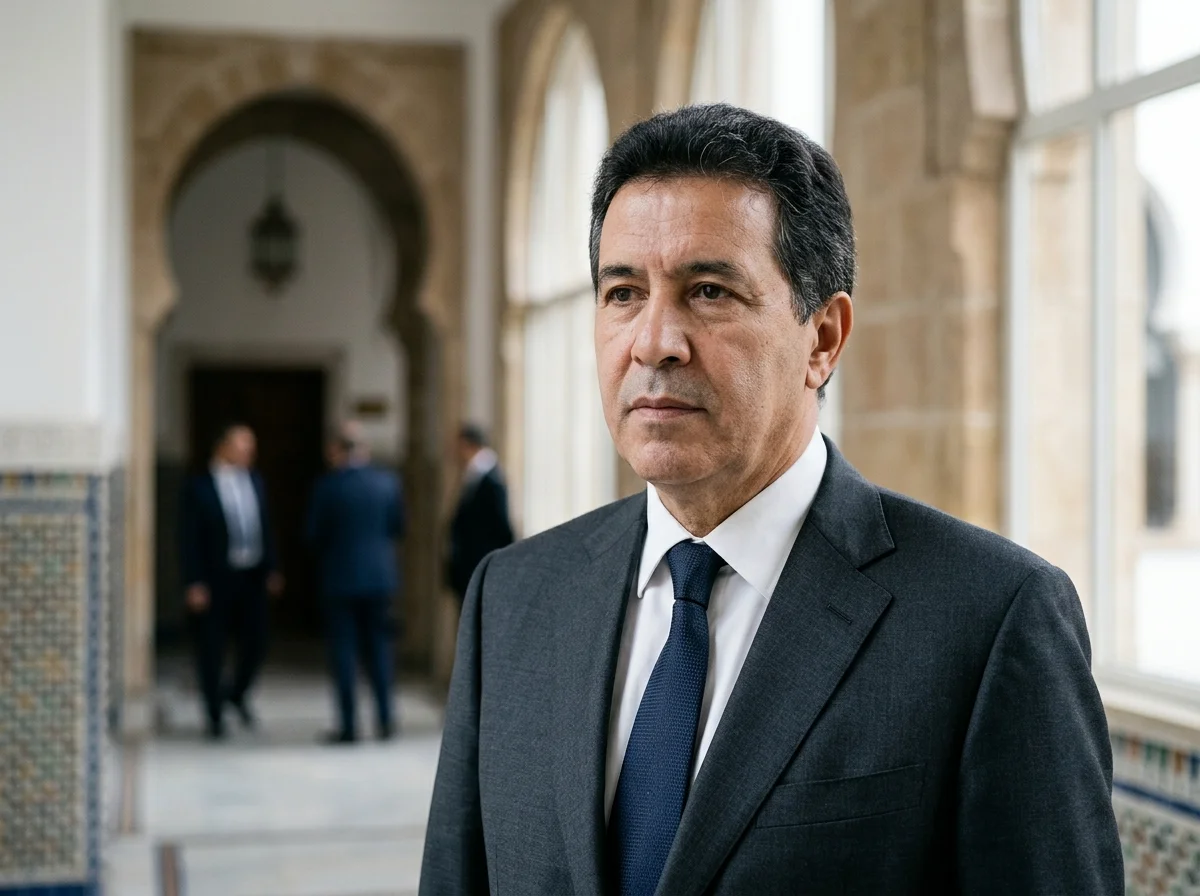
Belkacem Mir was the third former political figure discussed here who received a prison sentence in Morocco’s major trafficking and corruption proceedings.
Like Naciri, Mir had connections to professional football as well as politics. He was a former lawmaker and former president of a football club. His inclusion in the case demonstrated the range of public and commercial backgrounds represented among the defendants.
The Associated Press reported that Mir received a 10-year prison sentence in June 2026. The wider case involved allegations of international drug trafficking, corruption, forgery and other offences. The court also ordered financial penalties and asset seizures in relation to several defendants.
Source: Associated Press coverage of the June 2026 verdict.
Drug-trafficking networks can be difficult to dismantle because they may operate across national borders and use legitimate-looking commercial arrangements. Investigations may therefore examine money flows, business partnerships, property ownership, communications and the movement of goods.
However, the existence of a complex network does not eliminate the need to establish each defendant’s individual responsibility. Courts must assess the evidence against each person rather than assume guilt by association.
The Moroccan proceedings attracted national attention partly because the defendants included individuals with political and business influence. The verdict also intensified discussion about corruption and the standards expected of people who hold public positions.
The wider case has been described as one of Morocco’s significant drug-related legal scandals. Its importance lies not only in the prison terms but also in the questions it raises about how illicit markets interact with legitimate business and public institutions.
Mir’s case is a court-sentencing story, not simply a rumour circulated on social media. Even so, the legal status of a conviction can change through appeal. Any later article update should verify whether an appellate court has upheld, changed or overturned the sentence.
The case should not be used to imply that Moroccan politicians generally participate in drug trafficking. It concerns particular defendants and specific proceedings.

Country: Syria
Public role: Former senior military figure; brother of former president Bashar al-Assad
Case status: Accused in government sanctions and investigative reporting; distinguish allegations from a criminal conviction
The Syrian Captagon trade became one of the most consequential drug-trafficking stories in the Middle East during the final years of Bashar al-Assad’s government.
Captagon is the name commonly used for illicit tablets sold as stimulant drugs in the region. Modern illicit Captagon tablets often contain amphetamine and other substances; their composition can vary. They should not be assumed to match the original pharmaceutical product that used the same name.
During the Syrian conflict, investigators, journalists and foreign governments reported that the country had become a major source of illicit Captagon. The trade generated significant revenue and created smuggling routes into neighbouring countries and Gulf markets.
Maher al-Assad, Bashar al-Assad’s brother and a former commander of the Syrian army’s Fourth Division, was repeatedly linked to allegations surrounding the industry. The U.S. Treasury Department described the Fourth Division and its leadership as involved in illicit revenue-generating activity, including alleged Captagon production and trafficking.
In March 2023, the U.S. Treasury announced sanctions targeting individuals it said supported the former Syrian regime and the production or export of Captagon. Its statement specifically described Maher al-Assad’s position and alleged links between the Fourth Division and trafficking operations.
These are serious allegations by a government authority. Sanctions, however, are not the same as a criminal conviction after trial. The correct wording is that Maher al-Assad was accused by authorities of links to the illicit trade—not that a criminal court has necessarily established his personal guilt.
Following the collapse of Bashar al-Assad’s government in December 2024, journalists and new authorities reported discoveries of Captagon production facilities and stockpiles.
Reuters reported in December 2024 that a large industrial-scale laboratory had been uncovered near Damascus. The discovery offered further insight into the scale of Syria’s illicit drug industry, including production facilities and methods used to conceal tablets for distribution.
Source: Reuters: Discovery of a vast Syrian drug lab reveals secrets of illicit trade.
The existence of factories and large shipments provides evidence of industrial-scale production. It does not, by itself, prove every allegation about who controlled each facility or received its profits. Those questions require financial records, communications, testimony and other evidence linking specific people to particular activities.
The Captagon trade affected more than Syria. Neighbouring countries faced large seizures and repeated smuggling attempts, while authorities worried about addiction, organized crime and the financing of armed networks.
The drug’s regional significance was shaped by several factors:
The fall of a government does not automatically dismantle every illicit network. Factories can close while suppliers, financial facilitators and trafficking routes adapt. Reporting published after the regime’s fall has continued to examine whether production was eliminated or shifted into less visible operations.
Source: OCCRP investigation into Captagon networks after Assad’s fall.

Country: Syria
Public role: Former lawmaker
Case status: Reported allegations; not presented here as a proven criminal conviction
Amer Khiti, a former Syrian lawmaker, was identified in reporting about the Captagon industry as a businessman allegedly connected to drug manufacturing operations during the Assad era.
A December 2024 report by The Guardian described a Captagon production facility uncovered near Damascus after the fall of the government. The report alleged that the factory had been operated by a businessman linked to the former regime and identified Khiti, a sanctioned former lawmaker, in connection with the alleged manufacturing operation.
Source: The Guardian: Inside a Damascus Captagon factory.
This is a different evidentiary category from the Moroccan cases. The Moroccan figures discussed above received prison sentences in a court proceeding. The material cited here about Khiti is investigative reporting about alleged links to production. Without a verified final criminal judgment establishing the relevant offences, it would be inaccurate to describe him as convicted of drug trafficking.
A former public official may retain business relationships, influence or access to networks after leaving office. That possibility is one reason investigators sometimes examine the links between government institutions, military structures, private companies and illicit markets.
But a former official’s political history is not proof of criminal conduct. Evidence must establish the nature of the person’s role, the specific activity alleged and the connection between that activity and an offence.
In the Captagon investigation, the broader question is how industrial-scale production was financed, protected, supplied and distributed. The discovery of manufacturing sites may help investigators reconstruct those networks, but it does not answer every question about individual responsibility.
Reporting about Khiti should be updated if new court documents, official statements or credible investigative reports become available. In particular, a publisher should check whether prosecutors filed charges, whether a court reached a verdict and whether the person or their representatives issued a response.
This caution is essential when publishing articles about alleged criminal conduct. A precise description protects both the reader’s understanding and the credibility of the publication.

The cases in Morocco and Syria are different in their legal status and historical circumstances. Yet they highlight several recurring issues in the relationship between organized crime and political power.
A politician accused of facilitating the movement of narcotics is not necessarily accused of consuming them. Similarly, allegations about personal drug use do not establish participation in a trafficking network.
This distinction matters for search-focused articles because phrases such as “politicians accused of illegal drugs” can mean several things. A reliable report should explain whether the subject concerns trafficking, possession, supply, personal consumption or alleged political protection.
Major trafficking networks may involve people from different professional backgrounds. Some may be alleged organizers, others intermediaries, and still others legitimate business operators whose activities are being examined.
A credible investigation must establish the role of each individual. Shared political affiliations or business contacts alone do not prove criminal participation.
A criminal court determines guilt under the applicable law and evidentiary standards. Sanctions are government measures that may be imposed under different legal frameworks. Investigative journalism can uncover records, trace networks and expose allegations, but it does not replace a court’s judgment.
For readers, these distinctions provide a useful way to evaluate claims about political scandals.
The Syrian Captagon industry illustrates how a drug market can become embedded in a conflict economy. Even after the fall of a government, existing suppliers, transport routes and financial networks may continue to operate or reorganize.
The key questions are whether production has actually stopped, whether enforcement can prevent its return and whether the people who financed or facilitated the trade can be identified through reliable evidence.
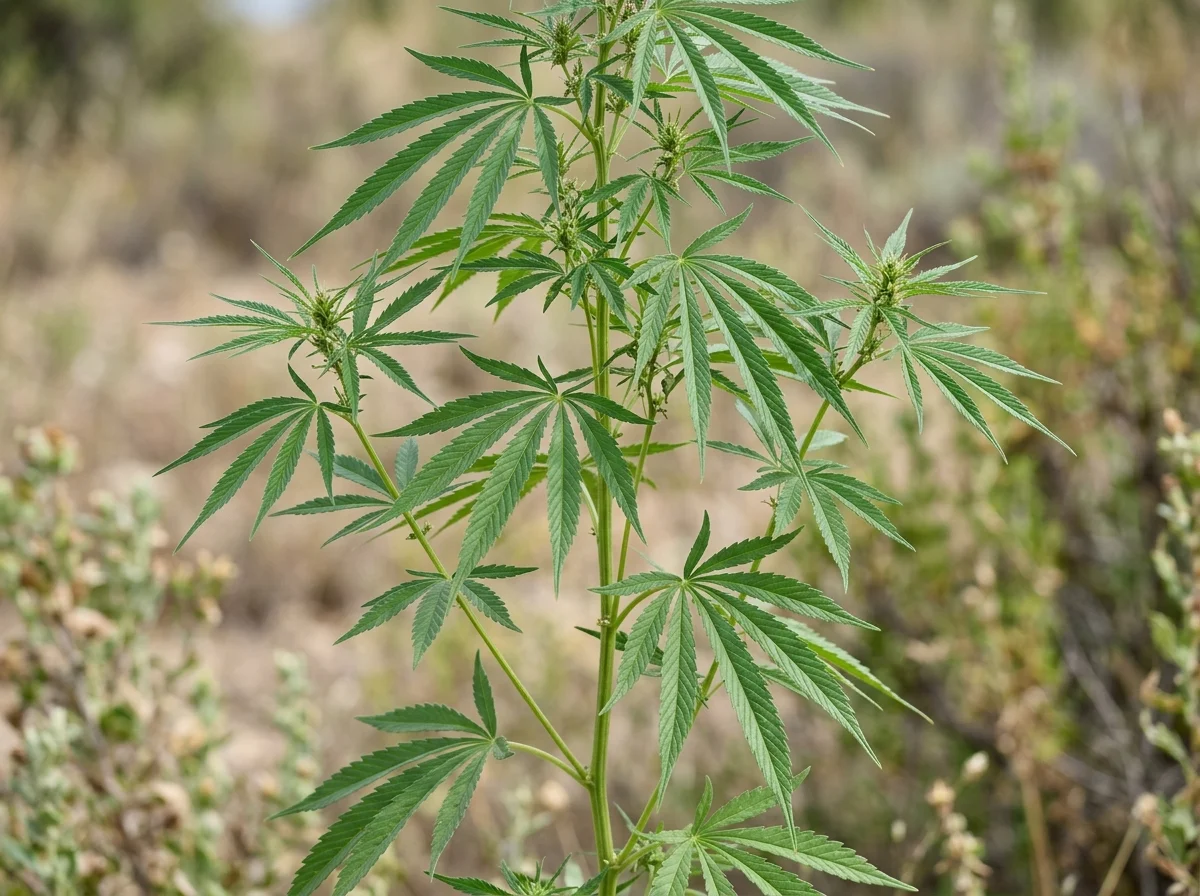
The request for a plant’s appearance and location is relevant to cannabis and hashish, which are part of the wider history of drug production in North Africa and the Middle East. It is not, however, a claim that cannabis was involved in all five cases above. The Moroccan proceedings and the Syrian Captagon trade involve different allegations and should not be treated as a single botanical story.
The scientific name for cannabis is Cannabis sativa. According to the Royal Botanic Gardens, Kew, its accepted native range extends from Central Asia to Xinjiang and Pakistan. It is now cultivated or naturalized in many regions around the world.
Source: Kew Science: Plants of the World Online — Cannabis sativa.
Cannabis is an aromatic annual herb that can grow into a tall, upright plant. Its stems may be simple or branched. The leaves are one of its most recognizable features: they are divided into several narrow leaflets arranged like fingers radiating from a central point. The leaf edges are sharply toothed.
Male and female flowers usually occur on separate plants, although exceptions exist. Female flowering structures are relatively compact, while male flowers tend to appear in looser clusters.
These features can help identify the plant botanically, but appearance alone is not a reliable way to determine the chemical composition of a particular sample.
There is no single, universally established archaeological location where cannabis was “first found.” Plants have histories that predate written records, and a species’ native range is not the same as the location of its first documented use.
Kew identifies the native range of Cannabis sativa as extending through Central Asia, Xinjiang and Pakistan, including areas now within Afghanistan, Kazakhstan, Kyrgyzstan, Pakistan, Tajikistan, Turkmenistan and Uzbekistan.
This means it would be misleading to claim that cannabis originated at one exact site in the modern Middle East. The species’ distribution and its history of cultivation developed over time.
Cannabis has had several historical uses, including fibre, food, ritual practices and medicinal preparations. Hemp fibre has been used for materials such as rope and textiles, while seeds have served as a food source.
Some cannabis-derived compounds also have medical applications in regulated settings. However, medical use depends on the particular compound, formulation, condition and clinical evidence. It does not follow that every cannabis product is beneficial or safe.
Psychoactive cannabis can affect attention, memory, coordination and judgment. Products vary in strength and composition, and unregulated products may carry additional risks. Legal status also differs across countries, particularly for products containing THC, the principal intoxicating compound in cannabis.
For that reason, historical use should not be treated as proof of medical effectiveness, and a plant’s traditional reputation should not replace modern clinical evidence.

The connection between plants and mythology is often exaggerated in popular online articles. Cannabis has a documented history in several cultural and ritual settings, but it is important to distinguish historical practices from a named mythological event.
There is no well-established ancient Middle Eastern myth that directly connects cannabis to the five modern political cases discussed above. Nor is there sound evidence that cannabis played a role in the Moroccan court proceedings or the Syrian Captagon allegations simply because both concern illicit drugs.
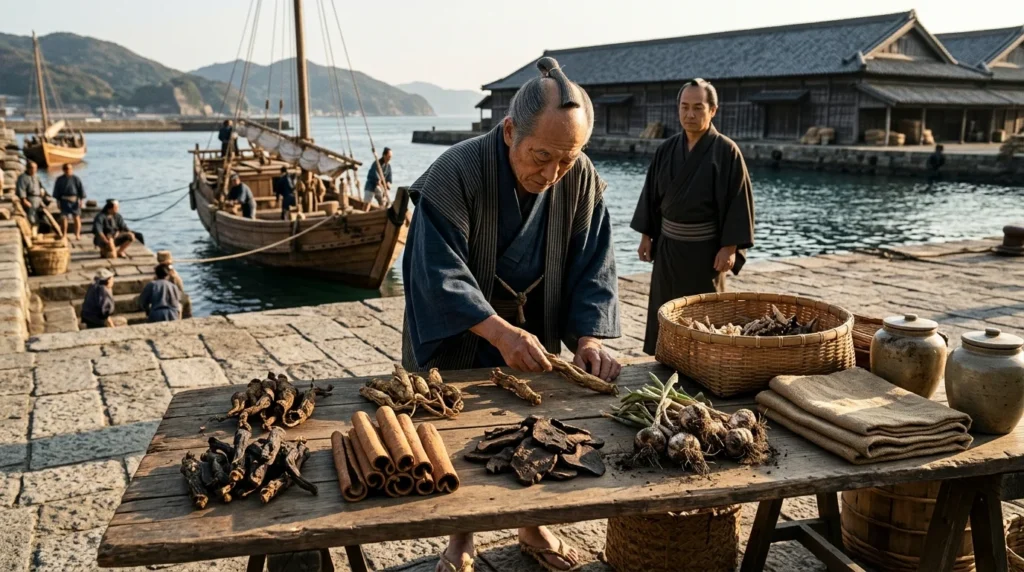
There are, however, scholarly discussions of cannabis or related substances in ancient Iranian and later Persian religious or spiritual contexts. A research article on cannabis and religious debate in Iran notes that some scholars have interpreted references in Zoroastrian texts as possible references to cannabis. The identification is debated rather than universally accepted.
The same research discusses later traditions involving hashish and certain mystical groups. An entry in Encyclopaedia Iranica describes dugh-e wahdat, a historical preparation involving hashish extract and diluted yoghurt, associated with certain mystical practices.
Sources: Research on Islam and cannabis in Iran and Encyclopaedia Iranica: Dūḡ-e Waḥdat.
These accounts are evidence of historical beliefs and practices, not proof of a single canonical myth. They also do not establish that cannabis was used in a major mythological battle, a ruler’s supernatural achievement or a specific legendary event.
Based on the sources cited here, there is no reliable basis to claim that cannabis was used in a specific major event in Middle Eastern mythology. A responsible article should say so rather than invent a story to satisfy a keyword or headline.
Historical religious practices and mythological narratives are related subjects, but they are not interchangeable. A ritual preparation mentioned in a historical source is not automatically a mythological object, and an uncertain interpretation of an ancient text should not be presented as established fact.
The distinction is particularly important in SEO content, where dramatic claims can attract clicks but may undermine trust if they are not supported by evidence.

The history of psychoactive plants can help readers understand how societies have used, regulated and interpreted different substances. But it cannot establish whether a modern politician participated in a trafficking operation.
Modern criminal allegations require modern evidence: court records, financial documents, forensic analysis, credible witness testimony and official findings. Ancient stories cannot prove present-day criminal conduct.
Similarly, evidence that a plant was historically used for medicine or ritual does not make an illicit drug product safe, legal or effective. The scientific question, the cultural question and the legal question should be treated separately.
The cases discussed here show why the relationship between politics and the illegal drug trade deserves serious scrutiny. Morocco’s 2026 verdict demonstrated that prominent former political figures can face substantial criminal penalties. Syria’s Captagon industry, meanwhile, remains an important example of how a lucrative illicit market can become entangled with a conflict economy and allegations of state-linked facilitation.
But the five cases do not all have the same legal status. Three people received prison sentences in the Moroccan proceedings; the allegations involving Maher al-Assad and Amer Khiti must be described according to the official and journalistic sources available, not treated as equivalent court convictions.
The same discipline applies to the botanical and historical questions. Cannabis has a long, geographically broad history and has been used for fibre, food, ritual and some medical purposes. Its possible connections to ancient Iranian traditions are a subject of historical scholarship, but the available evidence does not justify inventing a specific mythological event or connecting the plant to every modern drug case.
For readers trying to understand illegal drugs in the Middle East, the most useful approach is to follow the evidence: distinguish trafficking from personal consumption, identify the legal status of each case, and separate historical context from modern criminal allegations. That is the difference between an informative investigation and a headline built on speculation.
The article examines Abdennebi Bioui, Saïd Naciri and Belkacem Mir, who were sentenced in Morocco’s major drug-trafficking and corruption case in June 2026, as well as Maher al-Assad and Amer Khiti, who were linked in official allegations or investigative reporting to Syria’s former Captagon industry. Their legal statuses differ, and the latter two should not be described as convicted solely on the basis of the cited material.
No. The three Moroccan figures were reported as receiving prison sentences in the June 2026 case. The material cited about Maher al-Assad consists of official sanctions and allegations, while the cited reporting about Amer Khiti concerns alleged links to Captagon production. Those categories must not be conflated.
Captagon is a name associated with stimulant tablets sold illicitly in parts of the Middle East. Modern illicit tablets often contain amphetamine and other substances, and their exact composition can vary. The trade became a major regional security concern during the Syrian conflict.
Hashish is a cannabis-derived product made from concentrated resin. Captagon, as the term is used in modern illicit markets, generally refers to stimulant tablets often containing amphetamine. They are different substances and are associated with different production processes.
Kew’s botanical reference identifies the native range of Cannabis sativa as Central Asia to Xinjiang and Pakistan. There is no single universally agreed archaeological site where the plant was first discovered or first used.
Some cannabis-derived compounds have established medical uses in particular formulations and clinical circumstances. Other claims remain uncertain, and risks depend on the compound, dose, product and person. Psychoactive cannabis can impair memory, attention, coordination and judgment. Historical use does not establish that an unregulated product is safe or medically effective.
The sources discussed here do not establish a specific, widely accepted Middle Eastern myth in which cannabis plays a central role. Scholarly sources discuss possible references in ancient Iranian religious traditions and later spiritual practices, but some interpretations remain debated.
An allegation is a claim that must be assessed. A conviction is a legal outcome reached through a judicial process, subject to the applicable appeal system. Sanctions and investigative reporting have different evidentiary and legal functions. Clear distinctions protect readers from misinformation and reduce the risk of presenting unproven claims as facts.