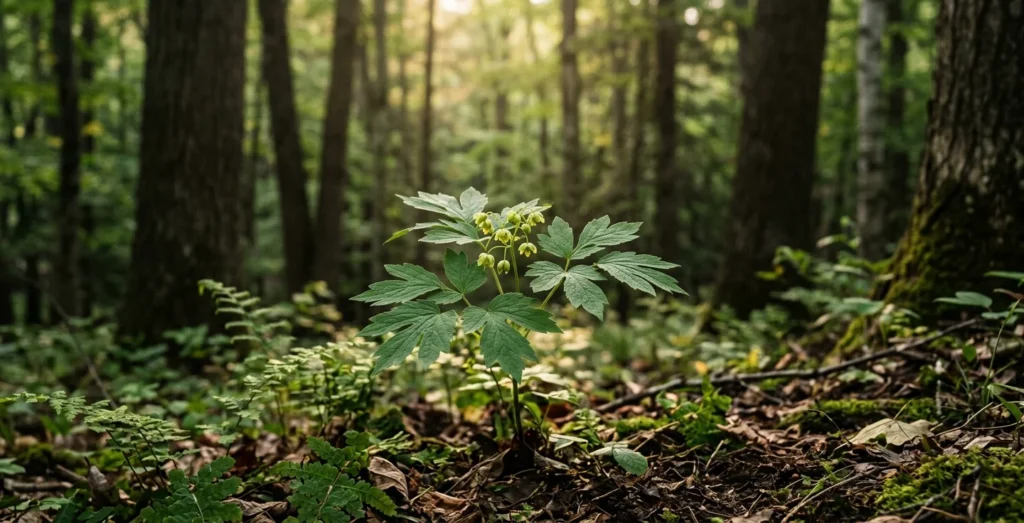
Discover five extinct ancient plant groups found in Oceania, from the towering Glossopteris forests of Gondwana to unusual Jurassic seed plants. Explore their appearance, fossil discovery locations, ecological importance, possible links to Indigenous plant traditions, and why there is no verified evidence that these prehistoric species were nootropics used in mythology.
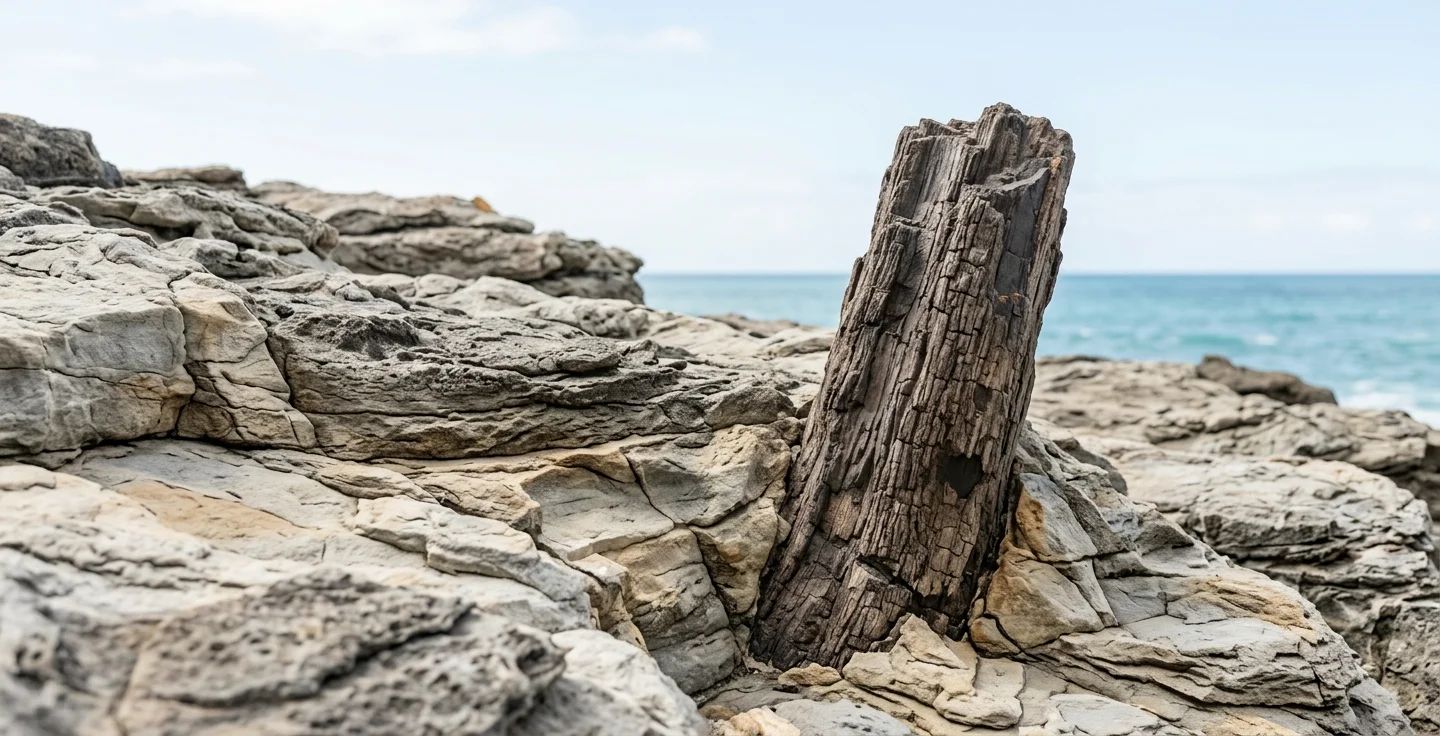
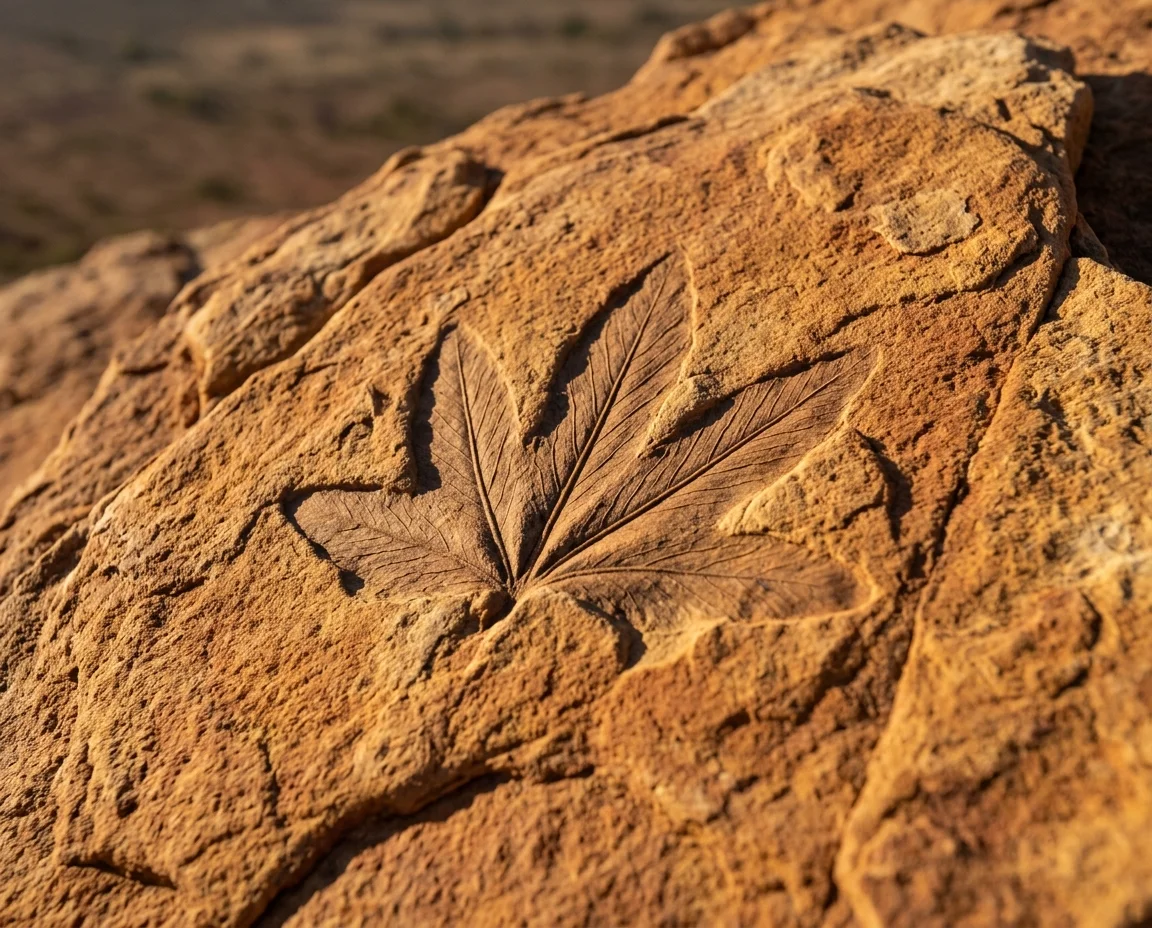
Across Oceania, plants are much more than sources of food, shelter, and medicine. In Indigenous Australian, Māori, and Pacific Islander knowledge systems, particular trees, roots, leaves, and flowers may carry spiritual significance, appear in traditional narratives, or connect people to ancestral lands. Plants can represent creation, transformation, healing, identity, and the relationship between humans and the natural world.
These traditions have attracted growing interest from researchers studying ethnobotany, traditional medicine, and the cultural history of plants. At the same time, the modern popularity of nootropics—substances promoted for memory, attention, learning, and mental performance—has inspired a search for botanical remedies that may have been used by ancient communities.
This raises an intriguing question: did Oceania once contain extinct plants that combined medicinal, cognitive, and mythological significance?
The scientific evidence requires a careful answer. There is no reliable documentation of five extinct Oceanian plant species that were used as nootropics and featured in mythology. Some of the best-known fossil plants from Australia and New Zealand disappeared tens or hundreds of millions of years before modern humans existed. They therefore could not have been consumed by human healers or used by legendary figures.
Nevertheless, their histories are extraordinary. Fossil evidence reveals ancient forests, unfamiliar plant forms, and ecological systems that helped shape the landscapes of the southern continents. Some of these plants have modern relatives, while others belong to lineages that no longer exist.
This article examines five notable extinct plant groups associated with Oceania’s prehistoric botanical history. It explains what they looked like, where their fossils have been discovered, what ecological roles they played, and whether any credible connection exists between them, mythology, or cognitive enhancement.
The distinction matters: the real story of ancient plants is fascinating without attributing unverified medicinal powers or inventing mythological connections.
A nootropic is generally understood as a substance intended to support one or more aspects of cognitive function, such as attention, memory, alertness, or learning. The term is used broadly in popular wellness content, although claims about individual substances vary considerably in scientific quality.
Some living plants contain compounds that researchers investigate for effects on the nervous system. However, a plant’s traditional reputation does not automatically establish that it improves cognition, and laboratory findings do not necessarily demonstrate benefits in humans.
The challenge becomes even greater when the plant is extinct.
For an extinct fossil plant, researchers may be able to identify leaf shapes, reproductive structures, wood anatomy, pollen, spores, or chemical traces. They generally cannot establish that people consumed it, that it was safe to ingest, or that it enhanced memory or attention unless unusually strong historical or biochemical evidence survives.
In the case of plants that vanished millions of years before humanity emerged, there is no plausible basis for claims of human use.
This article therefore distinguishes three different questions:
Only the first two questions can be meaningfully answered for the prehistoric plants examined below.
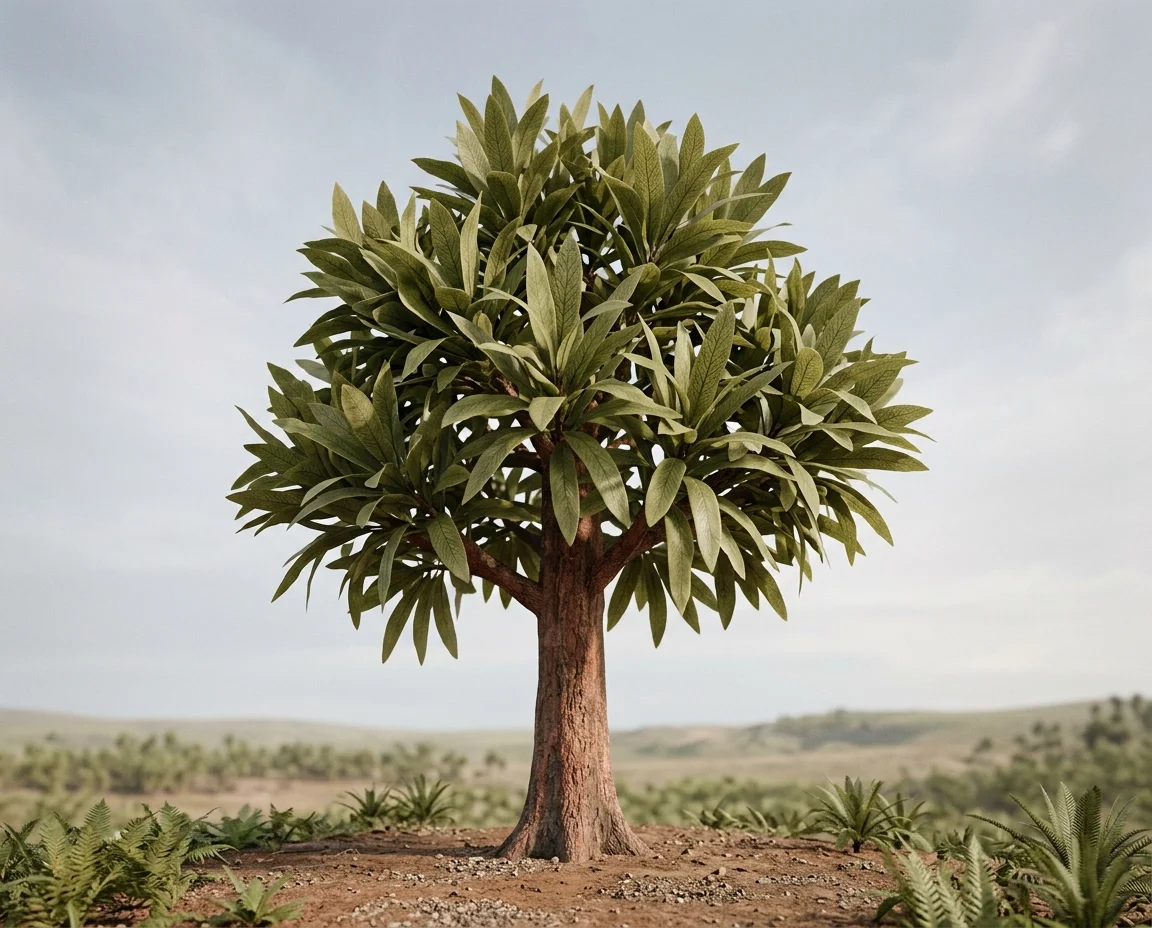
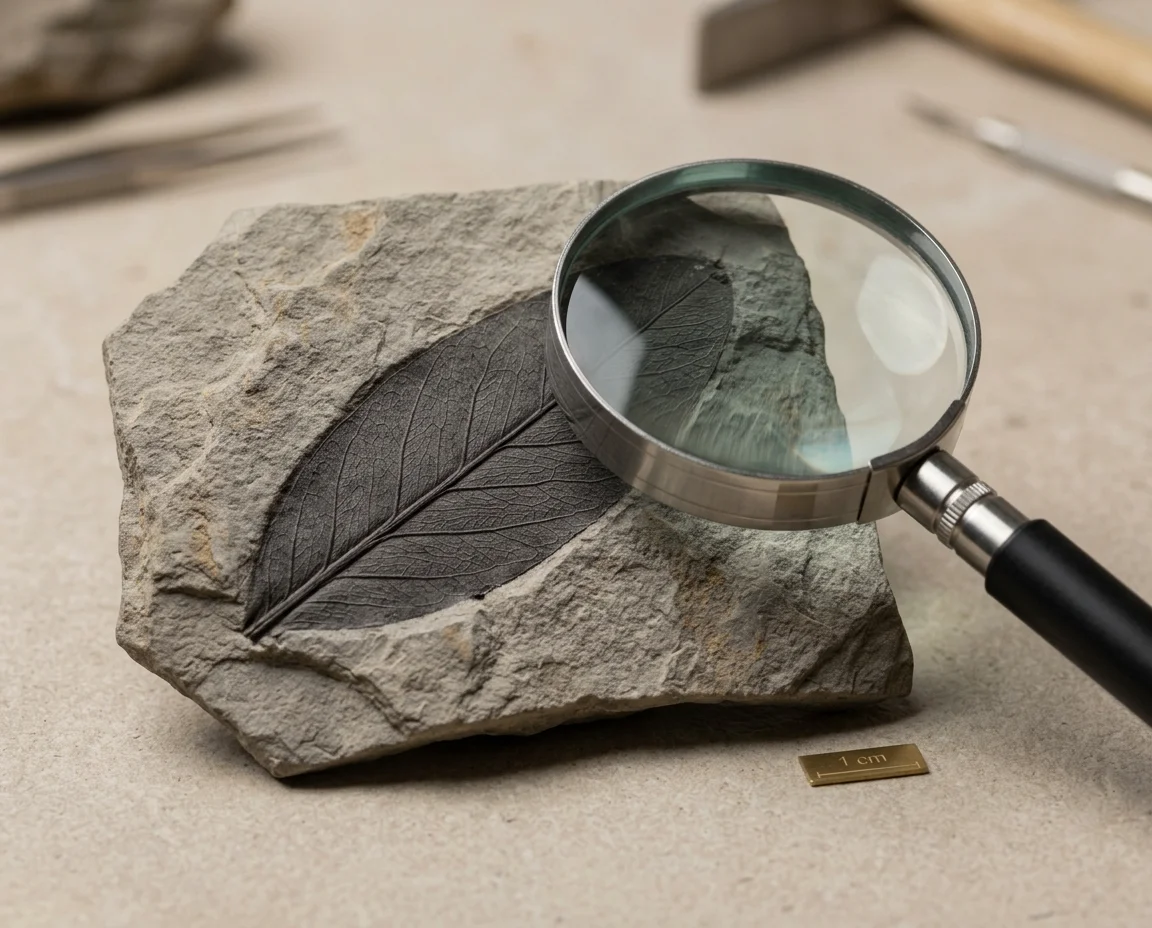
Glossopteris was one of the most important plant groups of the Permian Period, roughly 299–252 million years ago. Its fossils are particularly significant because they occur across several continents that once formed the southern supercontinent Gondwana.
The plant is commonly described as a seed fern, although it was not a true fern in the modern botanical sense. Its characteristic leaves were elongated, tongue-shaped, and crossed by a distinctive network of veins.
Some reconstructions depict Glossopteris plants as trees reaching substantial heights, with thick trunks and extensive root systems. Fossilized leaves and wood provide evidence of the plants’ structure, while researchers use comparisons with related fossil material to reconstruct their appearance.
The exact growth form likely varied among species. It is therefore better to think of Glossopteris as a diverse extinct plant group than as one uniform tree.
Its foliage is especially recognizable in fossil collections. Leaves preserved in fine-grained sediment can retain enough detail for paleobotanists to study their shape and venation.
Glossopteris fossils have been discovered in numerous parts of the former Gondwana landmass, including:
The distribution across modern continents is one of the most important aspects of the Glossopteris story. The Australian Museum explains that Glossopteris fossils occur across the former Gondwana landmasses, helping scientists understand how these continents were once connected. https://australian.museum/learn/australia-over-time/evolving-landscape/the-mesozoic-era/
Although Antarctica is not part of Oceania in every geographical classification, it is relevant to this story because Australia, New Zealand, and Antarctica shared a geological history within Gondwana.
There is no credible evidence that Glossopteris was a human medicine or cognitive enhancer. Its benefits must be understood in terms of its ancient ecosystem.
Glossopteris vegetation contributed to the structure of Permian landscapes. Its plant material entered soils and sediments, and the accumulation and burial of vegetation contributed to the geological processes associated with coal-bearing deposits in some regions.
Its fossils also have enormous scientific value. Because the plant’s remains appear on continents now separated by oceans, they provide evidence that these landmasses once belonged to a connected southern supercontinent.
The National Museum of Australia describes fossilized Glossopteris wood from the Permian as evidence of Gondwana’s ancient forests and geological connections. https://www.nma.gov.au/antarctica/explore-antarctica/fossilised-wood
No verified ancient human myth is known to feature Glossopteris as a named medicinal or mind-enhancing plant.
The reason is chronological. Glossopteris flourished hundreds of millions of years before humans existed. It was not available to human communities for gathering, preparation, or ritual use.
Its modern story, however, contains a remarkable historical episode. Fossils of Glossopteris were found among the specimens carried by Robert Falcon Scott’s expedition on its return journey from the South Pole. Scott and his companions died in Antarctica, but the fossil specimens they had collected survived and later contributed to scientific understanding of the continent’s geological history. The Australian Antarctic Program records this episode in its account of Antarctic prehistory. https://www.antarctica.gov.au/about-antarctica/geography-and-geology/geology/antarctic-prehistory/
This was not a mythological event, but it illustrates how a prehistoric plant can become part of a compelling human story.
Nootropic verdict: No evidence supports cognitive enhancement or medicinal use by humans. Its established significance is botanical, ecological, and geological.
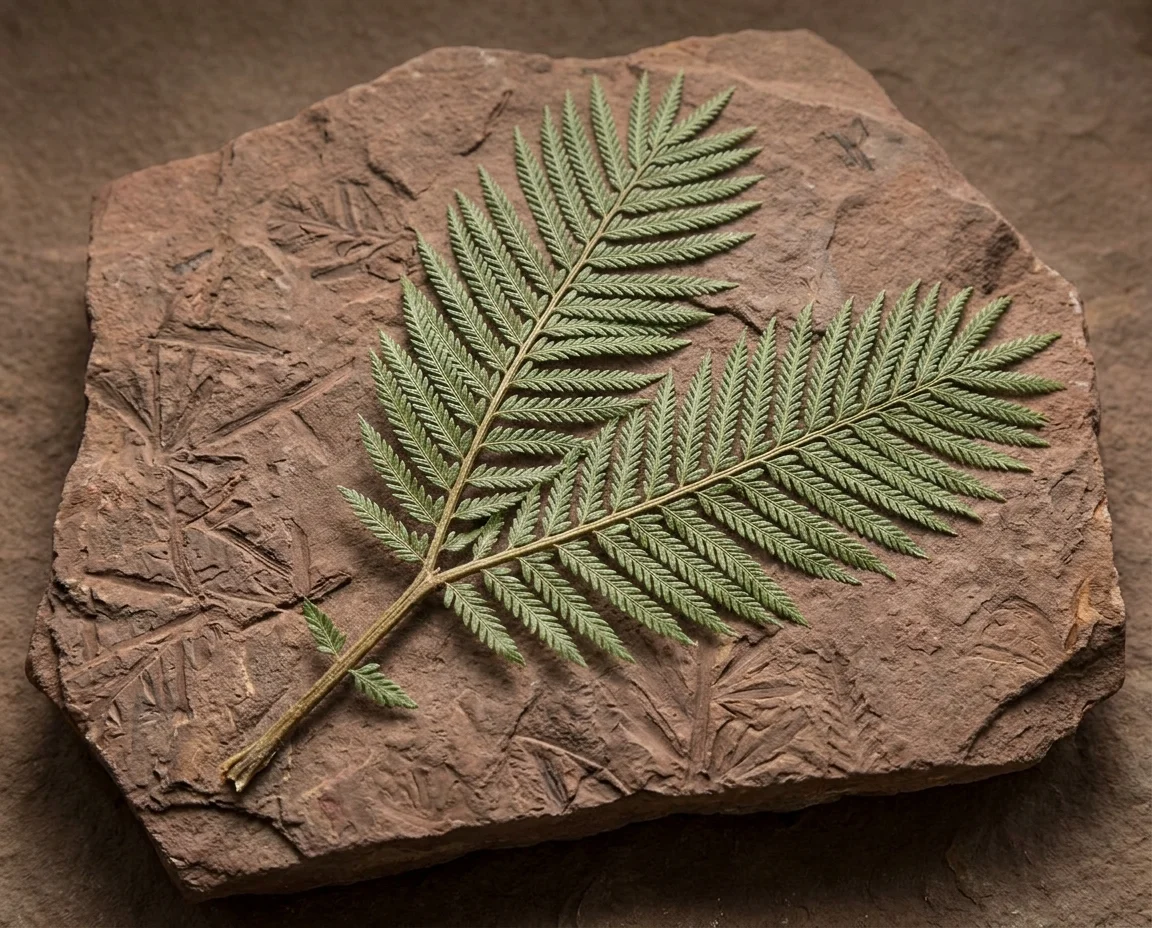
Dicroidium was a prominent extinct seed-plant group associated with the Triassic Period, which lasted approximately 252–201 million years ago.
Its name refers to the characteristic branching pattern of its leaves. Many examples had compound foliage that divided into two main branches, producing a forked or divided appearance. Depending on the species, the individual leaf segments could look delicate and fern-like.
This resemblance can be misleading. Although Dicroidium foliage often looks like that of a modern fern, the plant belonged to an extinct seed-plant lineage rather than to the true ferns familiar today.
Dicroidium was part of a diverse prehistoric landscape containing conifers, cycads, ferns, horsetails, and other plants. Some Triassic environments supported extensive vegetation around rivers, lakes, and floodplains.
Scientists reconstruct these environments by studying plant fossils together with the sedimentary rocks in which they occur.
Dicroidium fossils are known from multiple regions that once formed part of Gondwana, including:
In Australia, the Sydney Basin contains Triassic plant fossils, including Dicroidium. The Australian Museum notes that fossil plants from the region occur in rocks associated with ancient freshwater environments and delta systems. https://australian.museum/learn/collections/natural-science/palaeontology/
Queensland Museum’s Triassic plant resources also identify Dicroidium as a common fossil group distributed across the continents that once made up Gondwana. https://prod-dinosaursunearthed.museum.qld.gov.au/triassic–new-world/triassic-plants
These are regional fossil records rather than evidence of a single modern discovery site. Fossil species and their precise locations differ across geological formations.
Dicroidium contributed to the plant communities that covered parts of the Triassic southern continents. Its foliage would have formed part of the vegetation available to ancient terrestrial ecosystems, while fallen leaves and other plant material entered soils and sediments.
As with other widespread prehistoric plants, its fossil record helps researchers reconstruct ancient climates, landscapes, and the evolution of seed plants.
It is important not to overstate what is known. The fossils do not establish that Dicroidium had medicinal properties, produced a cognitive-enhancing substance, or was edible.
Its modern value lies primarily in scientific research. Studying its distribution helps researchers compare ancient environments across continents that later drifted apart.
There is no verified evidence that Dicroidium appeared as a named plant in Aboriginal Australian, Māori, or Pacific Islander mythology.
The fossil record places it in the Triassic, millions of years before the emergence of humans. No human community could have gathered the living plant or developed a traditional preparation from it.
A modern story could use Dicroidium as inspiration for fictional world-building, but such a narrative should be labelled as creative fiction rather than presented as Indigenous tradition.
That distinction is particularly important when discussing Indigenous mythology. These are living knowledge systems, not interchangeable collections of fantasy motifs. Attributing invented stories to a specific people risks misrepresenting their cultural heritage.
Nootropic verdict: No documented human use, medicinal benefit, or mythological association has been established.

Pentoxylales is the name given to an extinct group of seed plants known from Mesozoic fossil deposits. It is particularly interesting to paleobotanists because its anatomy differs from that of many familiar living plant groups.
The plants are reconstructed from fossil stems, leaves, and reproductive structures. Their unusual combination of features has made their evolutionary relationships a subject of scientific interest.
Pentoxylales was not a single species but a broader group of plants. Consequently, its members should not all be imagined as identical in height, leaf shape, or growth habit.
Unlike a living tree that can be examined in the field, an extinct plant must often be reconstructed from different fossils that may preserve only a small part of its structure. Researchers use these fragments to infer how the plant grew and reproduced.
New Zealand’s Jurassic fossil record includes extinct seed-plant groups, including Pentoxylales.
Te Papa, the Museum of New Zealand, documents Jurassic fossil plants collected from multiple locations, particularly in Southland. Its collections include material from sites such as Mataura Falls and Curio Bay, where fossils date to the Middle Jurassic, approximately 176–164 million years ago. Other collections come from Waikato Heads and date to the Late Jurassic. https://collections.tepapa.govt.nz/topic/11131
These fossil deposits preserve evidence of an ancient New Zealand landscape that existed long before the country’s modern ecosystems developed.
Not every fossil plant found at these locations belongs to Pentoxylales. The sites represent broader Jurassic plant assemblages, so a specific specimen must be identified before it can be assigned to a particular group.
Pentoxylales contributed to ancient terrestrial vegetation. Its role would have been ecological rather than medicinal, providing plant biomass and forming part of the environments in which other prehistoric organisms lived.
Its greatest present-day benefit is scientific. The group provides clues about the diversity of seed plants during the Mesozoic Era and the evolutionary experiments that took place before modern plant communities emerged.
Researchers can compare its anatomy with other fossil groups to investigate plant evolution, reproductive structures, and relationships among extinct lineages.
However, there is no reliable basis for claiming that Pentoxylales contained nootropic compounds or improved memory, concentration, or mental clarity.
Fossilized plant anatomy does not establish a pharmacological effect. Even if some organic material survives fossilization, it cannot automatically be interpreted as evidence of a useful medicinal compound.
No verified Māori tradition has been established that identifies Pentoxylales as a sacred, medicinal, or mind-enhancing plant.
Its Jurassic age makes direct human use impossible. The group disappeared long before Māori ancestors arrived in Aotearoa New Zealand.
Māori plant knowledge, including traditional healing practices, belongs to a much more recent human and cultural history. It should be researched through appropriate historical, botanical, and community sources rather than linked speculatively to fossil plants.
The fact that a prehistoric plant once grew in the region now called New Zealand does not make it part of Māori mythology.
Nootropic verdict: Pentoxylales is important to the study of plant evolution, but no evidence supports traditional medicinal use, cognitive enhancement, or a mythological role.
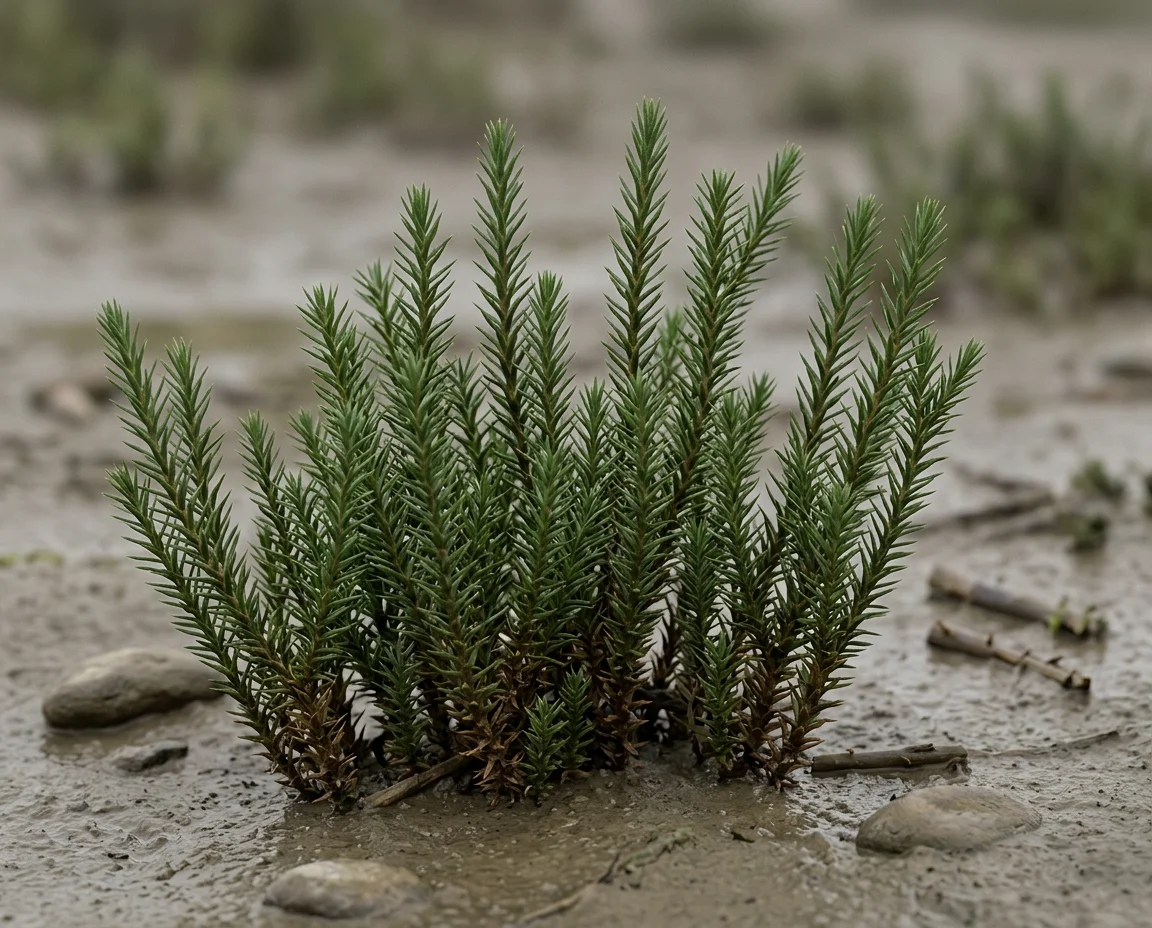
Baragwanathia was an ancient vascular land plant that lived approximately 415 million years ago, during the Silurian Period.
It was not a tree like Glossopteris. Instead, it resembled a large club moss or tassel fern, with long, narrow leaves attached to branching stems. The plant had a vascular system that transported water and nutrients through its tissues, as well as roots and woody tissue.
The plant’s form demonstrates how diverse early land vegetation had become. While some early land plants were small and relatively simple, Baragwanathia had a more developed structure.
It is an important reminder that the history of plants stretches far beyond the age of dinosaurs. By the time dinosaurs appeared, land plants had already undergone hundreds of millions of years of evolution.
The best-known fossil locality is the Flora Fossil Site at Yea, Victoria, Australia, where ancient plant-bearing rocks have played an important role in paleobotanical research.
The Australian Government’s Department of Climate Change, Energy, the Environment and Water describes the Yea site as nationally significant because of its contribution to understanding the early evolution of vascular land plants. The site preserves evidence of Baragwanathia in rocks dating to around 415 million years ago. https://www.dcceew.gov.au/parks-heritage/heritage/places/national/yea-flora
The fossils were discovered in the nineteenth century, but their wider significance became clearer through later scientific study. The work helped researchers reassess how early complex land plants evolved and the importance of Southern Hemisphere fossil records.
Baragwanathia belonged to an early stage in the development of vascular plants. Plants with internal water-transport systems could grow in ways that differed from those of simpler early land vegetation.
Its presence in the fossil record therefore helps scientists understand the evolution of plant structure and the gradual transformation of terrestrial environments.
As a living plant, Baragwanathia would have participated in the ecological processes of its time. However, its precise role in the ancient ecosystem cannot be reconstructed in every detail from fossils alone.
There is no evidence that it was a food, medicine, stimulant, or cognitive enhancer used by humans.
No verified human mythological tradition mentions Baragwanathia as a plant used for healing or mental enhancement.
The plant lived hundreds of millions of years before humans existed. It predates not only written history but the entire human lineage.
This makes it particularly unsuitable for claims that it was consumed by ancient sages, used in initiation ceremonies, or associated with legendary events.
Its real significance is arguably more impressive: it offers a glimpse of the evolutionary changes that helped plants establish themselves on land long before human civilisation.
Nootropic verdict: No evidence of human use or cognitive effects. Its significance is evolutionary and paleobotanical.
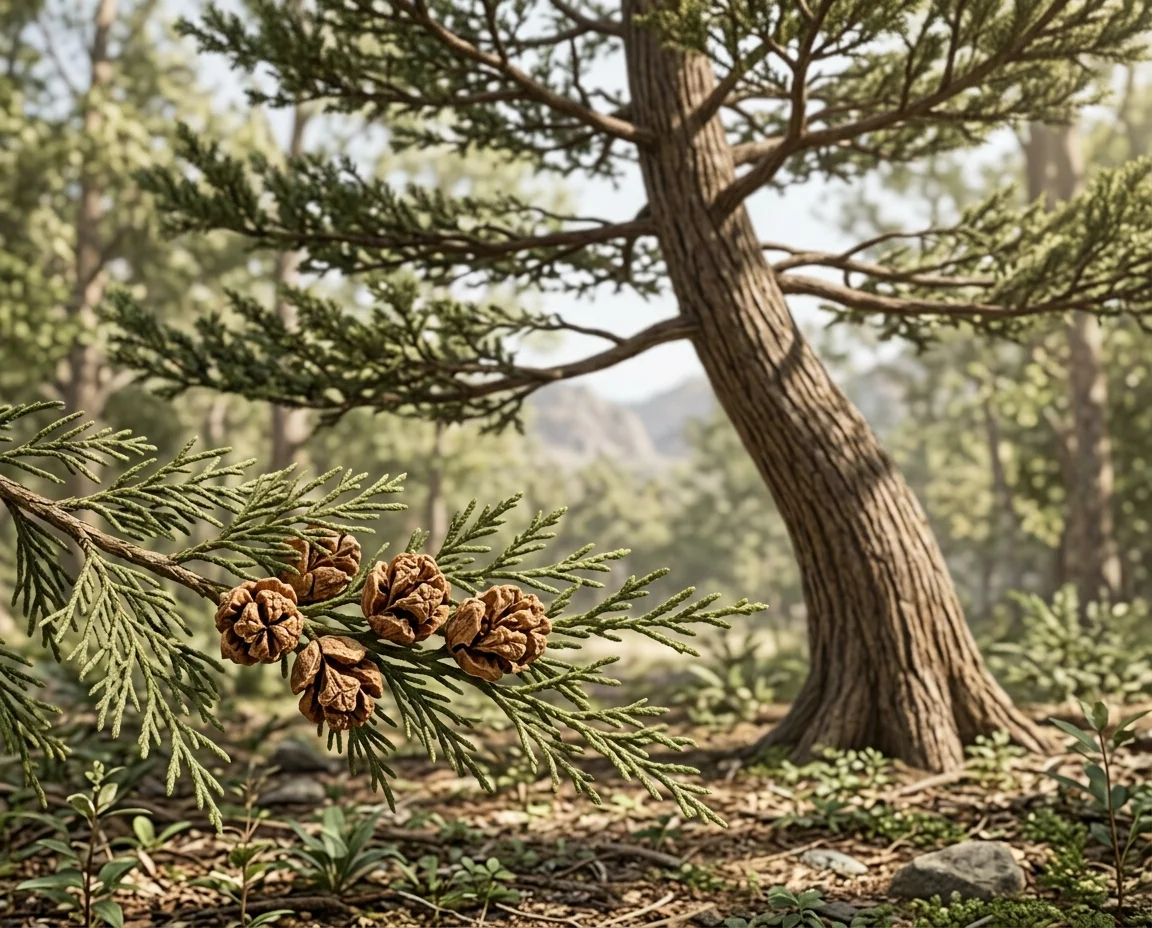
The Mesozoic landscapes of Australia and New Zealand supported a range of conifers and other seed plants. Some ancient lineages eventually disappeared, while others left living relatives that remain part of modern Southern Hemisphere vegetation.
Conifers are seed-producing plants that commonly bear needle-like or scale-like leaves and reproduce using cones or related reproductive structures. However, the fossil record includes considerable variation, and not every extinct conifer looked like a modern pine.
The term “extinct Jurassic conifer groups” is a broad description rather than the name of one plant species. It covers different fossil taxa whose remains help researchers reconstruct ancient forest communities.
In Jurassic New Zealand, fossil plant assemblages include conifers alongside ferns, seed ferns, horsetails, and other extinct plants. Te Papa’s Jurassic fossil collection documents this diversity and the range of plant material preserved in New Zealand’s ancient rocks. https://collections.tepapa.govt.nz/topic/11131
Important Jurassic plant-fossil localities in New Zealand include:
These localities preserve evidence of vegetation that existed when New Zealand was still part of the wider geological history of Gondwana or was in the process of separating from it.
The precise age and identification of a conifer fossil depend on the rock layer and the features preserved. Not every fossil from these sites is a conifer, and not every ancient conifer lineage is extinct.
This distinction is essential when discussing “lost plants”: a fossil may belong to an extinct species, an extinct genus, or a lineage with living relatives.
Conifers were important components of many Mesozoic forests. Their vegetation contributed to habitat structure, carbon cycling, and the accumulation of organic matter in ancient environments.
Trees also influence the physical environment around them. Forests intercept rainfall, provide shade, affect soil conditions, and create habitats for other organisms. These are general ecological functions, not proof that every extinct conifer performed every function in the same way.
The fossil record also helps scientists understand the evolution of modern forests. Some living conifer groups have ancient evolutionary histories, and their relationships to fossil plants help researchers reconstruct changes in vegetation across geological time.
But none of this demonstrates a cognitive-enhancing effect. There is no reliable evidence that the extinct Jurassic conifers discussed here were harvested by humans, brewed into tonics, or used to improve memory and concentration.
No verified Indigenous Oceanian myth has been established that identifies these extinct Jurassic conifer groups as nootropic plants.
Some living trees and plant species have cultural significance in Indigenous communities across Australia and the Pacific. Those associations need to be examined individually, using the names, traditions, and contexts relevant to each community.
It would be inaccurate to transfer a story about a living tree to an extinct prehistoric relative merely because the plants share broad botanical characteristics.
Likewise, a modern writer may use an ancient conifer as inspiration for a fictional myth, but that should not be presented as a traditional story.
Nootropic verdict: No documented cognitive or medicinal use. Their established significance lies in ancient forest ecology and the evolutionary history of conifers.
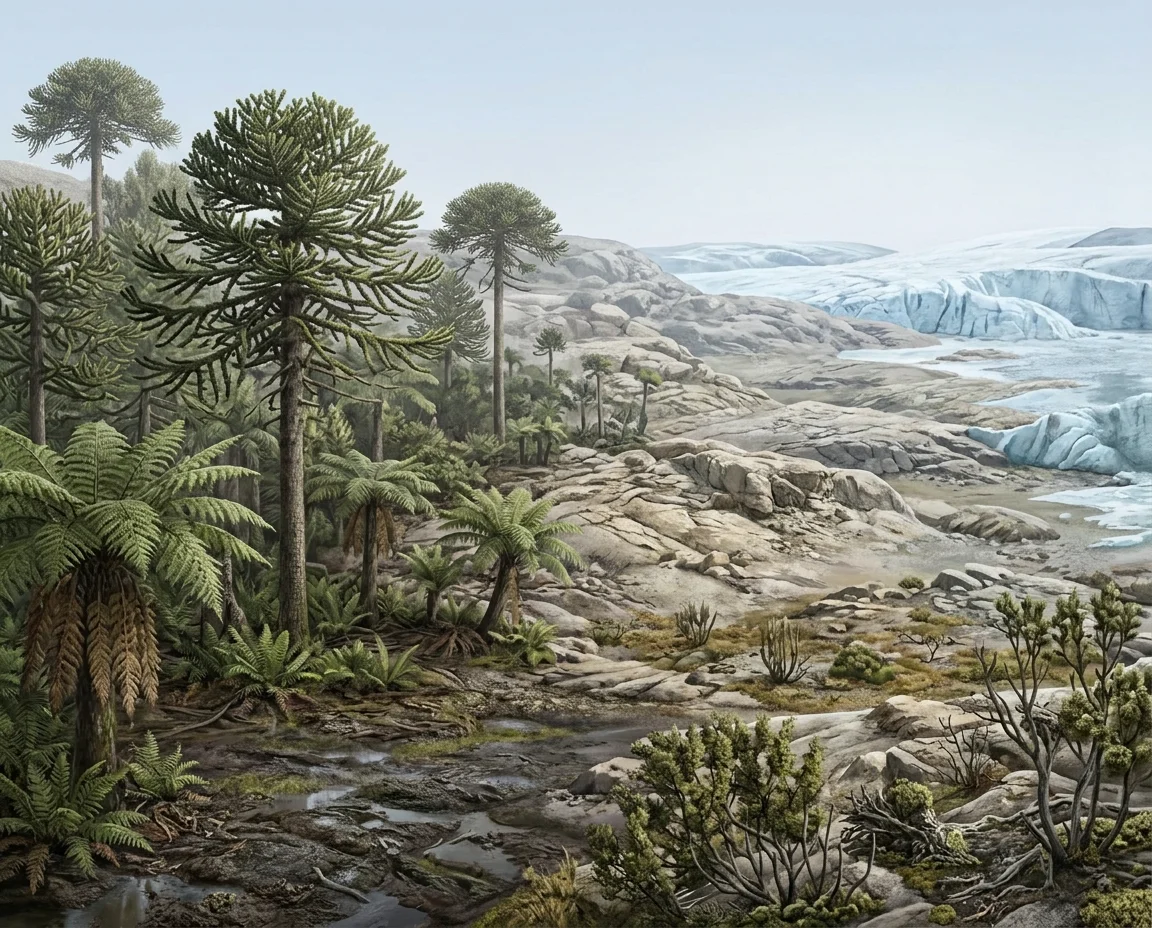
Extinction rarely has one universal explanation. The plants discussed above lived during different geological periods, and each lineage had its own evolutionary history.
Several broad changes shaped the disappearance of ancient plant groups across the southern continents.
Climate conditions have changed dramatically throughout Earth’s history. Shifts in temperature, rainfall, seasonality, and atmospheric composition can alter the environments in which plant species survive.
A plant adapted to one climate may struggle when conditions change faster than its populations can adapt or move.
Australia, Antarctica, and other landmasses were once connected through Gondwana. As the supercontinent broke apart, the continents moved into different latitudes and developed increasingly distinct environments.
The Australian Antarctic Program describes how the separation of Australia and Antarctica helped transform the southern environment, eventually contributing to the development of modern Antarctic conditions. https://www.antarctica.gov.au/about-antarctica/geography-and-geology/geology/antarctic-prehistory/
Continental drift did not instantly eliminate every ancient plant. Instead, it changed the long-term geography, climate, and ecological conditions that shaped plant evolution.
Plant communities are dynamic. New lineages emerge, species diversify, and some groups decline as environments change.
Over millions of years, plant groups that once dominated landscapes may become less common or disappear entirely. Others survive by evolving into forms better suited to changing conditions.
Major environmental changes can reshape habitats, including through volcanic activity, changes in sea level, shifts in river systems, and large-scale climatic events.
The importance of each factor depends on the plant group and geological period. It would be misleading to assign one cause of extinction to all five examples.
The fossil record offers a long view of this process: extinction is part of the history of life, while the plants that survive represent only a fraction of the diversity that once existed.
The absence of evidence for prehistoric nootropic plants does not mean Oceania lacks important plant traditions. The region has rich histories of food plants, medicinal plants, ritual plants, and culturally significant trees.
However, these are generally living plants or plants known through human history—not fossil species that disappeared millions of years before people existed.
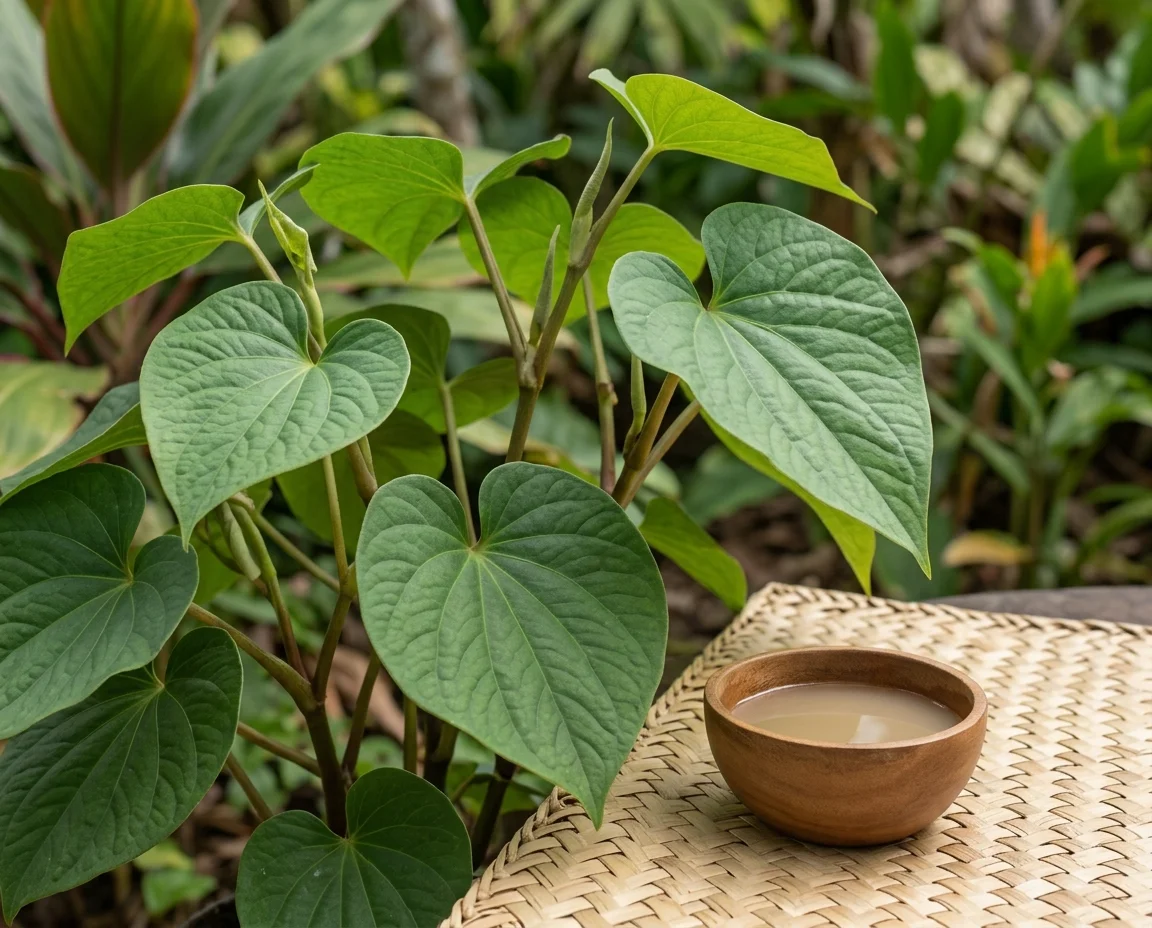
Kava, botanically known as Piper methysticum, is a culturally important plant in several Pacific Island societies. Its roots are traditionally prepared as a drink in a range of social and ceremonial settings.
Kava is not extinct, and it should not be described as an ancient fossil plant. Its cultural significance is associated with Pacific communities and their living traditions.
Modern research has investigated kava and its effects on mood, anxiety, and the nervous system. Those topics are different from proving that kava improves memory or learning. A plant’s use in ceremony does not automatically establish that it is a nootropic.
A 2026 research article on the Taumafa Kava framework discusses the cultural importance of kava in Pacific communities and emphasizes the need to respect Pacific knowledge systems in health research. https://pubmed.ncbi.nlm.nih.gov/42396968/
Traditional healing systems often consider a person’s physical, spiritual, social, and environmental circumstances together. Modern biomedical research tends to isolate specific outcomes and evaluate them through defined methods.
Neither approach should be reduced to the other. A plant can be culturally important without being proven to enhance cognition, and a compound with a measurable biological effect may still require extensive research before its safety and effectiveness are established.
In addition, traditional knowledge is not a freely available catalogue of ingredients. Some knowledge is community-specific, restricted, or tied to responsibilities and protocols. Ethical research should respect the people who maintain that knowledge.
Searches for terms such as “mythological nootropic plants,” “ancient herbal wisdom,” and “lost medicinal plants” can create pressure to connect unrelated ideas.
A responsible article should not invent an Aboriginal Dreaming story about Glossopteris, attribute a fictional medicinal ceremony to Māori ancestors, or claim that a prehistoric plant was consumed by Pacific healers.
Instead, writers can discuss verified cultural traditions separately from fossil botany. This produces stronger content because it respects the evidence and avoids turning living Indigenous cultures into decorative material for an SEO narrative.

In principle, ancient biological material can offer information about the evolution of plant chemistry. Scientists study preserved organic matter, plant anatomy, and chemical traces to understand ancient organisms.
However, this does not mean that a fossilized plant can be treated as a source of usable medicine.
Three major limitations apply.
First, preservation is incomplete. Fossilization often changes or destroys original organic compounds. The chemistry of a living plant may not survive millions of years of burial and geological transformation.
Second, identifying a compound is not the same as proving a medical effect. Even if a molecule or chemical signature can be detected, researchers must determine what it is, how it behaves, whether it is biologically active, and whether it is safe.
Third, a cognitive benefit requires specific evidence. To claim that a substance improves memory, attention, or learning, researchers need evidence relevant to those outcomes. The age of a plant, its unusual appearance, or its importance in ancient ecosystems does not establish a nootropic effect.
For these reasons, the extinct plants described in this article should not be marketed as forgotten brain boosters or recommended as ingredients for supplements.
Their scientific value is real, but their medicinal potential remains unproven.
The idea of extinct mythological nootropics from Oceania combines three subjects that are fascinating in their own right: prehistoric botany, Indigenous mythology, and modern interest in cognitive enhancement. The difficulty is that the evidence does not support treating them as one established historical category.
Glossopteris helped scientists understand Gondwana’s ancient forests. Dicroidium reveals the diversity of Triassic seed plants. Pentoxylales offers clues about unusual Jurassic plant lineages. Baragwanathia illuminates the early evolution of vascular land plants, while extinct conifer groups help reconstruct the forests of the Mesozoic world.
Their fossils have been found in places including Victoria in Australia, Southland and other regions of New Zealand, and geological sites across the former Gondwana landmass. They provide evidence of ancient landscapes and evolutionary changes that unfolded long before human history.
But no reliable evidence shows that these five examples were consumed by people, enhanced cognition, or appeared as named plants in traditional myths.
Oceania’s genuine traditions of medicinal and culturally significant plants deserve careful attention in their own right. Living plants such as kava demonstrate how botanical knowledge can be intertwined with ceremony, community, and identity. These traditions should be documented accurately, with respect for the communities that preserve them.
The most compelling lesson is not that science has uncovered five forgotten brain-boosting plants. It is that Earth’s botanical history is far older and more diverse than human civilisation—and that responsible research can explore its mysteries without inventing evidence.
For readers interested in ancient plants, natural nootropics, and Indigenous ethnobotany, the strongest approach is to keep fossil evidence, cultural history, and modern medical research distinct while examining how each contributes to our understanding of the natural world.
The article covers Glossopteris, Dicroidium, Pentoxylales, Baragwanathia, and extinct Jurassic conifer groups. They represent different parts of the prehistoric plant record associated with Australia, New Zealand, and the wider southern landmasses.
They are not all individual species, and they did not all live at the same time.
No reliable evidence shows that these fossil plants were used as nootropics. Most lived millions of years before humans existed, making traditional human use impossible.
No verified traditional myth has been established that identifies the five fossil plant groups as named medicinal or mind-enhancing plants. This does not diminish the importance of Indigenous plant knowledge; it means the evidence for these specific prehistoric plants does not support that claim.
Glossopteris fossils are known from Australia, New Zealand, Antarctica, and other regions that were once part of Gondwana. In New Zealand, fragments have been recorded in Permian marine sedimentary rocks in the Wairaki Hills, Southland. https://teara.govt.nz/en/photograph/9036/glossopteris-leaves
Baragwanathia is the oldest example in this article, with fossils dating to approximately 415 million years ago. It lived during the Silurian Period, long before dinosaurs and humans.
There is no established basis for using these fossil plant groups as ingredients in cognitive-enhancement supplements. Fossil identification does not prove that biologically active compounds survive, and no demonstrated human cognitive benefits have been established.
No. Kava is a living Pacific plant with important cultural uses. It is not an extinct prehistoric species. Research into its effects should distinguish its traditional role from claims about cognitive enhancement.
Ancient plants help scientists reconstruct Earth’s climate, understand the evolution of land vegetation, and explain how modern ecosystems developed. They also reveal the scale of biological diversity that has existed through geological time.
Their importance does not depend on whether they can be turned into medicines.