Rhodiola rosea is one of the better-known herbal ingredients in the nootropics and adaptogen world. It has attracted attention from athletes, students, professionals, and people dealing with demanding schedules because of its potential relationship with mental fatigue, physical performance, stress, and resilience.
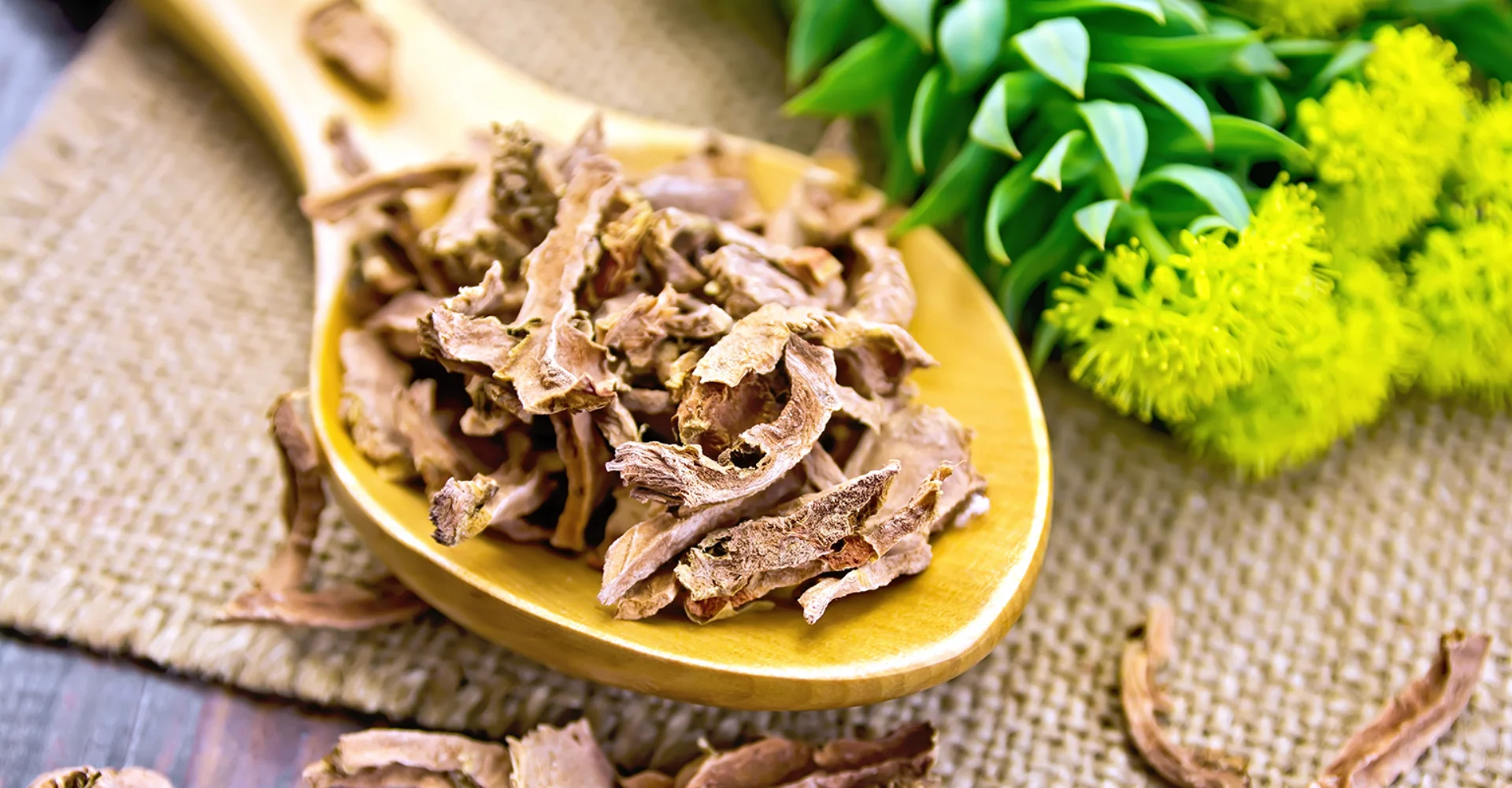
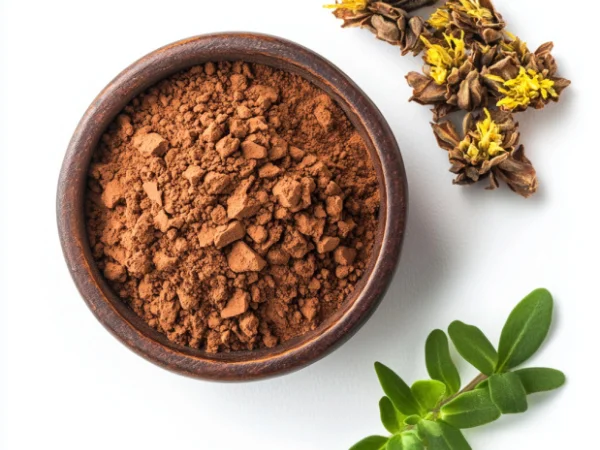
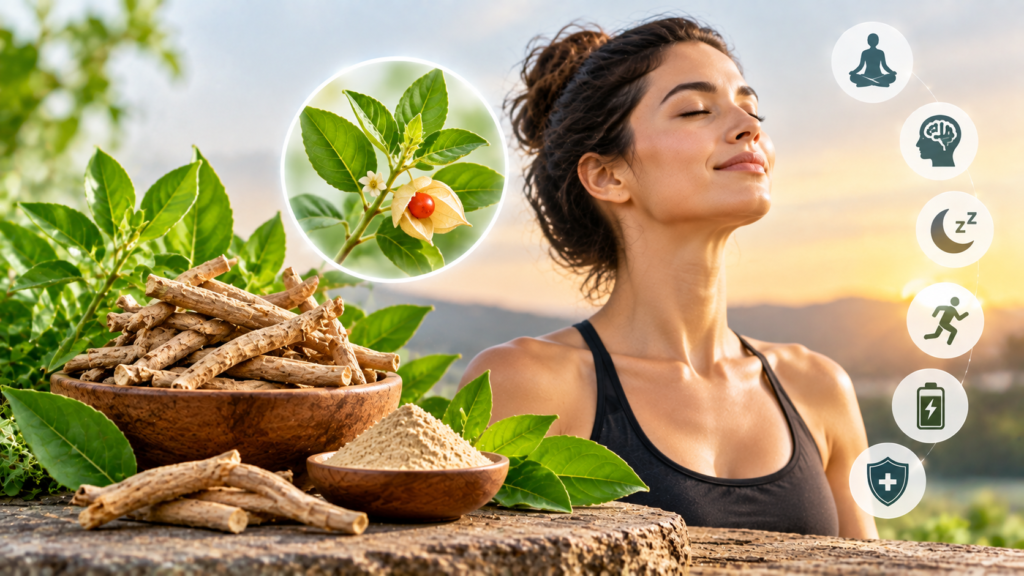
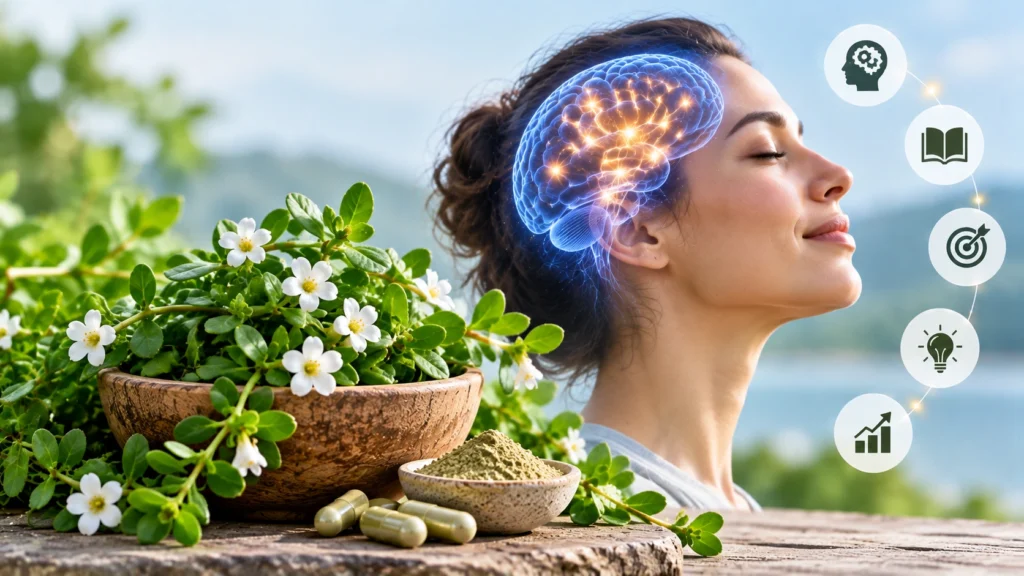
Rhodiola rosea, commonly known as Rhodiola, golden root, Arctic root, rose root, or roseroot, is a perennial flowering plant belonging to the Crassulaceae family.
It naturally grows in cold, mountainous and subarctic environments. Its native range includes parts of Europe, Russia, Siberia, Scandinavia, Central Asia, and North America. The Royal Botanic Gardens, Kew lists Rhodiola rosea as a species native across a broad subarctic and subalpine region of the Northern Hemisphere.
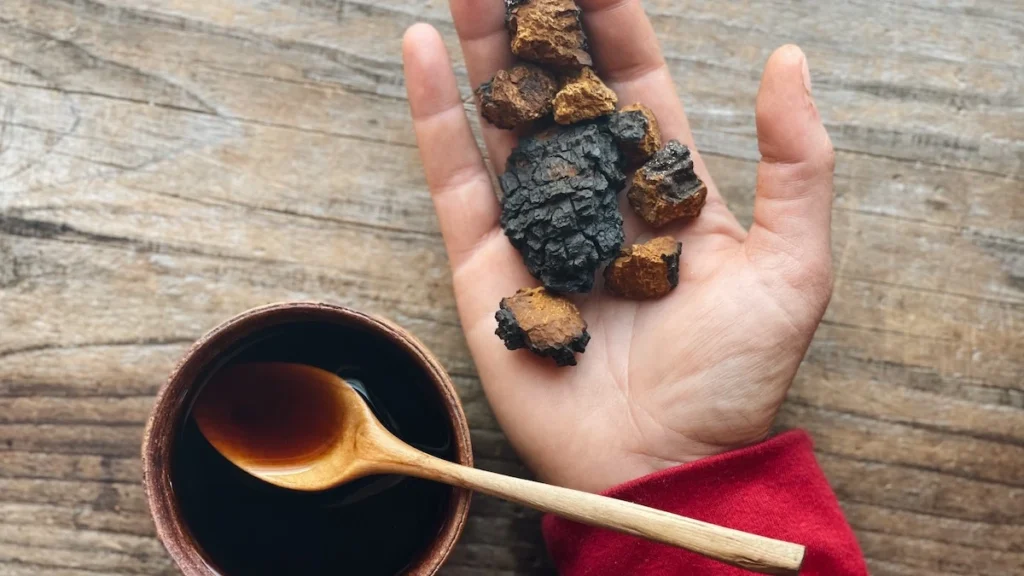
The plant has thick roots and succulent leaves that allow it to survive in harsh environments. For supplements, the root and rhizome are the parts most commonly used.
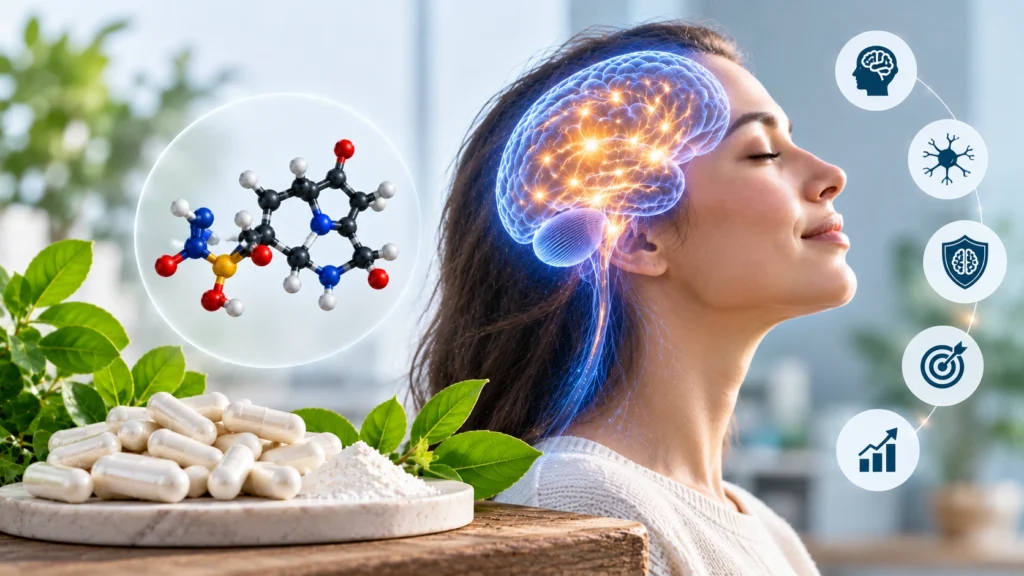
Rhodiola contains numerous naturally occurring compounds, but two names appear repeatedly on supplement labels:
Rosavins are particularly useful when identifying Rhodiola rosea, because they are characteristic of this species. Salidroside is found in several Rhodiola species, so its presence alone does not prove that a product contains authentic R. rosea.
Many standardized Rhodiola products use a ratio around 3% rosavins and 1% salidroside. This ratio is important because some of the better-known clinical research used standardized extracts with similar specifications.
That does not mean every product containing exactly 3% rosavins and 1% salidroside will produce the same result. Extraction method, plant identity, growing conditions, storage, contaminants, and other compounds can all influence the finished product.
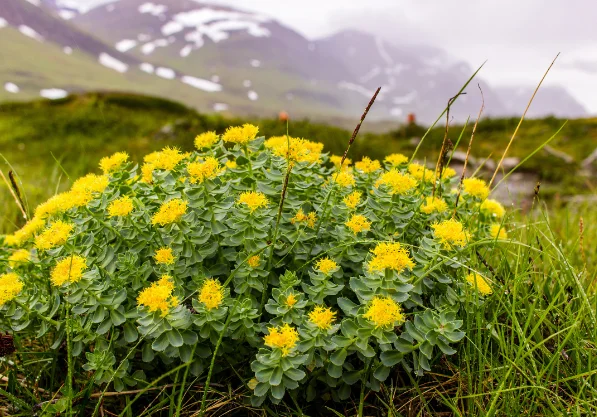
Rhodiola rosea is naturally associated with cold climates and high-altitude environments. It can be found across parts of:
Its ability to survive harsh conditions is one reason Rhodiola became associated with the modern concept of an adaptogen, a term used for plants believed to help the body respond to physical or psychological stress.
Traditional use of Rhodiola goes back centuries in parts of Russia, Scandinavia, and other areas of Europe and Asia. Historical accounts describe its use for endurance, work performance, fatigue, and other purposes.
This question sounds simple, but there is no scientifically established answer such as “Swedish Rhodiola is the best” or “Siberian Rhodiola is always superior.”
Geography alone does not determine supplement quality. A well-made extract from cultivated Rhodiola can be better than a poorly handled wild-harvested product from a famous region.
When buying Rhodiola, pay more attention to:
Siberian and Altai-grown Rhodiola have a strong reputation because of the plant’s traditional association with those regions. Some European supplement manufacturers specifically source Rhodiola from the Altai Mountains.
However, it would be misleading to claim that one country produces the world’s universally “best” Rhodiola.
In fact, a 2026 analysis of ten Rhodiola products sold in the United States found substantial differences between products. Measured rosavin concentrations ranged from just 0.01% to 3.08%, while salidroside ranged from 0.07% to 2.91%. Some products also differed significantly from the amounts stated on their labels.
That is a powerful reason to focus on testing and standardization rather than country of origin alone.

It would be inaccurate to say that one person “discovered” Rhodiola. People living in northern Eurasia had been using the plant long before modern botanical science documented it.
The formal scientific history begins with Carl Linnaeus, the Swedish botanist who described and named Rhodiola rosea in his 1753 work Species Plantarum. The International Plant Names Index records Rhodiola rosea L. from 1753.
Linnaeus was therefore responsible for the formal scientific naming of the species, not for discovering its traditional uses.
Rhodiola became particularly interesting to scientists in the Soviet Union during the 20th century. Researchers investigated the plant in connection with physical endurance, stress, fatigue, and adaptation to demanding environments. This helped build the modern reputation of Rhodiola as an adaptogenic herb.
The plant later became increasingly popular outside Eastern Europe and Russia. As interest in natural performance aids and nootropics grew, Rhodiola entered the Western supplement market.
Today, it is marketed for:
The important distinction is that traditional use and modern marketing do not equal clinical proof.

Rhodiola has been studied for several potential benefits. Some areas are more promising than others.
Mental fatigue is one of the most interesting areas of Rhodiola research.
A randomized, double-blind, placebo-controlled study involving 60 people with stress-related fatigue examined a standardized Rhodiola extract known as SHR-5 at 576 mg per day for 28 days. Researchers reported improvements in certain fatigue, attention, and related measures.
However, one study does not establish a treatment.
A systematic review examining Rhodiola for physical and mental fatigue found mixed results. Of 11 included controlled trials, some showed benefits, but the researchers concluded that methodological problems and reporting weaknesses made it difficult to determine the true effectiveness of Rhodiola.
So the reasonable conclusion is:
Rhodiola may help some people experiencing mental fatigue, but the evidence is not strong enough to guarantee an effect.
Rhodiola is popular among athletes because researchers have investigated whether it can affect endurance and exercise performance.
Some trials have reported positive results, while others have not.
A systematic review specifically examining Rhodiola and exercise found mixed findings across studies, with differences in dosage, participants, exercise protocols, and extract preparations.
This makes it difficult to give a simple statement such as “Rhodiola improves athletic performance.” It may offer modest benefits in certain situations, but it should not be viewed as a replacement for proper training, nutrition, hydration, and recovery.
Rhodiola is commonly classified as an adaptogen because of its proposed ability to influence the body’s response to stress.
Some clinical studies have examined perceived stress, fatigue, cortisol responses, and psychological symptoms.
The results are encouraging enough to justify further research, but not strong enough to say Rhodiola is a proven treatment for chronic stress disorders.
The National Center for Complementary and Integrative Health currently states that there is not enough reliable evidence to determine whether Rhodiola is useful for any health-related purpose, with most human research considered low to moderate quality.
Rhodiola has attracted attention in the nootropics market because some studies have examined attention and mental performance.
There is a plausible biological reason researchers are interested in this area. Mental fatigue can make it harder to maintain attention, and an intervention that reduces fatigue could indirectly improve performance.
But Rhodiola should not be marketed as a guaranteed memory enhancer or intelligence booster.
The current evidence does not justify claims that it dramatically increases IQ, permanently improves memory, or transforms cognitive ability.
Some research has examined Rhodiola in relation to recovery and exercise-induced stress.
Results are inconsistent. Some studies suggest possible effects on markers or perceptions associated with exercise stress, while others find no meaningful differences.
This is another area where more high-quality research is needed before strong conclusions can be made.
Rhodiola is generally considered reasonably well tolerated in the short term, but “natural” does not mean “risk-free.”
Potential side effects may include:
The NCCIH states that Rhodiola is possibly safe for up to 12 weeks, while also emphasizing that evidence about its safety and effectiveness remains limited.
Some people report that Rhodiola feels energizing rather than relaxing. That can be useful during the daytime, but taking it late in the evening may not be ideal for someone who is sensitive to stimulating supplements.
There is not enough reliable safety information to recommend Rhodiola during pregnancy or breastfeeding. Avoiding it unless a qualified healthcare professional specifically recommends it is the sensible approach.
People taking prescription medications should be cautious.
Rhodiola may potentially interact with medicines affecting mood, blood pressure, blood sugar, or the nervous system.
If you are taking antidepressants, stimulants, blood-pressure medication, or other long-term medication, speak with a healthcare professional before adding Rhodiola.
This may be the biggest practical problem.
The 2026 U.S. product analysis mentioned earlier found significant differences in actual rosavin and salidroside concentrations between commercial products. The researchers also detected trace amounts of arsenic, cobalt, and lead in all seven capsule products they tested, with two showing notably elevated levels of cobalt or arsenic that warranted further assessment.
This does not mean all Rhodiola supplements are unsafe. It does mean consumers should not assume that every bottle labeled “Rhodiola rosea” contains the same quality extract.
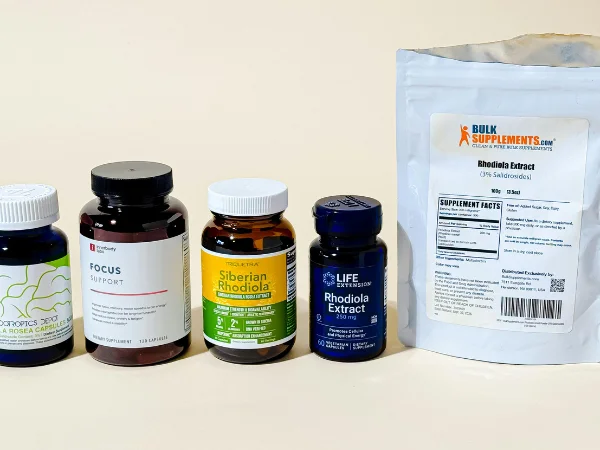
There is no scientifically proven single “best” Rhodiola supplement.
For this list, the more useful approach is to identify products with transparent labeling, meaningful standardization, established manufacturing information, and a recognizable market presence.
Product formulas and availability can change, so readers should verify the current label before purchasing.
Nature’s Way offers a Rhodiola rosea extract standardized to 3% rosavins and 1% salidroside. The company states that it tests every batch for rosavins and salidroside and uses botanical identification testing. The product’s U.S. label is also documented in the NIH Dietary Supplement Label Database.
Why consider it: Clear standardization and established U.S. supplement manufacturer.
Nootropics Depot sells a Rhodiola rosea extract standardized to minimum 3% rosavins and 1% salidroside, according to its product label documented by the NIH Dietary Supplement Label Database.
Why consider it: Transparent specification and a brand that focuses heavily on standardized nootropic ingredients.
Here it is important to distinguish between Singapore-made and available in Singapore. Some supplements sold through Singapore retailers are manufactured elsewhere.
LAC Singapore’s MoodRX contains 200 mg Rhodiola rosea root extract standardized to 3% rosavin and 1% salidroside per two-capsule serving. It is a combination formula that also includes ingredients such as ashwagandha, chamomile, lemon balm, and DHA. The product is manufactured in the USA but marketed through LAC Singapore.
Why consider it: Clearly disclosed Rhodiola standardization and Singapore availability.
Atomy Singapore sells a Rhodiola-containing formula that combines Rhodiola rosea extract with milk thistle, vitamins, and other ingredients. Two tablets provide a listed 5 mg of rosavin. The product is distributed in Singapore and manufactured by Kolmar BNH in Korea.
Why consider it: A Singapore-market option with disclosed rosavin content, although it is a combination product rather than a pure Rhodiola supplement.
Together Health, a UK company, offers a Rhodiola rosea extract standardized to 3% rosavins and 1% salidrosides. The company states that its products undergo UKAS-accredited third-party testing for areas including pesticides and heavy metals and that the product is made in the UK.
Why consider it: Transparent standardization and publicly stated testing information.
Nature’s Best in the UK offers a Rhodiola extract standardized to 3% rosavins. The company states that its products undergo quality checks and are manufactured and packaged in UK facilities working to GMP standards.
Why consider it: Established UK supplement brand with clear extract standardization.
NutriJa offers a 500 mg Rhodiola rosea extract product listed through HealthKart in India. HealthKart describes the company as using testing throughout product development and manufacturing. Availability can change, and the product was listed as unavailable when the source was checked.
Why consider it: A recognizable India-market option, but buyers should carefully check the current label for standardized rosavin and salidroside levels before purchasing.
Rather than choosing a product based solely on brand or country, look for an extract that clearly identifies:
Rhodiola rosea + rosavins + salidroside + dosage + quality testing.
A product that simply says “Rhodiola 1,000 mg” without telling you what percentage of rosavins or salidroside it contains gives you much less information about the actual extract.

This is where Rhodiola gets interesting. The research is neither a complete failure nor a slam dunk.
A 2010 systematic review identified 11 randomized controlled trials involving Rhodiola rosea. The authors found potentially beneficial effects in physical performance, mental performance, and some mental-health-related outcomes, but they also highlighted a lack of independent replication.
A later systematic review focused specifically on physical and mental fatigue. It found some positive trials but concluded that the evidence was contradictory and limited by methodological weaknesses.
Another review examining randomized controlled trials of different Rhodiola species found 39 RCTs, including 23 involving R. rosea. However, none of the studies met all CONSORT reporting criteria, and the authors concluded that reporting quality was generally poor.
More recently, a 2026 systematic review looking specifically at adaptogenic effects included only five Rhodiola rosea trials among its included studies, again showing how much high-quality clinical research is still needed.
If we put all of this together:
Mental fatigue: Promising, but not conclusive.
Physical performance: Mixed.
Stress: Potentially helpful, but insufficient evidence for strong medical claims.
Cognition: Interesting preliminary evidence, but not enough to call Rhodiola a proven cognitive enhancer.
Depression: Research exists, but Rhodiola should not replace established depression treatment.
Long-term safety: Not well established.
The NCCIH’s current overall position is appropriately cautious: there isn’t enough reliable evidence to determine whether Rhodiola is useful for a specific health-related purpose.
That is a much more responsible conclusion than saying Rhodiola “definitely works.”
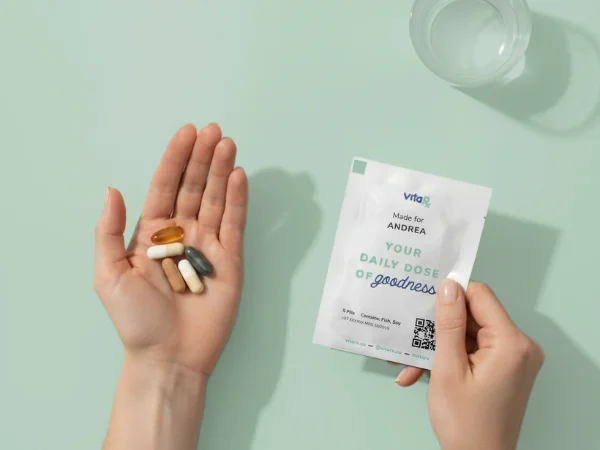
There is no universal rule that everyone should take Rhodiola every day.
Clinical studies have used different doses and schedules. Some research has used standardized extracts in the range of roughly 200 to 600 mg per day, although doses vary considerably between products and studies. A systematic review found studies using doses ranging from 50 mg to 660 mg per dose and up to 1,500 mg per day, illustrating just how inconsistent the research protocols have been.
That makes it difficult to establish one ideal daily dose for everyone.
If someone chooses to try Rhodiola, a conservative approach is generally more sensible than starting with a very high dose. It is also worth taking it earlier in the day if it feels stimulating.
Most importantly, daily use should not automatically mean indefinite use.
The NCCIH notes that Rhodiola is possibly safe for up to 12 weeks, but there is not enough good evidence to confidently establish long-term safety.
If your goal is occasional mental fatigue, you may not need continuous use.
If you are using it because of persistent exhaustion, low mood, poor concentration, or chronic stress, it is worth asking why those symptoms are happening rather than simply covering them up with an adaptogen.
Persistent fatigue can be associated with sleep disorders, anemia, thyroid problems, depression, nutritional deficiencies, medication effects, and numerous other medical conditions.
Rhodiola should not become a substitute for finding the underlying cause.
Rhodiola rosea is a cold-climate medicinal plant with a long history of traditional use across northern Europe and Asia. Modern science has focused particularly on its possible role in mental fatigue, physical performance, stress adaptation, and cognitive function.
The plant was formally described by Carl Linnaeus in 1753, although its traditional use clearly predates modern botanical classification. Its popularity grew significantly through research and use in Russia and the former Soviet Union before eventually entering the Western herbal and nootropics market.
The most important compounds commonly used to characterize Rhodiola rosea extracts are rosavins and salidroside. A 3% rosavins and 1% salidroside profile is frequently found in standardized products and resembles the specifications of several clinical extracts.
The scientific evidence is promising but incomplete. Some controlled studies have reported benefits for mental fatigue, attention, stress-related symptoms, and aspects of physical performance. However, systematic reviews have repeatedly pointed out small samples, inconsistent methodologies, limited independent replication, and reporting problems.
This means Rhodiola should be viewed as a potentially useful supplement, not a guaranteed performance enhancer or medical treatment.
Quality is another major issue. A 2026 analysis of U.S. Rhodiola products found major differences between the amount of rosavins and salidroside actually present and the amounts advertised by some products.
For consumers, this is probably the most useful lesson of all. Don’t choose Rhodiola simply because the bottle says “1,000 mg.” Look for the correct species, standardized active compounds, transparent labeling, and credible quality testing.
And should you take it every day?
Not necessarily.
Short-term daily use appears reasonably well tolerated for many adults, but long-term safety remains uncertain. NCCIH currently considers Rhodiola possibly safe for up to 12 weeks, while also emphasizing that there is not enough reliable evidence to establish its effectiveness for a specific health purpose.
For a healthy adult looking for occasional support with mental fatigue or demanding periods, Rhodiola may be worth considering. But it should sit alongside the fundamentals, not replace them.
Sleep, exercise, nutrition, stress management, and adequate recovery will have a much larger influence on long-term energy and cognitive performance than any single capsule.
The smartest way to think about Rhodiola is not “How much can I take to get the biggest effect?” but “Is there a reasonable reason for me to use it, and am I choosing a product whose contents I can actually verify?”
That approach is more consistent with what the science currently tells us.
Medical note: Rhodiola is a dietary supplement, not a proven treatment for depression, anxiety, chronic fatigue, or other medical conditions. People who are pregnant or breastfeeding, have bipolar disorder or another medical condition, or take prescription medication should consult a qualified healthcare professional before using it. Product formulations and availability can change, so always check the current Supplement Facts label before purchasing.
Rhodiola is often classified as a natural nootropic or adaptogen, but it is more accurate to call it a botanical adaptogen with potential cognitive and anti-fatigue effects. Evidence for improved mental performance exists, but it is not strong enough to claim that Rhodiola reliably enhances intelligence or memory in healthy people.
Not automatically. Siberia and the Altai region have a long history associated with Rhodiola, but country of origin does not guarantee quality. Standardization, authentication, extraction, contamination testing, and storage are more useful indicators when comparing supplements.
There is no universally established dose. Human studies have used a wide range of doses. Many standardized products fall around the 200 to 600 mg range, but the concentration of active marker compounds matters more than simply looking at the number of milligrams on the front of the bottle.
Do not assume that it is automatically safe. Rhodiola may affect neurotransmitter and stress-related systems, and people taking antidepressants or other psychiatric medications should discuss supplementation with their healthcare professional before using it.
Short-term daily use has been studied, but long-term daily use has not been adequately established as safe. NCCIH currently says Rhodiola is possibly safe for up to 12 weeks. If you intend to use it beyond that period, especially alongside medication, professional advice is appropriate.