Mike Tyson built his reputation on speed, power and an almost intimidating level of physical conditioning.
Decades after becoming the youngest heavyweight champion in boxing history, the former undisputed champion has taken on a very different opponent: aging.
At 58, Tyson returned to the spotlight with another professional boxing bout against Jake Paul in November 2024, following his earlier exhibition comeback against Roy Jones Jr. in 2020. His training for the Paul fight generated enormous attention, not simply because of the unusual age gap, but because Tyson was once again putting his body through the demands of a professional boxing camp.
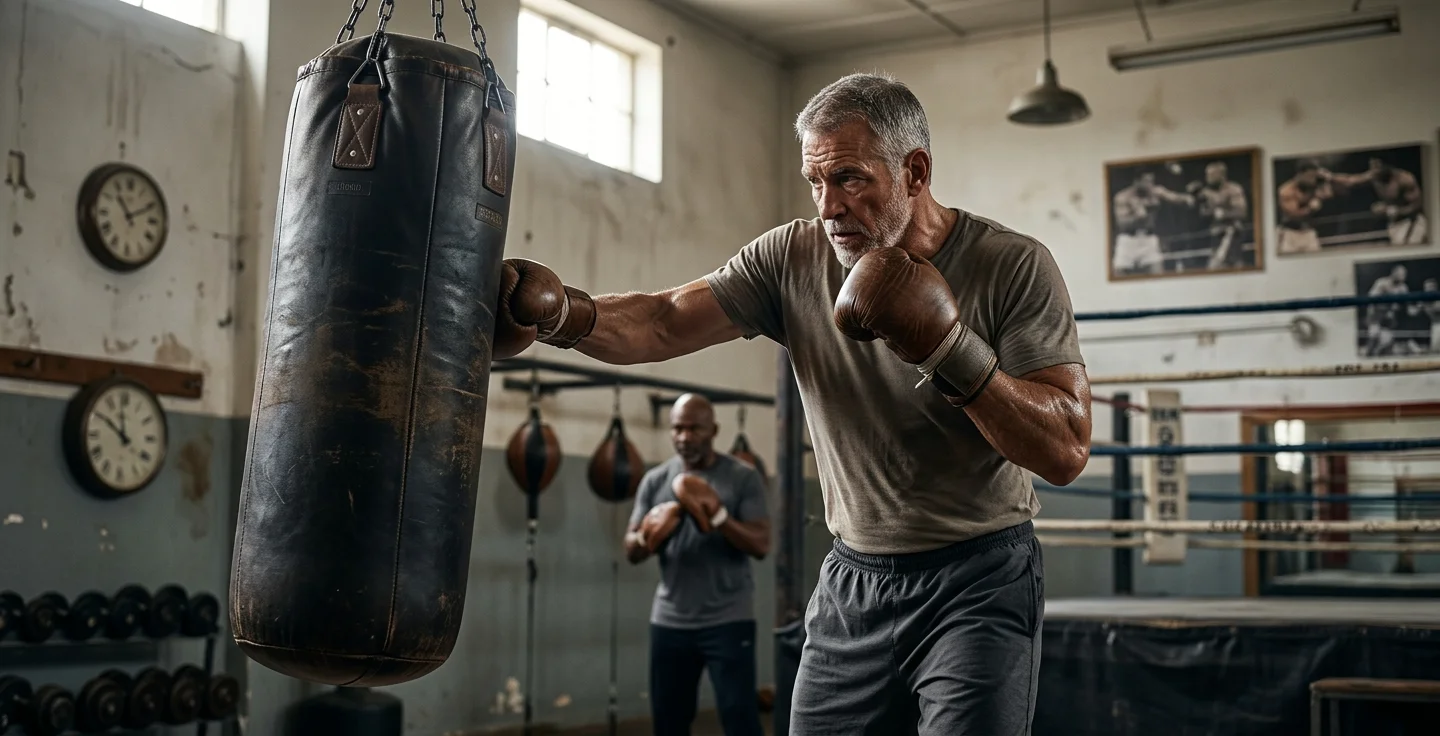

Mike Tyson is one of the most recognizable figures in boxing history.
Born in Brooklyn in 1966, Tyson rose through the amateur ranks under the guidance of legendary trainer Cus D’Amato before becoming a professional heavyweight.
His breakthrough came astonishingly early.
On November 22, 1986, Tyson defeated Trevor Berbick by second-round stoppage to win the WBC heavyweight championship. He was only 20 years and 145 days old, making him the youngest world heavyweight champion in history—a Guinness World Record that still stands.
The achievement was only the beginning.
Tyson defeated James “Bonecrusher” Smith in 1987 to add the WBA title and then beat Tony Tucker to claim the IBF belt. By August 1987, he had become the first heavyweight to hold the three major belts simultaneously.
At his peak, Tyson became famous for an unusual combination of:
His professional record ultimately reached 50 wins, six losses and 44 knockouts.
But Tyson’s career also contained extraordinary highs and lows.
He lost his heavyweight title to Buster Douglas in 1990, spent time in prison following his 1992 conviction, returned to boxing and eventually regained world titles before another series of personal and professional difficulties.
His final professional fight came in 2005.
For many former champions, that would have been the end.
For Tyson, it wasn’t.
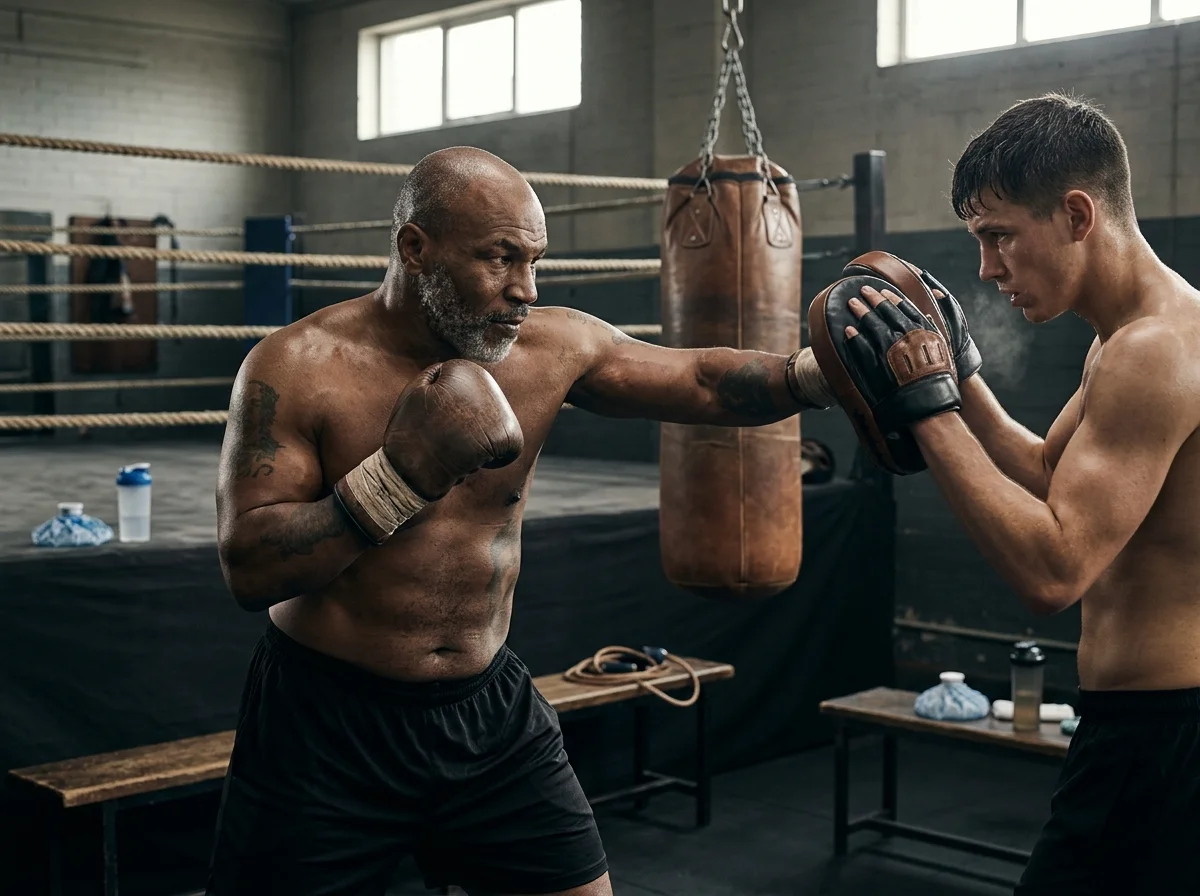
Tyson’s modern fitness story began long before his fight with Jake Paul.
In 2020, at age 54, he returned to the ring for an exhibition bout against Roy Jones Jr. ESPN documented the long process behind that comeback, including training footage that showed Tyson rebuilding his conditioning and boxing sharpness after more than 15 years away from competitive boxing.
The comeback attracted huge attention because Tyson looked dramatically different from the retired fighter many people remembered.
But the 2024 return was even more demanding.
At 58, Tyson agreed to fight Jake Paul in an officially sanctioned professional bout. The fight was originally scheduled for July 2024 but was postponed after Tyson experienced an ulcer flare-up and was advised to reduce his training temporarily. He subsequently resumed training and said he was ready to return.
During the final training camp, Tyson told BBC Sport that he had been pushed by younger heavyweight sparring partners and trainers. He described the camp as difficult but said he believed he had passed the final test.
The physical demands were substantial.
Reports from the period described Tyson undertaking lengthy daily training sessions involving boxing, conditioning, strength work, recovery and massage.
The fight ultimately became one of the most widely watched boxing events of the year.
Whether one views the comeback as a sporting achievement or simply a remarkable piece of longevity, one thing is clear: Tyson was not preparing like a casual gym-goer.
That context helps explain why his supplement routine focuses heavily on nutritional coverage, cardiovascular health, recovery, joints and maintaining physical function with age.
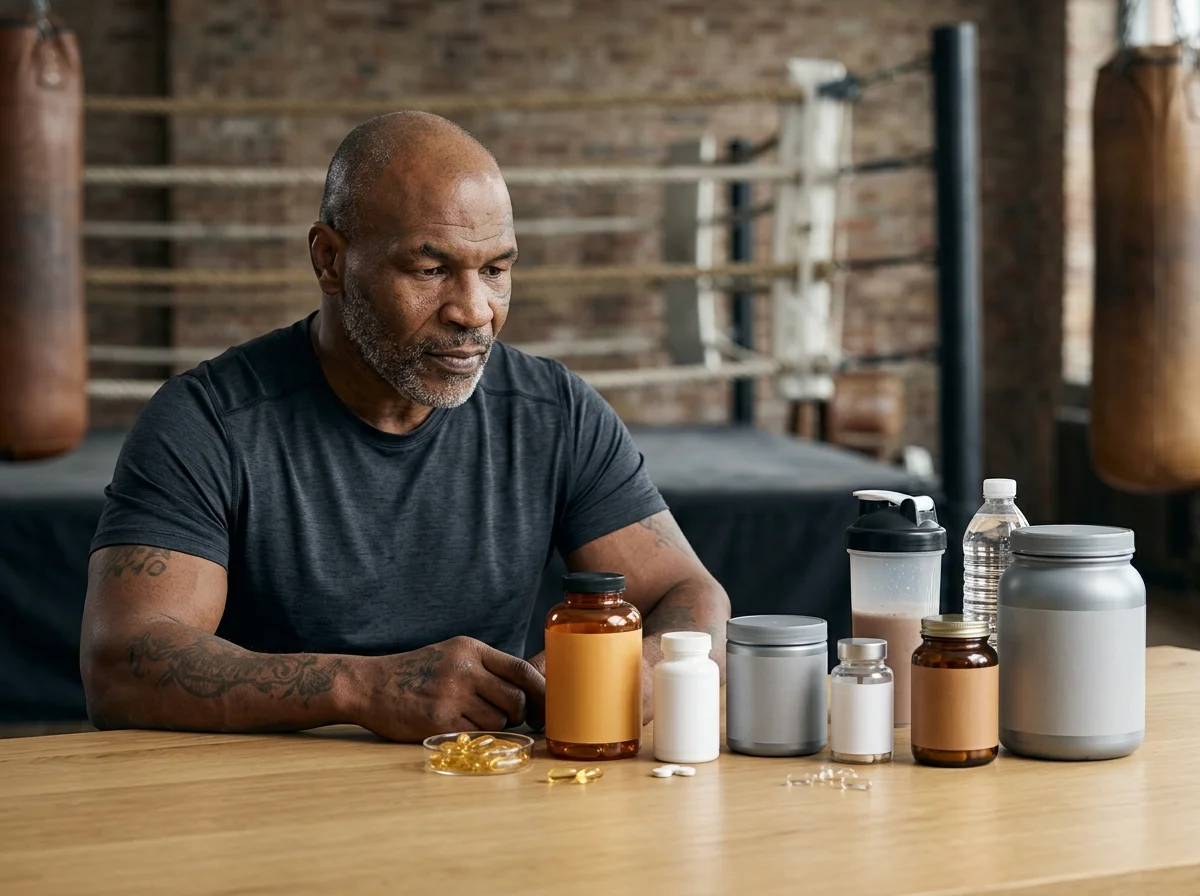
In 2024, iHerb published a dedicated Mike Tyson supplement collection called “Win From Within.”
The company described it as a collection of products Tyson uses to support his health and fitness. The current iHerb collection continues to list products under Tyson’s name, including omega-3 fish oil, vitamin D3, curcumin, magnesium citrate, vitamin B12 and collagen peptides.
That gives us a much stronger basis for discussing his supplement routine than anonymous online “celebrity diet” lists.
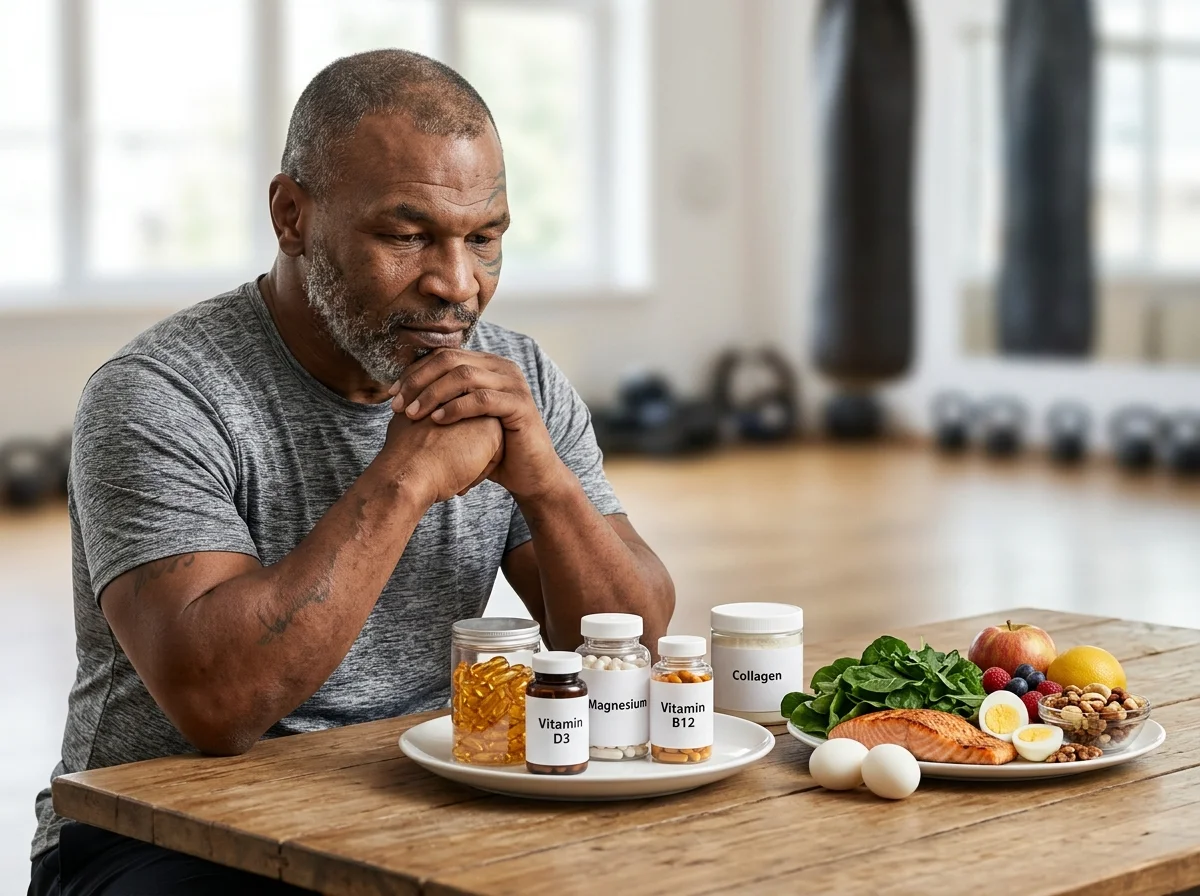
For this article, six of the most relevant products are:
These are not presented as a medical ranking. They are six documented supplements from Tyson’s publicly promoted wellness collection.
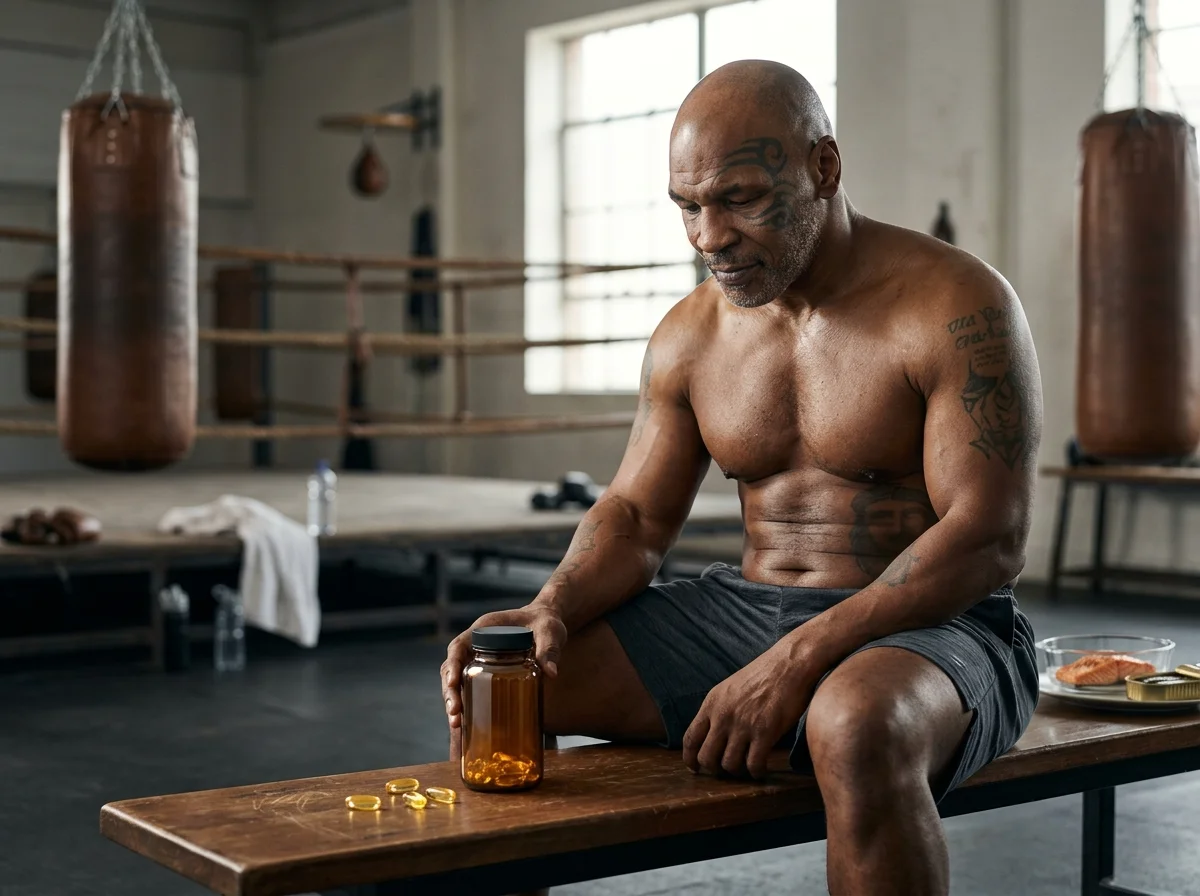
Omega-3 fish oil is one of the central products in Tyson’s iHerb collection.
The current collection lists California Gold Nutrition Omega 800, an ultra-concentrated fish-oil product providing EPA and DHA.
Tyson’s supplement routine makes intuitive sense here because omega-3 fatty acids are among the most extensively studied nutritional fats.
They are not a stimulant.
They do not produce the immediate sensation associated with caffeine.
Instead, EPA and DHA participate in normal cellular structure and function throughout the body.
California Gold Nutrition is an iHerb-associated supplement brand whose products are sold through the retailer’s platform.
The Omega 800 product in Tyson’s collection is described as a concentrated fish-oil formulation using a triglyceride form of omega-3s.
That is important because “fish oil” is not a single standardized ingredient.
The actual amounts of EPA and DHA matter more than the total number printed on the front of the bottle.
The three main omega-3 fatty acids are:
The NIH notes that EPA and DHA are the primary long-chain omega-3s studied in fish and fish-oil supplements. Fatty fish such as salmon, sardines, mackerel and herring are important dietary sources.
Omega-3 research has particularly focused on cardiovascular health.
The NIH notes that fish-oil and other long-chain omega-3 supplements can lower triglyceride levels, while evidence for cardiovascular protection varies according to the population and health status.
That nuance matters.
It would be misleading to say that everyone who takes fish oil will automatically prevent heart disease.
For someone like Tyson, the appeal is not a sudden performance boost.
It is nutritional support around a demanding lifestyle.
For an ordinary person, the biggest question is dietary intake.
Someone who eats oily fish several times per week may already obtain substantial EPA and DHA.
Someone who rarely eats seafood may have a different reason for considering supplementation.
Omega-3 is therefore best thought of as a diet-dependent supplement, rather than a mandatory part of every fitness routine.
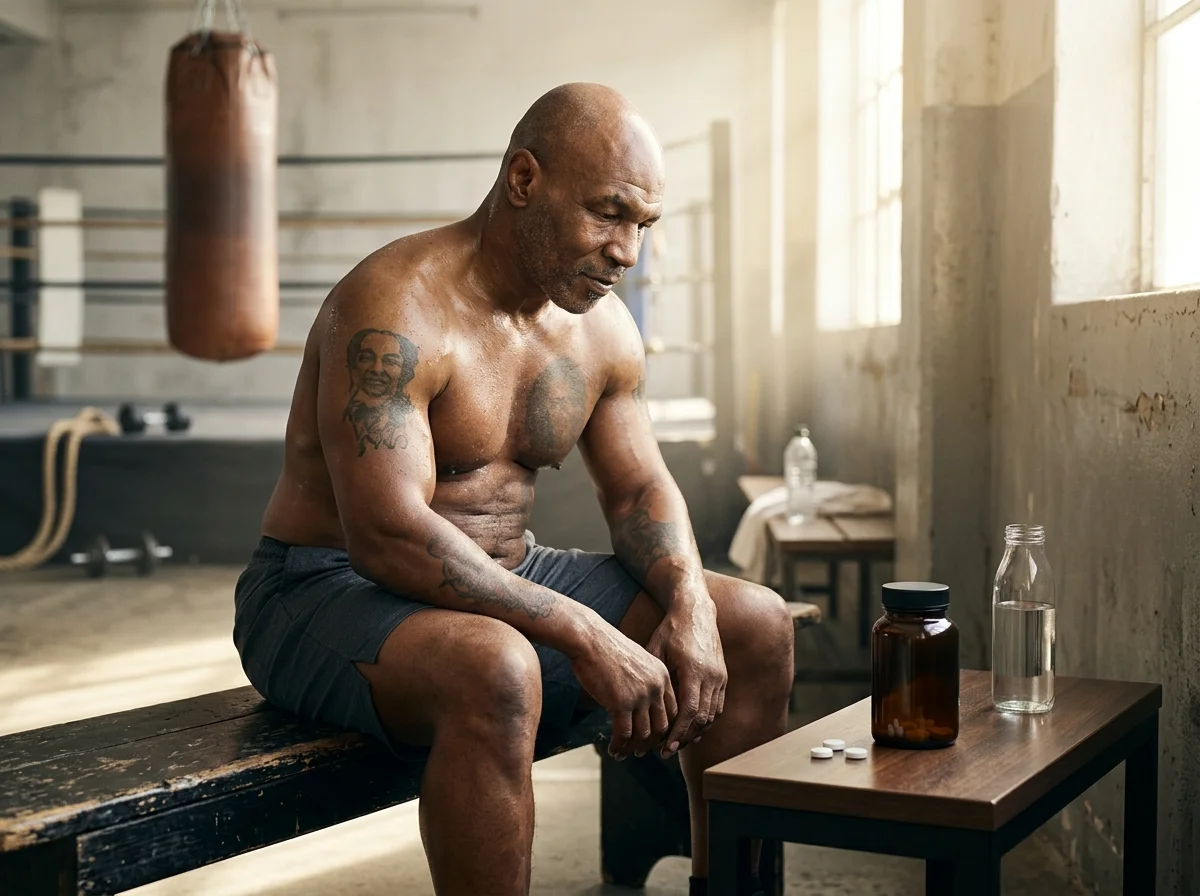
Vitamin D is another major component of Tyson’s collection.
The specific product listed is California Gold Nutrition Vitamin D3, 125 mcg (5,000 IU). iHerb’s 2024 announcement described the product as part of Tyson’s preferred supplement collection.
This is one product where consumers should pay especially close attention to dosage.
The product is made by California Gold Nutrition, a supplement brand featured throughout Tyson’s iHerb collection.
The product supplies vitamin D3, also known as cholecalciferol.
Vitamin D3 is produced naturally in the skin after exposure to UVB radiation and is also available through foods and supplements.
Vitamin D has several important roles.
It helps the body absorb calcium and phosphorus and supports normal bone mineralization.
It is also involved in normal muscle function and immune-system processes.
For an aging athlete, maintaining adequate vitamin D status can therefore be relevant to the broader goal of preserving physical function.
But vitamin D is a classic example of a nutrient where more is not necessarily better.
Tyson’s listed product provides 5,000 IU per serving.
That is above the NIH’s general adult upper limit of 4,000 IU per day from all sources. The NIH also notes that healthcare professionals may recommend higher doses temporarily to treat vitamin D deficiency.
This is an important warning for readers.
The fact that Mike Tyson uses a 5,000-IU product does not mean that everyone should take 5,000 IU daily.
Vitamin D status can be measured through a blood test, and supplementation should take into account diet, sun exposure, existing vitamin D levels and medical circumstances.
Vitamin D is not an energy drink in capsule form.
If someone is deficient, correcting that deficiency can help restore normal physiological function.
If someone already has adequate vitamin D levels, taking substantially more may offer no additional benefit and can create risk.
That makes vitamin D one of the supplements where individualized advice matters most.
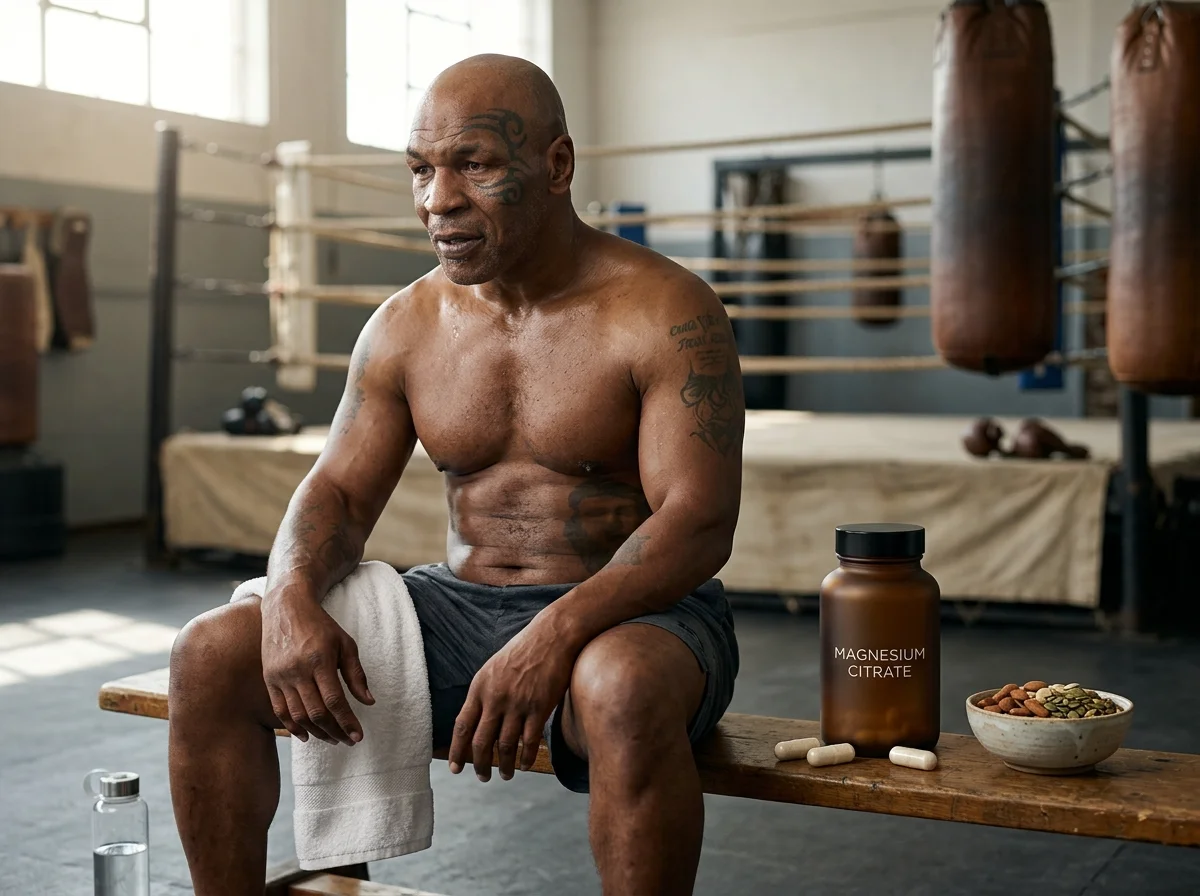
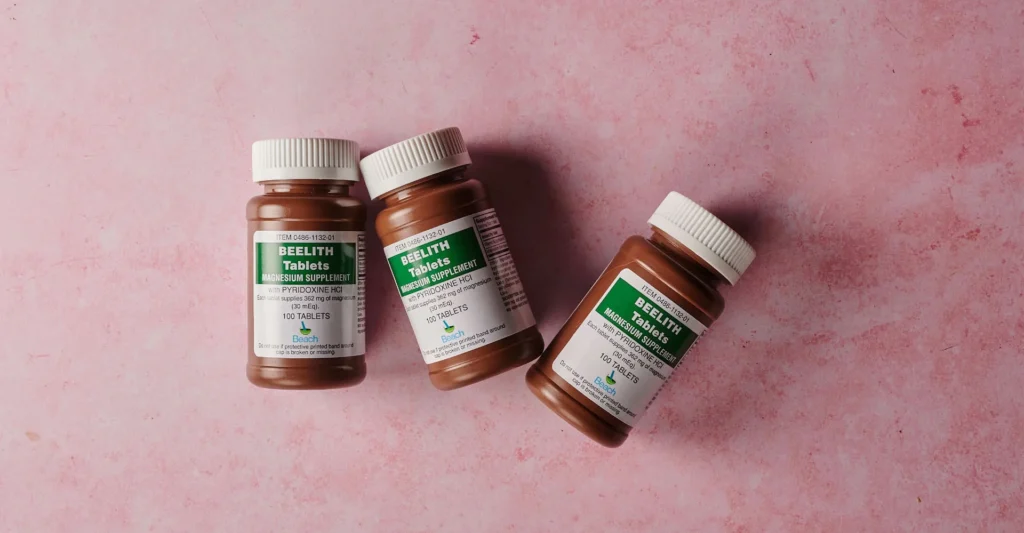
Magnesium is another regular feature of Tyson’s supplement collection.
The current iHerb page lists Natural Factors Magnesium Citrate, providing 150 mg of magnesium per capsule.
Magnesium is particularly relevant to athletes because it participates in hundreds of biochemical reactions.
Natural Factors is a Canadian supplement manufacturer whose products include vitamins, minerals, herbal extracts and other nutritional supplements.
The magnesium product in Tyson’s collection uses magnesium citrate rather than magnesium oxide.
That distinction is meaningful.
According to the NIH, magnesium absorption varies between forms, with citrate, lactate, chloride and aspartate generally showing greater bioavailability than magnesium oxide and magnesium sulfate.
Magnesium is involved in more than 300 enzyme systems.
It contributes to:
The mineral also participates in the movement of calcium and potassium across cell membranes, which is important for nerve impulses and muscle contraction.
That is a broad job description for one mineral.
Magnesium is often marketed as a natural sleep supplement.
The evidence is more nuanced.
Some studies suggest potential benefits in certain populations, but magnesium should not be treated as a universal sleep medication.
Its strongest rationale is usually nutritional adequacy.
Someone with insufficient magnesium intake may benefit from correcting that gap.
Someone already obtaining adequate magnesium from food may notice much less.
Magnesium’s potential role in daily life is mostly indirect.
For an athlete, it supports normal muscle and nerve function.
For an older adult, maintaining adequate intake supports a wide range of physiological processes.
And for anyone whose diet is low in nuts, seeds, legumes, leafy greens and whole grains, magnesium intake deserves attention.
The NIH notes that foods such as spinach, legumes, nuts, seeds and whole grains are among the better dietary sources.
One caution: excessive supplemental magnesium can cause diarrhea, nausea and abdominal cramping. The adult upper limit for magnesium from supplements and medications is 350 mg per day unless a clinician advises otherwise.
Vitamin B12 is another product explicitly featured in Tyson’s collection.
The current iHerb page lists Natural Factors B12, Methylcobalamin, 1,000 mcg.
Vitamin B12 has an especially interesting relationship with energy.
It is often marketed as an “energy vitamin,” but the reality is more precise.
The product is made by Natural Factors, the same company behind the magnesium product in Tyson’s collection.
It uses methylcobalamin, one of the metabolically active forms of vitamin B12. The NIH identifies methylcobalamin and 5-deoxyadenosylcobalamin as metabolically active B12 forms.
B12 is essential for:
It is naturally present in foods such as fish, meat, poultry, eggs and dairy products. Some fortified plant foods also provide B12.
This makes B12 particularly important for people following vegan or vegetarian diets, although diet is only one factor that can affect B12 status.
Certain digestive conditions and medications can also interfere with absorption.
This is where the marketing often goes too far.
If someone has a B12 deficiency, correcting it can improve symptoms associated with deficiency.
But if someone already has adequate B12, taking an enormous dose does not necessarily create extra energy.
The vitamin is necessary for normal metabolism and blood formation.
It is not a stimulant.
For a person with inadequate B12, maintaining sufficient levels can be important for normal neurological and blood-cell function.
For an athlete, that matters because the nervous system and oxygen-carrying capacity of the blood are fundamental to physical performance.
But B12 should not be viewed as a shortcut to becoming more alert.
If persistent fatigue exists, the underlying cause should be investigated rather than automatically treating it with supplements.
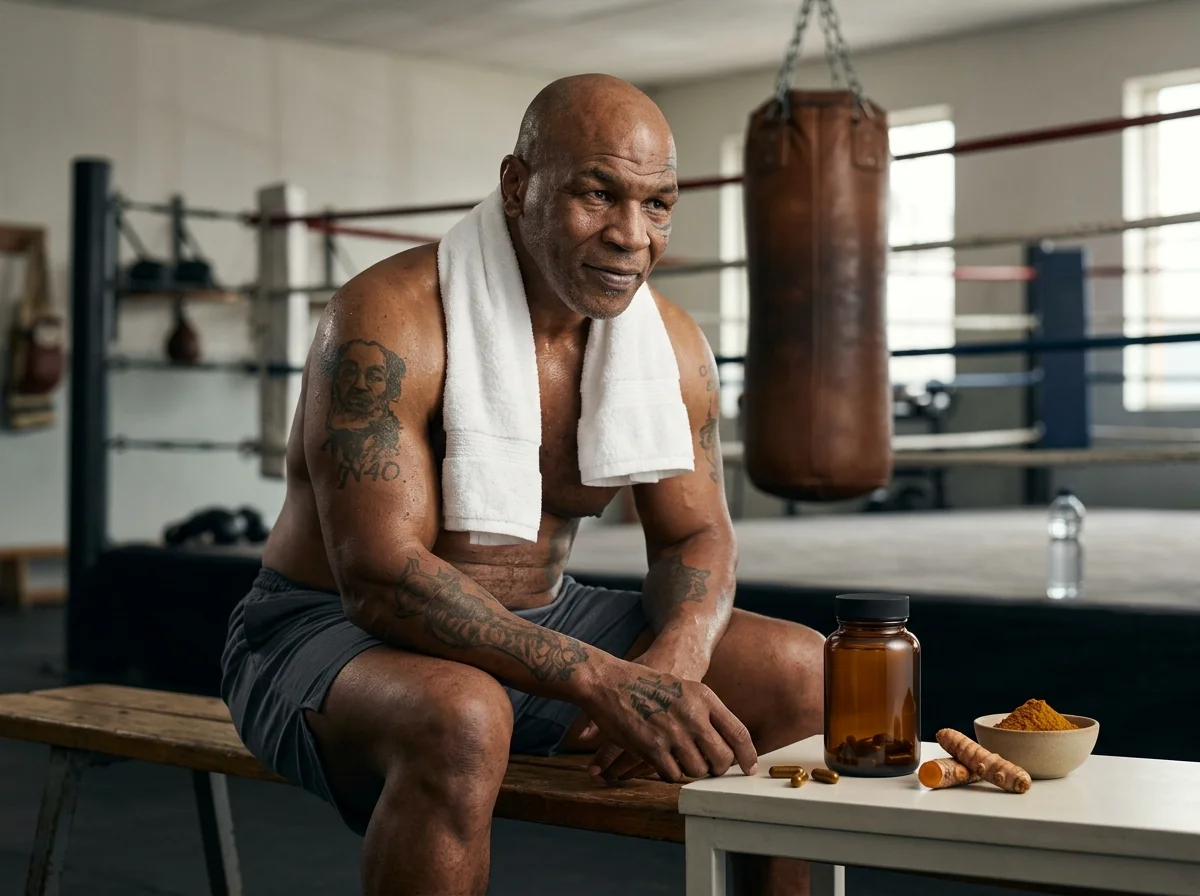
Curcumin is one of the more interesting supplements in Tyson’s routine because it moves beyond basic vitamins and minerals.
The current Tyson collection lists California Gold Nutrition Curcumin C3 Complex with BioPerine.
The product is derived from turmeric.
Tyson’s wellness material specifically highlights curcumin as part of the supplements used to support an aging, highly active body. The iHerb wellness article says Tyson uses Theracurmin, although the current collection also lists Curcumin C3 Complex, so readers should distinguish between formulations and dates rather than treating all curcumin products as identical.
The current listed product comes from California Gold Nutrition.
It combines a standardized curcumin complex with BioPerine, a black-pepper extract commonly used in supplement formulations to increase curcumin absorption.
Different curcumin formulations can have significantly different bioavailability.
That means research on one formulation should not automatically be applied to every turmeric capsule on the market.
Curcumin has attracted attention because of its anti-inflammatory and antioxidant properties.
Research has investigated its potential effects on:
A clinical trial cited in Tyson’s iHerb wellness material examined curcumin’s effects on delayed-onset muscle soreness and post-exercise lactate accumulation.
The evidence is promising in some areas, but it is not a universal anti-inflammatory solution.
For someone training heavily, the practical attraction is recovery.
Boxing places substantial repetitive stress on the shoulders, elbows, wrists, hips, knees and other joints.
A supplement that potentially helps manage exercise-related discomfort is therefore an obvious candidate for someone with Tyson’s training history.
But readers should not interpret curcumin as a replacement for appropriate treatment of an injury.
If pain persists, the cause needs to be addressed rather than masked with supplements.
Curcumin also interacts with some medications and may not be appropriate for everyone.
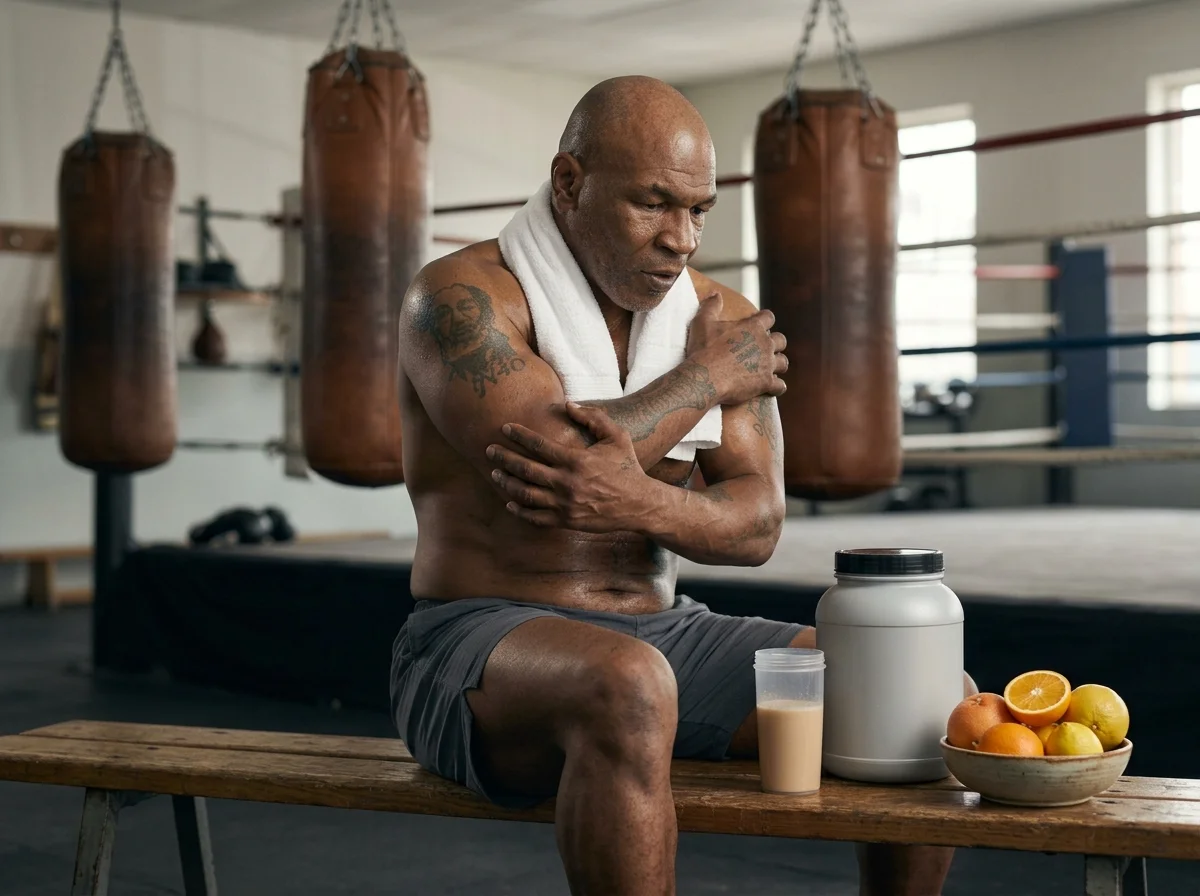
The final supplement is CollagenUP, a hydrolyzed marine collagen peptide product from California Gold Nutrition.
It is part of the “Staying Active” section of Tyson’s current iHerb collection.
The product combines marine collagen peptides with hyaluronic acid and vitamin C.
That makes it particularly relevant to an athlete whose training history involves years of impact and repetitive joint loading.
The manufacturer is California Gold Nutrition.
The product uses hydrolyzed marine collagen peptides, which are broken down into smaller peptide fragments that can be consumed more easily.
The company’s product description positions CollagenUP around support for skin, hair, nails, joints and bones.
Collagen is a structural protein.
It forms a major component of connective tissues throughout the body.
That includes tissues associated with:
For an older athlete, maintaining connective-tissue health is an understandable concern.
But the scientific picture needs some nuance.
A 2025 umbrella review of systematic reviews covering 113 randomized controlled trials and nearly 8,000 participants found generally favorable findings for collagen supplementation in skin and musculoskeletal outcomes.
At the same time, a separate 2025 meta-analysis found that the apparent benefits for skin aging were strongly influenced by study funding and quality, with high-quality and non-industry-funded studies not showing significant benefits.
That is precisely why collagen should not be sold as a miracle anti-aging powder.
The most relevant potential benefit for an active person is connective-tissue support.
Some clinical studies have reported improvements in joint pain or function among people using collagen peptides.
A meta-analysis of randomized controlled trials found small-to-moderate improvements in pain and function among people with osteoarthritis who used collagen derivatives.
For an athlete, that is more interesting than the beauty claims.
But collagen is still a supplement—not a replacement for strength training, adequate total protein, rehabilitation or medical treatment.
| Supplement | Product associated with Tyson | Manufacturer | Main purpose |
|---|---|---|---|
| Omega-3 | Omega 800 | California Gold Nutrition | EPA/DHA intake and cardiovascular/nutritional support |
| Vitamin D3 | Vitamin D3 5,000 IU | California Gold Nutrition | Vitamin D status, bone and muscle function |
| Magnesium | Magnesium Citrate | Natural Factors | Muscle, nerve and metabolic functions |
| Vitamin B12 | Methylcobalamin 1,000 mcg | Natural Factors | Blood formation and nervous-system function |
| Curcumin | Curcumin C3 Complex | California Gold Nutrition | Anti-inflammatory/recovery research |
| Collagen | CollagenUP | California Gold Nutrition | Connective-tissue and joint support |
These products appear in Tyson’s publicly promoted iHerb collection, but they should not be interpreted as a universal prescription.
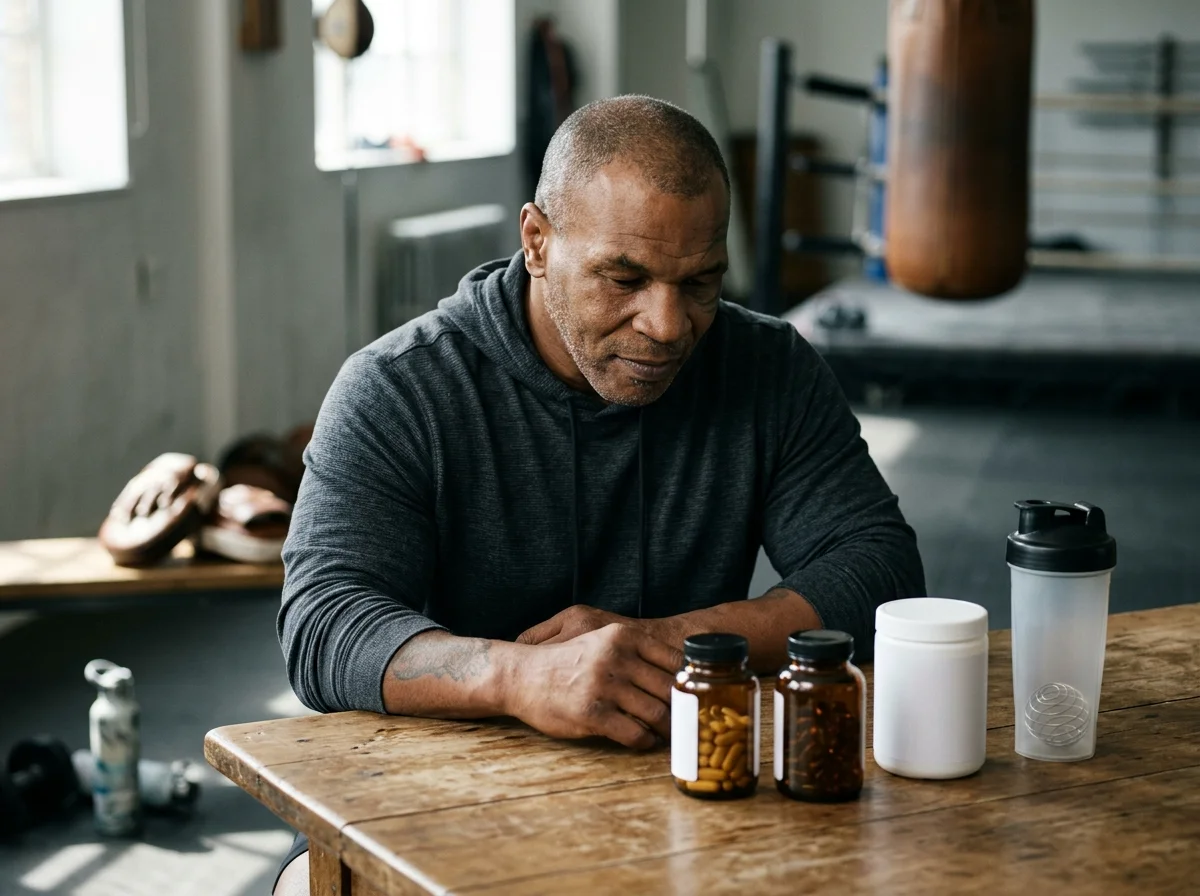
This is where the wording needs to be precise.
The 2024 iHerb campaign described the products as part of Tyson’s supplement routine and promoted a personalized collection. Tyson said he wanted people to understand what helps him stay fit, active and strong.
However, the collection itself contains multiple categories and has evolved over time.
The current iHerb page lists more products than these six, including NMN, benfotiamine, nutritional yeast and mushroom products.
That means it would be inaccurate to suggest that Tyson has a rigid six-pill routine that never changes.
His supplement strategy is better understood as a broader wellness program.
And that is consistent with his age and training history.
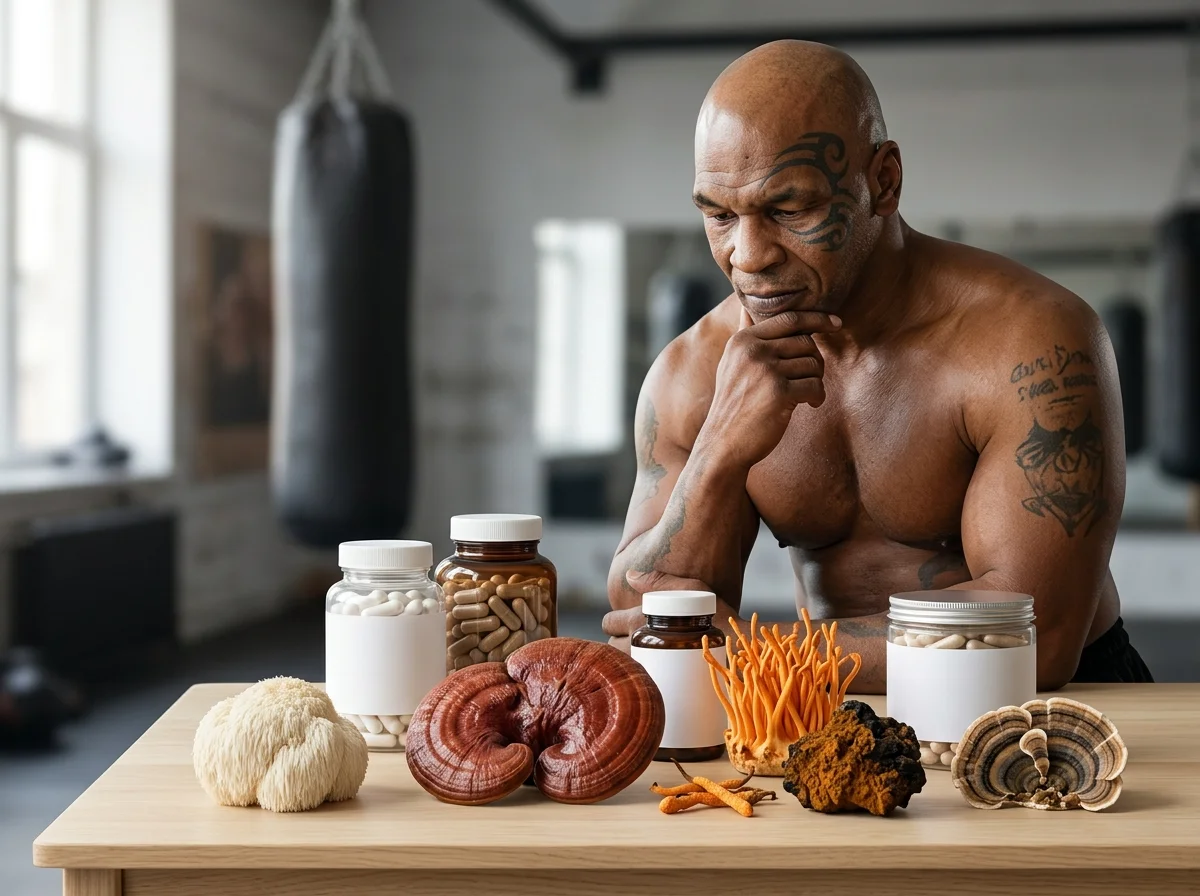
Readers searching for Mike Tyson supplements will probably encounter several other products.
His current iHerb collection includes NMN, functional mushroom products, stabilized R-alpha lipoic acid and other nutritional products.
These products are interesting, but they deserve a separate discussion because their evidence varies substantially.
NMN, for example, has attracted enormous attention because of its proposed relationship with NAD+ metabolism and healthy aging.
Human trials exist, but the evidence is still developing and should not be confused with proof that NMN slows human aging or dramatically improves athletic performance.
Functional mushroom products present a similar problem.
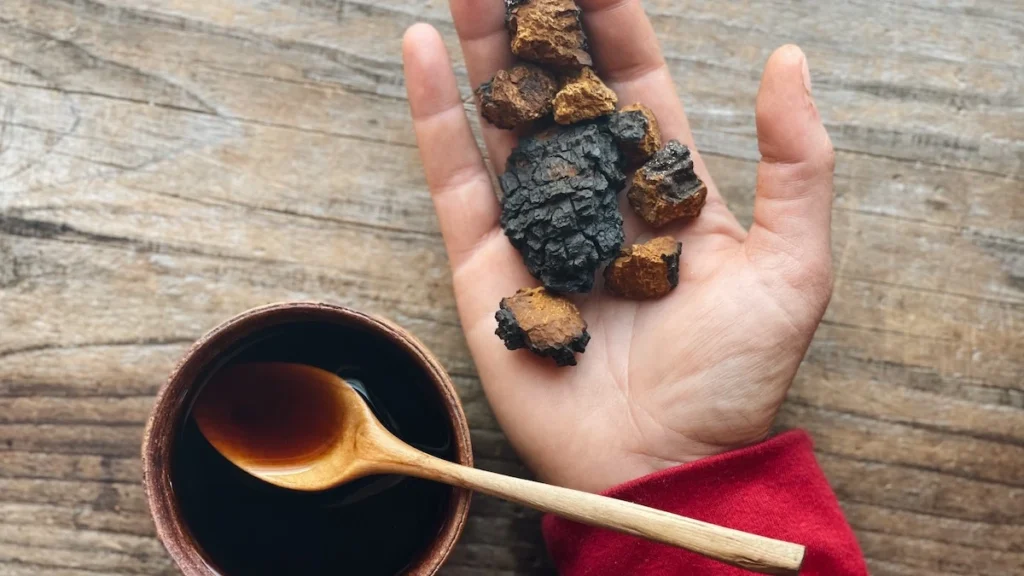
The collection includes a broad mushroom complex containing ingredients such as cordyceps, lion’s mane, reishi, chaga and turkey tail.
Individual mushrooms have been studied for different purposes, but a multi-mushroom supplement is not equivalent to clinical evidence for every claimed outcome.
For that reason, the six products discussed above provide a cleaner starting point for readers interested in the most recognizable parts of Tyson’s wellness routine.
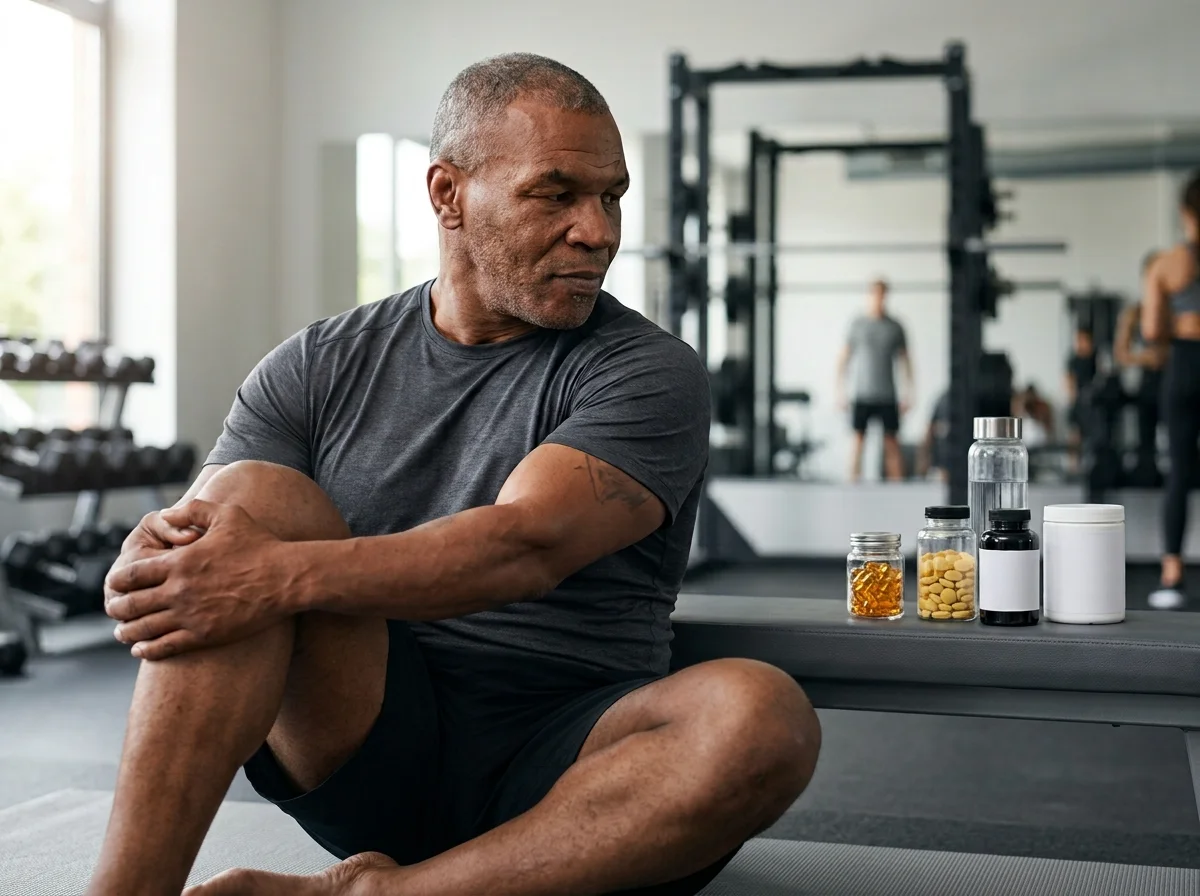
Tyson’s current wellness strategy is very different from what a 20-year-old heavyweight might need.
At 20, the priority is often explosive performance.
At 58, the equation changes.
Recovery becomes more important.
Joint health matters.
Maintaining muscle becomes increasingly important.
Nutrient adequacy matters.
Sleep and cardiovascular health become harder to ignore.
Tyson’s supplement collection reflects many of those concerns.
Omega-3 addresses dietary fatty-acid intake.
Vitamin D supports a nutrient involved in bone and muscle physiology.
Magnesium contributes to hundreds of biochemical reactions.
B12 supports neurological and blood-cell functions.
Curcumin has attracted attention for exercise recovery and inflammation.
Collagen focuses on connective tissues.
That does not mean the combination is uniquely powerful.
It means the selection is broadly consistent with the challenges of maintaining an active lifestyle later in life.
That depends on the person.
Omega-3 can make sense when dietary EPA and DHA intake is low, although eating fish can be an important way to obtain them. The NIH emphasizes that fish and seafood are valuable sources of omega-3s and that evidence for supplementation varies by health outcome and population.
Vitamin D can be useful when someone has inadequate levels, but Tyson’s 5,000-IU product should not be copied automatically because it exceeds the general adult upper limit of 4,000 IU per day.
Magnesium is an essential mineral, particularly relevant to muscle and nerve function, but food remains the preferred source when possible.
B12 is essential, particularly for people at risk of deficiency, but taking large doses does not automatically create extra energy in someone who already has sufficient B12.
Curcumin is promising for some exercise and joint-related applications, but the evidence varies by formulation and condition.
Collagen peptides have produced encouraging findings in several musculoskeletal studies, although the evidence for cosmetic anti-aging claims is considerably more mixed.
The biggest mistake would be to assume that because Tyson uses a supplement, everyone needs it.
The supplement bottles are only a small part of the story.
Tyson’s return to boxing at 54 in 2020 and his later training for a professional fight at 58 required something that no capsule can provide: years of physical conditioning and the willingness to train consistently.
When BBC Sport interviewed Tyson before the Jake Paul fight, he described working with younger heavyweights and demanding trainers who pushed him through his final preparation.
That matters more than any individual supplement.
The same principle applies to ordinary fitness.
A person who sleeps five hours, eats poorly and never exercises will not transform their health by adding six supplements.
A person who trains intelligently, eats enough protein and micronutrients, sleeps properly and uses supplementation to address specific gaps is operating from a very different foundation.
Tyson’s routine is interesting because it sits on top of that foundation.
Mike Tyson’s relationship with fitness has changed dramatically over the course of his life.
He went from becoming the youngest heavyweight champion in boxing history at 20 to walking away from professional boxing, battling personal and physical problems, returning to the ring in his fifties and eventually training for another professional fight at 58.
His supplement routine reflects that later chapter.
The California Gold Nutrition Omega 800 provides concentrated EPA and DHA.
California Gold Nutrition Vitamin D3 supplies a high-dose form of vitamin D, although its 5,000-IU dose is above the general adult upper limit and should not be copied without appropriate medical guidance.
Natural Factors Magnesium Citrate provides a readily absorbed form of magnesium.
Natural Factors Methylcobalamin B12 addresses an essential nutrient involved in blood formation and neurological function.
California Gold Nutrition Curcumin C3 Complex targets an area of growing interest in exercise recovery and inflammatory processes.
And California Gold Nutrition CollagenUP is aimed primarily at connective-tissue and joint support.
These products are not magic.
They are not responsible for Tyson becoming heavyweight champion.
They did not create his punching power.
And they did not produce his comeback.
What they represent is something more ordinary—and arguably more useful.
They are nutritional tools incorporated into a broader approach to staying active as the body gets older.
That is the real takeaway from the Mike Tyson supplement stack.
The most impressive part of Tyson’s modern fitness story is not that he has found six extraordinary supplements.
It is that, decades after reaching the top of boxing, he was willing to put himself through another demanding training camp.
Supplements can help fill nutritional gaps.
They may support specific aspects of recovery, nutrient status or physical function.
But the fundamentals remain stubbornly familiar: training, nutrition, sleep, recovery and consistency.
Mike Tyson’s career was built on those fundamentals long before supplement marketing became a multibillion-dollar industry.
And his comeback is another reminder that no supplement can do the hard work for you.
The products discussed in this article are based on Mike Tyson’s publicly promoted iHerb “Win From Within” collection and associated 2024 wellness material. The presence of a product in Tyson’s collection does not mean it is medically appropriate for every person. Supplement needs vary according to diet, age, health conditions, medications and laboratory values. In particular, the 5,000-IU vitamin D3 product associated with Tyson’s collection exceeds the NIH’s general adult upper limit of 4,000 IU per day, although higher doses may be used under medical supervision for deficiency.