Chemistry rarely announces its biggest breakthroughs with the drama of a rocket launch or a medical operation. Much of the time, its most consequential work happens quietly: in a laboratory, around a molecular model, over a flask, or in the mathematical language used to explain why atoms behave the way they do.
Yet some chemists have changed the world so profoundly that their ideas now sit beneath modern medicine, materials science, nuclear technology, agriculture and even the way students learn chemistry.
Born: 1901
Died: 1994
Major fields: Chemical bonding, quantum chemistry, molecular biology
Major award: Nobel Prize in Chemistry, 1954
Any discussion of the greatest American chemists eventually reaches Linus Pauling.
Pauling was not simply a productive scientist. He helped change the intellectual framework through which chemists understood molecules.
Born in Portland, Oregon, Pauling trained in chemical engineering before moving into physical chemistry and mathematical physics. At the California Institute of Technology, he began applying quantum mechanics and other physical methods to chemical structure.
His central question was deceptively simple:
Why do atoms bond with one another in the ways they do?
The answer became one of the defining achievements of twentieth-century chemistry.
Pauling developed powerful ideas about chemical bonds, electronegativity, resonance and molecular structure. His work connected quantum mechanics with practical chemical observations and helped establish what became modern quantum chemistry.
Stanford’s chemistry department describes him as one of the most impactful scientists of the twentieth century and credits him with helping establish both quantum chemistry and molecular biology.
His 1939 book, The Nature of the Chemical Bond, became particularly influential. Generations of chemists learned how to think about molecular structure through the framework Pauling developed.
His influence extended beyond small molecules.
Pauling also became deeply interested in biological molecules, including proteins. His approach to structure helped move chemistry toward molecular biology, where the behavior of biological systems could increasingly be understood in terms of atoms and bonds.
The American Chemical Society has described Pauling as one of the giants of twentieth-century chemistry, while a recent C&EN historical review notes his pioneering use of quantum mechanics to investigate bonding and biological molecules.
In 1954, Pauling received the Nobel Prize in Chemistry for his research into the nature of the chemical bond and its application to the elucidation of the structure of complex substances. Eight years later, he received the Nobel Peace Prize.
That made Pauling the only person to receive two unshared Nobel Prizes.
His later views on high-dose vitamin C were controversial and are separate from his foundational contributions to chemistry. His scientific legacy rests principally on the extraordinary body of work he produced on molecular structure and chemical bonding.
Modern chemistry students routinely encounter concepts influenced by Pauling:
That reach makes Pauling one of the central figures in the history of American chemistry.
Born: 1875
Died: 1946
Major fields: Physical chemistry, chemical bonding, thermodynamics, acids and bases
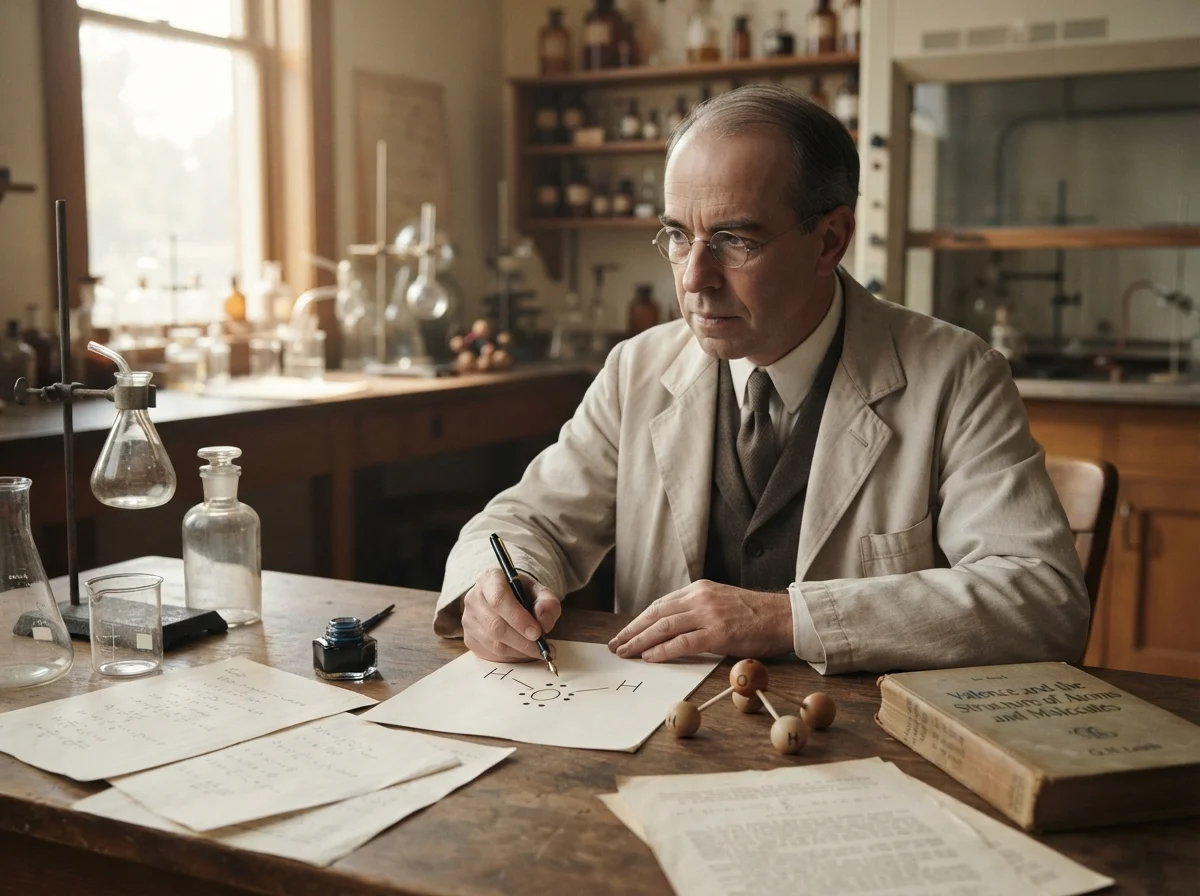
Ask a chemistry student to draw the structure of water, ammonia, carbon dioxide or methane, and there is a good chance they will use the familiar dots and lines of a Lewis structure.
The name comes from Gilbert Newton Lewis, one of America’s most important theoretical chemists.
Lewis was born near Boston and later became one of the defining figures of the University of California, Berkeley’s College of Chemistry.
His most famous contribution came in 1916, when he proposed a theory of chemical bonding based on the sharing of electron pairs.
The idea was revolutionary because it gave chemists a practical way of connecting the newly developing understanding of electrons with the familiar behavior of chemical compounds.
The Science History Institute describes Lewis as instrumental in developing the theory of covalent bonding and notes that his 1916 work proposed that a chemical bond could be understood as a pair of electrons shared between atoms.
That concept eventually became part of the foundation of introductory chemistry.
Lewis also developed the electron-pair theory of acids and bases, creating what are now known as Lewis acids and Lewis bases.
His scientific interests extended much further. His work included thermodynamics, isotopes, photochemistry and other areas of physical chemistry.
The American Chemical Society’s National Historic Chemical Landmark record notes that Lewis’s publications covered subjects including acid-base chemistry, thermodynamics, natural radioactivity and quantum theory.
But Lewis’s influence was not confined to his own papers.
At Berkeley, he helped create a research culture that produced several future scientific leaders. The university notes that Lewis became dean of the College of Chemistry in 1912 and recruited scientists including Wendell Latimer, Joel Hildebrand and Kenneth Pitzer. His academic environment also produced future Nobel laureates such as William Giauque, Willard Libby, Melvin Calvin and Glenn Seaborg.
Lewis never received the Nobel Prize, despite being nominated repeatedly. The Nobel nomination archive records numerous nominations for him beginning in the 1920s.
That fact illustrates something important about scientific history: awards do not always capture influence.
For countless students, researchers and working chemists, Lewis structures remain one of the most recognizable pieces of chemical language ever created.
Born: 1881
Died: 1957
Major field: Surface chemistry
Nobel Prize: Chemistry, 1932
Chemistry is often imagined as the study of what happens inside substances.
Irving Langmuir helped show why what happens at a surface can be just as important.
Born in Brooklyn, New York, Langmuir developed his career partly within industry rather than following the conventional university-only path. He worked at General Electric’s research laboratory in Schenectady, where he investigated problems involving incandescent lamps and gases.
His research eventually led him deep into surface chemistry—the study of chemical processes occurring at interfaces.
Langmuir’s research demonstrated how gases and other substances interact with surfaces and contributed to a mathematical description of adsorption.
The Nobel Prize awarded him the 1932 Nobel Prize in Chemistry for his discoveries and investigations in surface chemistry.
One of his important ideas involved adsorption: molecules can attach to a surface in ways that are fundamentally different from simply mixing into a bulk material.
Langmuir proposed that surfaces could contain defined sites where atoms or molecules could attach. This helped transform adsorption from an empirical observation into a field with a stronger theoretical foundation.
His work mattered far beyond the laboratory.
Surface chemistry is relevant to:
Langmuir also demonstrated how industrial laboratories could become centers of fundamental scientific research.
That was important for the development of American chemistry. The United States increasingly connected academic science with industrial research, creating a model that would later become central to the country’s technological growth.
His Nobel lecture shows how his early work on incandescent lamps and gases helped lead him toward the study of adsorption and surfaces.
Langmuir’s career therefore represents two major developments in American science: the rise of industrial research and the transformation of surface chemistry into a rigorous scientific discipline.
Born: 1912
Died: 1999
Major field: Nuclear chemistry
Nobel Prize: Chemistry, 1951
Few chemists can claim to have helped expand the known chemical elements.
Glenn Theodore Seaborg can.
Born in Ishpeming, Michigan, Seaborg became one of the leading figures in nuclear chemistry during the twentieth century.
His work at the University of California, Berkeley focused on elements heavier than uranium—known as transuranium elements.
In 1940, Seaborg and colleagues succeeded in creating plutonium, element 94. The discovery became historically significant not only for chemistry but also for nuclear weapons and nuclear energy.
Seaborg subsequently contributed to the identification and characterization of additional heavy elements and isotopes.
In 1951, he shared the Nobel Prize in Chemistry with Edwin McMillan for their discoveries in the chemistry of the transuranium elements.
His work fundamentally changed the way scientists viewed the periodic table.
For much of chemistry’s early history, the periodic table appeared to have a natural boundary around uranium. Nuclear chemistry demonstrated that this boundary could be crossed.
The Berkeley College of Chemistry records that researchers associated with the institution discovered numerous elements during the twentieth century, including neptunium, plutonium, americium, curium, berkelium, californium, mendelevium, nobelium and lawrencium. Seaborgium, element 106, was later named in Seaborg’s honor.
Seaborg’s career also demonstrates the complicated relationship between chemistry and nuclear technology.
The same fundamental science that expanded knowledge of atomic nuclei contributed to technologies with enormous military and civilian consequences.
His contribution to chemistry, however, was not simply the creation of a single element. He helped establish nuclear chemistry as a major scientific discipline.
Born: 1917
Died: 1979
Major field: Organic chemistry
Nobel Prize: Chemistry, 1965
If chemistry has something resembling an architectural profession, Robert Burns Woodward might have been one of its greatest architects.
Woodward became famous for synthesizing extraordinarily complex natural products from simpler chemical starting materials.
At a time when the structures of many natural compounds were becoming known but laboratory synthesis remained incredibly difficult, Woodward demonstrated that organic chemists could construct molecules of remarkable complexity deliberately.
The Nobel Prize awarded Woodward the 1965 Nobel Prize in Chemistry for his outstanding achievements in the art of organic synthesis.
Among his celebrated achievements were syntheses involving compounds such as:
His work on vitamin B12 was particularly spectacular because of the complexity of the molecule.
The Nobel Prize notes Woodward’s importance to the development of modern organic synthesis and identifies him as a foundational figure in the sophisticated construction of complex molecules.
Woodward’s work was not merely about producing molecules.
He developed a way of thinking about synthesis.
Chemists learned to work backward from a target molecule, identify strategic bonds that could be disconnected and design a sequence of reactions capable of assembling the structure.
This way of thinking became central to modern synthetic chemistry.
Woodward also worked with theoretical chemist Roald Hoffmann on what became the Woodward-Hoffmann rules, which predict whether certain chemical reactions are allowed based on orbital symmetry.
Hoffmann later dedicated his Nobel lecture to Woodward and described their collaboration on orbital symmetry conservation.
Woodward’s legacy can still be seen in pharmaceutical chemistry, natural-product synthesis and chemical manufacturing.
When today’s chemists design elaborate synthetic routes for medicines or other complex molecules, they are working in a discipline that Woodward helped transform.
Born: 1910
Died: 1985
Major field: Polymer chemistry
Modern life is surrounded by polymers.
Plastic packaging, synthetic fibers, paints, adhesives, rubber, biomedical materials and countless advanced materials depend on our ability to understand molecules composed of repeating units.
One of the people who turned that subject into a rigorous scientific discipline was Paul J. Flory.
Flory’s career focused on the physical chemistry of macromolecules—very large molecules such as polymers.
Before his work, polymer science contained many experimental observations but lacked a sufficiently unified theoretical framework for explaining polymer behavior.
Flory helped change that.
His research addressed polymerization, molecular weight, chain statistics, polymer solutions and the behavior of polymer networks.
The American Chemical Society has described Flory as a giant of polymer chemistry, while its historical literature notes that his theoretical and experimental work helped establish the foundations of modern polymer science.
In 1974, Flory received the Nobel Prize in Chemistry for his fundamental achievements, both theoretical and experimental, in the physical chemistry of macromolecules.
His ideas remain useful today.
The Flory-Huggins framework, Flory-Rehner theory and statistical treatments of polymer chains continue to appear in research involving polymers, gels and biomaterials.
This is an important part of Flory’s legacy: he helped move polymers from being viewed mainly as industrial materials to being studied as sophisticated molecular systems.
That shift had enormous consequences.
Today’s materials scientists can ask not only, “What polymer should we make?” but also:
How will its molecular structure determine its physical properties?
Flory helped provide the theoretical tools needed to answer that question.
Born: 1899
Died: 1975
Major fields: Organic chemistry, medicinal chemistry, industrial chemistry
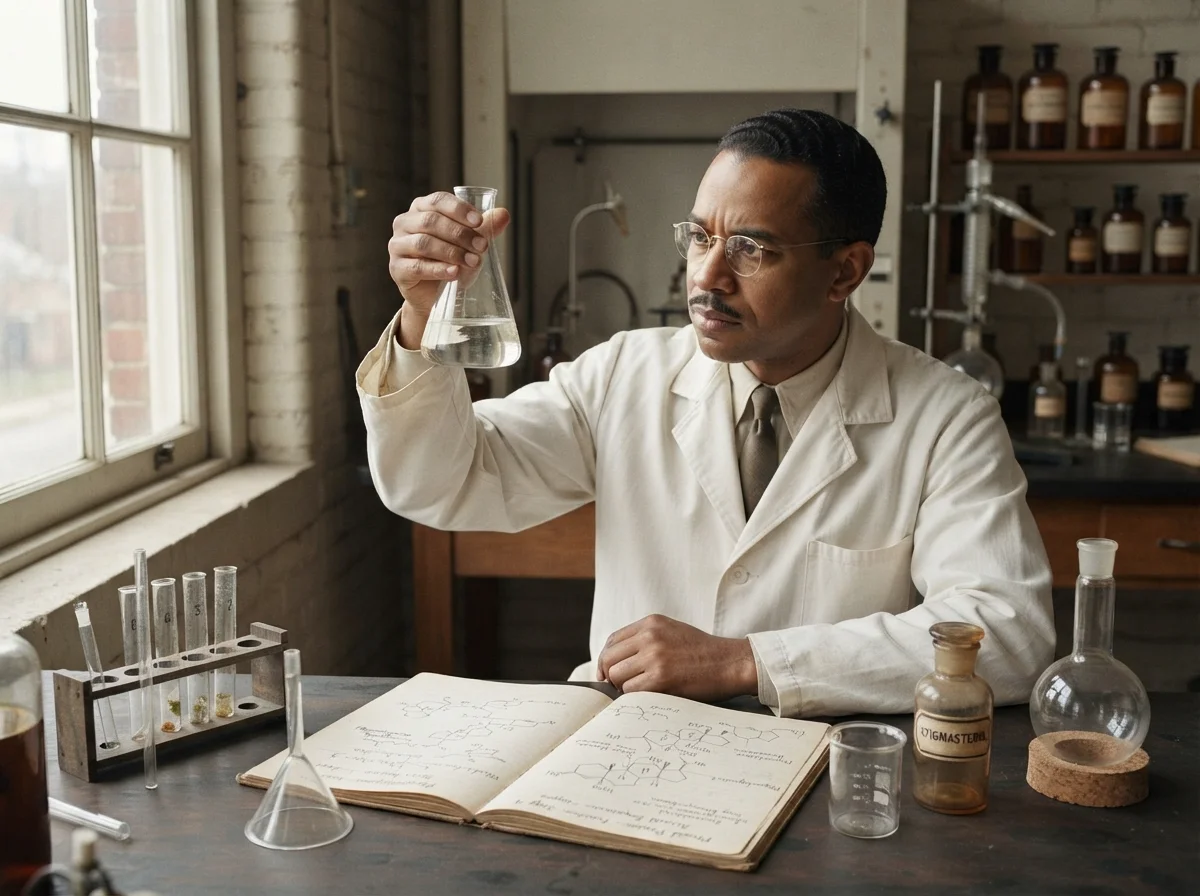
The history of American chemistry cannot be told accurately without Percy Lavon Julian.
Born in Montgomery, Alabama, Julian became one of America’s most accomplished synthetic chemists while working against the racial barriers of the early twentieth century.
His scientific achievements were substantial.
In 1935, Julian successfully synthesized physostigmine, a compound derived from the Calabar bean that had been used in the treatment of glaucoma.
The American Chemical Society designated Julian’s work on physostigmine a National Historic Chemical Landmark, noting that his synthesis made the compound much more readily available for medical use.
Julian later became deeply involved in the synthesis of steroid compounds.
This work was particularly important because naturally occurring steroid hormones were difficult and expensive to obtain in large quantities from biological sources.
Julian and his teams developed chemical processes that used plant-derived starting materials to produce important steroid intermediates.
The Science History Institute describes him as a steroid chemist and entrepreneur who developed ways to synthesize important medicinal compounds from abundant plant sources, making them more practical for large-scale production.
His career also represented an important change in American industrial chemistry.
Julian demonstrated that high-level chemical research could lead directly to scalable manufacturing.
His achievements were recognized formally in 1973, when he became the first African American chemist elected to the National Academy of Sciences, according to the American Chemical Society’s historical record.
Julian’s story is therefore about more than overcoming discrimination.
It is about a scientist who solved difficult chemical problems and helped create practical routes to medically important compounds.
His work helped bridge three worlds:
laboratory chemistry, medicine and industrial production.
Born: around the 1860s
Died: 1943
Major field: Agricultural chemistry
George Washington Carver is perhaps one of the most recognizable names on this list, although the popular version of his story is often oversimplified.
Carver is frequently remembered as the scientist who “invented hundreds of uses for peanuts.”
His actual scientific legacy was broader.
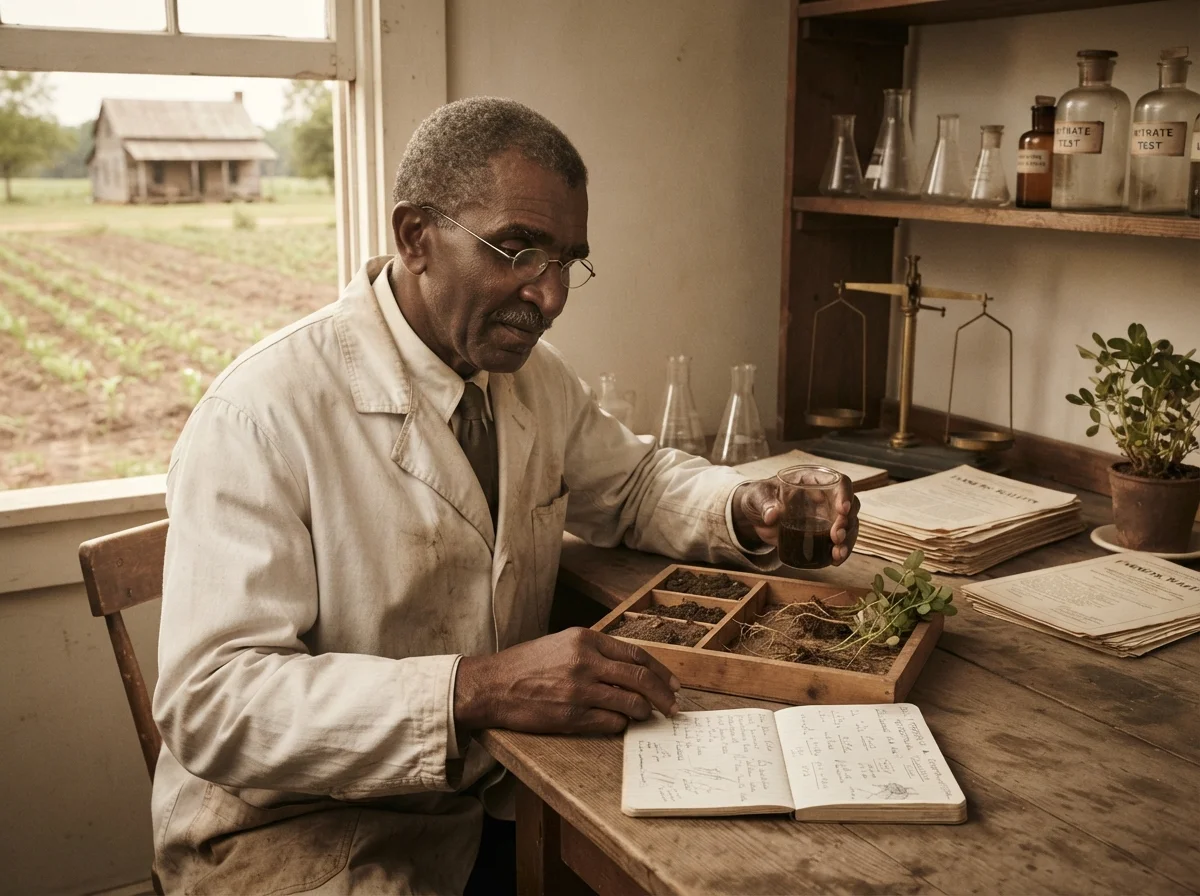
Carver worked at Tuskegee Institute, now Tuskegee University, where he investigated agricultural crops and methods for improving soil.
He encouraged farmers in the American South to move away from continuous cotton cultivation and incorporate crops such as peanuts and soybeans into rotation.
This mattered because repeated cotton cultivation could deplete soil nutrients.
The American Chemical Society designated Carver’s agricultural chemistry a National Historic Chemical Landmark in 2005. It describes his work as applying chemical insights to agriculture, developing new products from crops and investigating crop rotation and soil restoration.
Carver also produced accessible agricultural bulletins designed for farmers.
That educational work was central to his legacy.
Rather than treating scientific knowledge as something confined to laboratories and universities, Carver tried to translate it into practical information for people working on farms.
The ACS has also emphasized that the popular “Peanut Man” story does not capture the full complexity of his scientific career.
His significance therefore lies not simply in the number of products he developed.
It lies in the connection he created between:
Carver showed how chemistry could address problems far outside a conventional laboratory.
Born: 1892
Died: 1916
Major field: Medicinal chemistry
Some of the most important chemists in American history are not the people whose names appear most frequently in textbooks.
Alice Augusta Ball is a powerful example.
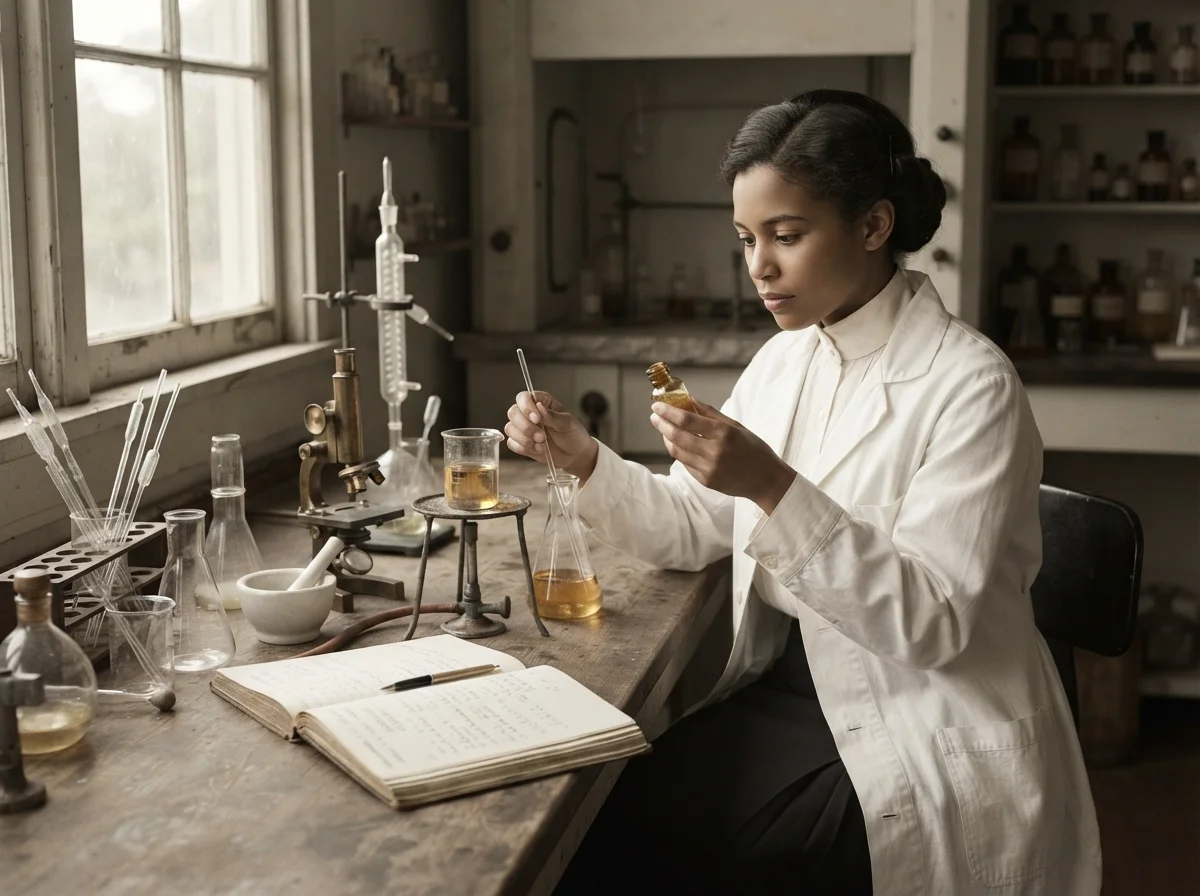
Born in Seattle, Ball became a chemist at the College of Hawai’i, now the University of Hawai’i. She became the institution’s first Black and first female chemistry professor.
Her most important scientific achievement involved chaulmoogra oil, which had been used as a treatment for Hansen’s disease, commonly known historically as leprosy.
The problem was that the oil was difficult to administer effectively.
Ball developed a chemical method for modifying the active components of chaulmoogra oil so they could be converted into a water-soluble injectable preparation.
The resulting treatment became one of the most viable therapies available for Hansen’s disease during the early twentieth century.
The American Chemical Society designated the discovery of the Ball Method a National Historic Chemical Landmark in 2026. The Society says the method remained the primary treatment for the disease until sulfone drugs emerged decades later.
Ball’s career was tragically short.
She died in 1916 at only 24 years old.
Her scientific contribution was also initially obscured when male scientists took credit for work associated with her research.
Historical scholarship has since helped restore her role in the story of medicinal chemistry. A 2024 Journal of Chemical Education paper describes Ball as a young African-American chemist responsible for synthesizing derivatives of chaulmoogra oil for treating Hansen’s disease and examines how her work was nearly forgotten.
Her story is a reminder that scientific importance and historical recognition do not always arrive together.
Ball had only a few years to conduct research.
But those years were enough to leave a lasting mark on medicinal chemistry.
Born: 1937
Major field: Theoretical and organic chemistry
Nobel Prize: Chemistry, 1981
Chemistry is not only about knowing what molecules look like.
A deeper question is:
Why does a chemical reaction happen one way rather than another?
Roald Hoffmann helped provide part of the answer.
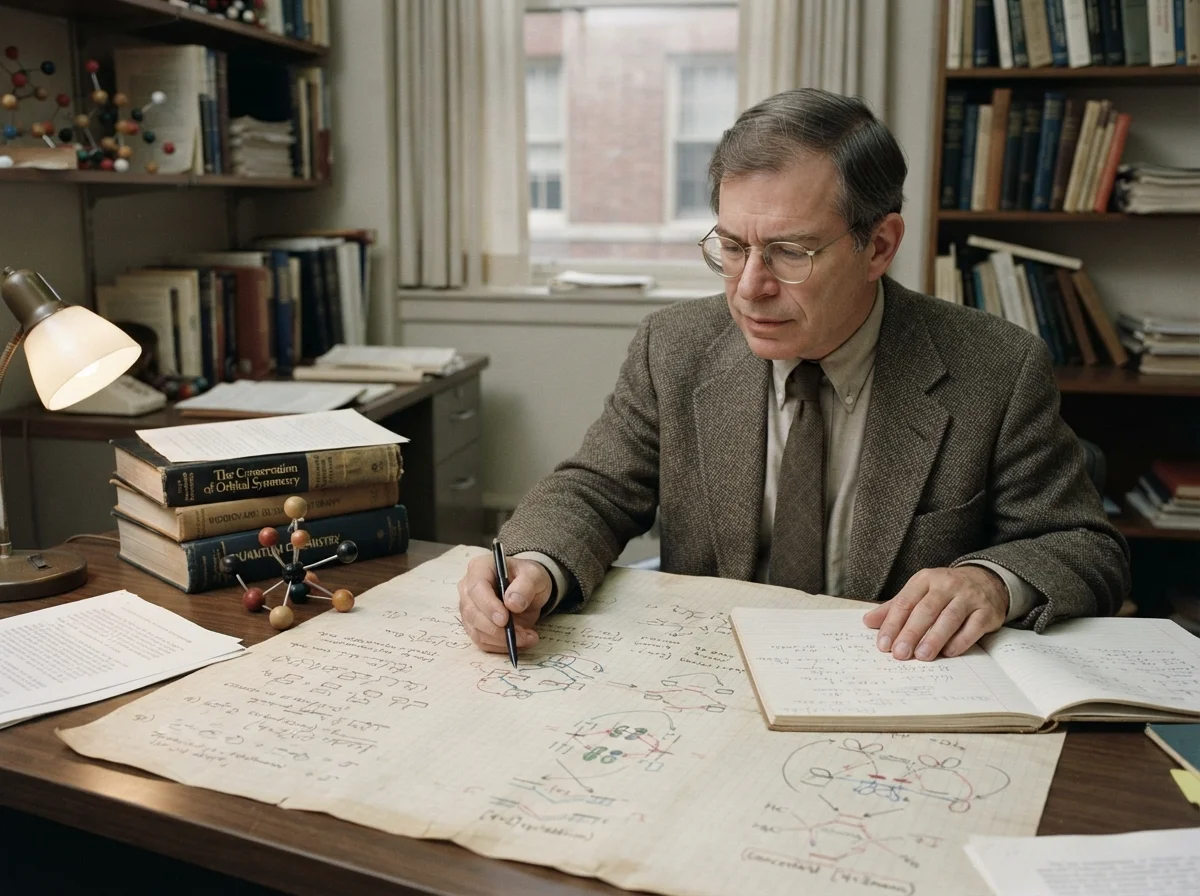
Born in what is now Ukraine and later immigrating to the United States, Hoffmann became a professor at Cornell University and one of the leading theoretical chemists of his generation.
His most famous work involved orbital symmetry and the theoretical rules governing chemical reactions.
Working independently of Japanese chemist Kenichi Fukui, Hoffmann developed theoretical approaches explaining the course of chemical reactions.
In 1981, Hoffmann and Fukui shared the Nobel Prize in Chemistry for their theories, developed independently, concerning the course of chemical reactions.
Hoffmann’s work was especially important because it connected abstract quantum-mechanical ideas with reactions that organic chemists could actually observe in the laboratory.
His collaboration with Robert Burns Woodward produced what became known as the Woodward-Hoffmann rules.
These rules help chemists predict whether certain pericyclic reactions are symmetry-allowed.
For a student encountering organic chemistry, this may initially sound highly theoretical.
But the underlying idea is remarkably practical:
molecular orbitals can tell us something about which chemical transformations are possible.
Hoffmann’s Nobel lecture explicitly credited Woodward’s influence and discussed their collaboration on orbital symmetry conservation.
His career represents the increasing role of computation and theory in American chemistry.
The modern chemist does not always have to discover everything experimentally first. Mathematical models, quantum mechanics and computational chemistry can help predict molecular behavior before a reaction is performed.
That shift has become increasingly important in drug discovery, materials science and molecular engineering.
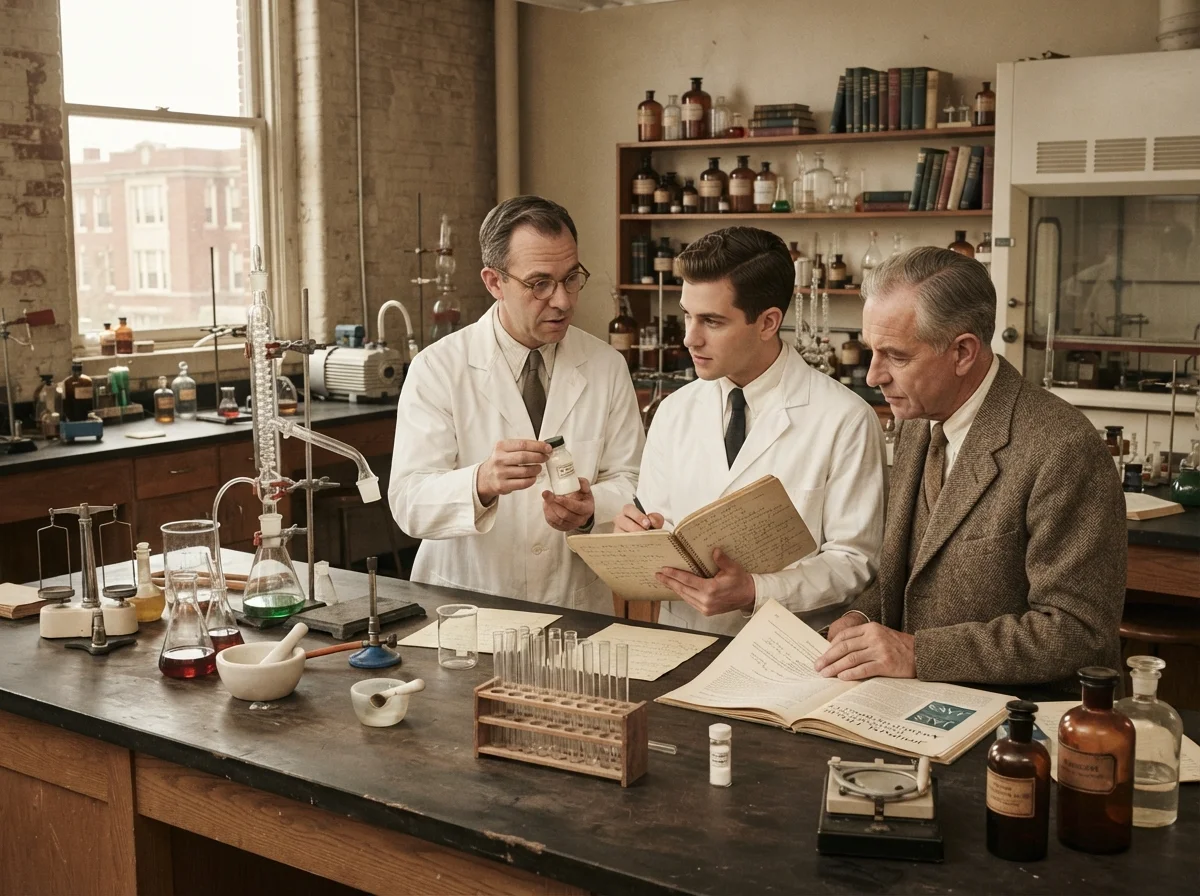
The achievements of these 10 chemists did not occur in isolation.
The rise of American chemistry depended on institutions, universities, industrial laboratories, government research and professional organizations.
One particularly important milestone was the creation of the American Chemical Society in 1876.
ACS began with 35 chemists at a founding meeting in New York. It later became one of the world’s major scientific organizations and developed journals, conferences, educational programs and historical resources that helped connect American chemists.
The American university system also changed significantly.
In the nineteenth century, many American chemistry professors had studied in Europe, particularly Germany, which was then a leading center of chemical research.
Scientists such as Ira Remsen helped introduce research-centered approaches to American graduate education.
The 2026 Chemical & Engineering News history of American chemistry identifies the rise of research universities as one of the crucial developments that transformed the country’s chemical enterprise.
Industry played another major role.
Langmuir’s career at General Electric demonstrated how industrial laboratories could produce fundamental scientific discoveries.
Woodward’s work demonstrated the power of advanced organic synthesis.
Flory’s research showed how polymer science could combine theory and industrial relevance.
Seaborg’s research demonstrated the enormous scientific capacity of government-supported nuclear research.
Together, these developments helped establish a distinctly American model of chemistry in which universities, government laboratories and industry increasingly interacted.
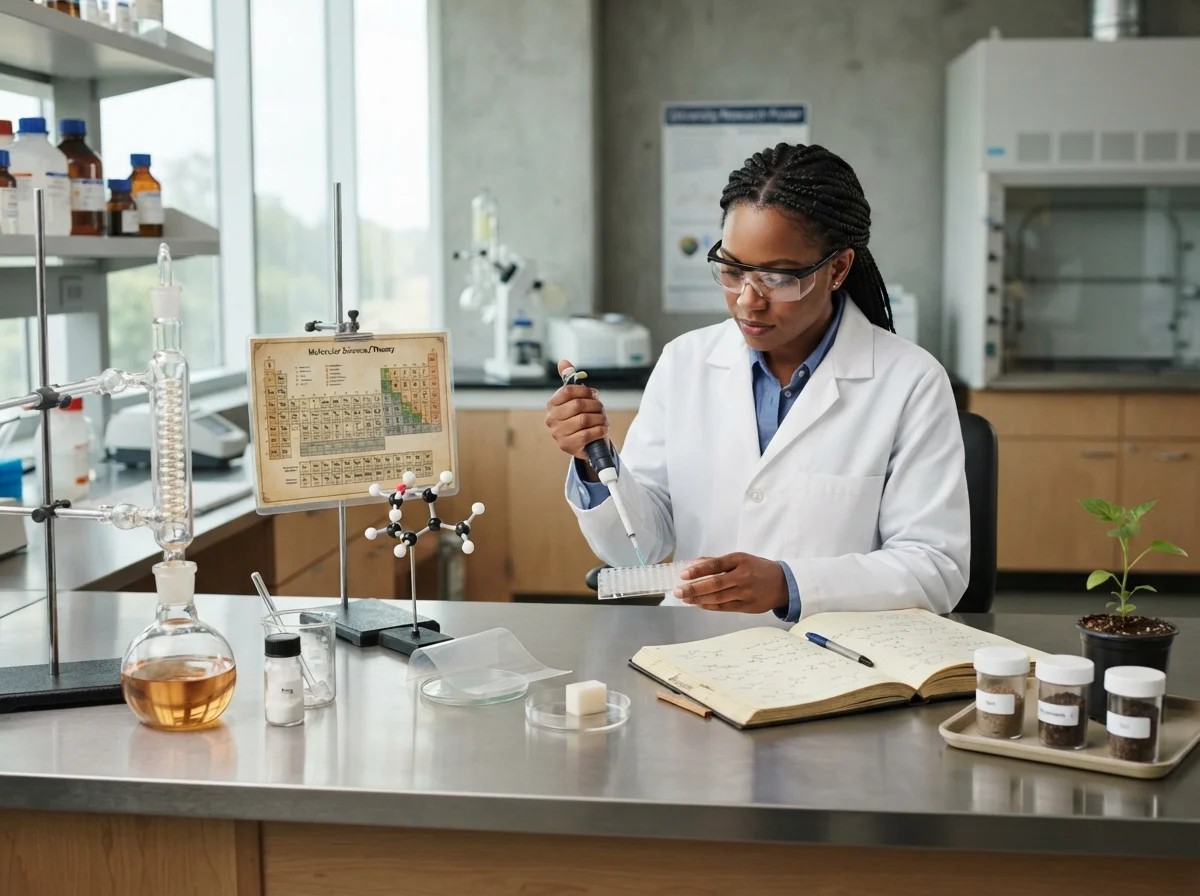
The influence of these scientists can still be seen in modern life.
Percy Julian’s synthetic chemistry helped make medically important compounds more accessible, while Alice Ball’s chemical modification of chaulmoogra oil produced a significant treatment for Hansen’s disease.
Paul Flory’s work provided a scientific foundation for understanding polymers and macromolecules, helping shape modern polymer science.
Gilbert Lewis and Linus Pauling transformed the way chemists conceptualize chemical bonds and molecular structure.
Glenn Seaborg’s work helped expand the periodic table and establish the chemistry of transuranium elements as a major research field.
Robert Woodward showed that increasingly complex molecules could be constructed systematically from simpler starting materials.
George Washington Carver demonstrated how chemistry could be applied directly to soil management, crop development and agricultural education.
Roald Hoffmann demonstrated how theoretical chemistry could explain and predict the behavior of chemical reactions.
There is no laboratory instrument capable of measuring who is the “best” chemist in history.
Scientific influence does not work that way.
A Nobel Prize tells part of the story. A breakthrough equation tells another. A medical treatment, an industrial process, a new material or a generation of students influenced by a scientist may reveal another part.
The 10 chemists discussed here represent different versions of scientific greatness.
Linus Pauling changed how chemists understand bonding and molecular structure.
Gilbert N. Lewis gave chemistry a language for electron pairs and chemical bonds that students still use today.
Irving Langmuir transformed surface chemistry and demonstrated the power of industrial research.
Glenn Seaborg helped extend the periodic table into the world of transuranium elements.
Robert Burns Woodward transformed the art of organic synthesis.
Paul Flory helped establish the theoretical foundations of polymer science.
Percy Julian showed how synthetic chemistry could turn difficult laboratory discoveries into commercially useful medicines.
George Washington Carver connected chemistry with agriculture and practical education.
Alice Ball developed an important chemical treatment for Hansen’s disease despite having only a brief scientific career.
And Roald Hoffmann helped explain the fundamental rules governing chemical reactions.
Their careers also reveal something larger about American science.
Chemistry in the United States was not built by one laboratory, one university or one generation. It emerged through a combination of academic research, industrial laboratories, government investment, professional organizations and individual scientific imagination.
The American Chemical Society’s historical record now preserves hundreds of landmarks documenting that evolution, from agricultural chemistry and medicinal breakthroughs to polymers, consumer products and analytical technology.
That is why the history of American chemistry is more than a collection of famous names.
It is the story of how ideas about atoms and molecules became medicines, materials, agricultural techniques, industrial processes and technologies that continue to shape everyday life.
And among the scientists who pushed that transformation forward, these ten remain particularly important chapters in the history of chemistry in the United States.