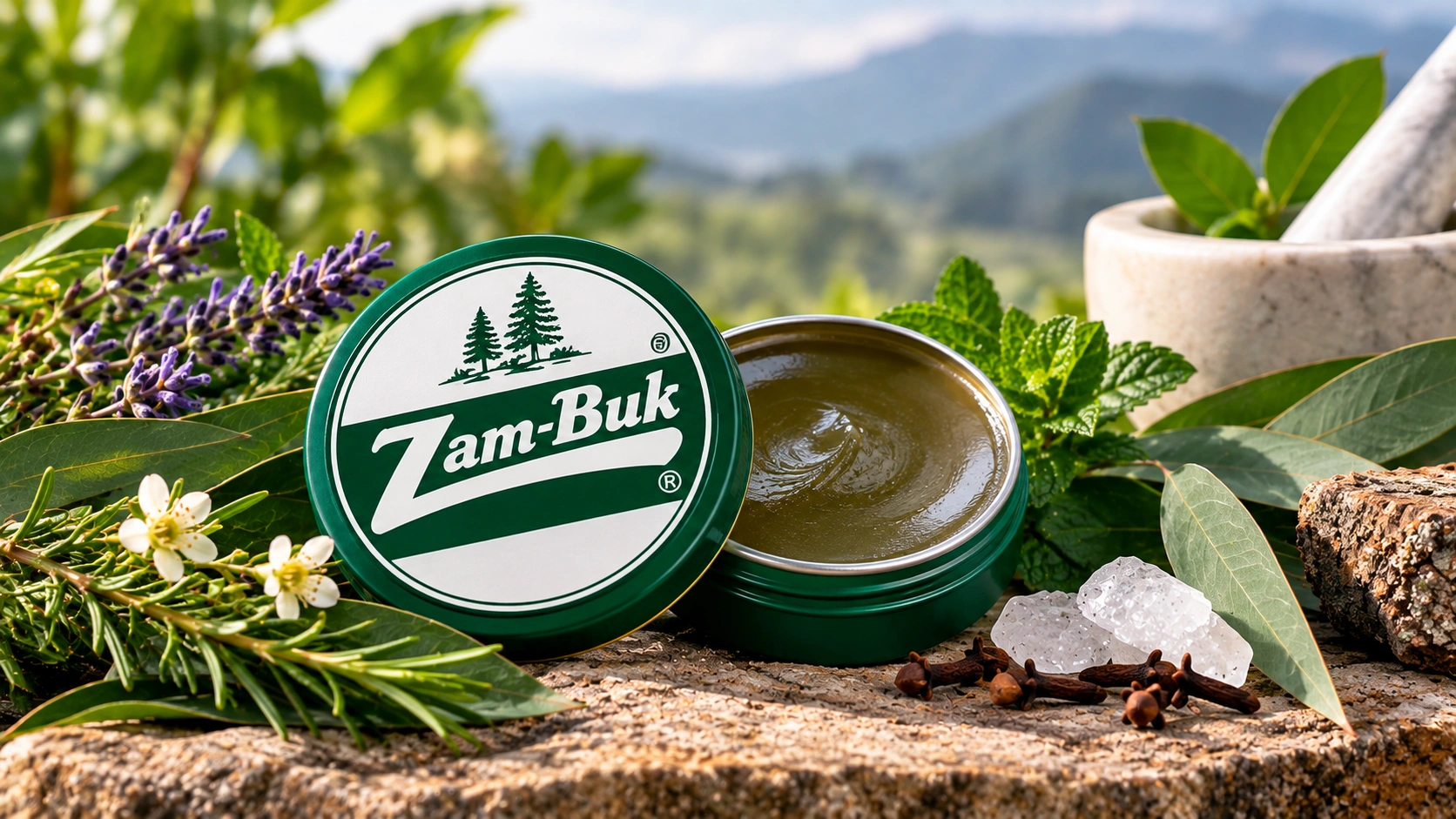
Zam-Buk is one of the world’s best-known heritage medicinal ointments. Recognized by its distinctive green color, strong herbal smell and traditional metal tin, Zam-Buk has been part of household first-aid routines for more than a century.
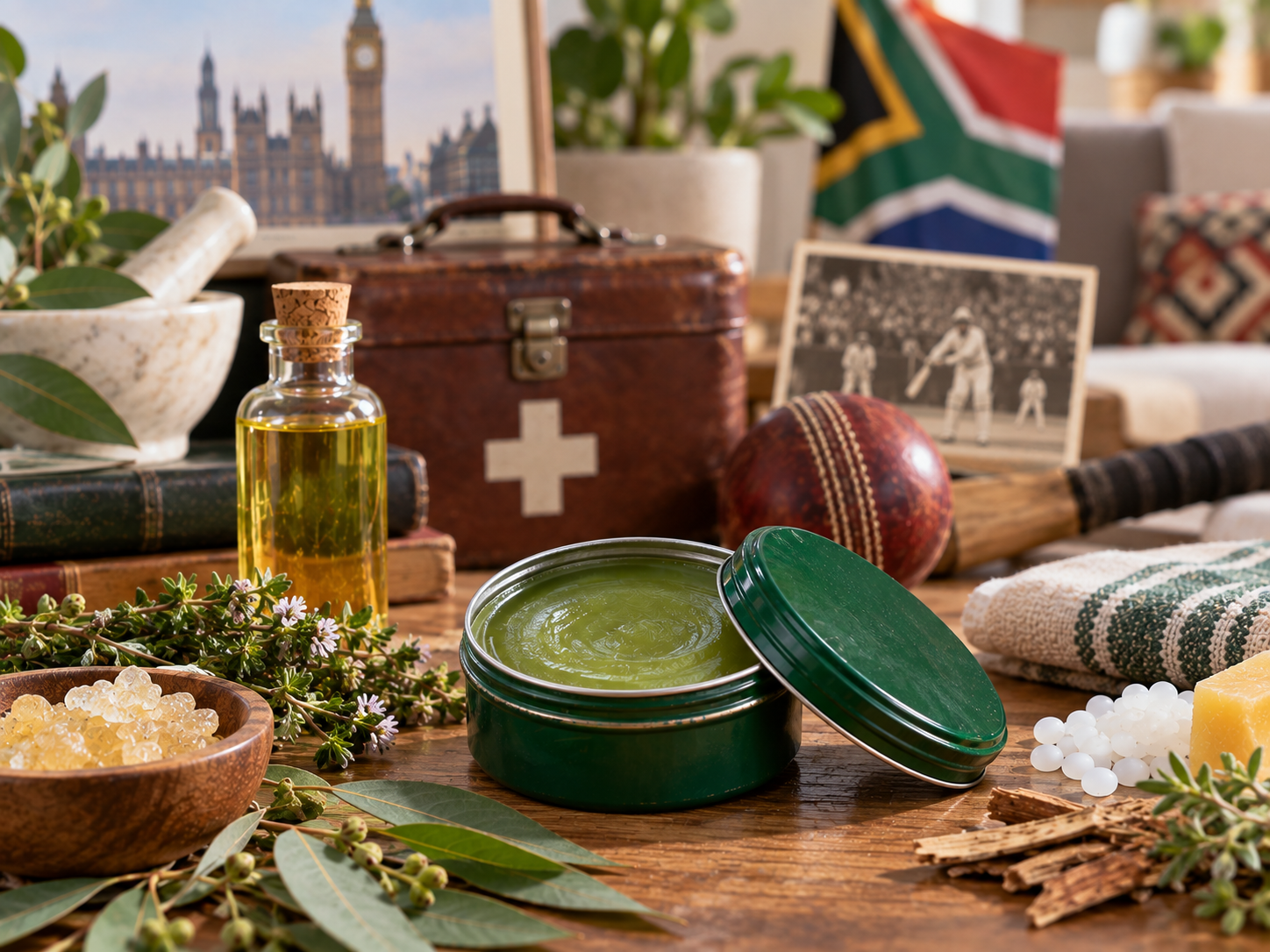
Zam-Buk dates back to the beginning of the twentieth century.
The product is generally credited to Charles Edward Fulford, a British entrepreneur associated with the Bile Beans business in Leeds, England.
Historical records place the launch of Zam-Buk around 1902. The product was initially marketed as a herbal balm and antiseptic-style ointment and was sold through Fulford’s existing commercial network.
At the time, patent medicines were a major part of the consumer-health market. Consumers regularly purchased ointments, tonics, pills and herbal preparations directly from shops rather than relying exclusively on modern pharmaceutical treatments.
Zam-Buk entered this market with an ambitious proposition: one small tin could be useful for a wide range of everyday complaints.
Early advertising promoted Zam-Buk for problems including cuts, bruises, sprains, sores, skin conditions and other ailments. Some historical advertisements made claims that would not meet modern evidence standards.
This distinction is important when researching the brand today. Historical advertising claims should not be treated as modern medical evidence.
The exact origin of the name remains uncertain.
Several theories have circulated over the years, including suggestions that the name had an African connection. Another popular explanation linked “Zambuk” with first-aid workers at sporting events in Australia and New Zealand.
Historical research, however, has not established one definitive explanation.
A publication from St John Ambulance Australia examined the history of the word and concluded that its original meaning could no longer be established with certainty.
This uncertainty has actually helped give the brand an interesting identity. Unlike a name that clearly describes an ingredient or medical condition, “Zam-Buk” sounds distinctive and memorable without immediately revealing what the product is.
Sport played an important role in Zam-Buk’s early identity.
Historical advertisements promoted the ointment as a useful first-aid product for athletes dealing with bruises, strains, sprains and other common sports injuries.
The connection became strong enough that the word “Zambuk” was eventually used informally in Australia and New Zealand to describe St John Ambulance first-aiders who attended sporting events.
That is a remarkable example of branding becoming part of everyday language.
The product name had moved beyond the ointment itself and had become associated with the person who carried and applied first-aid supplies.
Zam-Buk was also an early participant in commercial radio advertising.
When the English-language service of Radio Luxembourg began commercial broadcasting in the 1930s, Zam-Buk was among the early advertisers.
Historical programming records show a “Zam-Buk Broadcast” appearing on Radio Luxembourg.
This was significant because radio allowed the brand to reach consumers far beyond the local pharmacy or newspaper.
It also gave Zam-Buk an opportunity to combine entertainment and advertising, a strategy that would become a standard part of consumer marketing later in the twentieth century.
South Africa eventually became one of Zam-Buk’s most important markets.
The product developed a particularly strong household identity there and became associated with traditional first-aid use.
Bayer now describes Zam-Buk as an iconic South African brand with more than 100 years of history.
That is an important evolution in the brand’s identity.
Although Zam-Buk began in Britain, its strongest modern cultural identity is closely connected with South Africa.
For many South African consumers, the green tin is associated with family medicine cabinets, minor injuries, insect bites, dry skin and traditional household remedies.
Zam-Buk has not remained under one company throughout its history.
The brand was eventually associated with Fisons, a major British pharmaceutical and chemical company.
Production in the United Kingdom later ended in the 1990s as the pharmaceutical market changed and ownership of the business changed hands.
The product was subsequently revived in the United Kingdom by Rose & Co., while trademark ownership and licensing arrangements developed differently across individual countries.
Today, Bayer owns or manages the Zam-Buk brand in several important markets.
In South Africa, the current patient information leaflet identifies Bayer (Pty) Ltd as the holder of the certificate of registration for Zam-Buk Ointment.
Bayer’s current South African website also lists Zam-Buk among its Consumer Health brands.
The answer depends on the market.
This is important because Zam-Buk is not necessarily manufactured in the same factory worldwide.
For the current South African product, Bayer is the certificate holder, while retail and product information identifies manufacturing arrangements that can involve South African production and regional supply chains.
In Southeast Asia, regulatory records show Interthai Pharmaceutical Manufacturing Ltd. in Thailand as a manufacturer of Zam-Buk Ointment for Bayer-related registrations.
For example, Brunei’s medicines-control records list Zam-Buk Ointment with Interthai Pharmaceutical Manufacturing in Thailand as the manufacturer.
Malaysia’s regulatory records have also identified Bayer Malaysia as the product-registration holder and Interthai Pharmaceutical Manufacturing in Thailand as the manufacturer.
Therefore, the most accurate statement is:
Zam-Buk is a Bayer-associated brand in several current markets, with manufacturing varying by country and product registration.
Zam-Buk is no longer distributed as broadly as it was during the height of its early twentieth-century popularity.
Its strongest modern presence is in South Africa and selected Southeast Asian markets, including countries such as Malaysia, Singapore, Indonesia and Thailand.
The brand has also retained historical recognition in Australia and New Zealand.
Different formulations and trademark ownership arrangements exist in different countries, so availability should always be checked locally.

The modern Zam-Buk formula varies by country.
This is one of the most important facts to understand when researching the product.
A current South African Bayer patient information leaflet lists the following active ingredients per 100 grams:
The same formulation lists other ingredients including:
Some Southeast Asian versions can have a simpler active-ingredient profile. For example, the current Zam-Buk Singapore product information lists eucalyptus oil and camphor as the active ingredients.
This means consumers should always check the ingredient panel on their specific Zam-Buk product rather than assuming every tin worldwide has exactly the same formula.
Eucalyptus oil is one of the signature ingredients associated with Zam-Buk.
It contributes the product’s distinctive herbal aroma and contains volatile compounds such as 1,8-cineole.
Eucalyptus oil is widely used in topical and aromatic preparations because of its cooling, fresh and strongly scented character.
In topical products, it can contribute to a soothing sensory effect.
However, eucalyptus oil should not be described as a cure for infections simply because it has antimicrobial activity in laboratory studies. Laboratory activity and clinical effectiveness in a finished ointment are not the same thing.
Camphor is another important ingredient.
It interacts with sensory receptors in the skin and can create a cooling, warming or tingling sensation.
That sensory effect can temporarily alter how the brain perceives minor discomfort.
Camphor is common in traditional balms and medicated ointments.
Because camphor can be harmful if swallowed, Zam-Buk products are labeled for external use only and should be kept away from children.
Some modern South African formulations contain Thymus vulgaris, or thyme oil.
Thyme oil contains aromatic compounds such as thymol and contributes to the product’s characteristic herbal profile.
Thyme compounds have been studied for antimicrobial and antioxidant properties, but those laboratory findings should not be interpreted as proof that Zam-Buk treats infections.
Sassafras oil appears in the current South African formulation.
It contributes to the traditional aromatic character of the ointment.
Its inclusion also illustrates why formulations must be checked by country. Sassafras is not included in every current Zam-Buk formulation.
Paraffin, microcrystalline wax and related ingredients give Zam-Buk its familiar semi-solid ointment texture.
These ingredients help create a protective layer on the skin and allow the aromatic components to remain distributed throughout the product.
Colophony, also known as rosin, is a resin traditionally used in topical preparations and helps contribute to the physical characteristics of some ointment formulations.
People with known sensitivity to rosin should check the ingredient list carefully before using products containing it.
Current product labeling is much narrower than the extraordinary claims found in some early twentieth-century advertisements.
The current Singapore Zam-Buk website describes the ointment for relief associated with:
South African retail information also describes uses involving minor wounds, burns, scalds, chapped hands and insect bites.
The exact indication depends on the local product registration.
Zam-Buk should therefore be viewed as a topical symptomatic product, not as a replacement for medical treatment when an injury is serious or infected.

Zam-Buk’s first major marketing advantage was its ability to position itself as a product for the entire household.
Early advertisements promoted the ointment for an unusually broad list of complaints.
From a modern perspective, many of these claims would require much stronger evidence.
But from a marketing perspective, the strategy was effective because it gave consumers a reason to keep one tin at home for multiple situations.
The brand was not simply selling an ointment.
It was selling the idea of a household emergency product.
The relationship between Zam-Buk and sport became one of its most memorable forms of brand recognition.
Historical advertisements specifically targeted athletes and promoted the ointment as a first-aid product for bruises, strains and sprains.
In Australia and New Zealand, “Zambuk” eventually became a nickname associated with St John Ambulance first-aiders at sporting events.
This was extremely powerful branding because the product name became connected with the person responsible for treating injuries.
Zam-Buk was also an early radio advertiser.
The brand appeared on Radio Luxembourg’s English-language service during the 1930s.
This helped move Zam-Buk beyond traditional newspaper advertising and into a new mass-media environment.
For a heritage brand, this is an important part of its history because Zam-Buk was participating in one of the earliest forms of mass commercial broadcasting.
Historical Zam-Buk advertisements frequently used personal testimonials.
The idea was simple: instead of explaining the product scientifically, the advertising showed someone describing how Zam-Buk had supposedly helped them.
This approach was extremely common in the patent-medicine industry.
One particularly famous historical example involved entertainer Harry Houdini, whose testimonial was used in Zam-Buk advertising.
Modern readers should treat such historical testimonials as advertising history, not as clinical evidence.
In more recent years, the brand has used its heritage as a marketing asset.
The campaign titled “Zam-Buk Pocket-Sized Heritage” was recognized in South African advertising awards and used the compact tin as a central part of the brand story.
The campaign effectively turned the product’s small size into a strength.
Instead of presenting the old packaging as outdated, it presented the tin as part of the brand’s heritage.
One of the most important recent campaigns is “Zam-Buk Take Me Home.”
The campaign was developed around a powerful South African insight: the Zam-Buk tin is associated with home, family and childhood memories.
The campaign used a limited-edition tin and influencer-led storytelling to ask South Africans what “home” means to them.
Instead of focusing entirely on the product’s medical function, the campaign focused on emotion.
That was a major shift in strategy.
The product became a symbol of belonging and memory rather than simply an ointment in a medicine cabinet.
The campaign was not simply a social-media experiment.
It received industry recognition.
Offlimit Communications reported that Zam-Buk “Take Me Home” won Gold for Pack Design at the 2025 Shop! Awards South Africa.
The campaign was also recognized in other South African marketing and advertising award programs.
This makes it one of the clearest examples of how Zam-Buk is currently using heritage marketing to remain culturally relevant.
The “Take Me Home” campaign also extended beyond packaging and social media.
Bayer reported community grant handovers connected with the campaign, including support for organizations working with vulnerable households and visually impaired people in South Africa.
This added a community dimension to the heritage story.
Rather than simply saying that Zam-Buk belongs in South African homes, the campaign attempted to demonstrate that the brand also wanted to contribute to South African communities.

Zam-Buk does not dominate the global topical-health market in the way that multinational pharmaceutical brands dominate categories such as painkillers or dermatology.
Its strength is much more specific.
It has built a powerful position as a heritage topical ointment, particularly in South Africa and selected Asian markets.
Few topical products have a history stretching back to 1902.
That longevity creates trust and familiarity.
Consumers may purchase a modern product because of an advertisement, but heritage products are often purchased because someone in the family already knows them.
Zam-Buk’s packaging is one of its biggest assets.
The green ointment and round metal tin look different from modern pharmaceutical creams and gels.
That visual difference makes the product easy to identify on a pharmacy shelf.
The camphor and eucalyptus aroma gives Zam-Buk a powerful sensory identity.
People who grew up with the product can often recognize it by smell before they even see the packaging.
That kind of sensory recognition is difficult for new competitors to create.
The traditional tin is easy to carry.
It can fit into a pocket, handbag, travel kit or first-aid box.
This portability was particularly valuable during the early twentieth century and remains useful today.
Zam-Buk has historically been positioned as an inexpensive household product.
That makes it easy for consumers to keep a tin available even when they are not actively dealing with a skin problem.
In South Africa, Zam-Buk has developed an identity that extends beyond the product itself.
Bayer describes it as an iconic South African brand, while the recent “Take Me Home” campaign directly built on the idea that generations of South Africans associate the tin with home.
This cultural positioning gives Zam-Buk an advantage over generic ointments containing similar ingredients.
The company and its agencies have not simply relied on nostalgia.
Recent campaigns use influencers, limited-edition packaging, social media, community initiatives and award-winning creative work.
This combination is important.
Older consumers can see the product they remember, while younger consumers encounter it through modern cultural content.

Zam-Buk operates in a broad category that includes medicated balms, topical ointments, herbal skin products and first-aid preparations.
Outside India, its most relevant competitors include:
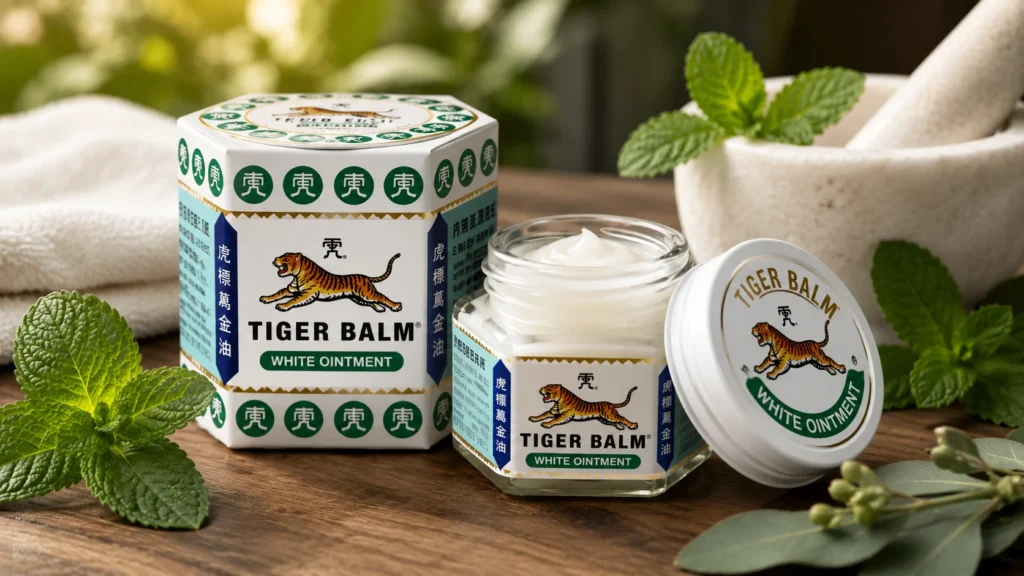
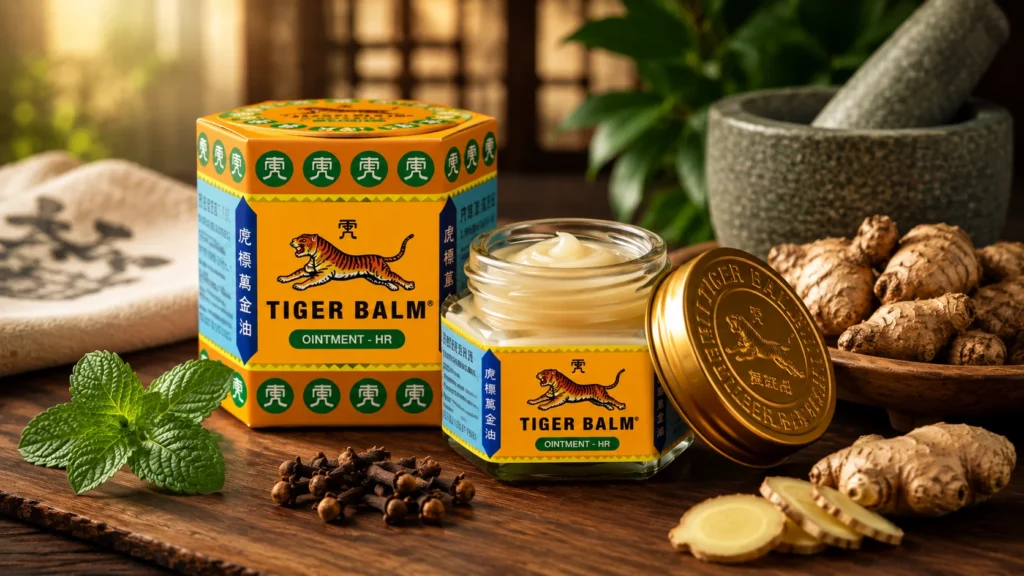
Tiger Balm is probably Zam-Buk’s strongest competitor in the broader Asian traditional-topical market.
It has a large international presence and a much broader product portfolio, including balms, creams, patches and topical rubs.
Tiger Balm also has a stronger presence in modern international retail and sports-oriented marketing.
Its advantage is scale, while Zam-Buk’s advantage is heritage and cultural association in markets such as South Africa.
Vicks VapoRub competes in a different but overlapping part of the topical-health market.
Its strongest association is with cold and congestion relief rather than first-aid skin care.
However, both products benefit from generations of household recognition and strong sensory branding.
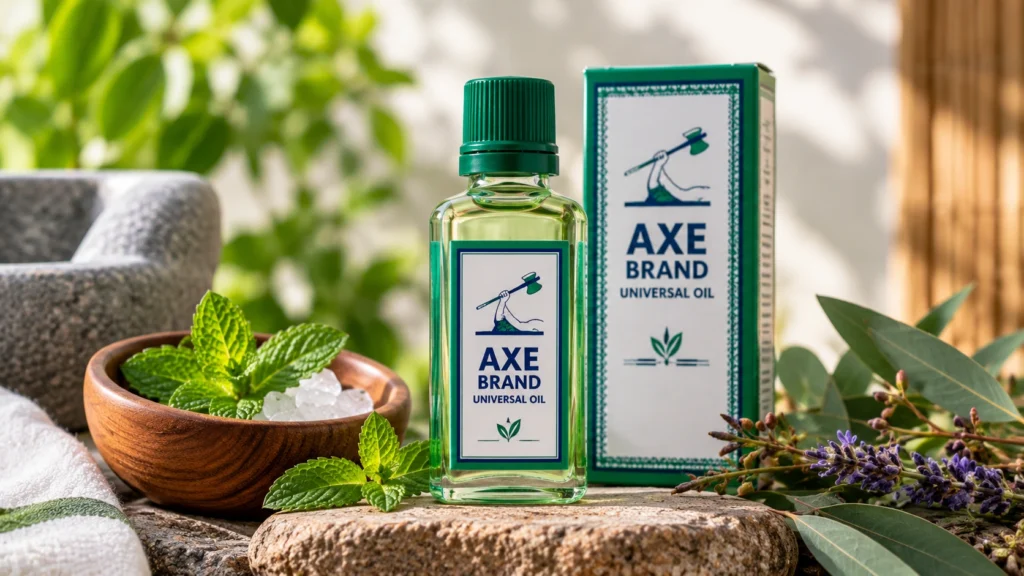
Eagle Brand Medicated Oil is a major traditional Asian competitor.
Its small bottle, aromatic ingredients and multi-purpose positioning overlap with the consumer profile of Zam-Buk.
White Flower Oil is another established Asian medicated-oil brand with a long history.
Its strong aroma and traditional positioning make it particularly relevant in Southeast Asian and Chinese communities.
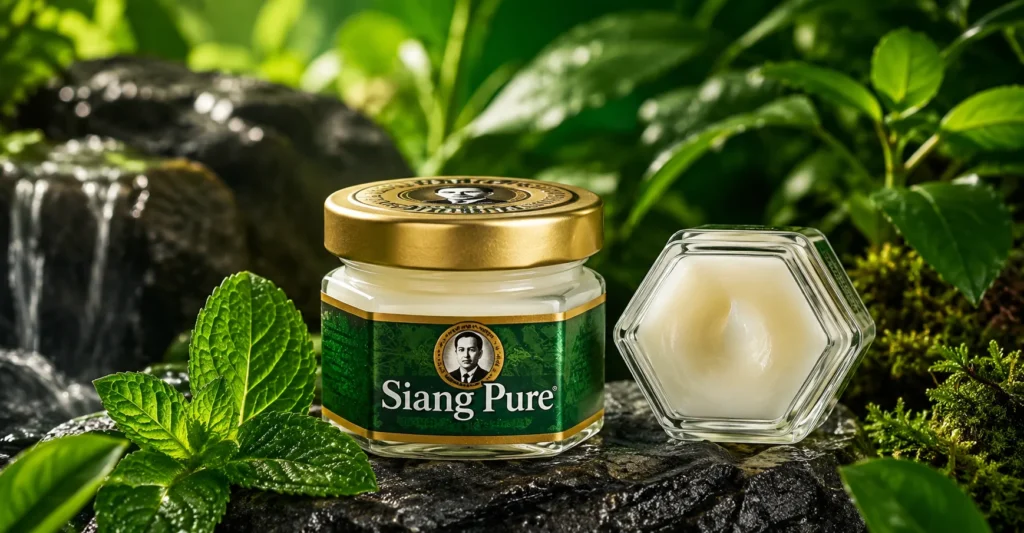
Siang Pure is especially strong in Thailand and Southeast Asia.
Its portfolio includes medicated oils and balms and competes for consumers who prefer traditional aromatic topical products.
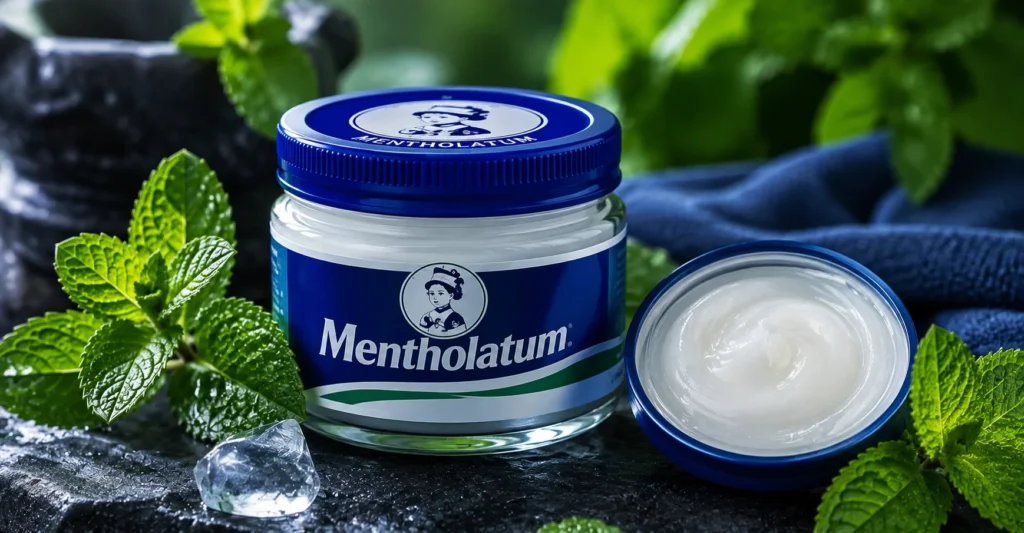
Mentholatum is another established international topical brand.
Its products cover areas including topical pain relief and respiratory comfort.
Although its branding is more modern and its product range broader, it competes for some of the same consumers looking for familiar topical relief products.
Deep Heat occupies more of the sports and muscle-relief segment.
Its association with exercise, muscle discomfort and topical treatment creates overlap with the sports-related heritage Zam-Buk developed during its early history.

This is one area where responsible research is especially important.
There is no publicly disclosed audited global revenue figure for Zam-Buk as a standalone brand in 2026.
The reason is straightforward: Bayer reports financial performance at business-segment and regional levels rather than publishing individual sales for every Consumer Health brand.
Zam-Buk is part of Bayer’s Consumer Health portfolio, which includes numerous major brands.
Bayer’s 2025 annual report provides financial information for the company’s Consumer Health business, but it does not break out a standalone Zam-Buk revenue number.
Bayer reported total group sales of approximately €45.6 billion in 2025.
Consumer Health was one of the company’s major business areas, but Zam-Buk represented only one brand within that much larger portfolio.
Therefore, using Bayer’s total Consumer Health sales as Zam-Buk revenue would be incorrect.
Some websites publish estimated brand values or revenue figures for Zam-Buk.
These numbers should be treated cautiously when they are not supported by audited financial statements or company disclosures.
A brand can be commercially successful without its individual sales being publicly disclosed.
This is particularly true for a private-label-style regional brand operating inside a much larger multinational consumer-health portfolio.
There is strong evidence that Zam-Buk remains commercially active in 2026.
Current South African retailers continue to list the product in multiple sizes, including 7-gram, 16-gram and 60-gram tins.
South African pharmacy listings describe the product as available for uses including minor skin problems, insect bites, burns, scalds and chapped skin.
In Southeast Asia, Zam-Buk products are also still listed by retailers and pharmaceutical distributors.
Trade records from 2025 and 2026 show Zam-Buk ointment moving through international pharmaceutical supply chains, including products manufactured by Interthai Pharmaceutical Manufacturing in Thailand.
While it is impossible to give a verified worldwide revenue number, the continuing retail presence is significant.
The brand has survived:
Yet Zam-Buk remains available in major markets.
That is strong evidence of enduring brand equity.
The most accurate conclusion is:
Zam-Buk remains an active heritage consumer-health brand in 2026, particularly in South Africa and selected Southeast Asian markets, but Bayer does not publicly disclose a standalone global annual revenue figure for the brand.
That statement is much more defensible than publishing an unsupported estimate.
Zam-Buk is one of the most interesting heritage ointment brands in the history of consumer healthcare.
The product was introduced around 1902 and is associated with British entrepreneur Charles Edward Fulford and his Bile Beans business in Leeds.
From its early days as a patent medicine, Zam-Buk developed a reputation as a versatile household ointment.
Its early advertising promoted the product for an extraordinary number of uses, including cuts, bruises, sprains and skin complaints. Some historical advertisements also made claims that would not meet today’s evidence standards.
Over time, the brand developed an especially strong connection with sport and first aid.
In Australia and New Zealand, the word “Zambuk” became associated with St John Ambulance first-aiders who attended sporting events.
The brand also became one of the early advertisers on Radio Luxembourg, demonstrating that Zam-Buk was experimenting with mass-media marketing more than 90 years ago.
Ownership changed several times during the twentieth century, and UK production eventually ended in the 1990s.
The brand was later revived in some markets, while Bayer became the owner or responsible company for Zam-Buk in several important territories.
Today, Bayer’s South African Consumer Health business identifies Zam-Buk as an iconic South African brand with more than 100 years of history.
The modern formulation varies by market.
The current South African Bayer product lists eucalyptus oil, camphor, thyme oil and sassafras oil as active ingredients, together with a wax-and-paraffin ointment base.
Singapore’s current product information lists eucalyptus oil and camphor as the active ingredients.
This variation is important because there is no single universal Zam-Buk formula that applies to every country.
Modern Zam-Buk is primarily positioned for topical symptomatic relief associated with minor skin problems, insect bites, bruises, burns, scalds, chapped skin and similar complaints, depending on the local product registration.
The brand’s marketing history is equally impressive.
Early newspaper advertisements, sporting associations, radio advertising and testimonial campaigns helped establish the brand.
More recently, Zam-Buk has shifted toward heritage marketing.
The “Pocket-Sized Heritage” campaign emphasized the product’s small tin and long history, while the more recent “Take Me Home” campaign turned the product into a symbol of South African family, belonging and nostalgia.
“Take Me Home” was recognized at South African marketing awards, including a Gold award for Pack Design at the 2025 Shop! Awards South Africa.
The campaign also included community initiatives, showing how Bayer attempted to connect the brand’s heritage with modern social responsibility.
Zam-Buk’s major international competitors include Tiger Balm, Vicks VapoRub, Eagle Brand Medicated Oil, White Flower Oil, Siang Pure, Mentholatum and Deep Heat.
Each competitor has a different advantage.
Tiger Balm has strong international scale and product variety. Vicks has enormous household recognition in respiratory care. Asian medicated oils compete strongly on tradition and sensory identity, while Deep Heat is particularly relevant in sports and muscle-relief markets.
Zam-Buk’s biggest competitive advantage is different.
It is heritage.
More than a century of history gives the brand something that cannot easily be copied by a new product.
The green tin is recognizable.
The smell is recognizable.
The name is recognizable.
And in South Africa, the product has become part of household and cultural memory.
Financially, there is no reliable standalone global Zam-Buk revenue figure for 2026.
Bayer’s public financial reporting covers its larger Consumer Health business rather than individual brands such as Zam-Buk.
However, current pharmacy listings, Bayer’s own brand information and recent international supply-chain records confirm that Zam-Buk remains commercially active.
The most important lesson from Zam-Buk is therefore not simply the longevity of an ointment.
It is the longevity of a brand identity.
Zam-Buk survived changes in medicine, advertising, ownership, manufacturing and consumer behavior because it continuously gave people a reason to remember the product.
Its early promise was a versatile household ointment.
Its sports identity connected it with first aid.
Its radio advertising introduced it to mass audiences.
Its South African identity gave it cultural depth.
And its modern “Take Me Home” campaign shows that the brand is now using nostalgia deliberately rather than simply benefiting from it by accident.
That combination of heritage, recognizable packaging, sensory identity, affordability and modern cultural marketing explains why Zam-Buk remains relevant more than 120 years after its original launch.
It may no longer be the global patent-medicine giant it once was, but in its strongest markets, the little green tin remains one of the most recognizable names in traditional topical healthcare.

Watch expert-inspired short videos on health, wellness, nutrition, fitness, preventive care, and healthy living in under a minute.