Golden Star Balm, widely known in Vietnam as Cao Sao Vàng and in parts of Eastern Europe and Russia as Zvezdochka, is one of the most recognizable traditional medicated balms to come out of Vietnam.
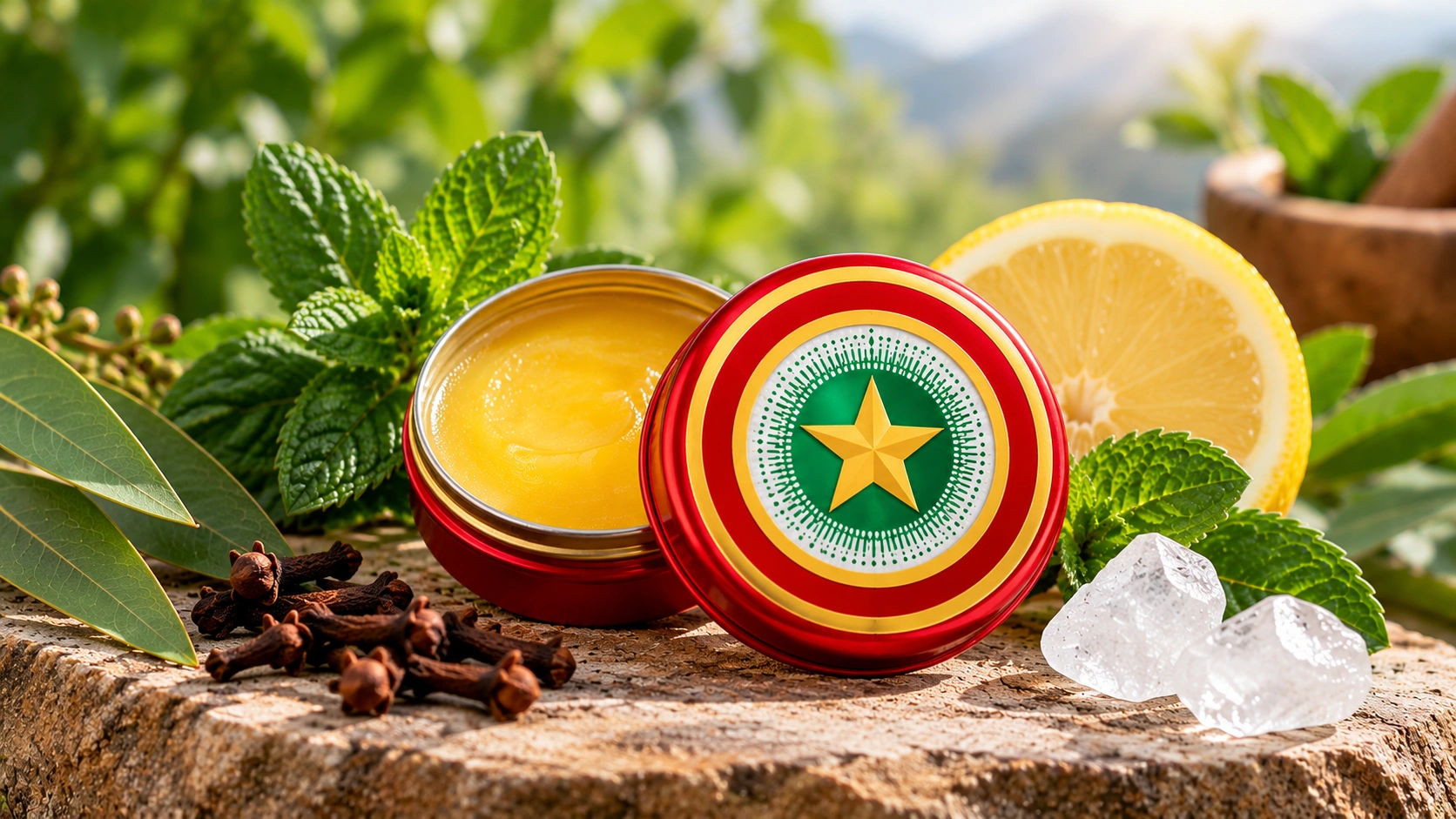

The story of Golden Star goes back to the period after 1954, when Vietnamese pharmaceutical researchers began developing locally manufactured products inspired partly by existing Asian medicated balms and oils.
Vietnamese pharmaceutical history sources place the development of Golden Star within the country’s state pharmaceutical system. OPC’s historical material identifies 1969 as an important commercial launch point for Golden Star Balm under the Sao Vàng name.
This distinction matters because there was not one modern-style entrepreneur who suddenly “invented” Golden Star. Its development was connected to Vietnam’s pharmaceutical research and manufacturing system.
The name Sao Vàng translates roughly to “Golden Star,” which eventually became the product’s internationally recognizable English name.
During the 1960s, 1970s and 1980s, Golden Star became a familiar product in Vietnamese households.
Its success was based on a simple combination:
The small metal tin became part of the brand itself.
People could carry it in a pocket, handbag, travel bag or keep it in a home medicine cabinet.
The product became especially associated with Vietnam’s subsidy-era economy, when imported consumer products were limited and domestic products were an important part of everyday life.
Golden Star’s biggest international breakthrough came through the Soviet Union.
Vietnam developed close economic and political ties with the Soviet Union, and Golden Star became one of the Vietnamese pharmaceutical products exported to the Soviet market.
Vietnamese reporting states that demand eventually became so large that five pharmaceutical factories were assigned to manufacture the balm for export to the Eastern Bloc.
One historical report stated that a pharmaceutical factory in Da Nang was assigned production of approximately 20 million boxes of Golden Star in 1983.
That figure shows just how large the product’s international production system became.
The product became known in Russia and other former Soviet markets as Zvezdochka, meaning “little star.”
The product was inexpensive, compact and practical.
It also offered something that mattered in a market where imported Western consumer products were not readily available.
Golden Star became familiar.
Once a product becomes part of everyday household life, it can remain popular long after its original marketing campaign has disappeared.
This is one of the biggest reasons the brand developed such strong nostalgia in Russia and Eastern Europe.
The collapse of the Soviet Union created a major problem for Golden Star.
One of its most important export markets disappeared.
Vietnamese reporting has described Golden Star as losing significant market momentum during this period, while the Vietnamese domestic market also became more competitive as consumers gained access to new imported products.
For a while, Golden Star looked like an old-fashioned product whose best days were behind it.
But the story did not end there.
The internet eventually gave Golden Star a second life.
Online marketplaces such as Amazon and eBay allowed people outside Vietnam and the former Soviet Union to discover and purchase the balm.
Vietnamese media reported strong international interest from consumers in countries including the United States, United Kingdom and Australia.
This was a major change in how the product reached consumers.
Golden Star no longer needed to depend entirely on traditional pharmacy distribution.
Someone who remembered the product from childhood could search for it online.
Someone who had never seen it before could discover it through an online marketplace.
The same small tin could therefore appeal to two completely different audiences:
nostalgic customers and curious new customers.
There is no single worldwide manufacturer.
OPC Pharmaceutical Joint Stock Company is one of the major Vietnamese manufacturers. OPC’s current product information lists Golden Star Balm as one of its products.
Danapha Pharmaceutical Joint Stock Company is another manufacturer associated with Golden Star. Pharmaceutical records list Danapha as the manufacturer of Golden Star formulations.
Other Vietnamese pharmaceutical companies have also manufactured Golden Star formulations, which is why consumers may encounter slightly different tins, packaging, ingredient quantities and labeling depending on the manufacturer and country.
Vietnam remains the manufacturing center.
Danapha operates dedicated facilities for products such as balms, liniments and inhalers, while OPC also maintains pharmaceutical manufacturing operations in Vietnam.
This is an important point because the traditional appearance of the product can make it seem like a homemade or informal herbal preparation.
It is not.
Modern versions are manufactured by established pharmaceutical companies.
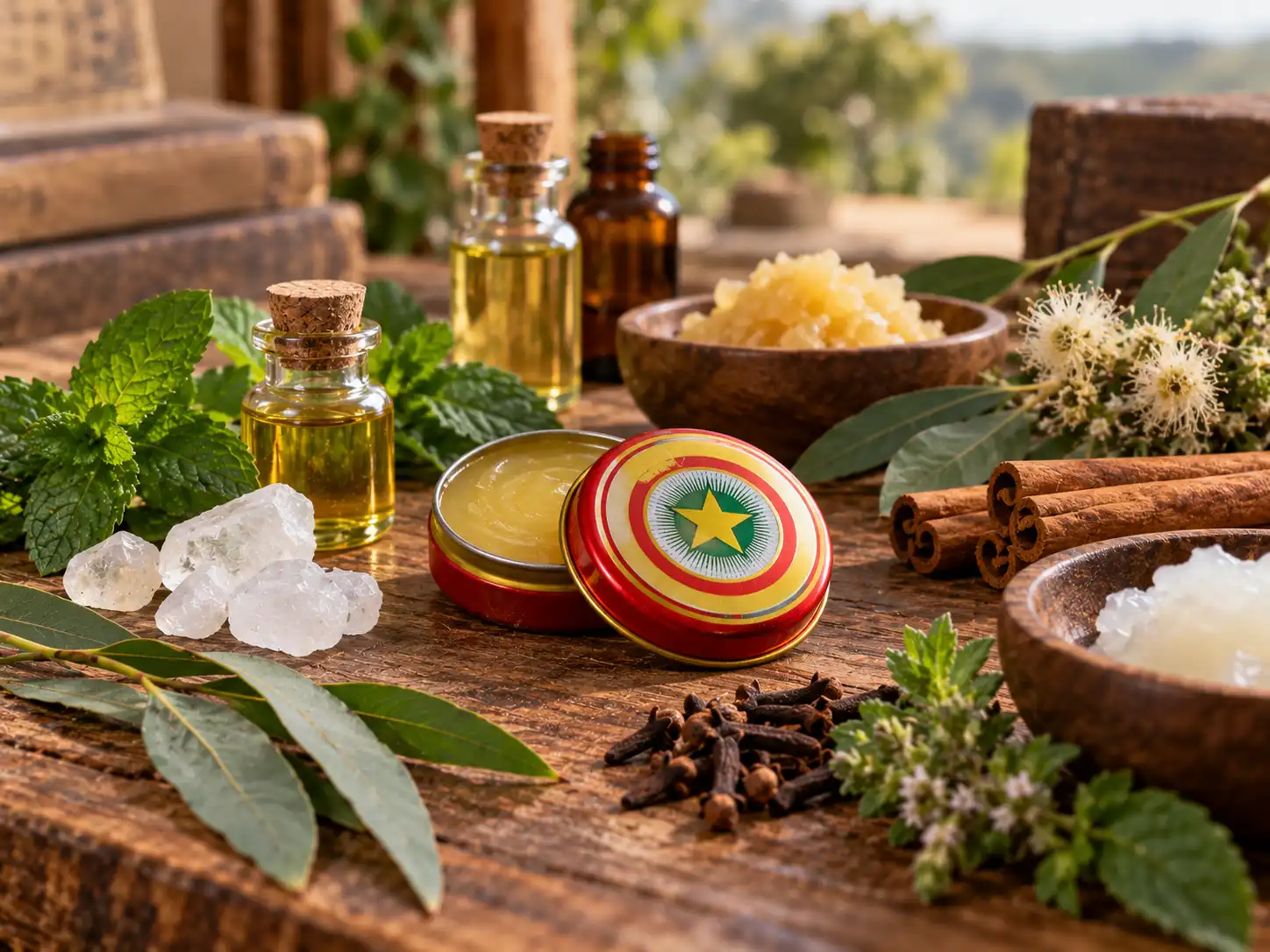
The exact Golden Star formula can vary by manufacturer and market.
This is one of the most important details when researching the product.
For example, OPC’s current 4-gram Golden Star Balm contains several active aromatic ingredients along with a topical balm base.
Older or different-market Danapha formulations can contain a somewhat different combination, including eucalyptus oil and clove oil.
Therefore, the most accurate way to describe the formula is:
Golden Star is generally built around camphor, menthol and aromatic essential oils, but the exact formula depends on the manufacturer and market.
Camphor is one of the defining ingredients in traditional medicated balms.
Applied to the skin, it can create a cooling, warming or tingling sensation.
It acts on several sensory pathways involved in temperature and pain perception.
Menthol creates the familiar cooling sensation associated with Golden Star.
It activates cold-sensitive receptors, especially TRPM8, making the skin feel cooler even though the actual temperature may not change significantly.
This is why menthol is common in topical products designed for temporary relief from minor aches and discomfort.
Peppermint oil contributes additional menthol and other aromatic compounds.
It strengthens the cooling sensation and gives Golden Star its unmistakable mint-like smell.
Cajeput oil is another aromatic essential oil found in some Golden Star formulations.
It contributes to the product’s strong smell and traditional topical character.
Some Golden Star formulations use eucalyptus oil instead of or alongside cajeput and other aromatic oils.
Eucalyptus oil is widely used in products associated with respiratory comfort because of its strong aromatic properties.
However, it is important not to overstate its effects. The presence of eucalyptus oil does not mean Golden Star cures a cold, influenza or respiratory infection.
Some formulations contain clove oil.
Clove oil is rich in eugenol, an aromatic compound that has been studied for its local analgesic and antimicrobial properties.
In Golden Star, however, clove oil is part of a larger multi-ingredient formulation.
Cinnamon oil provides a warm, spicy aroma.
Its volatile compounds contribute to the characteristic sensation produced by the balm.
The smell is one of its greatest brand assets.
The combination of menthol, camphor, peppermint, cajeput or eucalyptus, clove and cinnamon creates an aroma that is immediately recognizable.
This is actually a powerful branding advantage.
Many modern products try to minimize their smell.
Golden Star did the opposite.
Its strong smell became part of its identity.

Golden Star’s success is unusual because it did not depend primarily on the type of huge advertising campaigns used by modern pharmaceutical and consumer brands.
Its biggest marketing asset was distribution followed by nostalgia.
The first major “campaign” was effectively the export system itself.
Once Golden Star entered Soviet and Eastern European markets at scale, millions of consumers became familiar with it.
This created a huge base of brand recognition without requiring decades of conventional advertising.
Golden Star’s strongest modern marketing advantage may be nostalgia.
Vietnamese customers who grew up using it associate it with family and childhood.
Former Soviet consumers may associate Zvezdochka with an earlier period of their lives.
That emotional connection is extremely difficult for a new brand to copy.
The appearance of Golden Star on international e-commerce platforms created a new discovery mechanism.
Instead of relying on local pharmacies, the product could now be searched for and purchased internationally.
This helped reconnect the product with older customers while introducing it to younger consumers who discovered it for the first time online.
The packaging itself is unusually recognizable.
The red-and-gold design and tiny metal container look very different from most modern Western pharmaceutical products.
That makes the product naturally suitable for:
The product does not look generic.
That matters enormously in a crowded online marketplace.
Golden Star also benefits from an unusually strong word-of-mouth effect.
Someone who grew up using it can introduce it to someone who has never seen it.
That person may then become curious about the product’s history.
The story becomes part of the marketing.

Golden Star does not dominate the entire global topical pain-relief market. That would be an exaggeration.
Brands such as Tiger Balm operate on a much larger international commercial scale.
However, Golden Star has achieved a remarkably strong position within its heritage medicated-balm niche.
Golden Star has traditionally been an inexpensive product.
That makes it easy for consumers to buy without much financial consideration.
The classic small tin is extremely portable.
It can easily fit into a pocket, handbag, desk drawer or travel kit.
Golden Star has traditionally been associated with several everyday complaints, including headaches, runny nose, congestion, motion sickness, body aches and insect bites.
The exact approved uses vary according to the formulation and market.
Few modern brands can say that multiple generations of the same family have used the same product.
Golden Star can.
That creates an unusual level of trust.
Golden Star is strongly associated with Vietnamese pharmaceutical history.
It is not simply a generic balm.
The product represents a piece of Vietnam’s consumer history.
The Soviet-era distribution network created customers outside Vietnam who remembered the product.
This gave Golden Star something many emerging brands would love to have: an international customer base that already knows the product.
You can recognize Golden Star by smell.
That is an incredibly powerful form of branding.
The product is inexpensive, lightweight and easy to ship.
Those characteristics make it particularly suitable for online retail.

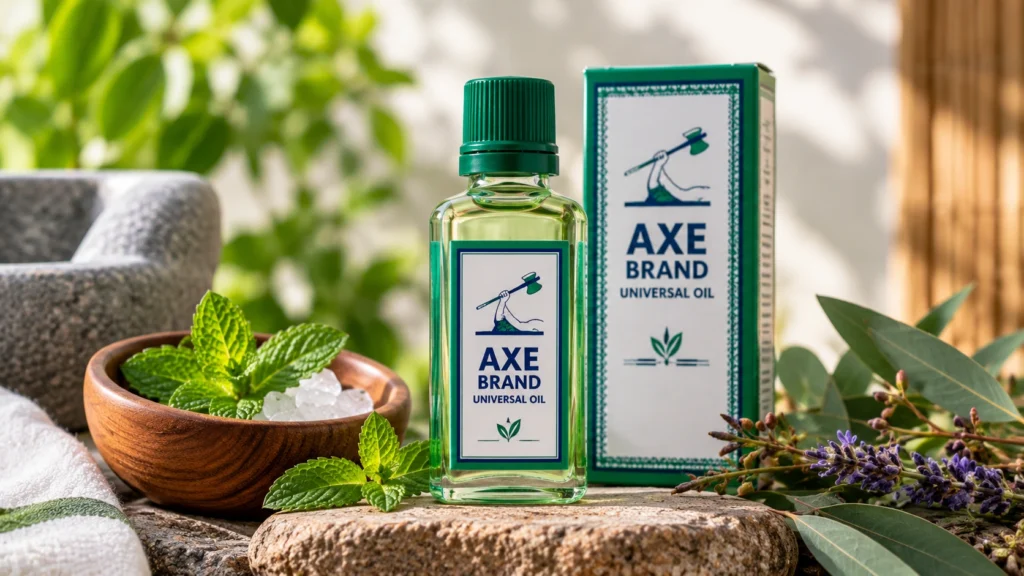
Golden Star competes with several traditional medicated balms and oils around the world.
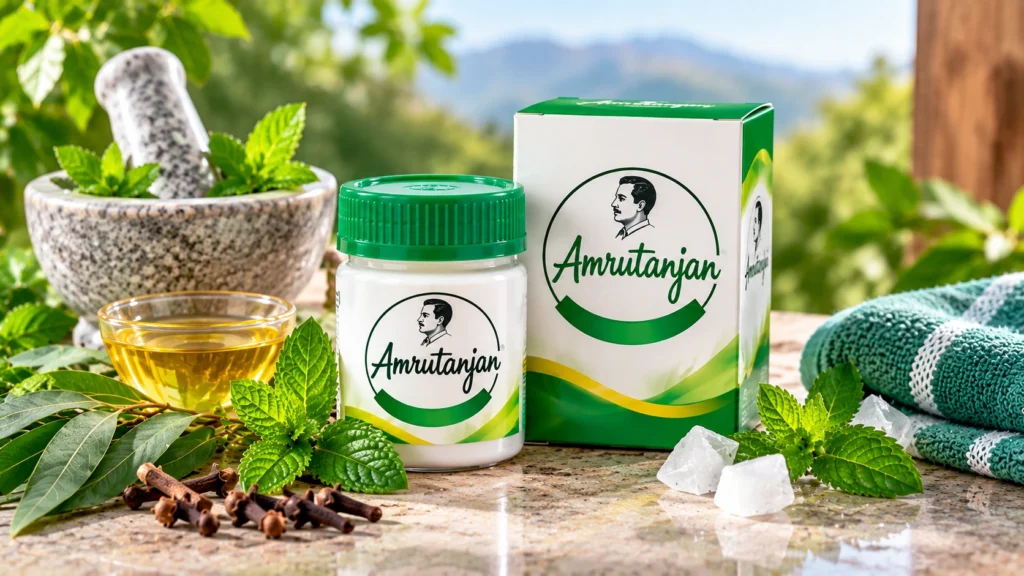
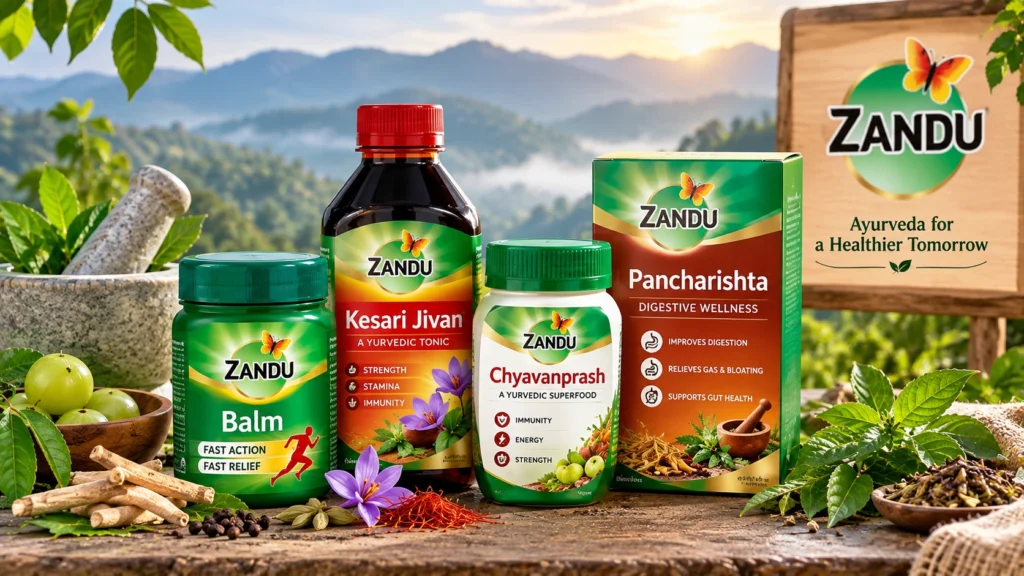
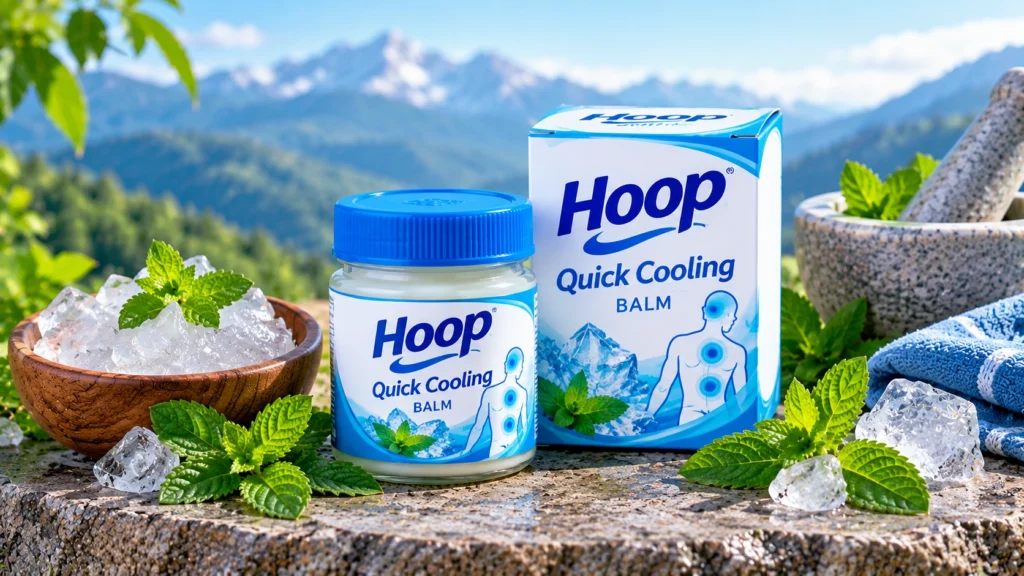
The most important competitors include Tiger Balm, Eagle Brand, Siang Pure and Kwan Loong.
Tiger Balm is probably Golden Star’s most important international competitor.
The brand originated in Asia and is owned by Singapore-based Haw Par Corporation.
Tiger Balm operates on a significantly larger global commercial scale and offers multiple products, including balms, ointments, creams, patches and other topical formats.
Haw Par reported approximately S$210.4 million in healthcare revenue for 2025.
Tiger Balm also invests heavily in modern marketing, including sports, entertainment and digital partnerships.
Eagle Brand is another established Asian medicated-oil and topical-relief brand.
Its products overlap with Golden Star in areas such as traditional topical relief and aromatic medicated oils.
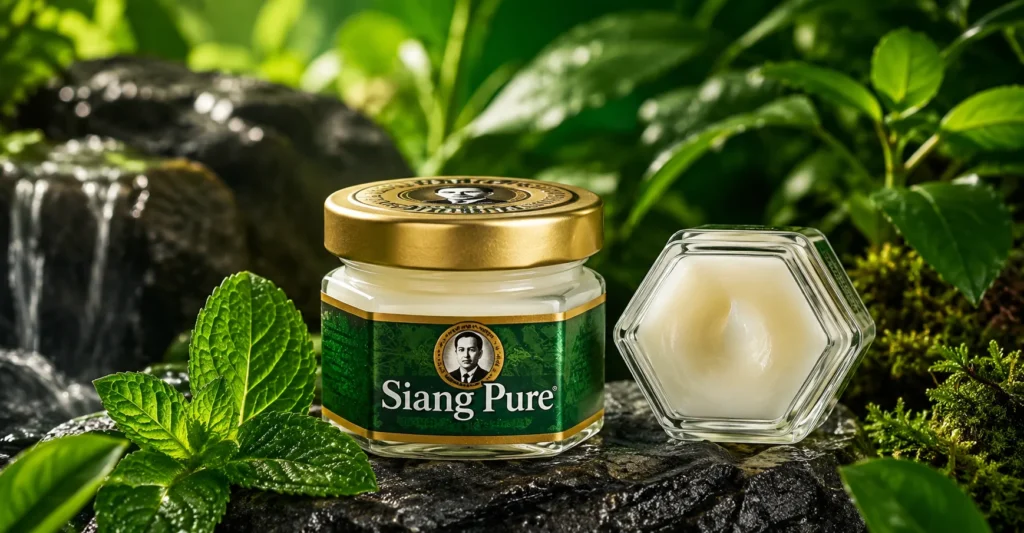
Siang Pure is strongly associated with Thailand and Southeast Asia.
Its portfolio includes traditional medicated oils and balms.
Like Golden Star, its appeal comes from a combination of traditional ingredients, recognizable packaging and generational familiarity.
Kwan Loong is another brand associated with Haw Par.
It competes in the broader medicated-oil category and therefore overlaps with Golden Star for consumers seeking traditional topical products.
Tiger Balm’s advantage is scale.
Golden Star’s advantage is different.
Its strength is heritage, authenticity, nostalgia and affordability.
That difference explains why both brands can exist in the same market.

One of the biggest problems with Golden Star revenue claims online is that there is no reliable standalone global revenue figure for the Golden Star brand.
This is because multiple companies manufacture Golden Star products.
You cannot simply take the revenue of OPC and call it Golden Star revenue.
You cannot take Danapha’s revenue and call it Golden Star revenue either.
Both companies sell many other pharmaceutical products.
OPC Pharmaceutical is one of the best-known manufacturers associated with Golden Star.
Its 2025 consolidated revenue was approximately VND 1.12 trillion.
However, this figure represents OPC’s overall business, not Golden Star sales alone.
Danapha is another manufacturer associated with Golden Star.
Its total company revenue also includes many pharmaceutical products besides Golden Star.
Therefore, Danapha’s corporate revenue should not be presented as the revenue of the balm.
International trade data confirm that Golden Star continues to move from Vietnam into overseas markets.
Recent shipment records show Golden Star Balm exports from Vietnam to countries including the United States and Bulgaria.
Trade records also show substantial shipments of 4-gram Golden Star Balm to Bulgaria during 2025.
These numbers demonstrate that international trade is still significant.
However, customs shipment values are not the same as retail sales, manufacturer revenue or global brand revenue.
They should therefore be used as evidence of international activity rather than as a direct measurement of Golden Star’s global revenue.
As of 2026, Golden Star remains an active Vietnamese pharmaceutical product with international distribution.
OPC continues to list Golden Star Balm in its current product portfolio.
Trade records also show continuing exports.
But there is still no credible publicly disclosed number for Golden Star’s worldwide annual revenue.
This is an important distinction for SEO content because many websites publish estimated revenue numbers without explaining where they came from.
A more trustworthy statement is:
Golden Star remains commercially active internationally, but its global standalone revenue cannot be reliably calculated from publicly available audited financial statements because multiple manufacturers produce the product and brand-level sales are not separately disclosed.

Golden Star’s longevity comes down to a combination of factors that are difficult to reproduce.
First is simplicity.
The product is easy to understand.
Second is price.
It has historically been affordable.
Third is portability.
The small tin makes it easy to carry.
Fourth is sensory recognition.
The smell instantly identifies the product.
Fifth is heritage.
People remember it.
Sixth is international distribution.
Its Soviet-era history gave it a customer base far beyond Vietnam.
Seventh is e-commerce.
The internet allowed an old product to reach customers who were geographically disconnected from its traditional markets.
And finally, Golden Star has something that many modern brands spend millions trying to create:
an authentic story.
It is genuinely old.
It genuinely crossed borders.
It genuinely became part of multiple cultures.
And it genuinely survived major changes in the global economy.
Golden Star Balm, also known as Cao Sao Vàng and Zvezdochka, is one of Vietnam’s most successful heritage pharmaceutical products.
Its commercial story began in Vietnam during the second half of the twentieth century, with Golden Star becoming an established product by the late 1960s.
The balm later achieved major international success through exports to the Soviet Union and Eastern Europe.
Its popularity there was so significant that multiple Vietnamese pharmaceutical factories were assigned to manufacture it for export.
When the Soviet Union collapsed, Golden Star lost a major international market.
For a time, the brand appeared to be fading.
Then the internet changed its fortunes.
Amazon, eBay and other online marketplaces allowed Golden Star to reach new consumers across North America, Europe, Australia and other markets.
Its traditional packaging became an advantage rather than a weakness.
The little metal tin looked unusual, authentic and nostalgic.
Its formula generally revolves around camphor, menthol and aromatic essential oils, although exact ingredients and concentrations vary between manufacturers and markets.
The product’s main competitors include Tiger Balm, Eagle Brand, Siang Pure and Kwan Loong.
Among these, Tiger Balm is the most significant global benchmark because of its larger distribution network, broader product portfolio and substantially greater corporate marketing infrastructure.
Golden Star’s greatest advantage is different.
It has heritage, nostalgia, affordability, cultural identity and strong sensory branding.
There is also an important financial reality.
Golden Star does not have one publicly reported global revenue figure.
Multiple Vietnamese pharmaceutical companies manufacture versions of the product, and their public financial reports cover their entire businesses rather than Golden Star alone.
Therefore, claims about a specific worldwide Golden Star revenue figure should be treated carefully unless the source clearly explains its methodology.
What can be confirmed is that the product continues to be manufactured and exported.
The bigger story behind Golden Star is therefore not simply the success of a medicated balm.
It is the success of a heritage brand that survived political change, economic transformation, changing consumer preferences and the collapse of its largest historical export market.
It then found a second life through global e-commerce.
That is why Golden Star remains fascinating in 2026.
It may not be the world’s biggest medicated-balm company, but it is one of the clearest examples of how nostalgia, cultural identity, simple formulation, recognizable packaging and international distribution can turn a small Vietnamese tin into a global heritage product.

Watch expert-inspired short videos on health, wellness, nutrition, fitness, preventive care, and healthy living in under a minute.