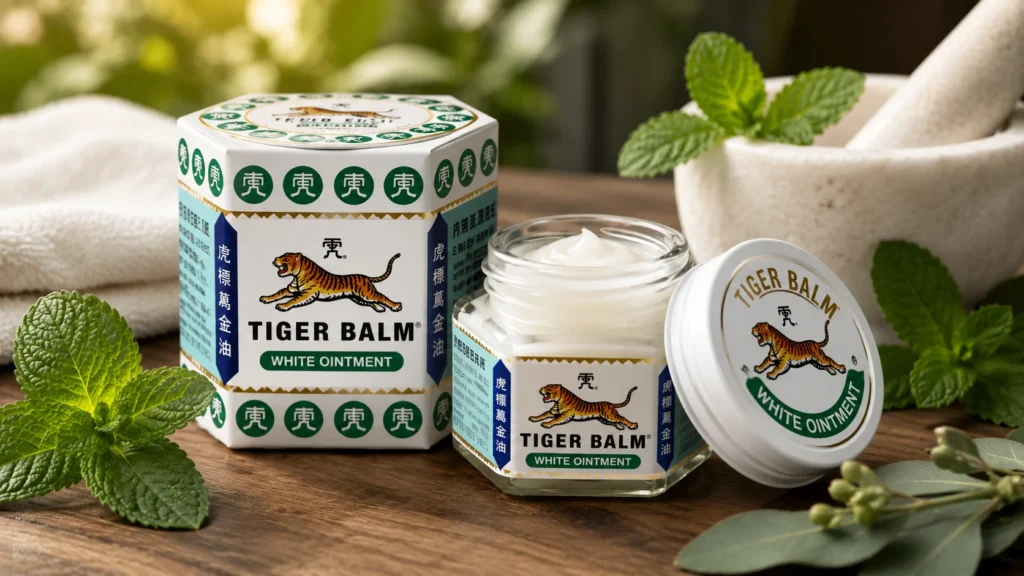
Few topical pain-relief products have a story as recognizable as Tiger Balm. The small red-and-white jars have been sitting in medicine cabinets for generations, particularly across Asia, but Tiger Balm has long since moved beyond its original market. Today, the brand is sold in more than 100 countries, with products ranging from its traditional ointments to patches, rubs, sprays, oils and newer wellness products. Haw Par Corporation, the Singapore-listed company that owns the brand, describes Tiger Balm as one of the world’s leading topical analgesic brands.
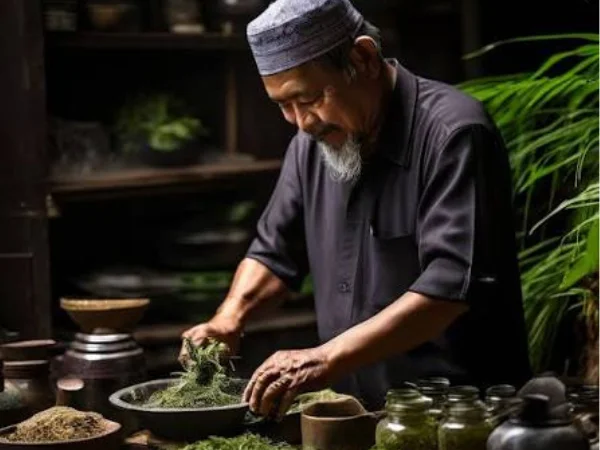
The origins of Tiger Balm go back to the 19th century, before the Tiger Balm name itself existed.
The story begins with Aw Chu Kin, a Chinese herbalist from Xiamen, Fujian Province, who moved to Rangoon, now Yangon, in Burma, today’s Myanmar. He established a medical practice and apothecary called Eng Aun Tong, commonly translated as the “Hall of Everlasting Peace.”
Aw Chu Kin eventually developed an ointment that his sons, Aw Boon Haw and Aw Boon Par, later refined and commercialized.
Aw Boon Haw was born in 1882, while Aw Boon Par was born in 1888. After their father’s death in 1908, the brothers took over the family business. According to Tiger Balm’s historical account, Boon Par concentrated on the formulation while Boon Haw became the more commercially aggressive figure who pushed the product into new markets.
The product was originally known as Ban Kim Ewe, or “Ten Thousand Golden Oils.” It was sold as a general-purpose traditional ointment before the brothers developed the Tiger Balm identity.
The Tiger Balm name dates to 1909.
Aw Boon Haw used his nickname, associated with the “Gentle Tiger,” as the basis for the trademark. The tiger became more than a product name. It became the central symbol of the entire business.
That branding decision turned out to be remarkably effective.
Instead of giving consumers another generic-looking herbal ointment, the brothers created a product with an animal identity that could be remembered, illustrated and eventually used across advertising, packaging and public events.
Aw Boon Haw later moved his commercial operation south toward Malaya and Singapore.
In 1926, he relocated to Singapore, where a larger factory was established along Neil Road. Tiger Balm’s own historical account says the Singapore factory had production capacity around ten times that of the earlier Rangoon operation. From Singapore, the business expanded further across Malaya, Hong Kong, Batavia, Siam and China.
This was an important turning point because Singapore was becoming a major commercial and shipping center in the region.
The brothers were not simply making a product. They were building a distribution network.
One of the most interesting details in Tiger Balm’s history is how directly Aw Boon Haw promoted the product.
He reportedly traveled through smaller towns in Malaya in a customized vehicle with a tiger’s head and a horn designed to roar. When crowds gathered, he distributed samples of Tiger Balm.
That strategy sounds simple today, but it was extremely effective for its time. People could see the unusual vehicle, interact with the brand, receive a free sample and then experience the product themselves.
In other words, Tiger Balm was doing experiential marketing long before the term became fashionable.
Tiger Balm is owned by Haw Par Corporation Limited, a Singapore-listed company.
Haw Par Brothers International was incorporated and listed in 1969. The company was later renamed Haw Par Corporation Limited in 1997. Tiger Balm remains the company’s flagship healthcare brand.
Haw Par’s healthcare business also includes the Kwan Loong brand.
Tiger Balm is not produced in just one country.
The company’s U.S. FAQ currently states that Tiger Balm products are made in China, Malaysia, Singapore, Thailand and Taiwan.
A particularly important recent development is the company’s newer manufacturing facility in Johor, Malaysia. Haw Par reported that the facility began commercial production in September 2024, earlier than its original 2025 target. The company said the plant was intended to strengthen manufacturing resilience and eventually improve operating efficiency as capacity utilization increases.
Haw Par also says its Tiger Balm and Kwan Loong products are manufactured in GMP-certified facilities, with quality-management systems including ISO 9001 and GMP certifications.
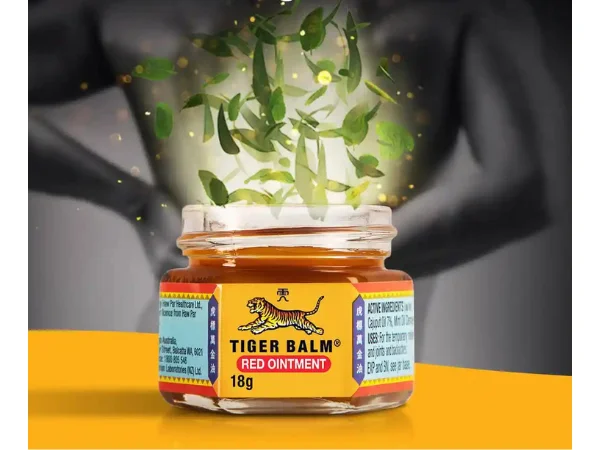
Tiger Balm is often described as a herbal pain-relief product, but the formula is more specific than simply “a mixture of herbs.”
The exact ingredients and concentrations depend on the product and market. That distinction matters because Tiger Balm now sells many different formulations.
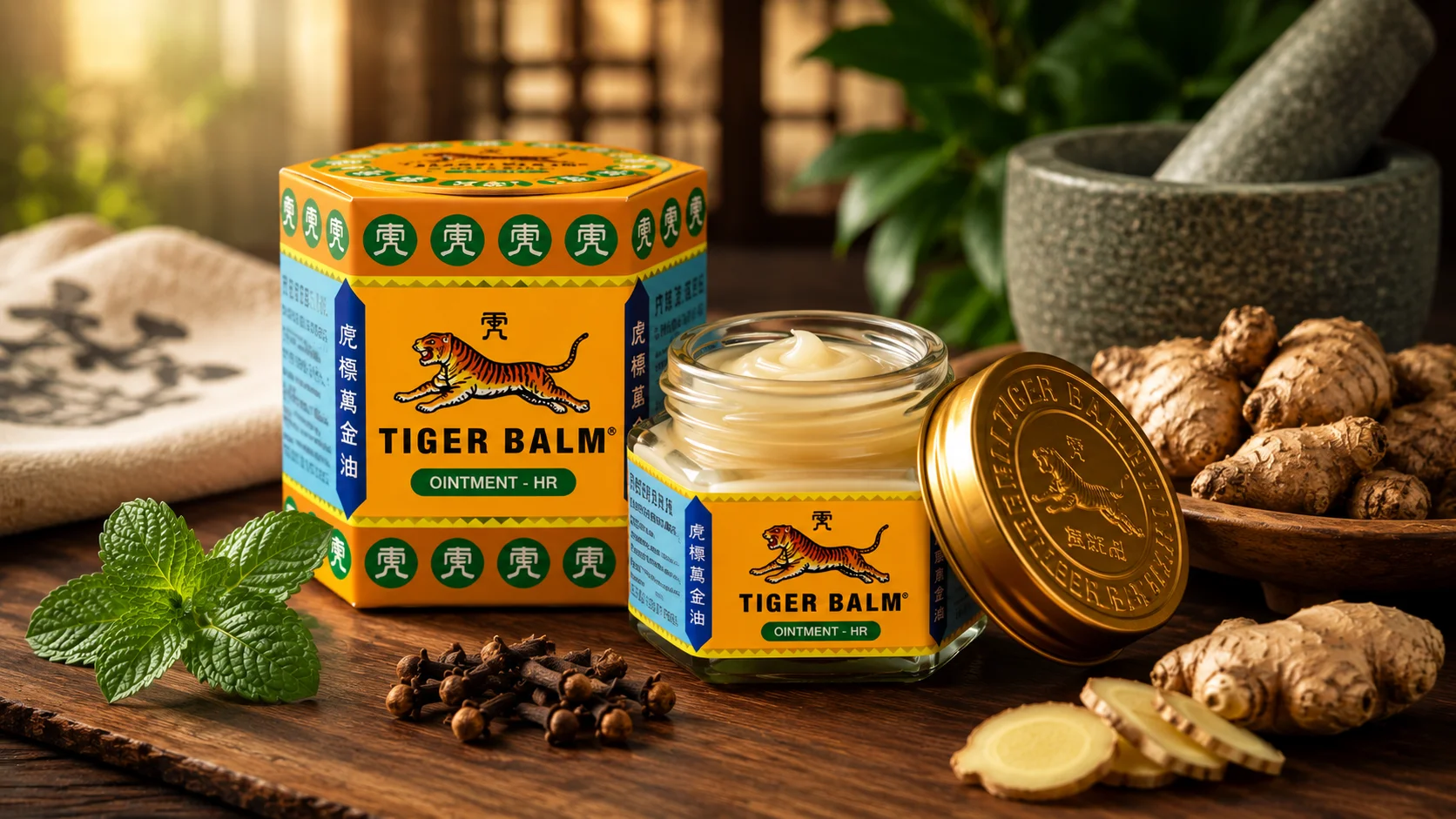
For the classic ointments, the core ingredients include camphor, menthol, cajuput oil, clove oil, dementholised mint oil and, in the red/extra-strength versions, cassia oil.
Camphor is one of Tiger Balm’s principal active ingredients.
It produces a warming sensation and functions as a topical counterirritant. In simple terms, it creates a noticeable sensation on the skin that can help temporarily reduce the perception of minor muscle and joint pain. Tiger Balm’s U.S. product information identifies camphor as an active topical analgesic.
In the U.S. Tiger Balm Extra Strength formulation, camphor is listed at 11%.
Menthol creates the familiar cooling sensation associated with many topical pain-relief products.
Tiger Balm explains that menthol initially produces a feeling of coolness followed by warmth. It is another principal active ingredient used to temporarily relieve minor muscle and joint pain.
The concentration varies by formulation. U.S. Tiger Balm White Regular Strength lists 8% menthol, while the U.S. Extra Strength formulation lists 10% menthol and Ultra Strength lists 11%.
Cajuput oil is a traditional essential oil used in Tiger Balm’s ointment formulations.
The company associates it with antiseptic and analgesic properties and says it contributes to the product’s characteristic herbal blend.
Clove oil is another traditional component.
Tiger Balm describes clove as having historical use for topical analgesic and counterirritant purposes. It contributes both to the formulation’s aroma and its overall topical effect.
Dementholised mint oil comes from mint oil and is used as part of the ointment’s essential-oil blend.
It provides a milder cooling sensation and complements menthol.
Cassia oil, often described as cinnamon oil, is especially important in Tiger Balm Red or Extra Strength Ointment.
It contributes to the warming sensation and the distinctive reddish color. It can also stain clothing, which is one reason consumers should be careful when applying red Tiger Balm.
Some U.S. formulations also use paraffin petrolatum as an inactive ingredient. It helps form the ointment base and creates a protective layer on the skin.
No.
This is an important point that is often missed in articles about Tiger Balm.
The brand now sells ointments, patches, rubs, gels, sprays and liniments. Some products contain ingredients such as capsicum extract, methyl salicylate or eucalyptus oil, depending on the formulation.
For example, Tiger Balm’s U.S. Pain Relieving Patches use capsicum extract, while certain rubs, sprays and liniments use methyl salicylate.
So if you are checking Tiger Balm for an allergy, medication interaction or ingredient sensitivity, the safest approach is to check the label of the specific product, rather than assuming every Tiger Balm product has the classic ointment formula.
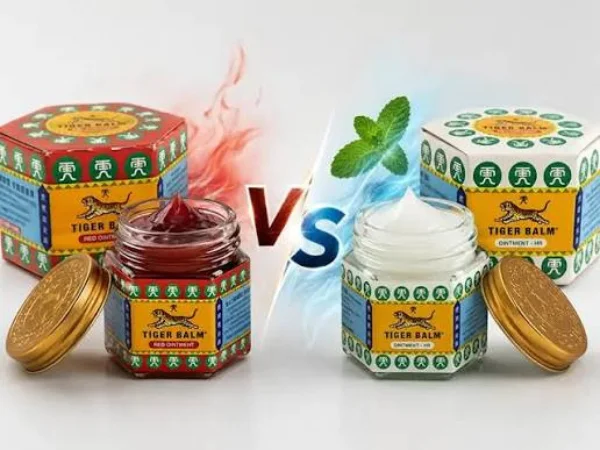
The difference between Tiger Balm Red and White is often misunderstood.
Both contain the central combination of camphor, menthol, cajuput oil, dementholised mint oil and clove oil. Tiger Balm Red additionally contains cassia oil, which gives it the characteristic reddish appearance and stronger warming profile.
Traditionally, the company recommends Red for muscular aches and pains, while White is commonly positioned for headaches and stuffy noses. However, product indications can differ by country, so consumers should follow the local label.
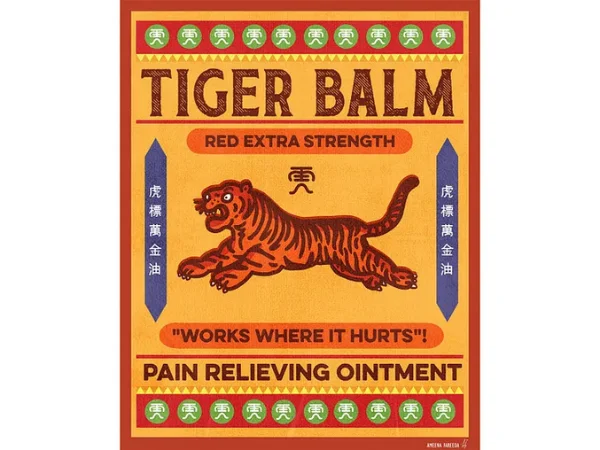
Tiger Balm’s marketing history is one of the strongest reasons the brand has survived for more than a century.
Its campaigns have changed dramatically over time, but the central idea has remained remarkably consistent: connect the product with movement, strength and an active lifestyle.
One of the earliest examples was arguably the most creative.
Aw Boon Haw used a custom-made tiger-themed car to attract attention and distribute samples in smaller towns. It turned a relatively unfamiliar medicinal product into a public spectacle.
This was product sampling combined with entertainment.
The basic marketing principle remains relevant today: get the product into people’s hands and give them a memorable reason to remember it.
Modern Tiger Balm has heavily invested in sports.
Haw Par’s annual reports describe partnerships involving Olympians, football captains, MMA fighters, extreme-sports athletes, marathons, triathlons and other sporting events. The strategy connects topical pain relief with people who naturally experience muscle fatigue, strains and physical exertion.
This is a strong example of category association marketing.
Instead of constantly telling consumers that Tiger Balm relieves aches, the brand places itself in environments where aches and recovery are already part of the conversation.
In India, Tiger Balm partnered with Radio City for a World Tiger Day campaign called #MeetTheRealTIGER in 2022.
The campaign celebrated people described as social heroes and used digital interviews, videos, creative posts and podcasts. Radio City’s published campaign results reported more than 1.4 million reach and 260,000+ views, although these figures are campaign-reported rather than independently audited.
The concept was clever because it expanded the meaning of “Tiger.”
The tiger was no longer simply the logo on a pain-relief jar. It represented strength, resilience and people who overcome challenges.
Tiger Balm also used social media participation around the Year of the Tiger.
Its 2022 campaign included the #TigerBalmTigerDance Challenge on Instagram in Singapore, alongside other digital activities. Haw Par’s annual report described social-media engagement as an increasingly important part of the brand’s consumer strategy.
In 2022, Tiger Balm ran a World Cup-inspired advertising campaign in Qatar and the UAE, targeting tourists attending the international sporting event. The company also used event sponsorships and on-site activations as sporting activity returned after the pandemic.
Tiger Balm has also expanded into major football culture.
In China and Southeast Asia, the brand continued its partnership with FC Bayern Munich, using fan meetings and online-to-offline campaigns to connect Tiger Balm with active lifestyles. Haw Par highlighted this partnership again in its 2025 annual report.
One of Tiger Balm’s most notable recent campaigns came in 2025, when the company partnered with Sony Pictures around Karate Kid: Legends.
The campaign extended across the USA, Canada and Japan and included invite-only events, karate tournaments and digital activations. Haw Par specifically identified the collaboration as a high-visibility initiative that helped boost engagement and sales.
This partnership makes strategic sense.
Karate is strongly associated with discipline, physical performance, training and recovery. Those ideas fit naturally with a topical pain-relief brand.
Calling Tiger Balm the undisputed global market leader in every country would go too far. The topical analgesic market is fragmented and highly competitive.
However, Tiger Balm has achieved something arguably more difficult: extraordinary global brand recognition for a century-old topical analgesic brand.
Several factors explain its staying power.
Tiger Balm has been around for more than 100 years.
That creates something modern competitors cannot easily purchase: familiarity.
Consumers who grew up seeing the distinctive jar may continue buying it as adults, creating a generational transfer of brand trust.
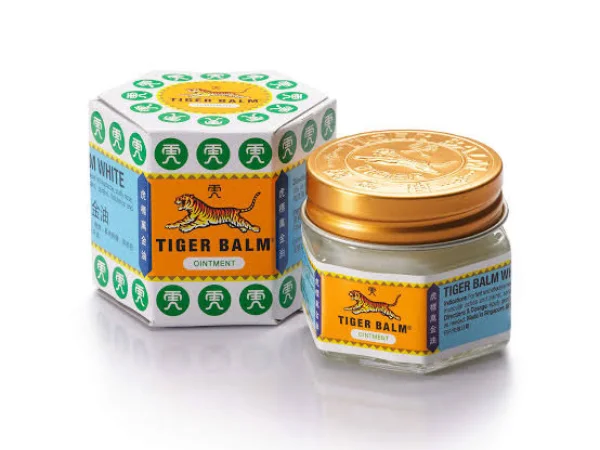
The tiger logo, red-and-white packaging and hexagonal jar are highly recognizable.
A product that can be recognized from several feet away has a significant advantage in crowded pharmacy shelves and retail displays.
Tiger Balm does not simply look different.
It smells different and feels different.
The combination of menthol, camphor and essential oils creates an immediately recognizable sensory signature.
That is valuable branding because consumers can recognize the product without even seeing the label.
Tiger Balm’s international expansion has relied heavily on distributors and retail partnerships.
Haw Par has repeatedly identified its distributor network and retail alliances as important sources of strength.
This is particularly important for a consumer-health product because availability matters.
A brand can have excellent advertising and still lose customers if shoppers cannot find it.
Tiger Balm is no longer dependent only on the traditional ointment.
The company now sells patches, rubs, sprays, oils, gels and other products. It has also expanded into wellness-oriented products such as Tiger Balm Sensorial Therapy, launched in selected Asian markets in 2024.
This lets the brand enter more situations without abandoning its core identity.
Tiger Balm’s sports marketing is another major advantage.
Marathons, football, MMA, cycling, swimming, fitness and other activities provide natural environments for a topical analgesic brand.
Rather than treating pain relief as a purely medical category, Tiger Balm has increasingly positioned itself around movement and staying active.
The brand operates across Asia, Europe, North America, the Middle East, Africa and Australasia.
Haw Par’s 2025 Annual Report shows Tiger Balm distribution spanning more than 100 countries and multiple regions.
At the same time, the company adapts campaigns to local markets. That includes region-specific advertising in France, Hong Kong and Singapore and sports-focused campaigns in Europe.
Tiger Balm does not operate in a market where there is one single worldwide competitor.
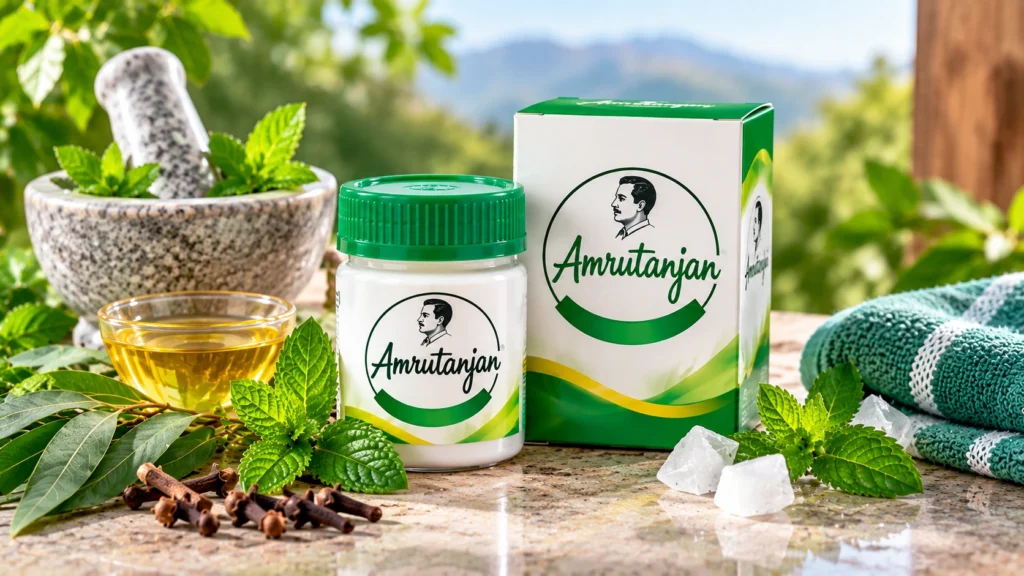
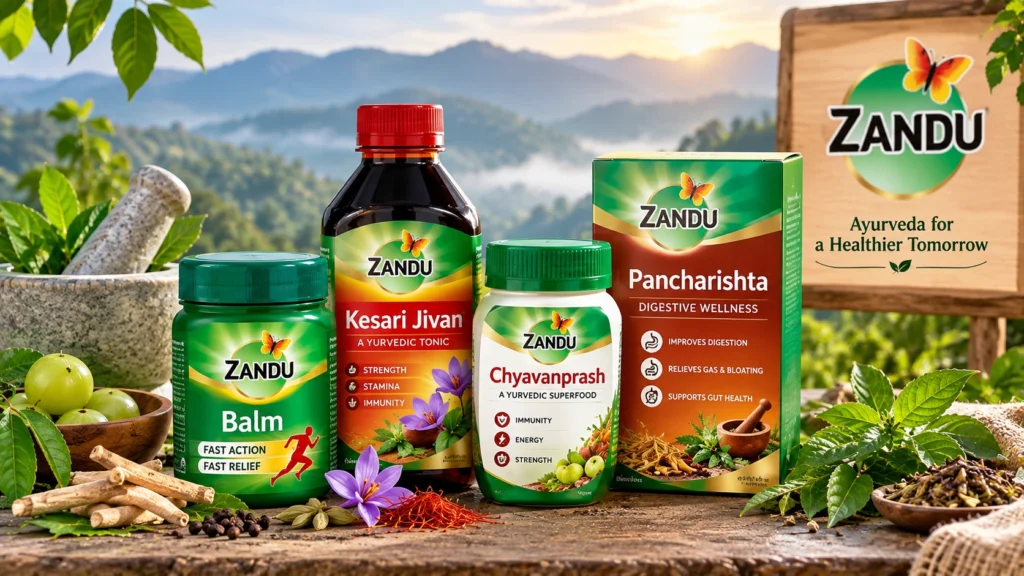
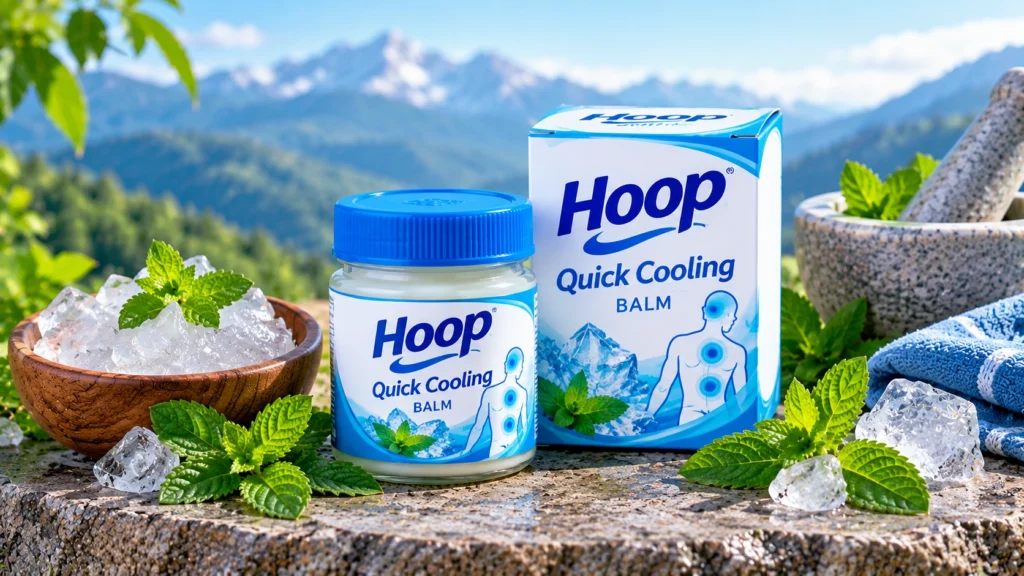
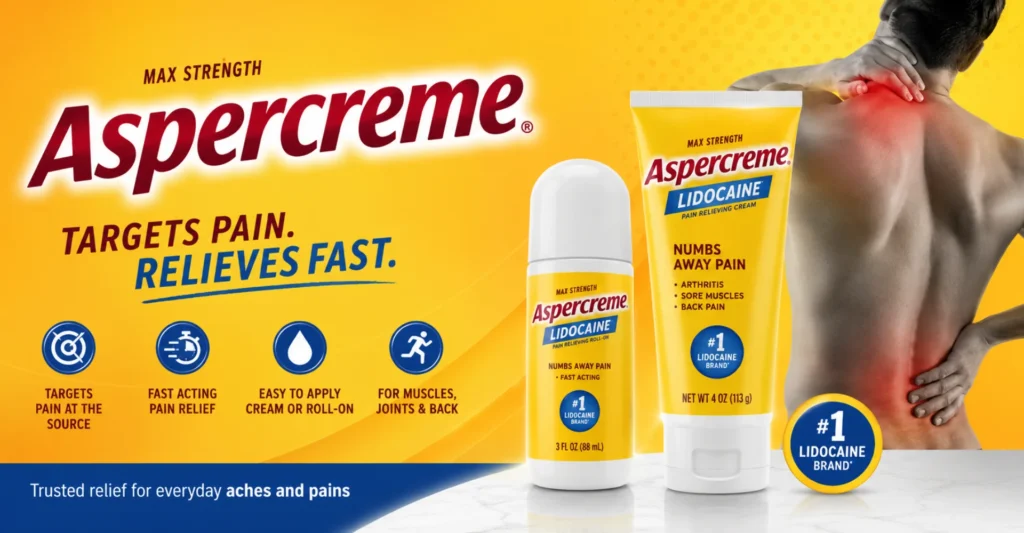
Its competition changes considerably from country to country. In the United States, for example, shoppers may compare Tiger Balm with brands such as Icy Hot, Bengay, Aspercreme and Salonpas. In Europe, products such as Deep Heat and other topical analgesic brands are significant alternatives. In Asian markets, additional regional brands compete strongly.
Some of the most relevant international competitors include:
Icy Hot is one of the most recognizable U.S. topical pain-relief brands and offers creams, gels, sprays, patches and other formats.
Its major advantage is a strong American retail presence and a clear association with cooling and warming sensations.
Bengay has long competed in the muscle and joint pain-relief category, particularly in the United States.
Its positioning overlaps heavily with Tiger Balm because both brands target everyday muscle and joint discomfort.
Salonpas is particularly important in the topical pain-relief and patch category.
Its patches give it a different competitive advantage from traditional ointments because consumers can apply them and leave them in place while going about their day.
Deep Heat is an important competitor in the UK and European markets, especially for people looking for warming topical products associated with muscle and joint discomfort.
Counterpain is a notable Southeast Asian competitor in topical pain relief.
Its regional presence makes it particularly relevant when assessing Tiger Balm’s competition in markets where traditional topical analgesics are deeply established.
Voltaren is another important competitor, although it competes differently.
Voltaren products use diclofenac, a topical NSAID, rather than relying on the same traditional camphor-and-menthol positioning as Tiger Balm.
That means consumers comparing the two may actually be choosing between different approaches to topical pain relief rather than simply two versions of the same product.
This distinction matters when analyzing the market. Tiger Balm’s strongest competitive advantage is not necessarily that it has the most powerful pharmaceutical ingredient. Its advantage is the combination of heritage, sensory identity, herbal positioning, distribution and brand recognition.

This is where many online articles become misleading.
Haw Par does not publicly report a standalone global Tiger Balm revenue figure.
Instead, Tiger Balm is the largest brand within Haw Par’s Healthcare business, which also includes Kwan Loong. Therefore, the company’s Healthcare segment revenue should not be described as Tiger Balm’s individual revenue.
For FY2025, Haw Par reported approximately S$210.4 million in Healthcare revenue, down about 6.9% from the previous year. The Healthcare segment includes Tiger Balm and Kwan Loong.
The wider Haw Par Group reported S$229.97 million in revenue for 2025, down about 6.1% year over year. Net profit, however, increased to approximately S$265.46 million, largely because the company’s investment income rose significantly.
This is an important distinction.
Haw Par is not simply a company that earns money from selling Tiger Balm. It is a diversified Singapore-listed group with healthcare, investments, property and leisure businesses.
Despite weaker overall healthcare revenue, Tiger Balm itself showed several positive market indicators.
Haw Par reported:
The United States result is particularly interesting.
Haw Par said its U.S. initiatives produced double-digit consumer sales growth in 2025, positioning Tiger Balm among the faster-growing brands in the external analgesics category there.
That suggests the brand’s growth story is not simply about defending its traditional Asian markets. North America has become an important growth opportunity.
The company attributed pressure to factors including cautious consumer spending, macroeconomic uncertainty, weaker tourism-dependent retail markets, cost pressures and changes in travel retail.
This is another reason not to confuse brand strength with short-term sales growth.
A brand can gain market share in certain countries while total company revenue declines because other markets are weaker.
Tiger Balm’s biggest advantage may be its ability to occupy a very specific position in consumers’ minds.
It is not simply:
“a cream for pain.”
It represents a particular combination of traditional herbal medicine, Asian heritage, strong sensory identity, sports recovery and everyday self-care.
That positioning has allowed the company to expand into products that go beyond the original ointment while keeping the Tiger Balm name at the center.
The challenge for the brand going forward is equally clear.
Consumers increasingly have access to pharmaceutical topical analgesics, modern patches, gels, sprays, wellness products and cheaper store brands. At the same time, regulators and consumers are paying closer attention to product claims and ingredients.
Tiger Balm therefore has to protect its heritage without becoming trapped by it.
Its 2025 strategy suggests the company understands this. Haw Par is expanding e-commerce, introducing new formats, modernizing packaging and claims, strengthening digital marketing and using entertainment and sports partnerships to reach younger consumers.
Tiger Balm’s story is much bigger than a small jar of ointment.
Its origins can be traced to Aw Chu Kin’s traditional medicine business in Rangoon in the 19th century, while the Tiger Balm identity itself emerged under his sons, Aw Boon Haw and Aw Boon Par, in the early 20th century. The Tiger Balm name was established in 1909, and the business later expanded through Singapore into markets throughout Asia and eventually the rest of the world.
Today, Tiger Balm is owned by Haw Par Corporation Limited and is distributed in more than 100 countries. Its products are manufactured across several Asian locations, including China, Malaysia, Singapore, Thailand and Taiwan, with the newer Johor facility in Malaysia adding manufacturing capacity.
The classic formula centers around ingredients such as camphor and menthol, supported by essential oils including cajuput, clove, dementholised mint and cassia in certain formulations. Modern Tiger Balm products use additional ingredients depending on the format.
The brand’s marketing success comes from something many newer brands struggle to create: a recognizable identity that has been reinforced for generations.
The tiger symbol, distinctive smell, warming and cooling sensation, sports partnerships, product sampling, social-media campaigns and international distribution all reinforce the same basic message: Tiger Balm is associated with strength, movement and relief.
And the company is still adapting.
In 2025, Tiger Balm used partnerships ranging from FC Bayern Munich to Sony Pictures’ Karate Kid: Legends while expanding its e-commerce presence and product range. The brand also reported double-digit consumer sales growth in the U.S. market.
Financially, Haw Par’s 2025 Healthcare business generated about S$210.4 million in revenue, but this figure includes both Tiger Balm and Kwan Loong, so there is no reliable public basis for calling the entire amount Tiger Balm revenue.
Ultimately, Tiger Balm’s greatest competitive advantage may not be any single ingredient.
It is time.
Very few consumer-health brands can claim more than a century of continuous history, global distribution, a distinctive sensory identity and recognition across generations. Tiger Balm has managed to turn that history into a modern marketing asset rather than simply treating it as nostalgia.
That is why, even in a crowded global pain-relief market, the little tiger continues to hold a surprisingly large place on pharmacy shelves around the world.