Hoop Quick Cooling is a modern Indian topical wellness product designed around the idea of fast, refreshing relief for headaches and everyday head discomfort. The product is available in both a 10 ml roll-on and a 10 g balm, giving consumers two ways to use the same general peppermint-and-lavender concept.
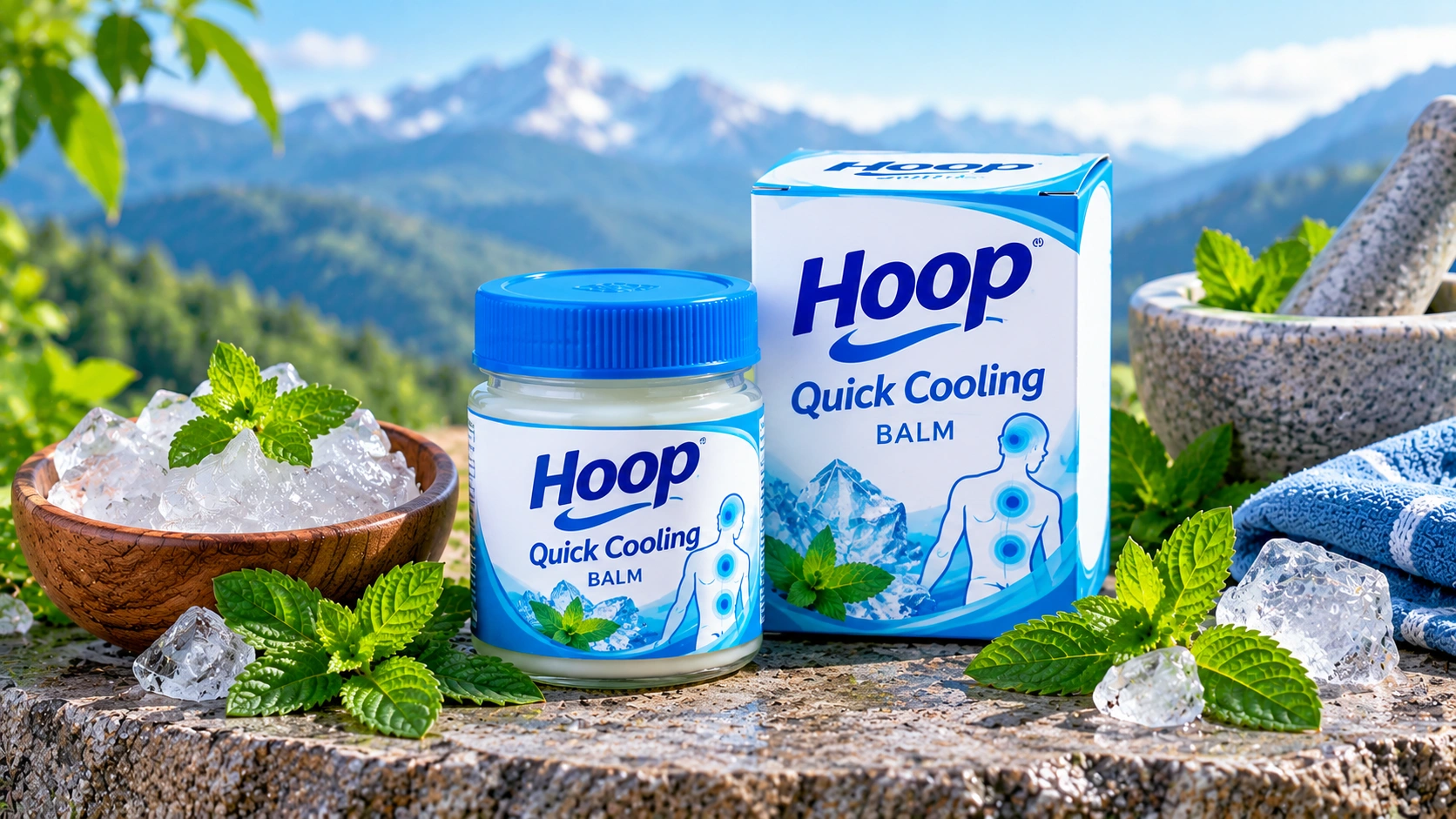
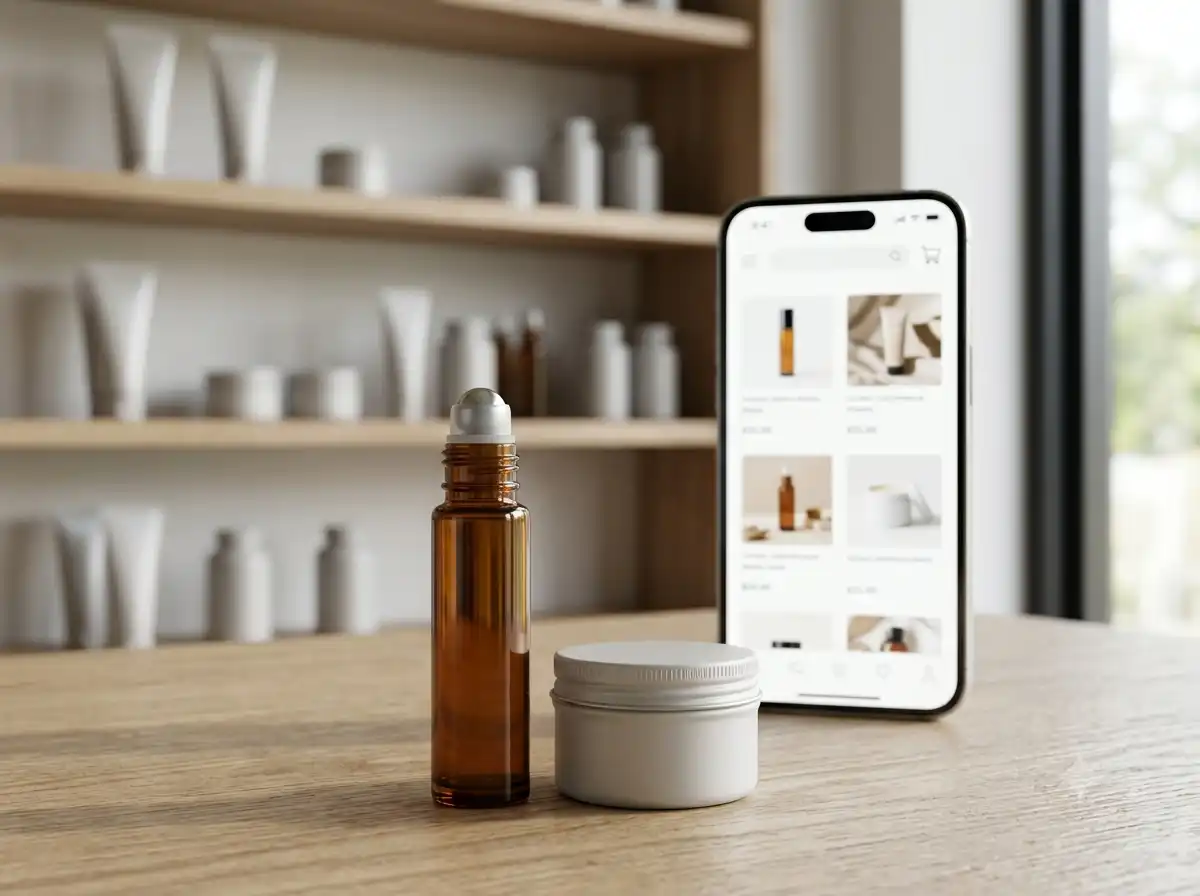
Hoop is a relatively young Indian wellness brand rather than a century-old medicinal-balm company.
The brand operates under Hedso Health & Wellness Pvt. Ltd., whose current official website lists its address in Pitampura, Delhi.
Publicly available information does not provide the kind of detailed historical record available for heritage brands such as Tiger Balm, Zam-Buk or Amrutanjan. There is no reliable evidence to suggest that Hoop has been operating for several decades.
Instead, Hoop appears to have been built around a contemporary direct-to-consumer wellness model.
The strategy is simple: identify familiar wellness needs, develop convenient topical formats and sell them through an online-first distribution model supported by marketplaces and modern digital marketing.
The manufacturer depends on the product.
For the current Hoop Roll On for Headache, the official product page identifies:
The official page also lists manufacturing license number GA/1478.
For the Hoop Balm for Headache, the current official page identifies:
This shows that Hoop uses specialized Indian manufacturing partners rather than operating one publicly documented factory for its entire portfolio.
Hoop has expanded into several areas of personal wellness and topical care.
Its current product collection includes:
This wider portfolio is important because it shows that Hoop is not positioning itself as a single headache brand.
It is attempting to become a broader wellness and self-care company.
Hoop products are sold through the company’s official website and major Indian online marketplaces.
Current listings appear on platforms including Nykaa, Nykaa Man and other Indian e-commerce channels.
Nykaa currently lists Hoop Quick Cooling Roll On for Headache, while its broader Hoop category includes the brand’s pain-relief spray, patches, gel and other wellness products.
The company also has an international-facing online presence, and Hoop products appear on international marketplace platforms.
The company does not publicly disclose a verified nationwide retail-store count specifically for Hoop Quick Cooling.
That means claims about exact store numbers or market share should be treated cautiously unless supported by company disclosures or independent retail research.
What can be confirmed is that Hoop has developed a presence across its own online store and major Indian e-commerce platforms, giving it access to consumers well beyond a single city or region.

The current Hoop Roll On for Headache uses a relatively simple formulation.
According to the official product page, each 10 ml contains:
The Hoop Balm for Headache uses a closely related formula, although the ingredient names and concentrations differ slightly:
This means the roll-on and balm should not be treated as identical products even though they share the same basic marketing concept.
Peppermint oil is the main active ingredient highlighted by Hoop.
Peppermint contains menthol and other aromatic compounds that interact with sensory receptors in the skin.
When applied topically, menthol can activate TRPM8 receptors, which are associated with the perception of cool temperatures.
This creates the familiar cooling sensation that many people associate with peppermint-based headache products.
Peppermint has also been studied in relation to tension-type headaches.
A randomized controlled trial published in the journal Cephalalgia found that a topical peppermint oil preparation containing 10% menthol produced significant effects comparable to 1,000 mg acetaminophen in the study’s tension-headache model.
However, that study used a specific formulation and concentration. It should not be interpreted as proof that every peppermint product, including Hoop Quick Cooling, produces the same clinical results.
Lavender oil is the second major ingredient.
Lavender is widely used in aromatherapy and topical wellness products because of its distinctive floral aroma.
Research has investigated lavender for relaxation, anxiety and headache-related symptoms.
Its potential value in a headache product may come partly from its sensory and relaxing properties.
However, evidence varies significantly depending on whether lavender is inhaled, applied topically or consumed orally.
Therefore, evidence supporting lavender aromatherapy should not automatically be interpreted as proof that a topical lavender roll-on treats migraine.
Spearmint contributes a fresh, minty aroma.
It is chemically different from peppermint and generally contains much less menthol.
In Hoop’s formulation, spearmint appears to complement peppermint and lavender rather than functioning as the primary active ingredient.
The cooling sensation primarily comes from the mint components, especially peppermint-derived menthol.
Menthol does not necessarily lower the temperature of the skin significantly.
Instead, it activates sensory receptors that send a cold-like signal to the nervous system.
The result is a refreshing sensation that can temporarily change how discomfort is perceived.
This is one reason cooling products have remained popular in headache and muscle-relief categories.
The Hoop Roll On is described as having a coconut-derived, non-greasy base.
This is primarily a formulation and user-experience feature.
It allows the aromatic ingredients to be delivered through a roll-on format without leaving the heavy oily residue associated with some traditional balms.
That characteristic is particularly useful for people who want to apply a product at work or while traveling.
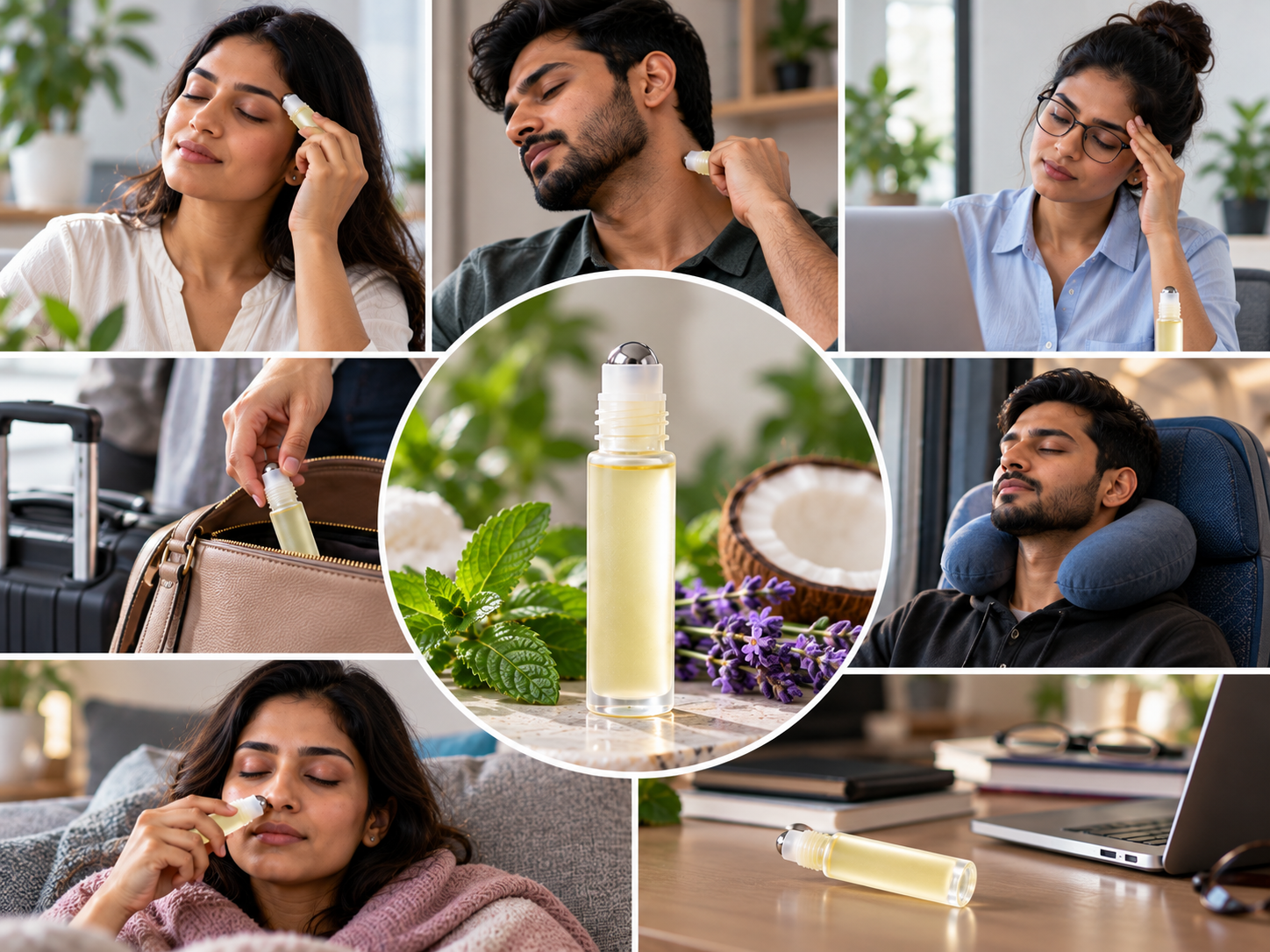
Hoop markets the Roll On for Headache for several everyday situations.
The current official product page identifies:
The company recommends applying the roll-on to the forehead, temples and back of the neck.
Its instructions say to shake the product before use, clean and dry the application area, apply the roll-on and allow the cooling sensation to develop.
Long periods of screen use can be associated with eye strain, neck tension and headaches.
Hoop specifically markets its product toward people who experience discomfort after long periods of screen exposure.
The cooling sensation may feel soothing when tension is contributing to head discomfort.
However, the best approach to screen-related headaches is not simply applying a roll-on.
Regular breaks, appropriate screen distance, good posture, adequate hydration and correcting unrecognized vision problems can also matter.
The small 10 ml bottle is particularly suited to travel.
It can fit into a handbag, backpack or toiletry kit.
The company positions the product for travel-related discomfort, which broadens its appeal beyond people who experience recurring headaches.
Mint and aromatic ingredients can create a subjective sensation of freshness.
This may make the product appealing when nasal congestion accompanies a headache.
However, a topical headache product should not be described as a treatment for a sinus infection or viral respiratory illness.
If symptoms are severe, persistent or accompanied by fever or other concerning signs, medical evaluation may be appropriate.

The product’s most likely immediate effect comes from sensory modulation.
When peppermint-derived menthol reaches the skin, it interacts with sensory receptors that respond to cooling.
The nervous system then receives a cooling signal.
That signal competes with or modifies the perception of other sensory signals coming from the same area.
For some people, this may make a headache feel less intense.
The cooling effect is not the same as reducing the biological cause of a headache.
It is better understood as changing sensory perception.
This distinction is important for accurate health content.
A product can make someone feel more comfortable without necessarily treating the underlying cause.
Lavender and mint also provide strong aromas.
Smell has a direct relationship with brain regions involved in emotion and memory.
For some individuals, a pleasant aroma may contribute to relaxation.
Because stress and muscle tension can contribute to some headaches, relaxation may indirectly improve the overall experience of discomfort.
But again, this should not be presented as a cure for migraine.
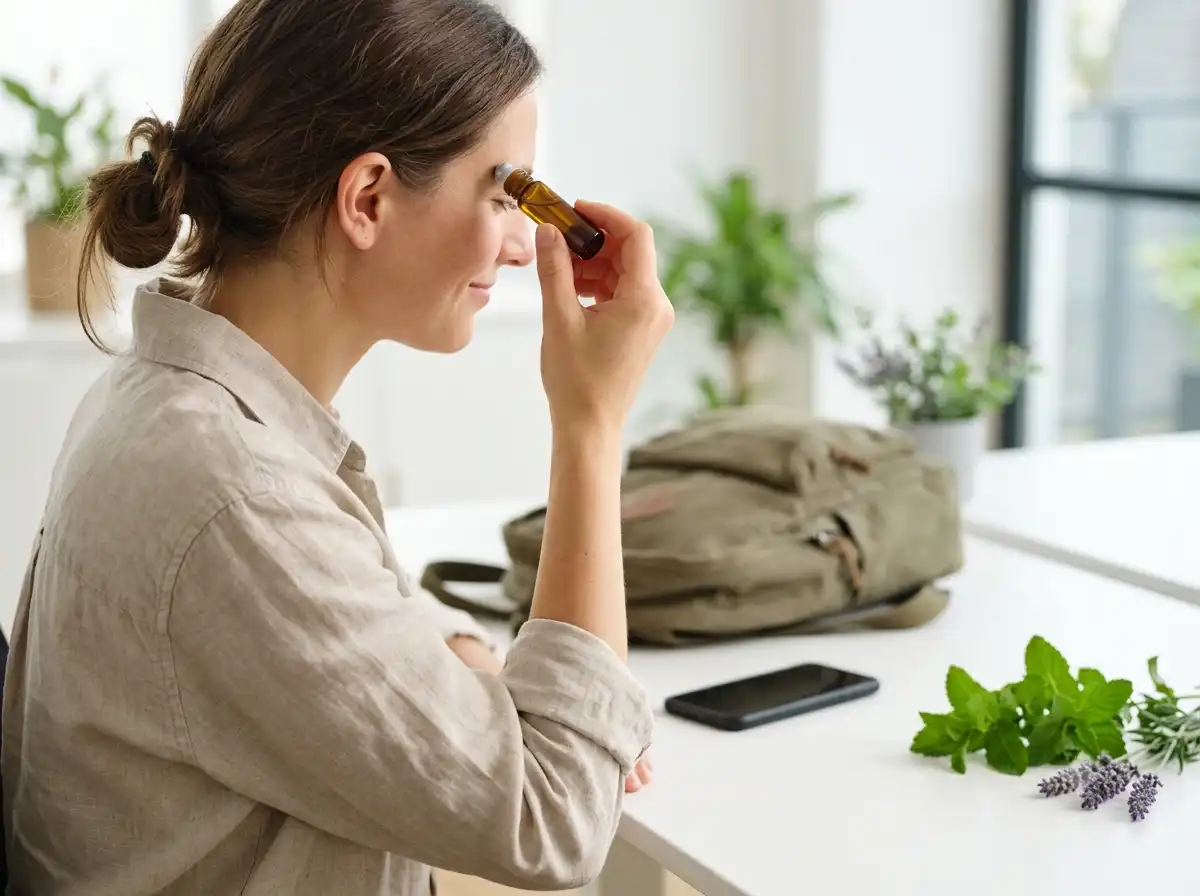
The main benefits promoted by the company are related to convenience, sensory comfort and ease of use.
Peppermint-derived menthol creates a cooling feeling soon after application.
The 10 ml roll-on is small enough to carry in a pocket, purse, backpack or travel kit.
The rollerball allows consumers to apply the product directly to the intended area without touching the formulation with their fingers.
The product uses a lightweight base designed to avoid the heavy residue associated with many traditional balms.
Peppermint, lavender and spearmint provide a fresh herbal scent rather than the strong medicinal smell associated with some camphor-heavy products.
Because the application is discreet, it can be more convenient than opening a jar of balm at an office or public location.
Hoop positions the product for headaches occurring during work, travel, screen time and daily routines.
These are practical product advantages rather than proof that the product is medically superior to established headache treatments.
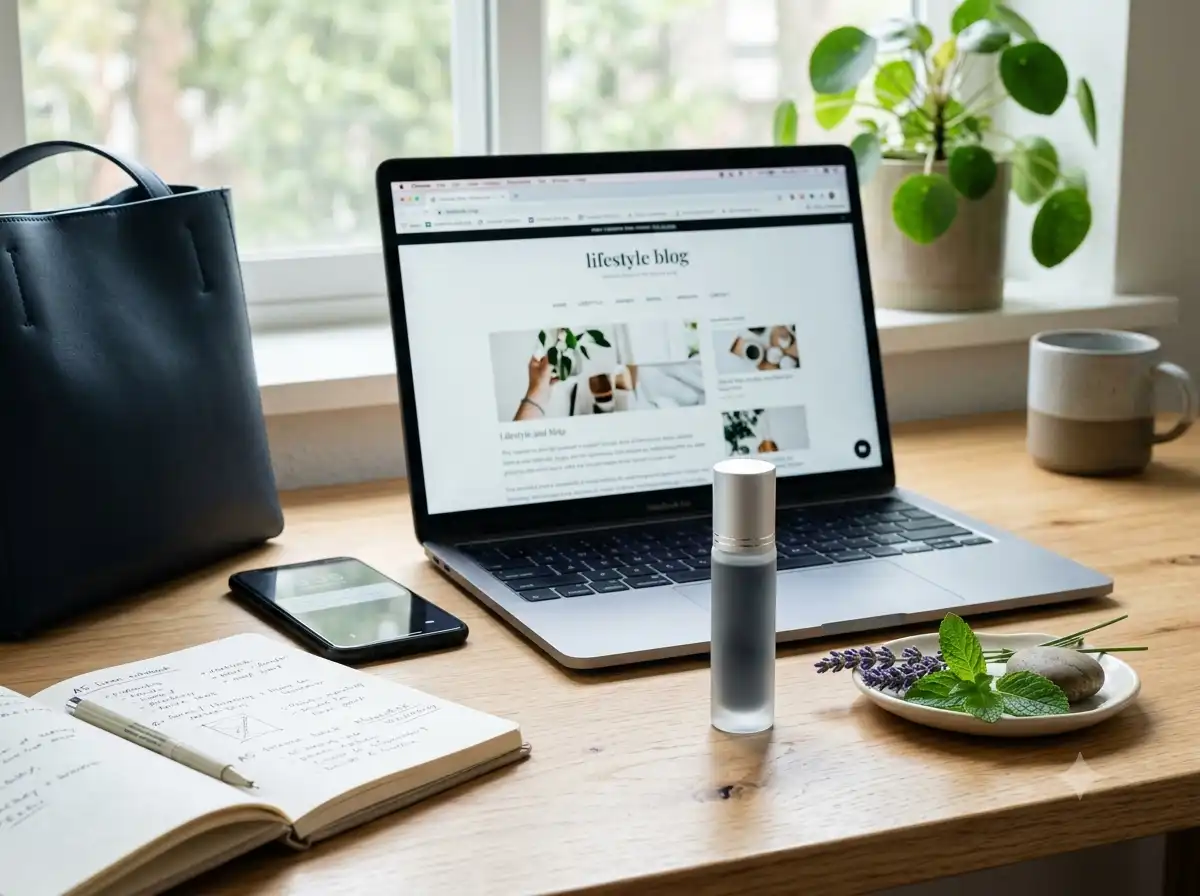
The phrase “Quick Cooling” is central to Hoop’s marketing.
It communicates the expected experience immediately.
Consumers do not need to understand the entire ingredient list to know what the product is designed to feel like.
Another strong marketing phrase is “Head Massage in a Bottle.”
This is clever because it moves the product away from the image of a conventional medicine.
Instead of presenting the roll-on as a pharmaceutical product, it frames it as a self-care experience.
That makes it more appealing to wellness-focused consumers.
The brand prominently displays peppermint and lavender in its product descriptions.
This gives consumers an immediate understanding of the sensory profile.
Peppermint communicates cooling.
Lavender communicates relaxation.
Spearmint communicates freshness.
Together, they create a simple marketing story.
Hoop specifically targets people who experience headaches after long screen sessions.
This is highly relevant to modern consumers.
Office workers, students, gamers and remote workers all spend significant periods looking at screens.
By connecting the product to this everyday behavior, Hoop gives consumers a specific reason to consider the roll-on.
The compact packaging is marketed as a key benefit.
Instead of waiting until consumers reach home, Hoop positions the product as something they can use wherever a headache occurs.
Hoop’s packaging is cleaner and more minimalist than many traditional Indian headache balms.
This makes the product look more like a modern wellness product than an old-fashioned medicinal ointment.
That visual identity is particularly relevant for younger consumers.
Hoop products are listed on platforms such as Nykaa and Nykaa Man.
Current Nykaa listings identify the Quick Cooling Roll On for Headache as a new product within the pain-relief category.
This allows Hoop to reach consumers who are already browsing health, wellness and personal-care products.
The official Hoop Balm for Headache page currently displays 26 reviews with a 4.92 rating, while the Roll On for Headache page displays 31 reviews with a 4.94 rating.
These reviews provide social proof.
However, a small number of customer reviews should not be confused with clinical evidence.
Customer feedback can tell potential buyers how people experienced the product, but it cannot establish efficacy in a controlled medical setting.
Hoop does not market only headache products.
Its broader range includes magnesium products, Epsom salts, sleep products, body lotions, pain patches and muscle-relief products.
This allows the company to build a wider wellness identity.
Someone who first discovers Hoop through Quick Cooling may later purchase another product from the same brand.
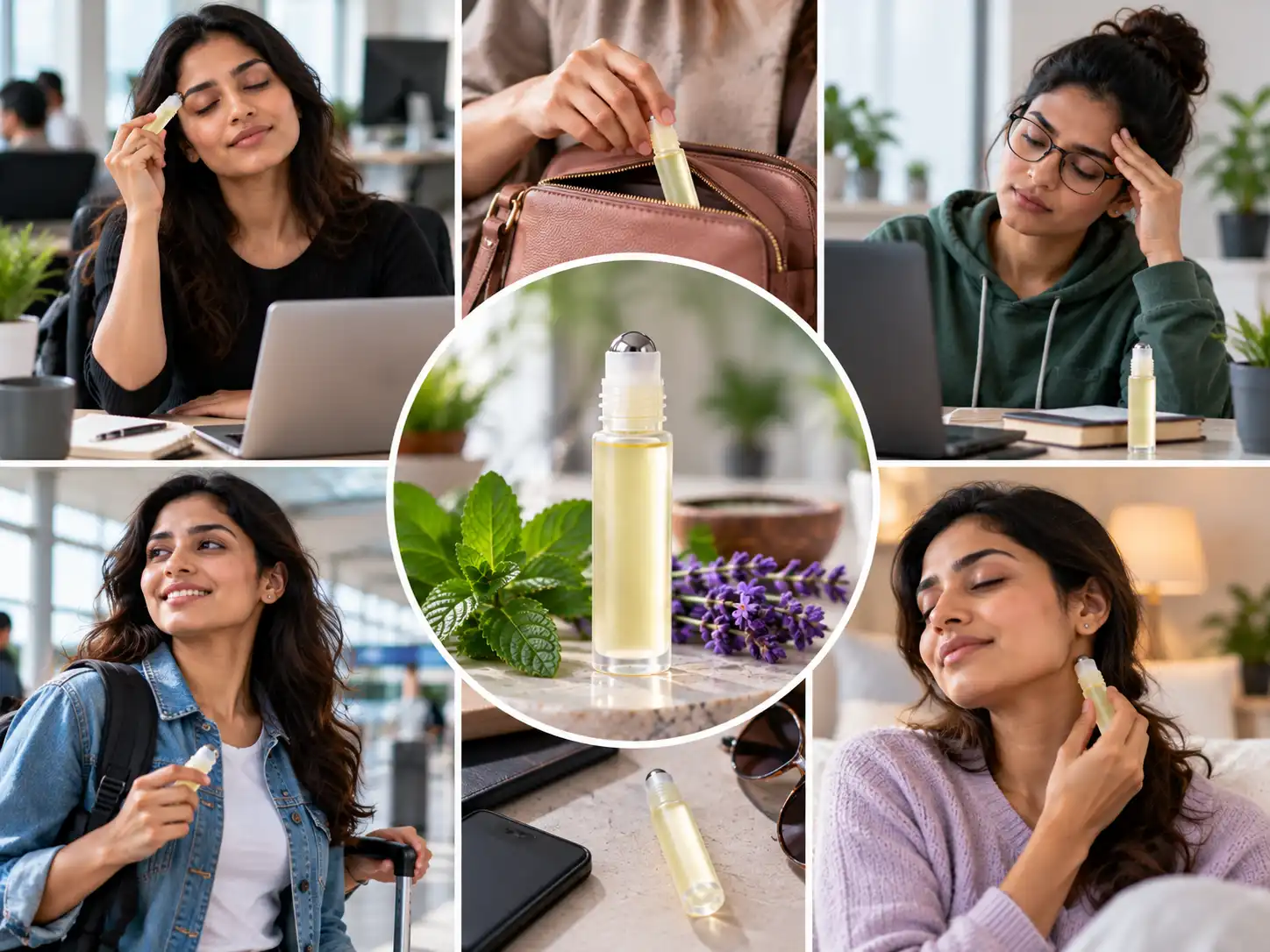
Consumers increasingly want health products that feel convenient, clean and lifestyle-friendly.
Hoop’s roll-on format fits that trend.
Traditional headache balms often come in small jars.
The roll-on format gives Hoop a more contemporary appearance.
Peppermint, lavender and spearmint are ingredients consumers already associate with relaxation and freshness.
The current official price of the 10 ml Roll On is approximately ₹440 MRP, with the official website currently showing a sale price around ₹410.
This places it within the affordable wellness-product segment.
A 10 ml bottle is substantially easier to carry than many traditional oil or balm containers.
The clean packaging, social-media-friendly positioning and screen-time messaging are particularly relevant to younger consumers.
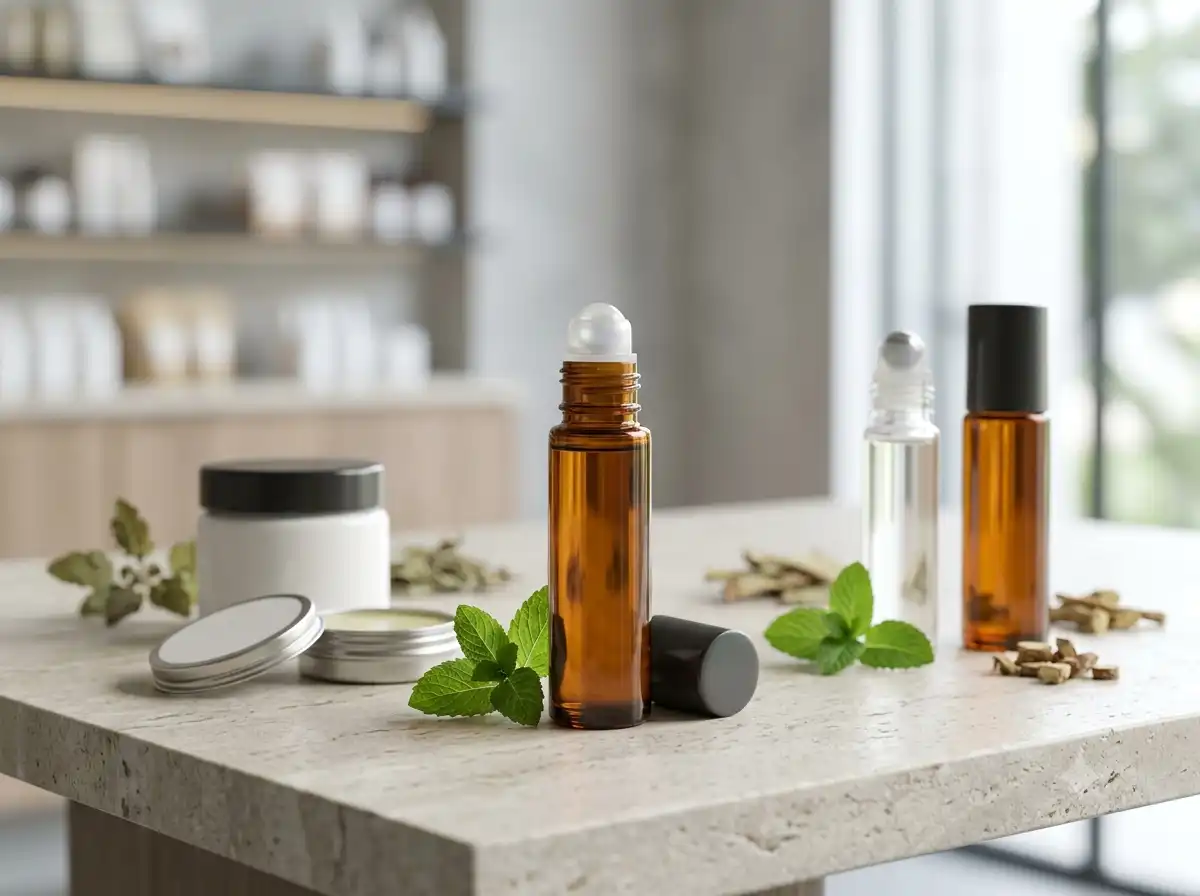
Hoop competes with both traditional headache balms and modern essential-oil roll-ons.
Its relevant competitors include:
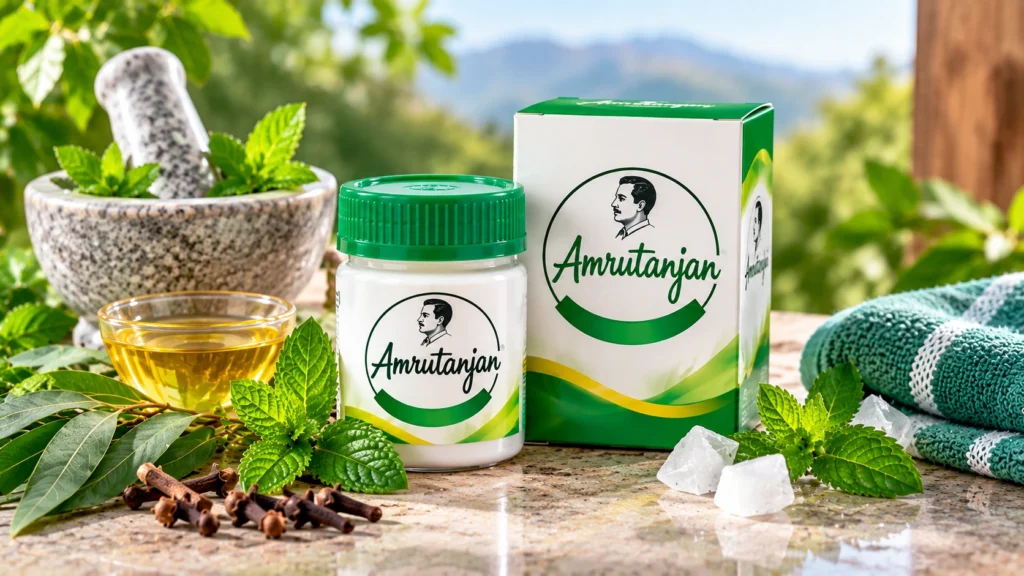
Amrutanjan is perhaps the most important heritage competitor.
It has enormous recognition among Indian consumers and has traditionally been associated with headache relief.
Its advantage is decades of consumer familiarity.
Hoop’s advantage is a more modern wellness-oriented identity and roll-on presentation.
Blue Nectar offers Ayurvedic and essential-oil-based wellness products, including roll-ons marketed for headache and stress.
This makes it one of the closest competitors from a premium natural-wellness perspective.
Dr. Ortho is more strongly associated with pain relief for muscles and joints, but its herbal positioning overlaps with Hoop’s natural-product strategy.
Pure peppermint oil roll-ons are an important alternative.
Consumers looking for natural headache comfort may choose a simple peppermint product rather than a multi-ingredient branded formulation.
India has a huge market for Ayurvedic oils, balms and herbal preparations.
These products compete directly for consumers who prefer natural approaches to everyday discomfort.
Hoop’s differentiation is its modern packaging and emphasis on convenience.
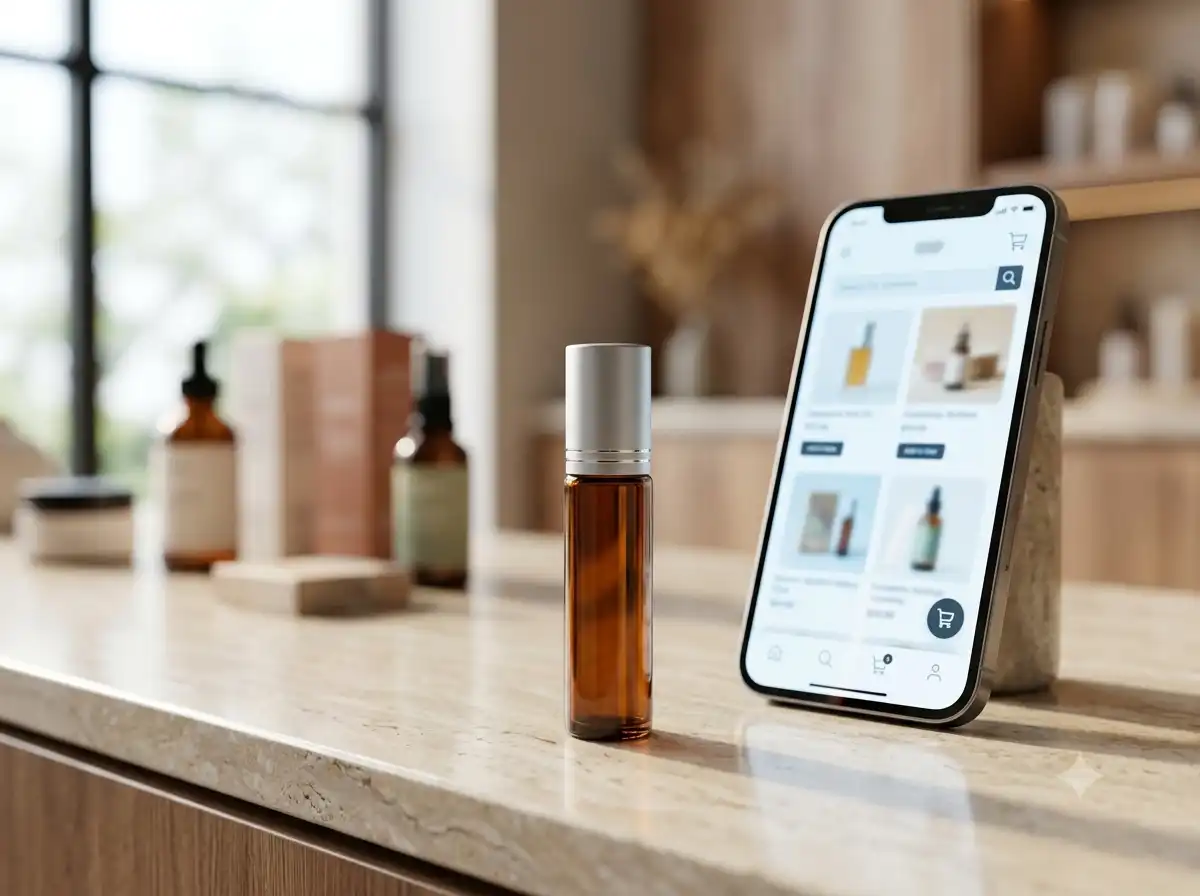
There is an important limitation when discussing Hoop’s revenue.
Hedso Health & Wellness Pvt. Ltd. does not publicly disclose a verified standalone revenue figure for Hoop Quick Cooling in 2026.
It would therefore be misleading to publish an exact annual sales number without audited company information.
The official Hoop website currently lists the 10 ml Roll On for Headache at ₹440 MRP, with the website currently displaying a promotional price of approximately ₹410.
The 10 g Balm for Headache has an MRP of ₹412, with the official website currently showing approximately ₹410.
Marketplace prices can vary because of discounts, promotions and retailer margins.
The official product pages provide useful evidence of consumer engagement.
The Roll On for Headache currently has 31 reviews and a 4.94 rating on the official website.
The Balm for Headache currently has 26 reviews and a 4.92 rating.
Nykaa also currently lists the Quick Cooling Roll On as a product within its pain-relief category.
These numbers indicate online visibility but cannot be used to calculate total units sold.
Hoop products are available through multiple channels.
Nykaa currently lists the Quick Cooling Roll On, while Nykaa Man carries a wider Hoop portfolio that includes pain-relief sprays, patches, gels, roll-ons and other wellness products.
The company’s own website also offers direct sales.
No reliable calculation can be made from public information alone.
To estimate revenue, we would need verified data on:
Without those figures, any precise revenue estimate would be speculative.
The most defensible 2026 conclusion is that Hoop Quick Cooling has an active direct-to-consumer and marketplace presence, but its standalone annual sales are not publicly disclosed.

The scientific evidence for Hoop Quick Cooling should be divided into two categories: evidence about its ingredients and evidence about the finished product.
There is research supporting the potential use of peppermint and menthol in certain headache contexts.
One of the better-known studies involved topical peppermint oil containing menthol in patients with tension-type headache. The study found that the peppermint preparation produced significant headache-relief effects compared with placebo and showed effects comparable to acetaminophen in that particular trial.
This provides some scientific support for the general concept of topical mentholated peppermint preparations.
However, it does not prove that Hoop Quick Cooling has the same effectiveness.
Why?
Because the study’s formulation, concentration, delivery system, patient population and application protocol were specific to that research.
Hoop’s current formulation contains 35% peppermint oil plus lavender and spearmint in a different commercial base.
That means the evidence should be described as supporting the plausibility of the formulation, not as direct proof of clinical efficacy.
Lavender has been studied in aromatherapy and migraine-related research.
Some studies have reported potential benefits from lavender inhalation for migraine symptoms, but the evidence is not strong enough to treat lavender as a proven migraine cure.
Topical lavender oil also presents different exposure characteristics from inhaled lavender.
There is currently no strong public evidence demonstrating that the Hoop product itself prevents migraine attacks.
The company’s own labeling appropriately states that the product is not intended to diagnose, treat, cure or prevent any disease.
This is an important distinction because migraine prevention generally requires a different medical approach from providing temporary sensory relief during an attack.
The official product instructions allow the Roll On to be used during headaches and daily routines.
However, daily use does not mean that everyone should use it indefinitely.
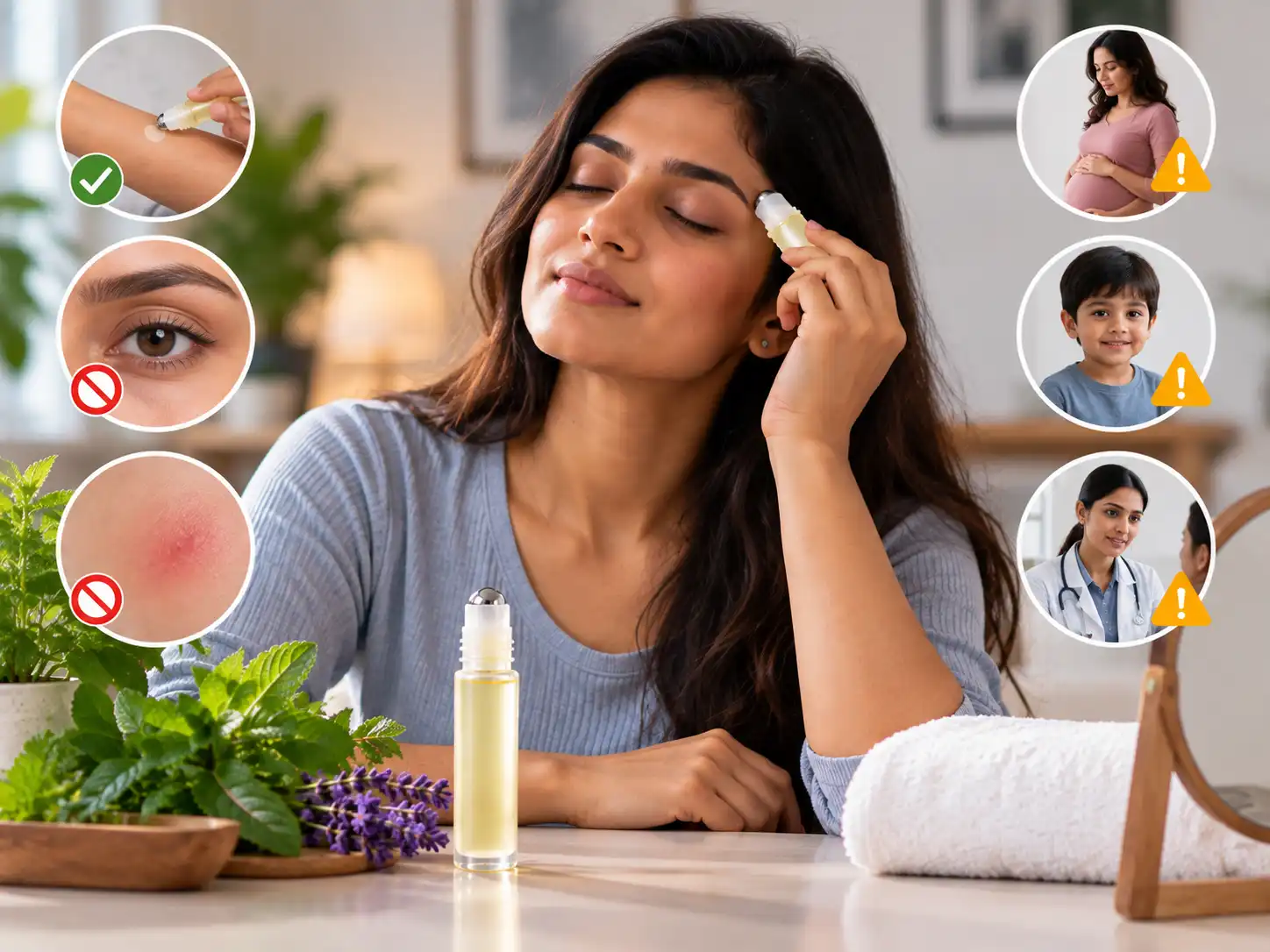
The current product label recommends a patch test and warns against use in people sensitive to any ingredient.
It should not be applied to the eyes or broken skin.
If irritation or discomfort occurs, use should be discontinued.
Essential oils can cause skin irritation or allergic reactions in some individuals, particularly when used at relatively high concentrations.
Pregnant women, children and people with known allergies or sensitive skin should follow the product’s specific safety instructions and seek professional advice when appropriate.
Most importantly, frequent headaches should not simply be managed indefinitely with topical products without identifying the underlying cause.
A sudden severe headache, a headache accompanied by weakness, confusion, fainting, fever with neck stiffness, visual or speech problems, or other neurological symptoms requires medical assessment rather than self-treatment.
Hoop Quick Cooling is a modern Indian headache-relief wellness product designed around peppermint, lavender and spearmint.
It is available primarily as a 10 ml roll-on and a 10 g balm.
The roll-on is marketed by Hedso Health & Wellness Pvt. Ltd. and manufactured by Accra Pac (India) Pvt. Ltd. in Vapi, Gujarat. The balm is manufactured by Unexo Laboratories Pvt. Ltd. in Delhi.
This makes Hoop different from older pain-relief brands that often operate their own large manufacturing networks.
Hoop instead uses Indian contract or partner manufacturing while focusing heavily on product development, branding and distribution.
The Roll On for Headache contains 35% peppermint oil, 2% lavender oil and 1% spearmint oil, with excipients making up the remaining formulation.
The Balm for Headache has a closely related formulation containing peppermint satva, lavender oil and pudinah.
Peppermint is the star ingredient because of its high menthol content and cooling sensory effect.
Lavender contributes a soothing aroma, while spearmint adds freshness.
The product’s immediate cooling effect comes primarily from sensory receptors rather than simply lowering the temperature of the skin.
There is scientific support for topical peppermint and menthol preparations in certain types of headache, particularly tension-type headache. However, this evidence should not be presented as proof that Hoop Quick Cooling can prevent or cure migraine.
The company itself states that the product is not intended to diagnose, treat, cure or prevent disease.
From a marketing perspective, Hoop has created a strong and easy-to-understand proposition: “Quick Cooling” and “Head Massage in a Bottle.”
The roll-on format makes the product portable, clean and convenient.
The company also targets modern situations such as screen-time headaches, travel discomfort and busy work routines.
This is a significant departure from traditional headache balms that are often marketed primarily as medicines.
Hoop instead places the product somewhere between healthcare, personal care and wellness.
The brand has also expanded into pain-relief sprays, patches, gels, inhalers, magnesium products, Epsom salts, sleep products and body-care products.
This suggests that the long-term goal is broader than building a single headache product.
Hoop appears to be developing a complete wellness ecosystem.
Its main competitors include Amrutanjan, Blue Nectar, Dr. Ortho, other Ayurvedic headache balms and peppermint-based roll-ons.
Amrutanjan’s biggest advantage is heritage, while Hoop competes through modern design, portable application and natural-wellness positioning.
Financially, there is no publicly verified 2026 revenue number for Hoop Quick Cooling.
The current official price is approximately ₹440 MRP for the 10 ml Roll On, with promotional pricing around ₹410 on the official website at the time of research.
The official Roll On page currently displays 31 reviews with a 4.94 rating, while the Balm page displays 26 reviews with a 4.92 rating.
Those numbers show meaningful consumer engagement but cannot be converted into reliable unit sales or revenue without verified transaction data.
The most accurate way to describe Hoop Quick Cooling in 2026 is as an emerging Indian wellness product that combines peppermint-based cooling, aromatherapy-inspired ingredients and a modern roll-on format for everyday headache comfort.
Its biggest advantage is simplicity.
Consumers understand what peppermint means, they understand what cooling feels like and they can carry a 10 ml bottle almost anywhere.
Its biggest limitation is the same limitation faced by many natural headache products: evidence for the individual ingredients is not the same as clinical evidence for the finished commercial formulation.
For occasional mild headaches, the cooling and aromatic experience may be appealing and useful for some people. But frequent, severe or unusual headaches should not be managed solely with a topical roll-on.
Ultimately, Hoop Quick Cooling represents a new generation of Indian wellness products: less medicinal-looking, more portable, digitally marketed and built around familiar natural ingredients.
Whether Hoop can develop the same long-term recognition as established Indian brands such as Amrutanjan will depend on product quality, consumer trust, distribution and the company’s ability to combine wellness marketing with responsible evidence-based health communication.
Watch expert-inspired short videos on health, wellness, nutrition, fitness, preventive care, and healthy living in under a minute.