The story of Mentholatum goes back to 1889, when American entrepreneur and pharmacist Albert Alexander Hyde established the Yucca Company in Wichita, Kansas. After years of experimenting with menthol-based formulas, Hyde and his team introduced Mentholatum Ointment in the 1890s. The name itself was built around two key components: menthol and petrolatum.
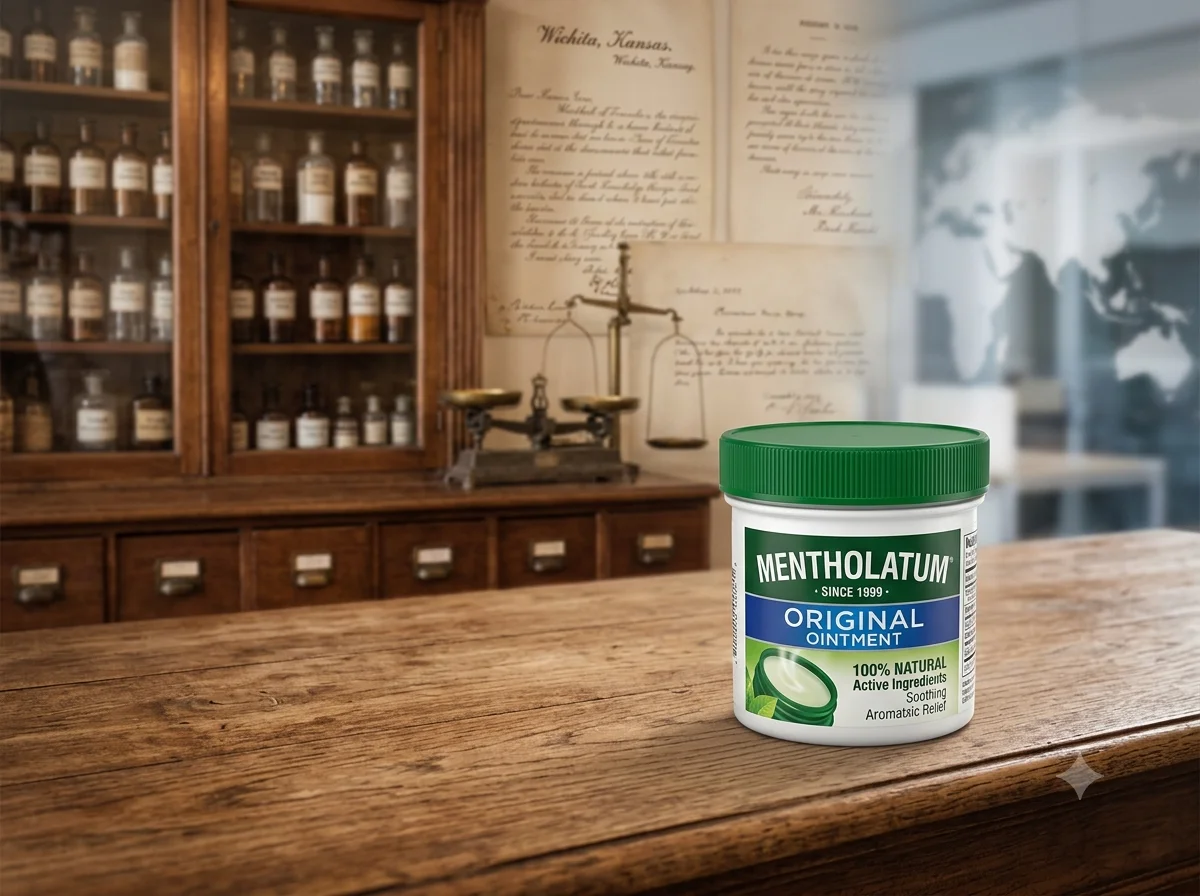
Mentholatum’s roots go back to 1889 in Wichita, Kansas.
The founder was Albert Alexander Hyde, often referred to simply as A.A. Hyde. The original business was called the Yucca Company, which initially produced soaps and toiletries before moving into medicinal products.
Hyde became interested in menthol after encountering products containing the ingredient. Menthol had a particularly interesting quality for the period: it produced a cooling sensation and was associated with relief from minor aches and respiratory discomfort.
Hyde spent several years experimenting with formulations.
According to Mentholatum’s historical account, the company spent about four years researching and developing its ointment before introducing Mentholatum Ointment in 1894. The product combined menthol with a petrolatum base.
The name Mentholatum was clever branding for its time.
“Menthol” came from the cooling ingredient, while “atum” reflected the petrolatum base. In 1895, the Mentholatum trademark was officially registered.
The product quickly developed a reputation in the United States.
Mentholatum’s historical materials say the ointment became widely recommended by doctors and medical outlets of the time and developed a strong reputation as a household medicine.
The company then began expanding beyond Kansas.
In 1903, Edward Hyde opened a branch plant in Buffalo, New York. The company’s headquarters and factory moved to Buffalo, helping Mentholatum move from a regional business toward a national operation.
In 1906, the business formally adopted the name The Mentholatum Company.
That is an important milestone because the product had become so strongly associated with the business that the brand name eventually became the company name itself.
Mentholatum’s international ambitions began surprisingly early.
The company developed operations in Canada and later established manufacturing and distribution activities in other parts of the world.
Mentholatum’s Australian history notes that Hyde eventually established a factory in Shanghai, partly because demand for the ointment had grown in China, Japan and India.
This early international expansion is one reason Mentholatum became much more than an American ointment.
The answer is ROHTO Pharmaceutical Co., Ltd.
Rohto first obtained exclusive trademark usage rights for Mentholatum in Japan in 1975.
Then, in 1988, Rohto acquired The Mentholatum Company in the United States and gained control of its management. Rohto describes the acquisition as an important stepping stone in its own international expansion.
So today, the structure is broadly:
Mentholatum → The Mentholatum Company → ROHTO Pharmaceutical
The Mentholatum Company continues to operate as a global healthcare business within the Rohto group.
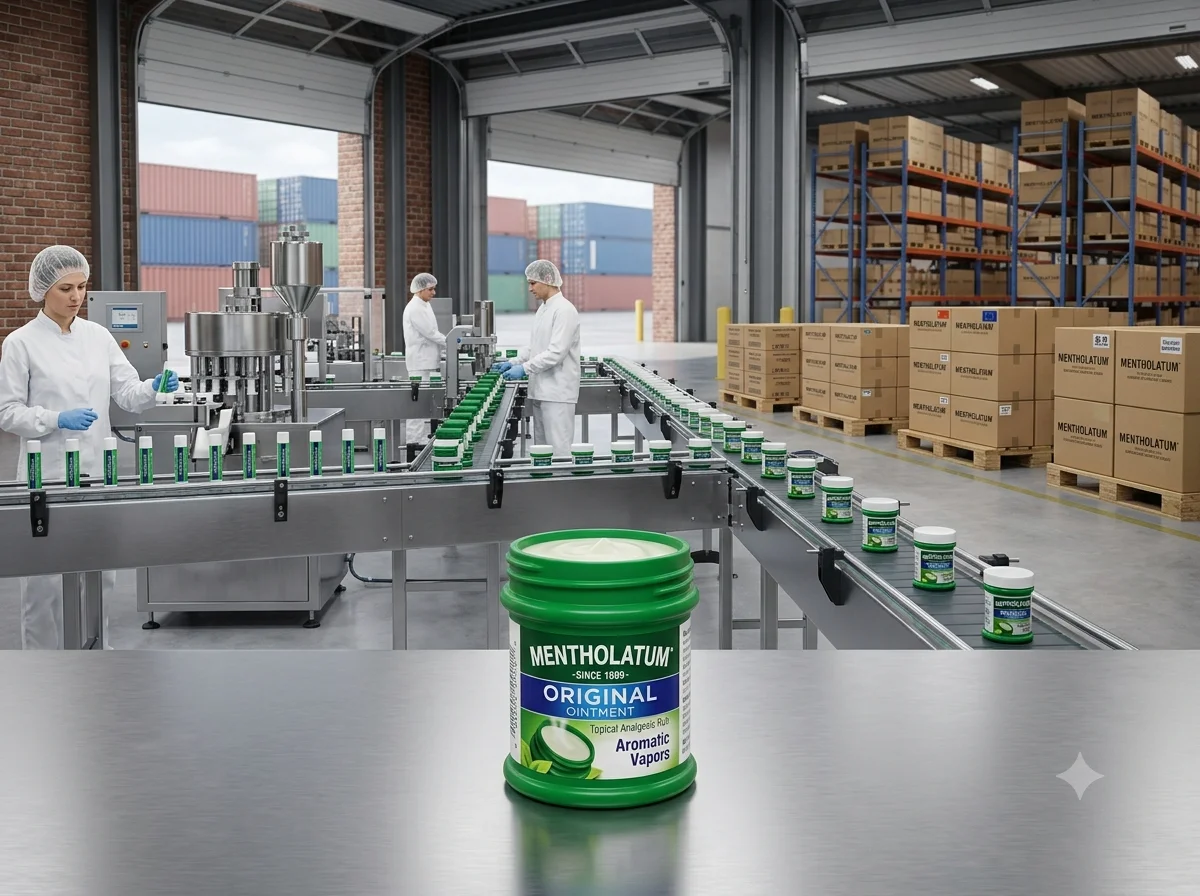
Mentholatum’s manufacturing footprint is much larger than its original Buffalo operation.
The company’s current corporate information says Mentholatum has manufacturing facilities across five global locations, while its current manufacturing page highlights a broader network of facilities supporting production in 11 countries.
The company’s North American headquarters is currently located at:
707 Sterling Drive, Orchard Park, New York 14127, USA.
The Orchard Park site is historically significant because the company moved its headquarters into the Buffalo-area facility in 1998 after local authorities and business leaders worked to keep the company in Western New York.
Mentholatum currently describes a 105,000-square-foot manufacturing center and a 110,000-square-foot warehouse and distribution center.
The company says the manufacturing operation is cGMP compliant and subject to customer and third-party audits. It can produce products in formats including:
It also has research and development capabilities in Philadelphia, Pennsylvania.
The main warehouse and distribution center is in Cheektowaga, New York, close to the Orchard Park headquarters and manufacturing plant.
Mentholatum’s global manufacturing structure is closely connected to Rohto’s international operations.
Rohto’s historical filings identify manufacturing and sales operations involving Mentholatum entities in North America, Europe and Asia, including China and Vietnam.
The UK business is particularly important for products such as Deep Heat.
Mentholatum’s UK operation says its Scotland facility develops, manufactures and markets healthcare products for the UK, European, African and Middle Eastern markets.
The company therefore does not rely on one factory to supply the world.
Instead, it uses a regional manufacturing and distribution model.
That makes sense for a company selling products in more than 150 countries because healthcare regulations, formulations, packaging and approved ingredients can vary between markets.
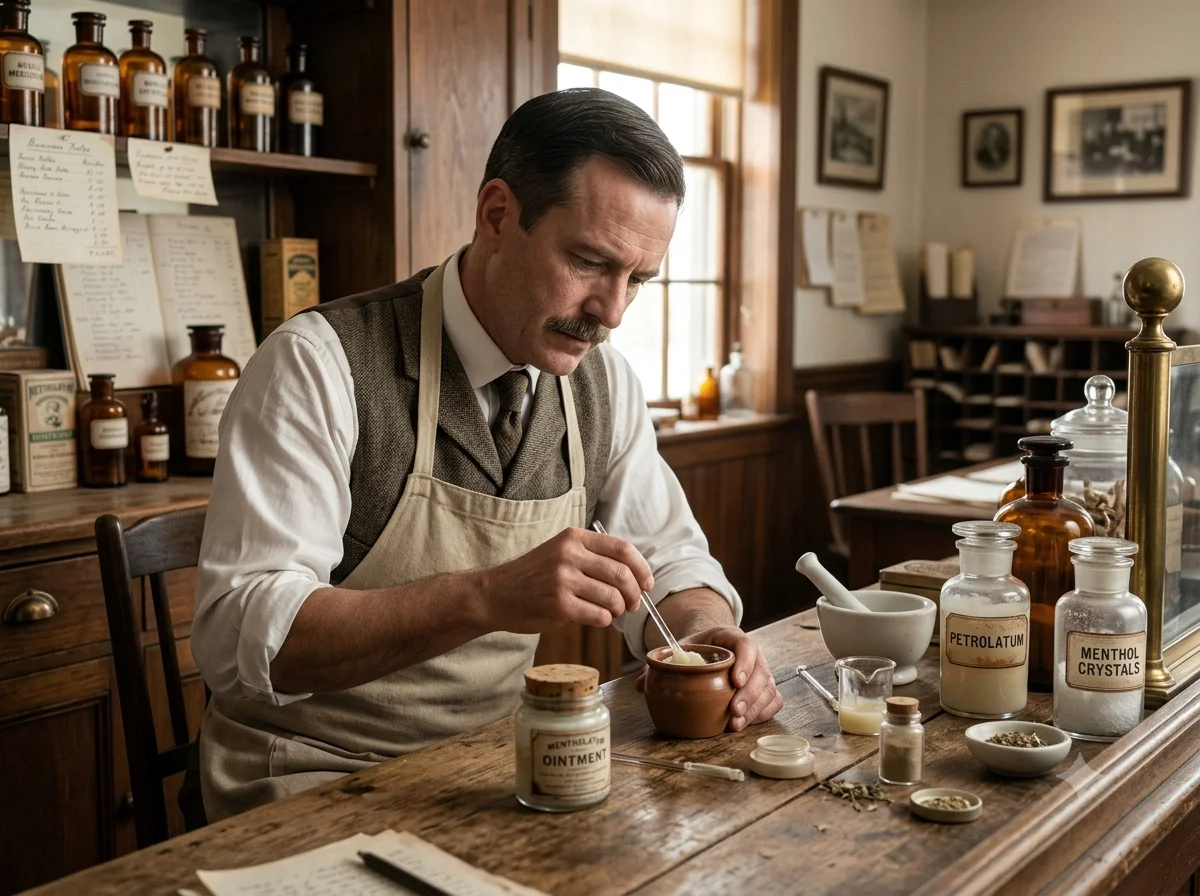
Albert Alexander Hyde’s story is central to understanding the brand.
Hyde was not simply trying to create another ointment.
He was experimenting with the idea that a cooling ingredient such as menthol could be incorporated into a topical preparation that consumers could use for several everyday complaints.
The original product was deliberately versatile.
Historical Mentholatum material says it was designed to help with problems including headaches, sore throats, colds, itching and minor pain.
The business also benefited from Hyde’s strong personal beliefs.
Historical accounts say Hyde donated much of his wealth to churches and Christian missions rather than simply accumulating it personally.
His sons later became involved with the company.
The business remained family controlled for much of its early history, eventually becoming one of the oldest continuously operating healthcare companies in the United States.
That family history ended when Rohto acquired the company in 1988.
But Rohto did not eliminate the Mentholatum identity.
Instead, it used the brand as a foundation for international expansion.
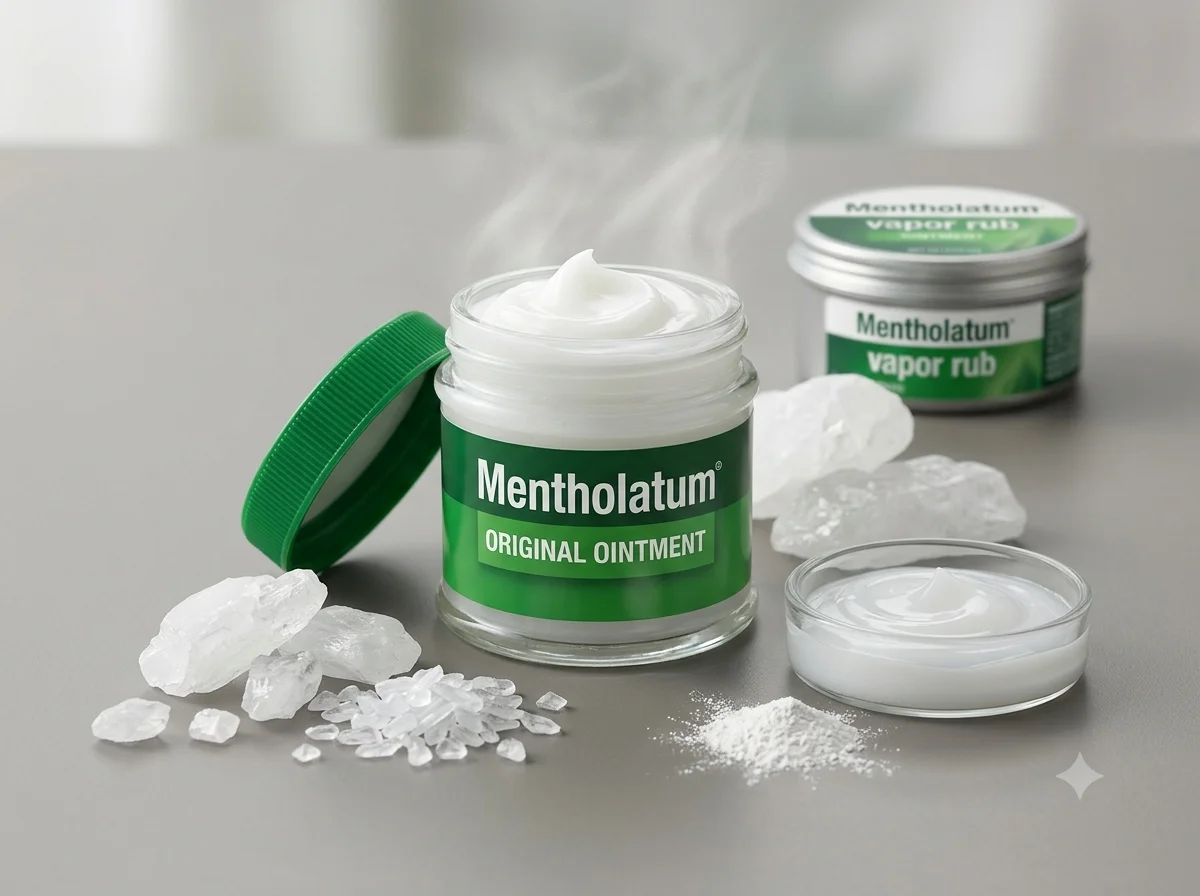
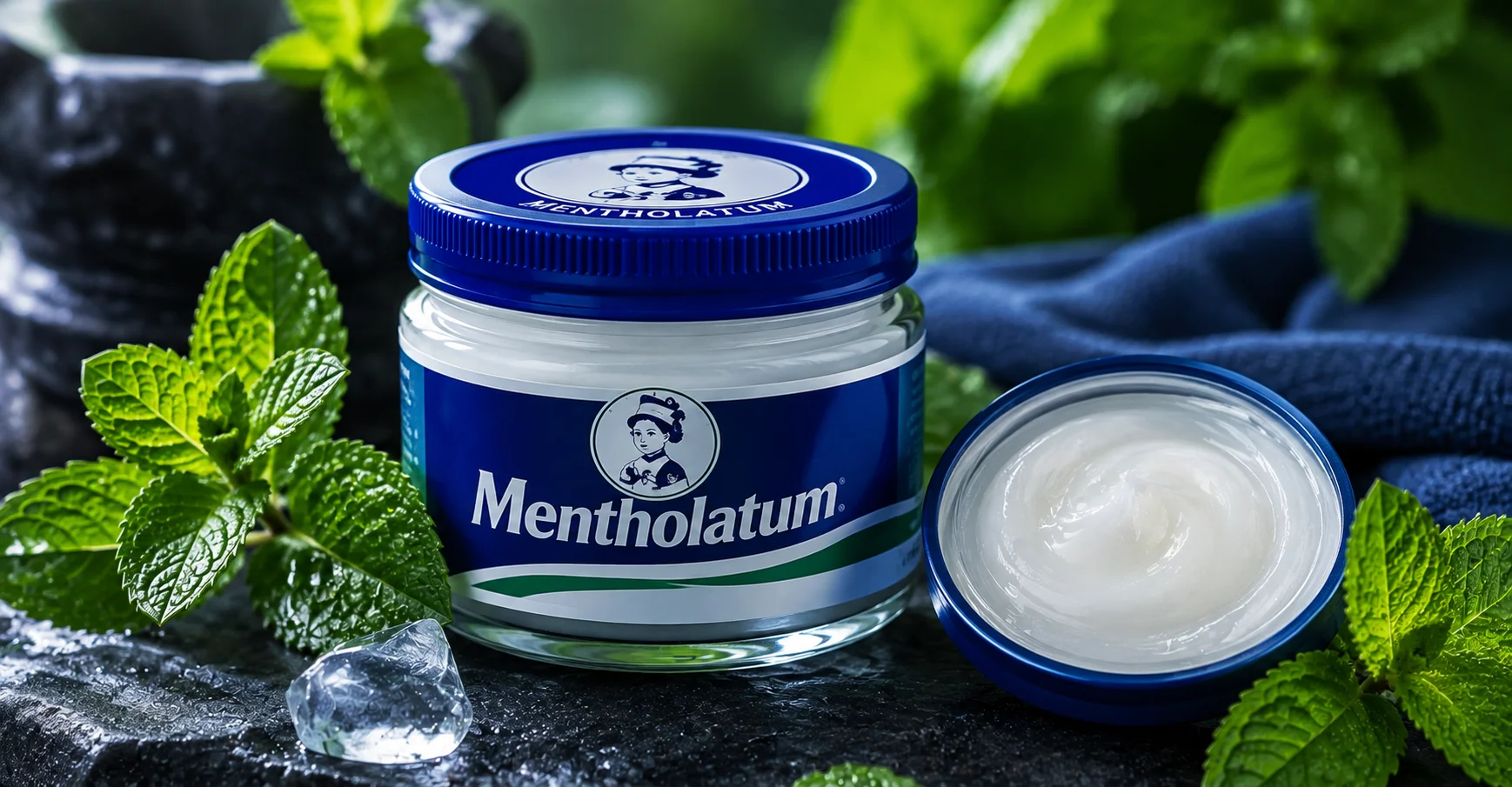
The classic Mentholatum Original Ointment remains the product most closely associated with the brand.
In the United States, the current DailyMed listing identifies two active ingredients:
The inactive ingredients are:
The product is classified as an OTC topical drug.
This formula is much simpler than many consumers might expect.
Camphor is the main active ingredient in the current U.S. Original Ointment.
At 9%, it functions as a topical analgesic under the product’s FDA Drug Facts labeling.
In simple terms, it creates a strong sensory effect when applied to the skin and can temporarily reduce the perception of minor muscle and joint aches.
Camphor also contributes heavily to Mentholatum’s characteristic medicinal smell.
Menthol is the other active ingredient.
It creates the familiar cooling sensation associated with Mentholatum.
Like camphor, it is listed as a topical analgesic in the U.S. Drug Facts label.
The cooling sensation can be particularly noticeable when the ointment is applied to the chest, neck or sore muscles.
Petrolatum forms the base of the classic ointment.
It gives the product its thick, spreadable texture and helps hold the active ingredients on the skin.
It also provides an occlusive layer that can reduce moisture loss from the skin.
Titanium dioxide is listed as an inactive ingredient in the U.S. Original Ointment.
It contributes to the product’s appearance and formulation.
The classic Mentholatum smell is part of the brand’s identity.
Fragrance is listed among the inactive ingredients in the current U.S. formulation.
Not every Mentholatum product contains the same ingredients.
For example, the current Mentholatum Soothing Vapor Rub Cherry contains:
Its inactive ingredients include fragrance, steareth-2 and white petrolatum.
That product is designed differently from the Original Ointment and carries cough-related uses on its U.S. label.
So consumers should always check the Drug Facts panel on the exact Mentholatum product they are buying.
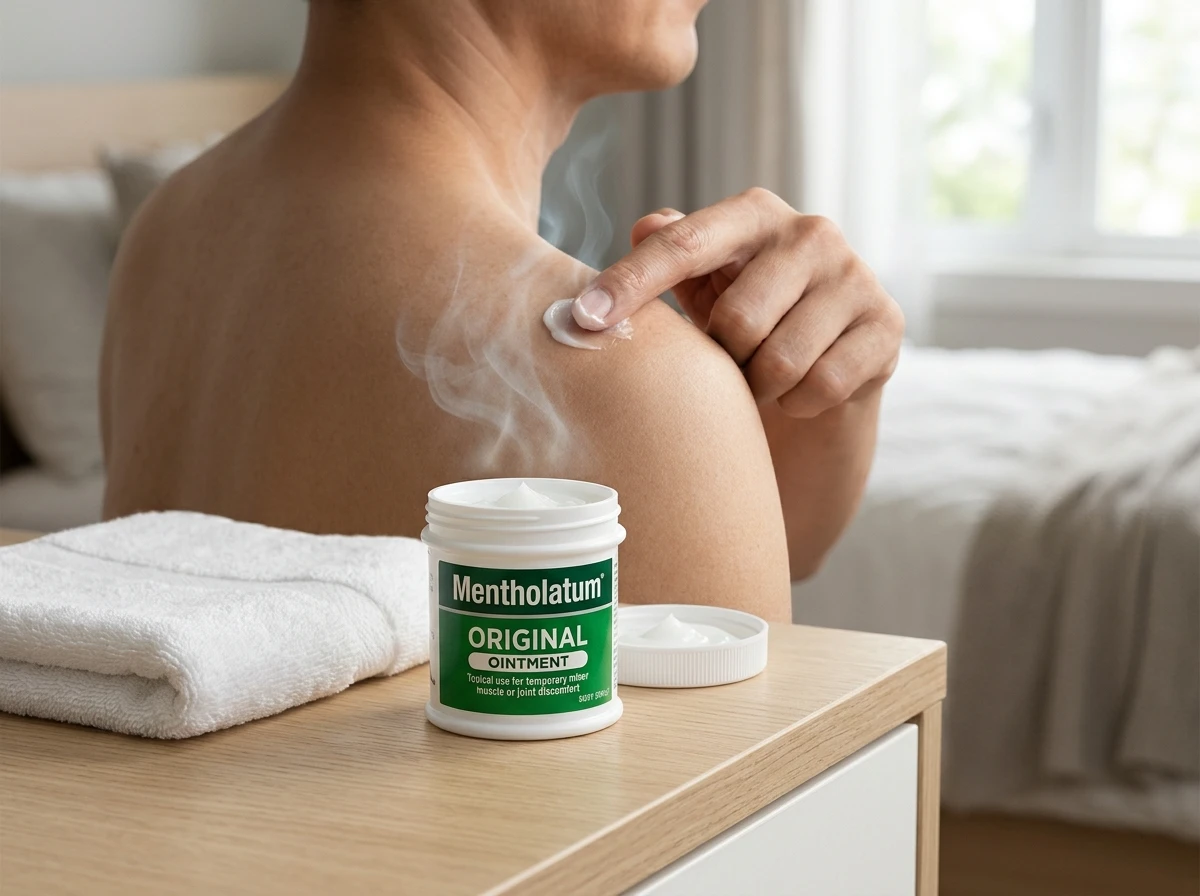
The benefits depend on the specific product.
For Mentholatum Original Ointment, the current U.S. label says it temporarily relieves minor aches and pains of muscles and joints.
The company’s current consumer materials also describe its aromatic vapors and use on the chest, neck and back.
The product should not be described as a cure for colds, flu or other underlying illnesses.
That distinction matters for health-focused content.
Mentholatum is primarily offering temporary symptom relief and sensory comfort, not treating the underlying cause of a viral infection or chronic disease.
When you rub the ointment onto the skin, menthol and camphor interact with sensory receptors.
The resulting cooling or warming sensation can change how the nervous system perceives discomfort.
This is why products containing these ingredients can feel as though they are “working” very quickly.
The sensation is real, but it does not necessarily mean the underlying injury or illness has been eliminated.
The current U.S. label says Mentholatum Original is for external use only.
It should not be put into the eyes or applied to wounds or damaged skin. The label also warns against tightly bandaging the treated area and against heating the product, microwaving it or adding it to hot water.
The U.S. label says adults and children 2 years and older can use the Original Ointment as directed, while children under 2 should be evaluated by a doctor before use.
This is particularly important because camphor can be harmful if swallowed.
Parents should keep camphor-containing products out of children’s reach.
Different Mentholatum products have different age restrictions, ingredients and directions, so the specific package should always be followed.
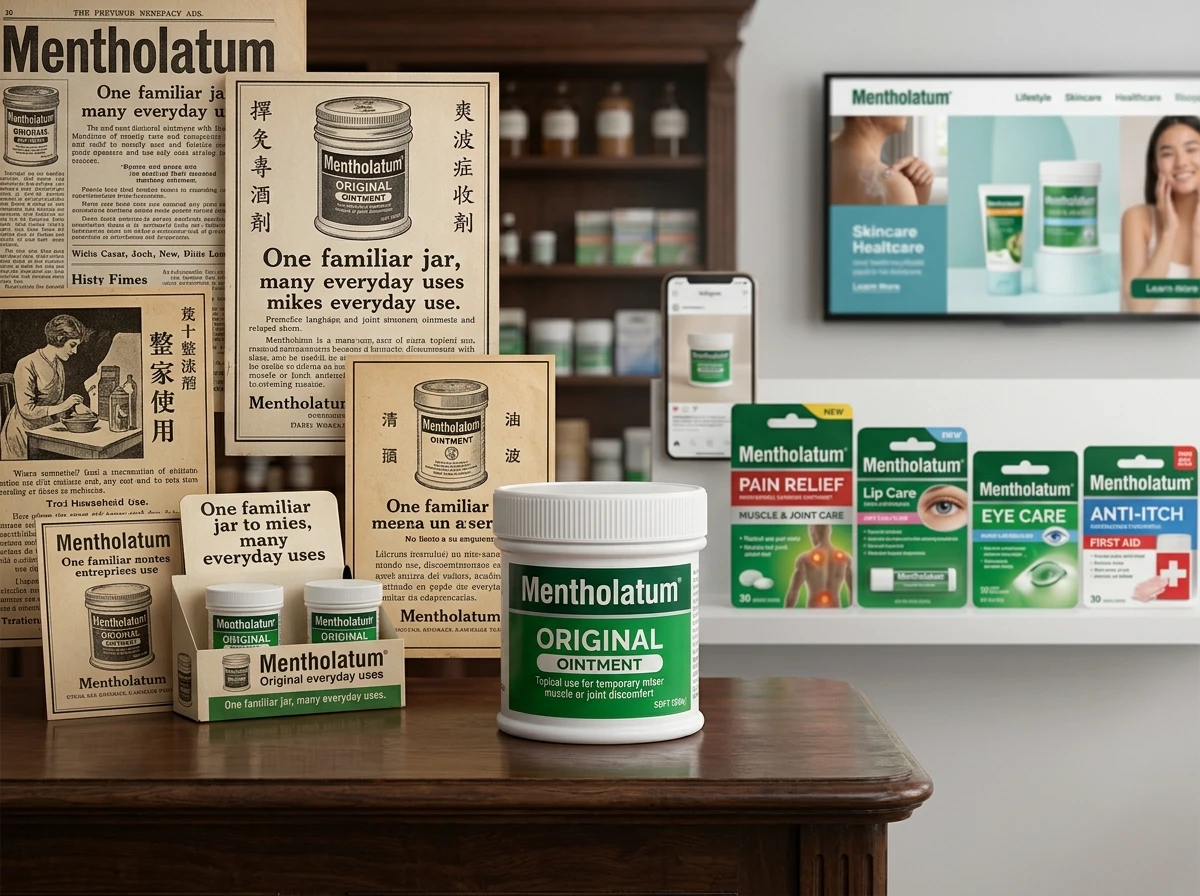
Mentholatum’s marketing history stretches back more than a century.
In fact, the brand’s early success offers a fascinating lesson in how healthcare products were marketed before television and social media existed.
Early Mentholatum advertising emphasized versatility.
A historical Mentholatum advertisement from around 1950 promoted the product for multiple uses and was produced in English, with Chinese-style characters and Spanish-language content on the reverse. The advertisement is preserved by the Tempe History Museum.
This is important because it shows that Mentholatum was already thinking internationally about its messaging decades ago.
The basic strategy was simple:
One familiar jar, many everyday uses.
That helped make Mentholatum a household product instead of a medicine associated with one specific condition.
The 1903 move into Buffalo was not a marketing campaign in the modern sense, but it was an important growth strategy.
Mentholatum’s official history says the launch in New York helped transition the brand from a regional product toward national recognition.
The company was moving closer to major transportation, manufacturing and commercial networks.
That helped the product reach consumers across the United States.
Mentholatum eventually expanded beyond the original ointment into products such as Deep Heat, a topical pain-relief line that became particularly important in the UK and other international markets.
The current UK business continues to describe itself as a specialist in muscle and joint care and identifies Scotland as the home of Deep Heat.
This was a significant branding move.
Instead of relying entirely on an old-fashioned ointment, Mentholatum created specialized products for different consumer needs.
One of the most notable documented advertising campaigns from the wider Mentholatum business came in 1999 with the launch of Zi eye drops.
The company targeted style-conscious consumers aged roughly 16 to 30 and supported the product with a reported $3 million advertising campaign across television and women’s magazines.
This was a smart shift in marketing.
Rather than presenting a healthcare product as something boring or purely medicinal, Mentholatum attempted to connect it with youth, lifestyle and self-expression.
The Mentholatum Company also became heavily involved in skincare.
Its Oxy acne brand used a more humorous advertising style aimed at teenage boys.
In 2007, the company launched television spots called “Badger” and “Faith Healer” as part of its “Way Better” campaign, using comedy to make acne treatment more entertaining and relatable.
This illustrates how Mentholatum evolved from a traditional ointment company into a broader consumer-health marketer.
Today, the company is less dependent on one massive global advertising message.
Instead, Mentholatum uses regional brands and product categories.
That allows the group to market:
This decentralized approach is particularly useful because consumer healthcare habits vary dramatically between countries.
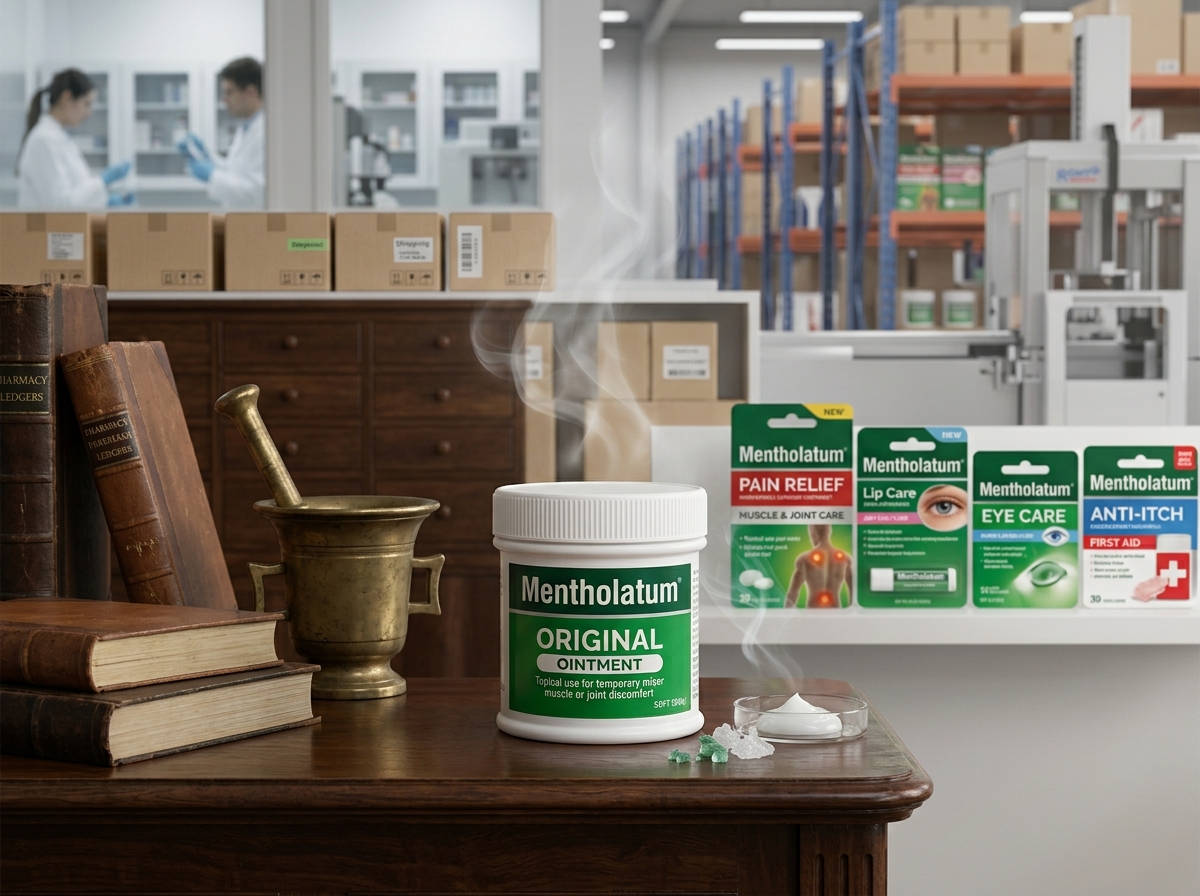
Mentholatum does not dominate every healthcare category.
That would be an exaggeration.
However, it has something that many newer brands would love to have:
135-plus years of recognition.
Several factors explain its staying power.
The brand dates to 1889.
That makes it older than many of the consumer healthcare brands competing today.
Mentholatum has a distinctive smell and cooling sensation.
Consumers can often recognize it without looking at the label.
That is extremely powerful in consumer products.
The classic Original Ointment has only two active ingredients in the U.S. formulation: camphor and menthol.
Consumers understand what they are buying.
The brand benefits from Rohto’s international manufacturing, regulatory and distribution infrastructure.
Mentholatum products are marketed in more than 150 countries.
The company is no longer dependent on one ointment.
It has expanded into multiple health and wellness categories.
The 1988 acquisition gave Mentholatum access to a much larger Japanese healthcare company with international resources.
Rohto says the acquisition helped make Mentholatum a third pillar of its business and served as a stepping stone to becoming a global company.
That may be one of the most important reasons the brand is still relevant today.
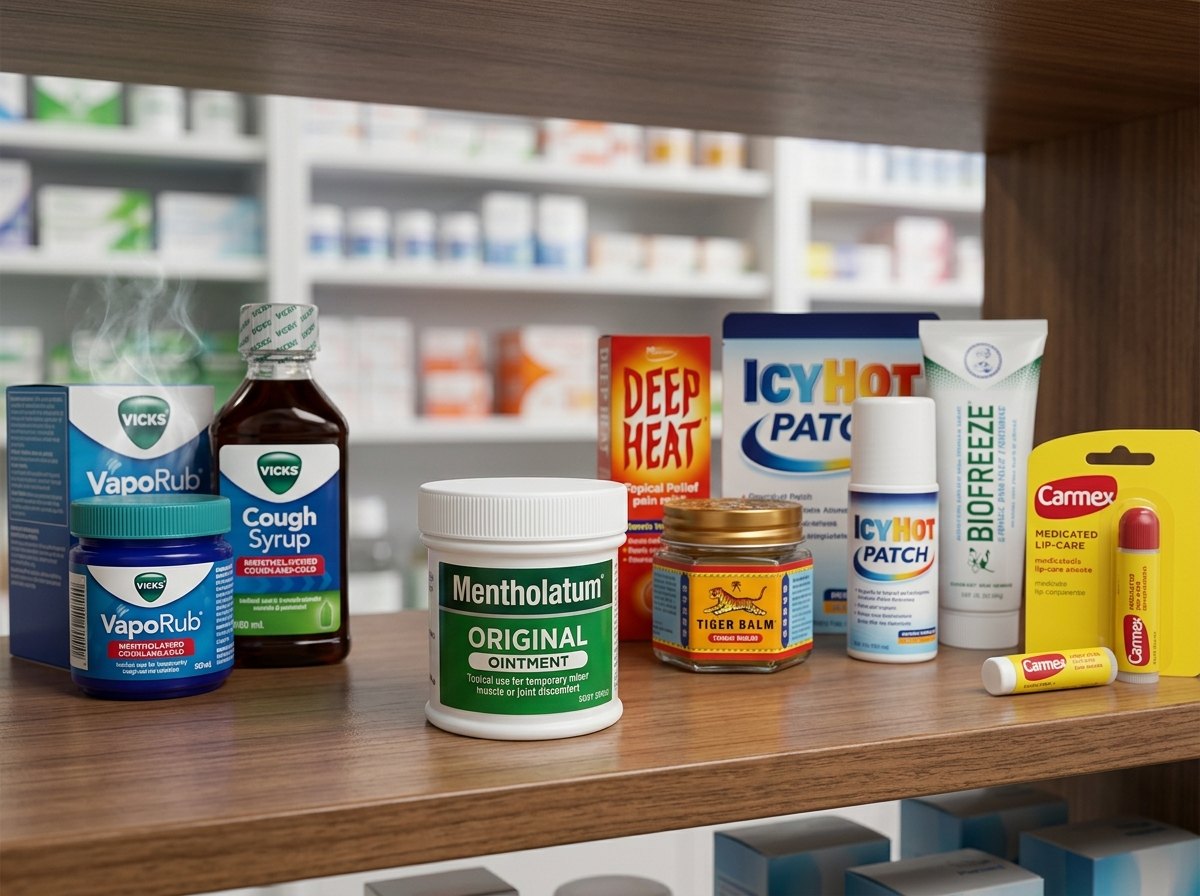
Mentholatum operates across several categories, so its competitors vary by product.
Vicks is one of the biggest competitors in the cough-and-cold category.
Vicks products compete directly for consumers looking for mentholated chest rubs and vapor-based relief.
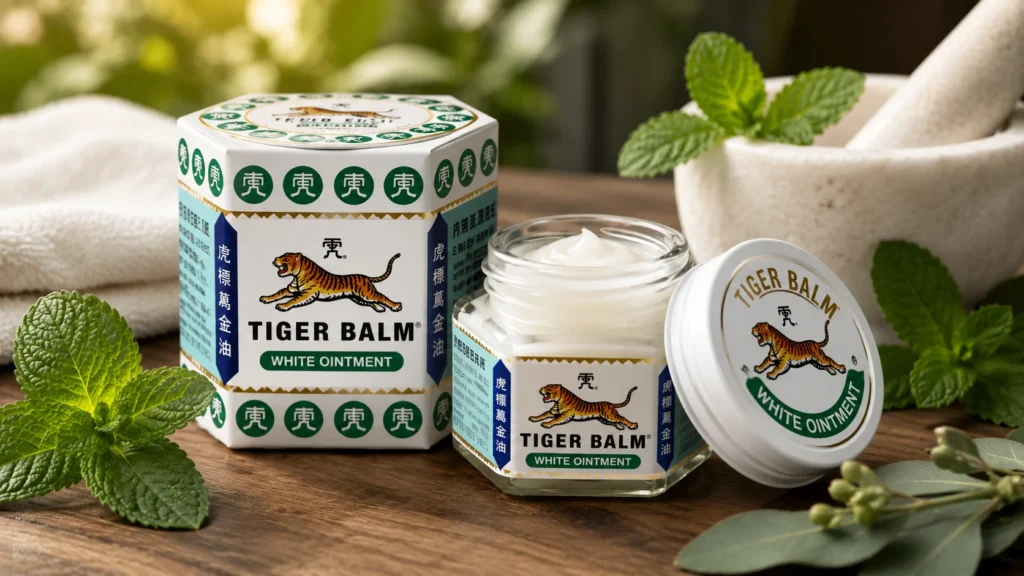
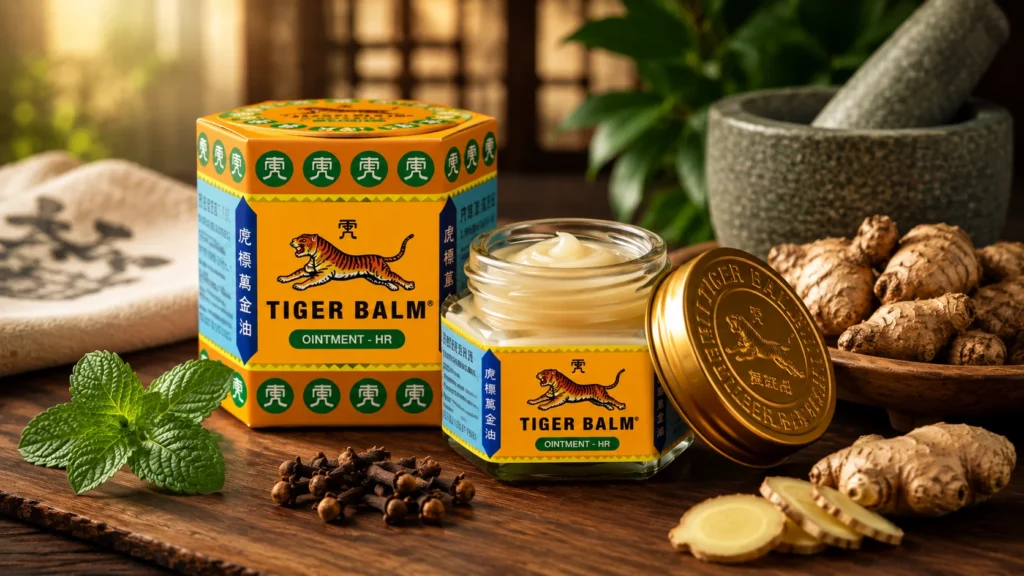
Tiger Balm is a major competitor in topical pain relief.
Both brands have deep historical roots and rely heavily on ingredients such as menthol and camphor.
The key difference is positioning.
Tiger Balm is strongly associated with Asian herbal medicine and topical muscle and joint relief, while Mentholatum has a broader family-health identity.
Icy Hot is a significant competitor in the U.S. topical pain-relief market.
Its hot-and-cold positioning overlaps with Mentholatum’s use of cooling and warming sensory ingredients.
Biofreeze competes particularly strongly in topical products containing menthol.
It is more narrowly associated with sports and muscle pain, while Mentholatum has a broader product portfolio.
Carmex is a competitor to Mentholatum in lip care.
This competition is particularly interesting because Mentholatum’s history includes medicated lip products, while Carmex has built an exceptionally strong identity around medicated lip balm.
In the UK, Mentholatum’s own Deep Heat brand competes with other topical muscle-relief products.
Deep Heat is actually part of the Mentholatum family, demonstrating how the company often competes through multiple brands rather than placing everything under the Mentholatum name.
This is where a lot of online articles become unreliable.
The Mentholatum Company does not publicly report a standalone global annual revenue figure.
The company is owned by publicly traded ROHTO Pharmaceutical, but Rohto does not publish a separate 2026 revenue number for the Mentholatum brand itself.
Therefore, it would be misleading to quote an estimated “Mentholatum revenue” as though it were audited company data.
Rohto’s official company profile reports 343.725 billion Japanese yen in consolidated sales for the fiscal year ended March 2026. Standalone sales were 140.843 billion yen.
But that is Rohto Pharmaceutical’s total revenue, not Mentholatum revenue.
Rohto’s consolidated business includes a much broader portfolio covering pharmaceuticals, cosmetics, eye care, skincare, functional foods and other businesses.
Mentholatum is only one component.
There are several reasons.
First, Mentholatum has multiple regional subsidiaries.
Second, the company sells many different brands.
Third, Rohto’s current financial reporting does not isolate the Mentholatum brand as a standalone global revenue line.
Fourth, Mentholatum products are manufactured and sold across different regions and legal entities.
So if a website gives you a precise figure such as “$500 million annual Mentholatum revenue,” ask where the number came from.
Unless it is supported by Rohto’s financial statements or company filings, it is likely an estimate.
Although Mentholatum-specific revenue is not disclosed, Rohto’s overall scale is substantial.
As of March 2026, Rohto reported:
The company is listed on the Tokyo Stock Exchange Prime Market.
This gives us a much clearer picture of the financial strength behind the Mentholatum brand.
It is no longer a small American ointment company.
It is part of a large multinational healthcare group.
Mentholatum’s biggest transformation has been its move from a single famous ointment to a global healthcare platform.
The original product still exists.
But around it, the company has built an extensive portfolio.
The current U.S. business offers products in areas including pain relief, cough and cold, lip care, first aid and skincare. The company also provides OEM manufacturing capabilities for other businesses.
Rohto has continued to expand its healthcare interests as well.
In 2024, Rohto acquired shares in Eu Yan Sang International, the Singapore-based herbal medicine company, strengthening its position in Asian traditional healthcare and wellness.
That broader strategy is relevant to Mentholatum because it shows that Rohto continues to see consumer healthcare, natural products and wellness as important parts of its long-term growth strategy.
Mentholatum is one of the oldest surviving consumer healthcare brands in the world.
Its history began in 1889, when Albert Alexander Hyde established the Yucca Company in Wichita, Kansas. After years of research and experimentation, Mentholatum Ointment was introduced in the 1890s. The Mentholatum trademark was registered in 1895, and the company formally adopted the name The Mentholatum Company in 1906.
The company expanded rapidly across the United States and eventually internationally. A Buffalo, New York operation was established in the early 1900s, while international production and distribution eventually reached markets across Asia and elsewhere.
The biggest change in the company’s modern history came in 1988, when Japan’s ROHTO Pharmaceutical acquired The Mentholatum Company. Rohto had already secured exclusive Mentholatum trademark rights in Japan in 1975.
Today, Mentholatum is a global healthcare business operating within the Rohto group.
Its products are marketed in more than 150 countries, while manufacturing takes place across multiple international locations. The company’s U.S. headquarters is in Orchard Park, New York, with a major manufacturing operation and nearby distribution infrastructure in Western New York.
The classic Mentholatum Original Ointment in the United States contains 9% camphor and 1.3% menthol as its active ingredients. Petrolatum, titanium dioxide and fragrance are listed as inactive ingredients.
The formula is designed for temporary relief of minor muscle and joint aches and pains, while the familiar mentholated vapors contribute to the product’s sensory experience.
It is important to remember that Mentholatum is a product family, not a single formula. The company’s vapor rubs, Deep Heat products, lip products and regional offerings use different ingredients and have different approved uses.
Marketing has also played a huge role in the company’s longevity.
Early advertising focused on the product’s many uses. Later campaigns introduced specialized products and targeted specific consumer groups. The 1999 Zi eye-drop campaign, for example, reportedly used a $3 million advertising budget and targeted younger, style-conscious consumers.
The company’s strength today comes from a combination of heritage, recognizable ingredients, sensory identity, product diversification, international manufacturing and Rohto’s global infrastructure.
Its major competitors include Vicks, Tiger Balm, Icy Hot, Biofreeze and Carmex, although each competes with Mentholatum in a different category.
As for revenue, the most important fact is that Mentholatum’s standalone global sales are not publicly disclosed.
Rohto Pharmaceutical, its parent company, reported ¥343.725 billion in consolidated sales for the fiscal year ended March 2026, but that figure represents the entire Rohto group and should not be presented as Mentholatum revenue.
That distinction is critical for anyone researching the company’s size.
After more than 135 years, Mentholatum’s real competitive advantage may be something that cannot easily be copied by a newer brand: trust built over generations.
The company has survived changes in medicine, advertising, retail and consumer behavior.
It began with one American pharmacist experimenting with menthol and petrolatum in the late 19th century.
Today, that same name sits within a multinational healthcare group serving consumers across more than 150 countries.
The jar may look old-fashioned.
The business behind it is anything but.