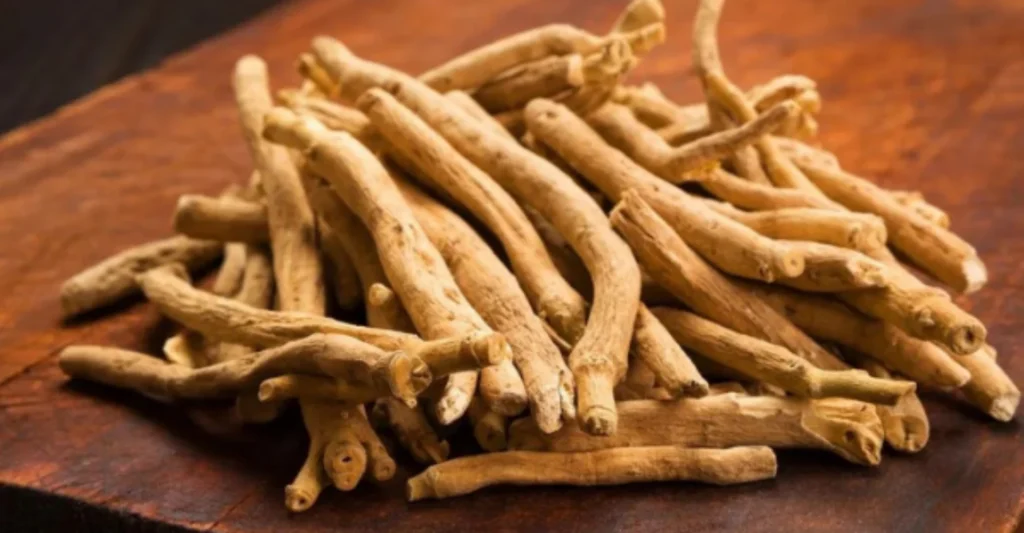
Yopo is a traditional psychoactive snuff made from the seeds of the Anadenanthera peregrina tree, a plant native to parts of northern South America and the Caribbean. It is also known by names such as cohoba, jopo, paricá, niopo, and parica, depending on the region and cultural tradition.

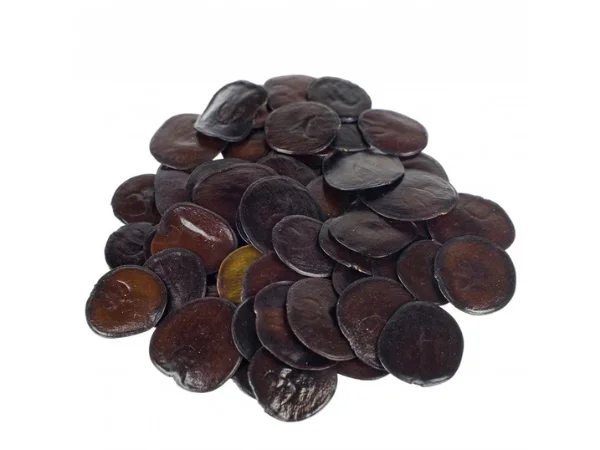
The history of yopo is much older than its scientific name.
Indigenous peoples in northern South America and the Caribbean were using preparations made from Anadenanthera seeds long before European scientists began studying the plant. The powdered seeds were traditionally used as a psychoactive snuff, often in ceremonial or shamanic contexts.
The practice was particularly associated with Indigenous peoples living around the Orinoco Basin, including communities in what are now Venezuela and Colombia. Traditional accounts describe yopo being used for spiritual purposes, healing, divination and communication with supernatural or ancestral realms.
One of the earliest detailed European descriptions came from the German naturalist Alexander von Humboldt, who documented yopo use during his travels in South America around the beginning of the 19th century.
Historical sources indicate that Humboldt described the use of a psychoactive snuff among Indigenous people of the Orinoco region and associated it with the plant then known by names including Acacia niopo. The plant’s taxonomy has changed considerably since then, and it is now known as Anadenanthera peregrina.
European observers also encountered a related preparation called cohoba in the Caribbean.
Christopher Columbus-era accounts describe Indigenous Caribbean people using a powerful snuff during religious ceremonies. Modern scholarship connects these preparations with Anadenanthera peregrina, although historical terminology and botanical identification were not always precise.
The chemistry became much clearer during the 20th century.
Researchers eventually identified bufotenine, a serotonin-related tryptamine, as a major constituent of Anadenanthera seeds. Later analyses also detected DMT and 5-MeO-DMT in some samples.
This discovery changed the scientific understanding of yopo.
Instead of viewing the snuff simply as an unusual Indigenous intoxicant, researchers could begin investigating its pharmacology and asking an important question:
How can a plant seed produce such a powerful alteration in consciousness?
The answer appears to involve the interaction between these tryptamine compounds and the human serotonin system.
Traditional yopo use should not be separated from its cultural setting.
For some Indigenous communities, yopo is not simply a recreational psychedelic. It has traditionally been connected with cosmology, healing, social roles and relationships between humans and the spiritual world.
Anthropological research among communities such as the Piaroa and Cuiva has documented yopo’s role in ritual and social life.
That history is important because modern Western discussions sometimes reduce yopo to “DMT snuff.” That description focuses on chemistry while overlooking the cultural knowledge surrounding the plant.
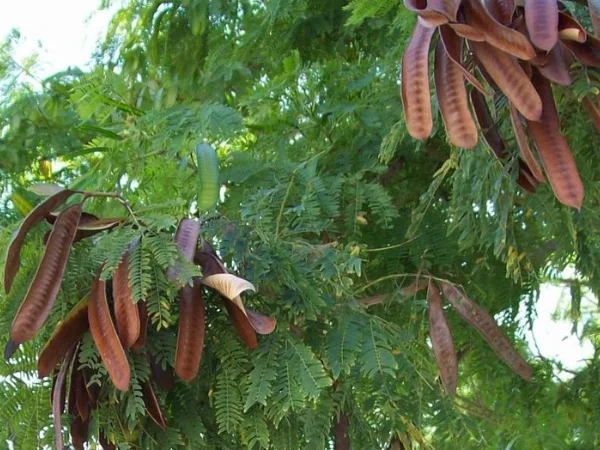
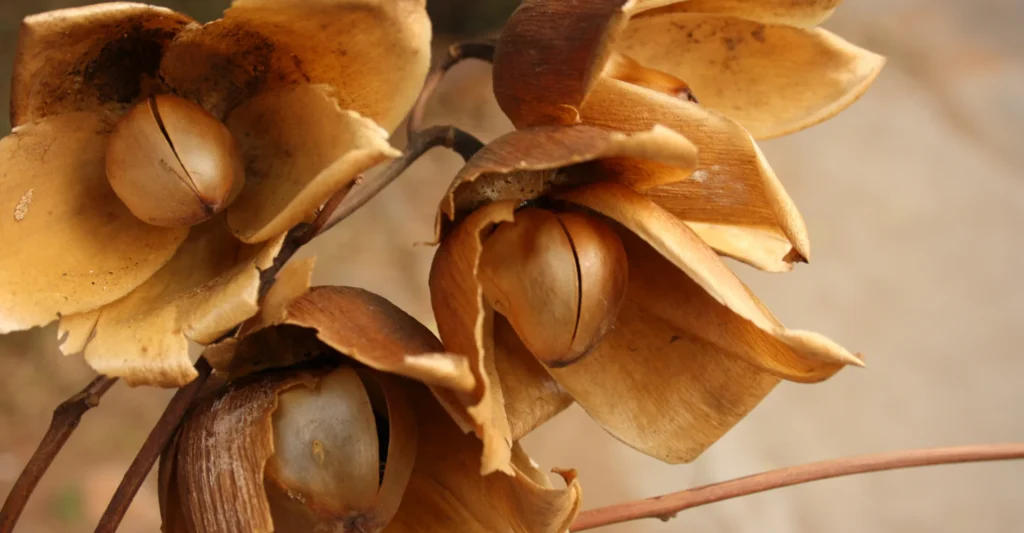
The tree associated with yopo is Anadenanthera peregrina, a member of the legume family.
It is native to parts of:
Modern botanical references describe A. peregrina as a tree associated with tropical and subtropical environments.
The species has a much wider historical footprint than its current botanical distribution might suggest. Archaeological findings indicate that Anadenanthera products were transported and used far beyond the plant’s immediate growing range.
The name “yopo” generally refers to a psychoactive snuff associated with Anadenanthera peregrina, particularly in northern South America.
The seeds are the part most closely associated with the traditional preparation. Historical and archaeological evidence indicates that the seeds were processed into powders and inhaled using specialized snuffing equipment.
Related species, especially Anadenanthera colubrina, have been used to produce similar psychoactive preparations known by names such as vilca, cebil or huilca in other parts of South America.
This distinction is important for SEO content because “yopo,” “vilca” and “cebil” are sometimes treated as interchangeable terms. They refer to closely related but not necessarily identical botanical and cultural traditions.

The science behind yopo is particularly interesting because its effects involve a mixture of psychoactive tryptamines.
The best-known compound is bufotenine, chemically known as 5-hydroxy-N,N-dimethyltryptamine or 5-OH-DMT.
Other compounds reported in Anadenanthera include:
However, their relative concentrations can vary between plant material and samples.
Bufotenine is structurally related to serotonin, a neurotransmitter involved in mood, perception, sleep, appetite and many other functions.
This structural similarity matters because psychedelic tryptamines can interact with serotonin receptors.
Research indicates that bufotenine has affinity for 5-HT2A receptors, one of the receptors strongly associated with psychedelic effects.
When serotonergic signaling is altered, the brain’s normal processing of sensory information and internal thought can change.
That can result in:
This is where the chemistry becomes more complicated.
Yopo is not simply a natural form of pure DMT.
Its psychoactive profile is influenced by multiple compounds, particularly bufotenine. Some samples contain DMT and 5-MeO-DMT as well, but the concentrations are variable.
Researchers have therefore cautioned against assuming that every yopo experience is pharmacologically identical.
The preparation, plant material, individual biology and route of administration can all influence the resulting experience.

The brain effects of yopo are largely connected to its tryptamine chemistry and the serotonin system.
Bufotenine can interact with serotonin receptors, including 5-HT2A. Activation of these receptors is associated with changes in sensory processing and cortical signaling.
This can make ordinary sensory information feel unusually intense or unfamiliar.
During a psychedelic state, the brain’s normal filtering of information can change.
Sounds may seem unusually important. Visual patterns can become more prominent. Internal thoughts can feel separate from ordinary reality.
Some people describe visionary experiences involving:
These descriptions are subjective rather than proof that the perceived entities or environments exist independently of the brain.
Another common feature reported across psychedelic experiences is a temporary alteration in the ordinary sense of self.
A person may feel detached from their usual identity or experience a strong feeling of connection with the surrounding world.
Scientists are still working to understand exactly how different psychedelics produce these changes.
Research involving other serotonergic psychedelics suggests that altered communication between brain networks may contribute to these experiences, but direct modern neuroimaging research specifically examining yopo is much more limited.
That distinction is important.
We know considerably more about the neuroscience of psilocybin and DMT than we do about yopo as a complete botanical preparation.
No.
Yopo is a plant preparation associated with Anadenanthera peregrina.
DMT is a specific chemical compound.
Yopo can contain DMT, but bufotenine is often reported as a major constituent, and other tryptamines can also be present.
Calling yopo simply “DMT” therefore oversimplifies its chemistry.

Yopo can have pronounced physical effects.
In fact, one of the defining characteristics of traditional yopo experiences is that the physical reaction can be much more intense than people unfamiliar with the tradition might expect.
Potential effects can include:
The route of administration matters because traditional yopo is generally associated with intranasal exposure, which produces rapid absorption through the nasal mucosa.
Historical pharmacological research on bufotenine has documented markedly different effects depending on the route by which the compound enters the body.
The answer is not completely settled.
Part of the reaction may result from the pharmacology of bufotenine and other tryptamines. Part may result from the physical irritation of a concentrated plant powder entering the nasal passages.
The autonomic nervous system may also contribute to changes in heart rate, blood pressure, sweating and gastrointestinal activity.
This is one reason yopo should not be viewed simply as a spiritual or psychological experience.
It is also a pharmacologically active substance that can produce significant physical stress.

The potential positive effects of yopo need to be discussed carefully.
Unlike psilocybin, yopo has not been studied in large modern clinical trials for depression, PTSD or addiction. There is therefore much less evidence supporting medical claims about yopo itself.
Most of the historical evidence concerns traditional spiritual, healing and ceremonial use, rather than modern clinical medicine.
Within traditional settings, yopo has been used to facilitate altered states of consciousness associated with healing, divination, spiritual communication and ritual practice.
For people participating within those traditions, the experience can have cultural and spiritual meaning.
People who experience psychedelic states sometimes report profound introspection.
Yopo may produce changes in perception and consciousness that encourage people to reflect on personal issues, relationships or existential questions.
However, these are subjective effects.
There is currently insufficient evidence to say that yopo is an established treatment for depression, anxiety, trauma or addiction.
Bufotenine itself remains scientifically interesting because it interacts with the serotonin system.
Researchers have investigated its receptor activity and possible relationship with other serotonergic psychedelics.
There is also emerging research examining endogenous bufotenine in humans, but scientists have not established it as a reliable biomarker for psychiatric conditions. A recent systematic review concluded that evidence remains too inconsistent to make that claim.
So while the chemistry is fascinating, yopo should not currently be marketed as a proven mental health treatment.

The risks of yopo deserve as much attention as its psychedelic effects.
Because the experience can be rapid and intense, an inexperienced person may become frightened or disoriented.
Potential negative effects include:
Psychoactive tryptamines can affect the cardiovascular system.
Because yopo contains multiple active compounds and the exact chemical composition varies, it is difficult to predict precisely how a particular preparation will affect an individual.
People with cardiovascular disease or other significant medical conditions may face additional risks.
Strong psychedelic experiences can be psychologically destabilizing.
People with a personal or family history of psychotic disorders or certain severe psychiatric conditions should be especially cautious about psychedelic substances.
There is not enough clinical evidence to define a universally safe population for yopo.
Combining psychedelic substances with other psychoactive drugs can increase uncertainty and risk.
This is particularly important when serotonergic drugs, stimulants or medications affecting monoamine metabolism are involved.
Some traditional preparations may also involve other plants, including Banisteriopsis caapi, which contains beta-carbolines that inhibit monoamine oxidase. Historical and ethnographic literature documents such combinations in some Indigenous contexts.
Because these combinations can substantially change pharmacology, they should not be treated as interchangeable with yopo alone.
The legal status of yopo can vary by jurisdiction because different countries regulate plant material and individual compounds differently.
In the United States, the legal picture can be complicated because DMT is federally controlled, while the legal treatment of plant material and preparations can depend on the exact circumstances and jurisdiction.
Anyone considering yopo should check current federal, state and local law rather than assuming that a plant is legal simply because it grows naturally.

Yopo is much less mainstream than psilocybin mushrooms, LSD or ayahuasca, so there are fewer celebrities with well-documented personal experiences.
One of the best-known public figures associated with discussions of yopo is Terence McKenna, the American ethnobotanist and psychedelic writer.
McKenna discussed yopo and related South American snuffs extensively in lectures and writings about psychedelics.
He and his brother Dennis McKenna traveled through South America and became interested in traditional psychoactive plant preparations, including yopo. In one recorded lecture, Terence McKenna describes yopo use among Indigenous groups and discusses its intense physical and visionary effects.
His public discussions helped introduce yopo to Western psychedelic audiences.
Joe Rogan has also talked about yopo in the context of DMT and Indigenous psychedelic traditions.
In a podcast conversation with pharmacologist Andrew Gallimore, Rogan mentioned that he knew of yopo through Terence McKenna. The discussion focused on Indigenous accounts of visionary beings and the relationship between yopo and DMT-containing plant preparations.
This is worth distinguishing from personal consumption: there is reliable evidence that Rogan has discussed yopo, but that does not establish that he has personally consumed it.
Colombian actor Andrés Parra, known internationally for his portrayal of Pablo Escobar in El Patrón del Mal, has publicly discussed consuming yopo.
In a 2024 interview, Parra described his experiences with yopo as psychedelic and connected them with personal exploration and self-discovery.
His comments are a personal account, not clinical evidence about yopo’s effectiveness or safety.
Yopo is one of the world’s oldest documented psychedelic plant traditions, yet it remains relatively unfamiliar to the general public.
Associated primarily with the seeds of Anadenanthera peregrina, yopo has been used by Indigenous communities across parts of northern South America and the Caribbean for spiritual, ceremonial and healing purposes. Archaeological evidence suggests that Anadenanthera preparations were being used hundreds or even thousands of years ago, long before modern scientists identified their active chemistry.
The science behind yopo is particularly fascinating.
Its seeds contain bufotenine, a serotonin-related tryptamine, along with variable amounts of DMT and 5-MeO-DMT. These compounds can interact with serotonin receptors and alter the way the brain processes sensory information, emotion and perception.
That chemistry helps explain why yopo can produce powerful visionary experiences.
But the experience is not purely psychological. Yopo can also produce intense physical reactions, including nausea, vomiting, changes in heart rate and blood pressure, dizziness and other uncomfortable effects.
Perhaps the biggest mistake in discussing yopo is to frame it simply as another “natural psychedelic.”
Yopo is a culturally significant traditional medicine and a pharmacologically active plant preparation.
Its history belongs first to the Indigenous cultures that developed and preserved its use. Its chemistry belongs to modern pharmacology. And its future may depend on researchers learning more about bufotenine and other Anadenanthera compounds without stripping the plant from the cultural traditions in which it has long existed.
Modern psychedelic science has generated enormous interest in substances such as psilocybin and DMT. Yopo offers another perspective: a centuries-old relationship between humans, plants, altered states of consciousness and spiritual practice.
The evidence so far makes yopo scientifically fascinating, culturally important and worthy of careful study. But it does not justify presenting yopo as a proven cure for depression, trauma, addiction or other medical conditions.
For now, the most accurate description is also the simplest: yopo is an ancient South American psychedelic snuff with complex tryptamine chemistry, powerful effects on consciousness, significant physical effects and a history deeply connected to Indigenous spiritual traditions.
Yopo is a traditional psychedelic snuff associated primarily with the seeds of Anadenanthera peregrina, a tree native to parts of South America and the Caribbean. It contains psychoactive tryptamines, particularly bufotenine, and sometimes DMT and 5-MeO-DMT.
No. Yopo is a plant preparation, while DMT is a chemical compound. Yopo can contain DMT, but its chemistry also includes other tryptamines, especially bufotenine.
Bufotenine is generally considered one of the principal psychoactive compounds in Anadenanthera peregrina seeds. DMT and 5-MeO-DMT have also been reported, although concentrations can vary significantly between samples.
Yopo’s tryptamines interact with serotonin receptors, including 5-HT2A receptors. This can temporarily alter perception, sensory processing, emotions and the sense of self. Direct neuroscience research specifically on yopo is more limited than research on psilocybin or pure DMT.
Yes. Yopo can produce significant psychedelic or hallucinogenic effects. Traditional accounts describe visionary experiences, while modern pharmacological research has established psychoactive activity associated with its tryptamine compounds.
The duration can vary substantially depending on the preparation, chemical composition, individual metabolism and route of exposure. Traditional intranasal use is associated with a relatively rapid onset, but the intensity and duration are not predictable enough to give every yopo preparation a single reliable timeline.
There is not strong evidence that yopo produces physical dependence in the same way as substances such as opioids or nicotine. However, that does not make it risk-free. Repeated psychedelic use can have psychological and behavioral consequences, and research specifically examining yopo dependence remains limited.
There is currently not enough high-quality clinical evidence to describe yopo as an established treatment for depression or anxiety.
Research into psychedelic medicine is much further advanced for compounds such as psilocybin than for yopo itself.
Yopo can produce intense physical and psychological effects and should not be considered automatically safe because it is plant-derived.
Possible adverse effects include nausea, vomiting, cardiovascular changes, anxiety, confusion and psychological distress.
No.
Ayahuasca is generally a brewed preparation involving plants with different chemical roles, while yopo is traditionally associated with a psychoactive snuff made from Anadenanthera peregrina seeds.
Some Indigenous traditions have combined yopo-related preparations with other plants, but the two should not be treated as identical substances.