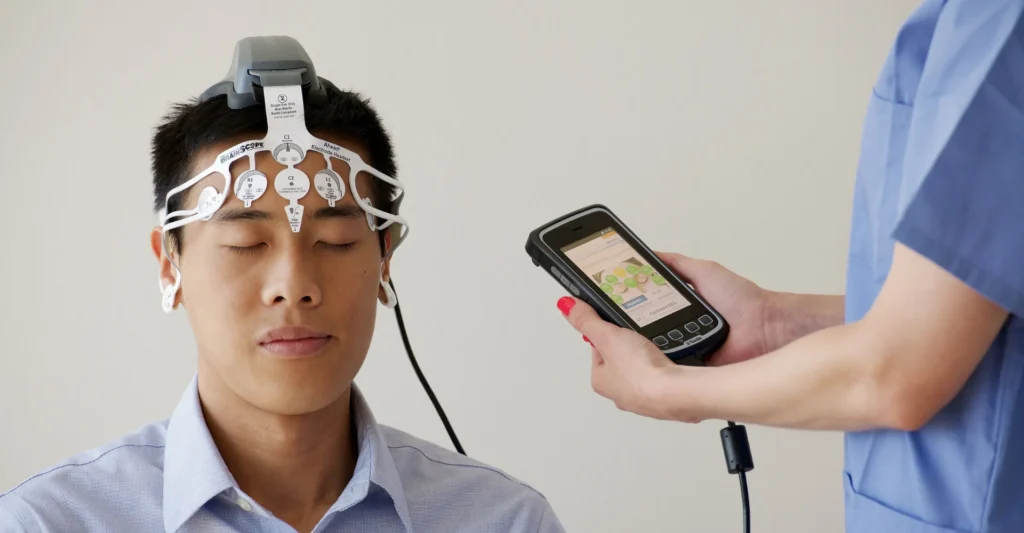
The human brain can remember a conversation from childhood, recognize a face in a crowd within milliseconds, imagine a future that has never happened and solve a problem while apparently doing something else.
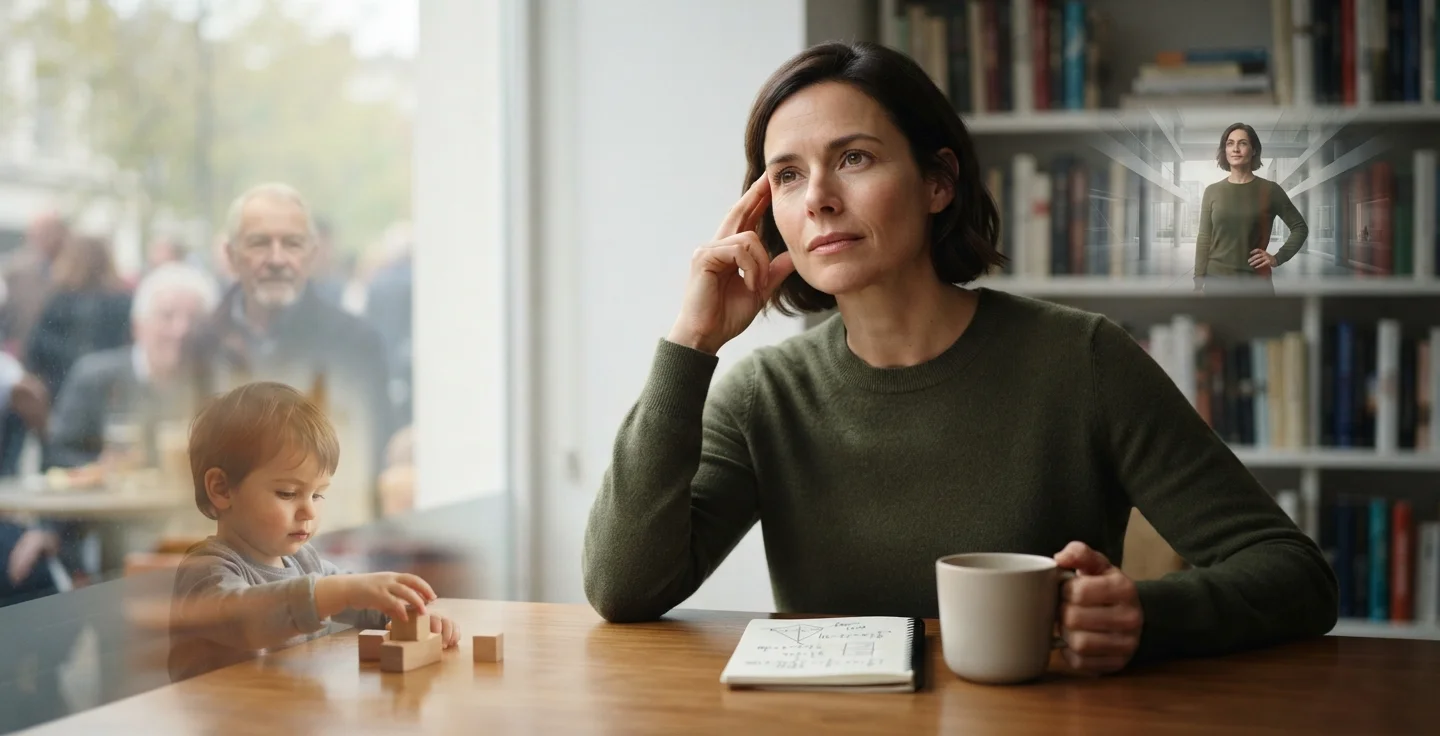
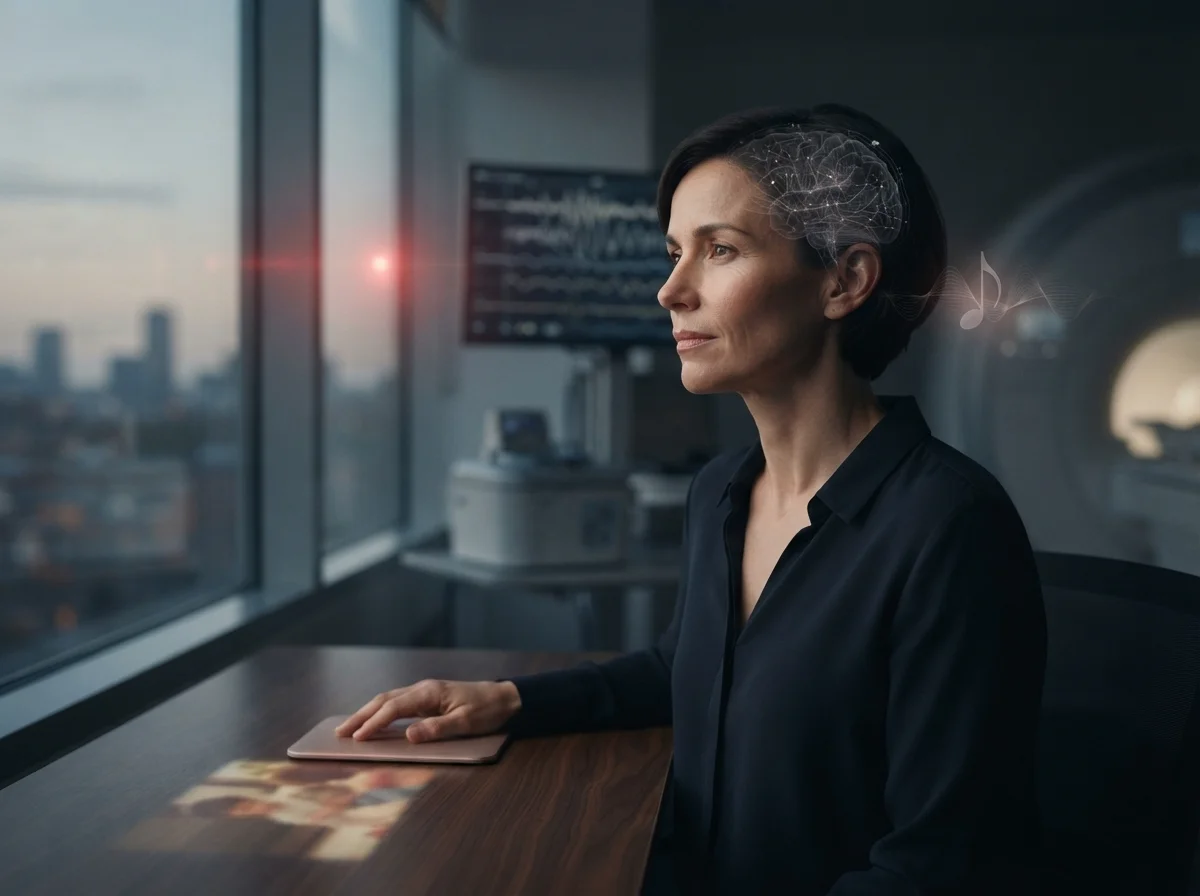
Perhaps the biggest mystery in cognitive science is also the most personal one:
Why does processing information feel like something?
The brain processes light, sound, touch, temperature, language and internal signals. Neuroscientists can measure electrical and chemical activity associated with many of these processes.
But knowing which neurons are active does not automatically explain why seeing red feels different from hearing music, or why pain has a subjective quality.
This is commonly described as the hard problem of consciousness.
Scientists have proposed several competing explanations.
Global Neuronal Workspace theories suggest that information becomes conscious when it becomes globally available to multiple brain systems. Integrated Information Theory approaches the problem differently, emphasizing the integration of information within a system. Other approaches focus on recurrent processing, higher-order representations or predictive processing.
The important point is that these are not merely philosophical arguments. Researchers are increasingly designing experiments specifically to distinguish between competing theories.
A landmark Nature study published in 2025 compared predictions from Global Neuronal Workspace Theory and Integrated Information Theory in an adversarial collaboration involving multiple research groups. The researchers found evidence relevant to both frameworks but also challenges for important predictions of each.
The debate continued into 2026. A major review published in Neuroscience & Biobehavioral Reviews compared Integrated Information Theory, Neurorepresentationalism and Active Inference and emphasized the need for stronger empirical tests between theories.
Another 2026 paper proposed that perception, memory, simulation and consciousness may be more closely intertwined than traditional models suggest, describing conscious perception as an editable estimate constructed from previous experience and ongoing processing.
We can increasingly identify the neural processes associated with conscious states.
What remains difficult is explaining why those processes should produce a first-person experience at all.
A brain can process information.
The deeper question is why processing becomes experience.
That remains one of neuroscience’s defining unanswered questions.
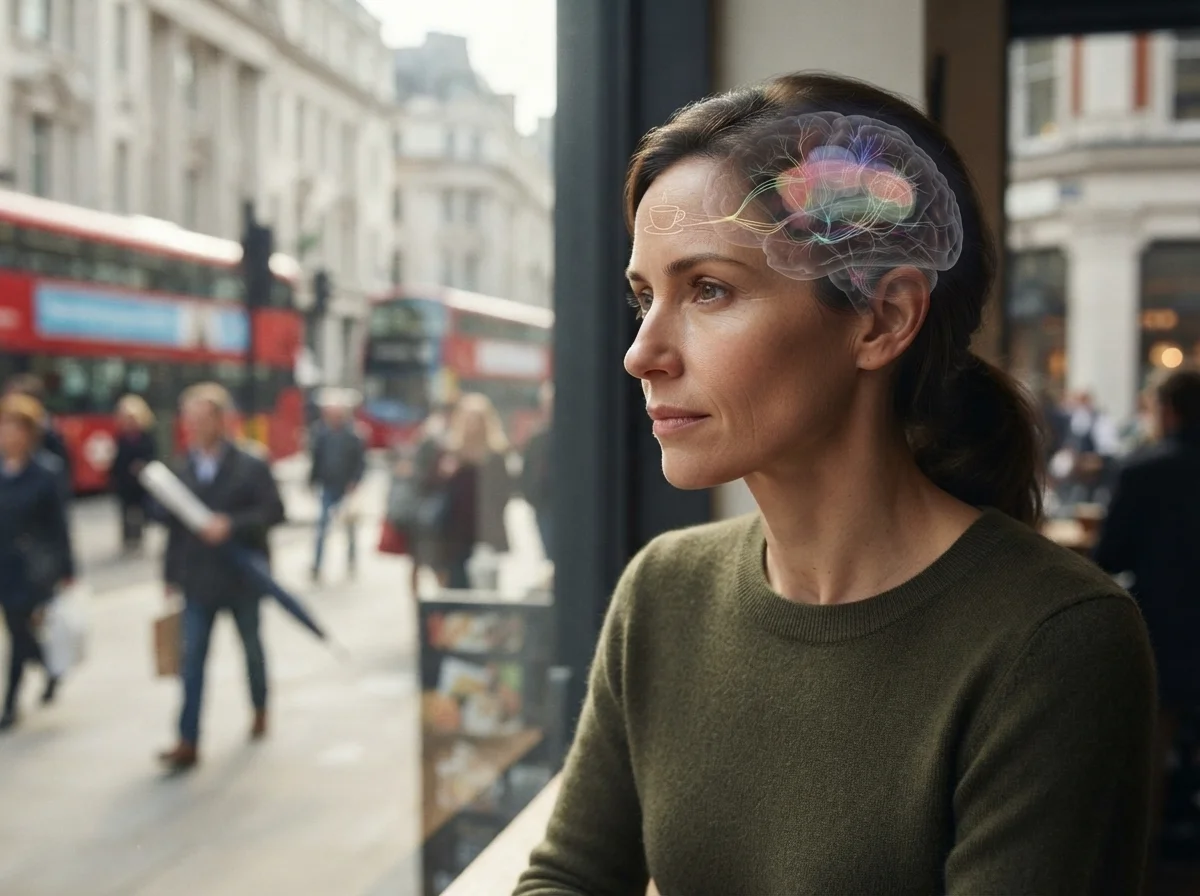
People often imagine perception as a camera.
The eyes capture the outside world, information travels into the brain and the brain produces a picture.
That description is useful, but incomplete.
Human perception is heavily influenced by context, expectations, previous experience and attention. The brain does not have access to reality in some direct, unfiltered form. It receives sensory signals and has to interpret them.
The result is a perceptual model.
The implications are surprisingly large.
Two people can witness the same event and genuinely experience different aspects of it. Expectations can influence what people notice. Context can change interpretation. Attention can determine which pieces of information receive greater processing priority.
The American Psychological Association highlighted this in a 2026 feature on sensory processing, noting that perception is sophisticated but vulnerable to errors and that pre-existing beliefs can influence what people attend to and how they interpret the same scene.
This does not mean that reality is imaginary.
It means that perception is an active biological process.
One influential idea in neuroscience is predictive processing.
Under predictive-processing models, the brain continually generates expectations about incoming information and compares those expectations with sensory signals.
When something does not match the prediction, the discrepancy can help update the brain’s internal model.
The framework has become highly influential, but researchers are still debating precisely how prediction-error signals work and how broadly predictive processing should be applied.
A 2026 review in Annual Review of Neuroscience specifically argues that predictive processing needs to be reconsidered because similar neural signals may reflect different underlying computations.
That is an important scientific qualification.
Predictive processing is not a settled explanation for everything the brain does.
It is a powerful framework whose exact neural implementation remains under investigation.
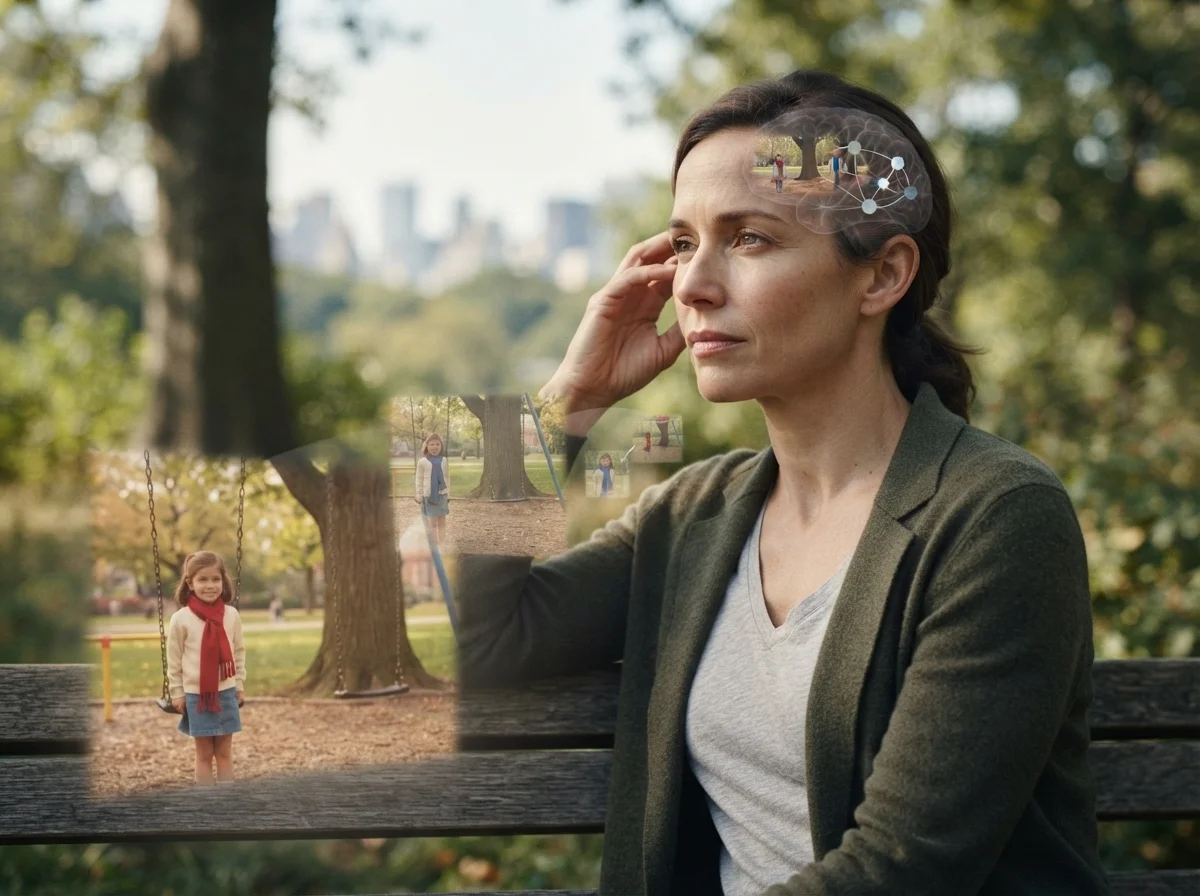
One of the strangest facts about cognition is that remembering is not the same thing as replaying.
People often experience memories as though they are stored recordings.
But memory is reconstructive.
When you remember an event, the brain does not simply open a file containing an exact copy of the past. Multiple processes contribute to retrieval, including stored information, context, expectations and information encountered after the original event.
This is one reason false memories are possible.
A person can remember details with extraordinary confidence even when those details are inaccurate.
Research on false memory has shown that errors can emerge during encoding, consolidation and retrieval.
The phenomenon becomes even more interesting when researchers examine memory reconsolidation.
When an established memory is retrieved, it may temporarily become susceptible to modification before being stabilized again.
The idea is supported by a substantial body of experimental research, although the exact conditions required for reconsolidation in humans remain debated.
A critical review of human memory reconsolidation found evidence consistent with the phenomenon across several forms of memory but also emphasized inconsistent findings and alternative explanations.
A later review likewise noted that memory-reactivation studies have produced both promising findings and replication problems.
Memory needs to be stable enough for us to maintain a sense of continuity.
But it also needs to be flexible enough to incorporate new information.
That creates a fundamental tension:
A useful memory cannot be completely fixed.
The same flexibility that allows the brain to update knowledge may also contribute to memory distortion.
Recent primate research published in Nature Neuroscience in 2026 found evidence that memory-related neural activity patterns can reorganize with experience, while older memory representations showed greater stability and stronger sleep-related reactivation.
Scientists are learning more about the mechanisms.
But exactly how the brain preserves the useful structure of a memory while allowing it to change remains an active research problem.
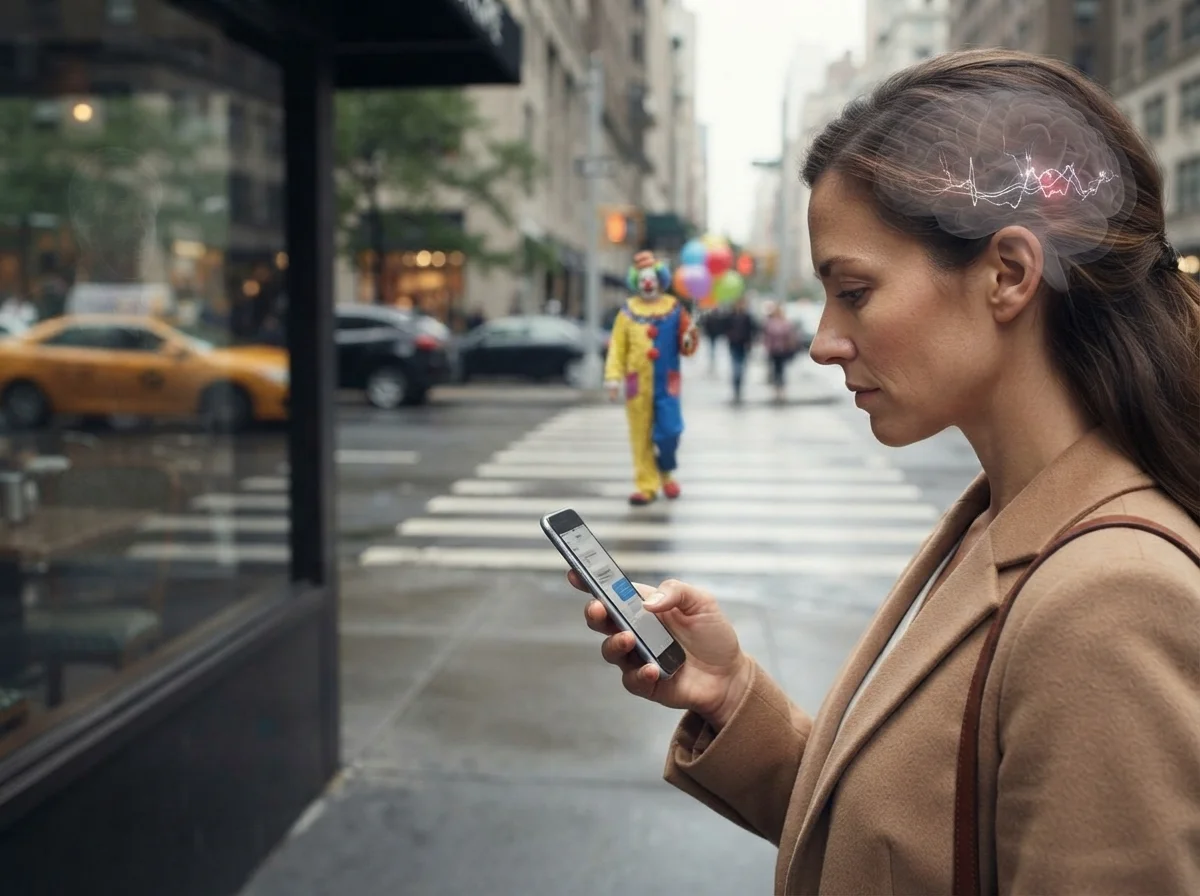
Human vision feels continuous.
We normally assume that if something is large, obvious and physically visible, we will notice it.
That assumption is wrong.
Two related phenomena demonstrate this:
Change blindness occurs when people fail to notice a significant change in a visual scene.
Inattentional blindness occurs when people fail to notice an unexpected object or event because attention is directed elsewhere.
These effects are not simply failures of eyesight.
The information can reach the visual system without becoming part of conscious awareness.
Research on change blindness has shown that people can miss substantial changes to objects and scenes when the visual transition does not attract attention in the appropriate way.
This tells us something fundamental about perception.
The brain does not maintain a perfectly detailed internal copy of everything surrounding us.
Instead, attention selects information according to current goals and circumstances.
That is computationally sensible.
There is no obvious evolutionary advantage to representing every leaf, brick, face, sound and movement around us at maximum resolution.
The brain has limited processing resources.
So it prioritizes.
The strange part is not that we miss small details.
It is that we can be confident that we are seeing everything important while actually missing something obvious.
This has implications beyond laboratory experiments.
Driving, aviation, medicine, security screening and eyewitness testimony can all depend on what a person actually noticed rather than what was physically present.
The APA’s 2026 review of sensory processing similarly emphasizes that perception can be sophisticated while still being vulnerable to attentional limitations.
Our visual experience feels complete.
The evidence suggests that it is highly selective.
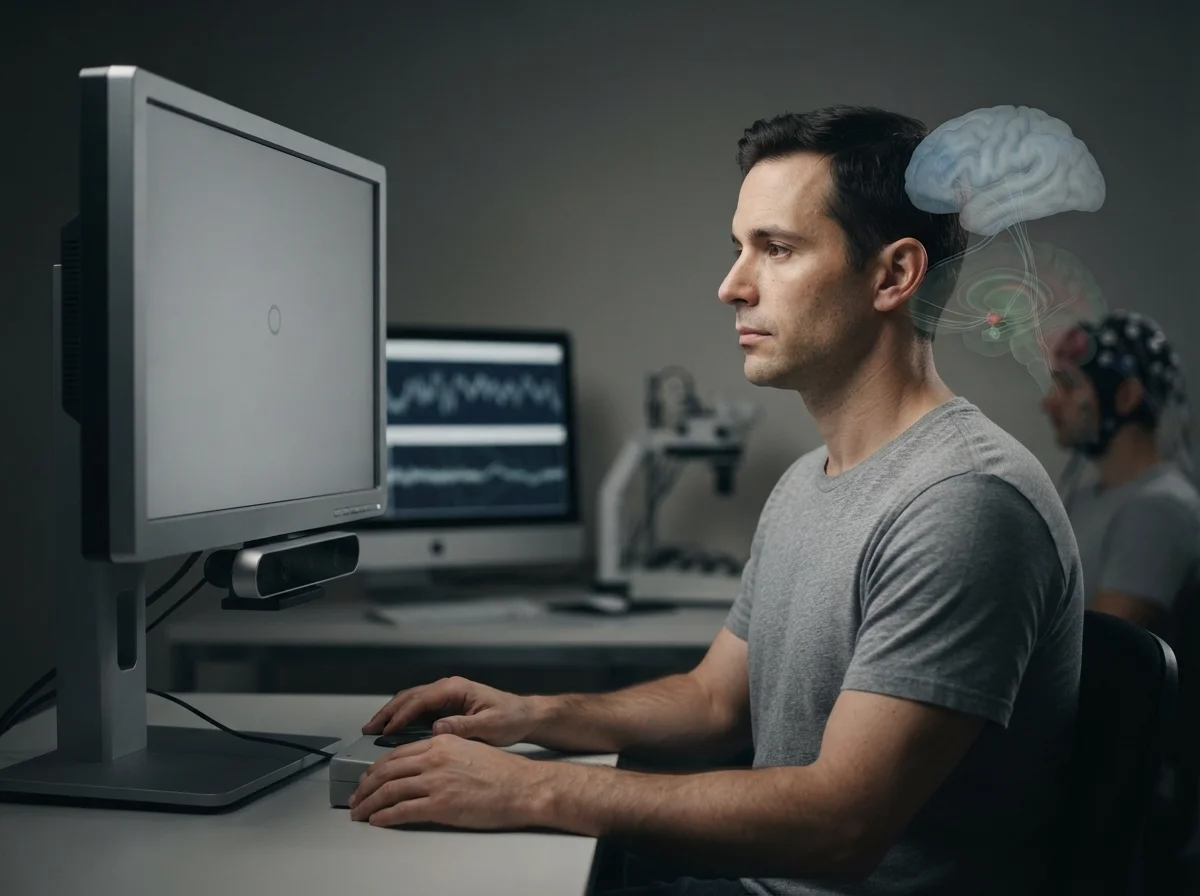
Conscious thought feels like the command center of the mind.
But cognition does not stop when conscious awareness is absent.
One of the clearest examples is blindsight.
Some people with damage to the primary visual cortex report being unable to see objects in part of their visual field. Yet under certain experimental conditions, they can sometimes detect or discriminate visual information better than chance.
In other words, the brain can retain some capacity to process visual information even when the person reports no normal visual experience.
Researchers use blindsight to investigate the relationship between perception and consciousness.
However, the phenomenon is more complicated than the popular description suggests.
Some researchers have argued that blindsight may involve degraded or partial awareness rather than a completely unconscious form of vision. Reviews have also highlighted methodological disagreements about exactly what patients experience.
That qualification is important.
The scientific lesson is not simply:
“The unconscious mind can see everything.”
It cannot.
The more defensible conclusion is that information processing and conscious experience can dissociate under some circumstances.
This distinction has broader implications.
The brain contains many processes that influence behavior without entering conscious awareness in the same form as deliberate thought.
The mystery is determining exactly how far that unconscious processing extends—and where the boundary between unconscious processing and conscious experience actually lies.
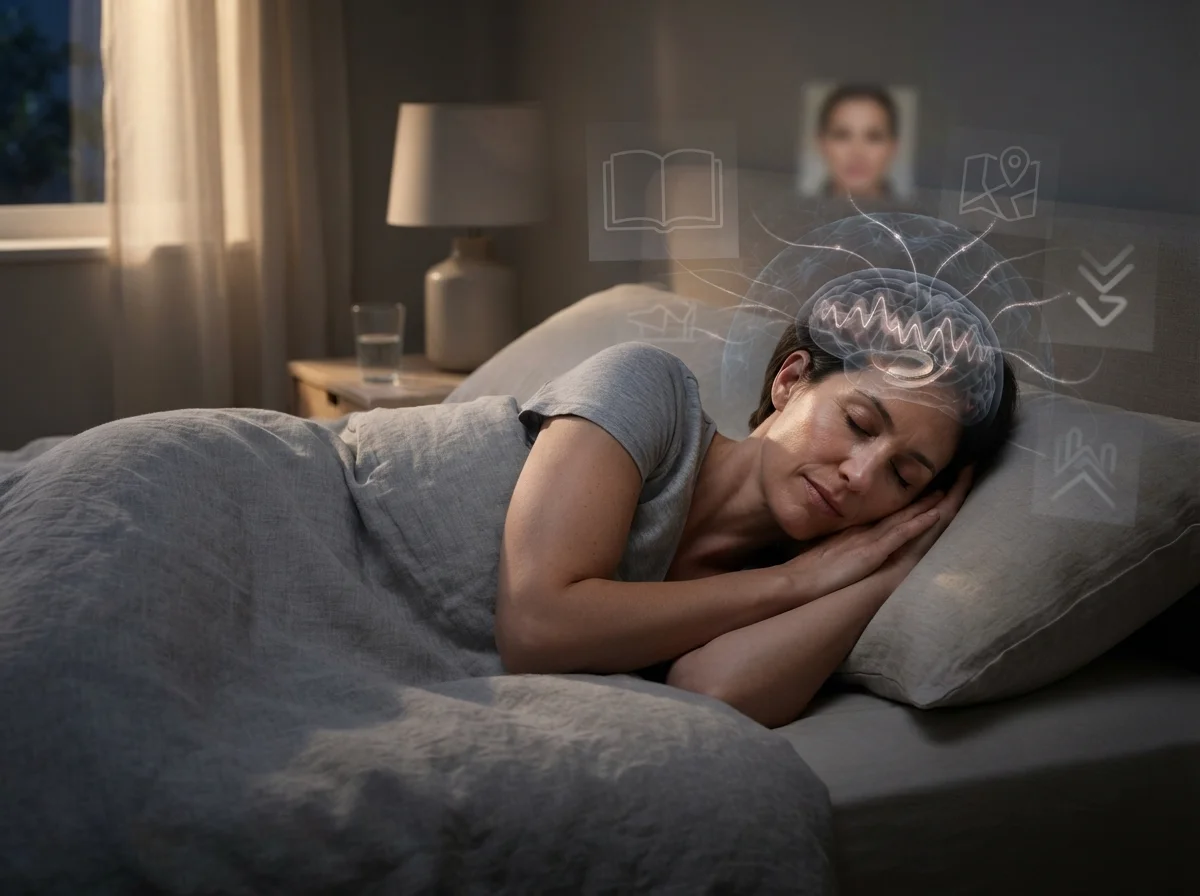
Sleep looks like inactivity.
From the perspective of cognition, however, the sleeping brain can be extremely busy.
One of the most established findings in cognitive neuroscience is that sleep contributes to memory consolidation.
When people learn information while awake, later sleep can influence how that information is stabilized and integrated.
A 2025 review published in BMB Reports described memory consolidation during sleep as involving coordinated neural oscillations, neuromodulators and synaptic remodeling.
A comprehensive review published in Physiological Reviews in 2026 similarly concluded that evidence supports an active role for sleep in long-term memory formation.
Another 2026 review examined how sleep consolidation may interact with subsequent learning.
The intriguing part is that researchers still do not completely understand the precise relationship between:
Sleep appears to be more than a simple storage period.
It may be a period during which the brain reorganizes information.
Why should sleep be necessary for such complex cognitive processing?
Evolutionarily, sleep is expensive.
A sleeping animal is less able to respond to its environment.
Yet nearly every complex animal studied needs some form of sleep.
That suggests the cognitive benefits of sleep are sufficiently important to outweigh the vulnerability it creates.
Memory consolidation may be one major reason.
But scientists are still working out the complete computational purpose of sleep.

Imagine walking into your kitchen.
You do not consciously calculate the probability that the floor will remain underneath your feet.
You do not analyze whether the refrigerator will suddenly disappear.
You simply act.
The brain makes enormous numbers of predictions automatically.
Prediction helps reduce the computational burden of dealing with a complex environment.
Instead of treating every moment as completely new, the brain uses previous experience to anticipate what is likely to happen.
This idea has become central to modern cognitive neuroscience.
But it also creates a scientific problem.
If the brain is constantly predicting, how exactly are predictions represented?
Which neural signals correspond to genuine prediction errors?
How does the brain determine which errors matter?
And how does it avoid becoming trapped by its own expectations?
A 2026 Annual Review of Neuroscience article examining predictive processing highlighted precisely this problem: neural signals interpreted as prediction errors may not necessarily represent a single underlying computation.
This matters because predictive processing is sometimes presented online as though neuroscience has already proved that the brain is essentially a prediction machine.
The scientific picture is more nuanced.
Prediction is clearly important.
But the precise algorithms used by biological neural circuits remain unresolved.
Attention and consciousness often appear to be the same thing.
You focus on a book.
You become aware of its words.
You look at a face.
You experience seeing the face.
But cognitive experiments demonstrate that attention and consciousness can sometimes come apart.
A person may attend to something without having a rich conscious experience of it.
Conversely, certain information can influence cognition without becoming the main focus of attention.
This has produced decades of debate about whether attention is necessary for consciousness, whether consciousness can occur without attention, and whether the two processes are different components of a larger system.
The distinction is important because attention is essentially about selection.
Consciousness concerns subjective experience.
Those are not necessarily identical functions.
The scientific literature continues to debate their relationship, including differences between Global Neuronal Workspace, recurrent-processing and other approaches.
Research also suggests that consciousness is connected with memory and attention without being reducible to either one.
If scientists eventually understand this relationship, it could affect several fields simultaneously:
The challenge is that attention can be measured through behavior and neural activity.
Conscious experience is inherently subjective.
Bridging those two levels remains one of cognitive science’s central problems.
Humans experience decisions as personal acts.
You decide to stand up.
You choose what to eat.
You decide whether to answer a message.
But neuroscientists have long asked a difficult question:
Does the brain begin preparing an action before the conscious decision to act?
The debate became famous through Benjamin Libet’s experiments, which appeared to show that brain activity associated with movement could precede reported conscious intention.
That result was widely interpreted as a challenge to free will.
But the modern picture is considerably more complicated.
A meta-analysis of Libet-style experiments found that the evidence for unconscious brain activity preceding conscious intention was based on a relatively small number of studies and contained substantial uncertainty.
A later review argued that the traditional interpretation of the readiness potential may be misleading and discussed evidence that the signal may partly reflect statistical properties of neural activity rather than a definitive unconscious decision.
This means that the popular claim—
“Your brain decides before you do”
—is much stronger than the evidence supports.
What neuroscience does show is that decision-making involves processes occurring both before and during conscious awareness.
The unresolved question is how these processes interact.
Is consciousness initiating decisions?
Monitoring them?
Modifying them?
Narrating decisions that have already begun?
Or are these distinctions themselves too simplistic?
Researchers do not yet have a final answer.

One of the newest and most relevant mysteries in modern cognition concerns something people do every day:
They stop trying to remember everything themselves.
You write down a phone number.
You put an appointment in a calendar.
You save a photograph.
You bookmark an article.
You ask your smartphone to remember something.
Cognitive scientists call this cognitive offloading—using an external object, tool or action to reduce the demand placed on internal memory.
It is not necessarily a weakness.
In many circumstances, it is an efficient cognitive strategy.
A 2025 review in Nature Reviews Psychology examined the benefits and costs of cognitive offloading for remembering information. Laboratory research generally shows that external aids can improve task performance. But there can also be costs: when people unexpectedly lose access to the information they outsourced, their performance may be worse than if they had relied entirely on internal memory.
This creates a fascinating question for the smartphone and AI era.
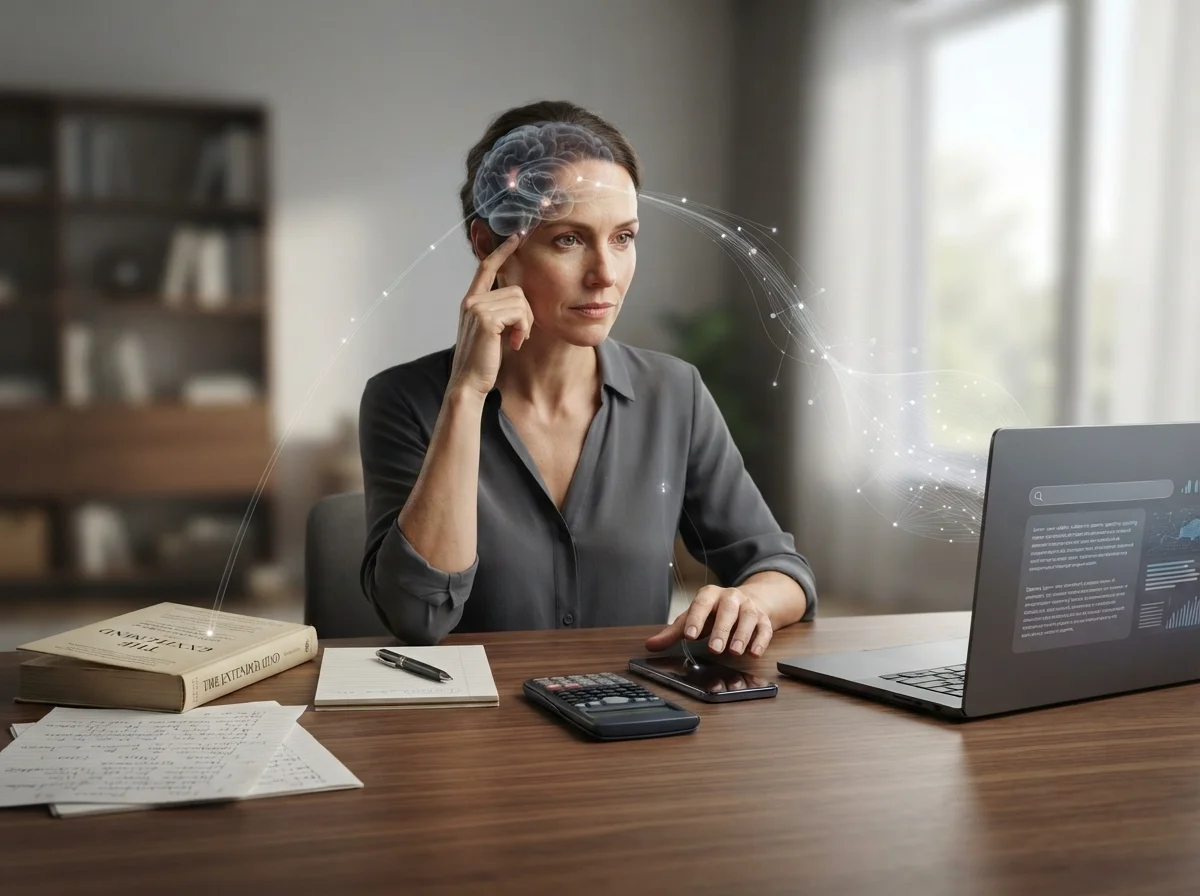
Human cognition has always used external supports.
Writing transformed memory.
Books transformed knowledge storage.
Calculators changed numerical cognition.
Search engines changed information retrieval.
Smartphones placed calendars, maps, photographs, contacts and databases into a pocket.
Generative AI now goes another step further by producing summaries, explanations, drafts and answers on demand.
The unresolved question is whether increasingly powerful cognitive tools merely extend human cognition or gradually change the cognitive abilities people choose to develop internally.
Research on cognitive offloading suggests that the relationship is not simply beneficial or harmful.
It is both.
External tools can free mental resources.
But they can also change what people remember and what they practice remembering.
That makes cognitive offloading one of the most important emerging questions in human cognition.
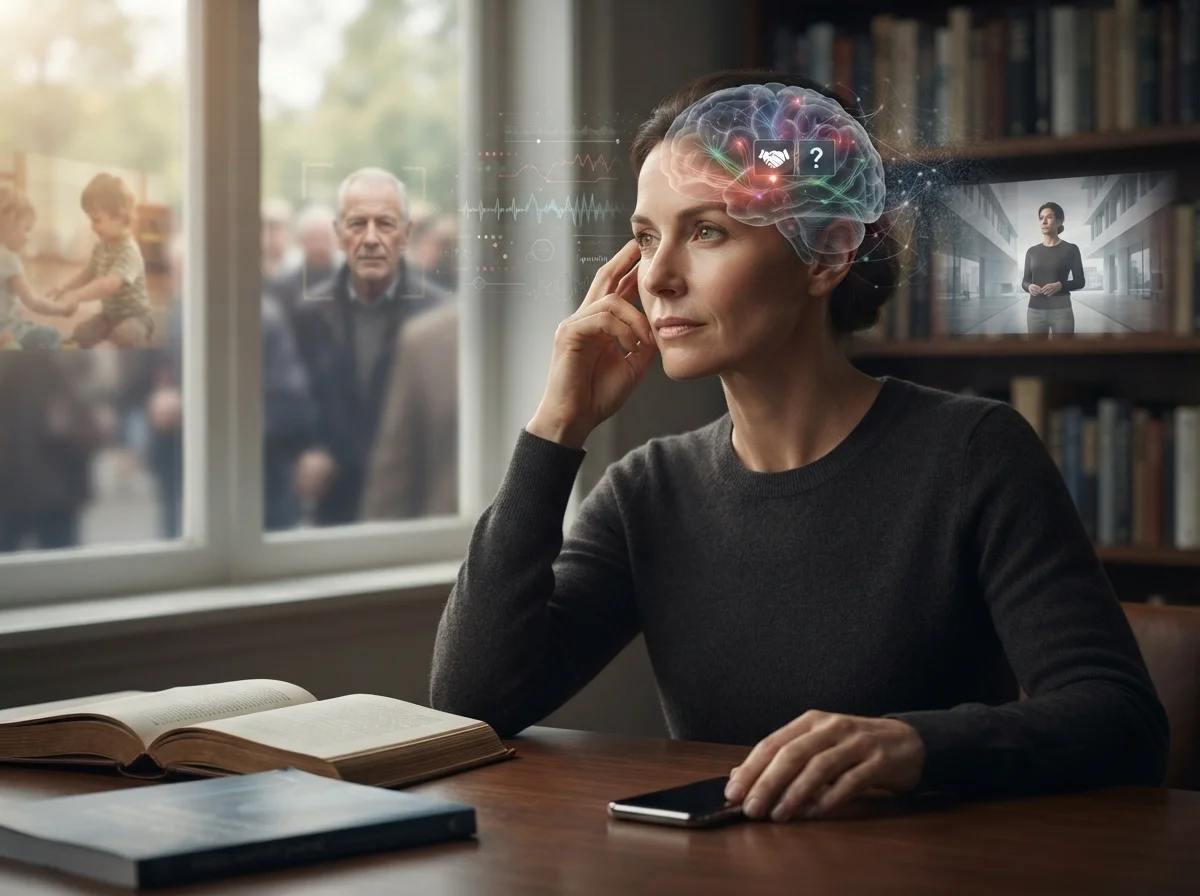
Taken together, these findings reveal something important.
The brain is not a simple information-storage device.
It is an adaptive system.
It predicts.
It filters.
It reconstructs.
It forgets.
It updates.
It sleeps.
It acts without conscious awareness.
It uses the external environment as an extension of its own limited resources.
And somehow, from all of those processes, subjective experience emerges.
The most interesting part is that scientists do not have to choose between saying “we know nothing” and “science has solved the brain.”
Neither is accurate.
Modern cognitive neuroscience knows an enormous amount about the mechanisms involved in attention, memory, perception, learning and decision-making.
What remains unresolved are the deeper relationships between those mechanisms.
How does neural activity become experience?
How does memory maintain identity while remaining changeable?
How does perception remain useful despite being constructed and error-prone?
How does unconscious processing interact with conscious thought?
How does sleep reorganize information?
How does the brain know which predictions to trust?
How does intention influence action?
And how will technology alter cognition as humans increasingly outsource mental work?
These are not fringe questions.
They are at the center of mainstream cognitive science.
The 2025 consciousness experiments and subsequent 2026 theoretical work demonstrate that even sophisticated theories are still being subjected to direct empirical tests.
At the same time, research into memory, sleep, perception and predictive processing continues to replace simplistic ideas with more complicated—and more interesting—models of how the mind works.
Perhaps the biggest unexplained fact about human cognition is therefore not one isolated phenomenon.
It is the fact that a biological system made from cells, electrical signals and chemical interactions can build an internal model of the world, remember a past that no longer exists, imagine a future that has never happened, and experience itself as a person moving through both.
Science is getting better at describing the machinery.
The deeper question—how all that machinery becomes the human experience of thinking, remembering and being aware—remains unfinished.
And in 2026, that unfinished problem is still one of the most fascinating frontiers in science.
Human cognition refers to the mental processes involved in acquiring, processing, storing and using information. It includes perception, attention, memory, learning, reasoning, language, decision-making and related processes.
Consciousness remains one of the deepest unresolved questions. Scientists can identify many neural processes associated with conscious states, but there is no universally accepted explanation for why brain activity produces subjective experience. Competing theories continue to be tested experimentally.
Yes. Human memory is reconstructive rather than a perfect recording of past events. Research has demonstrated that memories can be distorted during encoding, consolidation and retrieval.
Yes, under certain circumstances. Blindsight is one example in which some individuals with damage to primary visual cortex can demonstrate residual visual processing despite reporting little or no ordinary visual awareness in the affected field. The exact nature of this phenomenon remains debated.
A large body of evidence indicates that sleep contributes to memory consolidation. Recent reviews describe interactions between neural oscillations, memory reactivation, synaptic changes and broader systems-level reorganization during sleep.
Brain activity associated with actions can occur before a person’s reported conscious intention, but interpreting this as proof that the brain makes decisions before the conscious person is considerably more controversial. Modern reviews have identified methodological and interpretive problems in the classic Libet paradigm.
Perception provides highly useful information about the environment, but it is not a perfect recording. Attention, expectations, context and prior knowledge can influence what people perceive and remember.
Cognitive offloading is the use of external aids—such as notes, calendars, smartphones or other tools—to reduce the demands placed on internal cognitive processes. Research suggests it can improve performance while also creating potential costs when external information becomes unavailable.