Iboga is one of the most unusual psychedelic plants known to modern medicine. Native to the rainforests of Central and West Africa, iboga (Tabernanthe iboga) is an evergreen shrub whose root bark contains a group of naturally occurring compounds called indole alkaloids. The best-known of these is ibogaine, a psychoactive compound responsible for much of the plant’s powerful effects on perception, consciousness and the nervous system.
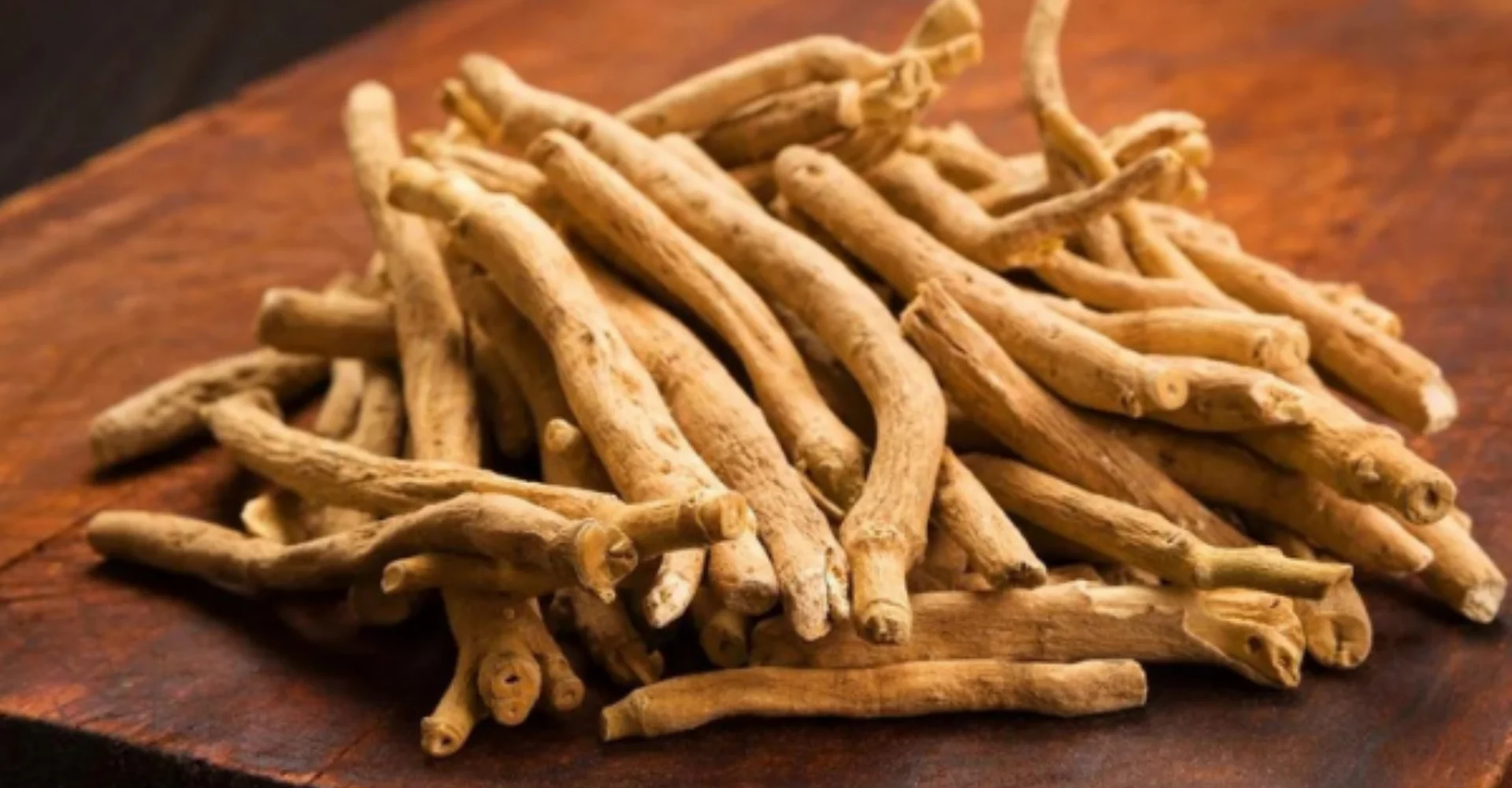
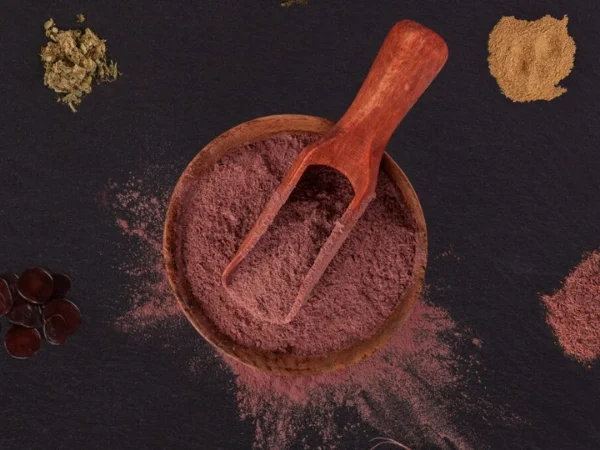
The word “discovered” needs some context when talking about iboga.
African communities knew about and used iboga long before Western scientists documented it. The plant has deep roots in the spiritual traditions of Central and West-Central Africa, particularly among Bwiti practitioners in Gabon and neighboring regions. Its use was not originally framed as a recreational psychedelic experience. Instead, iboga was incorporated into demanding spiritual and ceremonial practices involving initiation, music, ritual and beliefs about communication with ancestors.
European explorers began documenting iboga during the 19th century. The plant was botanically described in 1889, and researchers subsequently became interested in its chemical constituents.
The compound that would later make iboga famous in Western pharmacology is ibogaine.
In 1901, researchers Dybowski and Landrin, and independently Haller and Heckel, isolated a crystalline alkaloid from Tabernanthe iboga. This compound became known as ibogaine.
Its story then moved far beyond traditional African use.
During the 20th century, ibogaine was investigated for stimulant properties. In France, an iboga-derived preparation called Lambarène was marketed from the 1930s into the 1960s as a stimulant. It was eventually withdrawn after ibogaine-containing products became illegal in France.
One of the most important chapters in ibogaine’s modern history came in the 1960s, when American researcher and former heroin user Howard Lotsof reported an unexpected experience with ibogaine.
According to historical accounts, Lotsof and others noticed that after taking ibogaine, heroin withdrawal and cravings appeared to change dramatically. Lotsof later became one of the major advocates for investigating ibogaine as a possible treatment for addiction.
This observation helped push ibogaine into the emerging field of addiction research.
But the scientific story is still unfinished. Recent reviews find promising observational evidence, but not enough high-quality randomized clinical evidence to establish ibogaine as a proven treatment for opioid use disorder.
That distinction matters because a dramatic personal experience is not the same thing as a clinically proven therapy.
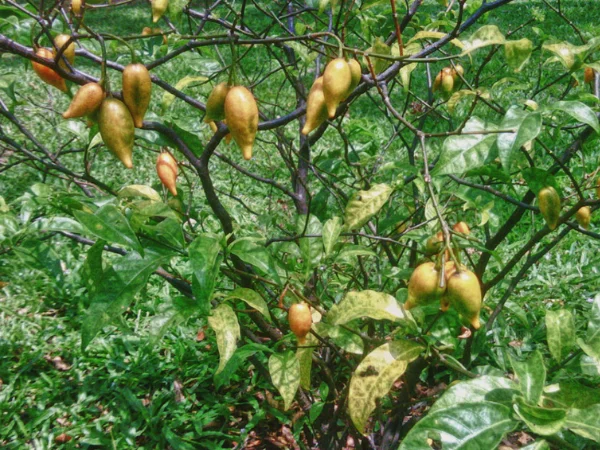
Iboga, scientifically known as Tabernanthe iboga, is a shrub native to equatorial Central and West-Central Africa.
It is particularly associated with:
The plant grows naturally in tropical rainforest environments. Its roots contain a mixture of alkaloids, with ibogaine being the best-known compound.
The root bark is especially important because it contains a higher concentration of alkaloids than other parts of the plant. Scientific reviews describe iboga root bark as containing several monoterpene indole alkaloids, including ibogaine, ibogamine and related compounds.
For many people in Central Africa, discussing iboga purely as a “psychedelic drug” misses an important part of its history.
Iboga is closely connected with Bwiti, a spiritual tradition particularly associated with Gabon. Ceremonial use can involve extended rituals, music, dancing and guidance from experienced members of the community.
The experience is traditionally understood in spiritual rather than purely pharmacological terms.
Modern Western interest has largely separated ibogaine from this cultural context and focused on its effects on addiction, trauma and the brain. That has created an ongoing discussion about how research and commercialization should acknowledge the African communities that preserved knowledge of the plant for generations.
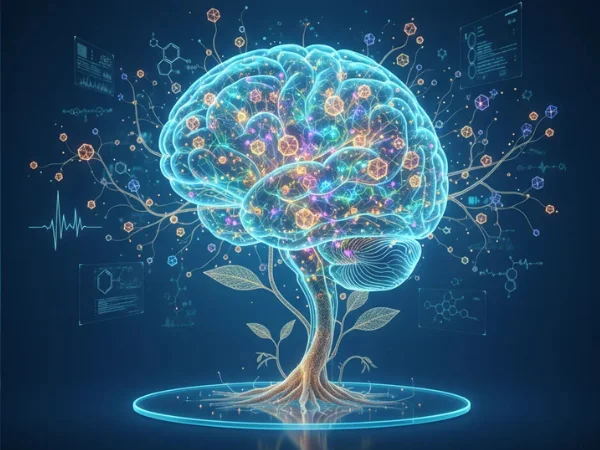
The chemistry of iboga is unusually complicated.
The plant contains multiple alkaloids, but ibogaine is the compound that has received the most scientific attention. Once consumed, ibogaine is metabolized in the body, particularly by the liver enzyme CYP2D6, into a major metabolite called noribogaine. Noribogaine can remain in the body considerably longer than ibogaine itself.
This is one reason ibogaine’s effects are not explained by a single neurotransmitter.
Research indicates that ibogaine and noribogaine influence several receptor systems, including:
This broad pharmacological activity is unusual. Rather than acting like a conventional medication aimed at one primary receptor, ibogaine appears to influence several interconnected systems at once.
Researchers have also investigated ibogaine’s effects on proteins and signaling pathways involving brain-derived neurotrophic factor (BDNF) and other cellular processes. These mechanisms are among the reasons scientists are interested in ibogaine’s possible effects on addiction and neuropsychiatric conditions.
Addiction involves much more than simply “low dopamine.”
Long-term substance use can alter reward pathways, stress systems, learning, motivation and the brain’s response to drug-related cues.
Ibogaine’s ability to interact with opioid, glutamate, serotonin, dopamine and other systems has led researchers to investigate whether it can temporarily disrupt some of the neurobiological patterns associated with dependence.
Animal studies have found reductions in self-administration of several addictive substances, including opioids, stimulants, alcohol and nicotine. But results in animals do not automatically translate into an effective or safe human treatment.
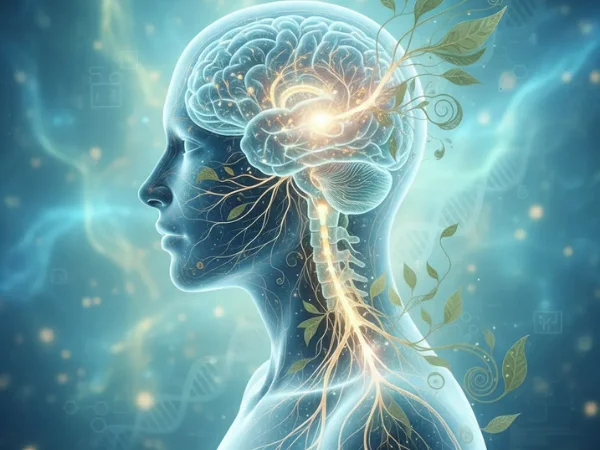
The brain experience produced by ibogaine is very different from ordinary sleep or sedation.
People commonly describe a prolonged, dream-like or visionary state. Some report vivid memories, unusual imagery, altered perception of time and intense introspection.
The experience can be psychologically demanding rather than simply pleasurable.
One reason may be ibogaine’s unusual combination of effects on several neurotransmitter systems. Researchers believe its action at NMDA, opioid, serotonin, sigma and other receptors contributes to its distinctive psychoactive profile.
A particularly interesting feature reported by many users is the appearance of highly personal memories.
People may revisit childhood experiences, relationships, trauma or past behavior. This has contributed to the popular idea that ibogaine “forces you to confront yourself.”
That description may be useful as a personal account, but it should not be confused with a scientifically established mechanism.
Scientists are still trying to determine why ibogaine can produce such unusually long and emotionally intense experiences.
This is an area of growing research.
Scientists are investigating whether ibogaine and related compounds can influence processes involved in neural plasticity, meaning the brain’s ability to change its connections and function.
Some laboratory findings have generated interest in this possibility, but claims that ibogaine definitively “rewires the brain” or permanently repairs brain injuries go beyond the current evidence.
That is particularly important when discussing ibogaine for traumatic brain injury, PTSD or depression. Early studies are interesting, but larger and better-controlled trials are still needed.

The psychological experience is only half of the story.
Ibogaine can produce significant physical effects, including:
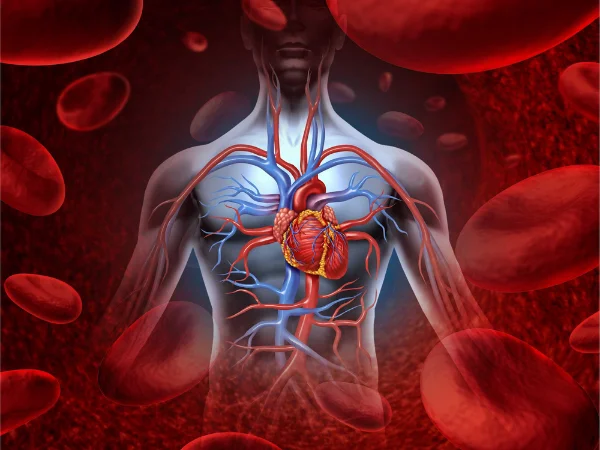
One of the biggest medical concerns is the heart.
Ibogaine can prolong the heart’s QT interval, an electrical measurement seen on an ECG. Significant QT prolongation can increase the risk of dangerous ventricular arrhythmias.
A 2026 review in Addiction describes QTc prolongation and potentially fatal ventricular arrhythmias as a rare but clinically significant risk associated with ibogaine.
This risk is especially important because individual responses can vary. Ibogaine is metabolized partly through CYP2D6, and genetic differences in this enzyme can influence how quickly a person’s body processes the compound.
That is one reason modern researchers emphasize medical screening and cardiovascular monitoring rather than treating ibogaine like an ordinary herbal supplement.
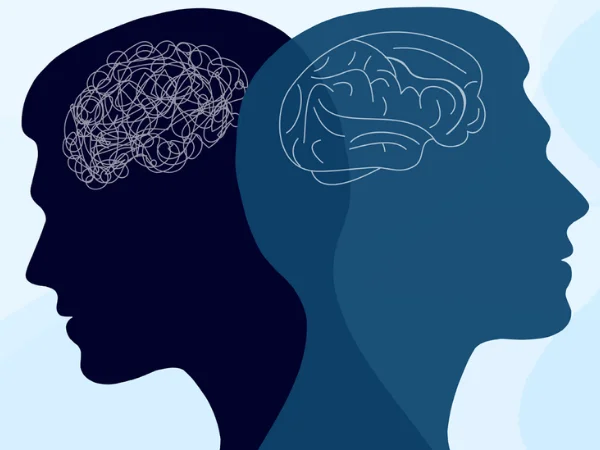
Most of the excitement surrounding ibogaine comes from its potential effects on addiction, psychological health and behavior.
However, the strength of evidence differs considerably between these areas.
One of the most frequently discussed effects is a reduction in withdrawal symptoms and drug cravings, particularly among people dependent on opioids.
Observational studies have reported encouraging results. However, a 2026 review of three decades of research concluded that no double-blind randomized controlled trial has yet demonstrated that ibogaine or noribogaine effectively treats opioid use disorder.
That does not mean the treatment has no potential. It means the evidence has not yet reached the standard needed to establish it as a proven medical therapy.
Researchers have also investigated whether ibogaine can reduce cravings for opioids, cocaine and other substances.
Some observational and early clinical findings are encouraging. A 2026 review notes that limited randomized and observational evidence suggests reductions in craving and withdrawal symptoms in some substance-dependent populations, but the studies remain small and preliminary.
Many people who undergo iboga experiences describe intense self-reflection.
They may think about relationships, addiction, trauma, decisions and long-term goals in a way that feels unusually vivid.
That subjective experience may be meaningful, but it is difficult to measure scientifically. Researchers therefore separate reported psychological insight from claims that ibogaine has clinically proven long-term effects.
Ibogaine has attracted particular attention from military veterans and professional athletes dealing with trauma and brain injuries.
A small but growing body of research is examining whether ibogaine could have therapeutic effects in these populations. The subject has also received substantial media attention.
The research remains preliminary, however. Ibogaine is not currently an established treatment for PTSD or traumatic brain injury.
This is the section that should never be skipped.
Iboga and ibogaine are not risk-free natural remedies.
The most serious concern is cardiotoxicity.
Systematic reviews have documented QT prolongation, abnormal heart rhythms and other serious cardiovascular complications. Fatal cases have also been reported.
Other possible adverse effects include:
A person can feel psychologically prepared for a psychedelic experience and still have an unexpected cardiac reaction.
That is one reason researchers have emphasized ECG screening, cardiovascular assessment, careful medication review and medical monitoring in clinical research.
The risk can become more complicated when ibogaine is combined with other substances or medications that also affect heart rhythm or metabolism.
No.
People with certain heart conditions, abnormal ECG findings, electrolyte disturbances, liver problems, or interactions with other medications may face increased risk.
There is also no standardized, universally accepted medical protocol that makes unsupervised ibogaine use safe.
The latest clinical literature continues to describe ibogaine as an investigational compound with a narrow safety margin.
For that reason, this is not a substance that should be approached as a casual wellness supplement or self-treatment for addiction.
Ibogaine has increasingly moved into mainstream conversations because several recognizable public figures have discussed their experiences.
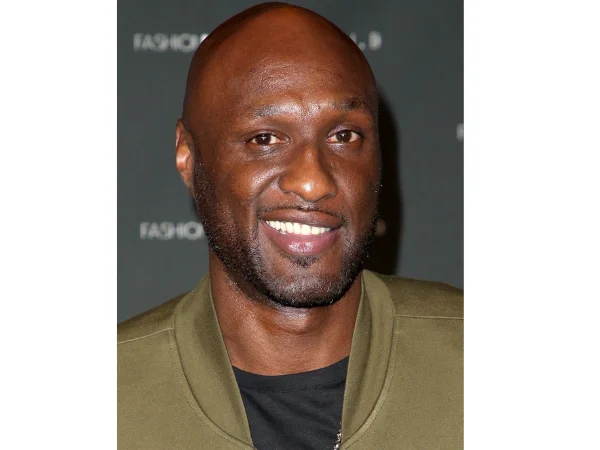
Former NBA star Lamar Odom has publicly discussed undergoing ibogaine treatment in Mexico in the context of addiction recovery and personal transformation.
His experience has been featured in documentaries and interviews, helping introduce ibogaine to a much larger American audience.
His story should be viewed as a personal account rather than proof that ibogaine works for everyone.
Former NFL player Robert Gallery has also spoken publicly about receiving ibogaine treatment and subsequently becoming an advocate for research into psychedelic therapies for athletes.
Recent interviews describe his experience with mental health problems following his professional football career and his involvement in advocacy through Athletes for Care.
Former Texas governor Rick Perry has also publicly spoken about iboga following an experience that he described in spiritual terms. His involvement has become part of the growing political and cultural conversation around ibogaine research in the United States.
Beyond traditional celebrity culture, ibogaine has attracted attention among military veterans and professional athletes dealing with trauma and substance use.
A 2025 Los Angeles Times report described former NFL, UFC and NHL athletes who had pursued ibogaine outside the United States, including athletes who attributed improvements in addiction or post-career health problems to their experiences.
These stories help explain why interest in ibogaine is growing, but personal testimonials cannot substitute for controlled clinical evidence.
Iboga is far more than another psychedelic plant trending in Western wellness culture.
It is a traditional African medicine and sacrament with a long cultural history, particularly within Bwiti traditions of Central Africa. Modern science became interested in the plant after researchers isolated ibogaine, its best-known psychoactive alkaloid, in 1901.
What makes ibogaine scientifically fascinating is its unusually broad pharmacology. It interacts with opioid, serotonin, NMDA, dopamine, sigma and other systems, while its metabolite noribogaine remains active in the body for much longer.
This complicated chemistry may help explain why researchers are investigating ibogaine for addiction and other neuropsychiatric conditions.
The early results are intriguing. People have reported reductions in cravings, withdrawal symptoms and powerful psychological changes. Small clinical and observational studies have also generated interest in PTSD, depression and traumatic brain injury.
But the scientific picture is not yet settled.
The strongest recent reviews emphasize that evidence remains limited, while cardiac toxicity, QT prolongation and potentially fatal arrhythmias remain major concerns.
That means ibogaine currently sits in an unusual position: too scientifically interesting to ignore, but too medically risky and insufficiently studied to call an established treatment.
Research is continuing. In fact, the U.S. National Institute on Drug Abuse is currently funding research specifically examining the safety and preliminary efficacy of ibogaine for opioid use disorder, showing that scientific interest in the compound remains very much alive.
The future of iboga may therefore depend less on treating the raw plant as a miracle cure and more on understanding its chemistry, identifying who might benefit, finding ways to reduce its cardiac risks and conducting large, carefully controlled human trials.
For now, the most accurate way to describe iboga is simple: an ancient African psychedelic plant with extraordinary pharmacology, promising but preliminary therapeutic research, and risks that should never be underestimated.
No. Iboga is the plant, Tabernanthe iboga. Ibogaine is one of the main psychoactive alkaloids found in the plant. The two terms are often used interchangeably in casual conversation, but chemically they are not the same thing.
Yes, iboga and ibogaine can produce psychedelic and hallucinogenic effects. The experience can include vivid visual imagery, altered perception, intense memories and profound introspection. Ibogaine is pharmacologically unusual because it acts on multiple neurotransmitter systems rather than fitting neatly into the same category as classic psychedelics such as LSD or psilocybin.
There is not enough evidence to call ibogaine a cure for opioid addiction. Some observational studies report reductions in withdrawal symptoms and cravings, but high-quality evidence remains limited. A 2026 review found that no double-blind randomized controlled trial has yet established ibogaine or noribogaine as an effective treatment for opioid use disorder.
The controversy comes from the combination of promising anti-addiction signals and serious safety risks.
Researchers are interested because ibogaine may affect several biological pathways involved in addiction. At the same time, ibogaine can prolong the QT interval and has been associated with potentially fatal cardiac arrhythmias.
Ibogaine is federally controlled in the United States. It is not an FDA-approved treatment for addiction or other medical conditions. Its legal status can also differ across countries, so anyone researching ibogaine should check the laws that apply where they live.
There is currently not enough evidence to say that iboga permanently “rewires” the human brain.
Researchers are investigating neuroplasticity and other biological effects, but popular claims often move much faster than the science. More controlled human research is required before strong conclusions can be made.
No. Being plant-derived does not make ibogaine harmless.
The plant contains potent psychoactive alkaloids, and ibogaine has a documented risk of serious cardiovascular complications. Natural origin and medical safety are two completely different questions.