

Your brain is not a static organ. It is constantly adapting, repairing connections, strengthening useful pathways, and adjusting to new experiences. One of the molecules involved in this remarkable process is BDNF, or brain-derived neurotrophic factor.
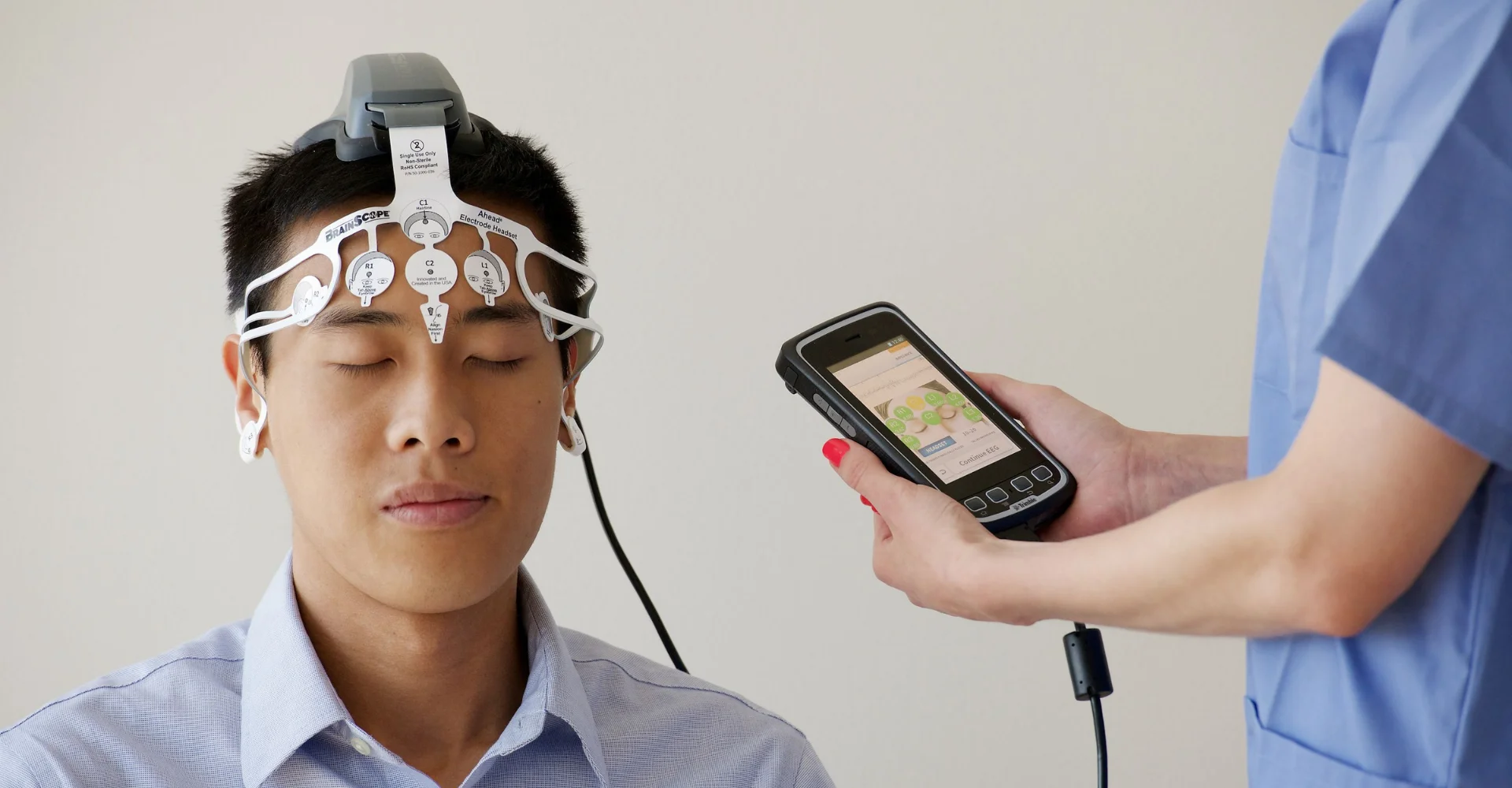
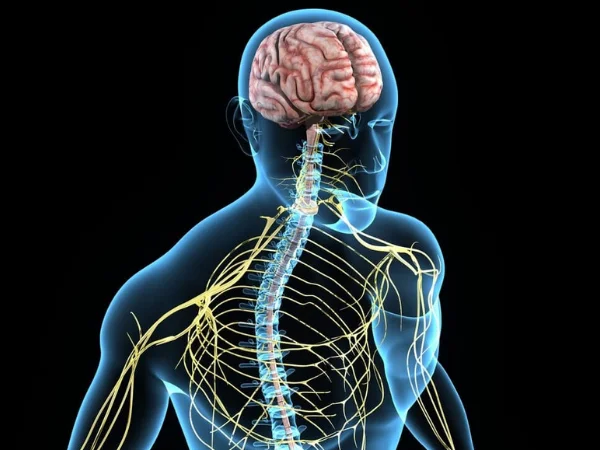
Although its name contains the word “brain,” BDNF is not relevant only to the brain. It participates in signaling throughout the nervous system and has been studied in areas including metabolism, cardiovascular health, inflammation, and mental health.
Its most established role is related to neurons and neural plasticity.
Neurons need chemical signals that help them survive and function. BDNF binds primarily to a receptor called TrkB, activating signaling pathways involved in neuronal survival, growth, differentiation, and synaptic function.
In simple terms, BDNF helps neurons maintain the machinery they need to communicate effectively.
Learning requires the brain to modify connections between neurons. BDNF is involved in this process by supporting synaptic plasticity.
This is one reason researchers have been interested in the relationship between BDNF and memory. Higher BDNF signaling is associated with processes involved in learning and memory, particularly in the hippocampus.
That does not mean that taking something that raises blood BDNF will automatically make you smarter. Human cognition is far too complex for that conclusion.
Neuroplasticity allows the brain to adapt when you learn a language, practice a sport, recover from an injury, or repeatedly perform a difficult task.
BDNF is one of the molecules involved in helping these adaptations occur.
This is also why BDNF has attracted so much attention in research on exercise, aging, depression, neurodegenerative diseases, and rehabilitation.
Researchers have found associations between BDNF and depression. Multiple meta-analyses have reported lower peripheral BDNF concentrations in people with major depressive disorder compared with healthy controls.
However, BDNF is not a diagnostic test for depression. A blood BDNF result cannot tell you whether you have depression, and increasing BDNF alone is not considered a treatment for depression.
The relationship is more complicated because BDNF is influenced by many biological and environmental factors.
BDNF has also been investigated in relation to cardiovascular health, metabolism, and other systems. Some studies have found associations between altered BDNF levels and cardiovascular conditions.
The important point is that BDNF is part of a biological network, not an isolated “brain health chemical.”

The story of BDNF began in the early 1980s.
In 1982, researchers Yves-Alain Barde, David Edgar, and Hans Thoenen, along with colleagues, reported the purification of a previously unidentified neurotrophic factor from pig brain.
The discovery was significant because scientists already knew about nerve growth factor (NGF), but the newly identified substance had different biological and antigenic properties.
The researchers found that the purified factor could support the survival and growth of certain sensory neurons in laboratory cultures.
This factor eventually became known as brain-derived neurotrophic factor, or BDNF.
The original work was published in The EMBO Journal in 1982. The paper described purification of the factor from mammalian brain and demonstrated its ability to support neuronal survival and fiber growth.
BDNF later became recognized as the second major member of the neurotrophin family after NGF. Researchers subsequently discovered other related neurotrophins, including neurotrophin-3 and neurotrophin-4/5.
Since that original discovery, BDNF research has expanded dramatically. Scientists now study its role in synaptic plasticity, learning, memory, mood disorders, exercise, aging, neurological injury, and several other areas of human health.

There is no universally accepted definition of “BDNF deficiency” in healthy people.
This is an important distinction because many articles online make it sound as though you can simply take a blood test, discover that your BDNF is low, and then raise it to a specific ideal level.
Human biology does not work that neatly.
Blood BDNF levels vary depending on how the sample is collected and processed, and much of the BDNF measured in serum is associated with platelets. Researchers also disagree about how accurately circulating BDNF reflects BDNF activity inside the brain.
That means a low blood BDNF measurement should not automatically be interpreted as “your brain does not have enough BDNF.”
Lower peripheral BDNF has been observed in people with major depressive disorder.
Research has also explored BDNF in anxiety, stress-related conditions, schizophrenia, and other psychiatric disorders.
However, association does not prove that low BDNF is the original cause of these conditions. Mental health disorders involve genetics, brain circuitry, hormones, immune signaling, environment, sleep, stress, behavior, and many other factors.
Because BDNF participates in synaptic plasticity, researchers have investigated whether altered BDNF signaling contributes to problems with learning and memory.
This relationship is biologically plausible, but a person’s memory cannot be predicted simply by measuring their blood BDNF.
Memory also depends on sleep, attention, physical activity, age, medications, stress, cardiovascular health, and many other factors.
Research has also found associations between BDNF and sleep disorders. A meta-analysis of studies involving people with insomnia found lower peripheral BDNF compared with controls, although the researchers emphasized limitations including small sample sizes and substantial heterogeneity.
This does not mean that low BDNF is the sole cause of insomnia. It is more accurate to think of BDNF and sleep as parts of a two-way biological relationship.
Poor sleep can affect systems involved in brain plasticity, while changes in brain signaling may also influence sleep.
BDNF levels and signaling can be influenced by many factors, including:
The effects are not identical in every person.

This is where online BDNF content often becomes misleading.
You may see claims that “more BDNF is always better.” There is not enough evidence to support that idea.
BDNF is a signaling protein, and biological signaling systems generally need the right amount, at the right location, at the right time. Increasing a signaling molecule indefinitely does not necessarily produce increasingly beneficial effects.
There is also no established clinical guideline that says healthy adults should maintain BDNF above a particular blood concentration.
This is one of the most important facts to understand.
Blood BDNF and brain BDNF are not interchangeable measurements. Human research has found uncertainty about whether peripheral BDNF accurately represents BDNF levels or activity in brain tissue.
In addition, serum BDNF is heavily influenced by platelets, which can release BDNF during blood clotting.
As a result, a high BDNF blood test should not automatically be interpreted as evidence of superior memory, intelligence, or brain health.
There is no established “BDNF overdose” syndrome from normal lifestyle practices such as exercise, healthy eating, or learning.
The concern is different: researchers are still studying what abnormal BDNF signaling means in different diseases.
For example, BDNF/TrkB signaling has been investigated in cancer biology because some tumors may use neurotrophic signaling pathways to support cell survival and growth. This is an active research area and does not mean that ordinary efforts to support healthy BDNF, such as exercise, cause cancer.
The practical takeaway is simple: do not chase the highest possible BDNF number.
The goal should be healthy brain function, not maximizing one biomarker.
If by “artificial” you mean taking BDNF directly as a supplement, there is an important problem: there is no established over-the-counter BDNF supplement that simply delivers therapeutic BDNF to your brain.
BDNF is a protein, not a typical vitamin or mineral.
Researchers have investigated ways to deliver BDNF or manipulate BDNF signaling in experimental medicine, including drug-delivery systems and engineered molecules. These approaches are not equivalent to buying a bottle of “BDNF” from a supplement store.
Some medications and medical treatments can influence BDNF signaling or circulating BDNF, but these should not be used simply as methods for increasing BDNF without an appropriate medical reason.
This is where consumers need to be careful.
Some products contain ingredients marketed as BDNF boosters, such as omega-3 fatty acids, curcumin, flavonoids, or other plant compounds.
Some human research does suggest that certain nutritional interventions can influence circulating BDNF. For example, systematic reviews have found evidence that omega-3 supplementation can increase serum BDNF under some conditions.
But that is very different from proving that a particular supplement will raise BDNF in the brain and produce better memory or cognition.
A product saying “supports BDNF” is not the same as a clinically proven treatment.

You cannot eat BDNF in a meal and expect it to function like your own brain-produced BDNF. Instead, the more useful approach is to support the biological processes associated with healthy BDNF signaling.
Exercise is one of the most studied lifestyle factors connected with BDNF.
Aerobic activity, including brisk walking, cycling, jogging, swimming, and other forms of cardiovascular exercise, has been associated with temporary increases in circulating BDNF.
The response is influenced by exercise intensity, duration, fitness level, timing of blood collection, and other factors.
Interestingly, research does not show that every exercise program consistently raises resting BDNF. A systematic review in people with overweight or obesity, for example, found no significant overall effect of exercise interventions on resting BDNF.
So the honest message is not “exercise permanently raises BDNF.” It is that exercise can stimulate neurobiological pathways associated with BDNF and brain plasticity, while also providing many other established health benefits.
Sleep and BDNF appear to influence each other.
Poor sleep and insomnia have been associated with altered peripheral BDNF in human research. Sleep is also essential for memory consolidation, emotional regulation, metabolic health, and normal brain function.
Rather than looking for a BDNF-specific sleep hack, focus on consistent sleep timing, adequate sleep duration, and treating persistent sleep problems.
A balanced diet provides the nutrients needed to maintain normal brain and metabolic function.
Foods containing omega-3 fatty acids, polyphenols, fiber, vitamins, minerals, and other bioactive compounds have been studied in relation to BDNF.
Examples include:
A recent systematic review of dietary interventions found that some dietary patterns, including ketogenic and intermittent-fasting approaches, were associated with increased BDNF in some clinical trials, but results across dietary interventions were inconsistent.
That is why no single “BDNF diet” can currently be recommended as the universal solution.
Learning is one of the clearest examples of neuroplasticity in everyday life.
Learning a new language, playing an instrument, practicing a new sport, studying a difficult subject, or developing a technical skill repeatedly challenges the brain.
These activities do not guarantee a measurable increase in blood BDNF, but they engage the neural plasticity that BDNF helps support.
Long-term stress is associated with changes in neurobiological systems that interact with BDNF.
Stress management can include regular physical activity, adequate sleep, social connection, time outdoors, mindfulness, therapy when appropriate, and reducing avoidable sources of chronic stress.
The goal is not to eliminate every stressful experience. Short-term stress is a normal part of life. The bigger concern is persistent stress without adequate recovery.
Healthy brain function is closely connected to cardiovascular and metabolic health.
Maintaining a healthy weight when appropriate, staying physically active, managing blood pressure and blood glucose, avoiding smoking, and following a balanced diet can support overall brain health.
BDNF is only one component of that picture.
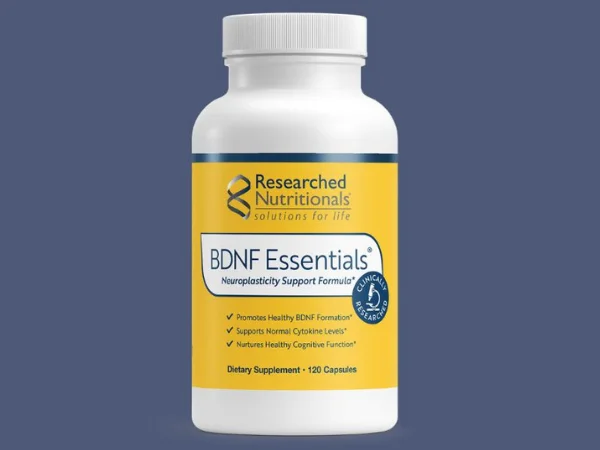
There is an important correction to make here: there is currently no FDA-approved BDNF supplement for improving memory, preventing dementia, or treating low BDNF.
The U.S. Food and Drug Administration does not approve dietary supplements for safety and effectiveness before they are marketed in the same way it approves drugs.
Therefore, it would be misleading to give you a list of products and call them “the best BDNF supplements” as though they were clinically established BDNF treatments.
Instead, if you are shopping in the United States for supplements that have been studied in relation to BDNF, these categories are worth understanding.
Omega-3 supplements containing EPA and DHA have been studied extensively.
A systematic review and meta-analysis of randomized controlled trials found that omega-3 supplementation was associated with increased serum BDNF.
That does not establish omega-3 as a treatment for BDNF deficiency, but it provides considerably stronger evidence than many ingredients marketed specifically as “BDNF boosters.”
If buying an omega-3 product in the United States, look for transparent labeling showing the actual EPA and DHA amounts rather than focusing only on the total amount of fish oil.
Curcumin and other polyphenols have attracted interest because of their effects on inflammation and cellular signaling.
Human research has produced some encouraging findings regarding polyphenols and BDNF, but the evidence is not strong enough to say that a curcumin supplement will reliably increase brain BDNF or improve memory in healthy adults.
Correcting a nutritional deficiency is different from deliberately “boosting BDNF.”
If someone is deficient in a nutrient needed for normal nervous-system function, correcting that deficiency can be important. But taking increasingly high doses of vitamins simply to raise BDNF is not supported by strong evidence.
If you decide to use a dietary supplement, consider products with:
Be particularly skeptical of products claiming to “supercharge BDNF,” “reverse brain aging,” or dramatically increase intelligence.
In the United States, dietary supplements are regulated differently from drugs, and FDA does not approve supplements for safety and effectiveness before they reach consumers.
If you take prescription medication, have a medical condition, are pregnant or breastfeeding, or are considering high-dose supplementation, speak with a healthcare professional first.
BDNF, or brain-derived neurotrophic factor, is one of the important signaling proteins involved in keeping the nervous system adaptable and functional.
It supports neuronal survival, synaptic plasticity, learning, memory, and several processes involved in healthy brain function. Scientists first identified and purified BDNF in 1982, building on earlier research into nerve growth factor and other neurotrophic signals.
Since then, BDNF has become a major subject of research into depression, sleep, exercise, aging, cognition, neurological disease, and brain plasticity.
But there is a major difference between what the science shows and what some supplement marketing claims.
You do not need to “max out” your BDNF.
There is no universally accepted optimal BDNF blood level for healthy adults. A low blood BDNF result does not automatically mean that your brain is deficient, and a high blood result does not prove that your brain is healthier.
The strongest practical strategy is to support the systems that keep your brain healthy in the first place.
Regular exercise, adequate sleep, a nutrient-dense diet, learning and mentally challenging activities, stress management, and good cardiovascular and metabolic health all make more sense than chasing a single biomarker.
When it comes to supplements, be especially careful. Omega-3 fatty acids and some other nutritional compounds have human research showing effects on circulating BDNF, but that does not make them proven BDNF treatments. In the United States, dietary supplements are not FDA-approved for safety and effectiveness before marketing.
Ultimately, BDNF is best understood not as a magic molecule that can be “boosted” for instant intelligence or memory, but as one important part of the biological machinery that allows your brain to adapt, learn, recover, and remain resilient throughout life.
No. BDNF is a neurotrophic factor, specifically a protein involved in neuronal signaling, survival, and plasticity. Calling it a “brain hormone” is an oversimplification.
No. BDNF is not a simple “more is better” molecule. Its biological effects depend on its location, timing, processing, receptors, and surrounding signaling pathways. There is no established ideal BDNF number that healthy adults should try to maximize.
Not in the way you can take vitamin D or fish oil. BDNF is a protein, and ordinary dietary supplements marketed for BDNF generally contain other ingredients that are claimed to influence BDNF signaling. There is no established over-the-counter BDNF pill that reliably delivers therapeutic BDNF to the brain.
Exercise can increase circulating BDNF, particularly after an acute bout of cardiovascular exercise, but the response varies. Exercise does not necessarily produce a permanent increase in resting BDNF. Even so, exercise has many well-established benefits for cardiovascular, metabolic, cognitive, and overall health.
Low BDNF may be involved in depression, but it is not accurate to say that low BDNF alone causes depression. Research consistently finds associations between lower peripheral BDNF and major depressive disorder, but depression involves many biological and psychological systems.
Not reliably. Blood BDNF is affected by factors including platelets and sample handling, and human research has found that peripheral BDNF does not necessarily reflect BDNF content inside the brain. A blood BDNF measurement should therefore not be treated as a direct “brain BDNF test.”
Some dietary patterns and foods may influence BDNF, but no single food has been proven to dramatically increase brain BDNF. Diets rich in whole foods, omega-3 fatty acids, fruits, vegetables, and polyphenol-containing foods are reasonable choices for overall health, but marketing claims about individual “BDNF-boosting foods” often go beyond the evidence.
Some human research suggests that fasting or calorie-restriction approaches can increase BDNF, but the evidence is not strong enough to recommend fasting solely as a BDNF strategy. Fasting can also be inappropriate for some people, particularly those with certain medical conditions or nutritional needs.
Explore expert-reviewed articles on nutrition, heart health, fitness, wellness, healthy aging, and prevention with practical advice for healthier, informed everyday decisions.



Watch expert-inspired short videos on health, nutrition, fitness, prevention,
wellness, and healthy living in minutes.





Watch expert-inspired short videos on health, wellness, nutrition, fitness, preventive care, and healthy living in under a minute.
Explore expert-reviewed articles on brain function, healthy habits, nutrition, age-related cognitive changes, and practical strategies to keep your mind sharp and resilient.