Hawaiian Baby Woodrose (Argyreia nervosa) is a flowering climbing vine in the morning-glory family, Convolvulaceae. Despite its common name, the plant is not native to Hawaii. It originated in the Indian subcontinent and was later introduced to places including Hawaii, Africa, the Caribbean and parts of the Americas.
The history of Hawaiian Baby Woodrose is more complicated than its name suggests.
The scientific name is Argyreia nervosa, and the species belongs to the same broad botanical family as morning glories and bindweeds. The plant is native to the Indian subcontinent, not Hawaii. Over time, it was introduced and naturalized in several tropical and subtropical regions around the world.
Long before Western interest in its psychedelic properties, Argyreia nervosa had a place in traditional Indian medicine.
Different parts of the plant have been described in Ayurvedic and other traditional medicinal practices. Historical sources associate the plant with uses involving conditions such as inflammation, pain and certain neurological or digestive complaints. Some research has also investigated extracts of the plant for antioxidant, anti-inflammatory, analgesic and other biological activities.
However, traditional medicinal use should not automatically be interpreted as proof that a plant is clinically effective for those conditions. Much of the modern evidence comes from laboratory and animal research rather than large, high-quality human clinical trials.
The psychedelic chemistry of Hawaiian Baby Woodrose became particularly important during the 20th century, when scientists began examining the unusual alkaloids present in the seeds.
Research eventually identified ergine or LSA and related ergoline alkaloids in Argyreia nervosa. A 1965 analytical study is among the early published work examining ergoline alkaloids in the seeds.
The discovery was important because LSA has a chemical structure related to lysergic acid diethylamide (LSD).
That similarity quickly attracted attention.
But there is an important misconception to clear up: LSA is not LSD.
They belong to the same broad chemical family, but their pharmacological profiles are different. A human study comparing the effects of Argyreia nervosa seeds found that the psychedelic effects were relatively weak and that physical and autonomic effects could be prominent. Researchers concluded that LSA should not simply be treated as an LSD-like psychedelic.
Interest expanded substantially in the late 20th and early 21st centuries as information about psychoactive plants spread through books, underground psychedelic culture and eventually the internet.
The seeds became known as a source of LSA or ergine, sometimes described online as a natural alternative to LSD.
That description is misleading.
The experience associated with Hawaiian Baby Woodrose can include altered perception, but reports and clinical observations also describe sedation, nausea, weakness, dizziness, changes in blood pressure and other uncomfortable physical effects.
In other words, comparing the plant to LSD based solely on chemical structure misses a large part of the pharmacology.
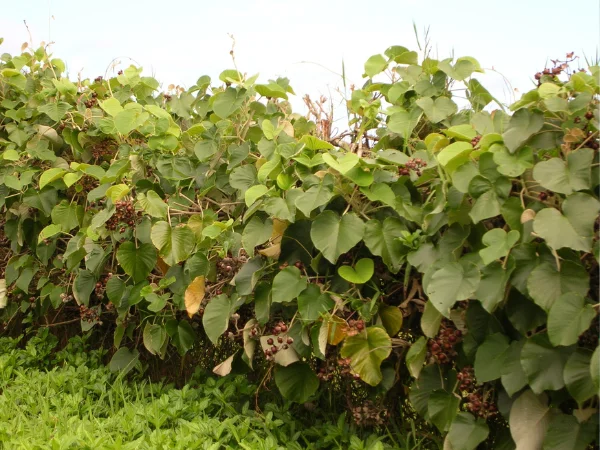
Despite its name, Hawaiian Baby Woodrose is not originally from Hawaii.
Argyreia nervosa is native to the Indian subcontinent and has subsequently been introduced into many tropical and subtropical parts of the world. It can now be found in regions including:
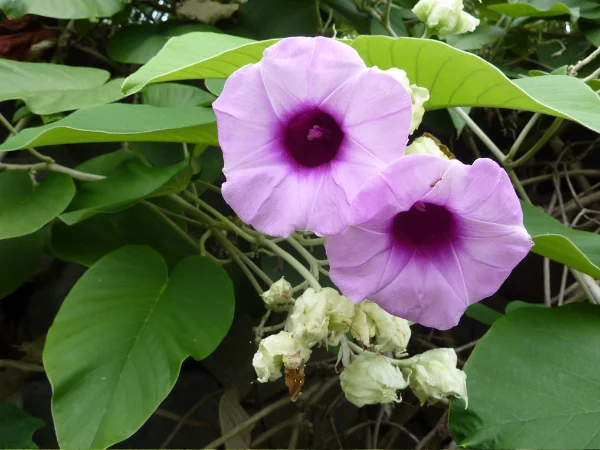
Scientific reviews describe the plant as a perennial climbing vine with large leaves and attractive flowers.
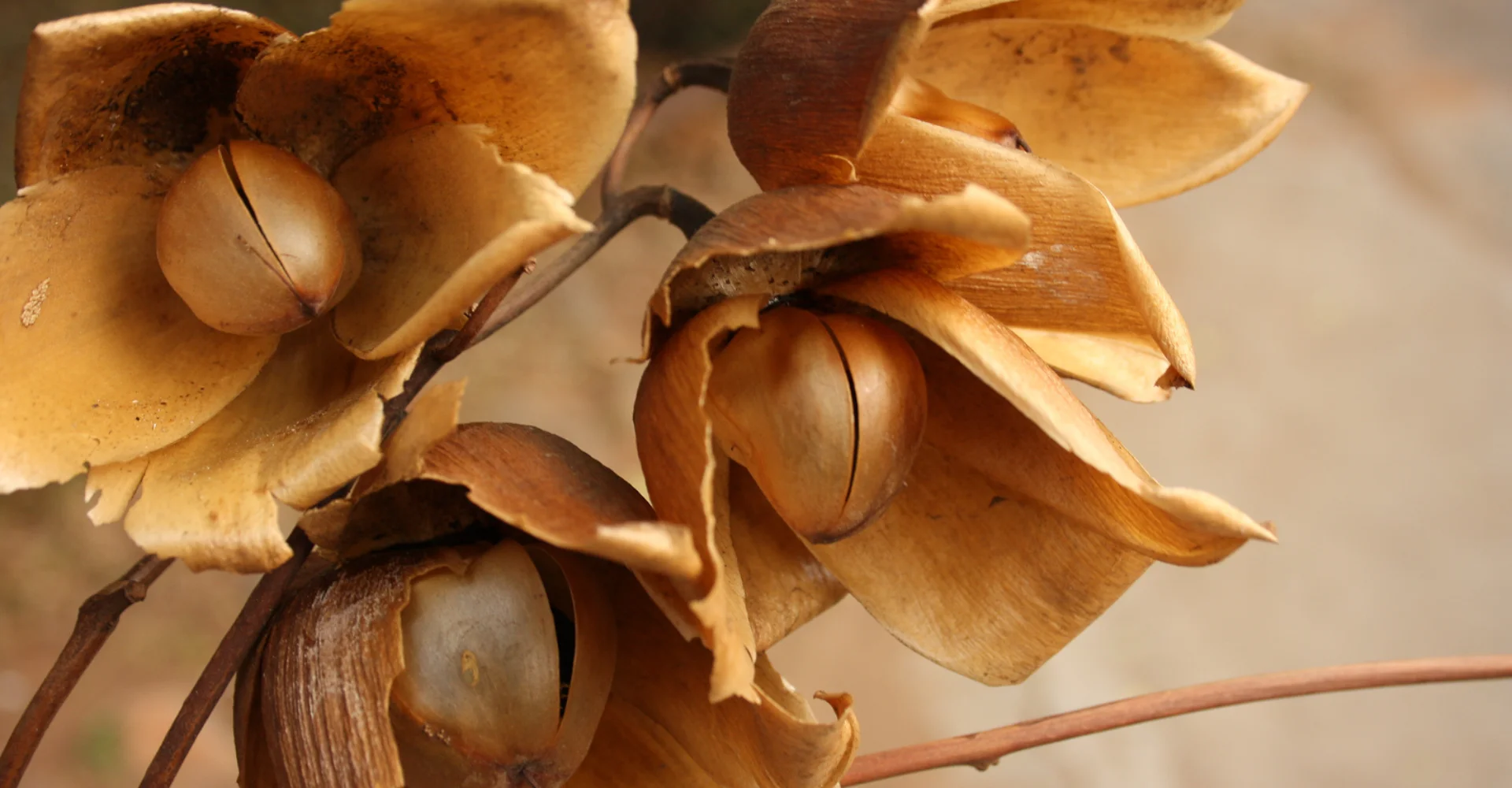
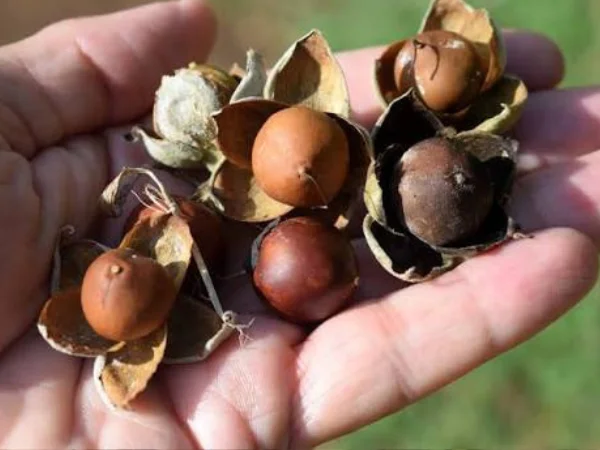
The name comes largely from the plant’s association with Hawaii and the appearance of its seed pods.
The seeds develop inside distinctive woody structures that can look somewhat like miniature wooden roses, which explains the “Baby Woodrose” portion of the common name.
“Hawaiian” became attached to the common name because of the plant’s presence and cultivation in Hawaii, not because Hawaii is its evolutionary home.
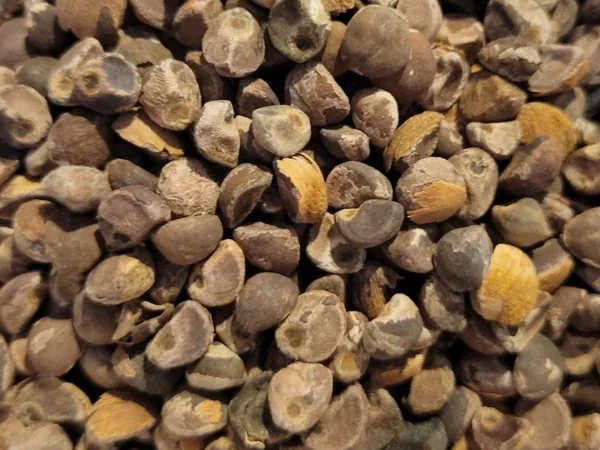
Although the entire plant contains various phytochemicals, the seeds are particularly important in discussions of its psychoactive properties.
Researchers have identified multiple ergoline alkaloids in the seeds, with LSA and isoergine among the principal compounds. The exact chemical profile can vary, which is one reason predicting the effects of raw plant material is difficult.
This variability also makes Hawaiian Baby Woodrose fundamentally different from a standardized pharmaceutical.
A plant seed is not a precisely measured dose of one isolated chemical.
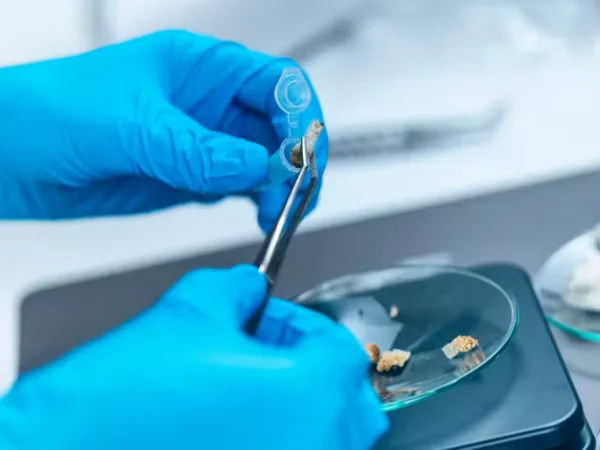
The main reason Hawaiian Baby Woodrose attracts psychedelic interest is its ergoline alkaloid content.
The most widely discussed compound is:
Lysergic acid amide (LSA), also known as ergine.
Other compounds found in the seeds include:
Analytical studies have shown that the concentration of these compounds can vary considerably between seed samples and batches. A recent systematic review of LSA research specifically highlighted this variability as an important limitation when trying to predict the effects of plant material.
LSA is chemically related to LSD and has activity at several neurotransmitter receptors.
Research examining the receptor profile of LSA found interactions with serotonin and dopamine receptors, as well as adrenergic receptors. Laboratory testing showed that LSA has meaningful affinity for several serotonin receptor subtypes, including 5-HT1A and 5-HT2, although its receptor-binding profile differs from LSD.
This matters because serotonin is deeply involved in how the brain processes:
Changing serotonergic signaling can therefore produce changes in consciousness and perception.
The simplest answer is that similar chemistry does not mean identical pharmacology.
LSD is a highly potent synthetic psychedelic with a complex receptor profile. LSA and the mixture of alkaloids found in Hawaiian Baby Woodrose have different receptor interactions and produce a different overall experience.
A clinical pharmacological study concluded that LSA from Argyreia nervosa should not be considered simply an LSD-like psychedelic. Researchers observed substantial autonomic and physical effects alongside the psychological effects.
That distinction is especially important for people searching online for terms such as “Hawaiian Baby Woodrose vs LSD” or “is Hawaiian Baby Woodrose natural LSD?”
The scientifically accurate answer is no.

The brain effects of Hawaiian Baby Woodrose are primarily connected to its ergoline alkaloids, particularly LSA.
Because LSA interacts with serotonin and dopamine receptors, it can temporarily modify the way the brain processes sensory information and internal experiences.
People who experience psychoactive effects may report:
However, the experience can be quite different from the classic psychedelic profile associated with LSD or psilocybin.
It can produce perceptual changes and hallucinations, but hallucinations are not necessarily the dominant effect.
Clinical research has described experiences involving altered perception alongside sedation, discomfort and autonomic symptoms.
A human study involving Argyreia nervosa seeds was actually stopped after several participants developed severe adverse effects, including cardiovascular dysregulation and a psychosis-like state.
This is one of the reasons sensational descriptions such as “natural LSD” can create unrealistic expectations.
LSA’s interaction with serotonin receptors is one of the main scientific explanations for its psychoactive effects.
Research has identified activity at several serotonin receptors, with the 5-HT2 family being particularly relevant to psychedelic effects. LSA also interacts with dopamine and adrenergic receptor systems.
However, scientists still do not have a complete picture of how every compound in Hawaiian Baby Woodrose contributes to the overall human experience.
The plant contains a mixture of alkaloids, and those compounds may interact with each other.

The physical effects of Hawaiian Baby Woodrose deserve more attention than they often receive online.
People sometimes search for “Hawaiian Baby Woodrose effects” expecting a description focused entirely on psychedelic visuals. Medical reports tell a more complicated story.
Possible physical effects include:
A human pharmacokinetic study found that LSA levels in the blood were associated with nausea, weakness, fatigue, tremor and elevated blood pressure, as well as a psychosis-like state in the study participants.
Gastrointestinal symptoms are among the most frequently reported problems.
An analysis of Hawaiian Baby Woodrose exposures reported to Texas poison centers found that gastrointestinal symptoms were the most common category of clinical effects, followed by neurological effects. Some cases were classified as moderate or major toxicity.
This is important because people often assume that a natural psychedelic will produce primarily psychological effects.
Hawaiian Baby Woodrose can affect the entire body.
Changes in blood pressure and cardiovascular function have also been documented.
In one controlled human study, three of four participants developed severe adverse effects, including cardiovascular dysregulation in two participants. All recovered within several hours, but the researchers emphasized that individual reactions differed substantially.
This variability is one of the central safety issues associated with raw Hawaiian Baby Woodrose seeds.
There is a lot of online discussion about the supposed benefits of Hawaiian Baby Woodrose, but this is an area where SEO content can easily become misleading.
The plant has a long history in traditional medicine, and its seeds can produce psychoactive effects. But there is not strong clinical evidence establishing Hawaiian Baby Woodrose as a treatment for depression, anxiety, addiction or other psychiatric disorders.
Some people report positive subjective experiences such as:
Historical and clinical literature also describes psychedelic or perceptual effects. However, these experiences vary considerably between individuals.
Traditional Indian medicine has used Argyreia nervosa for a variety of purposes.
Modern laboratory research has investigated possible anti-inflammatory, antioxidant, analgesic, immunomodulatory and other biological effects associated with extracts of the plant.
But laboratory activity does not automatically translate into a proven treatment for humans.
More clinical research would be required before making strong medical claims.
At present, it is better described as a plant with traditional medicinal history and psychoactive chemistry than as an established psychedelic medicine.
That distinction protects readers from one of the biggest problems in online health content: confusing traditional use, laboratory findings and clinical proof.
The negative effects of Hawaiian Baby Woodrose are well documented enough that they should be considered an important part of any discussion about the plant.
Potential adverse effects include:
A published case report documented acute psychosis requiring hospitalization after ingestion of Hawaiian Baby Woodrose seeds.
Another report described substance-induced psychosis following seed consumption, emphasizing that LSA concentrations can vary and that adverse psychiatric and physical effects are not necessarily predictable from the amount of LSA present.
One particularly serious forensic report described two people who consumed Hawaiian Baby Woodrose seeds. One died after falling from a building, while the other survived. LSA was identified in biological samples.
This does not mean that Hawaiian Baby Woodrose inevitably causes fatal poisoning.
It does demonstrate something important:
A psychedelic experience can impair judgment and perception enough to create dangerous situations.
The chemical content of natural seeds is not standardized.
Research has found significant variation in LSA concentrations between samples. A 2025 systematic review emphasized that this variability makes the effects of raw seed material difficult to predict.
That makes online claims promising a predictable “Hawaiian Baby Woodrose experience” unreliable.
Hawaiian Baby Woodrose contains ergoline alkaloids related to compounds with effects on blood vessels and uterine activity. This raises particular concerns during pregnancy.
People taking prescription medications, especially drugs affecting serotonin, blood pressure, heart rhythm or the central nervous system, should not assume that a plant product is automatically compatible with their treatment.
Because clinical data are limited, there is no reliable way to establish a universally safe combination of Hawaiian Baby Woodrose with medications.
This is one section where accuracy matters more than filling a keyword.
There are numerous famous people associated with psychedelic culture, but reliable evidence that a specific celebrity has personally consumed Hawaiian Baby Woodrose is surprisingly limited.
That is different from saying that nobody famous has ever tried it.
It means there is not enough high-quality public documentation to responsibly name a celebrity as a confirmed Hawaiian Baby Woodrose user.
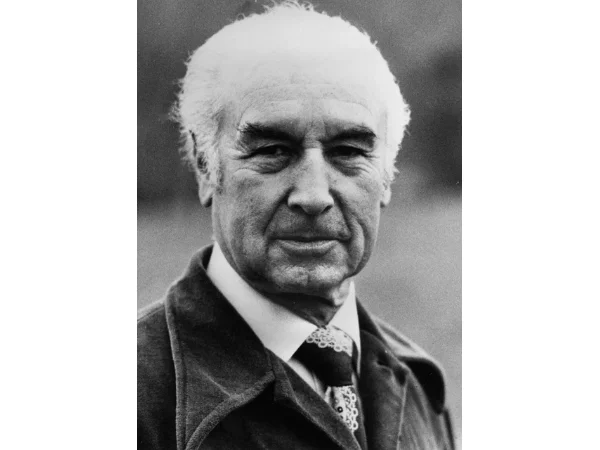
Swiss chemist Albert Hofmann is one of the most important figures in psychedelic chemistry and the discovery of LSD.
His work is relevant to Hawaiian Baby Woodrose because researchers later identified ergoline alkaloids such as LSA in Argyreia nervosa and related plants.
However, it would be inaccurate to claim that Hofmann personally used Hawaiian Baby Woodrose unless a reliable source specifically documents such an experience.
Terence McKenna is another famous figure frequently associated with natural psychedelics and ethnobotany.
His books and lectures covered a broad range of psychoactive plants and fungi.
However, Hawaiian Baby Woodrose was not as central to his public work as substances such as psilocybin mushrooms, ayahuasca and DMT-containing plants.
For an evidence-based article, it is better not to imply personal consumption without documentation.
Online psychedelic culture often repeats stories without primary sources.
A celebrity may have discussed “LSA,” “morning glory,” “woodrose,” or “psychedelics” without specifying Argyreia nervosa.
These terms are not interchangeable.
For that reason, the strongest answer is that there are few well-documented celebrity accounts specifically involving Hawaiian Baby Woodrose, despite the plant’s visibility in psychedelic culture.
Hawaiian Baby Woodrose, or Argyreia nervosa, is a fascinating plant with a complicated history.
Despite its name, it comes from the Indian subcontinent rather than Hawaii. It belongs to the morning-glory family and has a long history of traditional medicinal use in South Asia. Its seeds later attracted attention because they contain ergoline alkaloids, especially LSA or ergine.
The chemistry is what makes Hawaiian Baby Woodrose particularly interesting.
LSA is structurally related to LSD and interacts with several serotonin, dopamine and adrenergic receptors. This can produce changes in perception, cognition and mood. But the experience is not simply a weaker version of LSD. Research suggests that Hawaiian Baby Woodrose can produce a combination of psychoactive, sedating and physically uncomfortable effects.
The plant’s modern reputation as a “natural psychedelic” has also created significant misconceptions.
Natural does not mean harmless.
Medical literature has documented nausea, vomiting, weakness, tremors, cardiovascular disturbances, confusion, anxiety, psychosis-like reactions and acute psychosis following exposure. Poison-center data also show that Hawaiian Baby Woodrose exposures can result in moderate or major clinical effects.
Another important issue is unpredictability. The amount of LSA and other alkaloids can vary between seeds and batches, making the effects of raw plant material difficult to predict. This is one of the biggest differences between a naturally occurring psychoactive seed and a standardized pharmaceutical compound.
There is also an important cultural lesson.
Hawaiian Baby Woodrose should not be discussed only as a recreational “legal high.” Argyreia nervosa has a much longer history in South Asian traditional medicine, and its pharmacology is more complicated than its reputation on psychedelic forums suggests.
The most accurate way to describe it is therefore straightforward:
Hawaiian Baby Woodrose is a tropical climbing plant whose seeds contain psychoactive ergoline alkaloids, particularly LSA, that can alter perception and consciousness while also producing significant physical and psychological effects.
It is scientifically interesting, culturally important and worthy of further research. But current evidence does not justify presenting Hawaiian Baby Woodrose as a proven treatment for depression, anxiety, addiction or other medical conditions.
For anyone researching Hawaiian Baby Woodrose effects, LSA, ergine, natural psychedelics, Argyreia nervosa, or the difference between LSA and LSD, the most important takeaway is that the science is more nuanced than the popular nickname “natural LSD” suggests.
The plant may be natural, but its chemistry is powerful, its effects can be unpredictable, and its risks deserve to be taken seriously.
Hawaiian Baby Woodrose is the common name for Argyreia nervosa, a climbing vine native to the Indian subcontinent. Its seeds contain naturally occurring ergoline alkaloids, particularly LSA or ergine, and have psychoactive properties.
No. Hawaiian Baby Woodrose contains LSA and other ergoline alkaloids. LSA is chemically related to LSD, but the two substances have different pharmacological profiles and can produce noticeably different effects.
LSA stands for lysergic acid amide, also called ergine. It is an ergoline alkaloid and one of the principal psychoactive compounds found in Hawaiian Baby Woodrose seeds.
Its ergoline alkaloids interact with several neurotransmitter receptors, particularly serotonin and dopamine receptors. This can alter perception, mood, attention and cognition and may produce psychedelic or dream-like experiences.
It can cause perceptual changes and hallucinations, but the experience is not necessarily comparable to LSD or psilocybin. Human studies have reported significant physical and autonomic effects alongside psychological changes.
It cannot be considered completely safe. Medical literature has documented nausea, cardiovascular effects, severe psychological reactions and cases of acute psychosis following exposure.
Yes. Psychosis-like reactions and acute psychosis have been reported following consumption of the seeds. These reactions appear to be uncommon but can be serious enough to require hospitalization.
There is not enough evidence to describe Hawaiian Baby Woodrose as physically addictive in the same way as opioids, nicotine or alcohol. However, limited research does not mean there are no risks associated with repeated use or psychological reliance.
There is currently insufficient clinical evidence to recommend Hawaiian Baby Woodrose as a treatment for depression. Research into LSA and related compounds is much less developed than research into psilocybin-assisted therapy.
The seeds naturally contain psychoactive ergoline alkaloids, particularly LSA. These compounds can alter perception and consciousness, which is why the plant is commonly classified as a natural psychedelic or psychoactive plant.