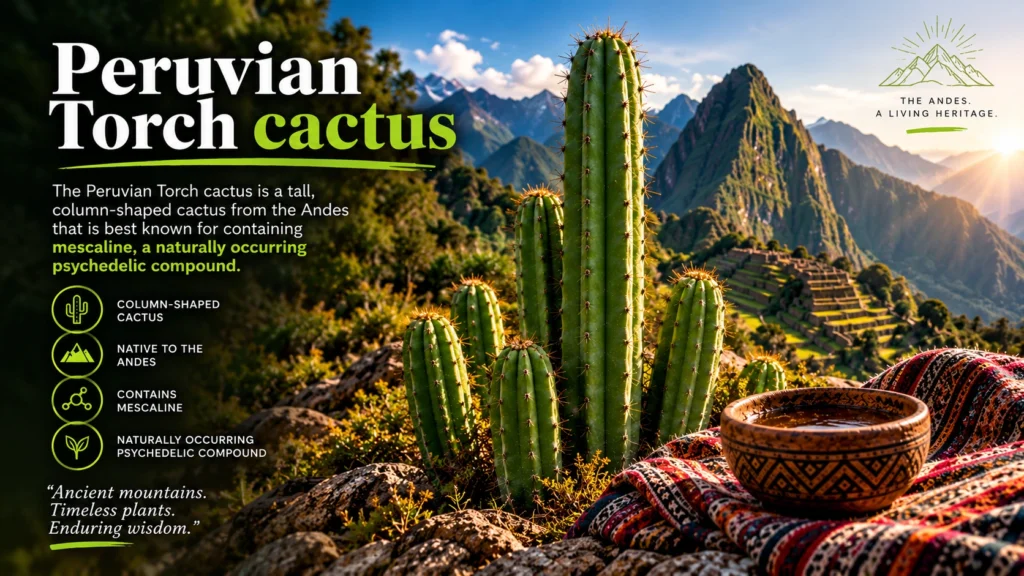
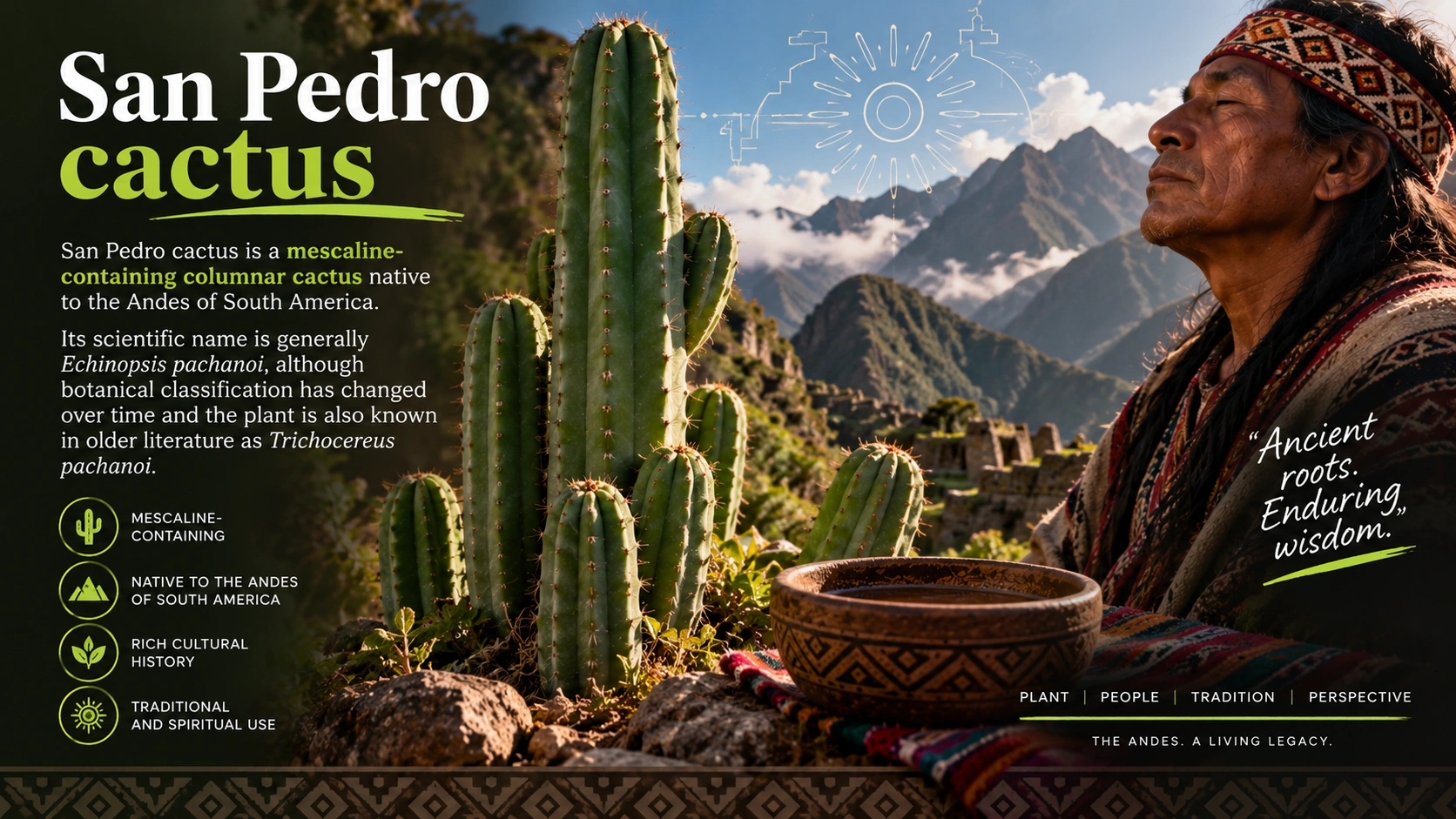
San Pedro cactus is a mescaline-containing columnar cactus native to the Andes of South America. Its scientific name is generally Echinopsis pachanoi, although botanical classification has changed over time and the plant is also known in older literature as Trichocereus pachanoi.
San Pedro does not have a single modern “discoverer.”
Andean communities were using mescaline-containing cacti long before Western botanists documented them.
Archaeological evidence provides some remarkable clues.
The Temple of the Hands at Chavín de Huántar in Peru, dating back more than 3,000 years, contains artistic imagery interpreted by researchers as depicting San Pedro cactus and its role in ritual practices.
More broadly, archaeological and ethnobotanical research indicates that psychoactive cacti were incorporated into ancient Andean religious and healing traditions long before European colonization. (pubmed.ncbi.nlm.nih.gov)
The name San Pedro, meaning “Saint Peter,” reflects the blending of Indigenous traditions with Catholic influences following European colonization.
Saint Peter is traditionally described in Christianity as holding the keys to heaven.
The name may therefore reflect the cactus’s traditional association with entering altered or spiritual states of consciousness.
In Peru, it is also commonly called wachuma or huachuma, particularly in Indigenous and traditional healing contexts.
European botanical exploration of South American cacti increased during the nineteenth century.
The species was formally described by botanists in the nineteenth century, although its taxonomy has since undergone multiple revisions.
It has historically been classified as Trichocereus pachanoi, but modern botanical classifications generally place it under Echinopsis, resulting in the name Echinopsis pachanoi.
The chemical story developed later.
Researchers eventually established that the cactus contained mescaline, the same psychedelic alkaloid identified in peyote.
This connected San Pedro with the rapidly developing field of psychedelic pharmacology.
German pharmacologist Arthur Heffter isolated mescaline from peyote in 1898.
Later, researchers synthesized mescaline and began studying its effects independently of the cactus.
This was a major development because scientists could now investigate the pharmacology of the compound found in multiple cactus species.
San Pedro subsequently became an important ethnobotanical example of a plant containing a scientifically characterized psychedelic compound.
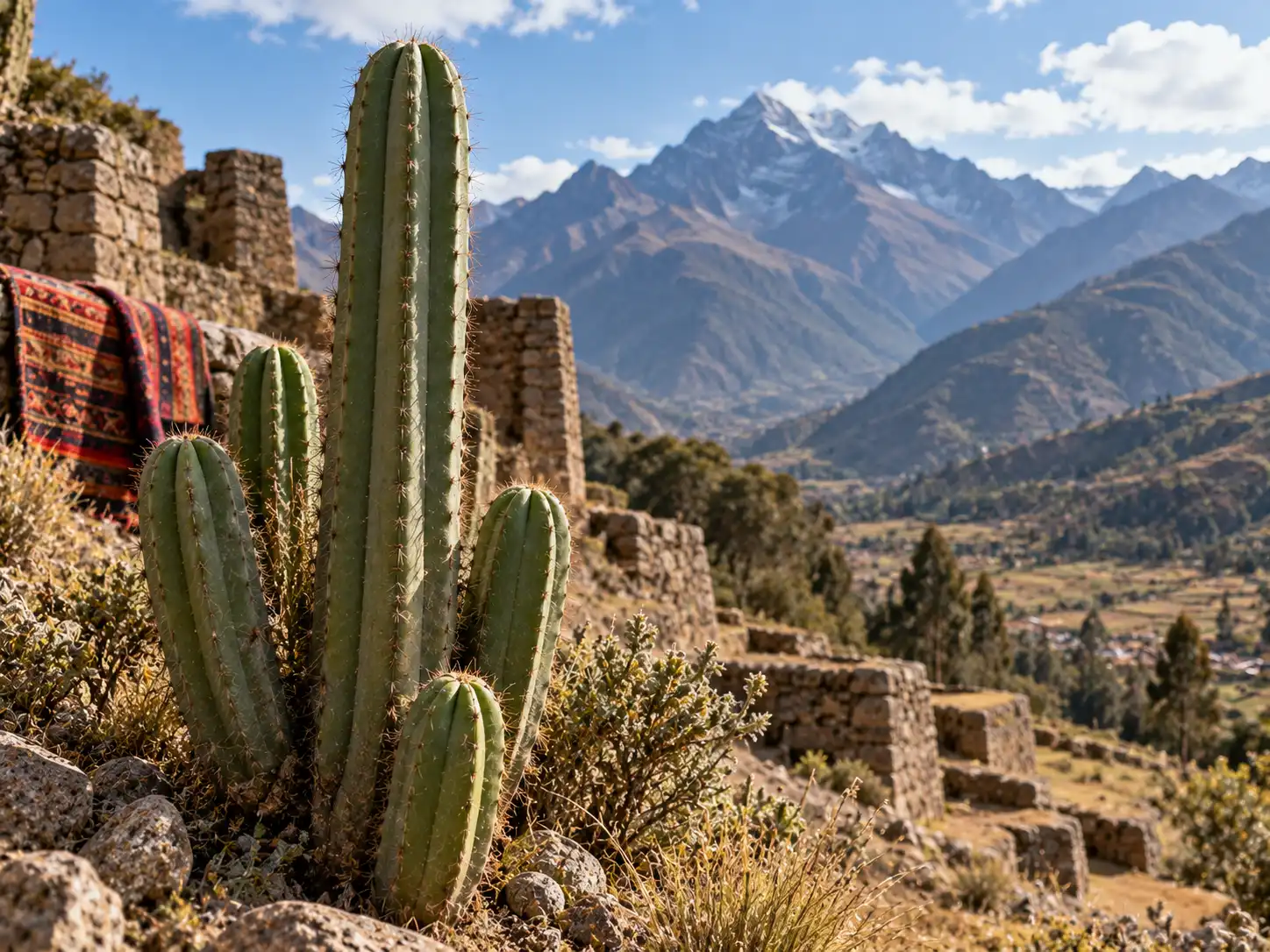
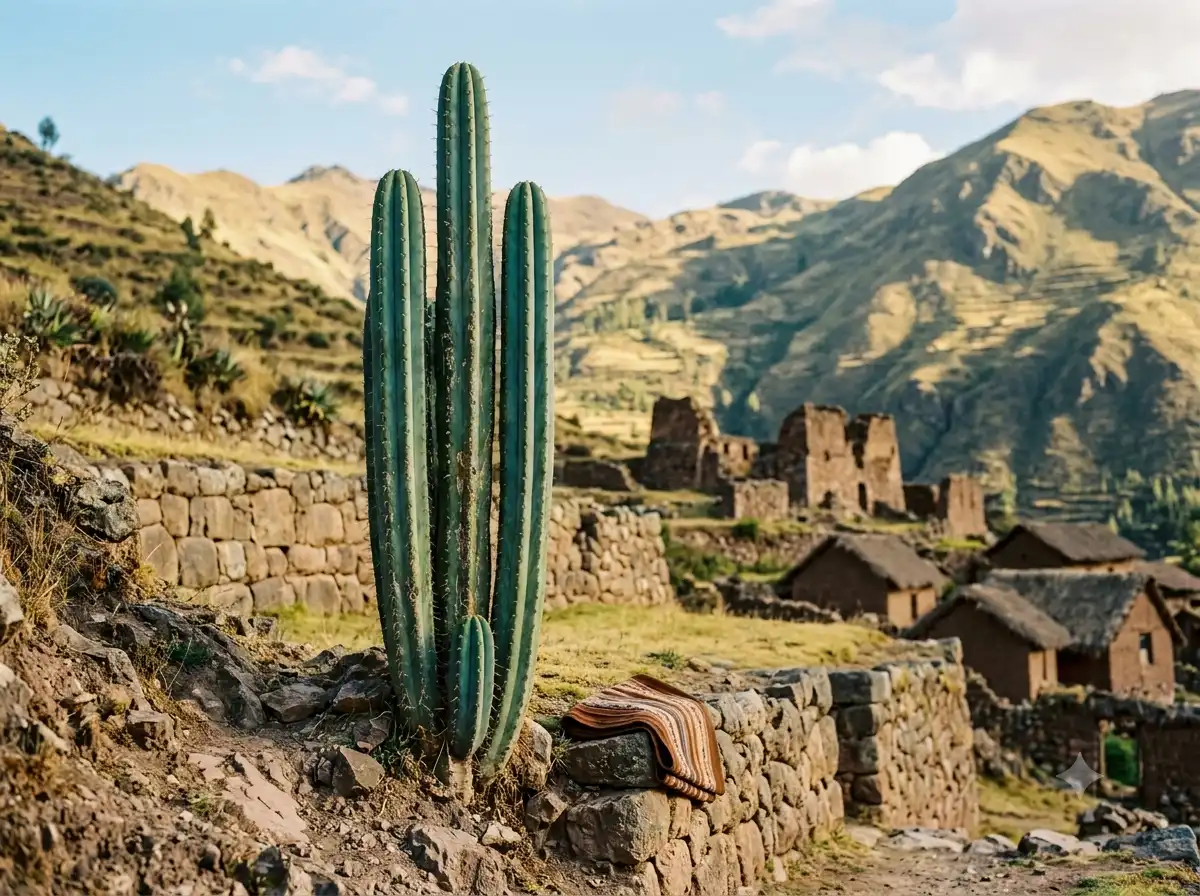
San Pedro is native to the Andean region of South America.
Its natural and traditional range includes parts of:
It is particularly associated with the highlands and valleys of Peru and Ecuador.
The cactus is adapted to mountainous environments and can tolerate conditions that would be difficult for many tropical plants.
Peru is probably the country most strongly associated with San Pedro’s traditional use.
Traditional healers, often called curanderos, have used San Pedro preparations in healing ceremonies for generations.
These ceremonies may involve:
San Pedro is therefore not simply a recreational psychedelic in its traditional context.
For many practitioners, it is a plant teacher or sacred medicine.
Today, San Pedro is cultivated worldwide.
It is popular among cactus collectors because it is relatively fast-growing compared with many other columnar cacti.
It can be found in botanical gardens, private collections, and specialty horticultural communities across North America, Europe, Australia, and other regions.
Its international cultivation has reduced pressure on some wild populations compared with the situation for slow-growing peyote.
However, wild harvesting and commercial demand can still create conservation and ethical concerns.
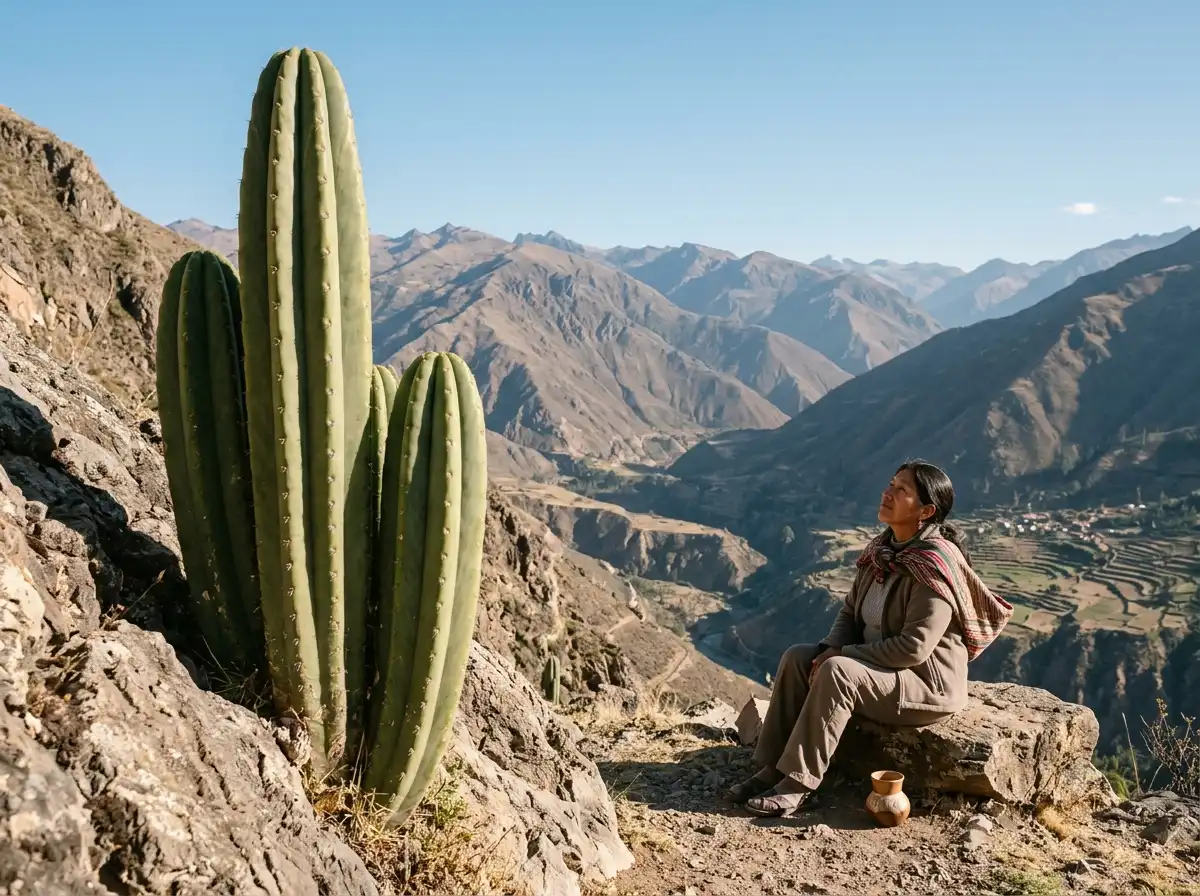
The main psychoactive compound responsible for San Pedro’s psychedelic effects is mescaline.
Mescaline is a naturally occurring phenethylamine psychedelic.
Its chemical structure is different from psilocybin, DMT, and LSD, but it shares an important pharmacological feature with classic psychedelics:
activation of serotonin 5-HT2A receptors.
After absorption, mescaline reaches the brain and interacts with several neurotransmitter receptors.
The most important for its psychedelic effects appears to be the 5-HT2A serotonin receptor.
Activation of this receptor changes how neurons communicate and influences brain networks involved in:
Mescaline also interacts with other serotonin receptors and certain dopamine and adrenergic receptors, which may contribute to its overall psychological and physical effects. (pubmed.ncbi.nlm.nih.gov)
Your brain is constantly interpreting sensory information.
It does not simply record the world like a camera.
It combines sensory signals with memories, expectations, emotions, and predictions.
Psychedelics can disrupt the normal balance between these processes.
Under the influence of mescaline, ordinary visual and sensory information can become unusually intense or distorted.
A person may experience:
But hallucinations are only one part of the experience.
Mescaline can also profoundly change how a person thinks and feels.
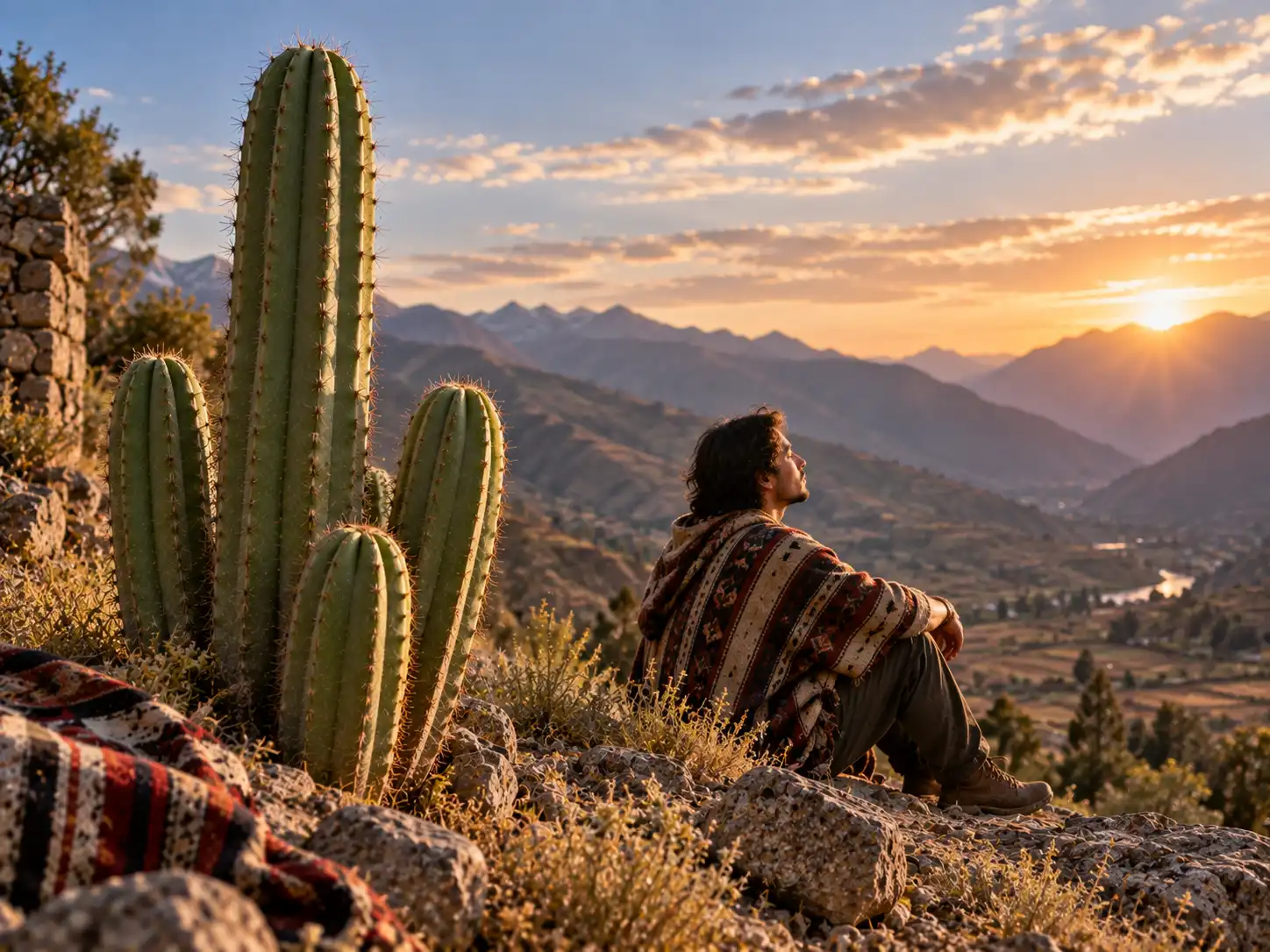
The brain effects of San Pedro are largely driven by mescaline.
Because mescaline is a classic psychedelic, its effects overlap with those of LSD and psilocybin, although the experience can feel quite different.
Visual changes can include enhanced colors, patterns, movement, and distortions in the appearance of familiar objects.
Some people experience vivid internal imagery even with their eyes closed.
These effects are related to altered serotonin signaling and changes in sensory-processing networks.
Time can feel unusually slow or fast.
A short period can seem much longer.
This is a common feature of psychedelic states and appears to involve altered attention and internal timing processes.
Mescaline can intensify emotions.
A person may experience:
The emotional direction is not guaranteed.
Someone expecting a positive experience can still experience fear or anxiety.
San Pedro may also alter the normal sense of self.
Some people describe feeling more connected with:
Others may feel temporarily detached from their ordinary identity.
This phenomenon is sometimes described as ego dissolution, although the intensity varies considerably between people.
Modern psychedelic neuroscience suggests that mescaline and related psychedelics can alter communication between large-scale brain networks.
Researchers are particularly interested in the default mode network, which is involved in self-referential thinking and autobiographical processing.
However, it would be inaccurate to say that psychedelics simply “turn off” this network.
The brain does not switch cleanly from one mode to another.
Instead, psychedelic states appear to involve unusual changes in the coordination and communication between multiple networks.
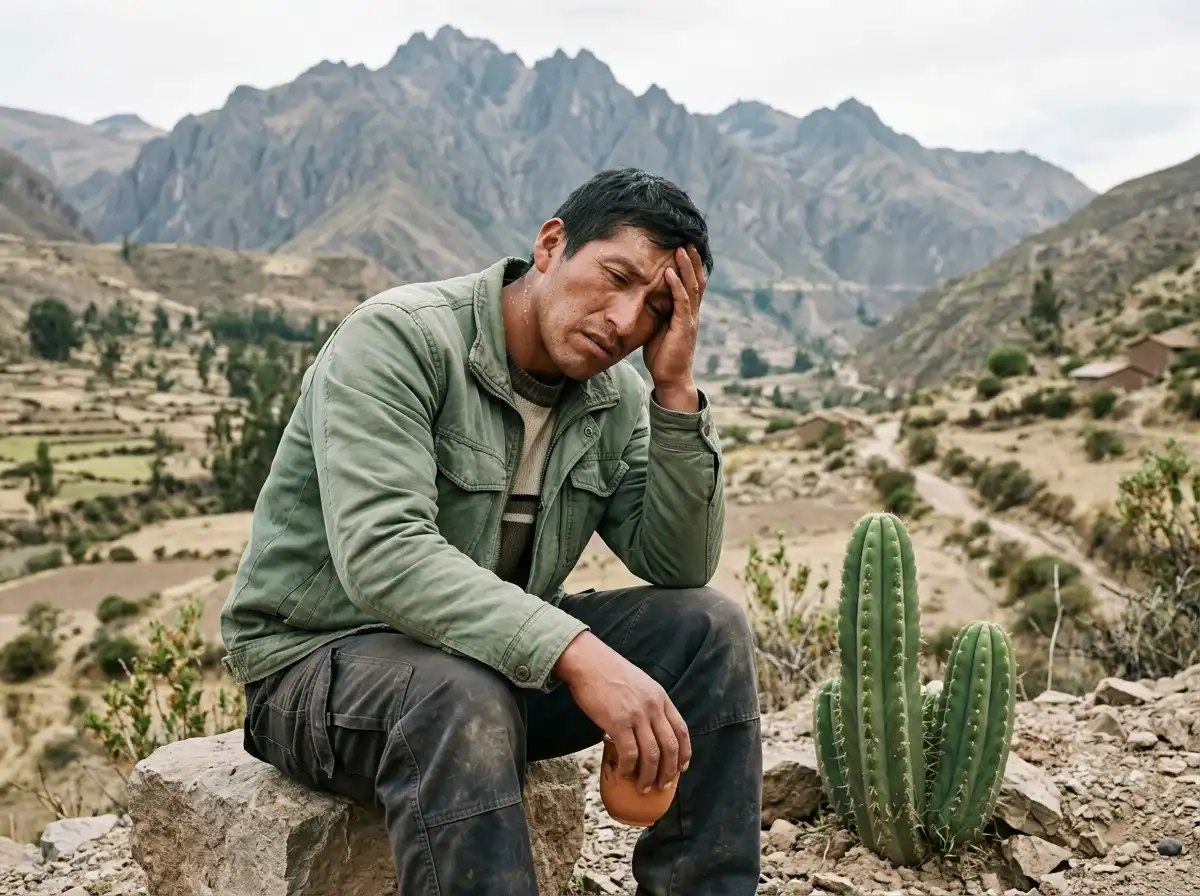
The physical effects of San Pedro are largely related to mescaline and the other compounds present in the cactus.
Potential effects include:
The physical experience can be uncomfortable even when the psychological experience is positive.
Nausea is one of the most commonly reported physical effects associated with mescaline-containing cacti.
Traditional practitioners may interpret vomiting within a spiritual or ceremonial framework.
From a medical perspective, however, nausea and vomiting are physiological effects.
They do not necessarily indicate that the body is “removing toxins.”
Mescaline can temporarily increase cardiovascular activity.
Modern controlled research involving mescaline has demonstrated dose-dependent changes in heart rate and blood pressure alongside psychedelic effects. (pubmed.ncbi.nlm.nih.gov)
This means people with cardiovascular conditions should not assume that a natural cactus is automatically safe.
Psychedelics can interfere with normal coordination and judgment.
This can create accidental injury risks, particularly in unfamiliar environments.
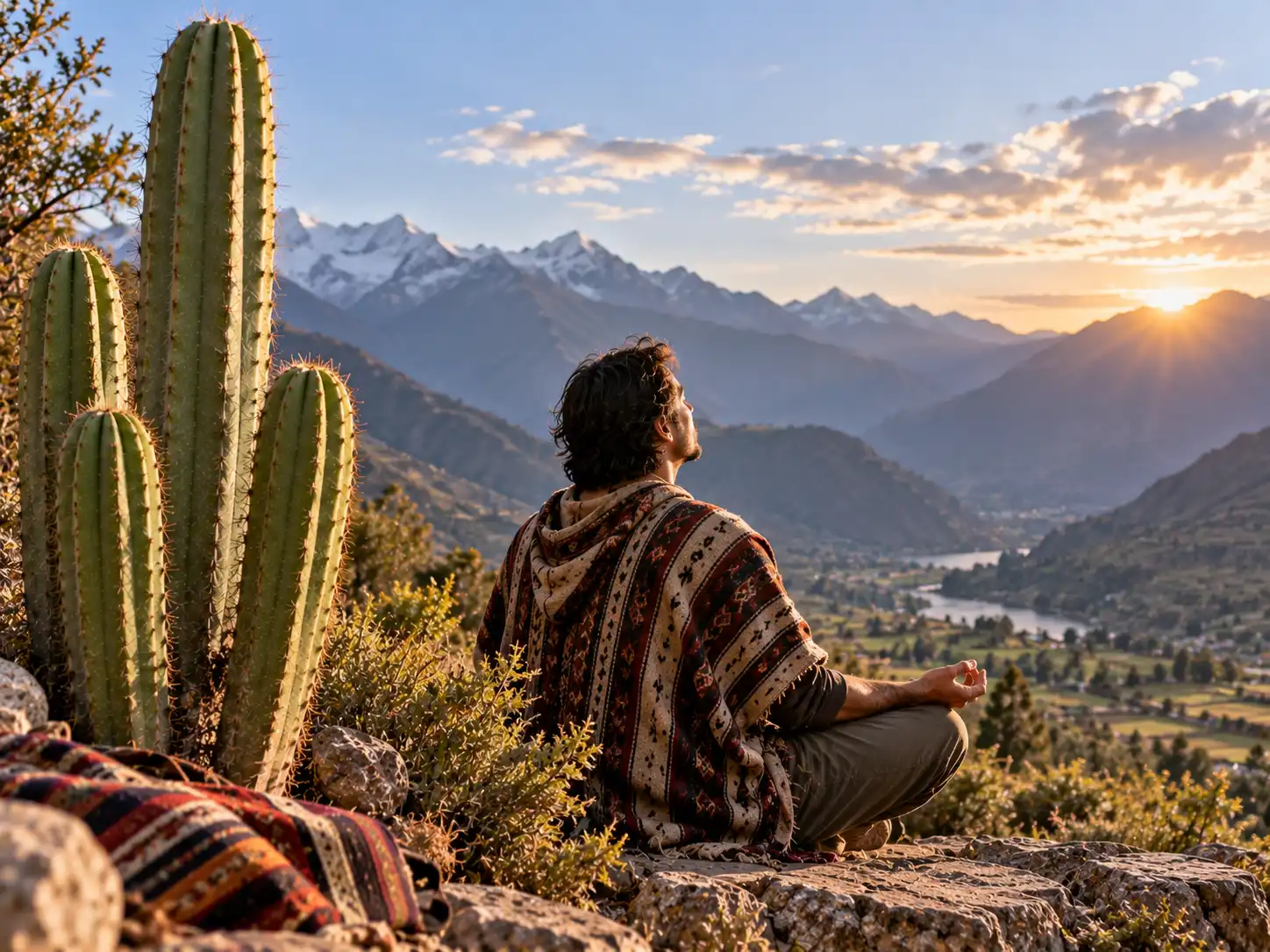
It is important to distinguish reported experiences from clinically proven medical benefits.
San Pedro itself is not an FDA-approved medical treatment.
Nevertheless, researchers and traditional practitioners have identified several areas of interest.
San Pedro has a long history of ceremonial use for spiritual purposes.
People may describe:
These experiences can be deeply meaningful.
But spirituality is subjective and cannot be measured in the same way as blood pressure or memory performance.
Psychedelic experiences can sometimes cause people to reflect intensely on their emotions and behavior.
Some users report gaining new perspectives on:
This is one reason researchers are studying psychedelics in psychotherapy.
Research into mescaline is much smaller than research into psilocybin.
Still, a 2026 systematic review found preliminary reports of improvements in depression, well-being, nicotine dependence, alcohol use, and obsessive symptoms following mescaline exposure. (pubmed.ncbi.nlm.nih.gov)
These findings are interesting but should not be overstated.
Most of the evidence is preliminary.
Large randomized clinical trials are needed before mescaline can be considered an established treatment.
Classic psychedelics such as mescaline are generally considered to have relatively low potential for physical dependence compared with substances such as opioids, nicotine, or alcohol.
However, this does not mean San Pedro is harmless.
A substance can have low addiction potential while still producing severe acute psychological effects or dangerous impairment.
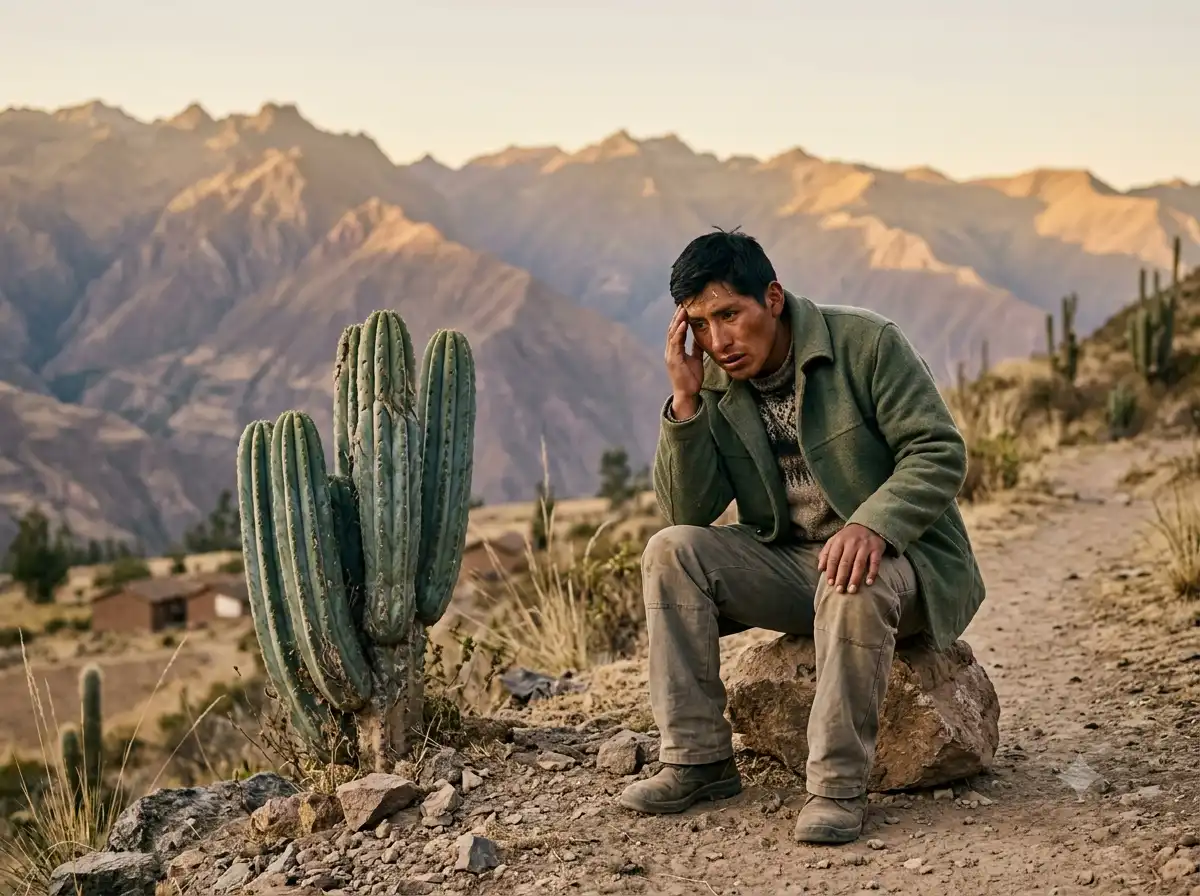
San Pedro can produce difficult experiences, particularly when the psychedelic effects become overwhelming.
This is one of the most common problems.
The discomfort can be significant and may last for part of the experience.
Mescaline can intensify emotions.
If someone becomes frightened, that fear can become extremely powerful.
The altered state can make it difficult to interpret surroundings normally.
This can result in suspicious thoughts or confusion.
People with cardiovascular disease may face higher risks from the temporary cardiovascular effects.
Someone under the influence may misjudge:
This can lead to accidents.
Psychedelics can produce temporary experiences that resemble psychosis.
Rare cases of persistent psychiatric symptoms have been reported following psychedelic exposure, particularly in vulnerable individuals.
People with a personal or family history of psychotic disorders or mania may be at increased risk.
Mescaline has a relatively long psychedelic duration.
A 2024 controlled study found subjective effects lasting approximately 6.4 to 14 hours, depending on dose. (pubmed.ncbi.nlm.nih.gov)
This is an important difference between mescaline and very short-acting psychedelics.
If the experience becomes unpleasant, it may continue for many hours.
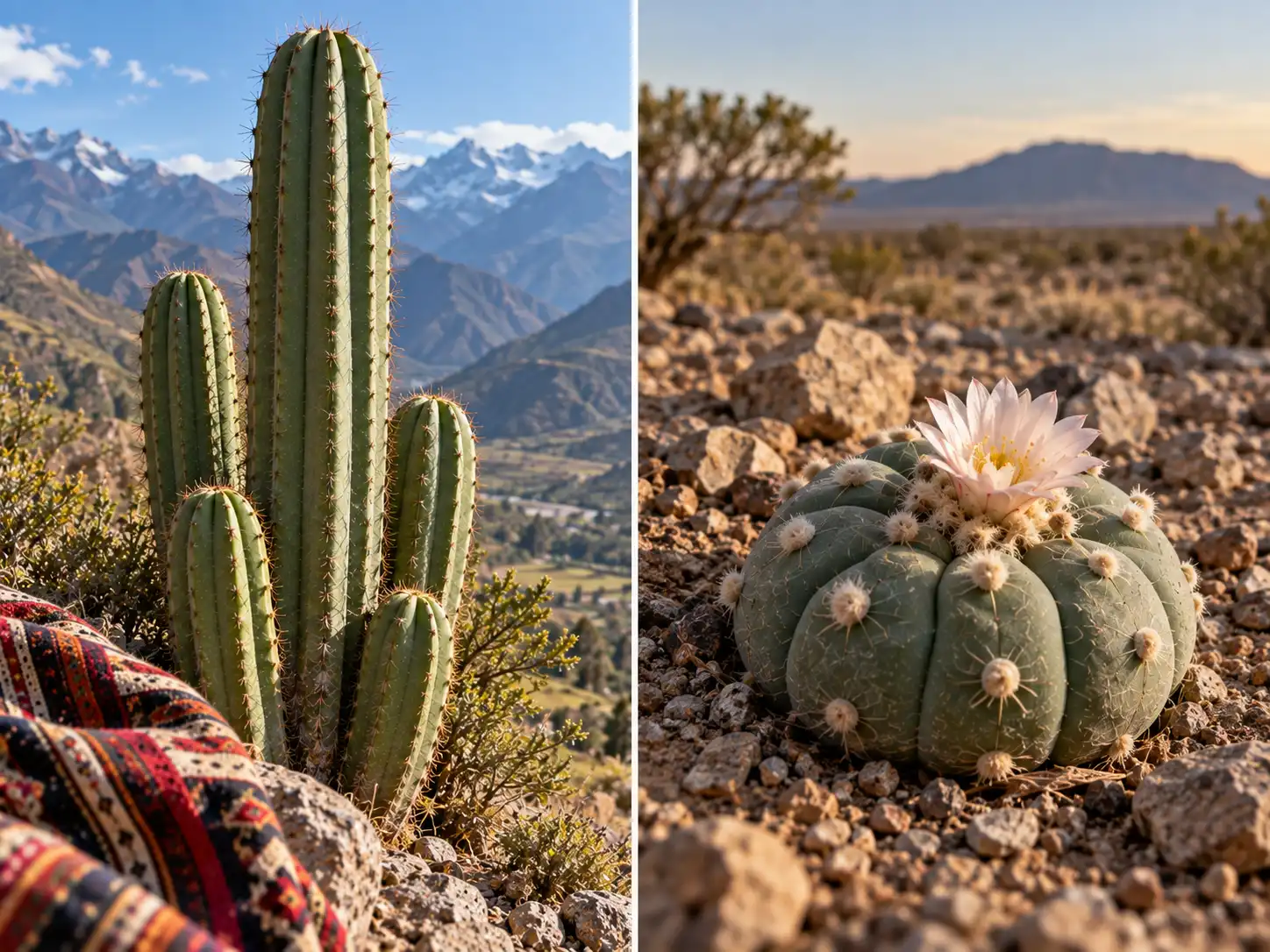
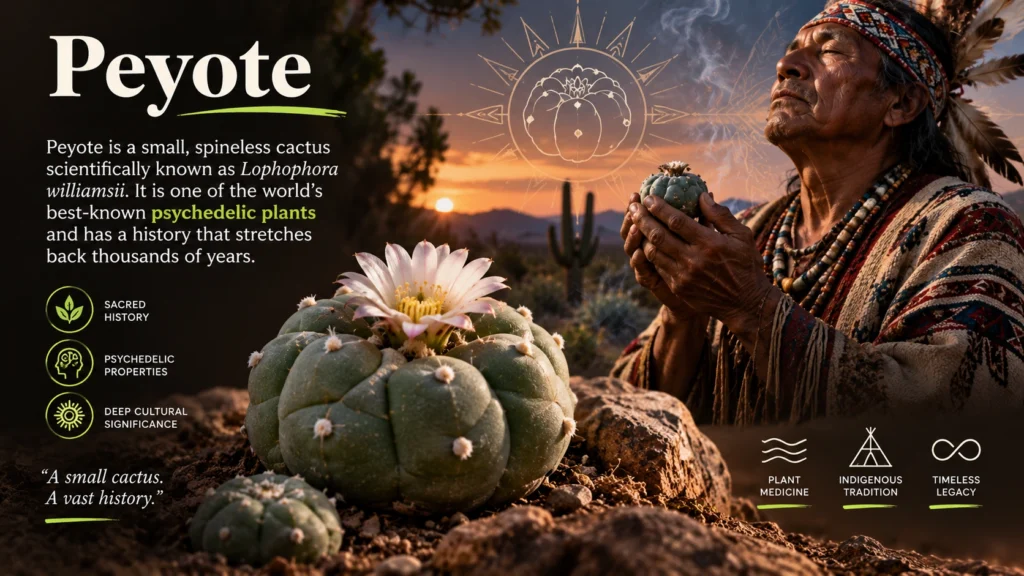
San Pedro and peyote are often grouped together because both contain mescaline.
But they are not the same cactus.
| Feature | San Pedro | Peyote |
|---|---|---|
| Scientific name | Echinopsis pachanoi | Lophophora williamsii |
| Growth form | Tall columnar cactus | Small button-like cactus |
| Main psychoactive compound | Mescaline | Mescaline |
| Native region | Andes of South America | Mexico and southern Texas |
| Traditional use | Andean healing and ceremony | Indigenous and Native American religious traditions |
| Growth rate | Relatively fast | Very slow |
| Conservation concern | Lower than peyote in many contexts | Significant |
| Common traditional name | Wachuma / Huachuma | Peyote |
The biggest difference is cultural and ecological.
Peyote is a particularly slow-growing cactus with significant conservation concerns and deep religious importance to Native American communities.
San Pedro is generally faster growing and is widely cultivated as an ornamental cactus.

San Pedro has not developed the same celebrity culture associated with ayahuasca or LSD.
Its public identity is more closely connected to anthropology, ethnobotany, Indigenous traditions, psychedelic research, and alternative spirituality.
One of the best-known Western writers associated with mescaline is Aldous Huxley, who wrote The Doors of Perception after experiencing mescaline.
However, Huxley’s experience should not automatically be described as a San Pedro experience.
He was describing mescaline, which can come from peyote or other sources.
That distinction is important.
There are also many online claims about actors, musicians, and entrepreneurs using San Pedro, but most are anecdotal or poorly documented.
It is therefore better to focus on the plant’s documented cultural and scientific history rather than attach unsupported celebrity claims to it.

The legal status of San Pedro is complicated because the cactus itself and the mescaline it contains may be treated differently under local law.
In the United States, mescaline is federally classified as a Schedule I controlled substance.
However, the legal treatment of live San Pedro cacti used for ornamental purposes can differ from the legal treatment of extracting or consuming mescaline.
State laws may also differ.
International laws vary even more.
This is why claims such as “San Pedro is legal” or “San Pedro is illegal” are too broad without specifying:
Anyone researching San Pedro should verify the current law in their specific jurisdiction.
San Pedro cactus is one of the most fascinating psychedelic plants in the world.
Scientifically known as Echinopsis pachanoi, it is a tall columnar cactus native to the Andes and traditionally associated with Peru, Ecuador, and neighboring regions.
Its history is far older than modern psychedelic culture.
Archaeological and ethnobotanical evidence indicates that mescaline-containing cacti were used in ancient Andean ceremonial practices thousands of years ago. (pubmed.ncbi.nlm.nih.gov)
For traditional practitioners, San Pedro is not simply a hallucinogen.
It is often known as wachuma or huachuma and can be part of healing ceremonies involving spirituality, ritual, music, prayer, and community.
The plant’s modern scientific importance comes primarily from mescaline, its principal psychedelic compound.
Mescaline acts primarily through the serotonin 5-HT2A receptor, changing the way the brain processes perception, emotion, sensory information, and self-awareness. (pubmed.ncbi.nlm.nih.gov)
The resulting experience can include vivid visual changes, altered time perception, emotional intensification, introspection, and changes in the sense of self.
But the physical effects should not be ignored.
Nausea, vomiting, increased heart rate, elevated blood pressure, sweating, dizziness, headache, and impaired coordination can occur.
Modern controlled research has shown that mescaline produces dose-dependent changes in both psychological and cardiovascular measures. (pubmed.ncbi.nlm.nih.gov)
The duration is also significant.
Unlike some short-acting psychedelics, mescaline can produce effects for many hours, with a controlled study reporting subjective effects lasting roughly 6.4 to 14 hours depending on dose. (pubmed.ncbi.nlm.nih.gov)
That long duration is one reason the experience can feel profound but also difficult if anxiety or confusion develops.
The therapeutic potential of mescaline is an emerging area of research.
A 2026 systematic review identified preliminary reports involving depression, well-being, nicotine dependence, alcohol use, and obsessive symptoms. However, the researchers emphasized the limited number of suitable studies and the need for stronger clinical evidence. (pubmed.ncbi.nlm.nih.gov)
So it would be premature to call San Pedro a proven treatment for mental health conditions.
There is also an important ecological difference between San Pedro and peyote.
San Pedro is relatively fast-growing and widely cultivated, while peyote is extremely slow-growing and faces more severe conservation pressures.
This makes San Pedro an important subject in discussions about sustainable psychedelic plant use.
The cultural side matters just as much.
Modern psychedelic tourism can sometimes take traditional Indigenous practices out of their original context and turn them into commercial experiences.
Understanding San Pedro responsibly means recognizing that its history is not simply a story about getting high.
It is a story about Andean medicine, spirituality, botany, chemistry, neuroscience, conservation, and the modern revival of psychedelic research.
The most accurate conclusion is therefore:
San Pedro is a traditional Andean cactus containing the psychedelic compound mescaline. It has a long history of ceremonial and healing use and is now attracting renewed scientific interest because of mescaline’s effects on consciousness and the brain. But San Pedro is not an ordinary herbal supplement, its effects can be intense and long-lasting, and its potential medical benefits remain under investigation.
The future of San Pedro research will likely focus less on the cactus as a recreational substance and more on what mescaline can teach us about perception, consciousness, emotional processing, and the possibility of psychedelic-assisted mental-health treatment.
For readers interested in natural nootropics or plant-based compounds, San Pedro is a useful reminder that “natural” can describe something biologically powerful, not necessarily something mild or risk-free.
No. San Pedro is generally identified as Echinopsis pachanoi, while peyote is Lophophora williamsii. Both contain mescaline, but they are different cactus species with different geographic origins and cultural histories.
Yes. Mescaline is the principal psychoactive compound associated with the psychedelic effects of San Pedro and several related cactus species. (pubmed.ncbi.nlm.nih.gov)
Mescaline experiences can last many hours. A controlled study of mescaline found subjective effects lasting approximately 6.4 to 14 hours depending on the dose. (pubmed.ncbi.nlm.nih.gov)
Mescaline appears to have relatively low potential for physical dependence compared with many addictive drugs. However, this does not mean San Pedro is harmless or free from psychological risks.
There is not enough evidence to call San Pedro an established treatment for depression. Early research into mescaline is promising, but modern clinical evidence remains limited compared with substances such as psilocybin. (pubmed.ncbi.nlm.nih.gov)
Nausea is a common physical effect associated with mescaline-containing cacti. The experience can involve gastrointestinal stimulation and other physiological responses. Traditional interpretations of vomiting as spiritual cleansing are culturally meaningful but should not be confused with established medical explanations.
The answer depends on what exactly is being possessed or used and where. Mescaline is federally controlled, while the legal status of live San Pedro plants can be more complicated and varies by jurisdiction. Always check current local law.