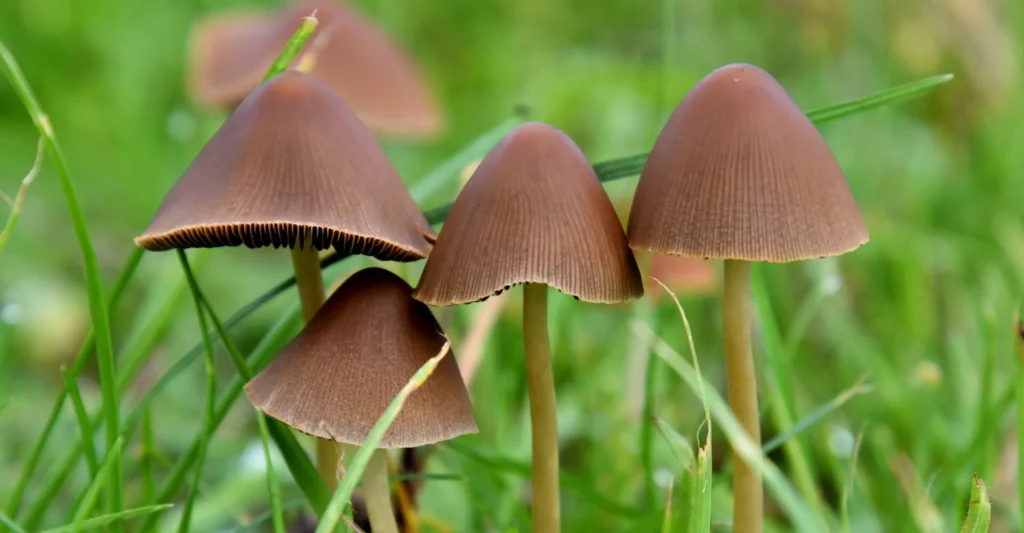
Psilocybe cubensis is one of the best-known psychedelic mushroom species in the world. Commonly called magic mushrooms, shrooms, or psychedelic mushrooms, it contains the naturally occurring compounds psilocybin and psilocin, which can temporarily change perception, mood, thinking, sensory experiences, and a person’s sense of time and self.
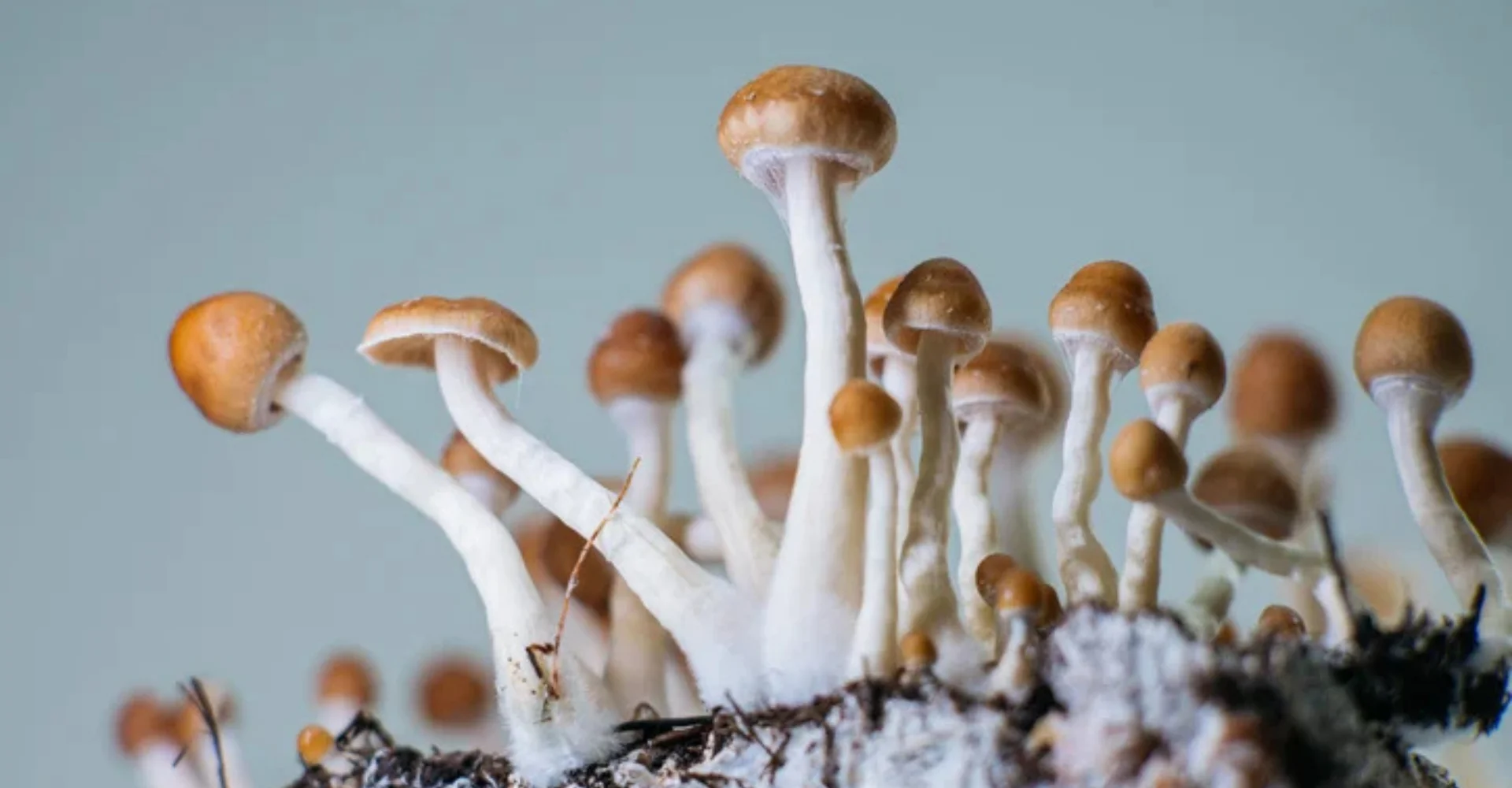
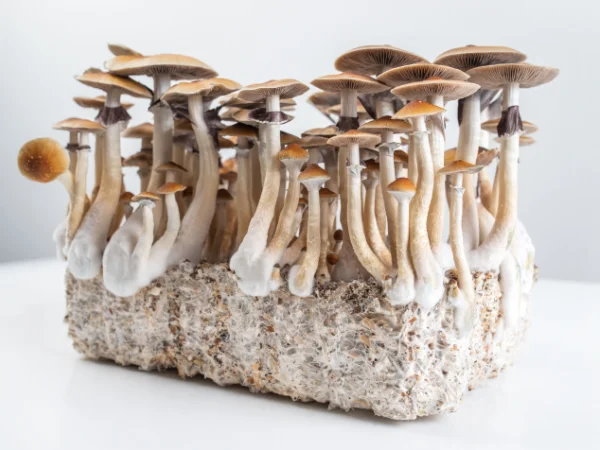
The modern scientific history of Psilocybe cubensis begins in the early 20th century, but humans were using psychedelic mushrooms long before Western scientists described the species.
Indigenous communities in parts of Mesoamerica have used psilocybin-containing mushrooms in spiritual and ceremonial traditions for centuries. Historical sources describe the use of psychoactive mushrooms in religious contexts in Mexico and Central America.
The scientific name Psilocybe cubensis was not the original name given to the species. American mycologist Franklin Sumner Earle described the mushroom in 1906, originally placing it in the genus Stropharia as Stropharia cubensis. It was later transferred to the genus Psilocybe, becoming Psilocybe cubensis.
The current scientific name is attributed to Rolf Singer, who made the combination Psilocybe cubensis in 1948.
Although the mushroom itself had been known to science, its psychedelic chemistry became much clearer in the 1950s.
In 1957, American banker and amateur mycologist R. Gordon Wasson published an account of his experience with psychedelic mushrooms in Mexico in Life magazine. His article introduced a huge Western audience to the existence and traditional use of what became popularly known as “magic mushrooms.”
This helped trigger intense scientific interest.
Swiss chemist Albert Hofmann, already famous for his discovery of LSD, later isolated and synthesized psilocybin and psilocin from psychedelic mushrooms. Sandoz Laboratories subsequently supplied psilocybin for scientific and psychiatric research.
For a period in the 1950s and 1960s, researchers investigated psilocybin as a possible tool for studying consciousness, perception, alcoholism and psychiatric conditions.
That research slowed dramatically after psychedelic drugs became politically controversial. In the United States, psilocybin was placed into Schedule I under the Controlled Substances Act in 1970.
For decades, legitimate psychedelic research was heavily restricted.
Today, the situation is very different. Modern clinical trials have renewed scientific interest in psilocybin, particularly for depression, addiction and end-of-life psychological distress.
The FDA has granted breakthrough therapy designations to psilocybin-assisted therapy for major depressive disorder and treatment-resistant depression, although breakthrough therapy designation does not mean that psilocybin itself has been approved as a treatment.
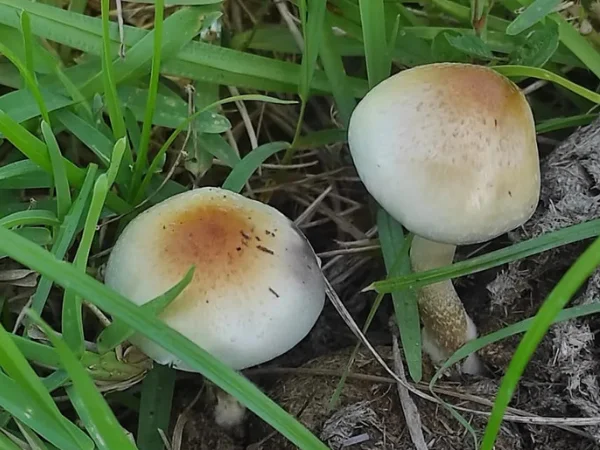
Psilocybe cubensis is primarily associated with warm, humid and tropical or subtropical environments.
It has a broad distribution and has been reported across parts of:
The species is particularly associated with grasslands and areas where large grazing animals are present. It is commonly described as growing on or around nutrient-rich cattle and other livestock manure.
This ecological relationship is interesting because P. cubensis is not simply a forest mushroom. It is adapted to environments where herbivores alter the landscape and leave behind nutrient-rich material.
Fungi play a major role in breaking down organic material.
Psilocybe cubensis is a saprotrophic fungus, meaning it obtains nutrients by decomposing organic matter rather than producing energy through photosynthesis like plants.
Its ecological niche helps explain why the species is often associated with disturbed grasslands and livestock environments in warm climates.
It is important to note that wild mushroom identification can be dangerous. Some poisonous mushrooms can resemble psychoactive species, and misidentification can result in serious or potentially fatal poisoning.
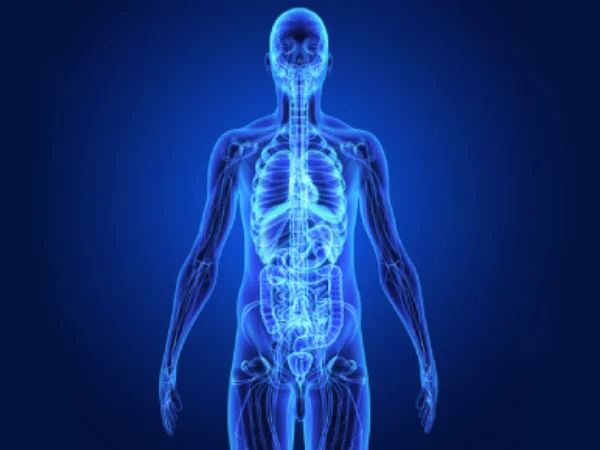
The main reason Psilocybe cubensis produces psychedelic effects is psilocybin.
Psilocybin itself is considered a prodrug. After ingestion, the body converts it into psilocin, the compound primarily responsible for the psychedelic experience.
Psilocin has a chemical structure that allows it to interact with serotonin receptors in the brain.
One receptor is particularly important:
5-HT2A, a subtype of the serotonin receptor.
Activation of this receptor is strongly associated with the perception-altering effects of classic psychedelics.
But psilocybin’s effects cannot be reduced to one receptor acting alone.
The brain is an interconnected system, and psychedelic experiences appear to involve changes across multiple networks responsible for perception, attention, emotion, memory and the sense of self.
Under normal circumstances, the brain constantly filters and organizes enormous amounts of sensory information.
Psilocybin temporarily changes how some of these networks communicate.
Researchers have observed changes in functional connectivity across the brain, including networks associated with the default mode network, which plays a role in internally directed thought and aspects of self-related processing.
This may help explain why ordinary experiences can feel completely different during a psychedelic state.
Colors may appear unusually vivid. Music can feel more emotionally powerful. Time can seem to slow down or disappear. Thoughts may become unusually associative, and memories can become emotionally intense.
The experience varies considerably from person to person.
Mood, expectations, surroundings, previous experience, mental health, the mushroom species and the amount of active compound can all influence what happens.
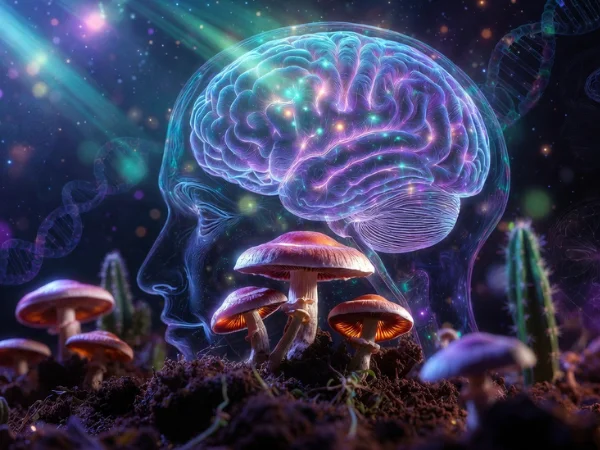
The brain is where most of the distinctive effects of Psilocybe cubensis become apparent.
After psilocybin is converted to psilocin, the compound interacts with serotonin receptors and temporarily changes communication between brain regions.
Modern neuroimaging research has produced some fascinating findings.
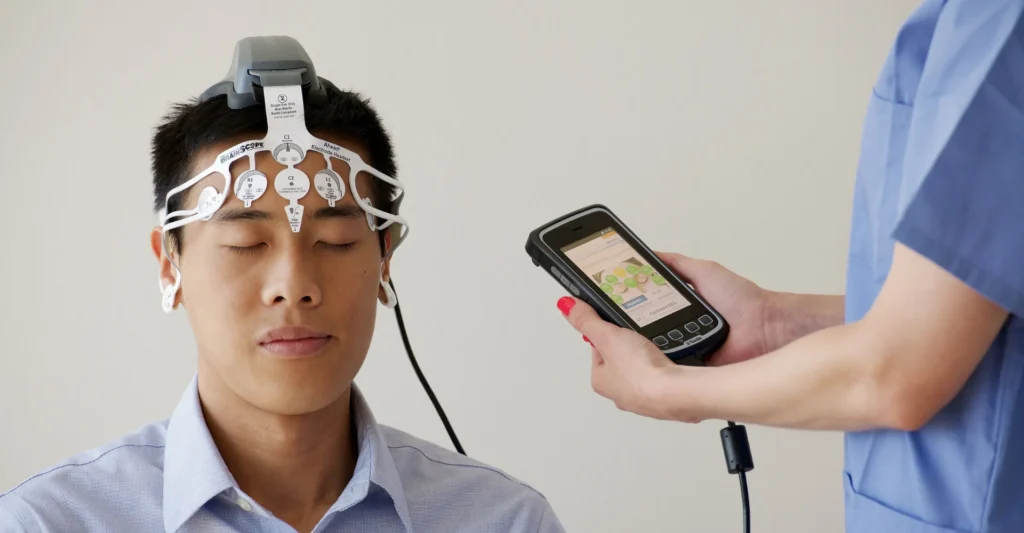
Researchers at Washington University in St. Louis used functional MRI to examine the brains of people given a controlled dose of psilocybin. The study found substantial changes in functional connectivity across the brain.
One of the most notable findings involved the default mode network.
This network is associated with self-referential thinking, autobiographical memory and the ongoing sense of being a distinct individual.
During the psychedelic experience, normally distinct brain networks became less segregated and communication patterns changed.
This may help explain experiences sometimes described as ego dissolution, where the normal boundaries between “me” and the surrounding world feel less rigid.
Current evidence does not support the simplistic idea that a typical psychedelic experience automatically “kills brain cells.”
However, that does not mean psychedelic mushroom use is risk-free.
The biggest concerns are psychological reactions, impaired judgment, accidents, interactions with other substances and the possibility of triggering or worsening certain psychiatric conditions in vulnerable people.
Research is also examining whether psychedelic experiences can produce longer-lasting changes in brain connectivity and emotional processing.
Importantly, scientists are still determining which changes are therapeutic, which are temporary and which might be harmful.

Psilocybin does not only affect the mind.
Physical effects can occur during the psychedelic experience, including:
Some people experience stomach discomfort or vomiting, particularly during the early part of the experience.
The cardiovascular effects are usually temporary, but people with certain health conditions may face greater risks.
Another important issue is impaired judgment.
A person experiencing intense perceptual changes may misinterpret their surroundings, become disoriented or engage in risky behavior without appreciating the consequences.
This is one reason clinical psychedelic research places so much emphasis on the environment, screening and trained supervision.
The goal is not simply to administer psilocybin. Researchers carefully control the setting in which the experience occurs.
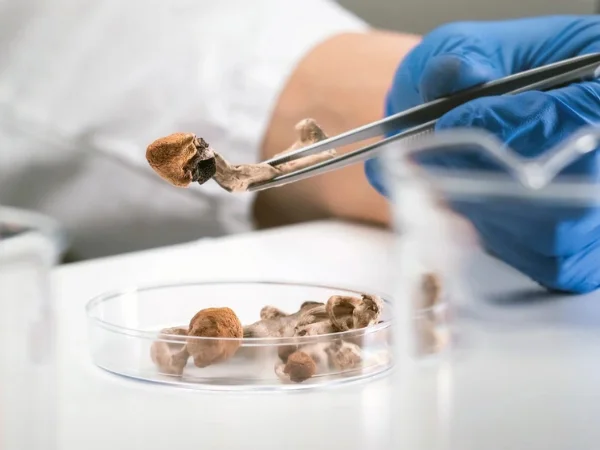
Much of the recent excitement surrounding Psilocybe cubensis comes from research into psilocybin-assisted therapy.
It is important to distinguish between the mushroom itself and the controlled pharmaceutical-style use of purified psilocybin in clinical research.
Clinical research has produced promising findings involving:
Some studies suggest that one or a small number of carefully supervised psychedelic sessions, combined with psychological support, can produce improvements that persist beyond the acute drug experience.
That is one of the most interesting aspects of psychedelic medicine.
Traditional antidepressants are generally taken repeatedly. Psychedelic therapy research is exploring whether carefully prepared experiences may produce longer-lasting changes after only a limited number of sessions.
However, this does not mean that eating Psilocybe cubensis at home is equivalent to participating in a clinical trial.
Clinical studies use carefully selected participants, controlled doses, preparation sessions, trained facilitators and follow-up support.
Some people report that psychedelic experiences help them reconsider long-standing patterns of thought.
They may feel less trapped by negative beliefs, gain a new perspective on relationships or experience a greater sense of connection.
These subjective effects are difficult to quantify, but they are an important part of current psychedelic research.
Researchers are also investigating whether psilocybin may influence neuroplasticity, the brain’s ability to change its connections and function.
Laboratory research suggests that psychedelic compounds can influence processes related to neural plasticity.
But popular claims that psilocybin simply “rewires your brain” are much stronger than the evidence currently allows.
The science is promising, but still developing.

The idea that magic mushrooms are completely safe because they are “natural” is misleading.
Psilocybin can produce extremely intense psychological effects.
A difficult psychedelic experience may involve:
These reactions are sometimes called a bad trip.
For some people, the experience may be psychologically overwhelming.
Psilocybin is considered particularly risky for people with certain psychiatric conditions, including psychotic disorders such as schizophrenia. People with severe forms of bipolar disorder may also face significant risks.
Psychedelics can also interact with other medications and substances, so the idea of simply taking mushrooms because they are “natural medicine” ignores important medical considerations.
Another major risk comes from mushroom identification.
Not every mushroom that looks like a psychedelic mushroom contains psilocybin. Some poisonous species can look similar, and accidental ingestion can cause severe poisoning.
Most psychedelic experiences do not appear to result in persistent psychosis, but serious psychiatric reactions have been reported.
Persistent perceptual disturbances are also a recognized concern, although they appear to be uncommon.
Because researchers are still studying long-term effects, it would be inaccurate to describe psilocybin as either completely safe or inherently dangerous for everyone.
The reality is more complicated.
Risk depends on the person, the substance, the setting, medical history and many other factors.

Psilocybin has moved far beyond underground psychedelic culture. Several well-known public figures have openly discussed magic mushrooms or psychedelic experiences.
Former heavyweight boxing champion Mike Tyson has spoken extensively about his experiences with psychedelics, including psilocybin mushrooms.
Tyson has publicly credited psychedelics with helping him change aspects of his life and has become involved in the growing psychedelic business and advocacy community.
His claims are personal experiences rather than scientific evidence, but his public discussions have helped bring psychedelic therapy into mainstream conversations.
Prince Harry publicly discussed using psychedelics, including psilocybin mushrooms, during an interview with Anderson Cooper.
He described psychedelics as part of his efforts to deal with grief and trauma following the death of his mother, Princess Diana.
He also made an important distinction by saying that he would not recommend recreational use.
Again, his experience is personal and should not be interpreted as proof that psilocybin is an effective treatment for everyone.
Writer and journalist Michael Pollan became one of the most influential mainstream voices covering psychedelics through his book How to Change Your Mind.
Pollan has openly described participating in guided psychedelic experiences, including experiences involving psilocybin.
His work helped introduce the history and emerging science of psychedelics to millions of readers who might never have encountered the subject otherwise.
In 2026, Kylie Jenner publicly discussed having tried magic mushrooms once during an appearance on a podcast.
She described the experience as emotionally intense and said she spent much of it crying.
Her story illustrates how openly psychedelic mushroom use is now being discussed in mainstream celebrity culture.
But celebrity experiences should never be confused with medical evidence.
Psilocybe cubensis is a fascinating species sitting at the intersection of mycology, neuroscience, traditional culture and modern medicine.
Its history stretches from ancient Mesoamerican ceremonial traditions to modern laboratories studying depression and addiction. Scientifically, its importance comes primarily from psilocybin, which the human body converts into psilocin.
Once active, psilocin interacts with serotonin receptors and temporarily changes communication between brain networks. This can produce altered perception, vivid imagery, emotional intensity, changes in the sense of time and, in some cases, a profound shift in the sense of self.
Modern brain-imaging research has given scientists a much better understanding of these effects. Studies show that psilocybin can temporarily disrupt normally stable patterns of communication between brain networks, including networks involved in self-related thinking.
The potential medical benefits are perhaps the most exciting part of the current research.
Clinical trials have reported promising results for depression, anxiety associated with serious illness and certain substance use disorders. Researchers are also investigating neuroplasticity and other mechanisms that could explain why psychological changes sometimes continue after the psychedelic effects have disappeared.
But there is another side to the story.
Psilocybin can cause panic, paranoia, confusion, nausea, increased heart rate and blood pressure, and other unwanted effects. People with certain psychiatric conditions may face particularly serious risks. Wild mushroom misidentification is another potentially life-threatening problem.
Most importantly, a promising psychedelic medicine is not the same thing as an approved medicine.
The current scientific direction is not about proving that magic mushrooms are either a miracle cure or a dangerous drug with no value. Researchers are trying to understand something much more nuanced: when psilocybin might help, who is most likely to benefit, how it should be administered, and how its risks can be reduced.
That is why Psilocybe cubensis remains one of the most closely watched psychedelic mushrooms in modern science.
Its future may ultimately have less to do with recreational mushroom use and more to do with what carefully controlled psilocybin research can teach us about the human brain, mental health and the nature of consciousness.
Psilocybe cubensis is a species of psychedelic mushroom that naturally contains psilocybin and psilocin. It is commonly known as a magic mushroom or shroom and is one of the most widely recognized psilocybin-containing mushroom species.
Not exactly.
“Magic mushrooms” is a broad common term for mushrooms containing psychoactive compounds such as psilocybin. Psilocybe cubensis is one specific species within that larger group.
Its active compound, psilocybin, is converted into psilocin, which interacts strongly with serotonin receptors, particularly the 5-HT2A receptor.
This can temporarily alter brain-network communication, perception, emotional processing and the sense of self.
Research on psilocybin-assisted therapy for depression is promising, but that does not mean eating Psilocybe cubensis on your own is a proven treatment for depression.
Clinical research uses controlled doses, carefully selected participants, preparation, supervision and follow-up.
The FDA is actively supporting psychedelic drug development, but psilocybin has not been approved as a general treatment for depression in the United States.
Psilocybin does not appear to have the same addiction profile as substances such as opioids, nicotine or stimulants.
However, calling it “non-addictive” should not be interpreted as “risk-free.” Psychological dependence, repeated use and risky behavior can still occur, and researchers continue to study the long-term effects of psychedelic use.
The acute psychedelic experience generally lasts several hours, although the exact duration can vary depending on many factors.
Psychological after-effects may continue beyond the main experience, which is one reason researchers pay close attention to preparation and follow-up in clinical studies.
Psilocybin is federally classified as a Schedule I controlled substance in the United States.
However, laws and policies can differ by state and locality. Some jurisdictions have moved toward decriminalization or regulated therapeutic programs, while others continue to prohibit possession and use.
Anyone considering the legal status of psilocybin should check the current laws where they live rather than relying on information from another state.
No.
Microdosing has become popular among people who believe very small amounts of psilocybin can improve creativity, focus, mood or productivity. However, research has not established these claims as reliable medical benefits, and microdosing can still produce unwanted effects.
No.
“Natural” describes the source, not the safety profile.
Psilocybin can produce significant psychological and physical effects, and misidentifying wild mushrooms can result in potentially fatal poisoning.
Psilocybin is the main naturally occurring psychedelic compound in many magic mushrooms.
After ingestion, the body converts psilocybin into psilocin, which is the active compound that interacts with serotonin receptors in the brain and produces much of the psychedelic experience.