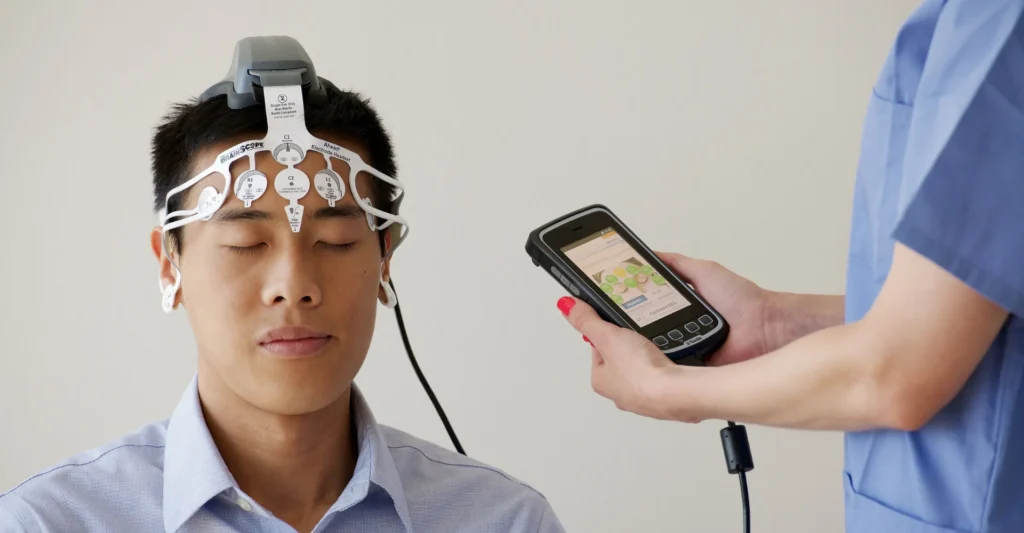

That sudden feeling of alertness when someone calls your name in a crowded room. The burst of focus before an important presentation. The pounding heartbeat when you narrowly avoid an accident. The ability to stay awake and react quickly when something feels wrong.
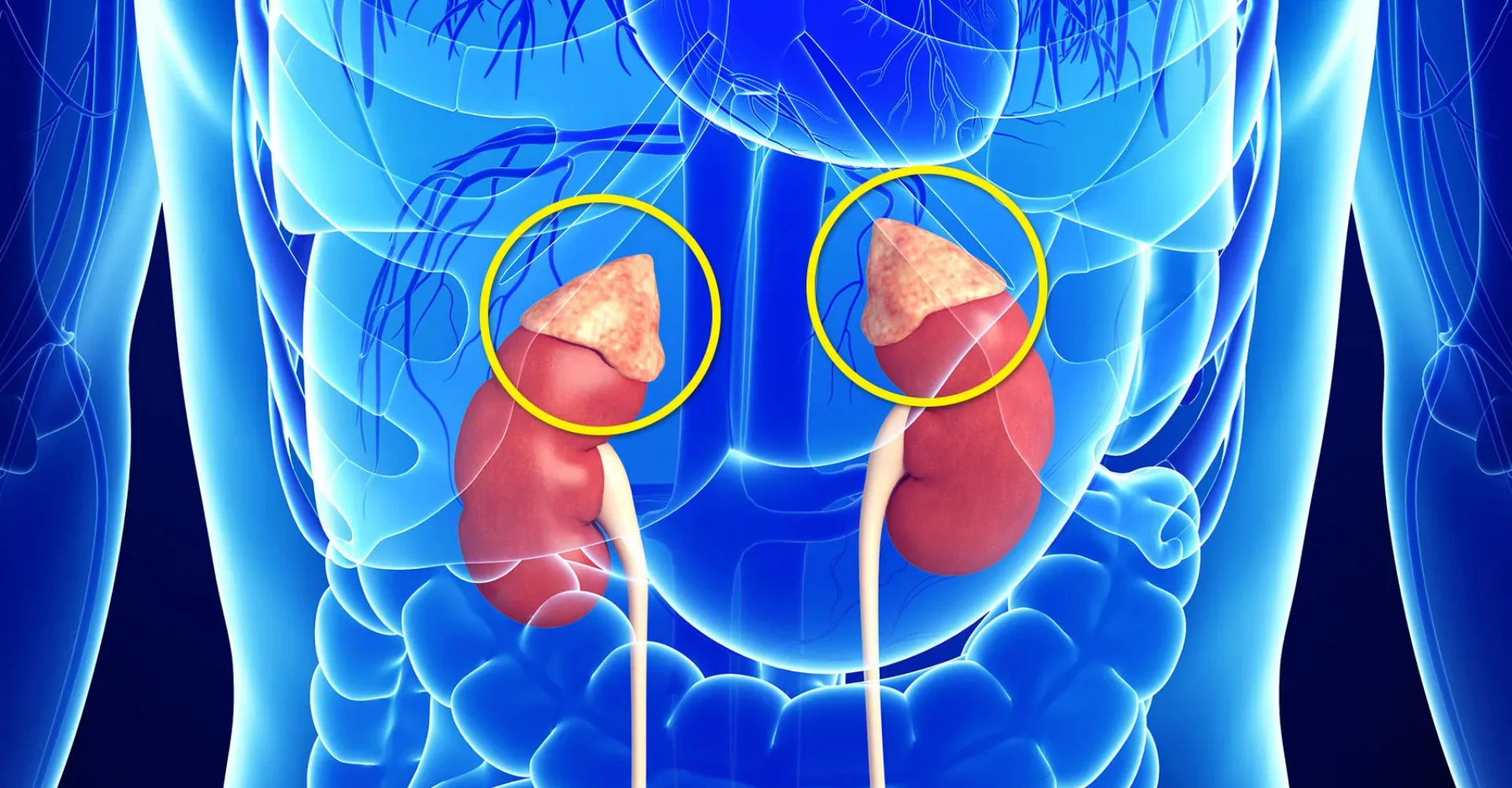
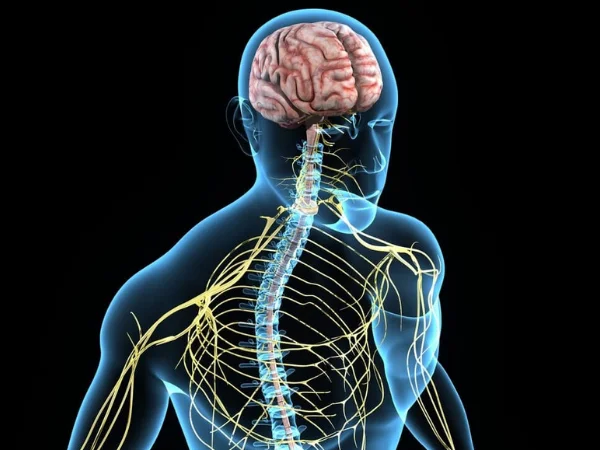
Norepinephrine works throughout the body, but some of its most important effects occur in the brain and the cardiovascular system.
It is one of the major chemical messengers of the sympathetic nervous system, the part of your autonomic nervous system responsible for preparing your body for action.
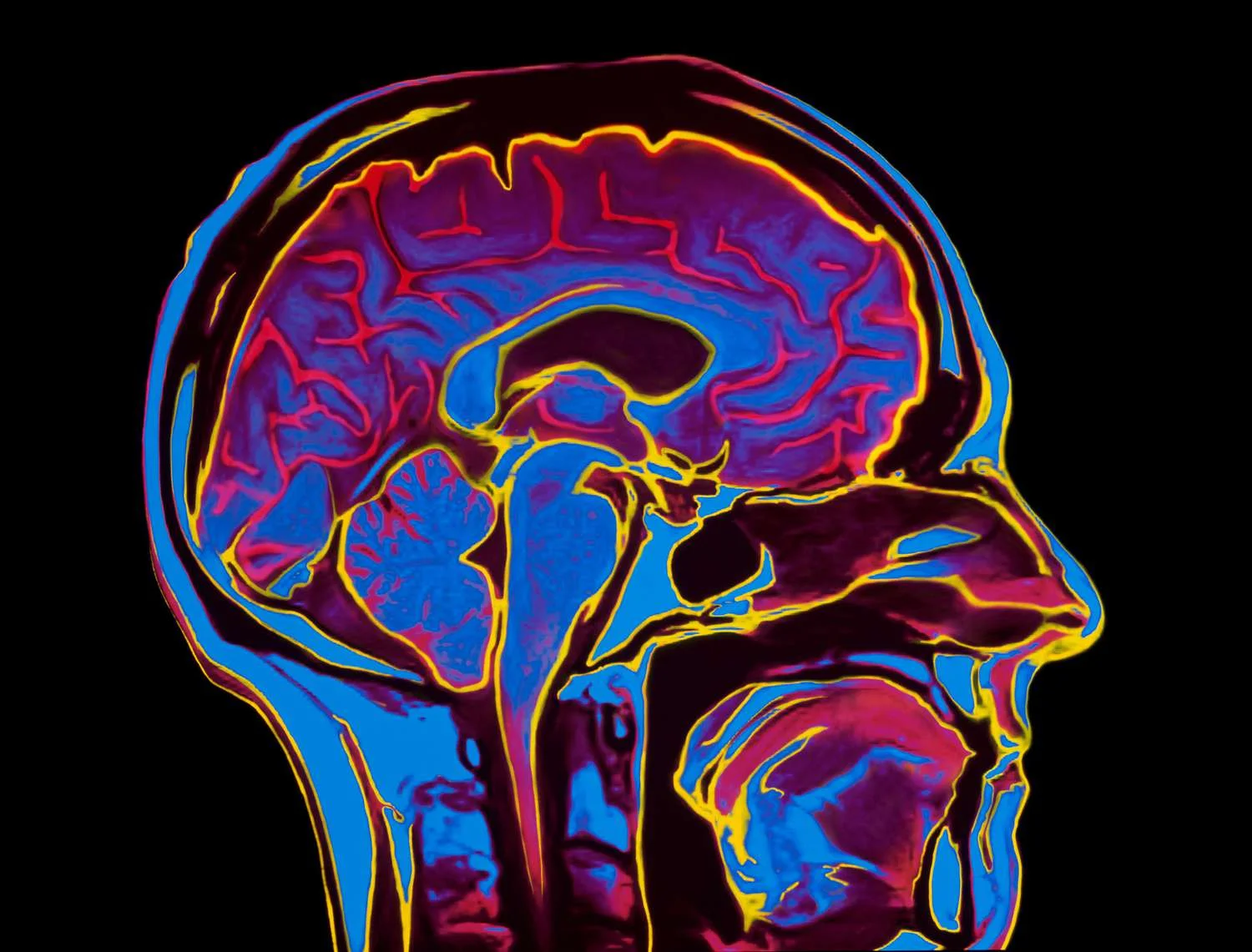
One of norepinephrine’s best-known functions in the brain is regulating arousal and attention.
A major source of brain norepinephrine is a small region in the brainstem called the locus coeruleus. Although the region is tiny, its neurons send connections to many areas of the brain.
This allows norepinephrine to influence attention, wakefulness, learning, memory, and responses to important or unexpected events.
You can think of it as part of the brain’s “pay attention” system.
When something important happens, norepinephrine helps increase the brain’s readiness to process information.
Norepinephrine stimulates adrenergic receptors in the cardiovascular system.
It can increase the force of heart contraction and contribute to changes in heart rate and circulation.
Its effects are especially important when the body needs to maintain blood pressure during stress or changes in posture.
One of norepinephrine’s strongest effects is vasoconstriction, meaning it causes certain blood vessels to narrow.
When blood vessels constrict, resistance to blood flow increases. This can raise blood pressure and help maintain adequate circulation to vital organs.
This is also why norepinephrine is an important medication in hospitals.
Intravenous norepinephrine is commonly used in critically ill patients with dangerously low blood pressure, particularly in conditions such as septic shock.
It is not a general-purpose “blood pressure booster” and is administered under close medical supervision because excessive vasoconstriction or cardiovascular stimulation can be dangerous.
When your brain perceives danger, the sympathetic nervous system becomes more active.
Norepinephrine is released from sympathetic nerve endings, while the adrenal glands release catecholamines including norepinephrine and epinephrine.
The result is a rapid shift toward a state of physical readiness.
Blood flow is redistributed, the heart works harder, blood pressure can rise, and the brain becomes more alert.
This response evolved to help humans react quickly to danger.
Today, however, the same system can be activated by things that are not physically dangerous, such as public speaking, work pressure, financial stress, arguments, or even an alarming notification on your phone.
Norepinephrine also participates in the regulation of mood.
This is one reason medications that alter norepinephrine signaling are used in the treatment of certain psychiatric conditions.
However, it would be misleading to say that depression or anxiety simply means “low norepinephrine.”
Mental health conditions involve multiple neurotransmitters, brain circuits, hormones, genetics, behavior, environment, sleep, and other biological processes.
Norepinephrine is one piece of a much larger puzzle.
Norepinephrine is closely connected to the sleep-wake cycle.
Its activity is generally higher during periods of wakefulness and alertness and changes significantly during sleep.
This helps explain why the norepinephrine system is important for maintaining wakefulness and responding to external stimuli.
A healthy nervous system does not keep norepinephrine high all day and night. The timing of its activity matters just as much as the amount.
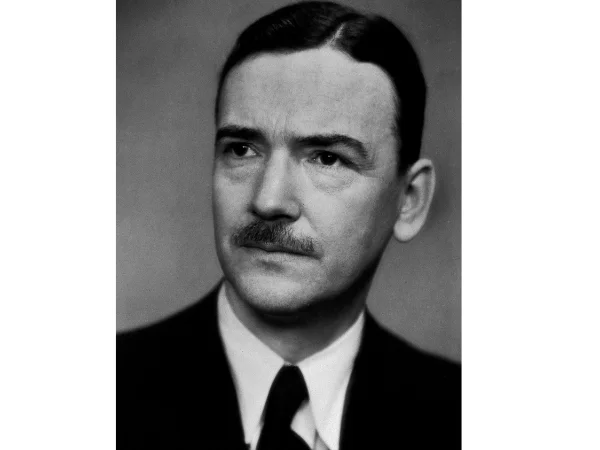
The scientific history of norepinephrine is fascinating because its discovery was closely connected to a long-running question about how nerves communicate with the rest of the body.
The Swedish physiologist Ulf von Euler played the central role in identifying norepinephrine as an important chemical messenger in sympathetic nerves.
His work took place primarily during the 1940s.
At the time, researchers already knew that stimulation of sympathetic nerves produced effects similar to those caused by adrenal extracts. But scientists were still trying to determine exactly which chemical carried the signal from nerve endings to organs.
In 1946, von Euler published research describing a sympathomimetic substance in nerve tissue that closely resembled noradrenaline.
Through subsequent research, he established that norepinephrine was present in sympathetic nerve endings and played a key role in nerve signaling.
This was a major breakthrough.
Instead of thinking of nerves as communicating only through electrical impulses, scientists increasingly understood that nerve cells also release specific chemical messengers.
Von Euler’s work helped establish norepinephrine as one of the major neurotransmitters of the sympathetic nervous system.
In 1970, Ulf von Euler shared the Nobel Prize in Physiology or Medicine for discoveries concerning chemical transmitters in nerve terminals and their storage, release, and inactivation.
His Nobel recognition was shared with Julius Axelrod and Sir Bernard Katz, whose work helped explain how neurotransmitters function and how their signals are controlled.
The discovery of norepinephrine therefore became part of a much larger transformation in neuroscience: the realization that the nervous system relies on precisely regulated chemical communication.
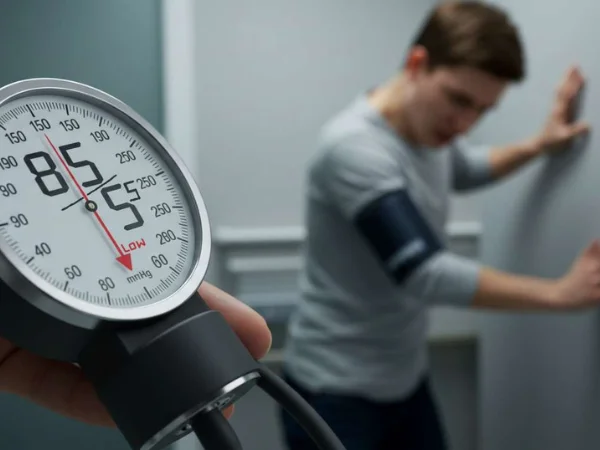
The phrase “low norepinephrine” can be misleading.
Your body does not maintain one constant norepinephrine level. The amount released changes depending on whether you are asleep, awake, exercising, stressed, standing up, eating, or responding to something important.
So a single low measurement does not necessarily mean that something is wrong.
What matters is whether the body’s noradrenergic system is functioning properly.
Because norepinephrine helps regulate arousal and attention, impaired norepinephrine signaling can be associated with problems involving alertness, concentration, and cognitive performance.
However, these symptoms are nonspecific.
Poor sleep, depression, anxiety, medication effects, nutritional problems, thyroid disorders, anemia, and many other conditions can also affect energy and concentration.
You cannot diagnose a norepinephrine problem simply because you feel tired.
Norepinephrine is important for maintaining vascular tone.
When sympathetic nerves fail to release enough norepinephrine during standing, blood vessels may not constrict properly.
This can cause neurogenic orthostatic hypotension, a condition in which blood pressure falls significantly after standing.
People may experience:
Neurogenic orthostatic hypotension can occur in disorders affecting the autonomic nervous system, including some neurodegenerative diseases and certain forms of neuropathy.
This is a medical problem, not something that should be treated by simply taking an over-the-counter “norepinephrine booster.”
Norepinephrine is produced from dopamine through a reaction involving the enzyme dopamine beta-hydroxylase.
A very rare genetic condition called dopamine beta-hydroxylase deficiency prevents the normal conversion of dopamine into norepinephrine.
People with this condition can develop severe problems with blood pressure regulation, especially when standing.
The condition is extremely rare and illustrates an important point: norepinephrine is not simply related to mood or focus. It is essential for basic cardiovascular regulation.
This is one of the most common oversimplifications online.
Some antidepressant medications increase norepinephrine signaling, and research has connected norepinephrine systems with depression.
But depression is not simply caused by a shortage of norepinephrine.
Modern neuroscience recognizes depression as a complex disorder involving multiple brain networks and biological systems.
Therefore, you should not assume that low mood means you need to increase norepinephrine.
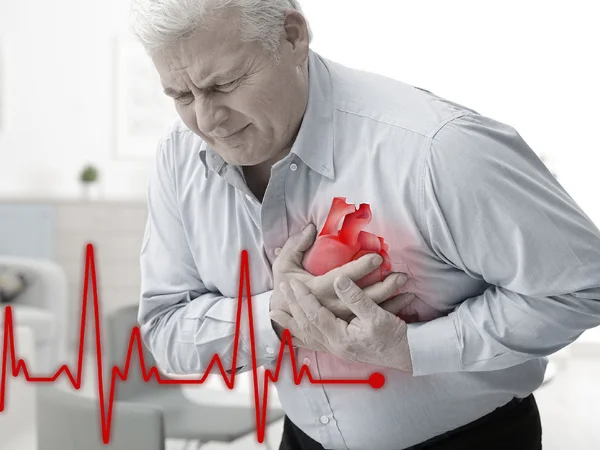
Norepinephrine is useful when the body needs it.
Too much norepinephrine activity, however, can produce excessive sympathetic stimulation.
Possible effects include:
The severity depends on why norepinephrine is elevated and whether the increase is temporary or persistent.
A stressful event can cause a rapid increase in sympathetic activity.
That is normal.
If someone suddenly hears a loud crash, narrowly avoids an accident, or faces an immediate threat, norepinephrine helps the body respond quickly.
The problem is not a temporary rise. The concern is an inappropriate or persistent increase, or a condition that causes repeated surges.
One important medical cause of excessive catecholamine activity is pheochromocytoma, a rare tumor arising from cells associated with the adrenal medulla.
These tumors can release excessive amounts of norepinephrine, epinephrine, or related catecholamines.
Possible symptoms include episodes of:
These symptoms can resemble panic attacks, which is one reason pheochromocytoma can sometimes be difficult to recognize.
Persistent or unexplained episodes of severe blood pressure elevation and palpitations deserve medical evaluation.
Norepinephrine given intravenously in a hospital can be lifesaving when blood pressure is dangerously low.
But because it is a powerful vasoconstrictor, it requires careful dosing and monitoring.
Too much can excessively increase blood pressure and reduce blood flow to certain tissues. It can also affect heart rhythm and circulation.
This is why medical norepinephrine should never be confused with a dietary supplement.
There is a crucial distinction between taking norepinephrine as a medication and taking a supplement that may influence the body’s norepinephrine production.
In the United States, norepinephrine is used medically as an intravenous drug in critical care.
It is particularly important in treating severe hypotension, including septic shock.
When administered medically, norepinephrine constricts blood vessels and helps restore adequate blood pressure and organ perfusion.
It is not a medication people take at home to improve focus or energy.
Some prescription medications work partly by increasing norepinephrine activity in the nervous system.
These include certain SNRIs, which inhibit the reuptake of serotonin and norepinephrine, and some medications used for ADHD.
These drugs can be helpful when prescribed for appropriate medical conditions.
However, they are not equivalent to simply taking norepinephrine itself.
They alter the way nerve cells handle the neurotransmitter, which can have widespread effects.
Because these medications can affect blood pressure, heart rate, mood, and other systems, they should be taken only as prescribed.
Norepinephrine is a highly active signaling molecule.
The brain carefully controls neurotransmitter concentrations in specific areas and at specific times. Simply increasing norepinephrine throughout the body would not recreate the precise signaling pattern of a healthy brain.
This is why medical treatment generally focuses on influencing the nervous system rather than trying to flood the body with neurotransmitters.

Your body naturally makes norepinephrine.
The process begins with the amino acid tyrosine.
Tyrosine is converted into L-DOPA, then dopamine, and finally norepinephrine through a series of enzymatic reactions.
That means you do not need to eat foods containing norepinephrine itself.
Instead, you can support normal catecholamine production through healthy lifestyle habits.
Exercise is one of the clearest natural ways to activate the sympathetic nervous system and increase catecholamine release.
During physical activity, norepinephrine rises as the body increases cardiovascular output and prepares muscles for greater demand.
The increase depends on exercise intensity, duration, fitness level, and other factors.
Regular exercise also produces long-term benefits that extend far beyond norepinephrine, including improved cardiovascular fitness, metabolic health, mood, sleep, and brain function.
You do not need to exercise at extreme intensity to benefit.
Walking, cycling, swimming, resistance training, jogging, and sports can all contribute to a healthy nervous system.
Norepinephrine is closely linked with wakefulness and arousal.
Sleep deprivation can disrupt normal regulation of the nervous system and can affect attention, mood, reaction time, and stress responses.
Getting enough sleep therefore helps maintain a healthy rhythm of norepinephrine activity.
The goal is not to keep norepinephrine elevated. You want appropriate activation during waking hours and appropriate reduction during sleep.
Tyrosine is found in protein-rich foods.
Good sources include:
For most people eating a varied diet, there is no reason to believe that they need unusually large amounts of tyrosine to produce normal norepinephrine.
Your nervous system operates according to daily biological rhythms.
Consistent sleep and wake times, regular daylight exposure, physical activity, and sensible evening habits can all help maintain a stable sleep-wake cycle.
A stable circadian rhythm supports normal regulation of alertness-related neurotransmitter systems.
Short-term challenges can activate norepinephrine.
Exercise, competition, public speaking, and other demanding situations can all produce temporary increases.
But deliberately seeking constant stress is not a good strategy for improving norepinephrine.
A healthy nervous system needs both activation and recovery.
Novel and demanding activities can activate brain systems involved in attention and arousal.
Learning a new skill, solving challenging problems, studying, playing a demanding sport, or performing complex work can all require the brain to increase attention.
Again, this does not mean that more norepinephrine is always better.
The brain needs a carefully balanced level of arousal for optimal performance.
This section needs a careful answer because the term “norepinephrine supplement” is not medically accurate.
There is no standard FDA-approved dietary supplement that contains norepinephrine and is intended to raise brain norepinephrine in healthy adults.
Norepinephrine is a powerful neurotransmitter and hormone, not a vitamin or mineral.
If a product is marketed as a “norepinephrine booster,” it generally contains another ingredient that is claimed to influence catecholamine production or signaling.
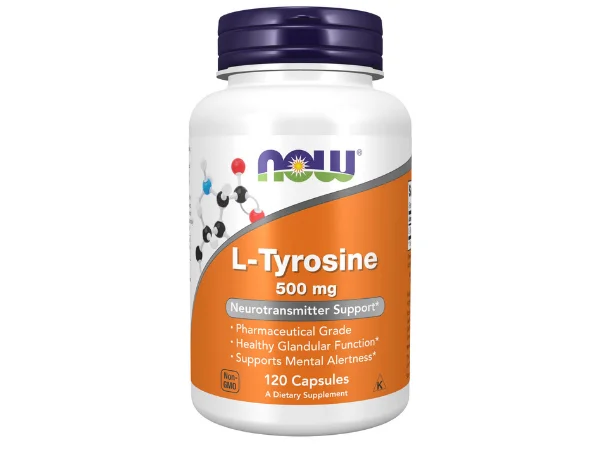
The most relevant supplement ingredient is L-tyrosine, because tyrosine is a precursor used to make catecholamines, including norepinephrine.
Research on tyrosine supplementation is interesting but far from conclusive.
Studies suggest that tyrosine may be more useful under certain stressful or cognitively demanding conditions, particularly when catecholamine availability is challenged. Evidence for improving normal exercise performance is much weaker.
That means L-tyrosine should not be marketed as a guaranteed norepinephrine booster.
Caffeine can increase alertness and stimulate the sympathetic nervous system.
However, caffeine is not a norepinephrine supplement.
Its effects are broader and include changes in adenosine signaling and nervous-system activity.
Some people become jittery, anxious, or experience a rapid heartbeat after too much caffeine.
The U.S. supplement market contains many products marketed for focus, energy, and mental performance.
Some contain tyrosine, caffeine, herbal extracts, or combinations of stimulants.
The presence of an ingredient associated with norepinephrine does not prove that the product increases brain norepinephrine in a useful or safe way.
In the United States, dietary supplements are not required to receive FDA approval for safety and effectiveness before being marketed. That makes it especially important to examine claims critically.
Look for transparent ingredient lists, realistic claims, and reputable manufacturing practices.
Avoid products claiming to dramatically increase norepinephrine, eliminate depression, cure ADHD, or produce prescription-level effects.
If you take prescription medications, particularly antidepressants, ADHD medications, blood-pressure medications, or other stimulants, speak with a healthcare professional before adding a supplement that may influence neurotransmitter activity.
Norepinephrine is one of the body’s most important chemical messengers.
Also known as noradrenaline, it functions as both a neurotransmitter and a hormone and plays a central role in alertness, attention, blood pressure regulation, heart function, arousal, and the body’s response to stress.
Its importance became clearer during the work of Ulf von Euler in the 1940s. His research helped establish norepinephrine as a chemical transmitter in sympathetic nerves and contributed to the broader discovery of how the nervous system communicates through neurotransmitters.
Norepinephrine is made from tyrosine through a series of biochemical reactions. The brain’s locus coeruleus is a major source of central norepinephrine, while sympathetic nerve endings and the adrenal medulla contribute to peripheral norepinephrine signaling.
When norepinephrine signaling is impaired, problems can occur with alertness, blood-pressure regulation, and autonomic function. In particular, inadequate sympathetic norepinephrine release can contribute to neurogenic orthostatic hypotension.
At the other extreme, excessive norepinephrine activity can contribute to high blood pressure, rapid heartbeat, sweating, headaches, and other symptoms. Rare conditions such as pheochromocytoma can cause excessive catecholamine release and require medical treatment.
The biggest misconception is that norepinephrine is something healthy people should constantly try to increase.
It is not.
More norepinephrine does not automatically mean more focus, more energy, or better brain health. The nervous system works through carefully regulated chemical signals. Both insufficient and excessive activity can cause problems.
For most people, the best way to support healthy norepinephrine function is surprisingly simple: exercise regularly, sleep adequately, eat a balanced diet containing sufficient protein, maintain a stable daily rhythm, and manage chronic stress.
If you are considering supplements, L-tyrosine is the most directly relevant nutritional precursor, but the evidence does not support treating it as a guaranteed norepinephrine booster. Caffeine and commercial “focus” products can affect alertness but are not substitutes for healthy norepinephrine regulation.
Most importantly, unexplained symptoms such as persistent dizziness when standing, fainting, severe headaches, recurrent racing heartbeat, unusual blood-pressure changes, or significant changes in alertness should not be self-diagnosed as “low” or “high norepinephrine.”
Norepinephrine is not simply an energy chemical.
It is part of a sophisticated communication network that helps your body decide when to pay attention, when to act, when to raise blood pressure, and when to prepare for a challenge. Keeping that system balanced is far more important than trying to push it in one direction.
No, although they are closely related. Norepinephrine and adrenaline, also called epinephrine, are both catecholamines and both participate in the fight-or-flight response. Norepinephrine acts primarily as a neurotransmitter released by sympathetic nerves, while epinephrine acts more strongly as a circulating hormone released by the adrenal glands.
Not necessarily. Norepinephrine plays a role in mood regulation, and medications that alter norepinephrine are used to treat some forms of depression. But depression is a complex condition involving multiple brain systems. You cannot diagnose depression or a norepinephrine deficiency from symptoms alone.
No legitimate everyday dietary supplement provides norepinephrine as a simple brain-health nutrient. Pharmaceutical norepinephrine is used intravenously in hospitals for serious low-blood-pressure conditions. Products sold as “norepinephrine boosters” contain other ingredients rather than simply supplying norepinephrine.
Not automatically. Tyrosine is a precursor used to produce dopamine and norepinephrine, but supplementation does not guarantee a meaningful increase in norepinephrine. Research suggests any benefits may be more noticeable during acute stress or demanding conditions than during ordinary daily life.
No. The brain needs an appropriate level of norepinephrine. Too little can impair alertness, while excessive activation can produce anxiety, agitation, distractibility, and physical symptoms such as a racing heart. Good cognitive performance depends on balance, not maximum norepinephrine.
Yes, physical activity can temporarily increase norepinephrine and other catecholamines. The response depends on exercise intensity and duration. Regular exercise also improves many aspects of physical and mental health that have nothing to do with simply raising norepinephrine.
It can temporarily prepare the body for physical action. Norepinephrine contributes to increased cardiovascular activity and redistribution of blood flow during the fight-or-flight response. However, it does not create unlimited strength or energy.
Caffeine can influence sympathetic nervous-system activity and catecholamine responses, but it should not be considered a norepinephrine supplement. Its effects vary between individuals, and excessive caffeine can cause jitteriness, anxiety, insomnia, and palpitations.
Not in the simple way often claimed online. Stress changes norepinephrine and other stress-response systems, but the idea that everyday stress permanently “uses up” your norepinephrine is an oversimplification. Persistent fatigue or low mood should be investigated rather than automatically blamed on depleted neurotransmitters.
Usually, no. Norepinephrine acts heavily within nerve terminals and the brain, and its concentration changes rapidly. Blood or urine measurements are useful in specific medical evaluations, such as investigating suspected catecholamine-producing tumors, but they are not routine tests for measuring whether someone has enough norepinephrine in their brain.
Explore expert-reviewed articles on nutrition, heart health, fitness, wellness, healthy aging, and prevention with practical advice for healthier, informed everyday decisions.



Watch expert-inspired short videos on health, nutrition, fitness, prevention,
wellness, and healthy living in minutes.





Watch expert-inspired short videos on health, wellness, nutrition, fitness, preventive care, and healthy living in under a minute.
Explore expert-reviewed articles on brain function, healthy habits, nutrition, age-related cognitive changes, and practical strategies to keep your mind sharp and resilient.