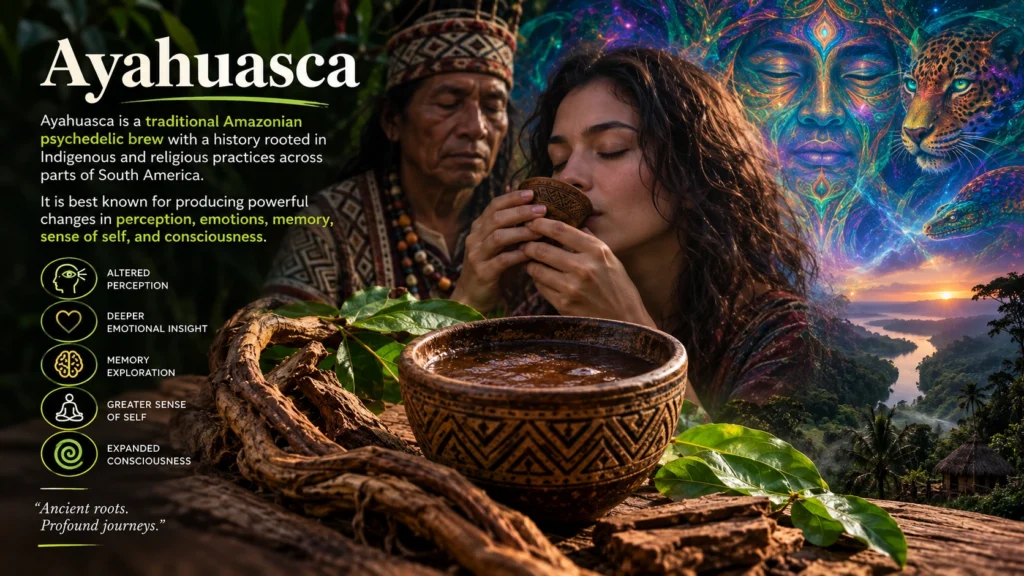
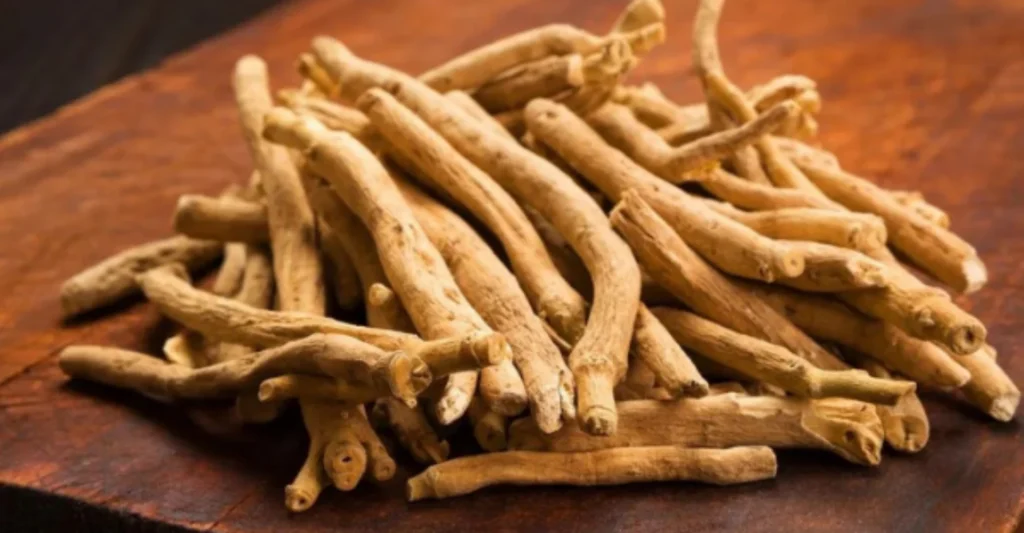
Ayahuasca is a traditional Amazonian psychedelic brew with a history rooted in Indigenous and religious practices across parts of South America. It is best known for producing powerful changes in perception, emotions, memory, sense of self, and consciousness.
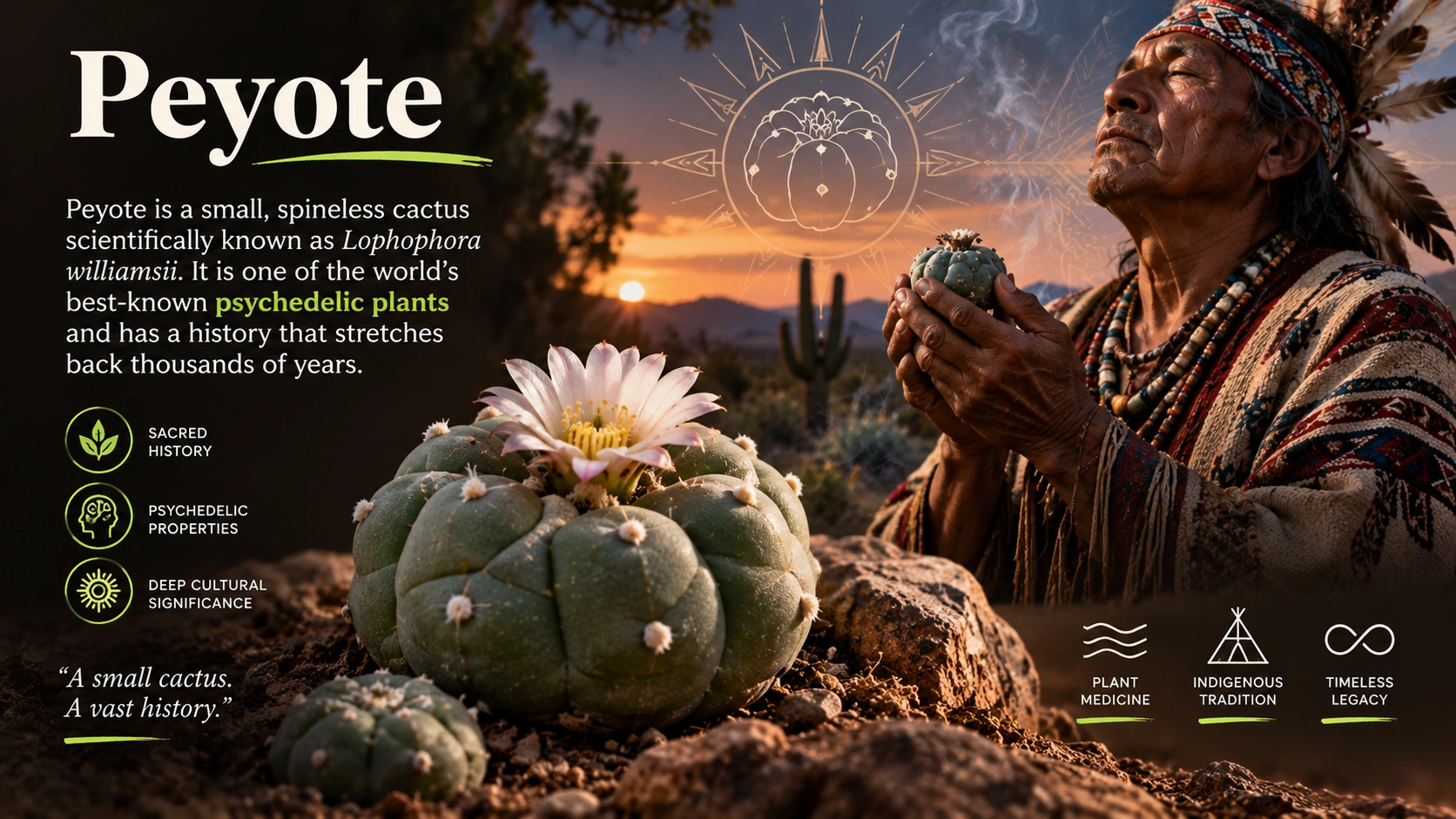
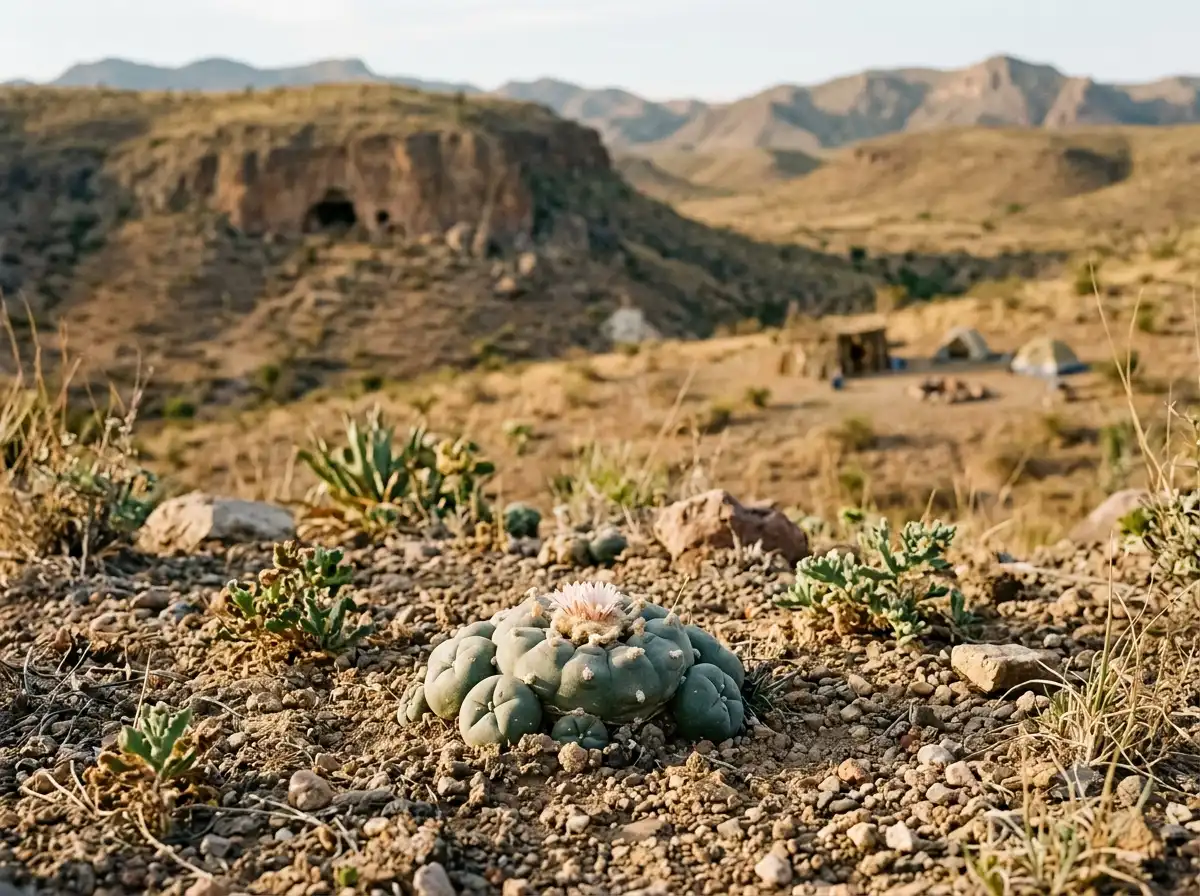
There is no single person who “discovered” peyote.
Indigenous peoples knew about the cactus and its effects for thousands of years before Western science studied it.
Archaeological evidence provides some of the strongest proof.
Researchers analyzed ancient dried peyote specimens found in a cave in Texas and identified mescaline in the plant material. Radiocarbon dating placed the specimens around 3780 to 3660 BC, providing evidence that people in North America recognized peyote’s psychoactive properties approximately 5,700 years ago.
That makes peyote one of the oldest known examples of a plant deliberately used for its psychoactive properties.
Peyote use became deeply established among Indigenous peoples of northern Mexico and later among Native American communities in the United States.
Rather than treating peyote simply as a recreational hallucinogen, many Indigenous traditions view it as a sacred medicine and spiritual sacrament.
Ceremonies can involve prayer, singing, drumming, meditation, community, and other religious practices.
The Native American Church became an important institution in the United States, particularly during the late nineteenth and early twentieth centuries. Its religious use of peyote eventually became part of broader legal debates over religious freedom and Indigenous rights.
Western scientific interest increased dramatically in the nineteenth century.
German pharmacologist Arthur Heffter conducted some of the most important early experiments with peyote.
In 1898, Heffter isolated the psychoactive compound responsible for much of peyote’s intoxicating effect and named it mescaline. Modern histories of psychedelic science often identify his work as the beginning of systematic scientific investigation into mescaline.
This was a major scientific milestone.
Scientists could now separate the plant itself from the compound responsible for its psychedelic effects.
Mescaline’s chemical structure was later established through synthesis in 1929, which allowed researchers to study the compound without relying entirely on peyote plants.
Peyote and mescaline attracted attention from psychologists, psychiatrists, writers, artists, and philosophers during the twentieth century.
Mescaline was particularly influential because it became one of the earliest psychedelic substances available for controlled scientific and philosophical experimentation.
One of the most famous literary accounts came from Aldous Huxley, who described his experience with mescaline in his 1954 book The Doors of Perception.
Huxley’s writing helped introduce psychedelic experiences to a much wider Western audience.
It is worth noting that Huxley used mescaline, not necessarily peyote itself. This distinction is often lost in popular articles.
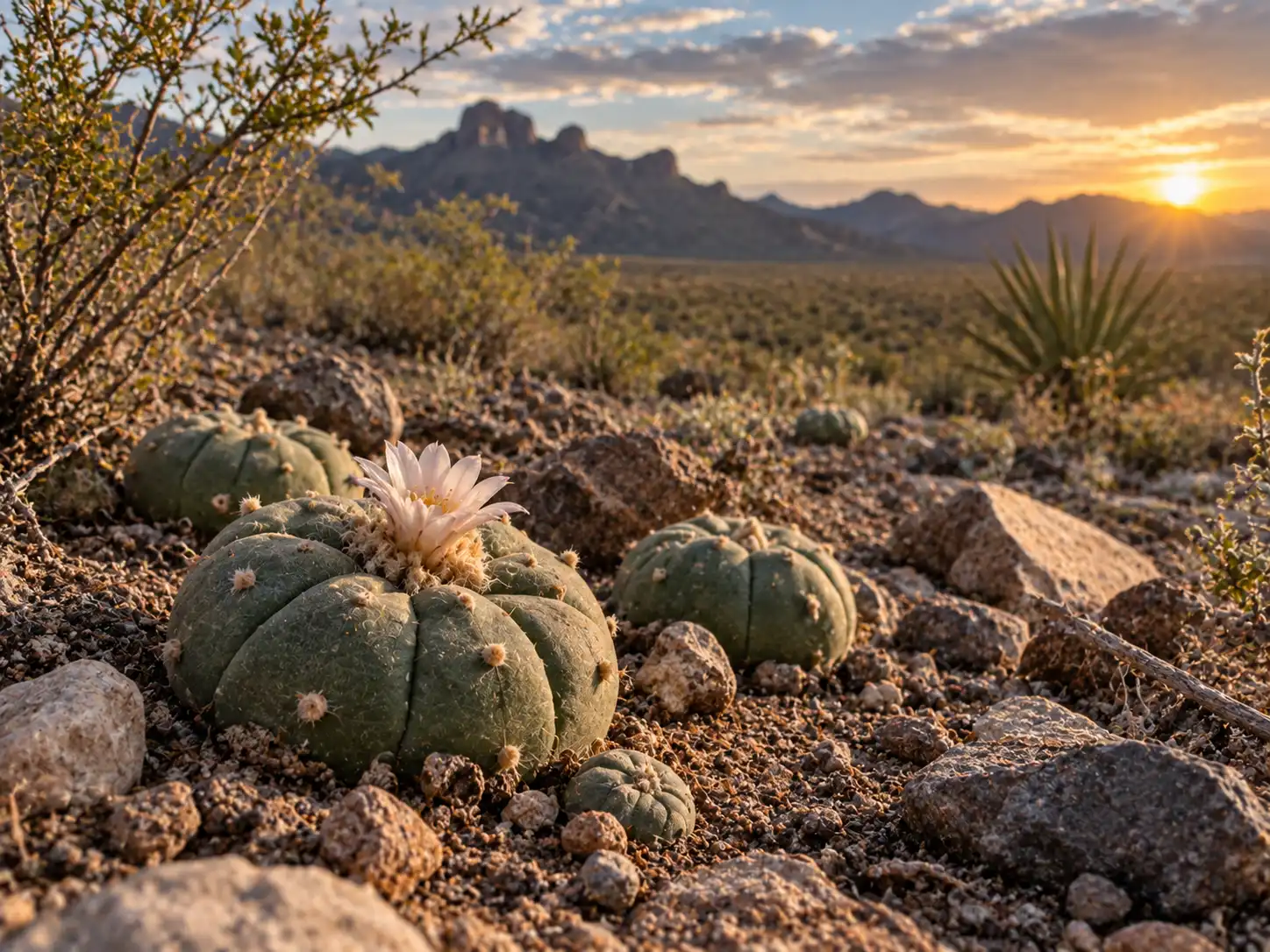
Peyote naturally grows in northern Mexico and parts of southern Texas.
Its natural range is relatively limited compared with many other cactus species.
The plant prefers dry environments and is adapted to desert and semi-desert conditions.
Mexico is particularly important because the majority of naturally occurring peyote populations are located there.
Peyote is also historically associated with Indigenous communities in northern Mexico and the southwestern United States.
Peyote is a slow-growing cactus.
It can take several years to reach a size suitable for harvesting, and repeated collection from wild populations can damage local populations.
This has created a significant conservation problem.
The International Union for Conservation of Nature has listed Lophophora williamsii as Vulnerable in its assessment record, reflecting concerns about population pressure and habitat issues.
The conservation issue is particularly complicated because the plant is not simply a commercial crop.
It is also a sacred plant for Indigenous communities.
This creates an important ethical question:
How can people interested in psychedelics respect Indigenous traditions while also protecting a slow-growing species from overharvesting?
The growing international interest in psychedelic tourism has increased attention on peyote.
But many Indigenous advocates and researchers have argued that commercial demand can place additional pressure on wild peyote populations.
There is also concern about outsiders adopting peyote ceremonies without understanding their cultural context.
Modern discussions about peyote therefore increasingly involve not only pharmacology, but also:
This makes peyote very different from an ordinary botanical supplement.
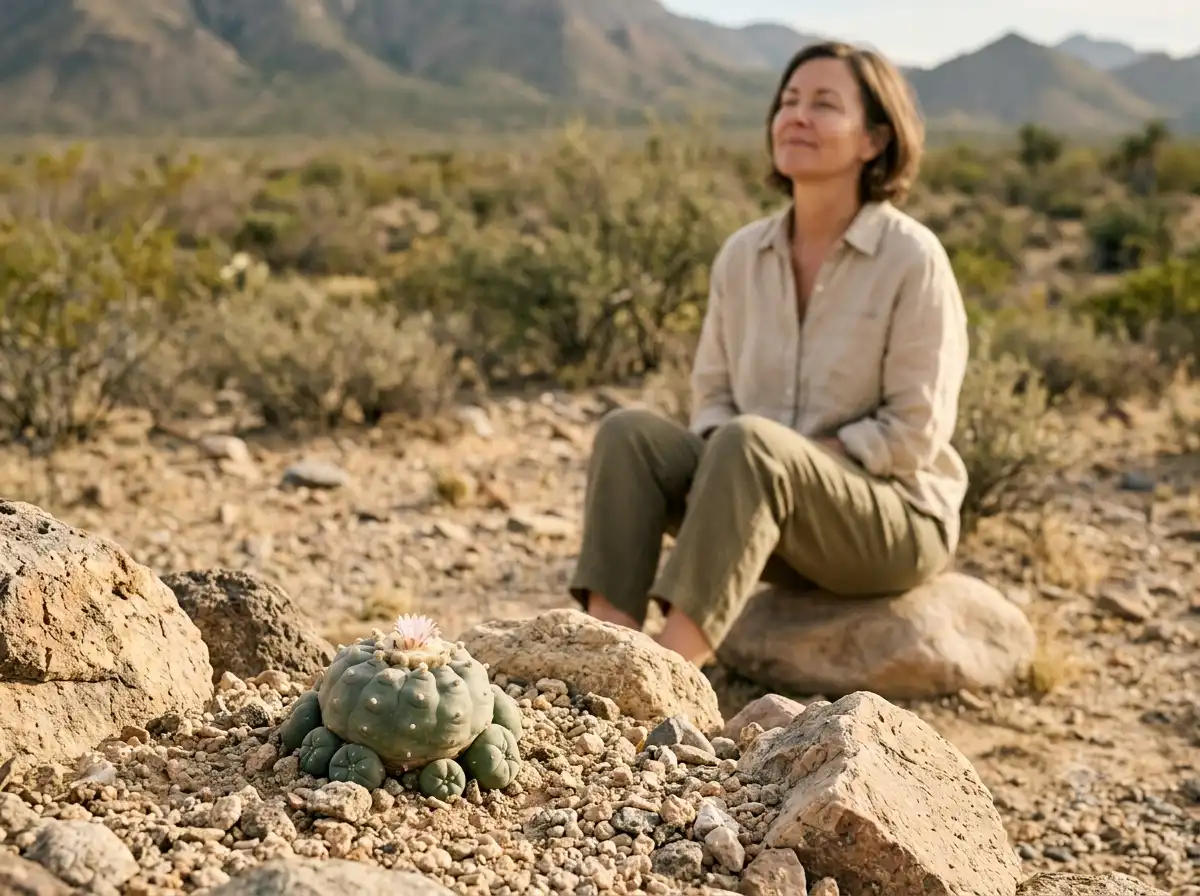
The main psychoactive compound in peyote is mescaline.
Its chemical name is 3,4,5-trimethoxyphenethylamine.
Mescaline belongs to the phenethylamine family of psychoactive compounds.
Its molecular structure is different from LSD and psilocybin, but it produces a broadly similar class of psychedelic effects.
The main mechanism involves the serotonin 5-HT2A receptor.
This receptor is heavily involved in the effects of classic psychedelics.
When mescaline activates 5-HT2A receptors, it changes signaling in brain networks involved in perception, cognition, emotion, and sensory processing.
Mescaline also interacts with other receptors, including certain serotonin, dopamine, and adrenergic receptors.
However, 5-HT2A activation appears to be the central mechanism behind its psychedelic effects.
Your brain normally combines sensory information with memories, expectations, and internal predictions to construct your experience of reality.
Psychedelics can disrupt this normal balance.
Under the influence of mescaline, sensory information may become unusually intense or distorted.
A person might see:
But hallucinations are only part of the experience.
Thought patterns, emotions, time perception, and the sense of self can also change.
Peyote should not be thought of as simply a powerful stimulant.
Although mescaline can increase heart rate and blood pressure, its primary psychological effects come from altered serotonin signaling rather than conventional stimulant pathways.
A recent controlled study found dose-dependent increases in heart rate and blood pressure along with dose-dependent changes in subjective psychedelic effects.
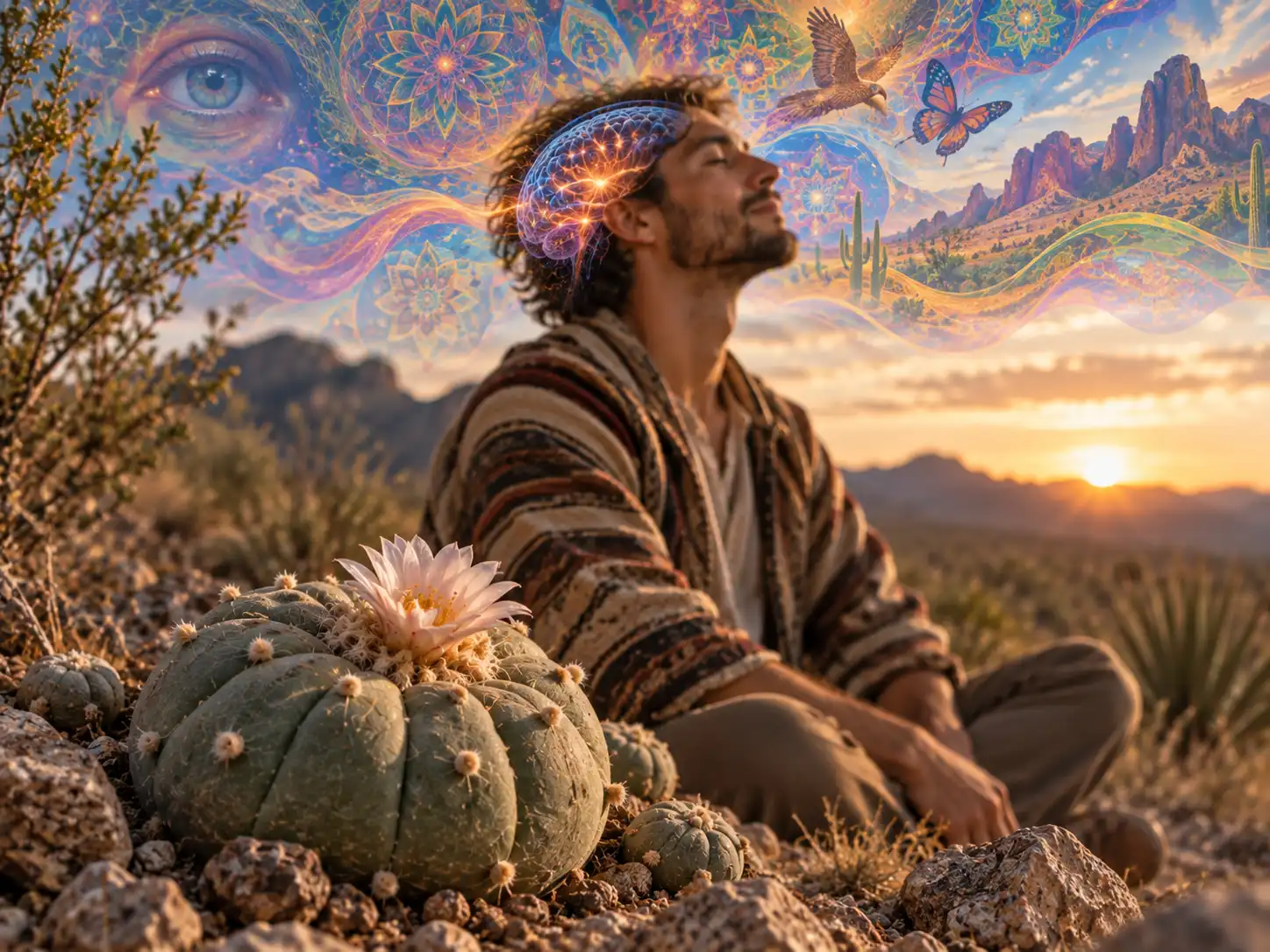
The most dramatic effects of peyote occur in the brain.
Mescaline can change the way the brain processes vision, sound, emotion, memory, time, and the sense of self.
Visual changes are among the best-known effects.
Colors may appear brighter.
Patterns may appear to move.
Surfaces can appear to breathe or shift.
Objects can take on unusual shapes.
Closed-eye imagery can become vivid and complex.
These effects are connected to altered serotonin signaling and changes in the brain networks involved in sensory processing.
Time can feel unusually slow or fast.
A period that lasts several minutes may feel much longer.
This is common across many psychedelic experiences.
Researchers believe this may involve changes in brain systems responsible for attention, internal timing, and sensory integration.
Peyote and mescaline can also alter a person’s normal sense of self.
Some people describe:
Others may experience confusion or anxiety.
This is why psychedelic experiences can be difficult to predict.
The same pharmacological effect can be interpreted very differently depending on the person’s expectations, surroundings, mental state, and cultural framework.
Mescaline can also alter ordinary cognitive processing.
A person may have difficulty maintaining a normal train of thought.
Simple ideas can feel unusually important.
Time and memories may blend together.
This is one reason people under the influence of mescaline should not be expected to make normal decisions.
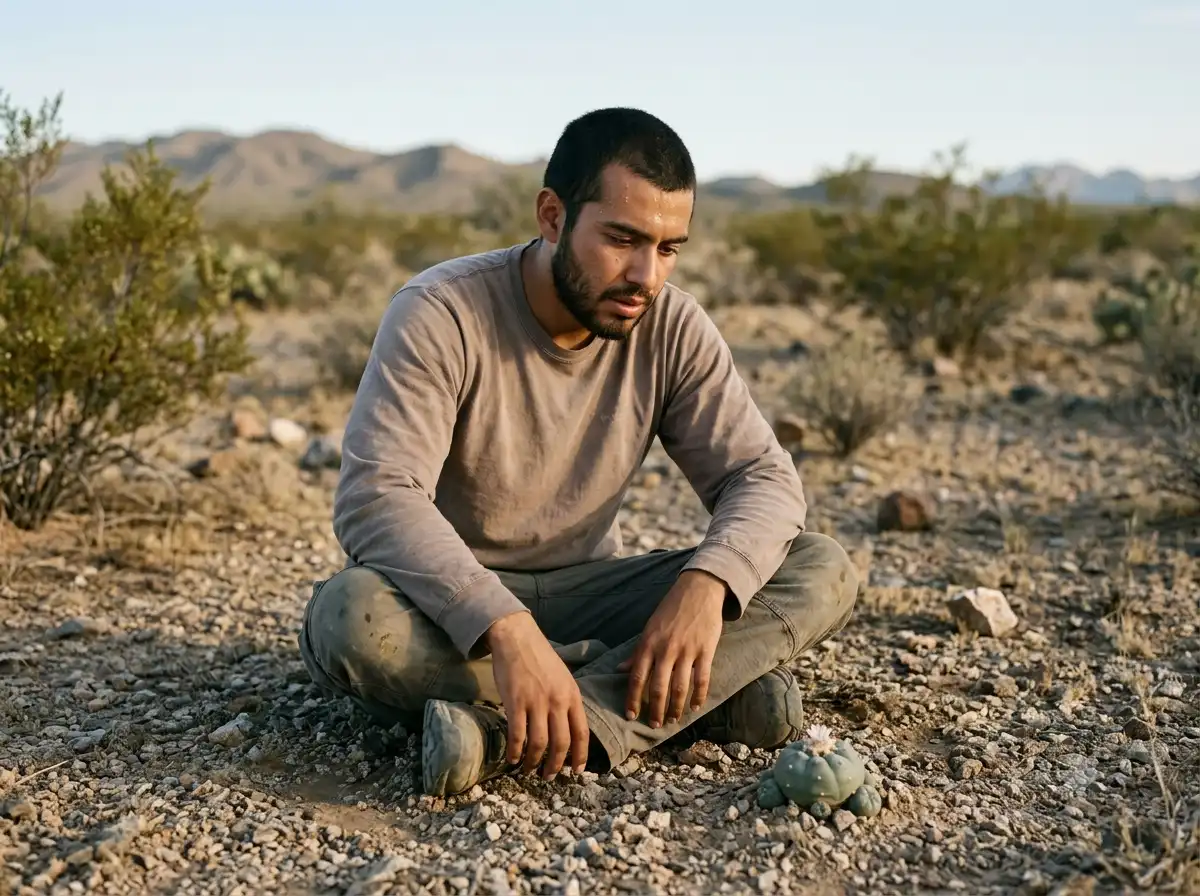
Peyote does not only affect the brain.
Mescaline can produce noticeable physical effects.
The U.S. Drug Enforcement Administration lists several possible effects, including nausea, vomiting, dilated pupils, increased heart rate, increased blood pressure, increased body temperature, sweating, headache, muscle weakness, and impaired motor coordination.
Nausea is particularly common with peyote and mescaline.
For some Indigenous ceremonies, vomiting may have a spiritual or ritual interpretation.
From a physiological perspective, however, it is a physical response associated with the substance and digestive system.
Mescaline can increase heart rate.
Controlled research has found dose-related increases in cardiovascular measures.
This is particularly relevant for people with cardiovascular disease or uncontrolled high blood pressure.
Blood pressure can rise during the psychedelic experience.
The effect is generally temporary in healthy participants studied under controlled conditions, but people with cardiovascular problems may face greater risks.
Peyote can impair motor coordination.
This becomes particularly important because the psychological effects can already make a person feel disconnected from normal surroundings.
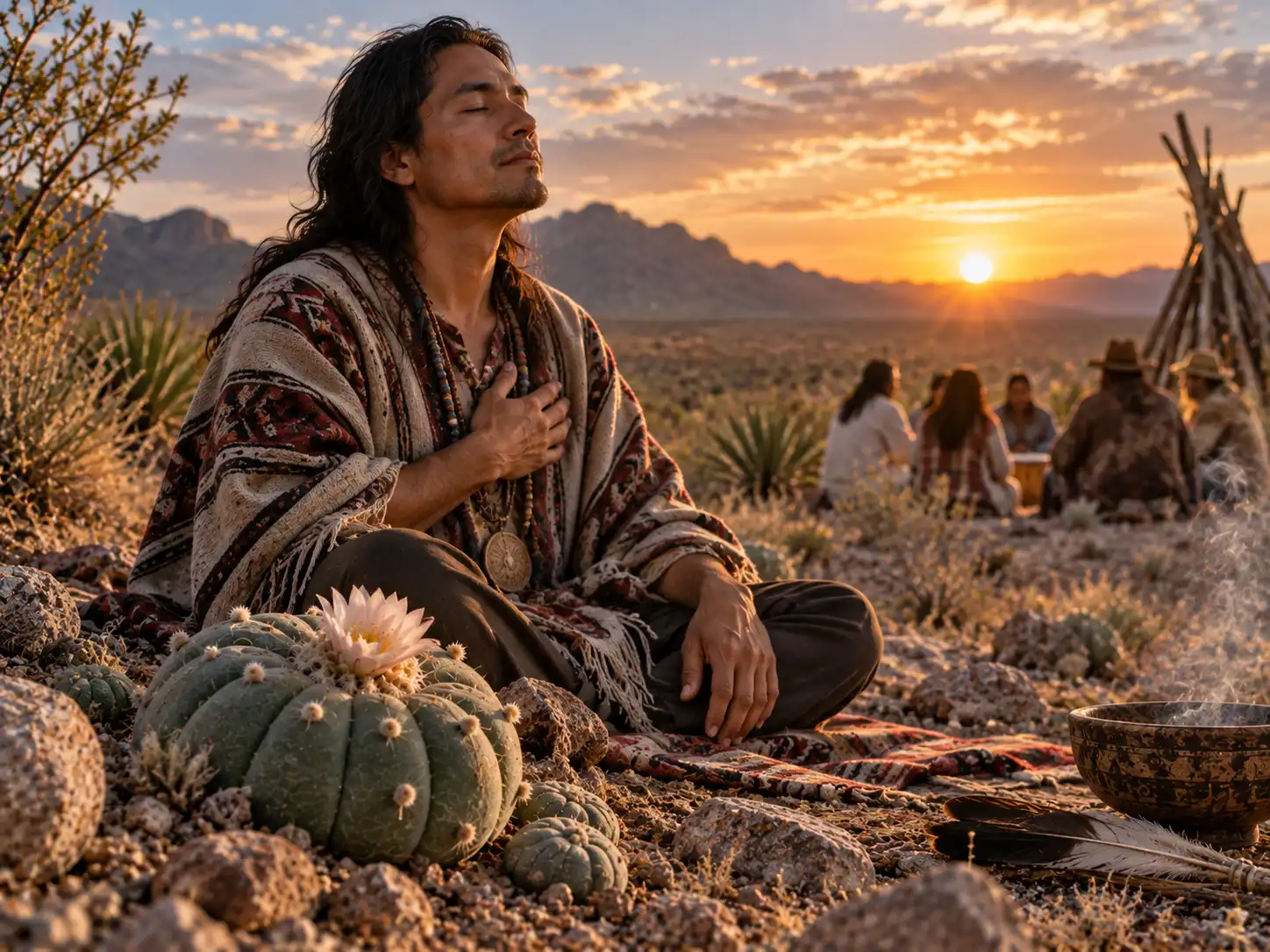
Peyote is not an approved medical treatment, so “positive effects” should be understood as reported experiences or areas of scientific interest, not proven medical benefits.
The primary reason people historically used peyote was its ability to produce an altered state of consciousness.
This can involve profound changes in perception, emotion, thought, and spirituality.
For Indigenous and religious users, peyote may form part of a spiritual experience involving prayer, reflection, community, and perceived communication with the sacred.
These experiences should be understood within their cultural context rather than reduced to chemical effects alone.
Some people report confronting personal memories, emotions, and behavioral patterns during psychedelic experiences.
This has attracted interest from researchers studying psychedelic-assisted psychotherapy.
However, modern clinical research on mescaline specifically is still much smaller than research on psilocybin.
A recent systematic review of mescaline research found reports of possible improvements involving depression, well-being, nicotine dependence, alcohol use, and obsessive symptoms. However, only a small number of studies met the review’s criteria for detailed analysis, so these findings should be considered preliminary.
This is an important distinction.
There is scientific interest in mescaline as a potential therapeutic compound.
There is not yet enough evidence to call peyote an established treatment for depression, addiction, or anxiety.
Research reviews generally suggest that classic psychedelics such as mescaline have relatively low potential for physical dependence compared with substances such as opioids, nicotine, or alcohol.
That does not make peyote harmless.
A substance can have low addiction potential and still cause acute psychological distress, impaired judgment, accidents, or medical complications.
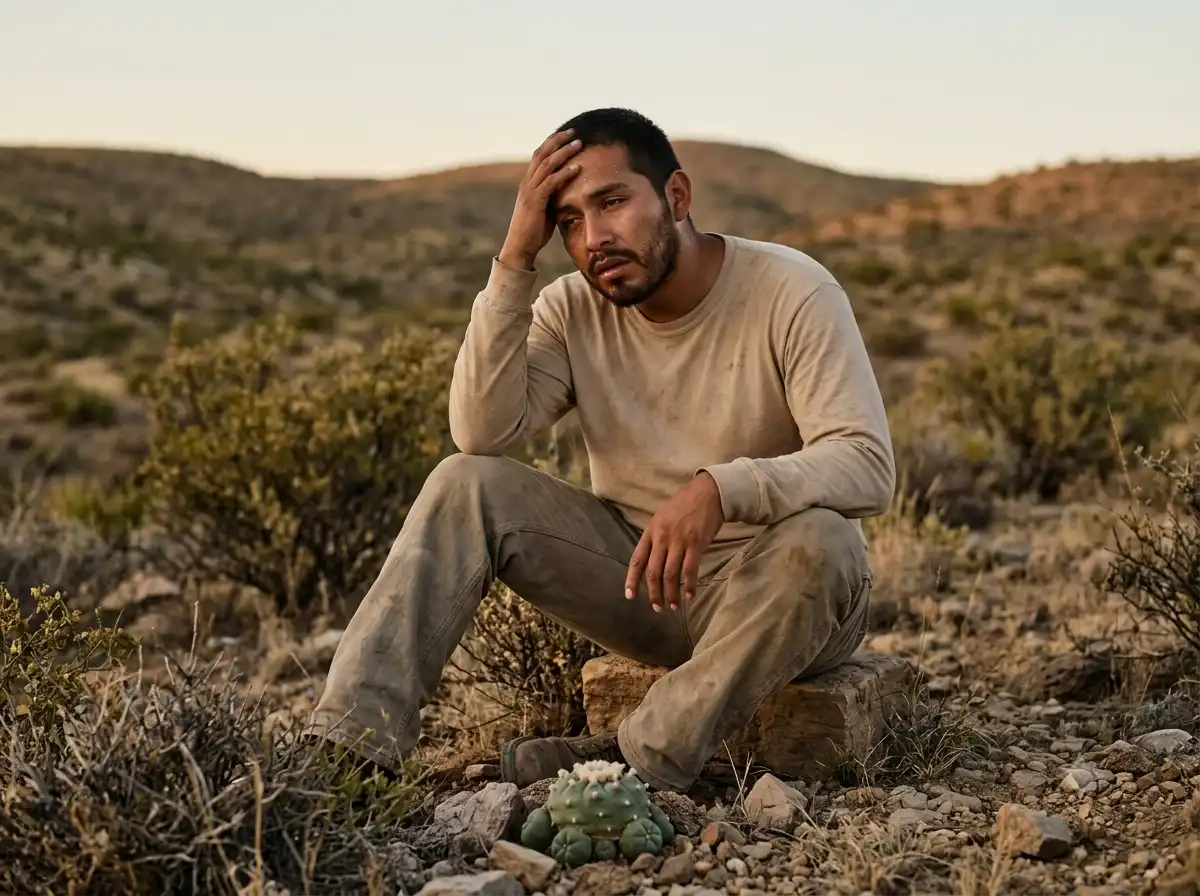
The effects of peyote are not always pleasant.
Some experiences can be frightening, confusing, or physically uncomfortable.
This is one of the most common negative effects.
A poison-center review of peyote and mescaline exposures found hallucinations, increased heart rate, agitation, and dilated pupils among reported effects. Most cases were mild or moderate, but some required medical care.
A psychedelic experience can become overwhelming.
Fear may become amplified because the person is temporarily unable to interpret their surroundings normally.
Some users may experience suspicious or frightening thoughts.
This is especially concerning for people who have a history of serious psychiatric illness.
Mescaline can temporarily increase cardiovascular activity.
People with heart disease or uncontrolled hypertension may therefore face greater risks.
Peyote can affect movement and balance.
This creates risks of falls or accidents.
Mescaline can produce experiences that resemble psychosis, including severe perceptual distortions and unusual beliefs.
This does not mean every psychedelic experience causes psychosis.
However, individuals with personal or family histories of psychotic disorders or mania may be at greater risk from psychedelic exposure.
A recent clinical review emphasizes that modern safety data for mescaline are mostly derived from healthy volunteers, meaning safety in people with psychiatric, cardiovascular, or metabolic conditions remains less certain.
One important difference between mescaline and some other psychedelics is the long duration of effects.
A controlled 2024 study found that subjective effects lasted approximately 6.4 to 14 hours, depending on the dose tested.
This means that even if the experience becomes uncomfortable, it may not end quickly.
Peyote and mescaline have influenced several famous writers, philosophers, scientists, and artists.
One of the most important cultural figures associated with mescaline is Aldous Huxley.
Huxley famously wrote about his mescaline experience in The Doors of Perception, published in 1954.
His writing helped introduce psychedelic philosophy to a broad Western audience and influenced later discussions about consciousness, perception, art, and spirituality.
However, it is important to make the distinction again:
Huxley is famous for discussing mescaline, not for being a documented peyote-ceremony participant.
The distinction matters because mescaline can be consumed independently of peyote, and mescaline-containing cacti are not all peyote.
Peyote itself is more strongly connected to Indigenous and Native American religious traditions than to celebrity culture.
That cultural history deserves more attention than celebrity anecdotes.

This is one of the most misunderstood aspects of peyote.
At the federal level, the DEA currently lists peyote and mescaline as Schedule I substances under the Controlled Substances Act.
However, there is a significant religious-law distinction.
American Indian religious use of peyote has received specific federal protection.
The American Indian Religious Freedom Act Amendments of 1994 clarified protection for bona fide religious use of peyote by American Indians.
This does not mean that anyone can legally possess or consume peyote simply by describing their use as spiritual.
The legal framework is more specific than that.
State laws can also differ.
Anyone researching peyote’s legal status should therefore check current federal and state rules and not rely on outdated online articles.
Peyote is one of the most historically significant psychedelic plants known to science.
The small cactus, Lophophora williamsii, has been associated with human psychoactive use for at least 5,700 years, according to archaeological evidence from Texas containing chemically confirmed mescaline.
Its history did not begin with modern psychedelic culture.
Long before Western pharmacologists studied it, Indigenous peoples in northern Mexico and the southwestern United States had developed sophisticated cultural and religious traditions surrounding the plant.
Modern science eventually identified the chemical responsible for much of its psychedelic activity.
In 1898, Arthur Heffter isolated mescaline, establishing a major milestone in the scientific study of psychedelics.
Today, we know that mescaline is a classic serotonergic psychedelic whose main effects are linked to 5-HT2A receptor activation.
This produces changes in perception, visual processing, emotions, cognition, time perception, and the sense of self.
Peyote can also produce physical effects, including nausea, vomiting, increased heart rate, elevated blood pressure, sweating, headache, and impaired coordination.
Modern controlled research has provided an important update to our understanding of mescaline.
A 2024 randomized study found that mescaline produced dose-dependent psychedelic effects, cardiovascular stimulation, and nausea at higher tested doses. The subjective experience lasted substantially longer than many people expect from a psychedelic, with effects lasting several hours.
This makes mescaline scientifically interesting but also demonstrates why it should not be treated like a casual herbal product.
The potential therapeutic side is promising but still early.
Researchers are investigating mescaline for possible applications involving mental health, addiction, emotional well-being, and psychedelic-assisted therapy. A 2026 systematic review identified reports of improvements in areas such as depression, well-being, nicotine dependence, alcohol use, and obsessive symptoms, but only a small number of studies were suitable for detailed analysis.
That means the evidence is interesting, not conclusive.
Peyote also presents an issue that goes beyond pharmacology: conservation and cultural responsibility.
The cactus grows slowly and faces pressure from harvesting and habitat concerns. The IUCN has classified Lophophora williamsii as Vulnerable in its assessment record.
At the same time, peyote is a sacred medicine for Indigenous communities.
As psychedelic interest grows worldwide, respecting those traditions and avoiding unnecessary pressure on wild peyote populations has become increasingly important.
The legal situation is equally complex.
The DEA currently classifies peyote and mescaline as Schedule I substances under U.S. federal law, while specific protections exist for qualifying American Indian religious use of peyote.
So the most accurate way to understand peyote is not simply as a “hallucinogenic cactus.”
It is a 5,000-plus-year-old Indigenous medicine, a source of the psychedelic compound mescaline, an important subject in neuroscience, a conservation concern, and a culturally protected sacrament in certain religious traditions.
Its future may ultimately be more important for science than its recreational reputation suggests.
Researchers are now revisiting mescaline with modern brain imaging, controlled clinical trials, and improved pharmacological tools.
The goal is not simply to understand why people hallucinate.
Scientists want to understand how psychedelic compounds alter perception, emotional processing, self-awareness, and brain function, and whether those changes can eventually be translated into safe and effective treatments.
For now, the evidence supports a measured conclusion:
Peyote is scientifically fascinating and historically profound, but it is not an ordinary supplement or an established medical treatment. Its effects can be intense and long-lasting, its legal status is complicated, its wild populations need protection, and its Indigenous cultural significance deserves to be treated with respect.
That combination of ancient tradition and modern neuroscience is what makes peyote one of the most remarkable plants in the history of psychedelic research.
No. Peyote is the cactus Lophophora williamsii, while mescaline is the principal psychedelic alkaloid found in it. Mescaline can also occur in other cactus species.
The effects can last for many hours. A controlled modern study found that subjective effects of mescaline increased with dose and lasted roughly 6.4 to 14 hours across the doses tested.
Yes. Peyote’s mescaline content can produce major changes in visual perception, time, body awareness, thoughts, and emotions. Mescaline’s psychedelic effects are primarily associated with activation of serotonin 5-HT2A receptors.
Physical dependence appears to be relatively uncommon compared with many other psychoactive substances. However, low addiction potential does not mean peyote is risk-free. Acute psychological effects, impaired coordination, and cardiovascular changes can still occur.
It can be. Nausea, vomiting, increased heart rate, increased blood pressure, anxiety, agitation, hallucinations, and impaired coordination can occur. Modern clinical safety data are still limited, particularly for people with medical or psychiatric conditions.
Peyote itself is not an approved medical treatment. Researchers are studying mescaline and other psychedelics for possible therapeutic applications, but controlled clinical evidence for mescaline remains limited.
Peyote has been used in Indigenous religious and healing traditions for thousands of years. Its cultural importance is particularly associated with Indigenous peoples of northern Mexico and Native American religious communities in the United States.
Peyote faces conservation concerns, particularly because it is slow-growing and wild harvesting can put pressure on populations. The IUCN has listed Lophophora williamsii as Vulnerable in its assessment record.