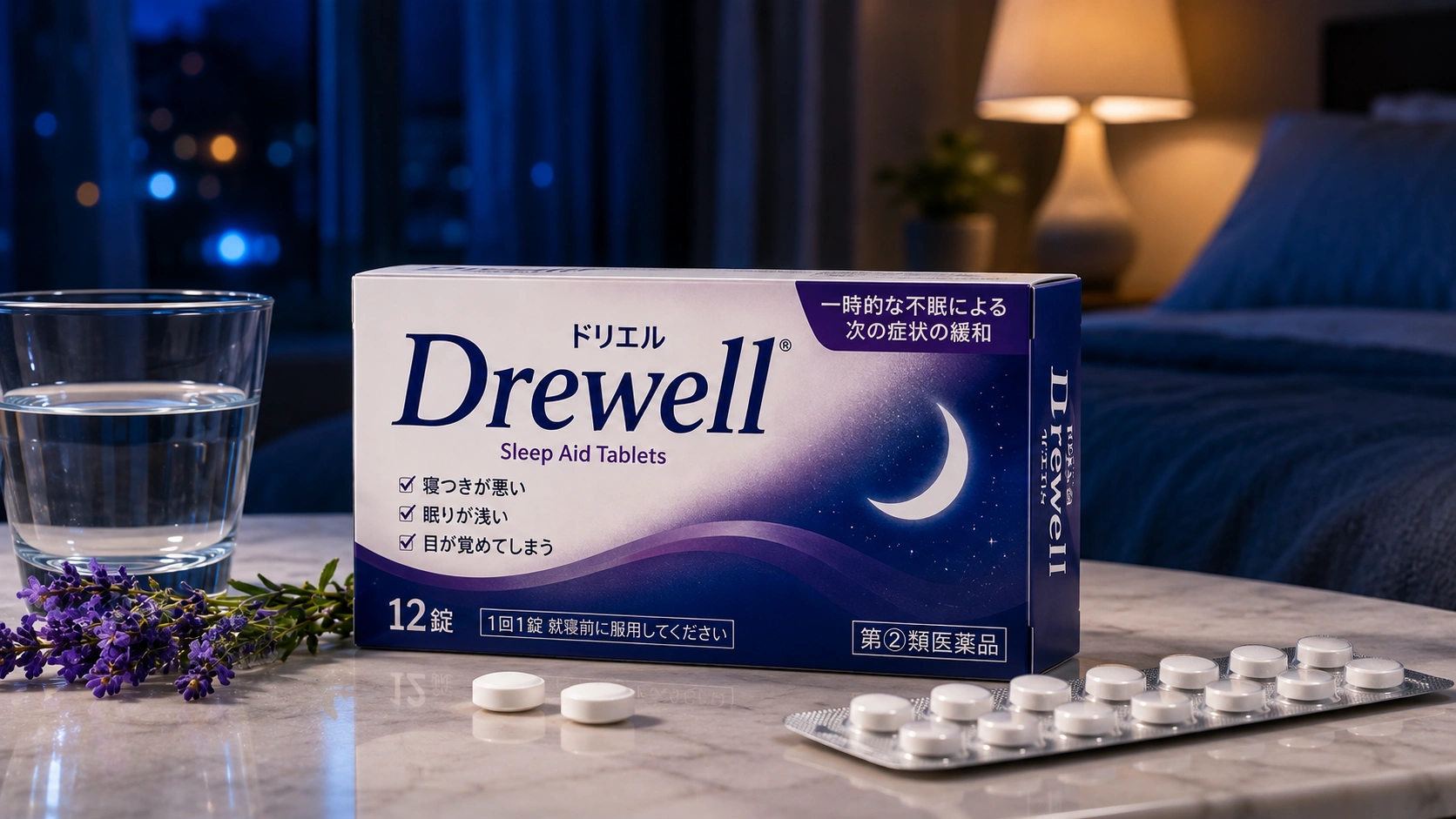
Drewell (ドリエル) is one of Japan’s best-known over-the-counter sleep-improvement medicines. Launched in 2003 by SSP Co., Ltd., Drewell became Japan’s first OTC medicine approved specifically for the relief of temporary insomnia symptoms. More than two decades later, it remains an active Japanese sleep-health brand, with the original Drewell tablets, Drewell EX soft capsules and newer Drewell Yourism functional-food products available in 2026.
Drewell itself was not the result of discovering a new chemical compound. Its story is about using an existing pharmaceutical ingredient for a new consumer-health purpose.
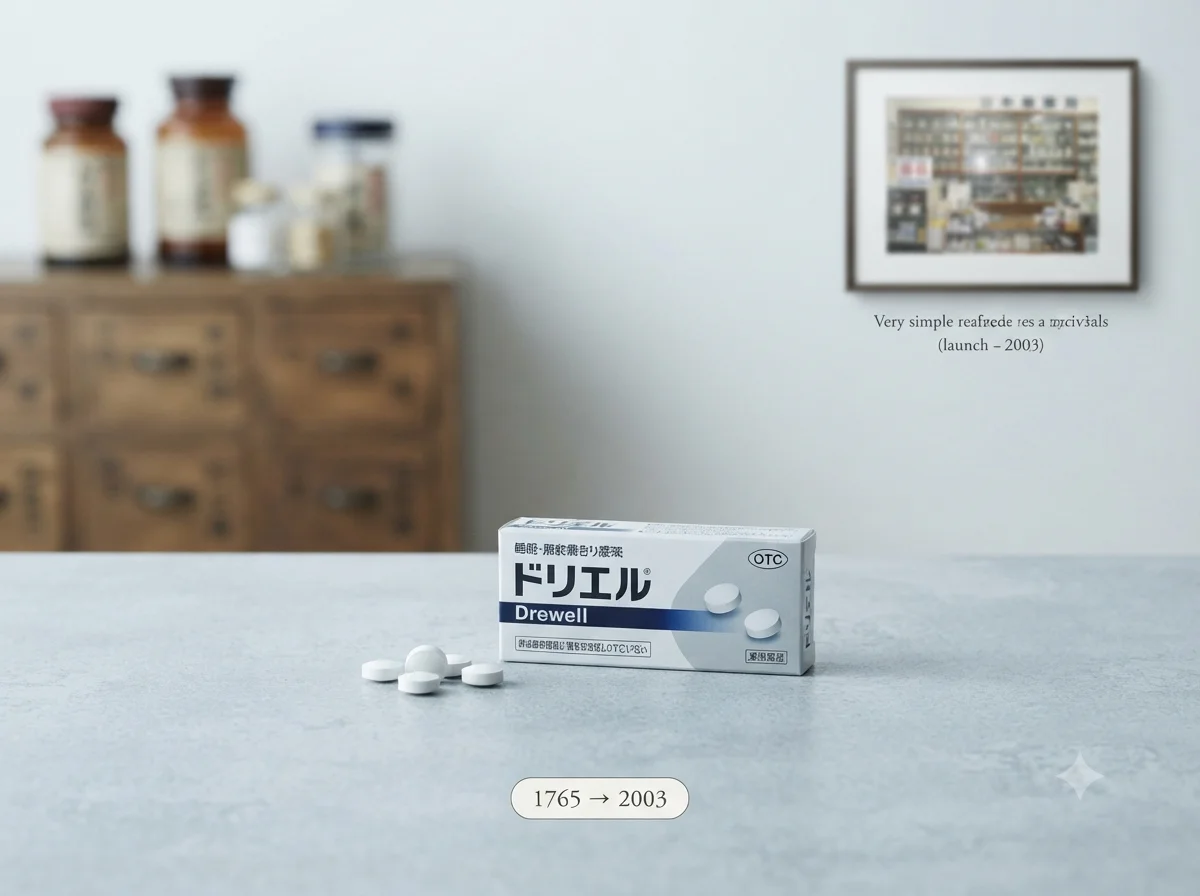
The company behind Drewell, SSP Co., Ltd., traces its history to 1765, when Shosuke Shirai founded Minoya Yakubo in Yaesu, Tokyo. The business eventually developed into SSP, with the present company name adopted in 1940. SSP has since become one of Japan’s established OTC pharmaceutical companies.
SSP’s history includes several major consumer-health milestones. The company launched EVE containing ibuprofen in 1985, followed by other major OTC products. In 2003, it launched Drewell as Japan’s first OTC sleep-improvement medicine. SSP says Drewell was notable because it obtained an OTC indication for insomnia that was unprecedented in Japan at the time.
The launch was strategically important because consumers with temporary sleep problems previously had fewer options outside prescription medicine. Drewell created a new category that allowed consumers to purchase a medicine specifically designed for temporary sleep difficulties through pharmacies and drugstores.
There is no single individual who can accurately be described as the inventor of Drewell. The product was developed by SSP as part of its pharmaceutical research and OTC product-development operations.
The broader company, however, traces its origins to Shosuke Shirai, who founded the original Minoya Yakubo business in 1765.
This distinction matters. Shosuke Shirai did not invent Drewell or diphenhydramine. His business became the historical foundation from which SSP eventually developed into the company that launched Drewell more than two centuries later.
Drewell’s launch represented an important change in the Japanese OTC market.
The active ingredient, diphenhydramine hydrochloride, was already known as an antihistamine. It was used in medicines for allergy and cold-related symptoms, and its ability to cause drowsiness was well established.
SSP used this known pharmacological property to create an OTC medicine specifically intended for temporary insomnia symptoms.
The company’s own research information explains that diphenhydramine suppresses histamine activity and can produce drowsiness. SSP has used this effect as the basis for Drewell since 2003.
The launch of Drewell was considerably stronger than SSP initially expected.
Contemporary Japanese business reports described substantial orders from drugstores shortly after the product was announced. The product’s initial sales expectations were repeatedly revised upward as demand exceeded the company’s original forecasts.
SSP’s own corporate history confirms that Drewell’s sales significantly exceeded its original plan.
This early success helped establish the Drewell name as a synonym for OTC sleep improvement in Japan.
Drewell was launched during an important transformation of SSP’s business.
In 2001, SSP became part of the Boehringer Ingelheim group. In 2005, SSP transferred its prescription pharmaceutical business to Hisamitsu Pharmaceutical and increasingly focused on consumer healthcare.
In 2010, SSP became a wholly owned subsidiary of Boehringer Ingelheim.
In 2017, SSP became part of the Sanofi Group following the business exchange between Boehringer Ingelheim and Sanofi.
Sanofi’s consumer-healthcare division was renamed Opella in 2024. In 2025, Opella became an independent consumer-healthcare company with CD&R as controlling shareholder, while Sanofi retained a significant stake.
SSP remains part of the Opella consumer-healthcare organization.
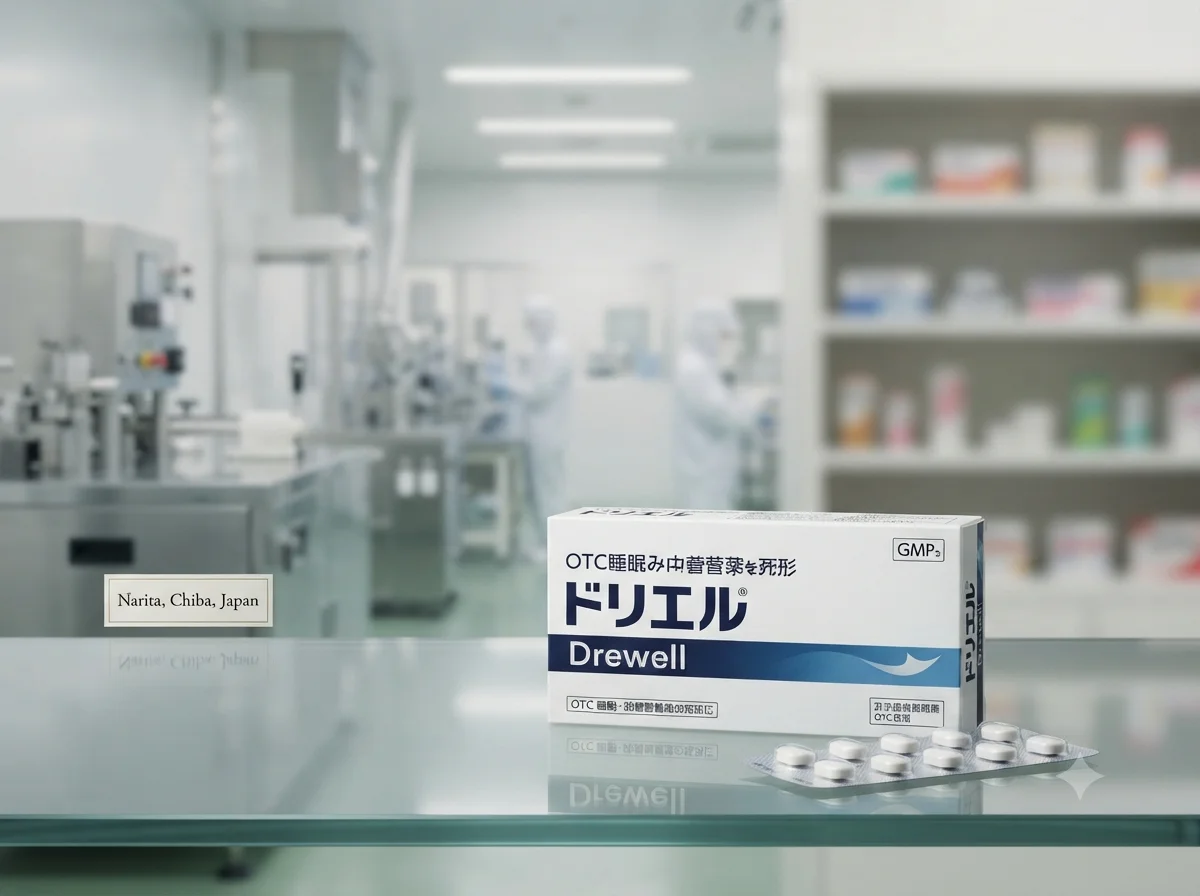
Drewell is manufactured and marketed in Japan by SSP Co., Ltd..
SSP’s current corporate information lists its headquarters at Tokyo Opera City Tower in Shinjuku, Tokyo. The company also operates the Narita Plant in Chiba Prefecture.
The Narita facility is an important part of SSP’s Japanese pharmaceutical manufacturing infrastructure. SSP established its Narita site in 1964 and subsequently expanded its manufacturing capabilities there.
The company also operates distribution facilities serving eastern Japan, Hokkaido and western Japan.
This infrastructure supports the distribution of Drewell through pharmacies, drugstores and online channels.
Drewell is primarily a Japanese consumer-healthcare brand.
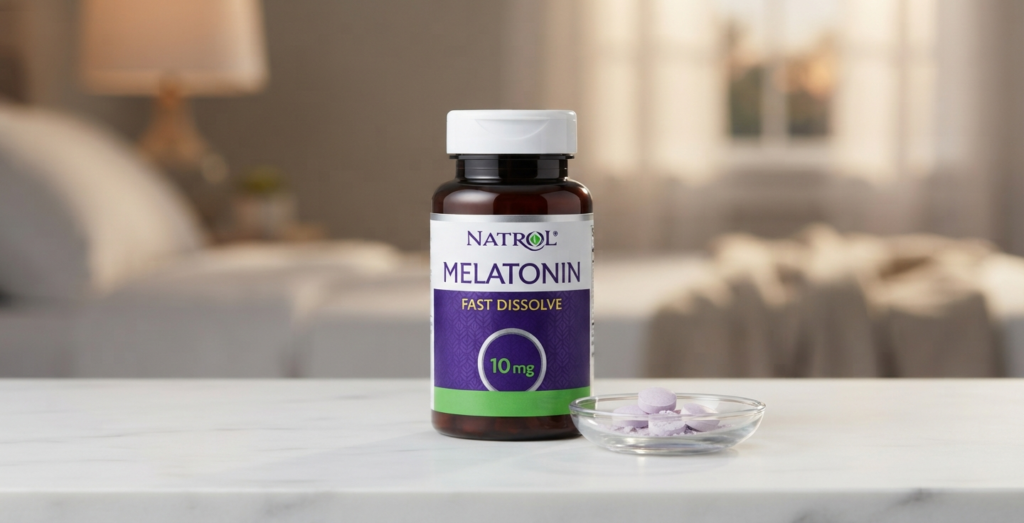
It should not be confused with melatonin products that are sold globally under various brands.
Although SSP’s parent organization, Opella, has a much larger international presence, Drewell itself is closely associated with the Japanese market.
The brand’s strength comes largely from its recognition among Japanese consumers and its established presence in Japanese pharmacies and drugstores.
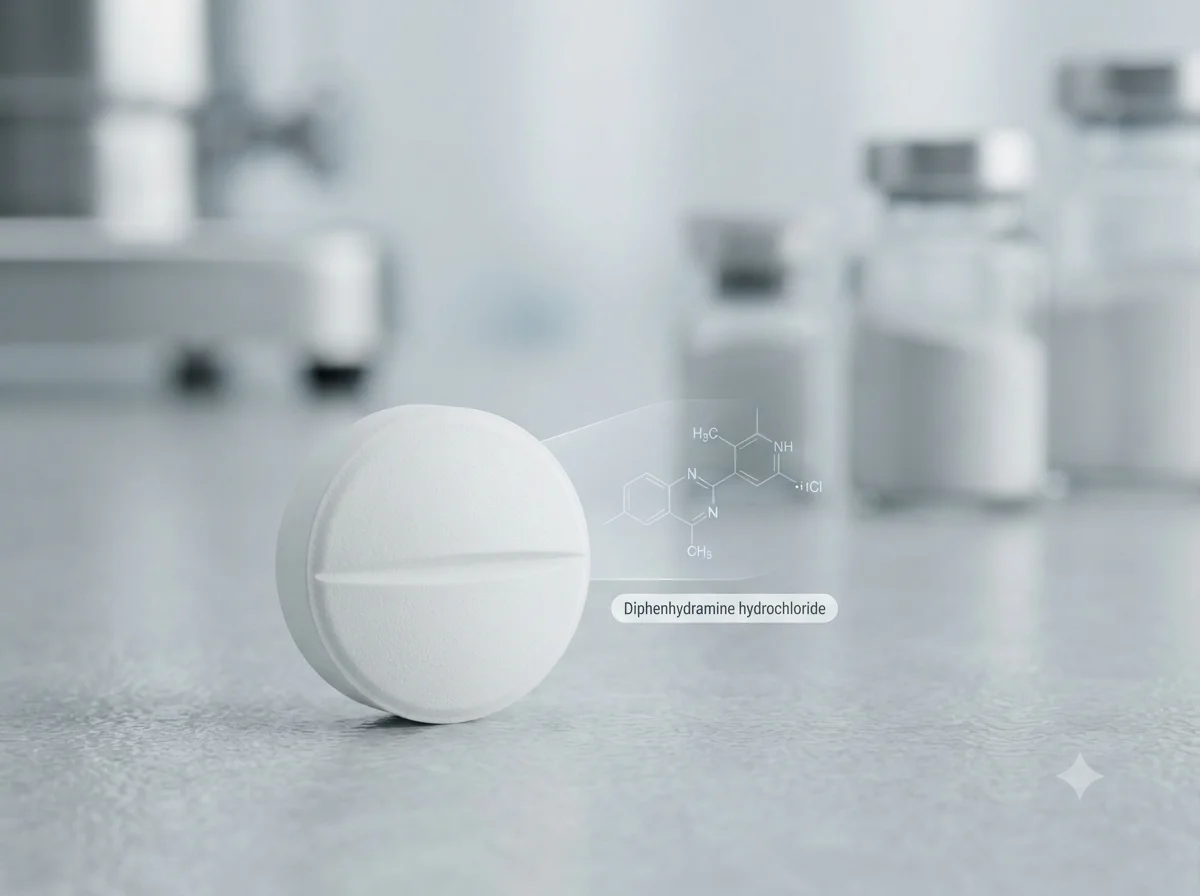
The standard Drewell tablet has a relatively simple active formula.
Two tablets contain 50 mg of diphenhydramine hydrochloride.
This means that each tablet contains 25 mg of diphenhydramine hydrochloride.
SSP’s current product information identifies diphenhydramine hydrochloride as the active ingredient and lists several additional pharmaceutical excipients.
Diphenhydramine hydrochloride is the ingredient responsible for Drewell’s sleep-improvement action.
It belongs to the first-generation antihistamine class.
Histamine is involved in allergic reactions, but it also plays an important role in maintaining wakefulness in the brain.
Diphenhydramine can cross the blood-brain barrier and block H1 histamine receptors. This central antihistamine effect can produce drowsiness.
That is why diphenhydramine can make people sleepy when it is used in some allergy and cold medicines.
Drewell uses this known effect for its specific OTC indication.
SSP’s current product information lists the following excipients:
These ingredients do not provide the primary sleep-improvement effect. They are used for tablet structure, manufacturing, coating, disintegration and other formulation purposes.
Croscarmellose sodium is commonly used in tablets as a disintegrant. It helps the tablet break apart after it reaches the digestive tract.
Anhydrous silica is used as a formulation and processing aid. It helps control the physical properties of the powder mixture during manufacturing.
Cellulose can provide bulk and structural support within a tablet formulation.
Lactose is used as a pharmaceutical excipient and contributes to the physical structure of the tablet.
These cellulose-derived ingredients can act as binders and coating-related materials, helping the tablet maintain its structure and physical characteristics.
Macrogol, also known as polyethylene glycol, is used as a pharmaceutical excipient and can contribute to coating and formulation properties.
Magnesium stearate is a lubricant commonly used in tablet manufacturing. It helps prevent ingredients from sticking to manufacturing equipment.
Talc can serve as a processing or coating aid, while titanium dioxide contributes to the appearance of the tablet.
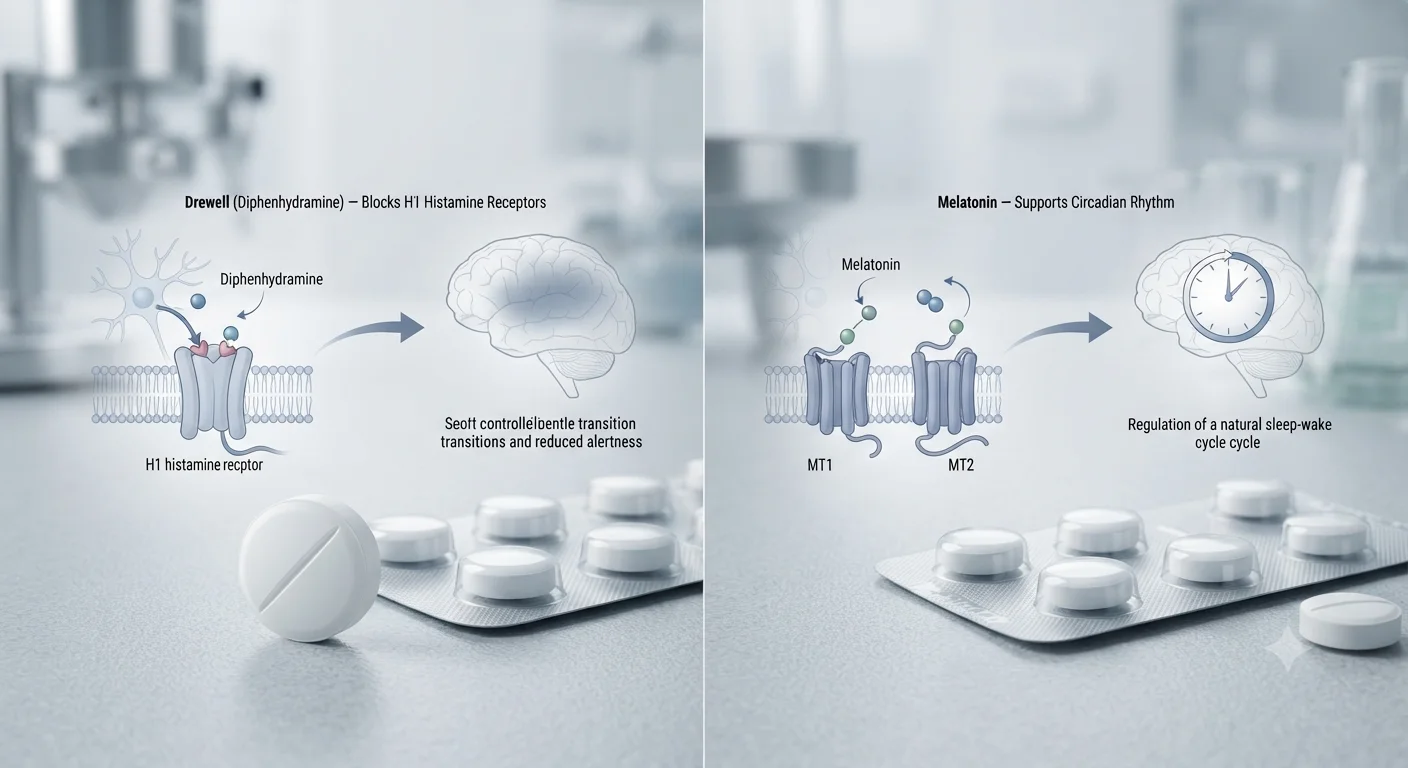
Drewell works differently from melatonin.
Its active ingredient, diphenhydramine, primarily works by blocking H1 histamine receptors.
Histamine is one of several chemical signaling systems involved in keeping the brain alert.
When central histamine signaling is blocked, drowsiness can occur.
This is why first-generation antihistamines are often described as sedating antihistamines.
Unlike newer antihistamines that are designed to have less effect on the brain, diphenhydramine readily enters the central nervous system.
It blocks histamine receptors in the brain, reducing one of the chemical signals involved in wakefulness.
The result can be sleepiness and reduced alertness.
This is the pharmacological foundation of Drewell.
No.
Drewell may be marketed around the concept of a good night’s sleep, but it is still an antihistamine-based medicine.
It does not reproduce the body’s natural melatonin rhythm.
Melatonin is a hormone involved in circadian timing, whereas diphenhydramine produces drowsiness primarily by suppressing histamine activity.
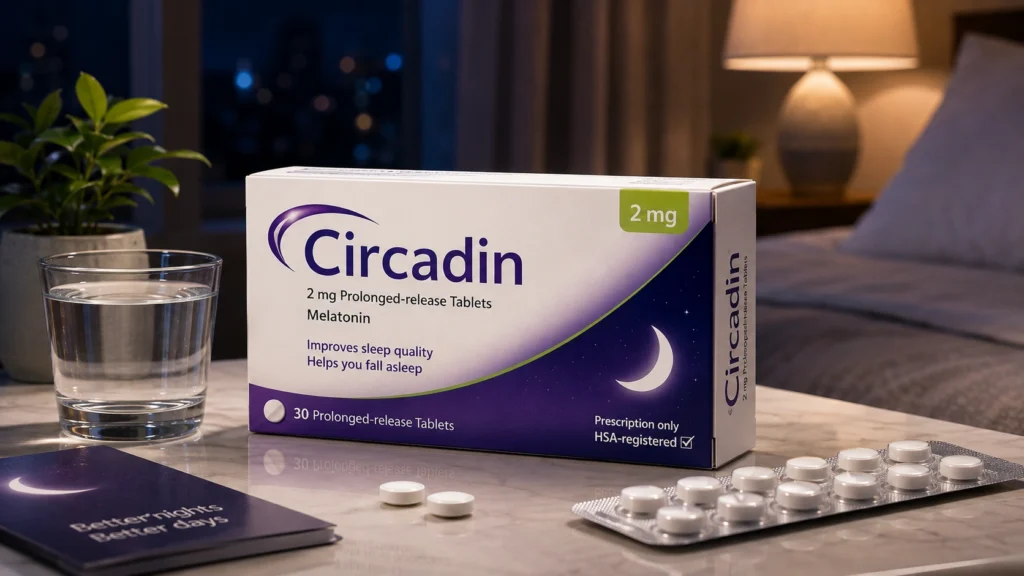
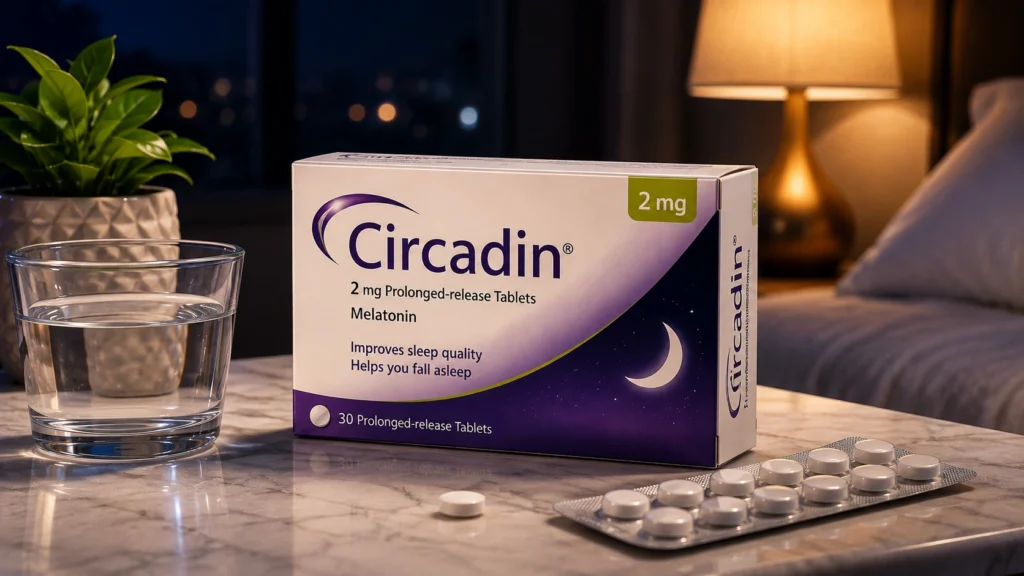
This distinction is important when comparing Drewell with melatonin medicines such as Circadin or with melatonin supplements.
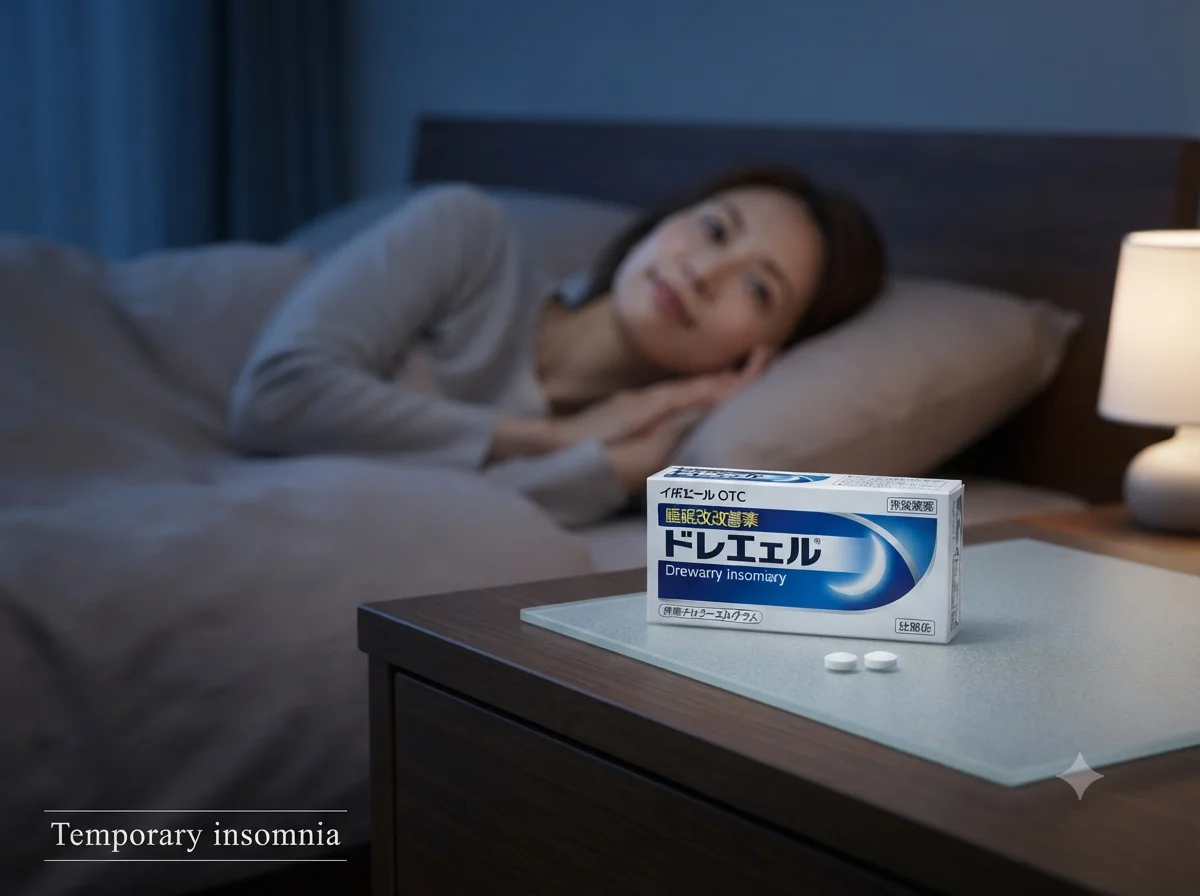
The current Japanese indication for Drewell is the relief of temporary insomnia symptoms.
Specifically, SSP lists:
The product is classified as a Japanese Category 2 OTC medicine and is intended for people aged 15 years and older.
The current recommended dose is two tablets once daily before bedtime.
SSP specifically instructs consumers to follow the labeled dosage and not exceed two tablets per dose.
The company warns that taking more than the recommended amount can cause unpleasant effects, including increased nervousness, and can actually make it harder to sleep.
Drewell is designed for temporary sleep problems rather than long-term treatment of chronic insomnia.
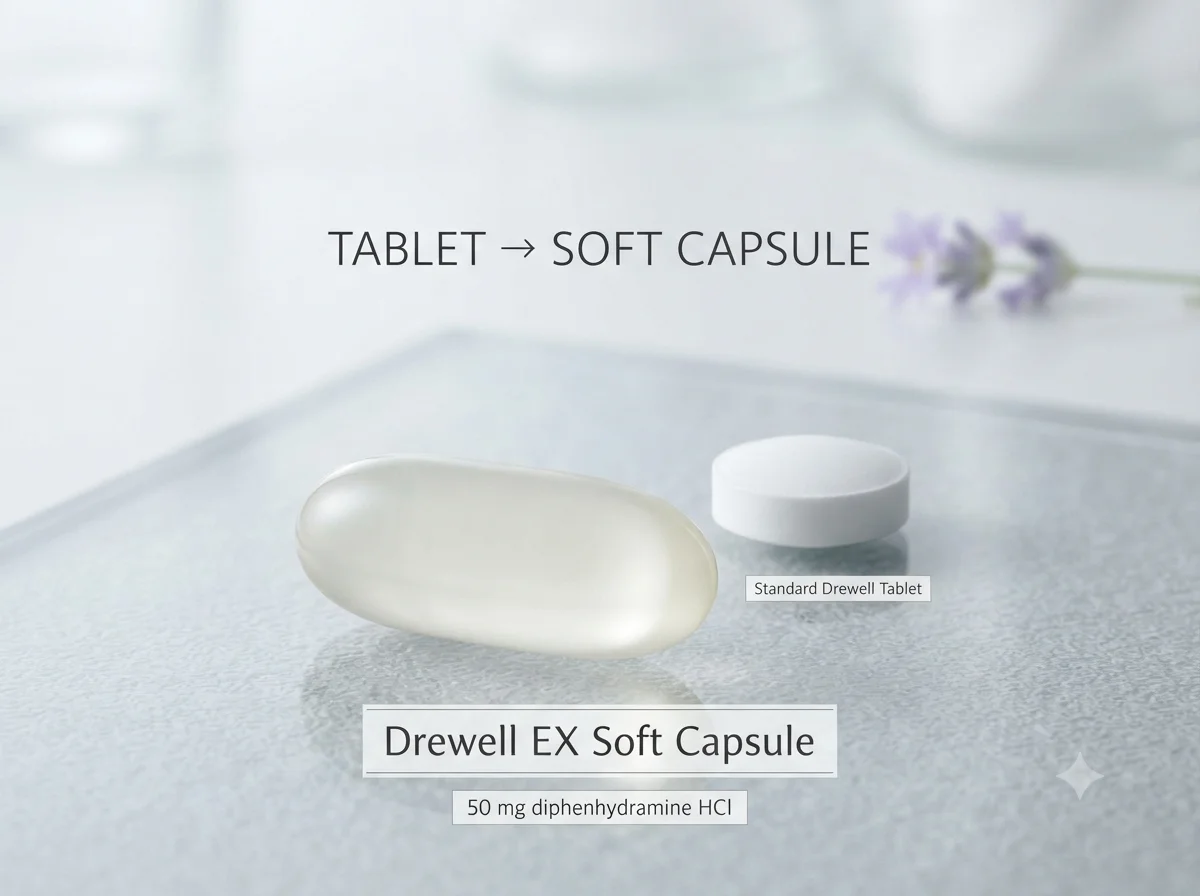
Drewell EX is another product within the Drewell family.
Instead of the traditional tablet, it uses a soft-capsule format.
Each capsule contains 50 mg of diphenhydramine hydrochloride.
The recommended dose is one capsule before bedtime for people aged 15 years and older.
The soft capsule contains ingredients including gelatin, D-sorbitol, medium-chain triglycerides, povidone, macrogol, glycerin, benzyl alcohol, soybean lecithin and flavoring ingredients.
SSP describes Drewell EX as a fast-dissolving soft capsule with a lavender aroma.
The important point is that Drewell EX does not replace diphenhydramine with another sleep ingredient. It changes the dosage form and consumer experience while maintaining the same active ingredient.
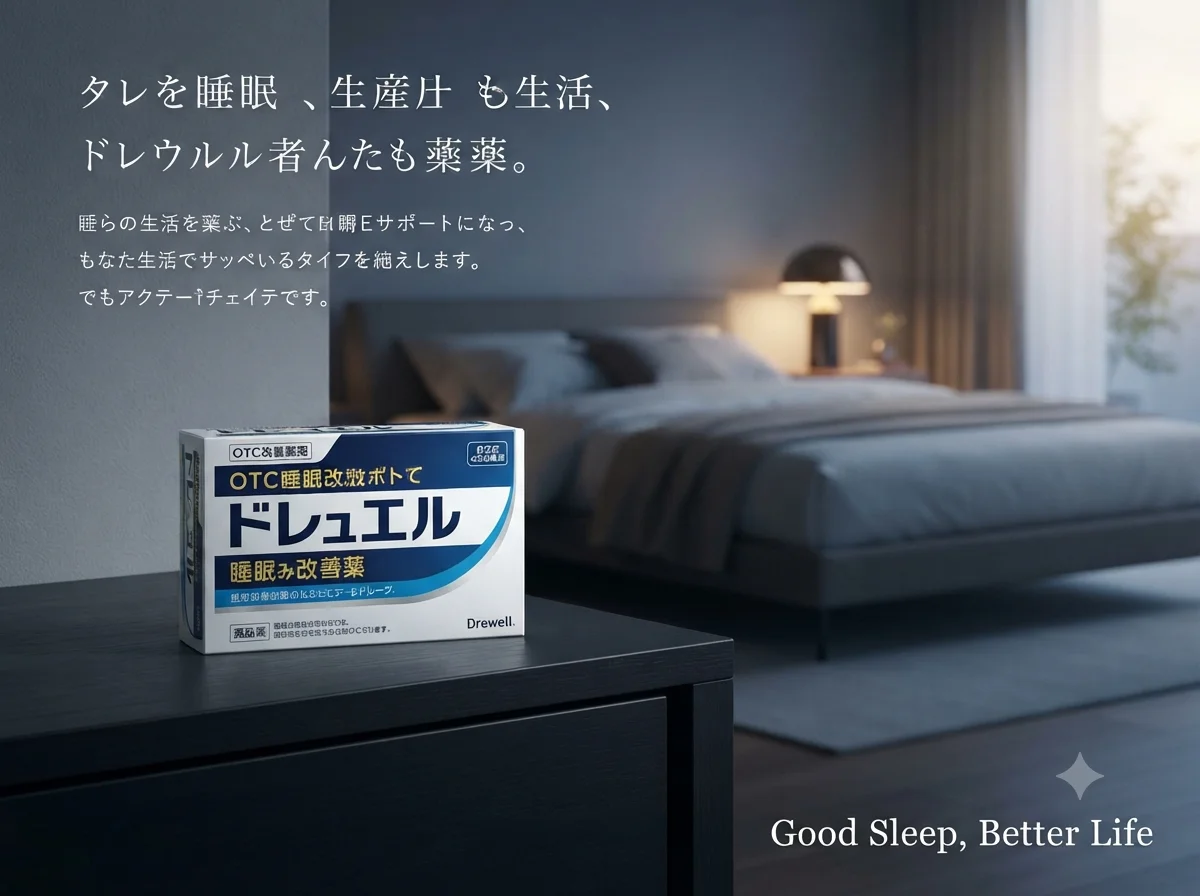
Drewell’s marketing history is particularly interesting because it has repeatedly refreshed a product that is now more than 20 years old.
The first and arguably most successful marketing achievement was creating an entirely new OTC category.
When Drewell launched in 2003, it was Japan’s first OTC sleep-improvement medicine.
That meant SSP did not simply enter an existing market. It had to educate consumers about the idea that temporary sleep difficulties could be addressed through an OTC medicine.
This gave Drewell a powerful first-mover advantage.
Drewell has long used the message that a good morning starts with good sleep.
The Japanese phrase 「いい目覚めは、いい眠りから」 has become closely associated with the brand.
This positioning is clever because it moves the conversation beyond simply “taking a sleeping pill.”
Instead, it connects nighttime sleep with the quality of the following day.
In 2019, SSP selected Japanese actress Mikako Tabe as an image character for Drewell.
The television campaign focused on the idea of a disrupted sleep habit and temporary difficulty sleeping.
The campaign helped make the product approachable while retaining its pharmaceutical positioning.
Drewell celebrated its 20th anniversary in 2023.
SSP launched the “Drewell 20th: One Wish” campaign to mark the milestone.
The creative idea centered on a simple human desire: wanting loved ones to sleep peacefully.
The campaign used lullabies from different cultures to communicate the idea that sleep is a universal human experience.
The campaign was launched nationally in April 2023.
This was a particularly effective anniversary strategy because it shifted attention away from the product itself and toward an emotion almost everyone can understand.
In 2024, Drewell introduced the Active Sleep Project, using the message that people should prioritize sleep as part of an active lifestyle.
Japanese entertainer Shingo Katori became the face of the campaign.
The strategy was designed to change the perception of sleep from something passive into something that supports daytime activity, performance and quality of life.
In 2025, SSP redesigned the packaging for Drewell and Drewell EX.
The redesign was part of the continuing Active Sleep Project and was intended to give the established brand a more contemporary appearance.
Packaging is especially important for OTC medicines because consumers often encounter competing products side by side in pharmacies and drugstores.
The biggest recent change came in 2026.
SSP expanded the Drewell brand into Drewell Yourism, a range of functional foods aimed at sleep quality and everyday wellness.
The current product portfolio includes different Yourism products positioned around deep sleep, relaxation and beauty-related sleep support.
This is strategically important because it lets the Drewell brand reach consumers who may not want an OTC sleep medicine.
Instead, they can choose a functional food designed around everyday sleep and lifestyle support.
Drewell has a major historical advantage.
It was the first OTC sleep-improvement medicine in Japan.
Being first helped the brand establish recognition before competing products had the opportunity to build similar awareness.
The core proposition is easy to understand.
If someone temporarily has difficulty falling asleep or experiences shallow sleep, Drewell is specifically designed for that type of problem.
The brand does not require consumers to understand a complicated supplement formula or a long list of ingredients.
SSP has roots stretching back to 1765.
That history provides a powerful trust signal in a market where consumers are purchasing medicines rather than ordinary consumer goods.
Diphenhydramine was already established as an antihistamine before Drewell was introduced.
SSP therefore did not have to create consumer familiarity with an entirely unknown substance.
The company instead used a known pharmacological effect for a new OTC indication.
Drewell has not relied solely on its original 2003 launch.
The company has repeatedly refreshed its advertising, packaging and product range.
The 2019, 2023, 2024, 2025 and 2026 initiatives demonstrate a consistent effort to keep the brand relevant.
The launch of Drewell Yourism shows that SSP recognizes the growth of the sleep-wellness market.
Consumers increasingly think about sleep in terms of lifestyle, stress, relaxation and daily performance rather than only as a medical problem.
Drewell now has products designed for both sides of that conversation.
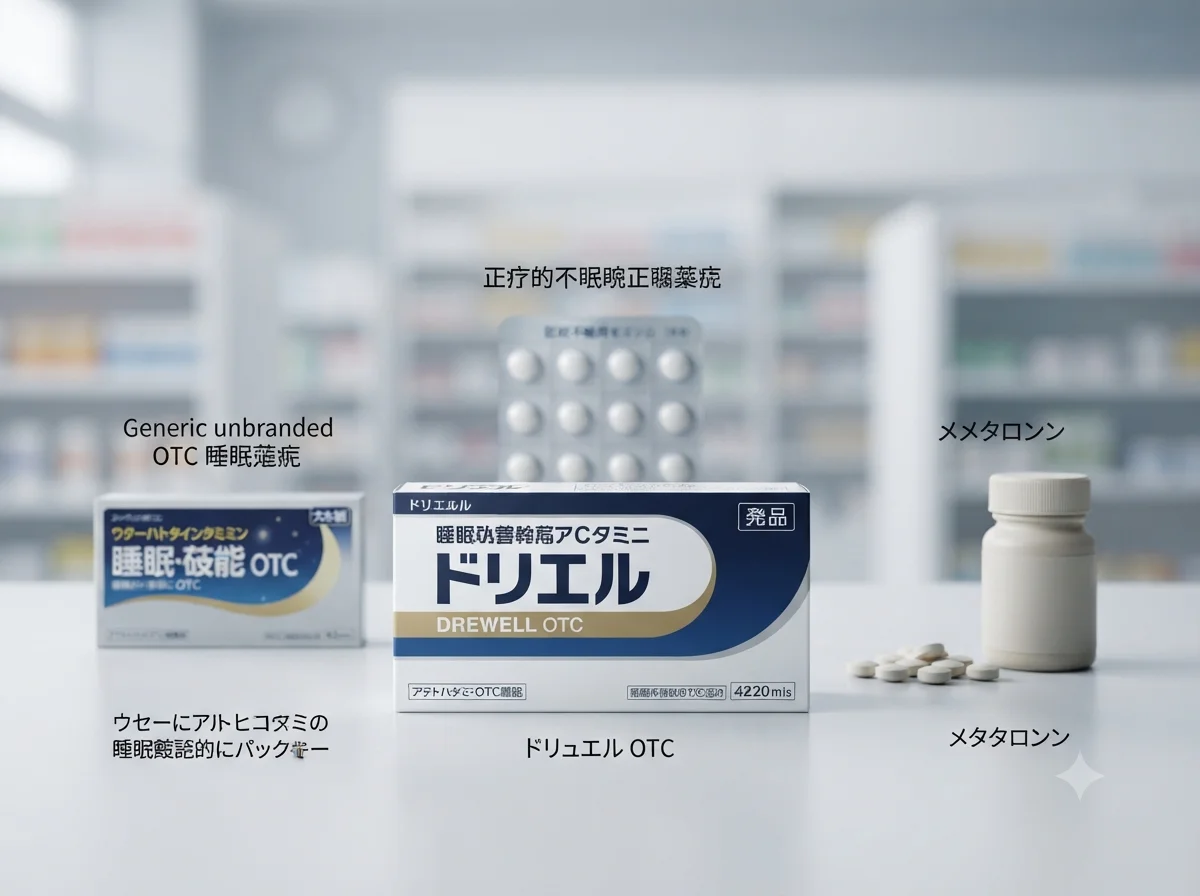
Drewell competes with several categories rather than just one product.
The closest competitors are other OTC sleep-improvement products that use sedating antihistamine ingredients.
These medicines compete for the same consumer need: short-term relief from difficulty falling asleep or shallow sleep.
Drewell’s first-mover status and strong brand recognition give it an important advantage.
Melatonin products represent a different approach to sleep support.
Melatonin is a hormone involved in circadian timing rather than an antihistamine.
In countries where melatonin is available as a supplement or medicine, melatonin products compete indirectly with antihistamine-based sleep aids.
However, the regulatory status of melatonin varies significantly between countries, so Japanese Drewell should not be treated as interchangeable with a U.S. melatonin supplement.
Drewell also competes indirectly with prescription insomnia treatments such as:
These products have different indications, mechanisms, safety considerations and regulatory requirements, so they are not direct substitutes in every situation.
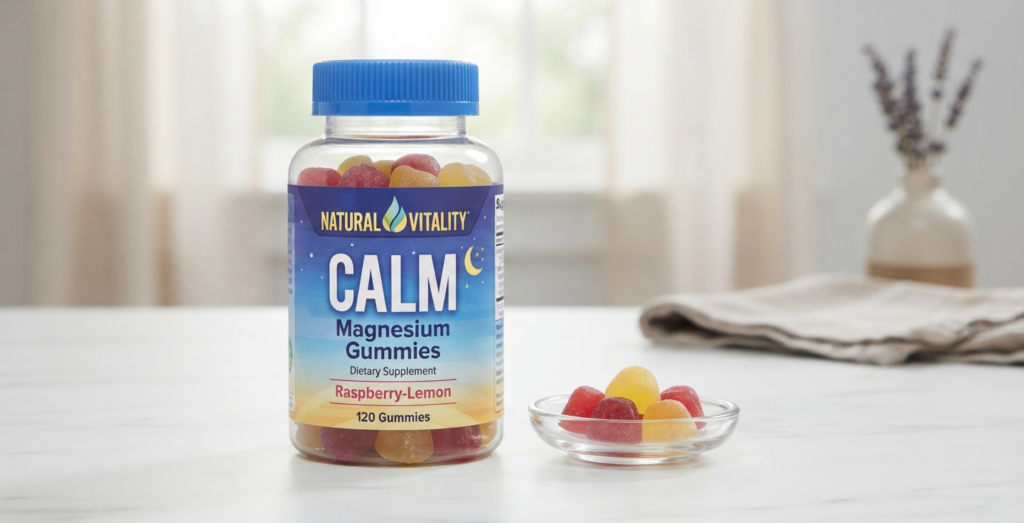
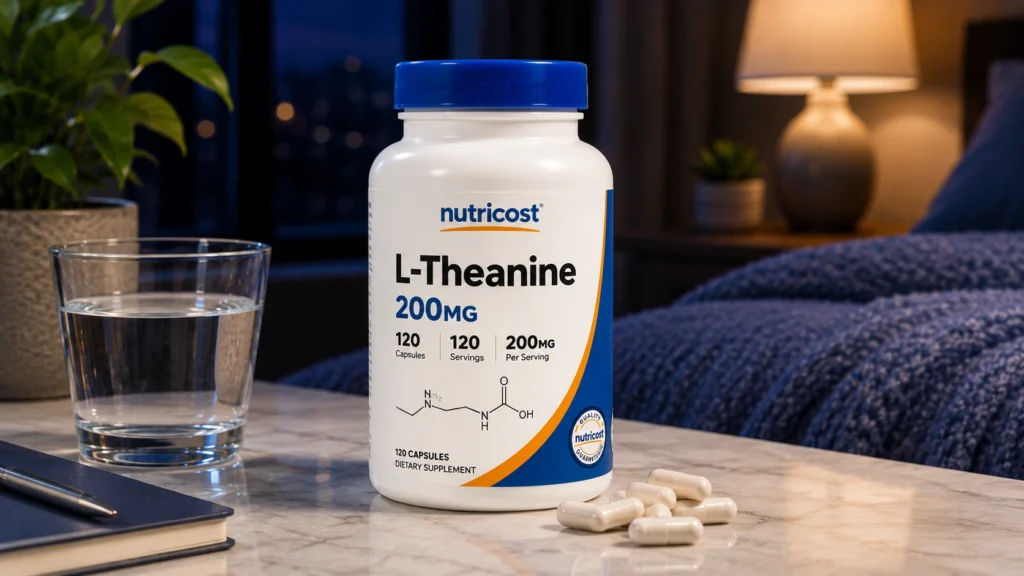
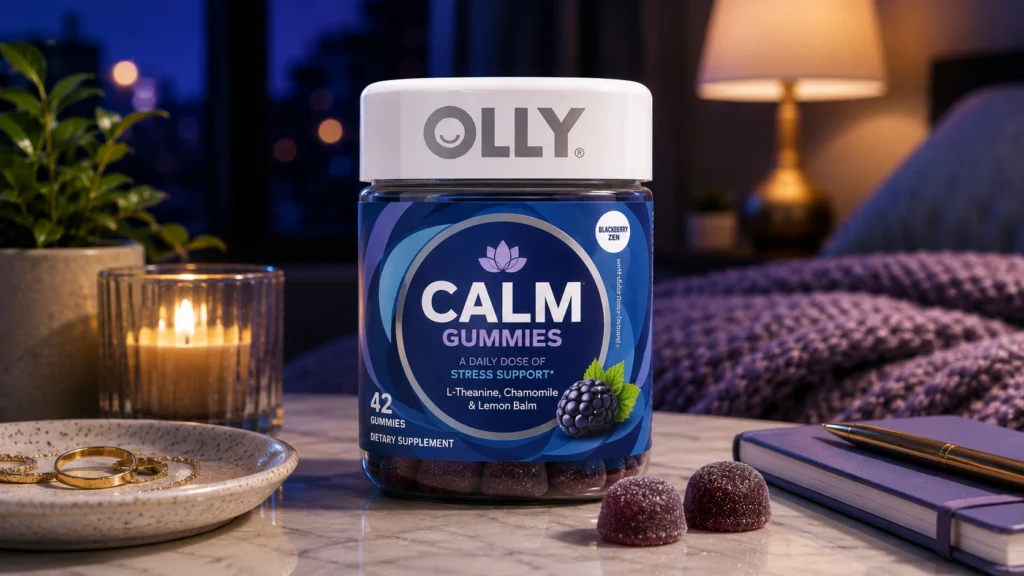
The broader sleep-wellness market includes products containing ingredients such as GABA, magnesium, L-theanine, glycine, herbal extracts and melatonin where legally available.
This growing market is one reason SSP has expanded the Drewell name into functional foods.
One of the most important points for accurate research is that SSP does not publicly disclose a standalone 2026 revenue figure for Drewell.
Therefore, claims that Drewell generated a specific amount of revenue in 2026 should not be presented as fact without a primary financial disclosure.
There is, however, strong historical evidence showing that the product became a major commercial success shortly after launch.
Drewell’s original sales expectations were significantly exceeded.
The product generated strong orders from drugstores shortly after launch, and SSP repeatedly revised its expectations upward.
Its success was significant enough to become a major talking point in Japanese OTC pharmaceutical industry coverage.
SSP’s own history confirms that sales exceeded the original plan by a wide margin.
Drewell was not simply another product added to a crowded OTC category.
It created demand around a new category.
That made its early sales particularly valuable because they demonstrated that Japanese consumers were willing to purchase an OTC medicine specifically intended for temporary sleep difficulties.
It also provided SSP with a platform for subsequent product extensions and marketing investments.
No reliable standalone audited figure is publicly available.
SSP is part of the broader Opella consumer-healthcare organization, and public corporate reporting does not provide a current product-level revenue breakdown for Drewell.
Therefore, it is more accurate to say that Drewell remains an active and strategically important SSP brand in 2026 rather than inventing a current revenue estimate.
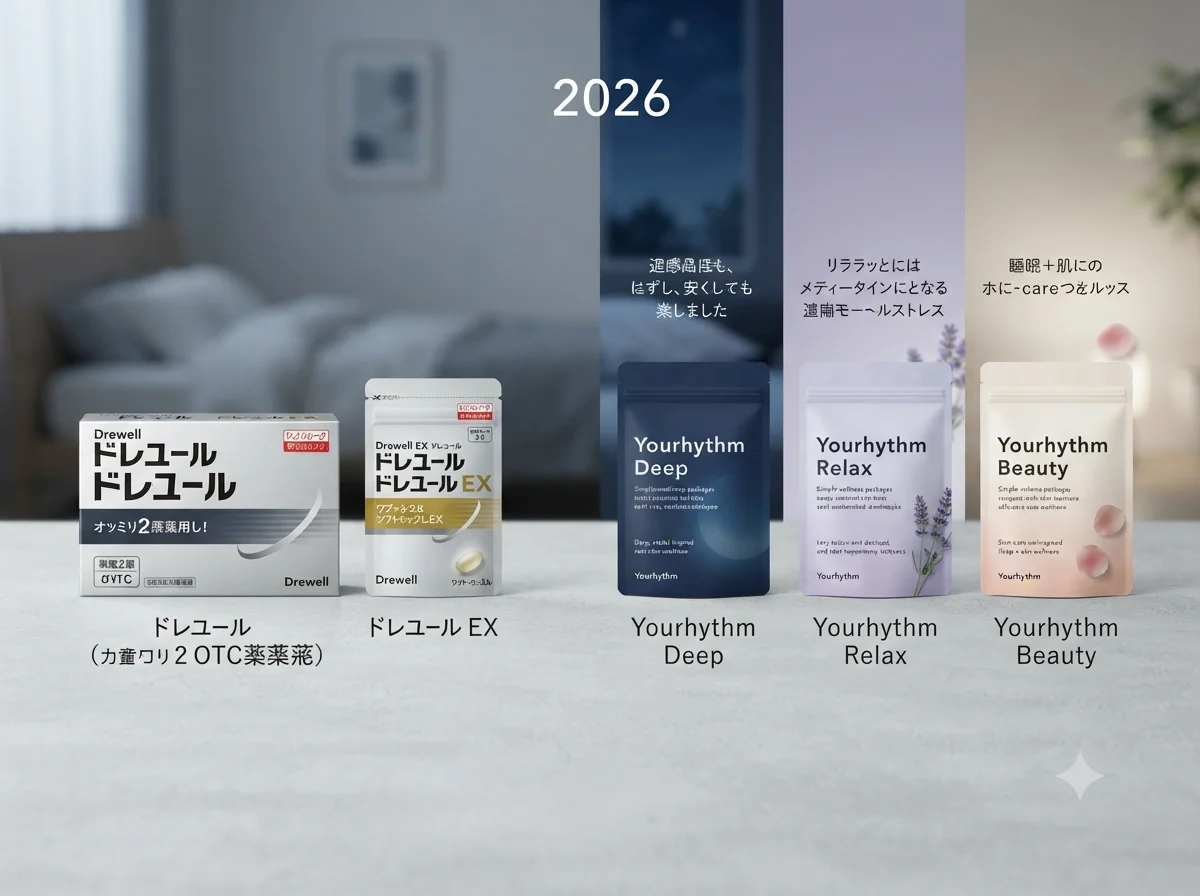
The most interesting development in Drewell’s modern history is the expansion of the brand beyond the original medicine.
In 2026, SSP’s Drewell portfolio includes:
This expansion is strategically significant.
The original Drewell medicine is designed for temporary insomnia symptoms.
The Yourism products are positioned as functional foods for everyday sleep and wellness.
That means the brand can address different consumer needs without treating every sleep complaint as a medical condition.
The current Yourism Deep formulation contains GABA as a functional ingredient, along with ingredients including raffia leaf extract, lavender and vitamin B6.
SSP positions it around improving sleep quality, including depth of sleep and refreshed waking.
It is consumed as a functional food rather than as the Drewell OTC medicine.
Sleep is becoming a much broader consumer-health category.
People are increasingly interested in sleep tracking, sleep routines, relaxation, stress management, supplements and lifestyle changes.
A brand limited to an OTC sleeping medicine could struggle to participate in all of those conversations.
Drewell Yourism gives SSP a way to enter the broader sleep-wellness market while preserving Drewell’s pharmaceutical identity.
No. Drewell and melatonin are pharmacologically different.
Drewell contains diphenhydramine hydrochloride.
Melatonin medicines and supplements contain melatonin.
Diphenhydramine is a first-generation antihistamine that can cause drowsiness by blocking histamine H1 receptors in the brain.
Melatonin is a hormone involved in the body’s circadian timing system.
Therefore, Drewell should not be described as a Japanese melatonin sleeping pill.
It is an antihistamine-based OTC sleep-improvement medicine.
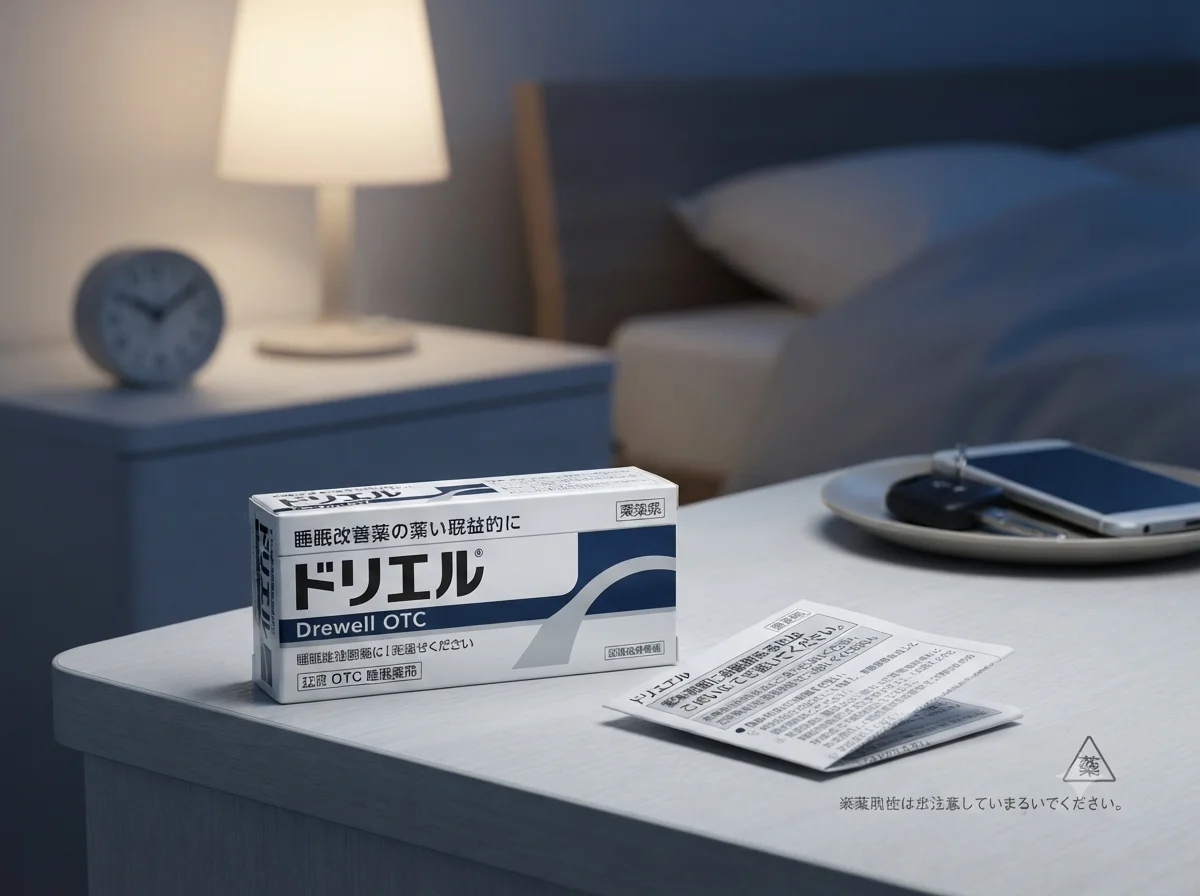
Drewell is a medicine and should not be treated like an ordinary wellness supplement.
The current SSP product information states that it is intended for people aged 15 years and older and should be taken once before bedtime according to the labeled dose.
SSP also advises consumers to consult a doctor, pharmacist or registered salesperson when appropriate and to carefully read the product instructions before use.
The company specifically warns against exceeding the recommended dose. Taking more than the recommended amount can cause unpleasant effects and may actually make it harder to sleep.
Diphenhydramine can also cause drowsiness and reduced alertness.
Consumers should be particularly careful about activities requiring alertness after taking a sedating medicine and should avoid combining it with substances or medicines that may increase sedation unless advised by a healthcare professional.
Drewell is intended for temporary insomnia symptoms. Persistent or recurring insomnia can have many underlying causes and should not simply be managed indefinitely with an OTC sleep-improvement medicine.
If sleep problems continue, worsen or significantly affect daytime functioning, professional medical advice is appropriate.
Drewell (ドリエル) has a unique position in Japan’s consumer-healthcare industry.
Launched in 2003 by SSP Co., Ltd., it became Japan’s first OTC sleep-improvement medicine specifically approved for temporary insomnia symptoms.
The product did not depend on a newly discovered sleep molecule. Instead, SSP used the established sedating properties of diphenhydramine hydrochloride, a first-generation antihistamine, to create a dedicated OTC sleep-improvement product.
The standard Drewell formulation contains 50 mg of diphenhydramine hydrochloride in two tablets. Its current Japanese indication covers temporary difficulty falling asleep and shallow sleep.
Drewell is intended for people aged 15 and older, with a recommended dose of two tablets once before bedtime.
The product’s other ingredients are mainly pharmaceutical excipients used for tablet structure, stability, coating and manufacturing.
Drewell’s success was rapid.
SSP’s historical records show that the product’s sales significantly exceeded its original plan. The launch created an entirely new OTC category and gave the brand a powerful first-mover advantage.
That advantage has been reinforced through more than two decades of advertising, product development and consumer communication.
The brand has used memorable strategies including the long-running message that a good awakening starts with good sleep, the 2019 Sleep Habit campaign, the 2023 20th-anniversary “One Wish” campaign and the 2024 Active Sleep Project.
In 2025, SSP refreshed Drewell’s packaging.
In 2026, the company took the brand in a broader direction with Drewell Yourism, a range of functional foods focused on sleep quality, relaxation and other wellness-related needs.
This expansion is perhaps the clearest sign that Drewell is no longer being positioned only as a sleeping medicine.
It is becoming a broader sleep-health brand.
Corporate ownership has changed throughout Drewell’s history. SSP joined Boehringer Ingelheim, later became part of Sanofi and is now part of Opella, the consumer-healthcare company that became independent from Sanofi in 2025 with CD&R as controlling shareholder.
Despite these corporate changes, SSP continues to operate the Drewell brand in Japan.
From a manufacturing perspective, SSP maintains its Japanese pharmaceutical infrastructure, including the Narita Plant in Chiba.
From a commercial perspective, Drewell remains strongly associated with Japanese pharmacies, drugstores and online retail.
Its competitors include other Japanese OTC sleep-improvement medicines, prescription insomnia treatments, melatonin products and the rapidly growing sleep-supplement market.
However, Drewell’s strongest advantage remains its history.
It was the product that helped create Japan’s OTC sleep-improvement category more than 20 years ago.
One point should always be kept clear when comparing Drewell with products such as Circadin: Drewell is not melatonin.
Circadin uses prolonged-release melatonin, while Drewell uses diphenhydramine hydrochloride.
These ingredients work through different biological pathways and have different regulatory positions.
There is also no reliable public source showing a standalone 2026 Drewell revenue figure, so a precise current sales number should not be invented. What can be established is the product’s strong historical launch performance and its continued presence in SSP’s 2026 portfolio.
The biggest lesson from the Drewell story is therefore not simply that Japanese consumers wanted a sleeping pill.
It is that SSP successfully created a new OTC category, built strong consumer recognition around it and continued reinventing the brand as the definition of sleep itself changed.
In 2026, Drewell sits at the intersection of OTC medicine, pharmaceutical innovation and sleep wellness.
That combination explains why a product first introduced in 2003 remains an important part of Japan’s sleep-health market more than two decades later.