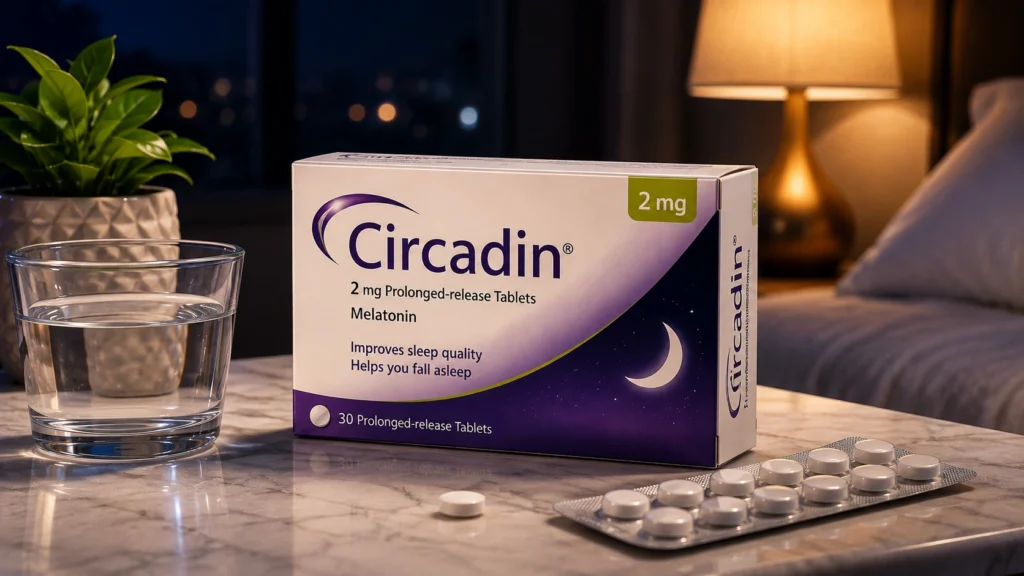
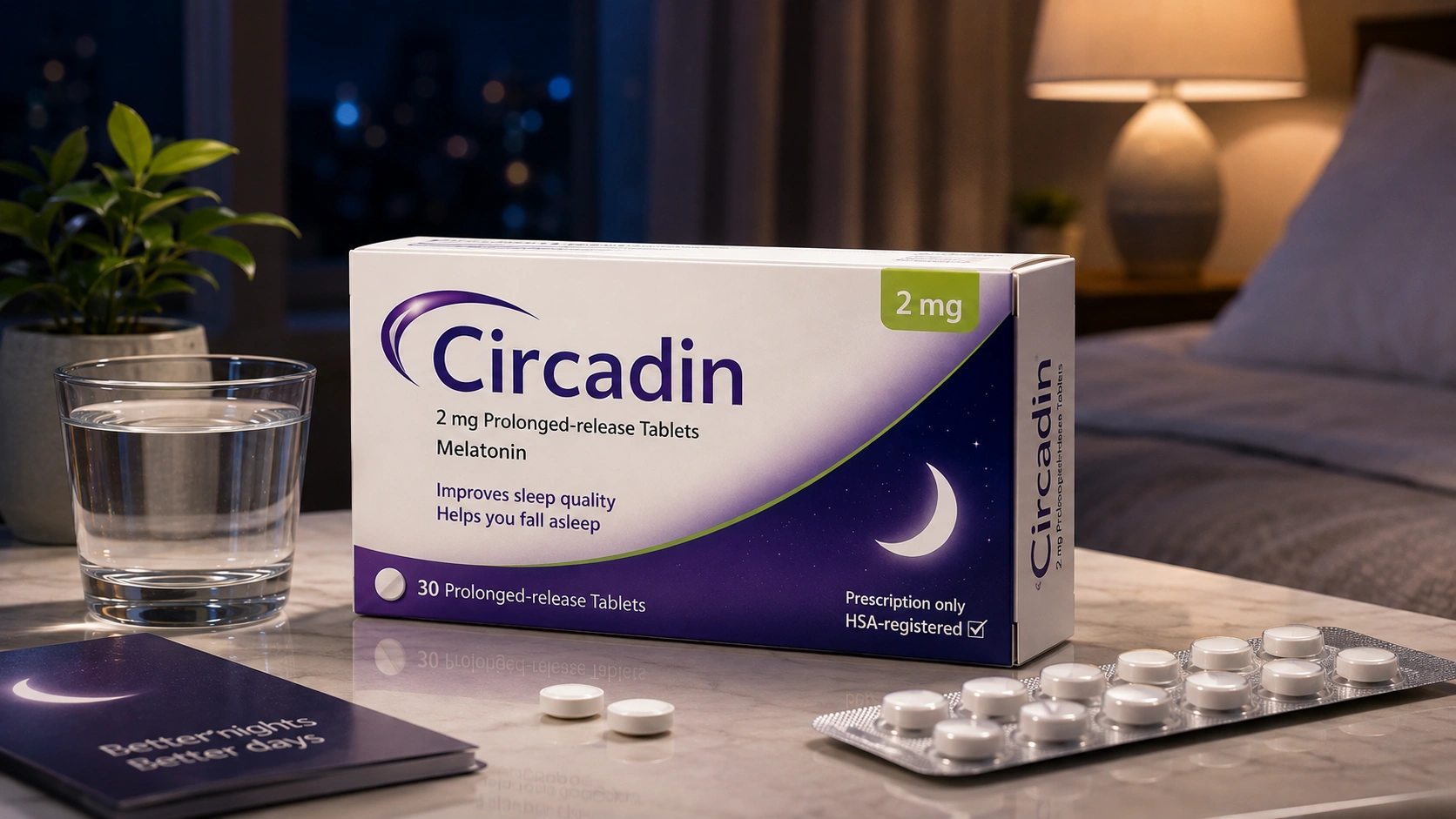
Circadin is a prolonged-release melatonin medicine used for the short-term treatment of primary insomnia characterized by poor quality of sleep in adults aged 55 and older. Unlike ordinary immediate-release melatonin supplements, Circadin is formulated as an extended-release tablet designed to release melatonin gradually.
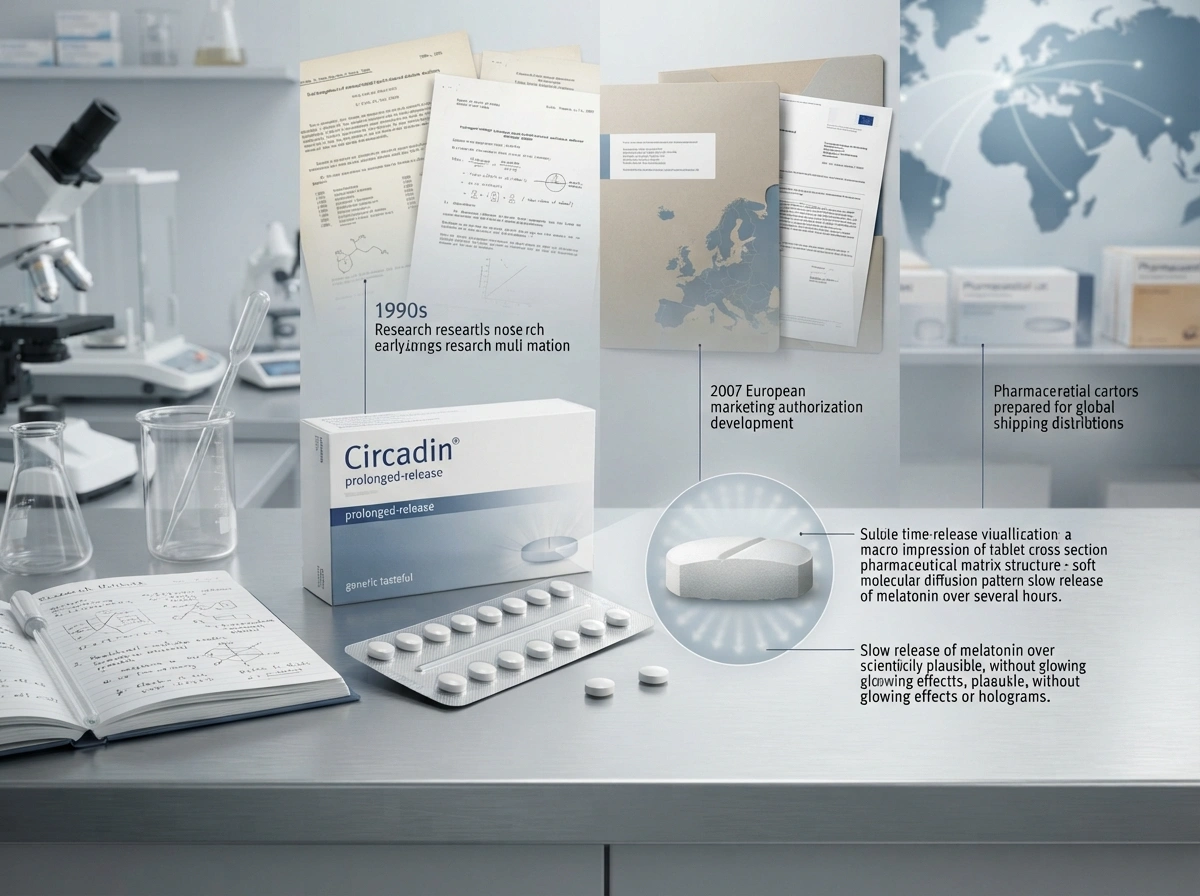
The story of Circadin begins with Neurim Pharmaceuticals, an Israeli neuroscience company founded in 1991 by neuroscientist Professor Nava Zisapel and entrepreneur Yehuda Zisapel.
Neurim focused on medicines involving the central nervous system, sleep and age-related neurological conditions. The company’s research eventually led to the development of prolonged-release melatonin.
The important innovation was not discovering melatonin itself. Melatonin is a naturally occurring hormone produced by the human body, particularly by the pineal gland. The innovation was developing a pharmaceutical formulation capable of releasing melatonin gradually over several hours.
This approach was intended to provide a longer-lasting melatonin signal than a conventional immediate-release tablet.
Circadin reached a major milestone when the European Commission granted it centralized marketing authorization on 29 June 2007.
The European authorization covered Circadin 2 mg prolonged-release tablets for the short-term treatment of primary insomnia characterized by poor quality of sleep in patients aged 55 years and older.
This regulatory approval helped transform Circadin from a development project into an internationally commercialized pharmaceutical product.
At the time of its development, melatonin was already well known scientifically. However, the pharmaceutical opportunity was to create a controlled-release formulation that could provide melatonin exposure over a longer period.
Circadin therefore differentiated itself through its delivery technology.
The product uses a prolonged-release matrix that gradually releases melatonin rather than making the entire dose immediately available.
This distinction became central to the brand’s pharmaceutical positioning.
Neurim used licensing and distribution partnerships to expand Circadin into international markets.
One of the most important early commercial relationships was with Lundbeck, which obtained rights to market Circadin in a number of international territories.
This partnership model allowed Neurim to expand the product without having to build a complete pharmaceutical sales organization in every country.
Over time, Circadin became available in numerous markets across Europe, Asia, Australia, New Zealand and other regions.
Neurim states that its melatonin products, including Circadin and Slenyto, are used in more than 40 countries across five continents.
The current Singapore National Drug Formulary provides unusually useful information about the registered Circadin product.
The Singapore registration number is SIN13954P.
The registered product is:
This information is based on the Singapore National Drug Formulary entry updated on 28 July 2026.
It is important to distinguish the developer and pharmaceutical brand owner from the manufacturing companies and Singapore licence holder. Neurim developed Circadin, while manufacturing and local pharmaceutical distribution can involve different organizations.
HSA registration means the product is recognized as a regulated therapeutic product in Singapore.
The Health Sciences Authority explains that therapeutic products must be evaluated and approved before they can be sold in Singapore. Companies must submit scientific information demonstrating that the product meets the required standards for quality, safety and efficacy.
HSA also uses different access classifications depending on the level of medical supervision required.
Circadin is classified as a Prescription-Only Medicine.
Under Singapore’s regulatory framework, prescription-only medicines can only be obtained from a doctor or supplied by a pharmacist according to a doctor’s prescription.
This is an important distinction from health supplements.
HSA states that ordinary health supplements do not require pre-market approval and are not evaluated by HSA in the same way therapeutic products are. Circadin, by contrast, is a registered therapeutic product with a specific registration number and prescription-only classification.
Therefore, a website describing Circadin as simply a “melatonin supplement available in Singapore” would be misleading.
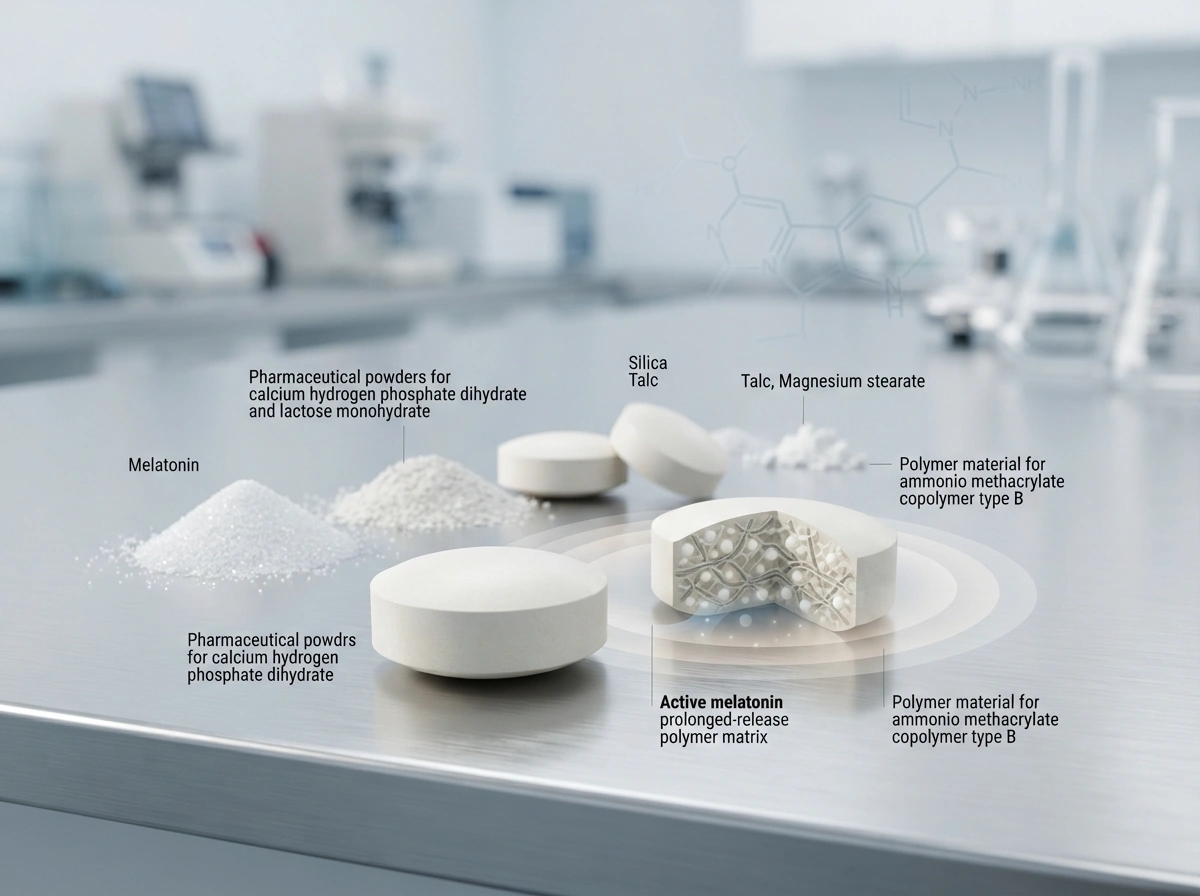
The main active ingredient in Circadin is melatonin.
Each prolonged-release tablet contains 2 mg of melatonin.
The formulation also contains pharmaceutical excipients that help create the tablet and control its release properties.
Current product information identifies ingredients including:
Melatonin is the active pharmaceutical ingredient.
It is a hormone naturally produced by the human body and plays an important role in signaling the body’s biological night.
Melatonin levels normally rise in the evening, remain elevated during much of the night and decline toward morning.
Circadin uses melatonin that is chemically identical to naturally occurring human melatonin.
This ingredient is particularly important to Circadin’s formulation because it contributes to the prolonged-release matrix.
Its purpose is not to provide a sleep effect itself. Instead, it helps control the rate at which melatonin becomes available.
This pharmaceutical excipient contributes to the physical structure and manufacturing characteristics of the tablet.
Lactose is used as an excipient and contributes to the physical structure of the tablet.
People with certain lactose-related dietary or medical restrictions should review the official product information and consult a healthcare professional if they have concerns.
This material is used as a pharmaceutical processing and formulation aid.
Talc can contribute to manufacturing and tablet properties and does not provide Circadin’s therapeutic effect.
Magnesium stearate is commonly used as a lubricant in tablet manufacturing. It helps reduce friction between the tablet ingredients and production equipment.
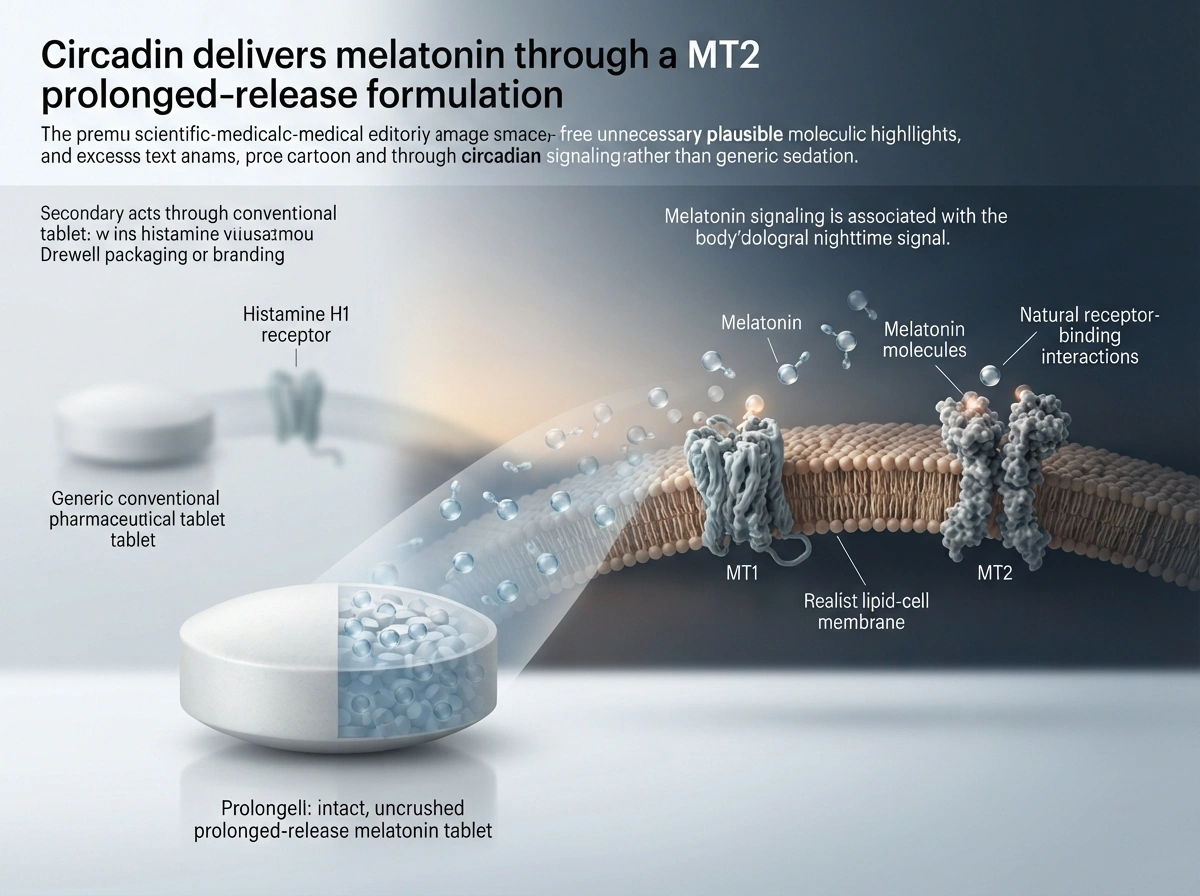
Circadin works by providing melatonin through a prolonged-release formulation.
Melatonin interacts with melatonin receptors, particularly MT1 and MT2 receptors, which are involved in sleep regulation and circadian timing.
Rather than acting like a traditional sedative that simply suppresses the central nervous system, melatonin functions primarily as a biological signal associated with nighttime.
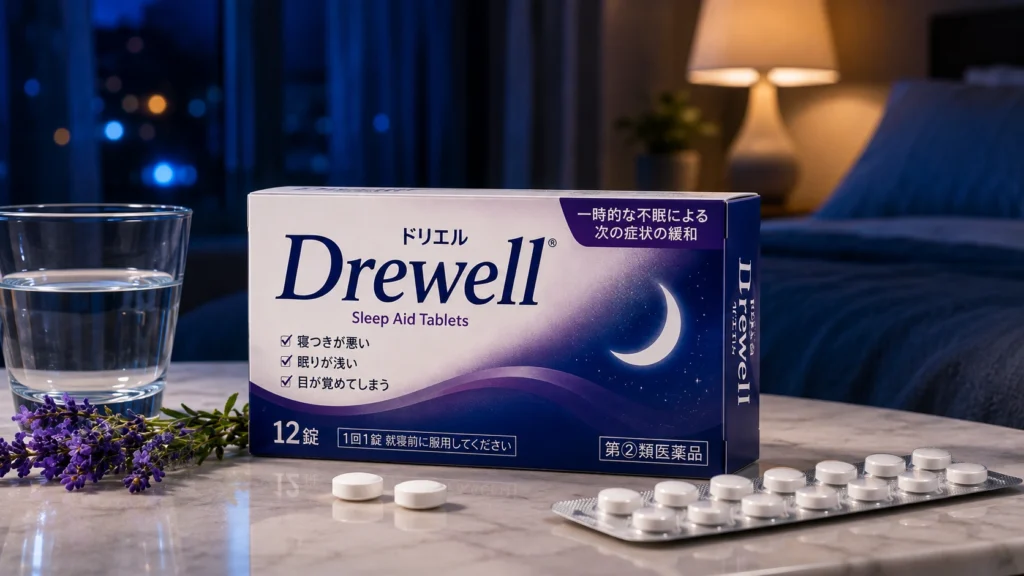
This is one of the biggest differences between Circadin and antihistamine-based sleep medicines such as Drewell.
Drewell uses diphenhydramine, which can cause drowsiness through histamine H1 receptor blockade.
Circadin uses melatonin to influence the body’s sleep and circadian signaling system.
Natural melatonin secretion occurs over a period of hours.
Circadin’s prolonged-release design attempts to provide a more extended exposure than a conventional immediate-release melatonin tablet.
The Singapore product information specifically instructs users to swallow the tablets whole because crushing or chewing them can interfere with their prolonged-release properties.
This is an important practical difference between Circadin and many conventional melatonin supplements.

In Singapore, the registered indication is:
Monotherapy for the short-term treatment of primary insomnia characterized by poor quality of sleep in patients aged 55 years or older.
The age restriction is an important part of Circadin’s regulatory identity.
It should not be presented as a general-purpose sleep medicine approved for everyone.
The Singapore product information recommends 2 mg once daily, 1 to 2 hours before bedtime and after food.
The dosage may be continued for up to 13 weeks according to the current Singapore product information.
Patients should follow the instructions given by their doctor and the official product information rather than adjusting the dose independently.
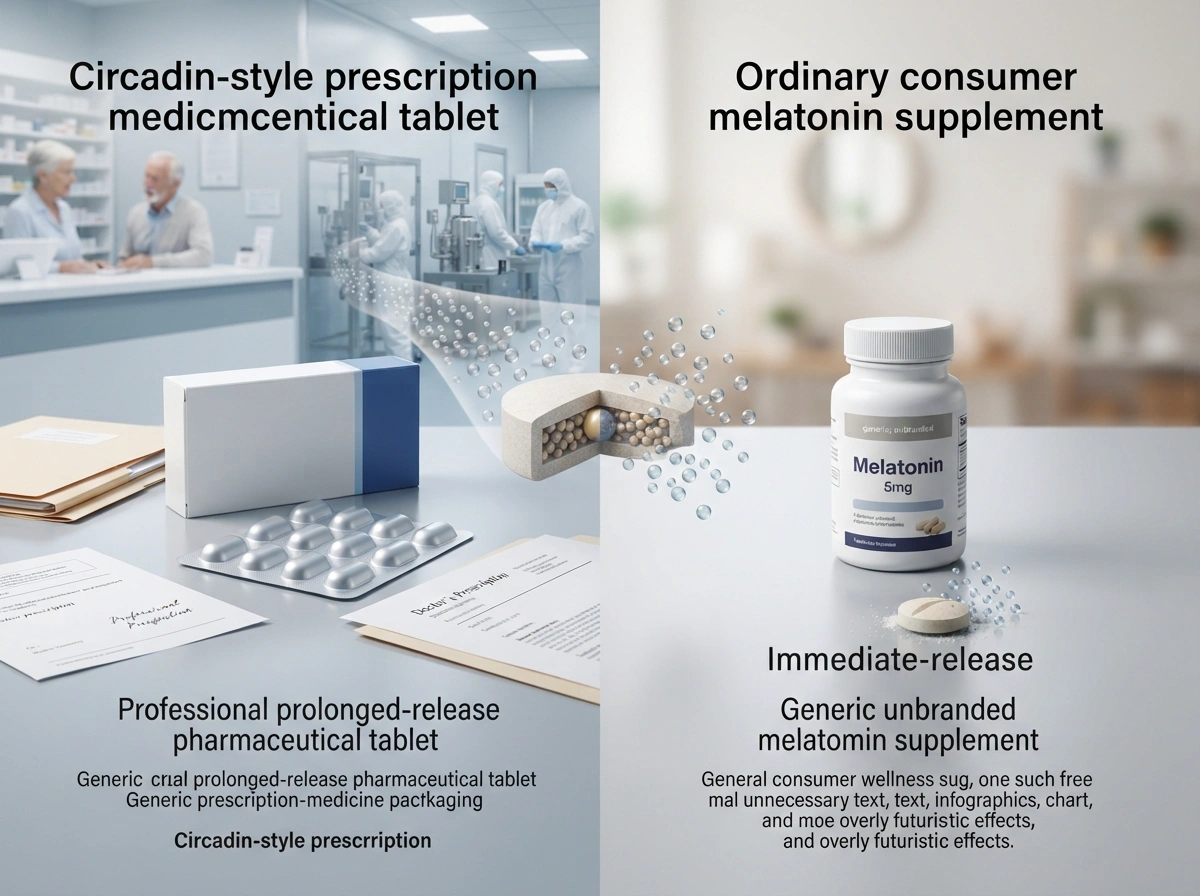
The word “melatonin” appears on both Circadin and many consumer supplements, but that does not make the products equivalent.
There are several important differences.
Circadin is specifically formulated as an extended-release tablet.
Many consumer melatonin products use immediate-release formulations.
In Singapore, Circadin is a Prescription-Only Medicine.
That means it falls under a different regulatory framework from ordinary health supplements.
Circadin has a specific Singapore registration number, SIN13954P.
The product’s quality, safety and efficacy information has been evaluated as part of the therapeutic-product regulatory framework.
Circadin has a specific indication for short-term treatment of primary insomnia with poor sleep quality in people aged 55 and over.
A generic melatonin supplement does not automatically carry the same indication simply because it contains melatonin.
Circadin is produced through regulated pharmaceutical manufacturing arrangements, with the current Singapore registration identifying SwissCo Services AG in Switzerland and Iberfar in Portugal as manufacturers.
The current Singapore National Drug Formulary lists a recommended dose of:
2 mg once daily, taken 1 to 2 hours before bedtime and after food.
The tablet should be swallowed whole.
It should not be crushed or chewed because doing so can interfere with the prolonged-release characteristics of the medicine.
The current registered information states that the treatment duration may continue for up to 13 weeks.
Because Circadin is prescription-only in Singapore, the actual treatment plan should be determined by the prescribing doctor.

Circadin should be treated as a prescription medicine rather than as an ordinary dietary supplement.
The Singapore product information lists hypersensitivity to any of the ingredients as a contraindication.
The product information also states that the use of Circadin in children and adolescents has not been established.
Special caution may be required in people with kidney impairment, while the current product information does not recommend Circadin for people with hepatic impairment because melatonin clearance can be substantially affected by liver impairment.
People taking other medicines should tell their doctor about them before using Circadin because melatonin can interact with certain medications.
Alcohol can also affect sleep and may influence the overall response to a sleep medicine.
Patients should follow the advice of their doctor and pharmacist rather than treating Circadin as an unrestricted sleep supplement.
Circadin’s European marketing authorization was granted in 2007.
Its commercial development was supported by Neurim’s research into melatonin, sleep and aging.
The product’s strongest differentiation was its prolonged-release formulation.
Rather than competing only on the existence of melatonin, Neurim created a pharmaceutical product around the concept of controlled melatonin delivery.
This enabled Circadin to occupy a different position from conventional melatonin products.
The company then expanded internationally through licensing arrangements with established pharmaceutical companies.
This partnership-based strategy allowed Circadin to reach multiple countries while keeping Neurim focused on pharmaceutical development and its core neuroscience portfolio.
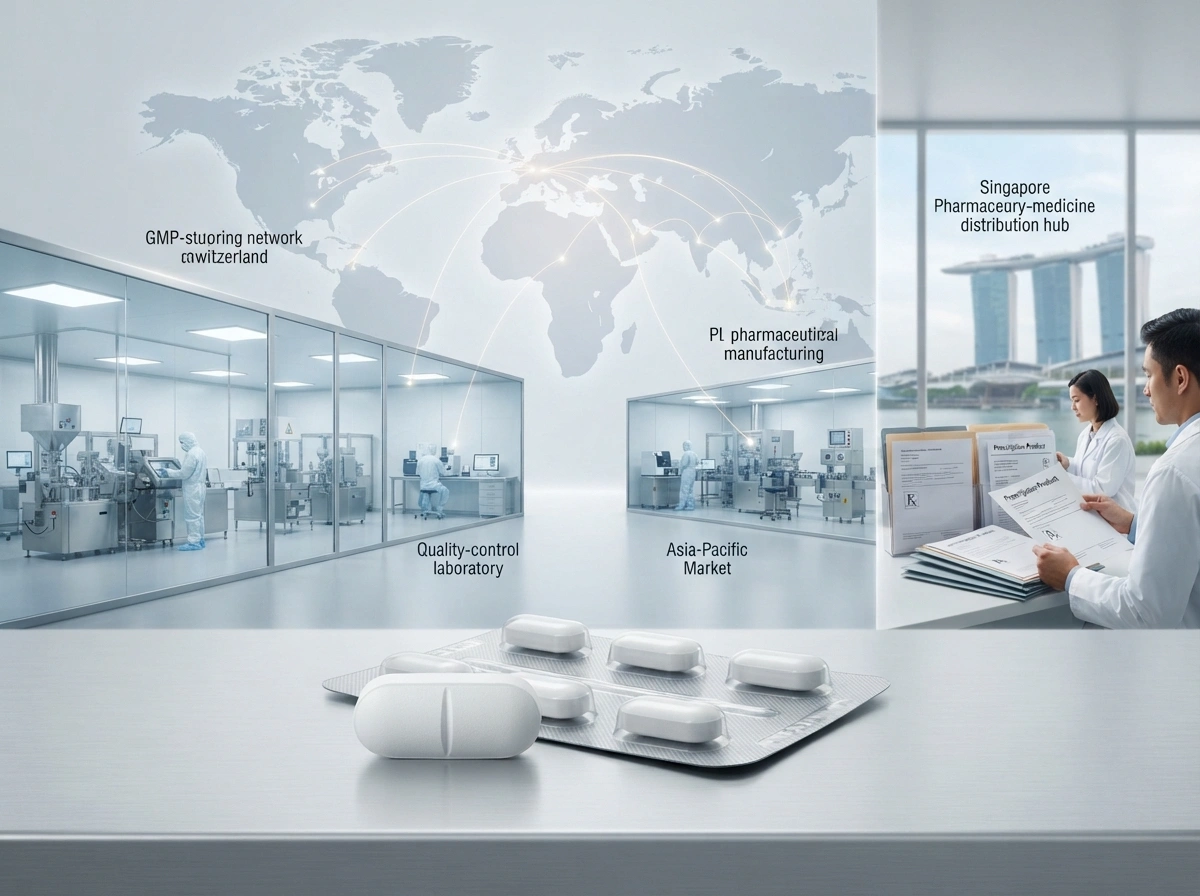
Circadin has been commercialized in numerous countries across Europe, Asia-Pacific and other international markets.
Neurim’s corporate information states that Circadin and Slenyto are used in more than 40 countries across five continents.
The product does not necessarily have the same legal classification in every market.
This is an important point for international consumers.
A product may be prescription-only in one country, available under a different classification in another, and unavailable as an approved medicine in another jurisdiction.
Singapore is particularly clear: Circadin is registered as a prescription-only medicine.
The current Singapore registration identifies SwissCo Services AG in Switzerland and Iberfar-Indústria Farmacêutica, S.A. in Portugal as manufacturers.
DKSH Singapore Pte. Ltd. is listed as the licence holder for the Singapore registration.
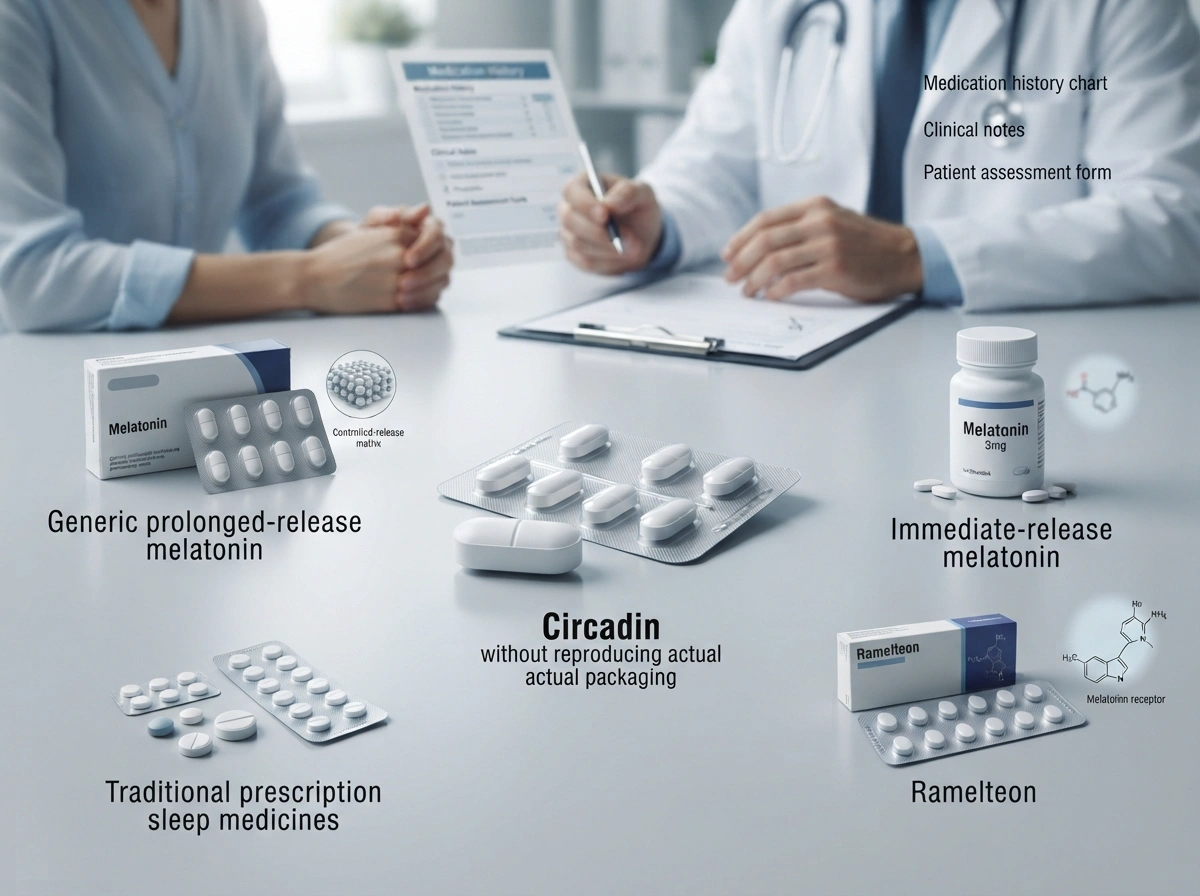
Circadin operates in a competitive sleep-treatment market that includes both pharmaceutical medicines and consumer melatonin products.
Generic prolonged-release melatonin is the most direct pharmaceutical competition.
Where generic 2 mg prolonged-release melatonin products are approved, they can compete directly with Circadin because they use the same active ingredient and a similar release concept.
Generic competition can put pressure on branded pricing and market share.
Immediate-release melatonin supplements are another major competitor in markets where they are legally available.
These products may be less expensive and are often marketed directly to consumers.
However, they should not automatically be described as equivalent to Circadin because the release profile, regulatory status and approved indications can differ.
Ramelteon is a prescription sleep medicine that acts on melatonin receptors.
It is therefore a pharmacological competitor in the broader insomnia market, although it is not the same substance as melatonin.
Circadin also competes indirectly with prescription treatments such as zolpidem, zopiclone, eszopiclone and other medicines used for insomnia.
These medicines have different mechanisms and safety profiles, so the choice between them should be made based on the patient’s clinical circumstances.
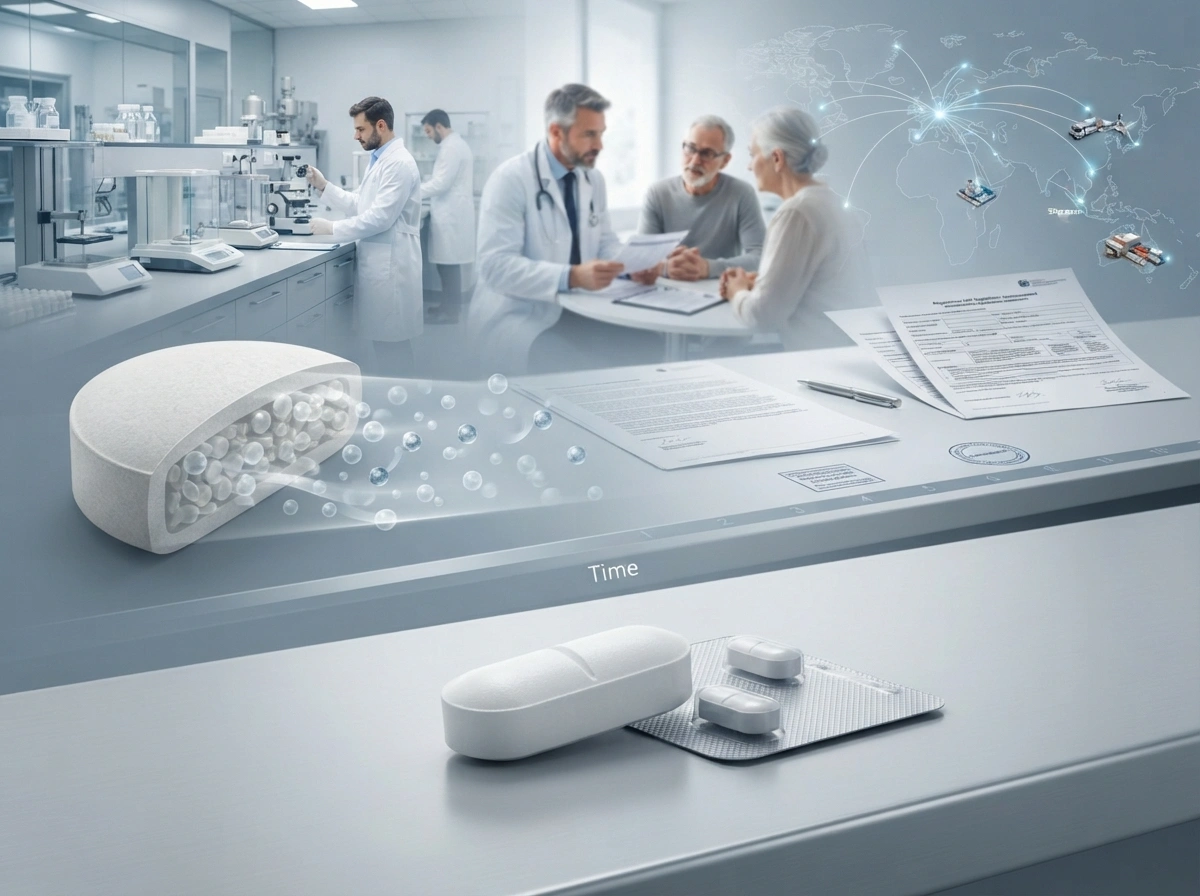
Circadin’s core differentiation remains its delivery technology.
The product was developed to provide prolonged exposure to melatonin rather than simply delivering an immediate dose.
Circadin has established regulatory recognition across multiple markets.
In Singapore, its current HSA registration provides a particularly clear example of its pharmaceutical status.
Neurim built the product around a clinical-development program rather than treating melatonin simply as a consumer wellness ingredient.
This allowed Circadin to develop a specific therapeutic positioning around sleep quality and older adults.
Circadin has been marketed internationally for nearly two decades.
That gives the brand substantial recognition among healthcare professionals and consumers familiar with prescription melatonin products.
Neurim’s licensing strategy helped Circadin expand internationally without requiring the company to establish a full commercial infrastructure in every country.

One area where online information should be treated carefully is Circadin’s current revenue.
Neurim is a privately held company and does not publicly disclose an audited standalone 2026 global revenue figure for Circadin.
There are historical reports and third-party estimates, but they should not be presented as current audited sales.
Historical commercial evidence nevertheless demonstrates that Circadin became a commercially important product for Neurim.
Its international licensing arrangements generated revenue through partnerships and regional commercialization.
The brand’s continuing presence in more than 40 countries and its ongoing registrations, including the current Singapore registration, demonstrate that it remains commercially active.
In 2026, the more important business story is arguably the changing competitive environment.
Generic prolonged-release melatonin products have entered some markets, while consumer melatonin supplements compete aggressively on price and convenience.
Circadin therefore has to compete not only through brand recognition but also through its pharmaceutical formulation, regulatory history and clinical positioning.
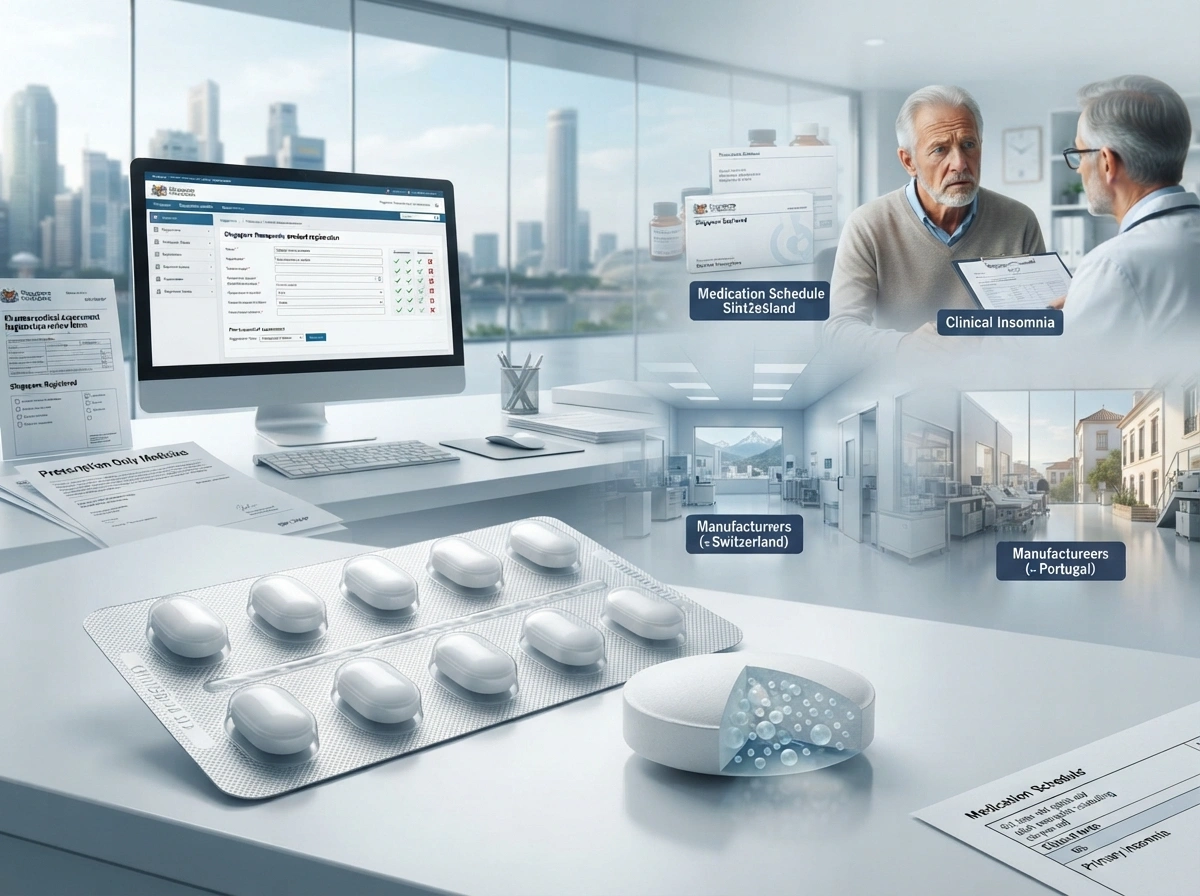
Singapore is particularly important for understanding the distinction between a pharmaceutical melatonin product and a health supplement.
The current Singapore National Drug Formulary entry for Circadin was updated on 28 July 2026.
It confirms:
The same current listing states that Circadin is indicated for short-term treatment of primary insomnia characterized by poor quality of sleep in patients aged 55 years and older.
It recommends 2 mg once daily, 1 to 2 hours before bedtime and after food, with the tablet swallowed whole to preserve its prolonged-release properties.
This current registration makes one point very clear: Circadin should not be described as an HSA-notified health supplement in Singapore. It is a registered therapeutic product classified as prescription-only.
Circadin and Drewell are both associated with sleep improvement, but they are fundamentally different medicines.
| Feature | Circadin | Drewell |
|---|---|---|
| Active ingredient | Melatonin | Diphenhydramine hydrochloride |
| Drug class | Melatonin hormone | First-generation antihistamine |
| Primary mechanism | Acts on melatonin receptors and circadian signaling | Blocks central H1 histamine receptors |
| Formulation | 2 mg prolonged-release tablet | Immediate-release tablet or soft capsule depending on product |
| Singapore status | Prescription-only medicine | Japanese OTC product |
| Typical regulatory indication | Primary insomnia with poor sleep quality in adults 55 and older | Temporary insomnia symptoms |
The comparison demonstrates why it is inaccurate to describe all sleep medicines as interchangeable.
Circadin is designed around melatonin and prolonged release.
Drewell is designed around the sedating effect of diphenhydramine.
Circadin is a pharmaceutical prolonged-release melatonin medicine with a history that stretches back to the research programs of Neurim Pharmaceuticals.
Its major innovation was not the discovery of melatonin itself. Instead, the product was designed to deliver 2 mg of melatonin gradually through a prolonged-release formulation.
Circadin received centralized European authorization in 2007 and subsequently expanded into international markets through pharmaceutical licensing and distribution partnerships.
In Singapore, its status is particularly clear.
The current Singapore National Drug Formulary lists Circadin Prolonged Release Tablets 2 mg under registration number SIN13954P. It is classified as a Prescription Only Medicine, meaning it is not an ordinary melatonin supplement that can be freely purchased without prescription.
The current Singapore listing identifies melatonin 2 mg as the active ingredient and lists SwissCo Services AG in Switzerland and Iberfar-Indústria Farmacêutica, S.A. in Portugal as manufacturers. DKSH Singapore Pte. Ltd. is listed as the local licence holder.
The approved Singapore indication is monotherapy for the short-term treatment of primary insomnia characterized by poor quality of sleep in adults aged 55 years or older.
The recommended dose is 2 mg once daily, taken 1 to 2 hours before bedtime and after food. The tablet should be swallowed whole because crushing or chewing can interfere with its prolonged-release characteristics.
Circadin is therefore fundamentally different from ordinary immediate-release melatonin supplements.
It is also different from antihistamine-based sleep medicines such as Drewell.
Its identity is built around three major characteristics: melatonin as the active ingredient, prolonged-release pharmaceutical technology and regulated prescription status.
As of 2026, Circadin remains an established product in the international sleep-medicine market. At the same time, it faces increasing competition from generic prolonged-release melatonin products, immediate-release melatonin products and other prescription treatments for insomnia.
The most important takeaway for Singapore consumers is simple: Circadin is an HSA-registered prescription medicine, not a general health supplement. Anyone considering it for sleep problems should use it according to a doctor’s prescription and the official product information.