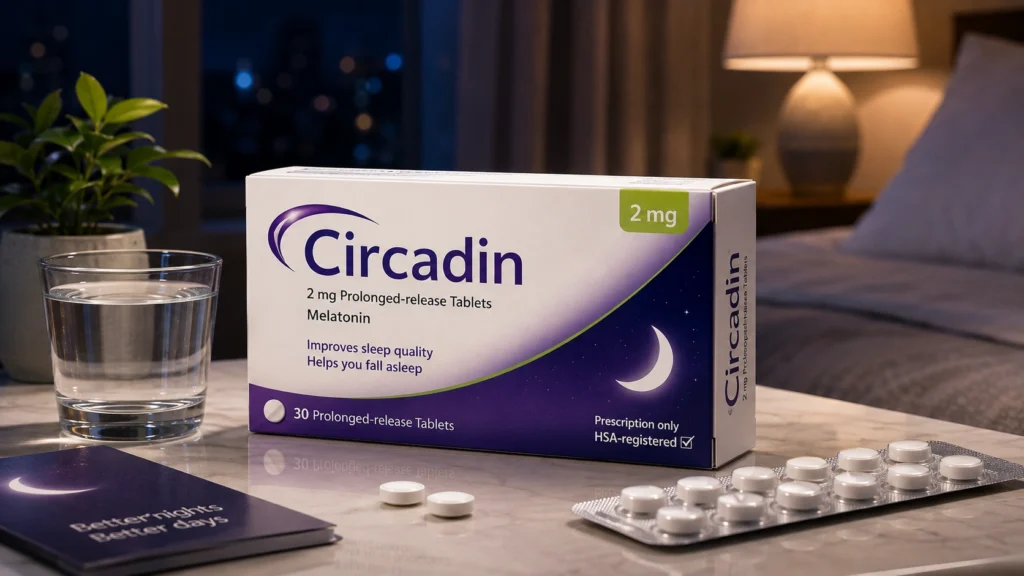
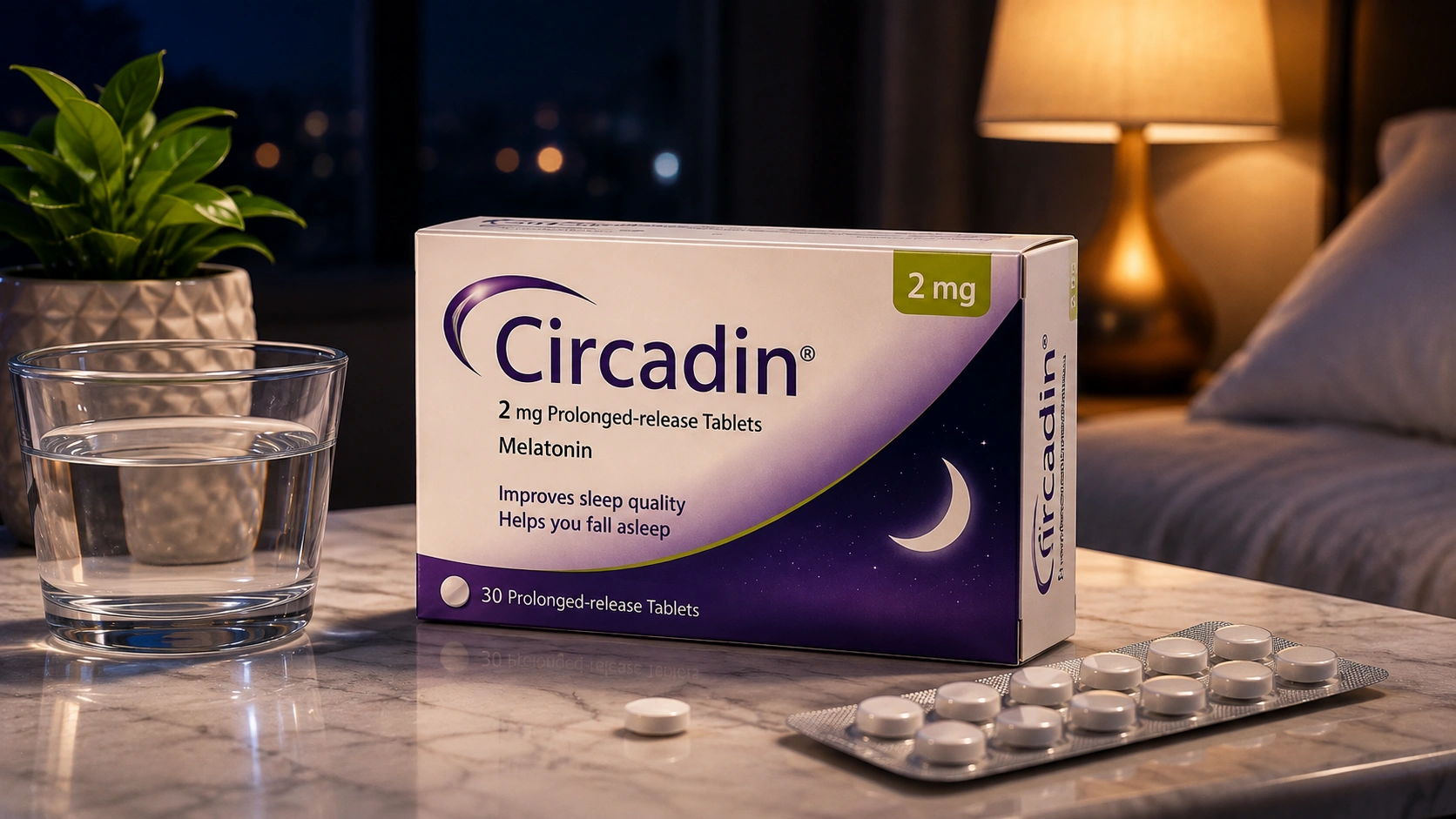
Circadin is one of the best-known prescription prolonged-release melatonin medicines in the world. Unlike ordinary immediate-release melatonin supplements, Circadin was developed as a pharmaceutical formulation designed to release melatonin gradually over several hours and more closely follow the body’s natural nighttime melatonin pattern.
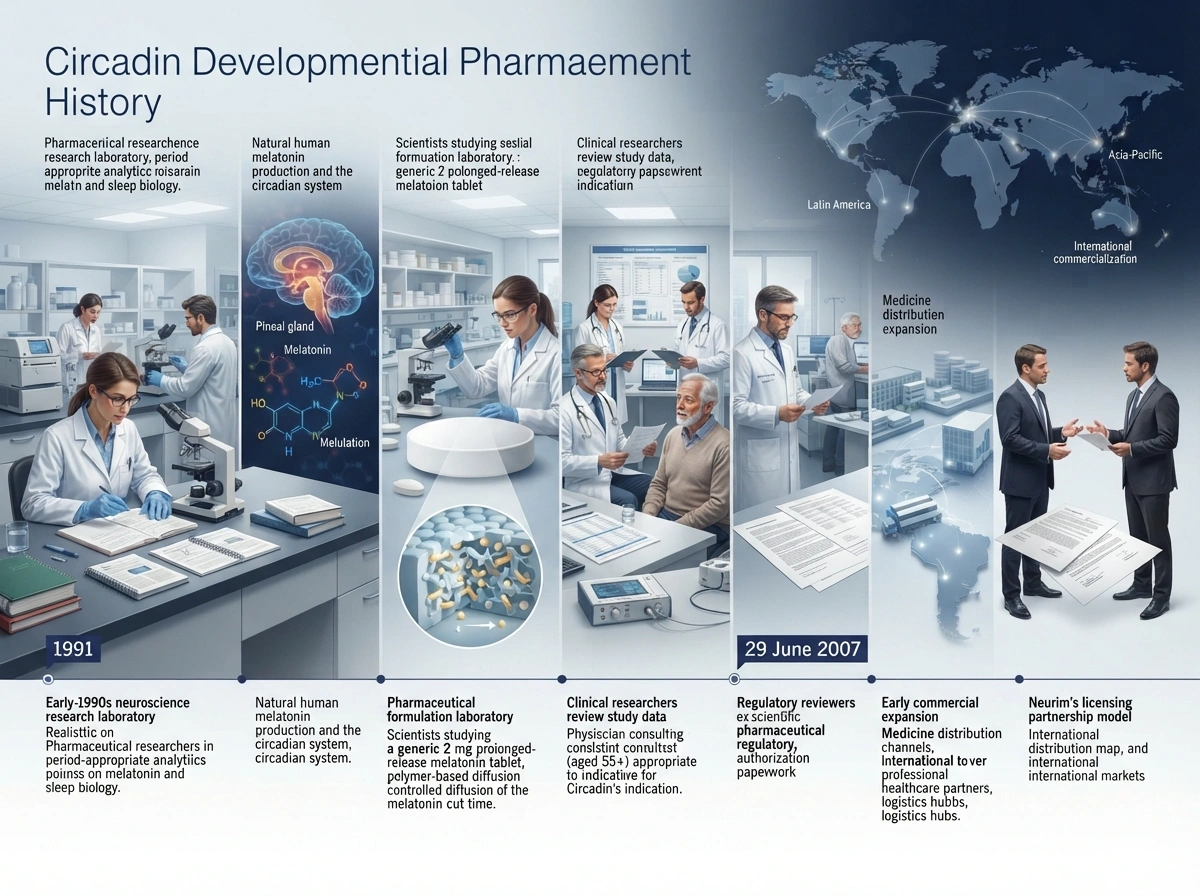
Circadin did not begin with the creation of a new molecule.
Melatonin already exists naturally in humans. It is a hormone produced mainly by the pineal gland and plays an important role in the body’s sleep-wake and circadian systems.
The innovation behind Circadin was instead the development of a prolonged-release pharmaceutical formulation of melatonin.
Neurim Pharmaceuticals was founded in 1991 by Prof. Nava Zisapel and Yehuda Zisapel. The company’s stated mission was to develop medicines for disorders involving the central nervous system, with particular attention to age-related conditions and sleep.
Prof. Nava Zisapel became particularly important to the scientific development of the company. Her research focused heavily on melatonin, sleep regulation and neurobiology.
Neurim’s strategy was different from that of a conventional pharmaceutical giant.
Instead of attempting to develop dozens of unrelated medicines, the company focused heavily on neuroscience and unmet needs involving sleep and the brain.
Circadin became the company’s breakthrough product.
The active substance was not new.
The key innovation was the delivery system.
Ordinary immediate-release melatonin enters the bloodstream relatively quickly. Circadin uses a polymer-based prolonged-release matrix designed to release melatonin more gradually.
According to Neurim’s product information, Circadin’s prolonged-release mechanism is based on a polymer matrix. The company’s product information describes the melatonin as chemically identical to human melatonin.
This was commercially important because the company could position Circadin not merely as “melatonin,” but as a pharmaceutical formulation designed to address poor sleep quality in an older population.
Neurim conducted a substantial clinical-development program before Circadin reached European approval.
The Australian regulator’s assessment documents describe multiple clinical programs evaluating Circadin’s efficacy and safety, including dose-finding studies, Phase III trials and studies in specific patient populations.
One of the pivotal concepts behind the product was the age-related change in endogenous melatonin production.
Melatonin production generally declines with age, and Neurim’s scientific rationale was that replacing some of the nighttime melatonin signal could potentially improve sleep quality in older adults.
Neurim submitted its European marketing-authorization application to the European Medicines Agency on 5 October 2005.
The European regulatory procedure began later that month.
After several rounds of regulatory review and additional responses from the company, the CHMP issued a positive opinion on 26 April 2007.
The European Commission then granted Circadin a centralized marketing authorization on 29 June 2007.
This was the defining moment in the company’s history.
Circadin became one of the first pharmaceutical products based on prolonged-release melatonin to receive centralized European approval.
The European launch followed relatively quickly.
Historical regulatory information shows that distribution in parts of the European Union began in October 2007, while the UK launch followed in June 2008. Australia approved the product in December 2009, with distribution beginning in March 2010. New Zealand followed in 2012.
Neurim also expanded the product through licensing agreements rather than building a giant sales organization of its own.
In 2007, Danish pharmaceutical company H. Lundbeck licensed Circadin for major European markets.
In 2008, Lundbeck expanded its exclusive commercial rights into Asia, Latin America, Australia, Turkey and other markets. Under that arrangement, Neurim remained responsible for manufacturing while receiving an upfront payment and a share of revenue.
This partnership model became central to Circadin’s international growth.
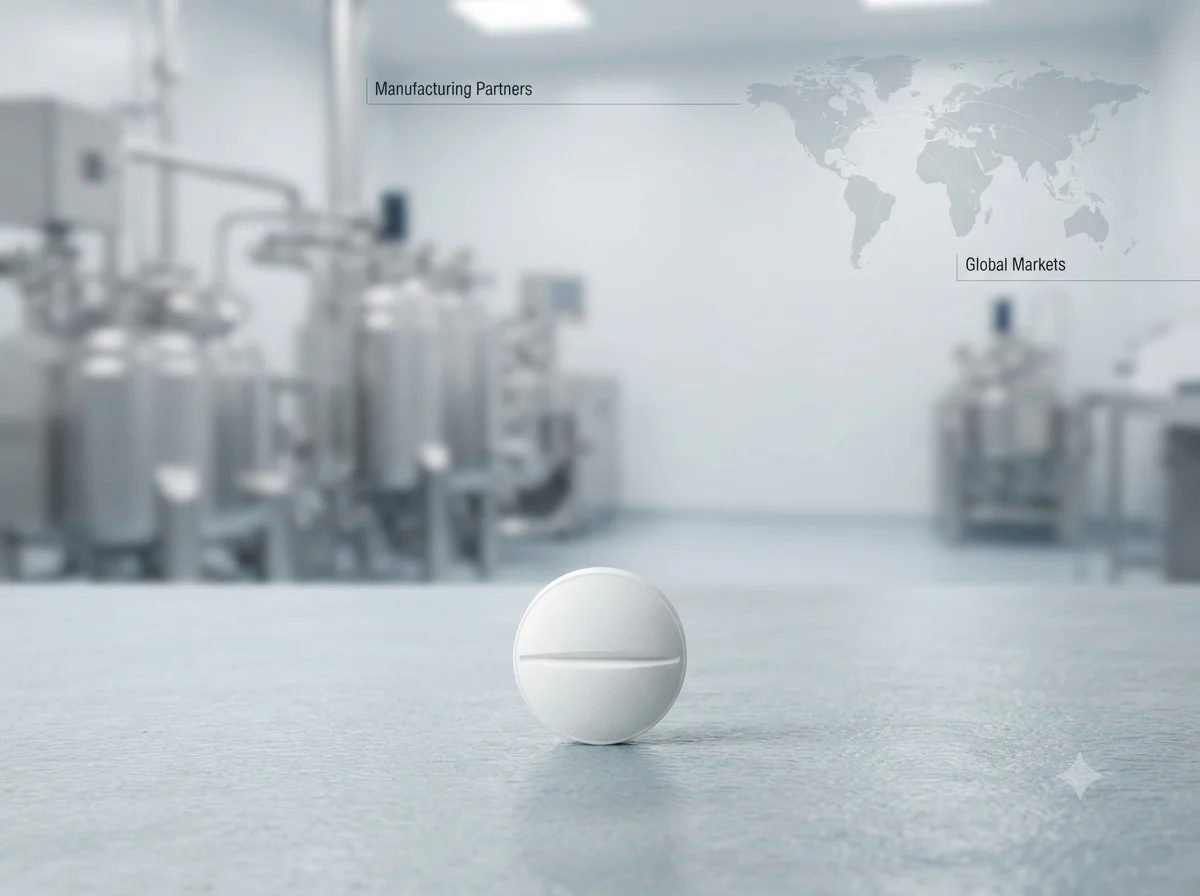
There is a common misconception that Neurim owns one large factory where all Circadin tablets are manufactured.
The current regulatory information tells a more complicated story.
Neurim is the marketing-authorisation holder and developer, while manufacturing and batch-release activities are performed by specialized pharmaceutical manufacturing partners.
The current European product information lists RAD Neurim Pharmaceuticals EEC SARL, based in Paris, France, as the marketing-authorisation holder.
Current product information identifies several sites responsible for batch release in the European Economic Area.
These facilities are identified in current European product documentation for Circadin.
Other national registrations can list manufacturing arrangements that vary by market.
For example, New Zealand’s medicine database currently lists Rovi Pharma Industrial Services, SwissCo Services and Iberfar among the manufacturers associated with Circadin supply. :contentReference[oaicite:11]{index=11}
Singapore’s National Drug Formulary currently lists Circadin 2 mg as a prescription-only prolonged-release medicine and identifies SwissCo Services AG in Switzerland and Iberfar in Portugal as manufacturers.
Using specialist contract manufacturing and batch-release facilities allows a pharmaceutical company to scale internationally without owning every production plant itself.
This is particularly useful for a company such as Neurim, whose business model is centered on drug discovery, development, licensing and commercialization.
It also gives the company access to established pharmaceutical manufacturing infrastructure in multiple countries.
Neurim says Circadin and Slenyto are now used in more than 40 countries across five continents.
Historical commercial records show the brand expanding through Europe, Australia, New Zealand, Asia, Latin America, South Africa and other markets.
Neurim’s own historical news archive records marketing authorizations and commercial launches in countries including South Korea, South Africa, New Zealand, Hong Kong, Croatia, Macedonia, Argentina, Peru and Honduras.
This global distribution strategy is one of Circadin’s biggest achievements.
Rather than trying to sell the product everywhere under one identical commercial model, Neurim has relied on local pharmaceutical and distribution partners.

The active ingredient in Circadin is straightforward:
2 mg of melatonin per prolonged-release tablet.
The current European Summary of Product Characteristics lists six excipients in addition to melatonin.
Melatonin is the active pharmaceutical ingredient.
It is chemically identical to the melatonin naturally produced by the human body.
The hormone is involved in signaling the body’s biological night and helping regulate circadian timing.
Circadin is designed to deliver melatonin over an extended period rather than producing a rapid peak like an immediate-release formulation.
Its approved European indication is short-term treatment of primary insomnia characterized by poor sleep quality in adults aged 55 and over.
This is one of the most important excipients because it is part of the tablet’s controlled-release structure.
It helps create the polymer matrix responsible for the prolonged-release behavior.
It does not provide a sleep benefit by itself.
Its role is technological: controlling how the active ingredient becomes available after the tablet is swallowed.
This compound is used as a pharmaceutical excipient and contributes to the physical structure of the tablet.
It is not an active sleep ingredient.
Lactose acts as a tablet excipient and contributes to the tablet’s physical properties.
Each Circadin tablet contains approximately 80 mg of lactose monohydrate, according to the current UK product information.
This is worth knowing for people with significant lactose intolerance or specific dietary restrictions.
Silica is used in pharmaceutical manufacturing as a processing and formulation aid.
It helps improve the physical handling of powder ingredients during manufacturing.
Talc is another pharmaceutical excipient used to assist manufacturing and tablet properties.
It is not responsible for Circadin’s therapeutic effect.
Magnesium stearate is commonly used as a lubricant during tablet production.
It helps prevent the formulation from sticking to manufacturing equipment.
The most important part of Circadin’s formula is not the number of ingredients.
It is the relationship between melatonin and the prolonged-release delivery system.
This is what separates Circadin from an ordinary immediate-release melatonin tablet.
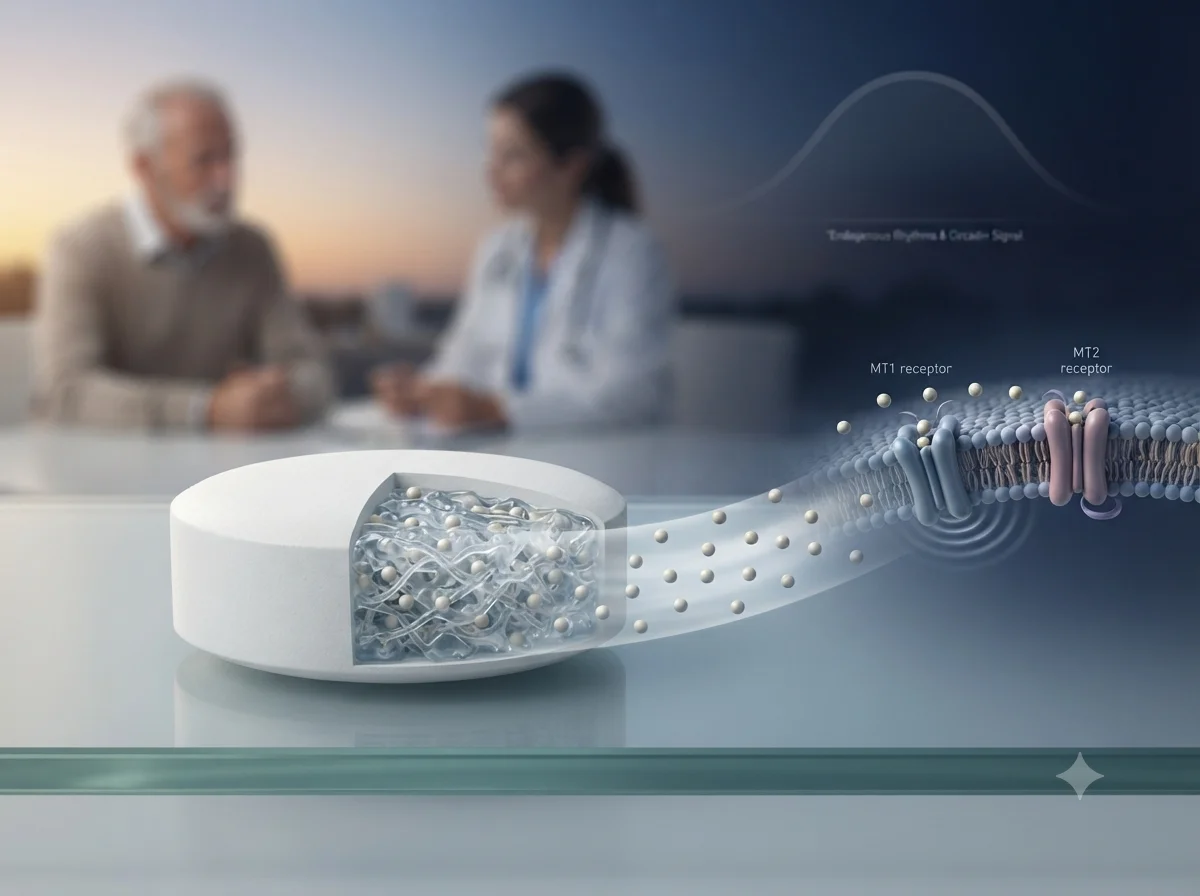
Circadin is designed to release melatonin gradually over several hours.
The product’s official information explains that its prolonged-release mechanism is based on a polymer matrix.
This matters because natural melatonin secretion does not normally occur as one enormous dose immediately before sleep.
Endogenous melatonin rises after darkness, reaches its highest levels during the middle part of the night and then declines toward morning.
Circadin was developed with the goal of providing an extended nighttime melatonin signal.
The current product information reports a terminal half-life of approximately 3.5 to 4 hours for Circadin’s melatonin exposure, compared with much shorter exposure characteristics associated with immediate-release melatonin.
The recommended European dose is 2 mg once daily, 1 to 2 hours before bedtime and after food.
The approved short-term treatment period can extend up to 13 weeks under the product information.
Once swallowed, the tablet’s matrix gradually releases melatonin.
Melatonin then interacts primarily with the MT1 and MT2 receptors, which are involved in sleep and circadian regulation.
The goal is not to knock someone out like a traditional sedative.
Instead, melatonin acts more like a biological timing signal that tells the body that it is nighttime.

Circadin’s marketing story is very different from that of consumer brands such as Zandu Balm or Amrutanjan.
It is important not to invent viral consumer campaigns that were never documented.
Circadin is a prescription pharmaceutical in many markets, so advertising is often directed toward healthcare professionals rather than the general public.
For example, Ireland’s Health Products Regulatory Authority lists Circadin as prescription-only and states that advertising is restricted to healthcare professionals.
The strongest marketing concept was not a celebrity or viral advertisement.
It was the phrase “prolonged-release melatonin.”
This allowed Neurim to differentiate Circadin from ordinary immediate-release melatonin products.
The company was not simply selling melatonin.
It was selling a pharmaceutical formulation designed to reproduce a more extended nighttime melatonin profile.
In markets such as Australia, Circadin’s consumer-facing materials emphasize its pharmaceutical quality, regulatory approval and clinical evidence.
The Australian Circadin site describes the product as pharmaceutical-grade melatonin and emphasizes its clinical evidence for improving sleep quality and morning alertness in adults aged 55 and over.
This positioning creates a clear distinction from the large supplement market.
The Australian Circadin marketing platform has used the line:
“Sleep better and live better with CIRCADIN.”
The strategy connects sleep with daytime functioning rather than focusing only on falling asleep.
This is significant because poor sleep quality affects how people feel and function the following day.
Circadin has consistently used published clinical trials as part of its professional communication strategy.
For example, a 2007 randomized study published in Current Medical Research and Opinion evaluated prolonged-release melatonin in adults aged 55 to 80 with primary insomnia. The study was funded by Neurim.
This evidence-based approach is more appropriate for a prescription medicine than the celebrity-driven marketing commonly used for consumer supplements.
Circadin’s regulatory positioning around adults aged 55 and older gave the brand a very specific target audience.
Rather than competing directly for every person looking for a sleep supplement, the company built a medical proposition around age-related changes in sleep and melatonin biology.
Neurim has repeatedly used licensing and distribution partnerships to commercialize Circadin.
The company says it markets its products worldwide through strategic alliances with established marketing and distribution partners.
This strategy allowed a relatively small specialist pharmaceutical company to achieve international reach without building a huge commercial organization in every country.
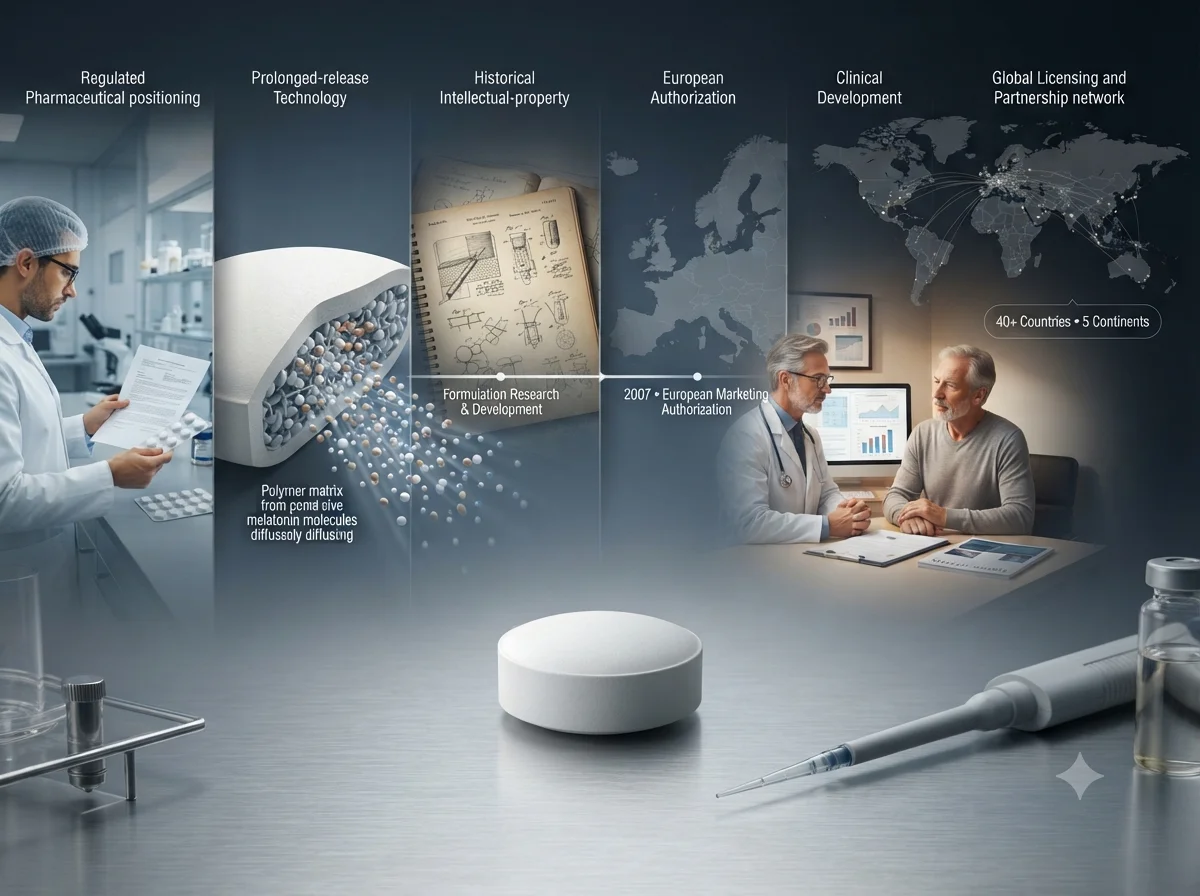
One of Circadin’s biggest advantages is regulatory positioning.
Consumers can buy melatonin supplements in many countries, but Circadin is positioned as a regulated medicinal product in the markets where it is approved.
This provides a different level of pharmaceutical quality control, manufacturing requirements and regulatory oversight.
Circadin’s most important intellectual-property advantage was its prolonged-release formulation.
That gave Neurim a way to differentiate the product from simple melatonin tablets.
The company’s patent strategy also became important.
UK litigation records show that a Neurim patent covering the prolonged-release melatonin formulation was filed in 2002 with priority dating to 2001.
Circadin received centralized European authorization in 2007.
That gave it a major first-mover advantage in the regulated prolonged-release melatonin category.
By the time generic competitors began appearing, Circadin had already established physician awareness and market presence.
Neurim invested heavily in clinical research.
The company did not simply rely on the fact that melatonin occurs naturally in the human body.
It developed clinical evidence around its specific prolonged-release formulation and target population.
Partnerships with companies such as Lundbeck and later other regional pharmaceutical organizations helped extend Circadin’s reach.
This model was particularly effective for a relatively small pharmaceutical company.
Circadin did not attempt to become every kind of sleep medicine.
Its strongest identity remained prolonged-release melatonin for insomnia and sleep-quality problems in older adults.
That focused positioning helped differentiate it from sedative hypnotics and general melatonin supplements.
Neurim currently states that Circadin and Slenyto are used in more than 40 countries across five continents.
That is a substantial international footprint for a product developed by a specialist neuroscience company rather than a global pharmaceutical giant.
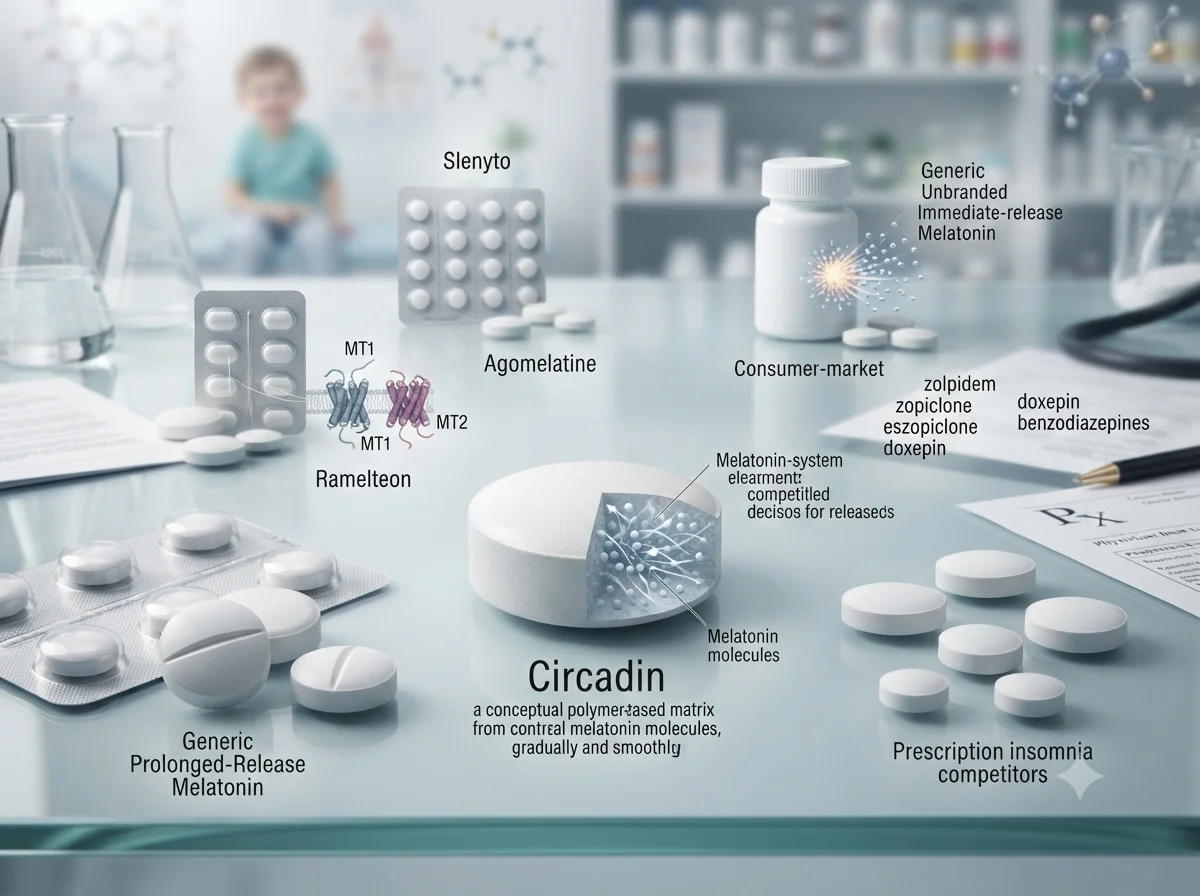
Circadin competes in two overlapping markets:
The first category is the more direct comparison.
Generic 2 mg prolonged-release melatonin tablets represent the most direct competition because they attempt to provide the same active ingredient and release concept at potentially lower prices.
Current UK medicine listings include products such as Sandoz Melatonin 2 mg Prolonged-release Tablets, authorized in 2024, and Melatonin Milpharm from Aurobindo/Milpharm.
These products create direct price competition for Circadin in markets where generic substitution is permitted.
Slenyto is not a direct competitor in the conventional sense because it is also a Neurim product.
However, it is strategically important because it extends Neurim’s prolonged-release melatonin platform into pediatric sleep disorders associated with conditions such as autism spectrum disorder and Smith-Magenis syndrome.
In other words, Neurim uses the same technological platform to address different patient populations.
Ramelteon, marketed as Rozerem in some markets, is a melatonin-receptor agonist rather than melatonin itself.
It targets MT1 and MT2 receptors and competes in the broader prescription insomnia market.
It is therefore a pharmacological competitor rather than a formulation-level competitor.
Agomelatine is another melatonin-receptor-related medicine used in certain countries, although its primary clinical positioning is different because it is an antidepressant.
It nevertheless competes indirectly for some patients and physicians considering treatments that interact with the body’s melatonin system.
Circadin also competes indirectly with:
The competitive difference is that Circadin’s mechanism is based on melatonin signaling rather than traditional sedative-hypnotic pathways.
In countries where melatonin supplements are readily available, generic immediate-release melatonin is another major competitor.
These products can be dramatically cheaper.
However, they are not necessarily equivalent to Circadin because an immediate-release supplement does not reproduce the same prolonged-release delivery system.

This is one area where online articles often overstate what is publicly known.
Neurim Pharmaceuticals is privately held and does not publish a public annual report providing a current audited Circadin revenue figure.
Therefore, there is no reliable public 2026 number that can honestly be presented as “Circadin revenue in 2026.”
Third-party company databases provide revenue estimates for Neurim, but these are estimates rather than audited disclosures and should not be presented as Circadin sales.
For example, one commercial database currently estimates Neurim’s annual revenue at approximately $12.3 million, but this is explicitly an estimate rather than a company-reported financial statement.
That number should therefore be treated cautiously.
There are several useful historical indicators.
In 2016, Israeli business publication Globes reported that revenue from Circadin sales was in the tens of millions of dollars per year, with revenue coming through partners including Teva and Takeda.
UK Court of Appeal records provide another useful market indicator.
In 2022, the court noted that the UK Circadin market was worth approximately £30 million per year. It also recorded that the UK represented about 45% of the European Circadin market and that approximately 25% of Neurim’s global revenue came from UK sales by Flynn Pharma.
These are powerful indicators of the commercial scale of the product, but they are not 2026 global revenue figures.
There are several reasons.
For SEO content, it is better to state this limitation than to publish an unsupported “2026 revenue” number.
Circadin has generated substantial commercial value over its lifetime.
It became a flagship product for Neurim and remained commercially important even after the introduction of generic prolonged-release melatonin products.
Historical regulatory documents estimated that more than 2.76 million patients had been prescribed marketed Circadin across 40 countries by 2012.
By 2017, promotional material reported that approximately 8.2 million patients globally had received Circadin since the first global registration, although that figure comes from industry-sponsored promotional material rather than an independent government database.
The broader point is clear: Circadin achieved substantial international adoption for a specialist pharmaceutical product.
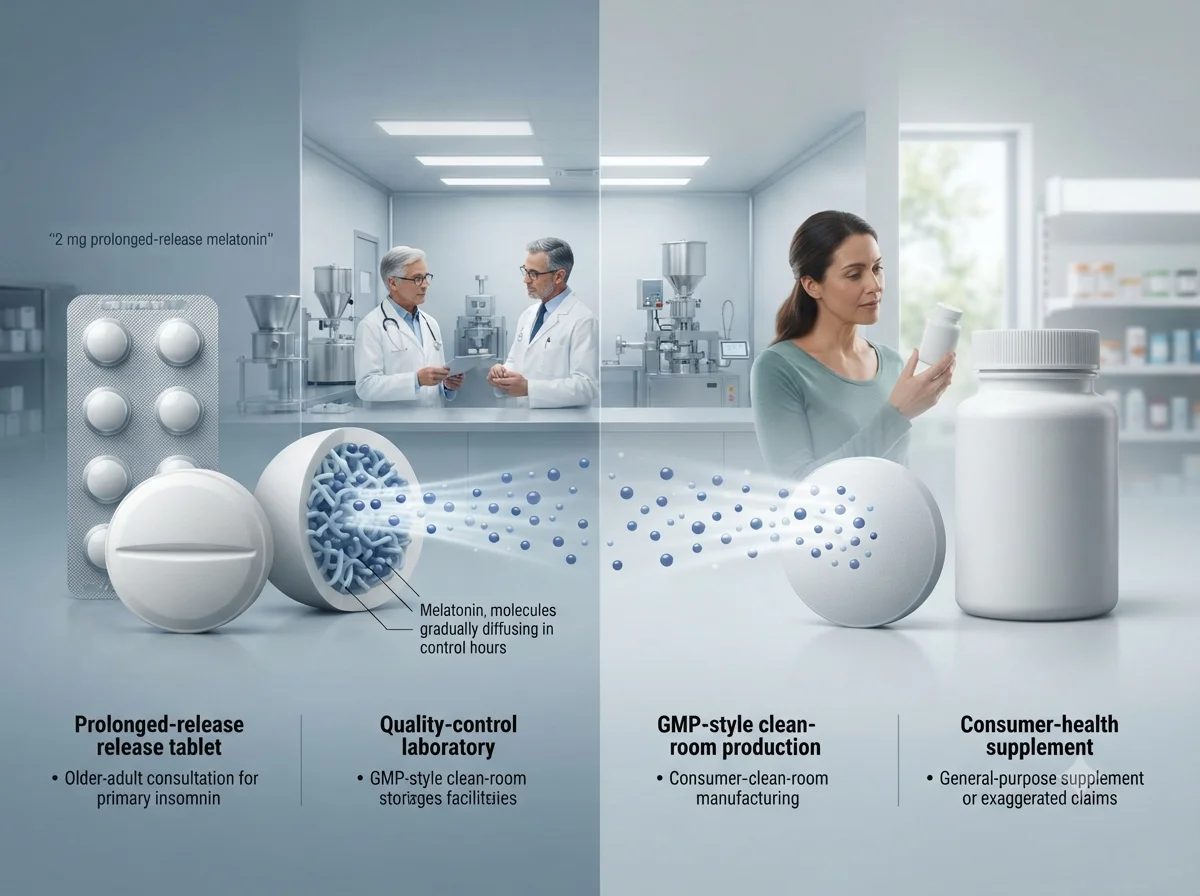
The biggest difference is release profile.
Many supplements contain immediate-release melatonin.
Circadin contains 2 mg of melatonin in a prolonged-release tablet designed to release the active ingredient gradually.
The distinction matters because the body normally produces melatonin during the night rather than receiving one large dose immediately before bed.
Circadin was designed to provide a more extended melatonin exposure.
The second difference is regulatory status.
Circadin is a prescription medicine in many markets and has been assessed by regulators such as the EMA.
The third difference is manufacturing consistency.
The product is manufactured and batch-released through regulated pharmaceutical facilities, with current European documentation identifying sites in Germany, Portugal and Spain.
The fourth difference is clinical positioning.
Circadin is not marketed simply as a general sleep supplement for anyone who wants to sleep better.
Its European indication specifically targets short-term treatment of primary insomnia characterized by poor sleep quality in patients aged 55 and over.

The most important current development is that Circadin remains an active regulated medicine more than 19 years after its first European authorization.
The EMA’s current product information continues to identify RAD Neurim Pharmaceuticals EEC SARL as the marketing-authorisation holder.
Current national medicine databases also confirm ongoing registrations.
For example, Singapore’s National Drug Formulary updated its Circadin listing on 28 July 2026, identifying it as a 2 mg extended-release melatonin tablet and a prescription-only medicine.
At the same time, the market is no longer the same as it was when Circadin launched.
Generic prolonged-release melatonin products are now available in several markets, increasing price competition.
The UK, for example, now has authorized generic prolonged-release melatonin products from companies including Sandoz and Milpharm.
This means Circadin’s competitive advantage increasingly depends on physician familiarity, regulatory history, formulation quality, brand recognition and distribution relationships rather than simply being the only prolonged-release melatonin product.
Circadin is one of the most important pharmaceutical products ever developed around melatonin.
Its story began not with the discovery of melatonin itself, but with the development of a way to deliver melatonin more gradually.
The company behind the product, Neurim Pharmaceuticals, was founded in 1991 by neuroscientist Prof. Nava Zisapel and entrepreneur Yehuda Zisapel.
Circadin became Neurim’s first medicine to achieve marketing approval.
After years of clinical development, the product received centralized European authorization on 29 June 2007 for the short-term treatment of primary insomnia characterized by poor sleep quality in people aged 55 and over.
The product contains 2 mg of melatonin in a prolonged-release tablet.
Its key technological feature is a polymer matrix that controls the release of melatonin over several hours.
The remaining ingredients, including ammonio methacrylate copolymer, calcium hydrogen phosphate, lactose, colloidal silica, talc and magnesium stearate, are primarily pharmaceutical excipients that help create and manufacture the tablet.
Circadin’s commercial rise was helped by an unusual business model.
Neurim did not need to build a global sales organization from scratch.
Instead, it used licensing and distribution partnerships with established pharmaceutical companies.
Lundbeck played a major role during the early European expansion and later obtained expanded rights covering Asia, Latin America, Australia, Turkey and other markets.
The manufacturing structure is similarly partnership-driven.
Current European documentation identifies specialized manufacturing and batch-release sites including Temmler Pharma in Germany, Iberfar in Portugal and Rovi Pharma Industrial Services in Spain. Other markets may use additional approved manufacturing arrangements, including SwissCo Services.
Neurim currently states that Circadin and Slenyto are used in more than 40 countries across five continents.
Marketing has been different from the consumer advertising used by traditional sleep supplements.
Circadin has primarily relied on clinical evidence, pharmaceutical-grade positioning, prolonged-release technology, physician education and strategic distribution partnerships.
Its Australian marketing platform uses the message “Sleep better and live better with CIRCADIN”, while emphasizing clinical evidence and the distinction between pharmaceutical prolonged-release melatonin and ordinary supplements.
The brand’s biggest competitive advantage was its early regulatory position.
When Circadin received European approval in 2007, it established itself as a regulated prolonged-release melatonin medicine rather than simply another melatonin product.
Today, however, that advantage faces new pressure.
Generic prolonged-release melatonin medicines from companies such as Sandoz and Milpharm are now available in markets including the UK.
Circadin also competes indirectly with other prescription sleep medicines such as zolpidem, zopiclone and ramelteon, as well as the much larger global market for immediate-release melatonin supplements.
Financially, Circadin remains a difficult product to analyze because Neurim is privately held and does not publish an audited 2026 Circadin revenue figure.
Historical evidence nevertheless demonstrates substantial commercial success.
UK court records stated in 2022 that the UK Circadin market was worth approximately £30 million annually, while earlier reports described Neurim’s Circadin revenue as being in the tens of millions of dollars per year.
Current third-party estimates of Neurim’s total revenue exist, but these are estimates and should not be confused with verified Circadin sales.
The most important point is that Circadin’s success was not created by the word “melatonin” alone.
Its commercial story was built around formulation technology, clinical development, regulatory approval, intellectual property, physician acceptance and international pharmaceutical partnerships.
That combination allowed a specialist Israeli neuroscience company to turn a naturally occurring hormone into a regulated prolonged-release medicine with a global footprint.
More than a decade after its first European launch, Circadin continues to occupy a distinctive position in the sleep-medicine market.
Its future challenge is equally clear: maintaining the value of a branded prolonged-release formulation while competing against increasingly available generic melatonin medicines and low-cost consumer supplements.
In 2026, Circadin therefore remains best understood not as “just a melatonin tablet,” but as a pharmaceutical delivery platform and long-established sleep-medicine brand built around prolonged-release melatonin.
That distinction is the key to understanding why Circadin became successful, how it expanded internationally and why it continues to matter in the global sleep-treatment market.