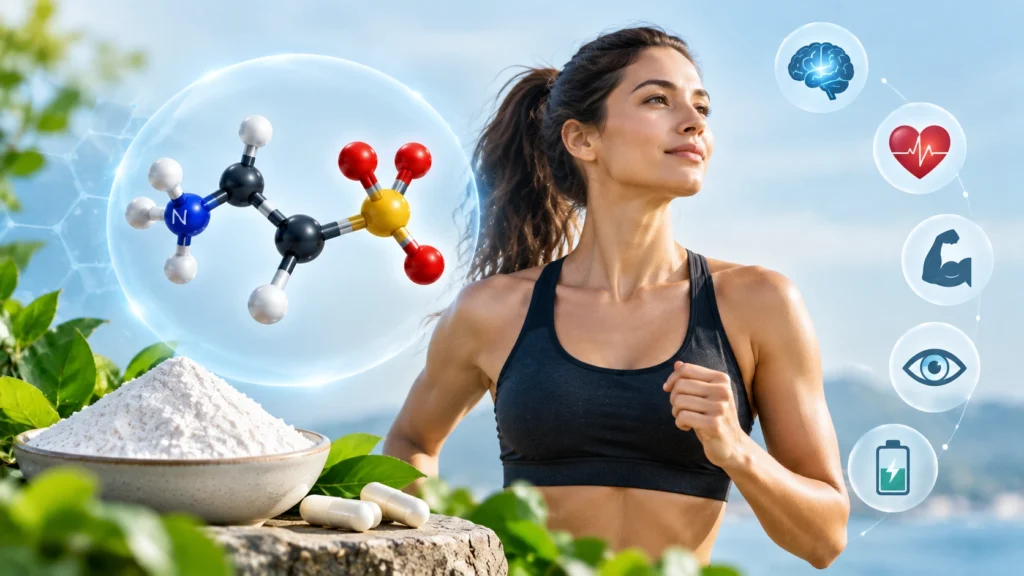
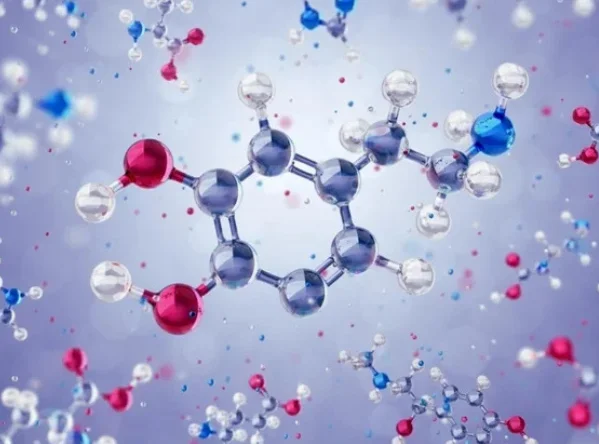
Dopamine is a neurotransmitter, meaning nerve cells use it to communicate with one another. It also acts as a signaling molecule in other parts of the body. It belongs to the catecholamine family, along with norepinephrine and epinephrine.
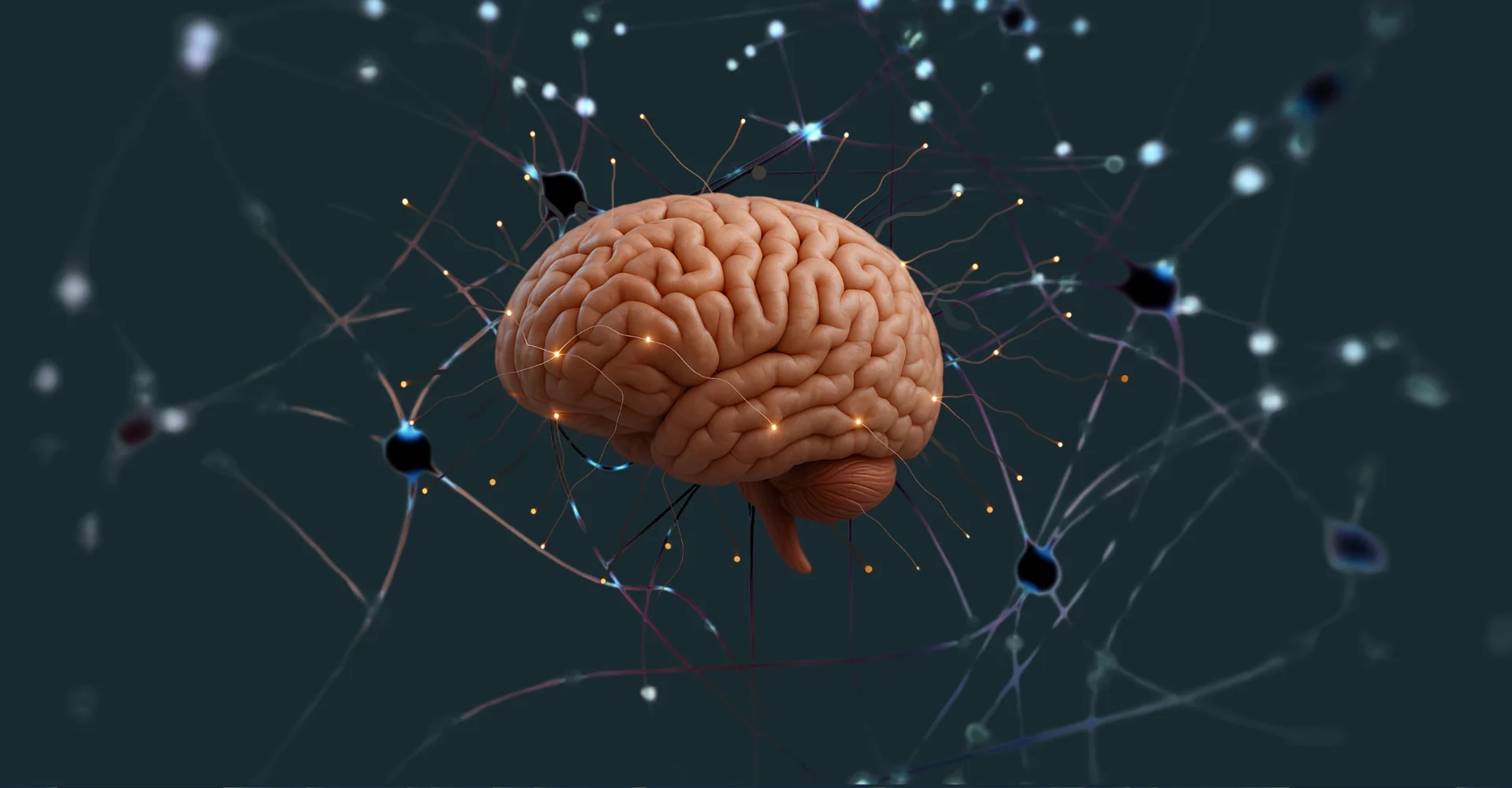
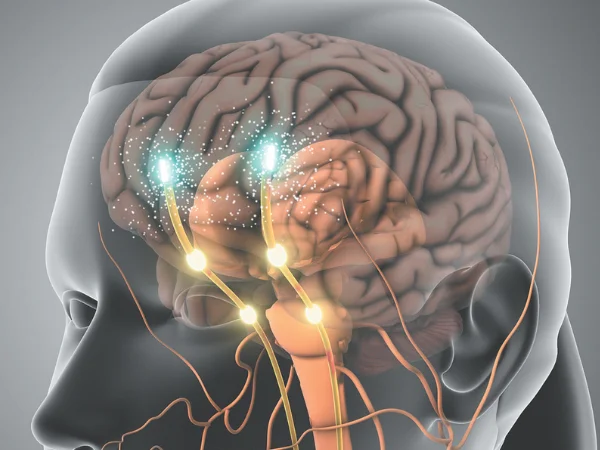
Dopamine influences a surprisingly large number of biological processes.
Its effects depend on where it is released, which dopamine receptor it activates, how much is available, and what other signaling systems are active at the same time.
There are five major dopamine receptor types, commonly grouped into D1-like and D2-like families.
This helps explain why dopamine cannot simply be labeled as “good” or “bad.”
One of dopamine’s most important jobs is helping the brain control movement.
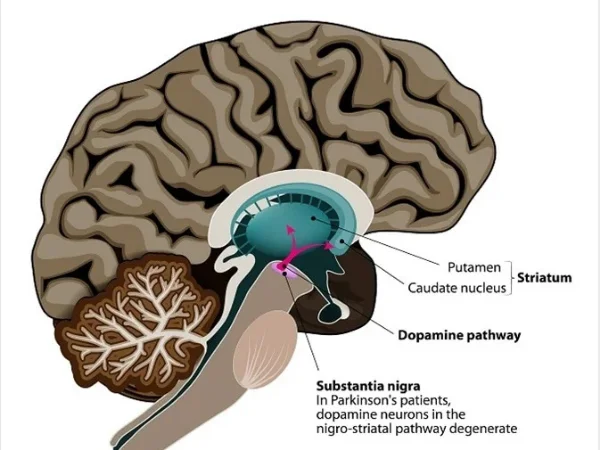
A major dopamine pathway runs from an area of the midbrain called the substantia nigra to the striatum, a region involved in movement.
In Parkinson’s disease, dopamine-producing neurons in the substantia nigra progressively degenerate. As dopamine signaling falls in the affected motor circuits, people can develop symptoms such as slowness of movement, rigidity, tremor, and difficulty with balance.
This is one of the clearest examples of what happens when dopamine signaling is disrupted.
Dopamine is strongly involved in motivation.
It helps the brain decide that a goal, activity, or outcome is worth pursuing.
This does not mean dopamine simply makes you feel motivated all the time. Instead, dopamine helps assign importance to certain actions and experiences and can reinforce behaviors that have produced useful outcomes.
This is why dopamine is relevant to everything from studying for an exam to searching for food to pursuing a career goal.
Dopamine plays a major role in the brain’s reward-learning system.
But the popular phrase “dopamine equals pleasure” is too simplistic.
Research suggests that dopamine is especially important in reinforcement, motivation, reward prediction, and learning from unexpected outcomes.
For example, if you expect a certain reward and receive something much better than expected, dopamine signaling can help your brain update its expectations.
If the expected reward does not appear, the dopamine response can change in the opposite direction.
This prediction-learning system helps the brain continually adjust behavior.
Dopamine helps regulate attention and cognitive function, particularly in brain regions involved in executive control.
Both insufficient and excessive dopamine activity can interfere with cognitive performance.
This is one reason medications that affect dopamine signaling can be useful in certain neurological and psychiatric conditions.
Again, the goal is not simply “more dopamine.”
The brain requires an appropriate level of dopamine signaling in the right circuits.
Dopamine has an unusual role in the endocrine system.
In the hypothalamus, dopamine travels through the hypothalamic-pituitary portal system and inhibits the release of prolactin from the pituitary gland.
This is sometimes called dopamine’s “prolactin-inhibiting factor” role.
When dopamine’s inhibitory signal is reduced, prolactin can rise.
This is one reason medications that block certain dopamine receptors can sometimes increase prolactin levels.
Dopamine is also produced locally in the kidneys.
Renal dopamine participates in regulating sodium and water handling and can influence blood pressure.
This peripheral dopamine system is different from the dopamine pathways responsible for movement and reward in the brain.
That distinction is important because not all dopamine in the body comes from the brain, and not all dopamine has the same job.
Dopamine signaling also occurs in the gastrointestinal tract.
Research has shown that enteric dopamine participates in gastrointestinal motility and other functions of the gut.
This is another reminder that dopamine is not exclusively a “brain chemical.”
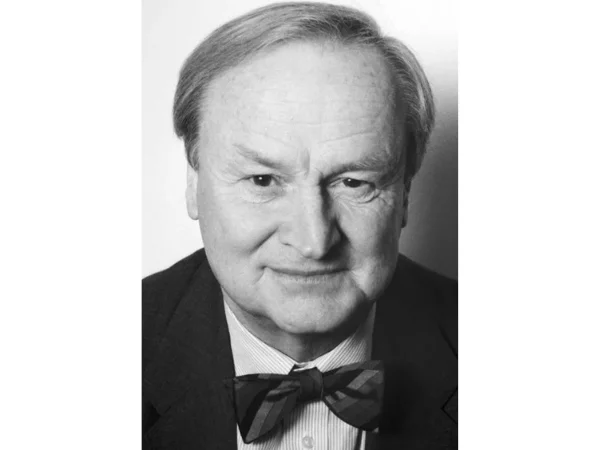
The history of dopamine is more interesting than the common story that “one scientist discovered it.”
Dopamine was chemically identified in the early 20th century, but scientists initially did not understand that it was an important neurotransmitter.
In 1910, English chemists George Barger and James Ewens synthesized dopamine at the Wellcome Physiological Research Laboratories.
At that time, dopamine was largely viewed as a chemical intermediate involved in the production of norepinephrine and epinephrine.
The major breakthrough came decades later.
In the 1950s, Swedish pharmacologist Arvid Carlsson and his colleagues demonstrated that dopamine had an important function in the brain.
Carlsson’s research showed that dopamine was not merely an inactive precursor. It was a biologically important neurotransmitter in its own right.
His work became particularly important for understanding Parkinson’s disease.
Carlsson demonstrated that reducing dopamine in animal brains produced severe movement problems and that giving L-DOPA, a precursor to dopamine, could restore movement.
This helped establish the biological connection between dopamine deficiency and movement disorders.
Carlsson later shared the 2000 Nobel Prize in Physiology or Medicine with Paul Greengard and Eric Kandel for discoveries concerning signal transduction in the nervous system. The Nobel Foundation specifically recognized Carlsson’s establishment of dopamine as a neurotransmitter and his work that helped pave the way for dopamine replacement therapy in Parkinson’s disease.
Another important milestone came in the 1960s, when researchers mapped groups of dopamine-producing neurons in the brain, helping reveal the major dopamine pathways that scientists still study today.
So the story of dopamine has two major chapters:
The second discovery completely changed neuroscience.
“Low dopamine” sounds straightforward, but medically it is not.
There is no single blood dopamine number that can tell you whether your brain has a dopamine deficiency.
In fact, dopamine deficiency is not itself a standard diagnosis. Dopamine levels vary across different parts of the nervous system, and a blood test does not tell doctors how dopamine is functioning inside specific brain circuits.
What matters is whether a particular dopamine pathway is impaired.
The most well-established example is Parkinson’s disease.
In Parkinson’s, dopamine-producing neurons in the substantia nigra are lost. This reduces dopamine signaling in the brain’s motor circuits.
Common motor symptoms include:
The relationship between dopamine and Parkinson’s is one of the strongest examples of how a neurotransmitter can influence human movement.
Changes in dopamine systems have also been associated with reduced motivation, fatigue, and loss of interest.
However, these symptoms are not proof of low dopamine.
Depression, poor sleep, chronic stress, medication side effects, hormonal disorders, nutritional problems, and many other conditions can produce similar symptoms.
It is therefore inaccurate to diagnose yourself with “low dopamine” simply because you feel unmotivated.
Reduced ability to experience pleasure, known as anhedonia, can occur in depression and other conditions involving reward processing.
Dopamine systems may contribute to these changes, but anhedonia cannot be reduced to a simple shortage of dopamine.
The brain’s reward system involves dopamine as well as other neurotransmitters, brain regions, and psychological processes.
Other neurological conditions can also involve abnormal dopamine signaling.
Restless legs syndrome, for example, has been associated with dopamine-related mechanisms, although its biology is more complicated than simply having “low dopamine.”
This is why doctors diagnose the underlying condition rather than treating a dopamine number.
Just as low dopamine is not a simple diagnosis, “high dopamine” is not automatically a medical condition.
Dopamine activity can become excessive in certain brain pathways while being reduced in others.
This is especially important in psychiatric disorders.
Dopamine signaling has been extensively studied in schizophrenia and other psychotic disorders.
Older versions of the dopamine hypothesis suggested that schizophrenia was simply caused by too much dopamine.
Modern research is much more nuanced.
Evidence points toward abnormalities in dopamine signaling in specific brain circuits, including increased presynaptic dopamine activity in parts of the striatum, while other regions may show different patterns.
This matters because the statement “schizophrenia is caused by too much dopamine” is an oversimplification.
Psychosis involves multiple biological systems and brain circuits.
Certain stimulant drugs can dramatically alter dopamine signaling.
Drugs such as cocaine and amphetamine-type stimulants affect dopamine transport, release, or both.
Repeated exposure can change the brain’s reward and motivation systems and contribute to substance use disorders.
This does not mean that ordinary pleasurable activities are equivalent to addictive drugs.
The human brain has sophisticated mechanisms for regulating dopamine, and the size, speed, and context of dopamine changes matter.
Medications that increase dopamine activity can sometimes cause side effects.
For example, dopamine replacement therapy used in Parkinson’s disease can, in some people, contribute to involuntary movements or behavioral complications such as impulse-control disorders.
This illustrates a broader principle:
A dopamine system that is working correctly is more important than a dopamine system that is simply producing more activity.
There is a major misconception surrounding the phrase “get dopamine.”
You cannot simply take a dopamine pill and expect it to increase dopamine in your brain.
The reason is the blood-brain barrier.
Dopamine does not readily cross from the bloodstream into the brain. The National Institute of Neurological Disorders and Stroke explains that this is why Parkinson’s treatment uses levodopa, rather than dopamine itself. Levodopa can cross into the brain, where it is converted into dopamine.
Levodopa, also called L-DOPA, is a precursor to dopamine.
Once inside the brain, enzymes convert levodopa into dopamine.
For Parkinson’s disease, levodopa is commonly combined with carbidopa. Carbidopa reduces the breakdown of levodopa outside the brain, allowing more levodopa to reach the nervous system and reducing some peripheral side effects.
Levodopa is an important prescription medication.
It is not a general-purpose supplement for healthy people who want more motivation or pleasure.
Doctors can also use medications called dopamine agonists.
Instead of supplying dopamine, these drugs activate certain dopamine receptors.
They are used in conditions including Parkinson’s disease and restless legs syndrome.
Because they directly affect dopamine receptors, they can have significant side effects and must be used under medical supervision.
Some Parkinson’s medications work by slowing dopamine breakdown.
MAO-B inhibitors, for example, reduce the breakdown of dopamine in the brain and can extend its activity.
Again, these are prescription treatments, not everyday dopamine supplements.
The blood-brain barrier is the key issue.
Taking dopamine orally does not provide a simple route for increasing brain dopamine.
Even when a substance can influence dopamine synthesis, the brain tightly regulates how much dopamine is produced, released, and broken down.
That is why “dopamine boosting” is much more complicated than taking a substance and waiting for a motivation surge.
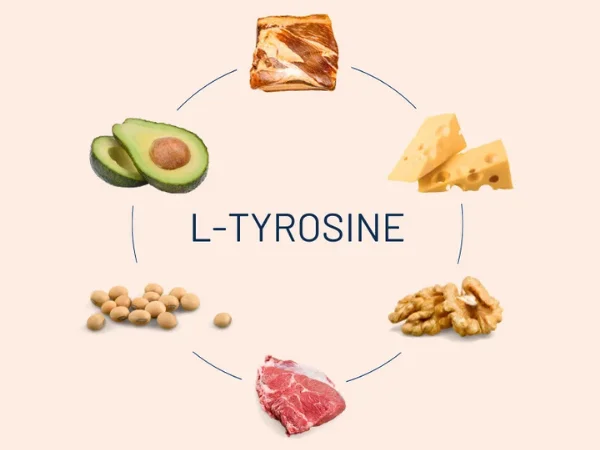
Your body naturally makes dopamine from the amino acid tyrosine.
Tyrosine is converted to L-DOPA and then dopamine through a series of enzymatic reactions.
You do not need to eat foods that contain dopamine itself.
Instead, the goal is to support normal brain health and dopamine regulation.
Exercise is one of the most useful lifestyle habits for overall brain health.
Physical activity affects dopamine signaling, reward processing, mood, sleep, and brain plasticity.
Some studies suggest that regular exercise can influence dopamine receptors and dopamine-related pathways, although it is too simplistic to say that exercise simply “raises dopamine.”
The bigger advantage is that exercise supports multiple systems at once.
Aim for a combination of aerobic activity, resistance training, and regular daily movement according to your fitness level and medical needs.
Tyrosine comes from dietary protein.
Foods containing tyrosine include:
For most people eating a balanced diet, there is no need to consume extremely high amounts of tyrosine.
Your body regulates neurotransmitter production through several steps, so eating more protein does not mean your brain will produce proportionally more dopamine.
Sleep has a major relationship with dopamine signaling.
Sleep deprivation can change reward processing, attention, motivation, and the activity of neurotransmitter systems.
A consistent sleep schedule and adequate sleep are therefore more sensible ways to support healthy dopamine function than relying on stimulant supplements.
Daylight helps regulate circadian rhythms, which influence sleep, alertness, mood, and brain function.
Spending time outdoors during the day is a simple way to support a healthy daily rhythm.
This is especially useful when combined with regular sleep and wake times.
Dopamine is heavily involved in learning and reinforcement.
Learning a language, practicing music, playing a sport, studying a difficult subject, or developing a professional skill gives the brain repeated opportunities to update predictions and reinforce useful behaviors.
The important point is not to chase constant stimulation.
The brain benefits from meaningful challenges and the satisfaction of making progress.
Positive social experiences engage reward and motivation systems.
Healthy relationships, conversation, cooperation, and shared activities can support emotional well-being and stimulate brain systems involved in reward.
This is another reason why a healthy dopamine strategy is much broader than food or supplements.
Modern life can provide extremely frequent rewards through social media, gambling, gaming, shopping, pornography, and other high-stimulation activities.
It is tempting to describe all of these experiences as simply “dopamine spikes,” but the neuroscience is more complicated.
Still, repeated exposure to highly rewarding stimuli can influence learning, habits, attention, and reward sensitivity.
The practical lesson is not to fear dopamine. It is to build a lifestyle where rewarding experiences are not dominated by a single high-stimulation activity.
There is an important correction to the way this topic is often presented online:
There is no FDA-approved over-the-counter “dopamine supplement” that has been proven to safely raise brain dopamine and improve motivation or intelligence in healthy adults.
Dopamine itself is not an ordinary dietary supplement.
And because dopamine does not readily cross the blood-brain barrier, taking dopamine directly is not a practical way to increase brain dopamine.
However, some supplements are marketed as ingredients that may support dopamine production.
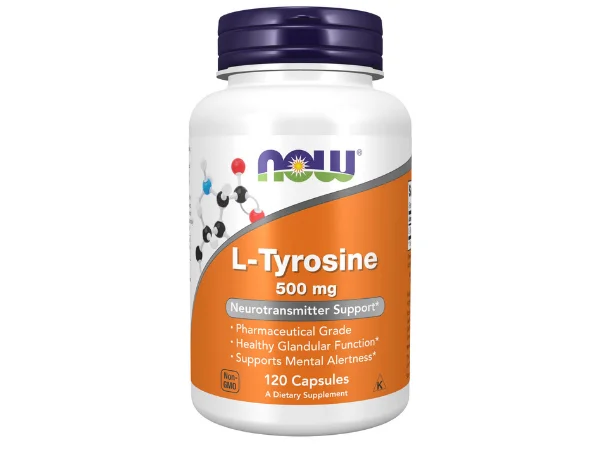
L-tyrosine is the most obvious nutritional precursor because the body uses it to make L-DOPA and dopamine.
Tyrosine supplementation has been studied particularly in situations involving acute stress, cold exposure, sleep deprivation, or demanding cognitive conditions.
That does not mean everyone with low motivation needs tyrosine.
If you already consume adequate protein, your body generally has access to tyrosine.
If you are considering an L-tyrosine supplement, check for transparent dosing and avoid products making exaggerated claims about instant motivation or intelligence.
Mucuna pruriens, commonly called velvet bean, naturally contains L-DOPA.
This makes it much more pharmacologically active than an ordinary nutritional supplement.
Some research has investigated Mucuna pruriens in Parkinson’s disease, but the evidence remains limited and long-term safety has not been established. NCCIH notes that some clinical studies have found effects on motor symptoms, while adverse effects and variability remain concerns.
For that reason, Mucuna should not be treated as a harmless “natural dopamine booster.”
Because it contains L-DOPA, it can have drug-like effects and potentially interact with Parkinson’s medications and other treatments.
Nutrients such as vitamin B6, folate, iron, magnesium, and vitamin D participate in various aspects of nervous-system function.
But correcting a deficiency is very different from taking large doses to force dopamine higher.
If you are deficient in an essential nutrient, correcting that deficiency can support normal physiology. If you are not deficient, taking more does not necessarily produce more dopamine or better mood.
When shopping for supplements, remember that the FDA does not approve dietary supplements for safety and effectiveness before they are marketed. Manufacturers are responsible for meeting applicable safety and labeling requirements, while FDA’s oversight is largely post-market.
Look for:
Be especially cautious with products that contain several stimulants or proprietary blends.
“Natural” does not automatically mean safe, and NCCIH notes that what is listed on a supplement label is not always what has been found in the product.
If you take prescription medication, have a neurological or psychiatric condition, or are pregnant or breastfeeding, speak with a healthcare professional before using a supplement intended to alter neurotransmitter activity.
Dopamine is far more than the “feel-good chemical” you may have heard about online.
It is a powerful neurotransmitter and signaling molecule involved in movement, motivation, reward learning, attention, cognition, sleep, hormone regulation, and several functions outside the brain.
Its discovery unfolded over decades. Dopamine was synthesized in 1910, but scientists initially considered it mainly a precursor to other catecholamines. The work of Arvid Carlsson in the 1950s helped establish dopamine as an important neurotransmitter and connected dopamine loss with movement problems. His research eventually contributed to the development of dopamine replacement therapy for Parkinson’s disease.
When dopamine signaling is impaired in specific brain circuits, the consequences can be serious. Parkinson’s disease is the clearest example, where loss of dopamine-producing neurons contributes to characteristic movement problems.
But “low dopamine” should not be treated as a catch-all explanation for fatigue, depression, lack of motivation, or poor concentration.
Likewise, high dopamine is not automatically beneficial.
Different dopamine pathways can behave differently, and excessive signaling in particular circuits has been associated with conditions such as psychosis. Modern research no longer supports the simplistic idea that psychiatric disorders are caused by one neurotransmitter being universally too high or too low.
The same principle applies to supplements.
There is no simple dopamine pill that safely makes a healthy person more motivated or intelligent. Dopamine itself does not readily cross the blood-brain barrier, which is why medical treatment for Parkinson’s uses levodopa rather than oral dopamine.
For everyday brain health, the basics remain much more important.
Regular exercise, sufficient sleep, a balanced diet with adequate protein, daylight exposure, meaningful learning, social connection, and a healthy approach to rewarding activities all support the systems in which dopamine operates.
If you are considering a supplement, L-tyrosine is a nutritional precursor to dopamine, while Mucuna pruriens contains L-DOPA and therefore deserves considerably more caution than an ordinary food-based supplement. Neither should be viewed as a universal treatment for “low dopamine.”
Most importantly, you do not need to maximize dopamine to have a healthy brain.
The human nervous system is not designed around maximum neurotransmitter levels. It is designed around precise signaling, timing, feedback, and balance.
Dopamine works best when it helps you move when movement is needed, focus when something matters, learn from experience, pursue worthwhile goals, and respond appropriately to rewards.
That balance, rather than an endless search for the next “dopamine hit,” is what healthy dopamine function is really about.
Not exactly. Dopamine is involved in reward, motivation, reinforcement, learning, attention, and movement, but it is not simply the chemical responsible for happiness. Pleasure involves multiple brain systems and neurotransmitters.
No. Dopamine works best within carefully regulated neural circuits. Too little signaling can impair certain functions, but excessive or poorly regulated dopamine activity can also cause problems. The goal is balance, not maximum dopamine.
No, not to dopamine itself. Your body naturally needs dopamine and produces it continuously. People become addicted to certain behaviors or substances that strongly alter reward and reinforcement systems. Saying that someone is “addicted to dopamine” is a popular phrase, but it is not the same as being addicted to the neurotransmitter itself.
Rewarding foods can influence dopamine signaling, but the idea that sugar simply causes a huge dopamine spike is an oversimplification. Eating involves a complex network involving dopamine, opioids, hormones, sensory signals, metabolism, and learning.
A blood dopamine measurement does not tell you how much dopamine is functioning in your brain. Dopamine is produced and used in different tissues and brain circuits, and blood levels do not provide a simple measure of brain dopamine activity. Cleveland Clinic notes that dopamine deficiency is not itself a standard diagnosis and that blood testing is generally not useful for determining how the brain responds to dopamine.
No. Parkinson’s disease involves the loss of dopamine-producing neurons in specific brain regions. The resulting dopamine deficiency in movement-related circuits contributes to its motor symptoms. Dopamine itself does not cause Parkinson’s disease.
Dopamine itself does not readily cross the blood-brain barrier. This is why Parkinson’s treatment uses levodopa, which can enter the brain and then be converted into dopamine.
Exercise affects dopamine signaling and may support healthy dopamine pathways, but it is too simplistic to say that exercise permanently raises dopamine. Its benefits likely come from many interacting effects on the brain, cardiovascular system, metabolism, sleep, and mood.
Rewarding music can engage dopamine-related brain circuits. Research has linked musical pleasure and anticipation to dopamine signaling. But this does not mean that every song produces a dramatic dopamine “rush” or that you should use music as a dopamine-boosting treatment.
Not necessarily. Low motivation and fatigue have many possible causes, including poor sleep, depression, anxiety, chronic stress, medications, anemia, thyroid disorders, and other medical conditions. Feeling unmotivated is not enough to diagnose a dopamine problem.