Adrenaline is one of the body’s fastest-acting chemical messengers. The moment your brain senses danger, your body can release adrenaline within seconds, causing your heart to beat faster, your breathing to change, your blood pressure to rise, and more fuel to become available for your muscles.
Think of adrenaline as your body’s emergency accelerator.
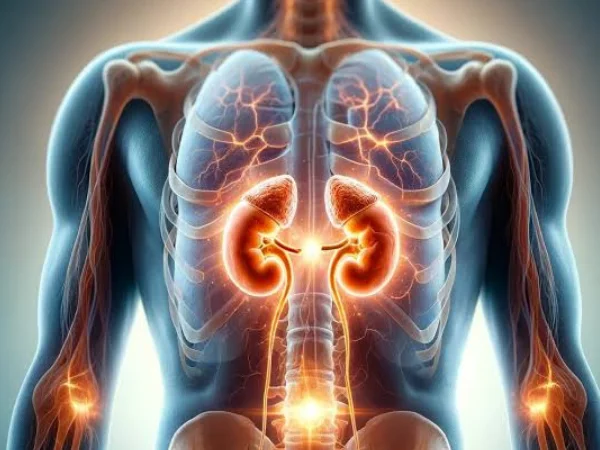
When your brain detects a threat, the sympathetic nervous system signals the adrenal medulla to release epinephrine into the bloodstream. The hormone then travels throughout the body and binds to adrenergic receptors on different tissues.
The result can happen very quickly.
Epinephrine increases heart rate and the force with which the heart contracts. This helps increase cardiac output, allowing more blood to reach organs and muscles that need it during an emergency.
That is why your heart may suddenly start pounding when you are frightened or surprised.
Adrenaline can cause blood vessels in certain tissues to constrict while promoting dilation in other areas.
Through its effects on alpha and beta adrenergic receptors, epinephrine helps redistribute blood flow during the fight-or-flight response.
This can increase blood pressure and direct circulation toward tissues that are important for immediate action.
Epinephrine stimulates beta-2 receptors in the smooth muscle of the airways, causing the bronchial passages to relax.
This makes it easier to move air into and out of the lungs during an acute stress response.
This airway-opening effect is one reason epinephrine is so important in treating anaphylaxis, a severe and potentially fatal allergic reaction.
Your muscles need fuel when your body suddenly has to run, fight, escape, or perform strenuous physical work.
Adrenaline helps make that fuel available.
It stimulates processes that increase the availability of glucose and fatty acids for energy. Epinephrine promotes glycogen breakdown, helping the liver release glucose into the bloodstream, while also promoting fat breakdown in adipose tissue.
This is one reason adrenaline is more than simply a “fear hormone.” It is also an important metabolic hormone.
During acute stress, adrenaline works alongside the brain’s sympathetic response to increase alertness and readiness.
You may suddenly become extremely focused on what is happening around you.
This can be useful when the response is brief and appropriate. Constantly feeling stressed, however, is not the same thing as having a healthy adrenaline response.
During an emergency, digestion becomes less important than immediate survival.
Adrenaline reduces activity in parts of the gastrointestinal system and helps redirect resources toward cardiovascular and muscular demands.
That is why intense fear or stress can sometimes cause a “butterflies in the stomach” feeling, nausea, or changes in bowel activity.
The physical sensations associated with adrenaline can include:
These sensations can be uncomfortable, but they are part of a normal short-term stress response.
The problem is not adrenaline itself. Your body needs this system. Problems arise when the response is excessive, inappropriate, prolonged, or caused by an underlying medical condition.

The discovery of adrenaline was not the work of a single person on a single day. It unfolded over several years and involved several scientists.
The story begins in the 1890s.
In 1895, English physician George Oliver and physiologist Edward Schäfer demonstrated that extracts from the adrenal glands could produce powerful effects on the cardiovascular system of animals, including increased blood pressure.
Their experiments showed that the adrenal glands contained a substance with remarkable physiological effects.
Scientists then began trying to identify and isolate the active chemical responsible.
In 1899, American pharmacologist John Jacob Abel reported an adrenal extract that he called “epinephrin.” However, his preparation was not the pure active hormone scientists were ultimately looking for.
The major breakthrough came with Japanese chemist Jokichi Takamine and his colleague Keizo Uenaka.
Around 1900, working in New York, Uenaka successfully isolated the active substance from adrenal extracts using a purification process developed in Takamine’s laboratory. Takamine called the purified substance adrenalin.
In 1901, Takamine published his work, and the product was subsequently commercialized by Parke-Davis.
Another chemist, Thomas B. Aldrich, independently worked out the correct chemical formula.
The history is therefore more complicated than simply saying “one scientist discovered adrenaline.”
Oliver and Schäfer demonstrated the physiological effects of adrenal extracts. Abel attempted to isolate the active substance. Takamine and Uenaka achieved the crucial isolation of a stable crystalline form, while Aldrich helped establish its chemistry.
The discovery is considered a landmark in medical history because adrenaline was among the first hormones to be isolated in a purified form.
Interestingly, the two names survived. Takamine’s “adrenalin” became associated with the trademarked product, while epinephrine eventually became the generic medical name in the United States.
The hormone was later synthesized chemically, making it possible to produce it without extracting it from animal adrenal glands.
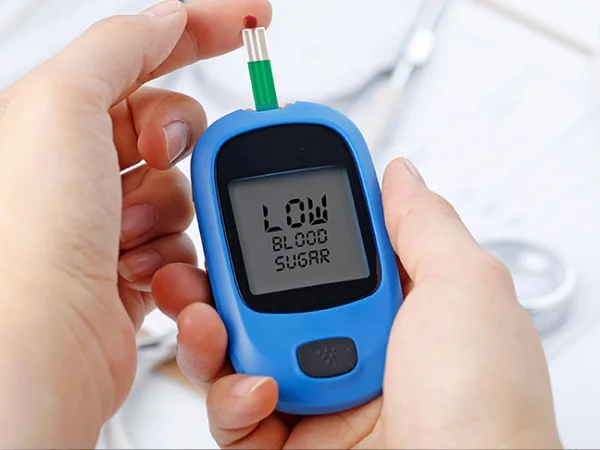
There is a major misconception about “low adrenaline.”
Healthy people do not normally need a specific constant level of adrenaline in their bloodstream. Epinephrine is released in pulses when the body needs it. During quiet periods, blood concentrations are much lower.
So having a low adrenaline level while resting is not automatically a medical problem.
The more important issue is whether the body can produce an appropriate adrenaline response when it is needed.
Adrenaline plays an important role in protecting the body against hypoglycemia, or abnormally low blood glucose.
When blood glucose falls, the body activates several counter-regulatory mechanisms. Adrenaline is one of them.
It helps increase glucose availability and produces warning symptoms such as:
These symptoms can alert a person that their blood sugar is dropping.
This becomes particularly important in people with diabetes who use insulin. Repeated episodes of low blood sugar can impair the body’s counter-regulatory responses, sometimes contributing to hypoglycemia unawareness.
Conditions affecting the adrenal glands can alter catecholamine production, although adrenal insufficiency is more directly associated with inadequate cortisol and aldosterone than with simply having “low adrenaline.”
This distinction matters.
If someone experiences chronic fatigue, dizziness, low blood pressure, weakness, or unexplained episodes of feeling unwell, it is not appropriate to assume that low adrenaline is the cause.
Many medical conditions can produce similar symptoms.
Unlike iron deficiency or vitamin B12 deficiency, there is no standard everyday diagnosis called “adrenaline deficiency” that can be identified from common symptoms alone.
Doctors evaluate the underlying problem instead.
If someone has symptoms suggesting adrenal disease, autonomic dysfunction, recurrent low blood sugar, or another endocrine disorder, appropriate testing is based on the suspected condition.
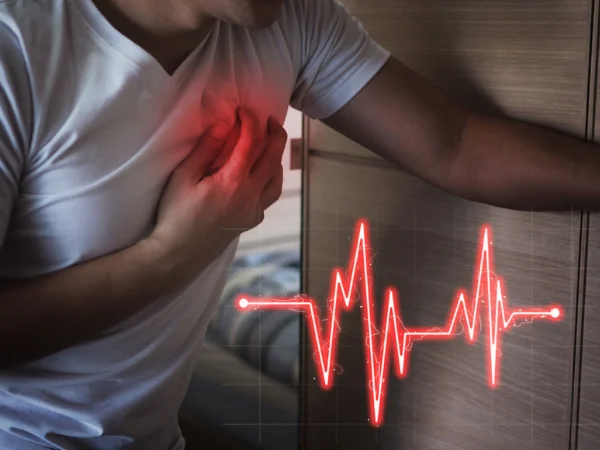
Too much adrenaline can produce the exact opposite of the calm state your body normally wants.
A sudden surge can cause:
These symptoms can occur during ordinary acute stress and usually settle as adrenaline is broken down.
The more important question is why adrenaline is elevated.
Fear, danger, intense exercise, pain, and emotional shock can all produce large temporary adrenaline surges.
This is normal physiology.
The hormone is rapidly metabolized, so the body does not remain in maximum fight-or-flight mode forever after a single stressful event.
Chronic stress involves repeated or prolonged activation of stress systems rather than simply having one large adrenaline spike.
It is inaccurate to say that every stressful person has chronically “high adrenaline.” Stress involves multiple systems, including the sympathetic nervous system, hypothalamic-pituitary-adrenal axis, cortisol, and other signaling pathways.
Rare tumors called pheochromocytomas and related paragangliomas can produce excessive catecholamines.
People with these conditions may experience episodes involving:
These symptoms require medical evaluation because untreated catecholamine-secreting tumors can cause serious cardiovascular complications.
Epinephrine is a lifesaving medication when used appropriately, particularly for anaphylaxis.
But it is a powerful drug.
Excessive or inappropriate exposure can cause significant increases in heart rate and blood pressure and may lead to dangerous cardiovascular effects.
That is why injectable epinephrine should be used according to medical instructions and not treated like an energy supplement.
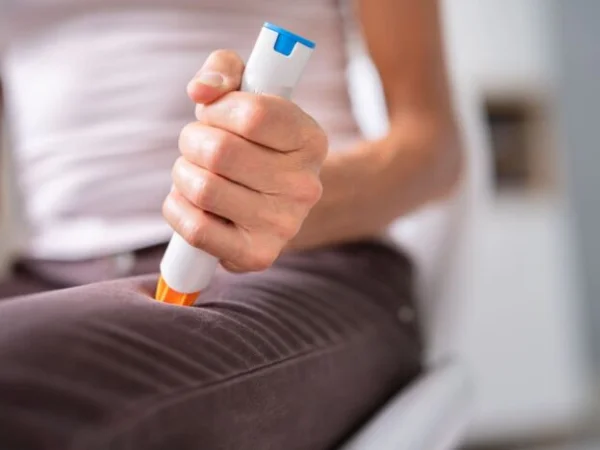
There is a major difference between naturally producing adrenaline and receiving epinephrine as a medication.
The artificial medical form is epinephrine, which is manufactured for pharmaceutical use.
In the United States, epinephrine auto-injectors are best known for emergency treatment of anaphylaxis.
People with a history of severe allergic reactions may be prescribed an auto-injector so they can rapidly administer epinephrine when a life-threatening reaction occurs.
Epinephrine works quickly on several parts of the allergic response. It helps constrict blood vessels, increase blood pressure, relax airway smooth muscle, and reduce swelling in the upper airway.
For anaphylaxis, epinephrine is not optional “extra energy.” It can be a life-saving emergency treatment.
Healthcare professionals also use epinephrine in other situations, including certain forms of cardiac arrest and severe low blood pressure, depending on the clinical circumstances.
The dose and route of administration vary dramatically depending on the medical problem.
No.
There is no legitimate over-the-counter adrenaline supplement that healthy adults should use to raise their epinephrine levels.
Epinephrine is a potent pharmacological agent, not a dietary nutrient.
Trying to obtain or use pharmaceutical epinephrine without a medical reason can be dangerous.

You do not need to eat a particular food to “get” adrenaline.
Your adrenal glands manufacture epinephrine from tyrosine, an amino acid that ultimately comes from dietary protein and normal metabolism.
The body then converts tyrosine through a biochemical pathway involving several enzymes to produce catecholamines, including dopamine, norepinephrine, and ultimately epinephrine.
So the natural way to support normal adrenaline production is not to chase adrenaline itself. It is to maintain the systems that regulate normal catecholamine production and the stress response.
Physical activity naturally activates the sympathetic nervous system.
The amount of adrenaline released depends on the intensity and duration of exercise, your fitness level, and the circumstances.
High-intensity exercise tends to produce a stronger catecholamine response than easy activity.
You do not need extreme workouts to benefit from exercise, though. Regular physical activity supports cardiovascular fitness, metabolic health, mood, and stress regulation.
Exciting experiences can activate the same biological systems involved in the fight-or-flight response.
A roller coaster, competitive sport, public performance, or other thrilling experience may produce an adrenaline rush.
This is why people sometimes describe thrilling activities as giving them an “adrenaline high.”
However, deliberately seeking extreme danger is not a healthy way to optimize adrenaline.
Because epinephrine is synthesized from amino acids, adequate protein and overall nutrition support normal catecholamine production.
Good sources of protein include:
You do not need unusually high amounts of protein or tyrosine to produce normal adrenaline.
Sleep helps regulate the nervous system and stress-response systems.
Poor sleep can alter sympathetic activity, stress hormones, blood pressure, and metabolic regulation.
Rather than trying to increase adrenaline directly, maintaining consistent, adequate sleep helps your body regulate its stress-response systems more effectively.
This may sound strange because stress triggers adrenaline, but the goal of a healthy nervous system is not to keep adrenaline high.
Your body needs the ability to activate the stress response when necessary and then return toward baseline afterward.
Regular exercise, adequate sleep, social connection, relaxation practices, and appropriate treatment for anxiety or other mental health conditions can help support healthy stress regulation.
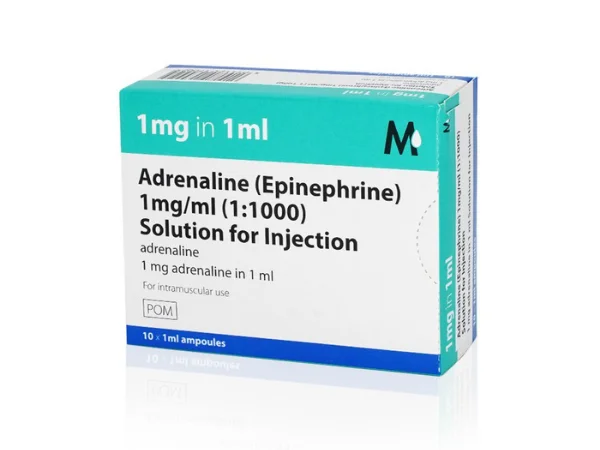
There is an important answer here that may be different from what you expect:
There are no legitimate “best adrenaline supplements” for healthy people in the United States.
Adrenaline is not sold as a normal dietary supplement because it is a potent hormone and medication.
If you see a product advertised as an “adrenaline booster,” it is almost certainly referring to an ingredient that may influence energy, alertness, or catecholamine signaling rather than containing pharmaceutical epinephrine.
That distinction is extremely important.
L-tyrosine is an amino acid involved in catecholamine synthesis.
Some research has examined tyrosine supplementation during situations involving acute stress, sleep deprivation, cold exposure, or demanding cognitive tasks.
However, taking tyrosine is not the same as taking adrenaline, and it does not mean your body needs more adrenaline.
For healthy people eating enough protein, dietary tyrosine is generally readily available.
Caffeine can increase alertness and stimulate parts of the sympathetic nervous system. It may also influence catecholamine responses.
But caffeine is not an adrenaline supplement.
It should not be marketed as a way to correct low epinephrine.
Some pre-workout products contain caffeine and other stimulants that can make you feel more energized or physically stimulated.
That sensation is not proof that you have increased your adrenaline to a beneficial level.
People with heart conditions, high blood pressure, anxiety disorders, or sensitivity to stimulants should be particularly cautious with high-stimulant products.
If you are experiencing unusually low energy, dizziness, fainting, low blood pressure, unexplained episodes of rapid heartbeat, or unusual reactions to stress, do not assume that you need an adrenaline supplement.
The underlying cause should be evaluated.
Adrenaline, also called epinephrine, is one of the body’s most important rapid-response hormones.
Produced primarily by the adrenal medulla, it helps the body respond to danger, physical exertion, low blood glucose, pain, and other situations requiring immediate action.
It increases heart rate and cardiac output, changes blood-vessel tone, opens the airways, mobilizes glucose and fatty acids, increases alertness, and temporarily reduces attention to functions such as digestion.
The history of adrenaline is equally fascinating. Research by George Oliver and Edward Schäfer in the 1890s demonstrated the powerful effects of adrenal extracts. John Jacob Abel attempted to isolate the active substance in 1899, while Jokichi Takamine and Keizo Uenaka achieved a crucial purification of the hormone around 1900. Thomas Aldrich helped establish its chemistry. The resulting discovery became a milestone in the history of endocrinology and pharmacology.
When it comes to low adrenaline, there is no normal daily target that everyone needs to maintain. The body does not continuously flood itself with epinephrine. It releases it when the situation calls for it.
Likewise, higher adrenaline is not automatically better.
An adrenaline surge during exercise or an emergency can be useful. Persistently or abnormally elevated catecholamine activity can be a sign of a medical problem and, in rare cases, can be associated with conditions such as pheochromocytoma.
Perhaps the most important point is about supplements.
There is no legitimate over-the-counter adrenaline supplement that healthy people should take to increase epinephrine. Pharmaceutical epinephrine is a powerful medicine used in specific medical situations, most famously emergency treatment of anaphylaxis.
You can support normal adrenaline physiology through regular physical activity, adequate nutrition, quality sleep, and healthy stress regulation. But you do not need to chase adrenaline spikes to be healthy.
Adrenaline is best understood as an emergency-response system, not an energy supplement.
Your body already knows how to make it. The real goal is not to keep adrenaline high. It is to have the right response at the right time, and then allow your body to return to a calmer state when the threat has passed.
Yes. Adrenaline and epinephrine refer to the same hormone. “Epinephrine” is the generic medical name commonly used in the United States, while “adrenaline” is widely used in everyday and international medical language.
No. Adrenaline temporarily makes more energy available by increasing glucose and fatty acid availability and changing cardiovascular function. It can make you feel unusually energetic, but it does not create unlimited energy or eliminate the body’s need for rest and recovery.
You can activate the body’s stress response through exercise or exciting experiences, but deliberately keeping adrenaline high is not a health goal. Your body regulates adrenaline according to circumstances. The healthier goal is an appropriate response when needed and a return toward baseline afterward.
No. “Adrenal fatigue” is not a medically established diagnosis. The adrenal glands can develop genuine disorders, but those conditions are different from the popular idea that ordinary stress simply “wears out” the adrenal glands and stops them from making hormones.
Adrenaline can contribute to the physical sensations of anxiety, such as a racing heart, sweating, shaking, and rapid breathing. But anxiety is not simply “too much adrenaline.” It involves brain circuits, thoughts, emotions, behavior, and several biological systems.
It can temporarily improve your ability to perform certain physical actions by increasing cardiovascular output, mobilizing energy, and increasing alertness. This is one reason people sometimes perform extraordinary physical actions during emergencies. However, the popular stories about people suddenly becoming many times stronger because of adrenaline are often exaggerated.
Not necessarily. A short adrenaline surge is a normal part of human physiology. Problems arise when the response is unusually intense, occurs without an appropriate trigger, or happens in someone with certain cardiovascular or other medical conditions.
No. Pharmaceutical epinephrine is not a workout supplement and should not be used to improve athletic performance. It can produce dangerous cardiovascular effects when used improperly.
No. Exercise temporarily activates the sympathetic nervous system and can increase catecholamine levels, including epinephrine. Regular exercise also produces long-term adaptations that can change how the body responds to stress and physical activity. That is very different from permanently having high adrenaline.